Au Martin Bleu sits on Avenue de Grammont in Tours, positioned within a city that has quietly become one of the Loire Valley's more serious dining addresses. The restaurant draws on the agricultural depth of the surrounding Touraine region, where market gardens, river fish, and local charcuterie define the larder. For visitors tracing the Loire's food culture, it represents a practical and worthwhile stop.
Pearl is the En Primeur Club membership app — saves, bookings, and concierge access live there. Same editors, same standards.
- Address
- 34 Av. de Grammont, 37000 Tours, France
- Phone
- +33247667933
- Website
- module.thefork.com
- Directions
- Get directions
 Saves & bookings on Pearl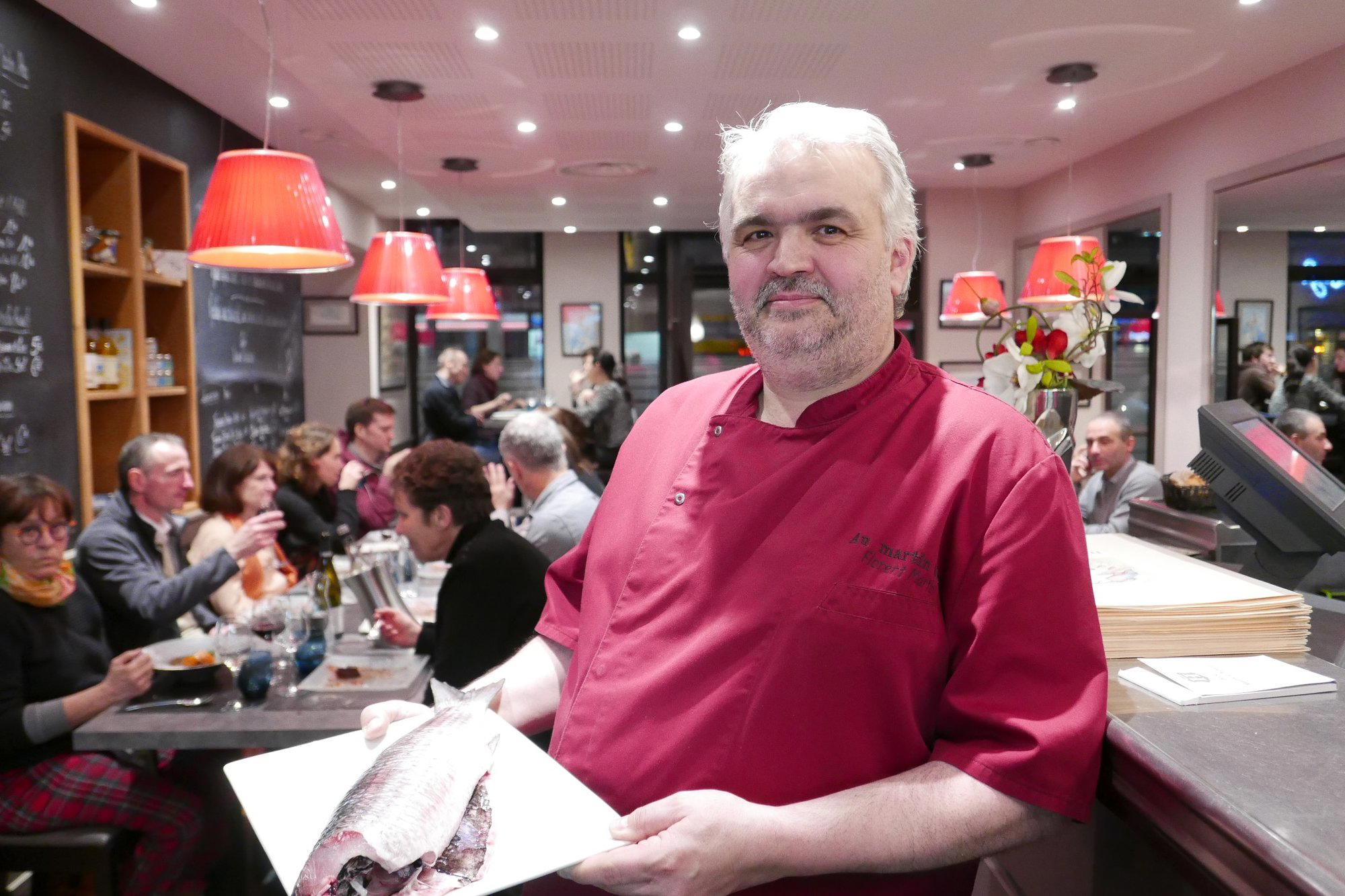
Avenue de Grammont and the Shape of Tours Dining
Avenue de Grammont runs south from the centre of Tours in a long, composed line, the kind of boulevard that signals civic seriousness without announcing itself. The restaurants along and around it tend to operate the same way: anchored in regional cooking, relatively unbothered by the trend cycles that govern Paris or Lyon, and confident enough in the Touraine larder to let ingredients do the argumentative work. Au Martin Bleu, at number 34, occupies that register. It is the sort of address that reads as quietly purposeful from the street, the kind of place Tours does well and visitors from larger cities sometimes underestimate.
Tours itself has been consolidating a more considered dining identity over the past decade. The city sits at the intersection of the Loire and Cher rivers, surrounded by particularly productive agricultural land in France, and the better restaurants here have started to treat that geography as a genuine competitive advantage rather than a background condition. The contrast with destination restaurants further afield, such as Mirazur in Menton or Flocons de Sel in Megève, is instructive: those addresses built their reputations partly on landscape and destination travel, while the stronger addresses in Tours earn their place through direct access to a larder that needs little augmentation.
The Touraine Larder and Why It Matters Here
The ingredient case for Touraine is not rhetorical. The region produces rillettes and rillons that carry AOC-level cultural weight, freshwater fish from the Loire itself (sandre, brochet, friture), asparagus from the Sologne edge, mushrooms cultivated in the tuffeau caves that run beneath the valley floor, and goat cheeses, particularly Sainte-Maure-de-Touraine, that are AOP-protected and genuinely distinctive in character. Any restaurant operating seriously in Tours has access to a supply chain that most French cities would find difficult to match for this particular combination of river, cave, and market-garden produce.
This is the framework through which Au Martin Bleu should be understood. Where haute cuisine addresses in the French tradition, from Paul Bocuse's Auberge du Pont de Collonges in Collonges-au-Mont-d'Or to Auberge de l'Ill in Illhaeusern, have constructed elaborate sourcing narratives around specific suppliers over generations, the mid-range bistro tradition in a city like Tours operates on a different but equally legitimate logic: proximity, seasonality, and the disciplined use of what the market offers each week. The discipline is in the editing, not the elaboration.
Compared to the Touraine addresses in the same general tier, such as Bistrot des Belles Caves and Bistrot des Halles, Au Martin Bleu operates in a neighbourhood that sits slightly south of the city's main market and pedestrian restaurant concentration, which tends to draw a more local, less tourist-oriented clientele. That geographic displacement is worth factoring into any visit: the pace and atmosphere at this end of Grammont are different from the busier northern dining streets.
Where This Sits in the Tours Restaurant Picture
Tours has developed a small cluster of addresses that approach cooking with more formal ambition, including Case. (Modern Cuisine) and Casse-Cailloux (Modern Cuisine), both of which operate in the contemporary French register with visible technique and tasting-menu formats. Addresses such as Chez Gaster occupy a more traditional bistro position. The restaurant's placement on a major southward artery, rather than in the old town's dining core, suggests a different kind of ambition: the restaurant anchored to a neighbourhood rather than a dining destination circuit.
This is not a diminishment. The grandes maisons of French cooking, from Troisgros in Ouches to Bras in Laguiole, exist partly because of a supporting ecosystem of solid regional cooking that treats the same ingredients without the same ceremony. The addresses that keep French culinary culture coherent are not all three-starred; many of them are on avenues like Grammont, open for lunch on a Tuesday with a short menu and a sensible list of local wine.
For the Loire Valley's wine context, it is worth noting that Tours sits within reach of Vouvray, Bourgueil, Chinon, and Montlouis-sur-Loire, all appellations that produce wines with enough acidity and structure to work well against the region's richer charcuterie and freshwater fish dishes. A restaurant on this avenue that takes its wine list seriously has many local options to draw from, and pairing Loire whites with the tuffeau-cave mushrooms or local asparagus is one of the more satisfying low-intervention combinations in French regional cooking.
For a fuller picture of eating and drinking in the city, the EP Club Tours restaurants guide maps the full range of what the city currently offers across price points and styles. The comparison set also includes international reference points worth considering for those building longer France itineraries: Les Prés d'Eugénie in Eugénie-les-Bains, Georges Blanc in Vonnas, and La Table du Castellet in Le Castellet each represent different expressions of serious French regional cooking, as do the international markers Le Bernardin in New York City and Lazy Bear in San Francisco for American diners calibrating their expectations. And for those interested in how Parisian haute cuisine operates as a counterpoint, Alléno Paris au Pavillon Ledoyen provides a useful contrast to the Loire's quieter registers.
Planning a Visit
The restaurant is located at 34 Avenue de Grammont, Tours, accessible from the city centre on foot in under fifteen minutes or by tram from the main station. As with many established French bistros operating in a primarily local market, visiting on a weekday lunch service tends to reflect the kitchen at its most disciplined: the menu is shorter, the rhythm is steadier, and the clientele gives a clearer sense of how the room functions at its own pace rather than for visiting trade.
Comparison Snapshot
Comparable venues nearby, for context on price, style, and recognition.
| Venue | Cuisine | Price | Notes |
|---|---|---|---|
| Au Martin BleuThis venue — the venue you are viewing | Traditional Touraine French Bistro | $$ | Not listed |
| Le Chien Fou | Traditional French Bistro | $$ | Vieux Tours |
| Bistrot des Halles | Traditional French Bistro | $$ | Place Gaston-Paillhou |
| Chez Gaster | Traditional French Bistro | $$$ | centre |
| La Chope | Classic French Brasserie with Seafood | $$ | Tours center |
| Le Chien Jaune | Traditional French Bistro | $$ | Centre-ville |

At a Glance
- Cozy
- Classic
- Elegant
- Date Night
- Family
- Group Dining
- Open Kitchen
- Extensive Wine List
- Local Sourcing
Current opening hours
- Monday
- Closed
- Tuesday
- 12–1:30 PM, 7:30–9:15 PM
- Wednesday
- 12–1:30 PM, 7:30–9:15 PM
- Thursday
- 12–1:30 PM, 7:30–9:15 PM
- Friday
- 12–1:30 PM, 7:30–9:15 PM
- Saturday
- 12–1:30 PM, 7:30–9:15 PM
- Sunday
- Closed
Hours can change for holidays and private events. Last verified .
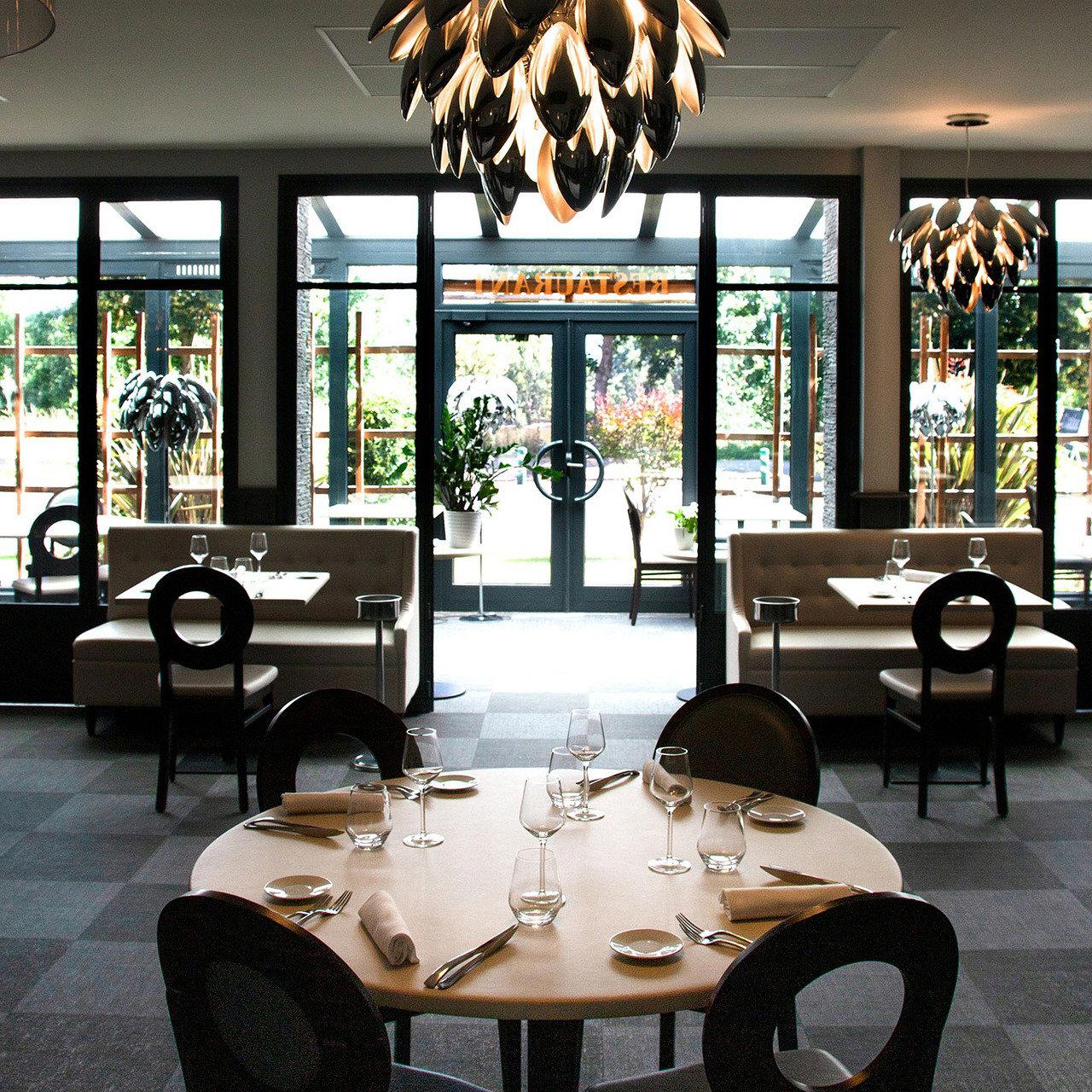
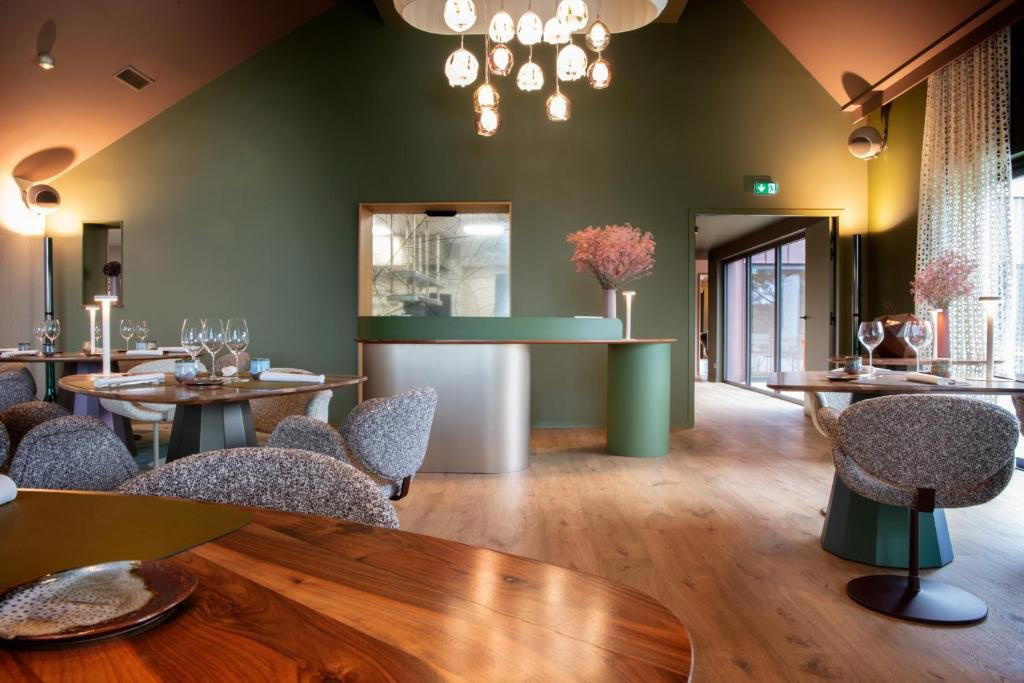
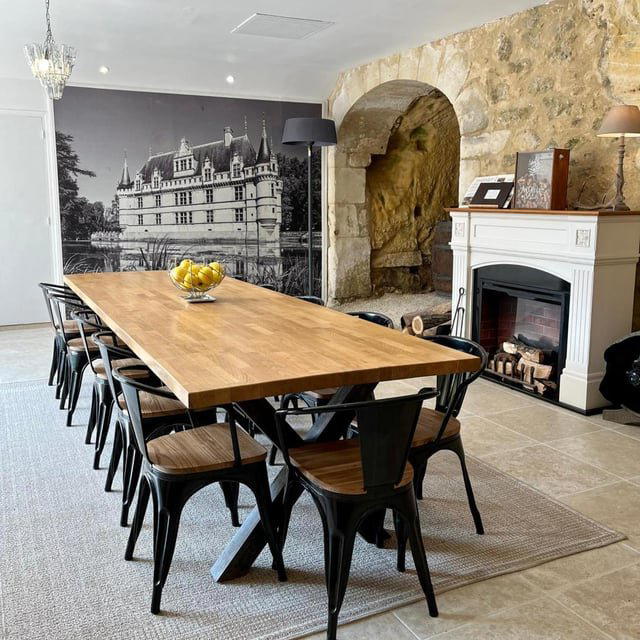
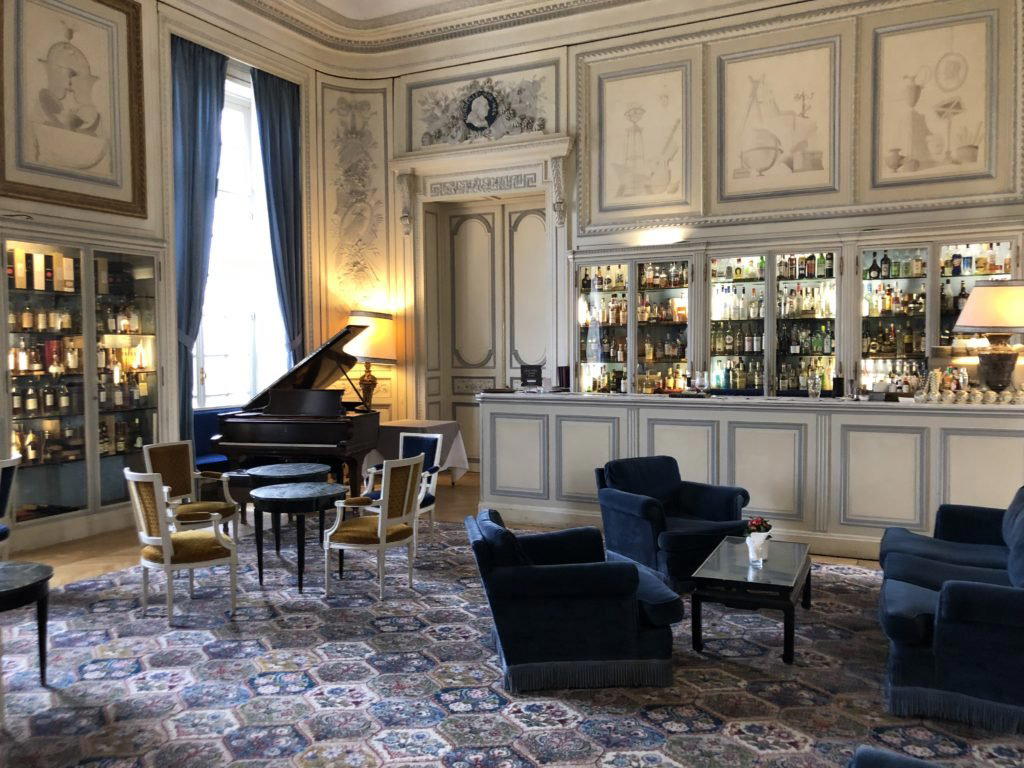
Cozy atmosphere with beautiful plating in a welcoming dining room featuring a small annex for groups.