AU XVI
Our verdict
AU XVI sits on the Route de Beaune at the southern edge of Gevrey-Chambertin, positioned at the heart of one of Burgundy's most closely watched wine villages. The address alone places it inside a dining scene where what arrives on the plate is inseparable from what grows in the surrounding vineyards and fields. For anyone already making the pilgrimage to grand cru country, it is a logical stop worth planning around.

Pearl is the En Primeur Club membership app — saves, bookings, and concierge access live there. Same editors, same standards.
- Address
- 61 Rte de Beaune, 21220 Gevrey-Chambertin, France
- Phone
- +33380431388
- Hours
- Mon–Tue ClosedWed–Thu 12–2:30 PM, 7–11 PMFri–Sat 12–2:30 PM, 7–11:30 PMSun 12–2:30 PM
- Directions
- Get directions
Where Gevrey-Chambertin's Terroir Arrives at the Table
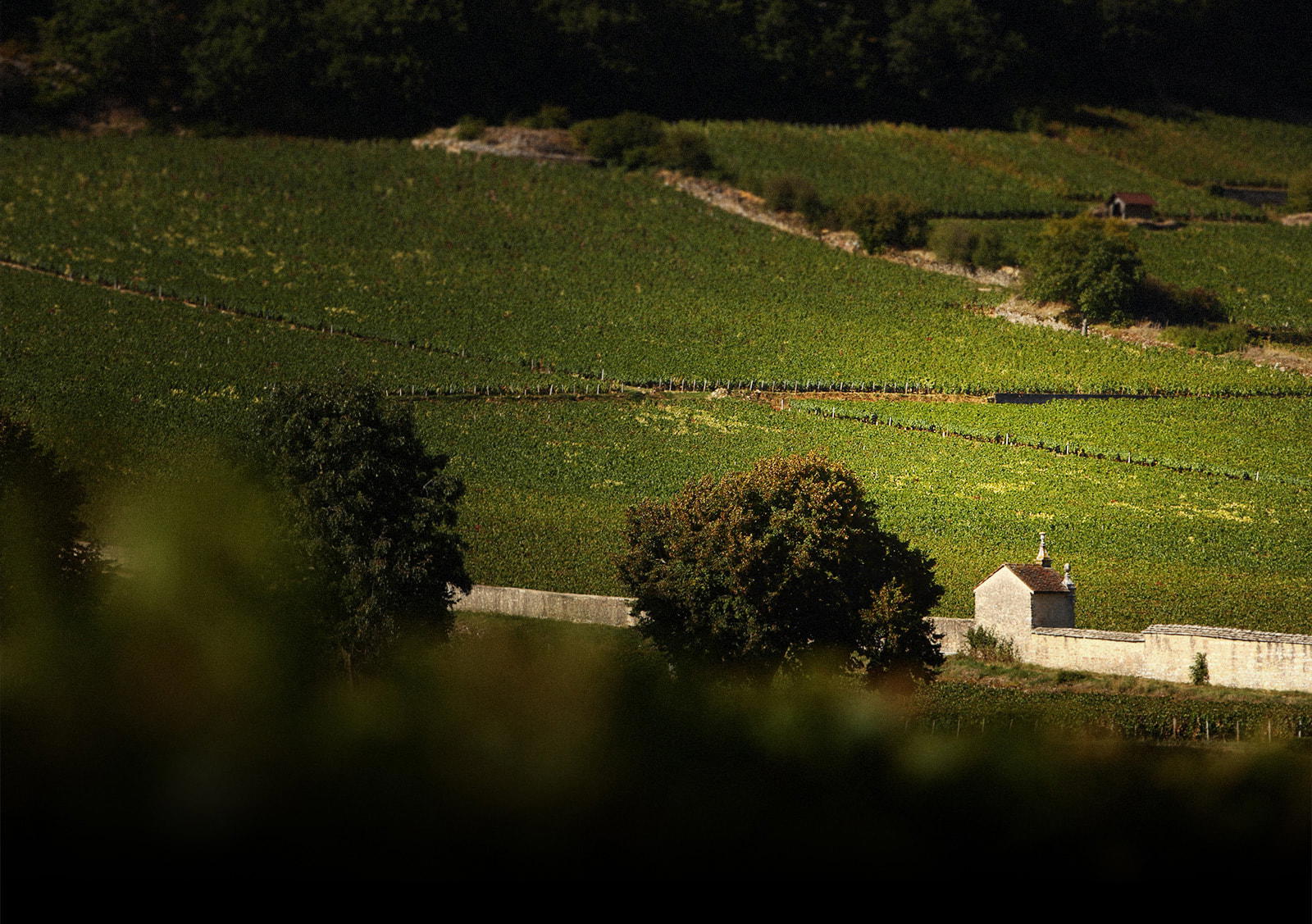
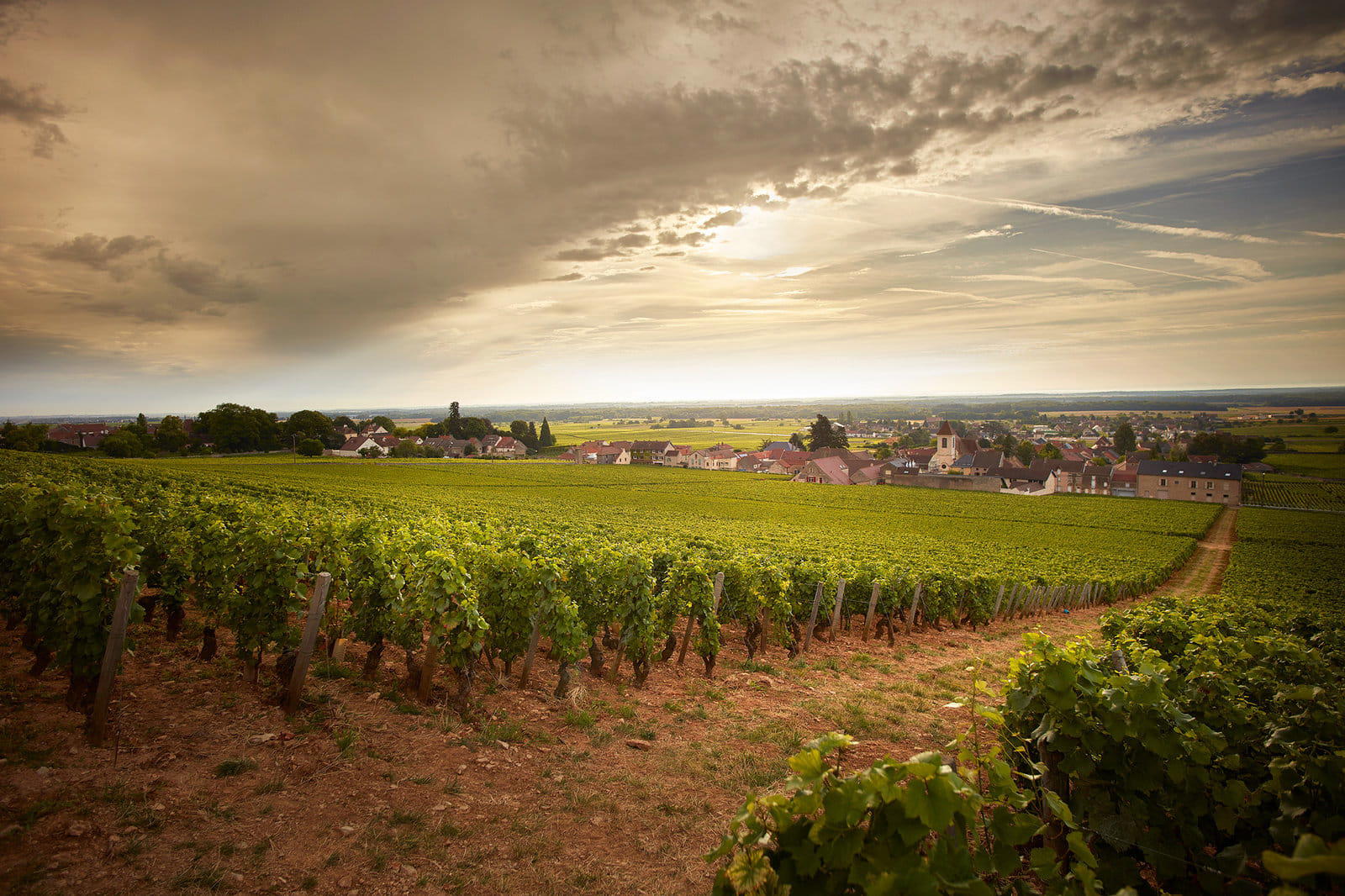
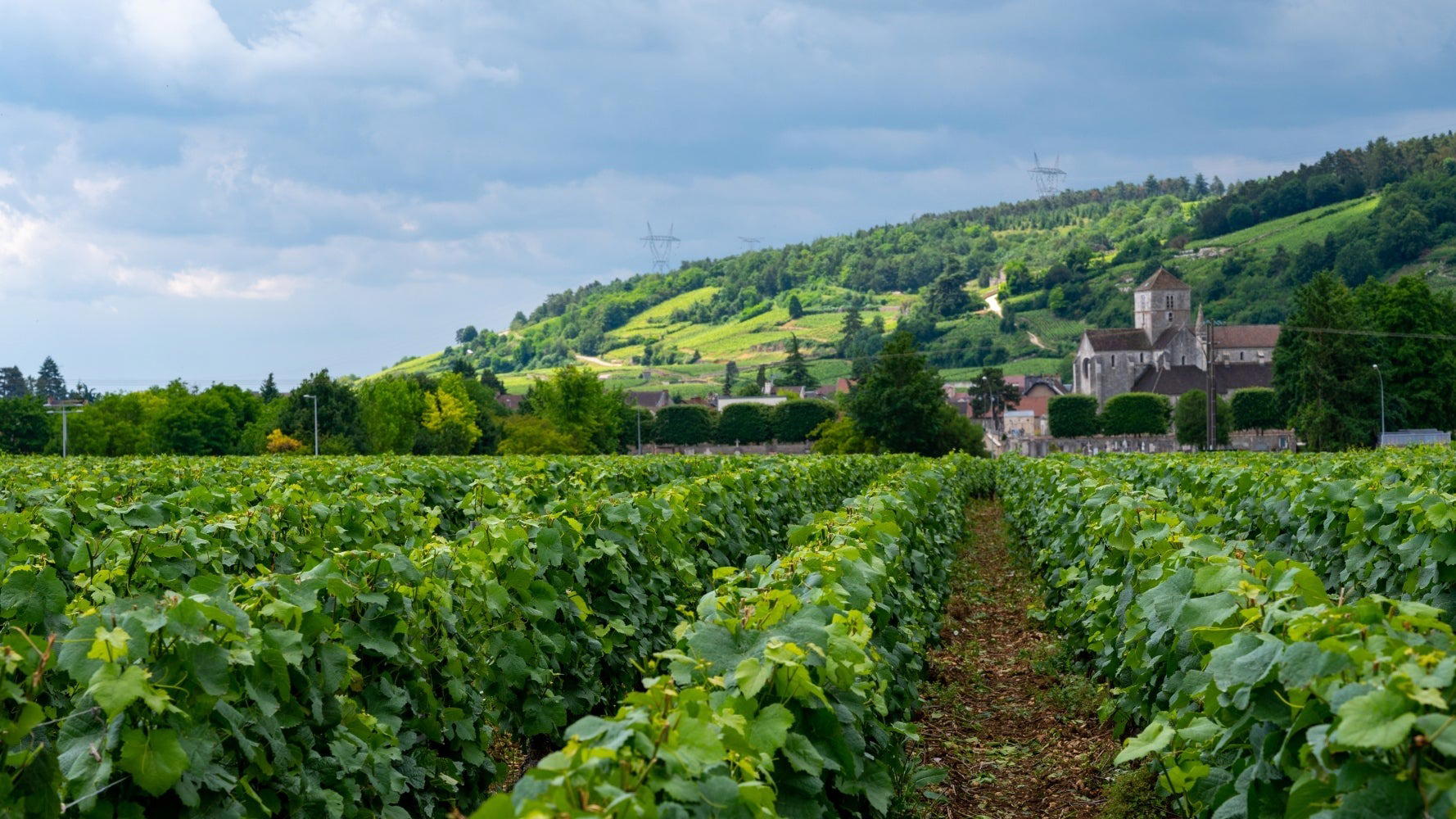
The Route de Beaune is not a scenic back road. It is the working artery of one of France's most densely planted grand cru corridors, where vines press up against the tarmac and the names on the roadside signs — Chambertin, Clos de Bèze, Mazis — carry the weight of centuries of classification. AU XVI sits at address 61 on that road, in Gevrey-Chambertin, which means the context surrounding this restaurant is not decoration. It is the subject. Dining here is an exercise in reading landscape through what arrives at the table, and the village's position in the Côte de Nuits, with its limestone and clay soils and pronounced diurnal temperature shifts, shapes what local producers bring to any kitchen serious enough to source from them.
In that sense, AU XVI occupies a position that the majority of restaurant addresses in France cannot claim: a location where the raw materials available within a short radius are among the most scrutinised agricultural products in the world. The broader Burgundy dining model, at its most considered, treats sourcing as inseparable from cooking. What comes out of the kitchen reflects decisions made in the vineyard, the dairy, the market garden, and in a village like Gevrey-Chambertin, those decisions are made by producers who understand that the terroir argument applies as much to vegetables, livestock, and dairy as it does to Pinot Noir.
The Sourcing Logic of Burgundy Village Dining
Across Burgundy, the restaurants that hold sustained attention tend to organise their menus around what the surrounding agricultural region produces with consistency and distinction. This is not purely localism for its own sake. Burgundy's continental climate, with cold winters and warm summers moderated by altitude and forest cover, produces specific results: game from the Morvan plateau to the west, charolais beef from the Saône plain to the east, freshwater fish from the rivers threading through the interior, and a dairy tradition that underpins everything from the mustards of Dijon to the rich sauces that remain central to Burgundian cooking.
For a restaurant operating at this address, that supply chain is a structural advantage. The farms and producers that supply the Côte d'Or's better kitchens have spent generations refining what they grow and raise, because the clientele passing through this corridor, wine buyers, négociants, sommeliers, collectors from Japan, the United States, and Scandinavia, have high expectations and specific knowledge. That audience does not separate the quality of the wine from the quality of what accompanies it, and restaurants in this zone have historically responded in kind.
This pattern is visible elsewhere in France's premium wine regions. Flocons de Sel in Megève sources from Alpine producers whose altitude and seasonality shape the menu's logic. Auberge de l'Ill in Illhaeusern draws on Alsatian agricultural traditions that run parallel to its wine culture. In each case, the sourcing geography is not a marketing claim, it is the operational framework. AU XVI's address in Gevrey-Chambertin places it inside that same logic.
Gevrey-Chambertin as a Dining Destination
Gevrey-Chambertin is primarily a wine village, which means its restaurants exist within a particular hierarchy of visitor attention. The domaines come first. The cave tastings, the allocation conversations, the appointments with négociants, these structure the day. Dining, for many visitors, is what happens between cellar visits. The restaurants that hold their own in this environment do so by being genuinely worth planning around rather than simply convenient.
The village's dining scene is smaller and more focused than Beaune, thirty minutes south on the N74, where a larger hotel infrastructure and a more tourist-oriented economy support a wider range of tables. In Gevrey, the concentration is tighter. Le Complexe de Gevrey and Les Griottes represent the village's other notable options, giving visitors a small but considered set of choices for serious meals. AU XVI's position on the Route de Beaune makes it accessible without requiring a detour into the village centre, which is a practical consideration for those arriving from the south via the N74.
For broader orientation, our full Gevrey-Chambertin restaurants guide maps the village's options against the context of a Côte de Nuits visit.
How This Address Fits a Broader French Fine Dining Circuit
Burgundy sits within a French regional dining circuit that runs from Alsace in the north through Lyon and the Rhône Valley to Provence and the Mediterranean coast. Many of the country's most enduring restaurant addresses are embedded in wine or agricultural regions rather than cities, and they draw visitors who are already travelling for other reasons. Troisgros - Le Bois sans Feuilles in Ouches, Bras in Laguiole, Auberge du Vieux Puits in Fontjoncouse, and L'Oustau de Baumanière in Les Baux are all addresses that require deliberate routing. So does Les Prés d'Eugénie - Michel Guérard in Eugénie-les-Bains, Georges Blanc in Vonnas, and La Table du Castellet in Le Castellet. The pattern across these addresses is consistent: destination dining in France rewards those willing to build an itinerary around the table rather than treat it as an afterthought.
AU XVI, at its Gevrey-Chambertin address, enters that conversation by virtue of location. Whether it sustains a place in that conversation depends on what the kitchen produces, but the raw material argument is already made by the village itself. For those already travelling the Côte de Nuits, the case for adding this address to the itinerary is direct. For those building a broader French itinerary that includes Paris tables like Alléno Paris au Pavillon Ledoyen or iconic legacy addresses like Paul Bocuse - L'Auberge du Pont de Collonges, Gevrey-Chambertin sits naturally on the route between Paris and Lyon.
International visitors calibrating their expectations against Michelin-recognised addresses elsewhere, Mirazur in Menton, Le 1947 à Cheval Blanc in Courchevel, or further afield at Le Bernardin in New York City or Lazy Bear in San Francisco, will find that Gevrey-Chambertin operates in a different register: quieter, more village-scale, and inseparable from the wine culture that defines the address.
Planning Your Visit
AU XVI is located at 61 Route de Beaune, Gevrey-Chambertin, accessible by car from Dijon (approximately 15 kilometres north) or from Beaune to the south. The village is leading reached by road; the Route de Beaune runs parallel to the N74, the main artery connecting the Côte de Nuits appellation villages. Given the limited data currently available on booking methods, hours, and pricing, contacting the restaurant directly via the address is the most reliable approach for current availability. Visiting during harvest season, typically late September through October, places a meal here inside the most active period of the Burgundy wine calendar, when producers are present in the village and the agricultural supply chain is at its most immediate.
Frequently asked questions
Is AU XVI okay with children?
Nothing in the available record for AU XVI explicitly addresses a children's policy. Given its position on the Route de Beaune in Gevrey-Chambertin, a village where evening dining skews toward wine-focused adult visitors, it is worth contacting the restaurant directly before arriving with young children to confirm suitability.
Is AU XVI formal or casual?
Gevrey-Chambertin's restaurant scene generally sits between relaxed and considered — the kind of village where domaine owners and visiting négociants dine side by side, so presentable but not ceremonial tends to fit. Confirm current expectations directly with the restaurant at 61 Route de Beaune.
Is AU XVI a good restaurant to visit when touring Burgundy wine domaines in the Côte de Nuits?
AU XVI sits at 61 Route de Beaune in Gevrey-Chambertin, directly on the route connecting the Côte de Nuits's most concentrated appellation cluster — making it a natural midday or evening stop between cellar visits in Gevrey, Morey-Saint-Denis, and Chambolle-Musigny. Dijon is roughly 15 kilometres north, Beaune to the south, so the location integrates into a full-day Côte de Nuits itinerary without detour. For visitors organising domaine appointments, pairing lunch or dinner here with tastings at nearby producers consolidates the day efficiently.
What dish is AU XVI famous for?
No signature dish is documented in the available record for AU XVI. What the address does suggest is a kitchen situated within one of France's most precisely mapped agricultural terroirs, where Burgundy's surrounding produce — poultry from Bresse, mustard from Dijon, river fish from the Saône — typically informs menus at this latitude.
Where exactly is AU XVI?
AU XVI is located at 61 Rte de Beaune, 21220 Gevrey-Chambertin, France, Gevrey Chambertin.
Can I walk in to AU XVI?
Gevrey-Chambertin draws a concentrated flow of wine trade visitors and cellar-tour tourists, particularly during harvest season, which tightens covers at village restaurants considerably. Reservations made in advance are the lower-risk approach for any Côte de Nuits dinner.
What makes AU XVI worth seeking out?
The address itself carries weight: 61 Route de Beaune is the working spine of a grand cru corridor where Chambertin, Mazis-Chambertin, and their neighbours begin just metres from the roadside. Few dining rooms in France sit this physically close to the source of the wines on their list, which shapes both the menu logic and the conversation at the table.
In Context: Similar Options
Comparable venues nearby, for context on price, style, and recognition.
| Venue | Cuisine | Price | Awards | Notes |
|---|---|---|---|---|
| AU XVIThis venue — the venue you are viewing | Modern French Bistronomy | $50–100 | Not listed | Not listed |
| Les Griottes | Burgundian Bistronomy | $30–50 | Not listed | Gevrey-Chambertin |
| Le Complexe de Gevrey | Classic French Brasserie | $20–30 | Not listed | Gevrey-Chambertin |
| Bistrot Lucien | Classic French Bistro | Not listed | Michelin Bib Gourmand | Gevrey-Chambertin |
| La Table d'Hôtes - La Rôtisserie du Chambertin | Modern French Fine Dining | Not listed | 1 Michelin Star · Falstaff Restaurant - 93 Falstaff Points | Gevrey-Chambertin |
| Le Poker d'As | Traditional Franche-Comté French Bourgeois | $30–50 | Not listed | La Boucle |
Continue exploring
More in Gevrey-Chambertin
Restaurants in Gevrey-Chambertin
Browse all →
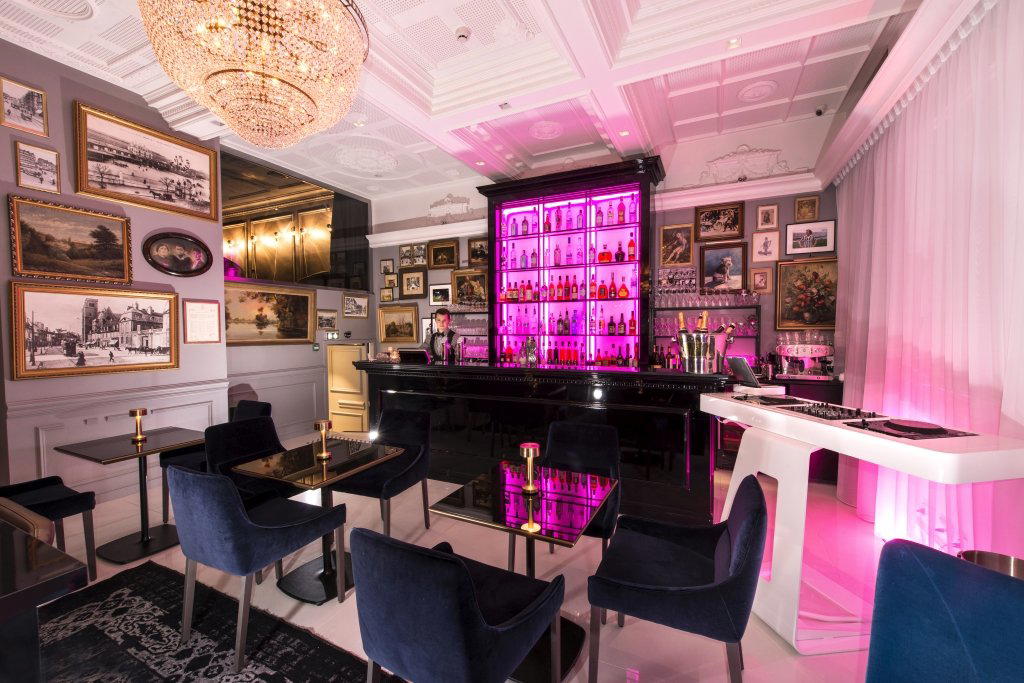
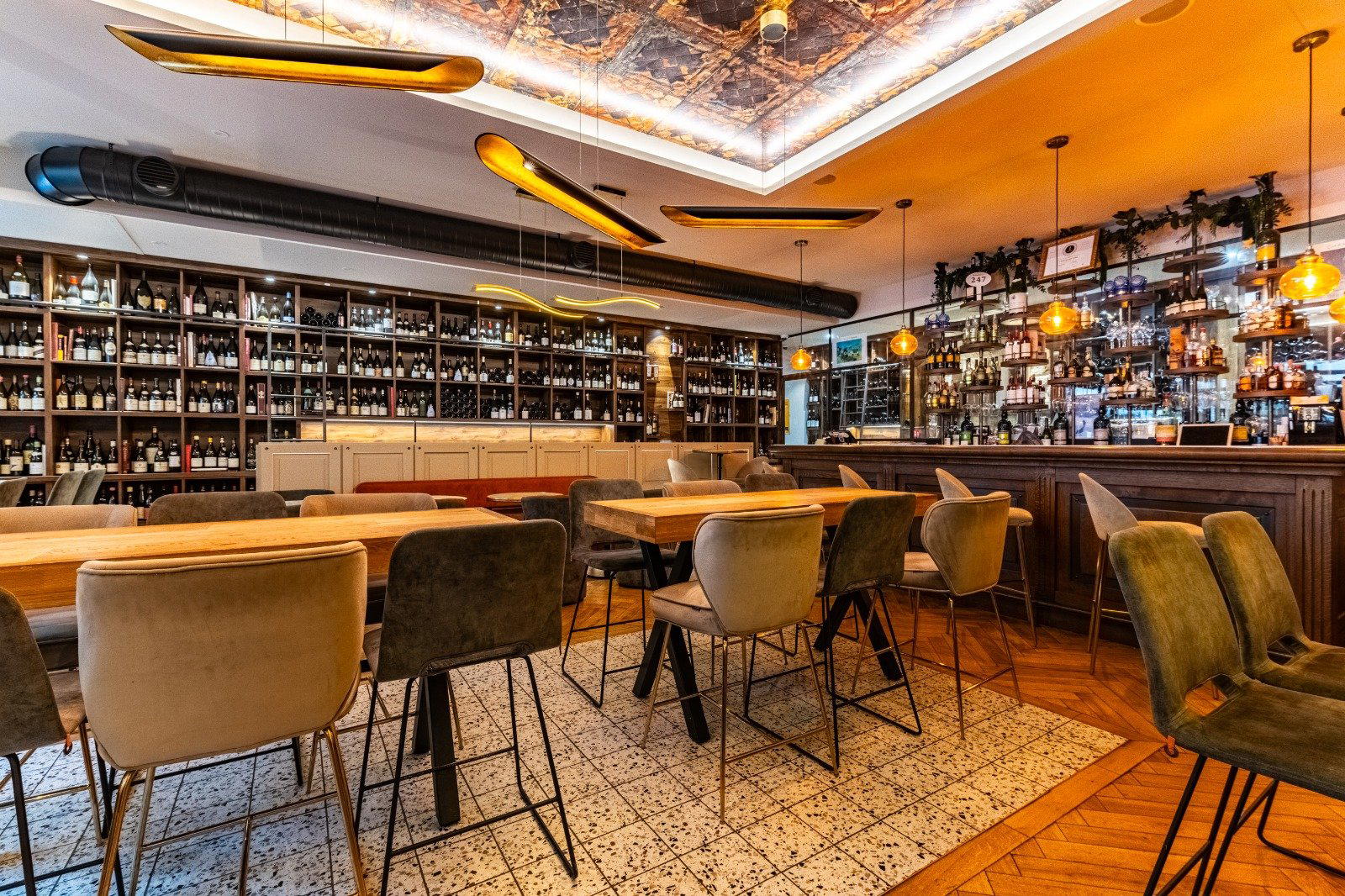
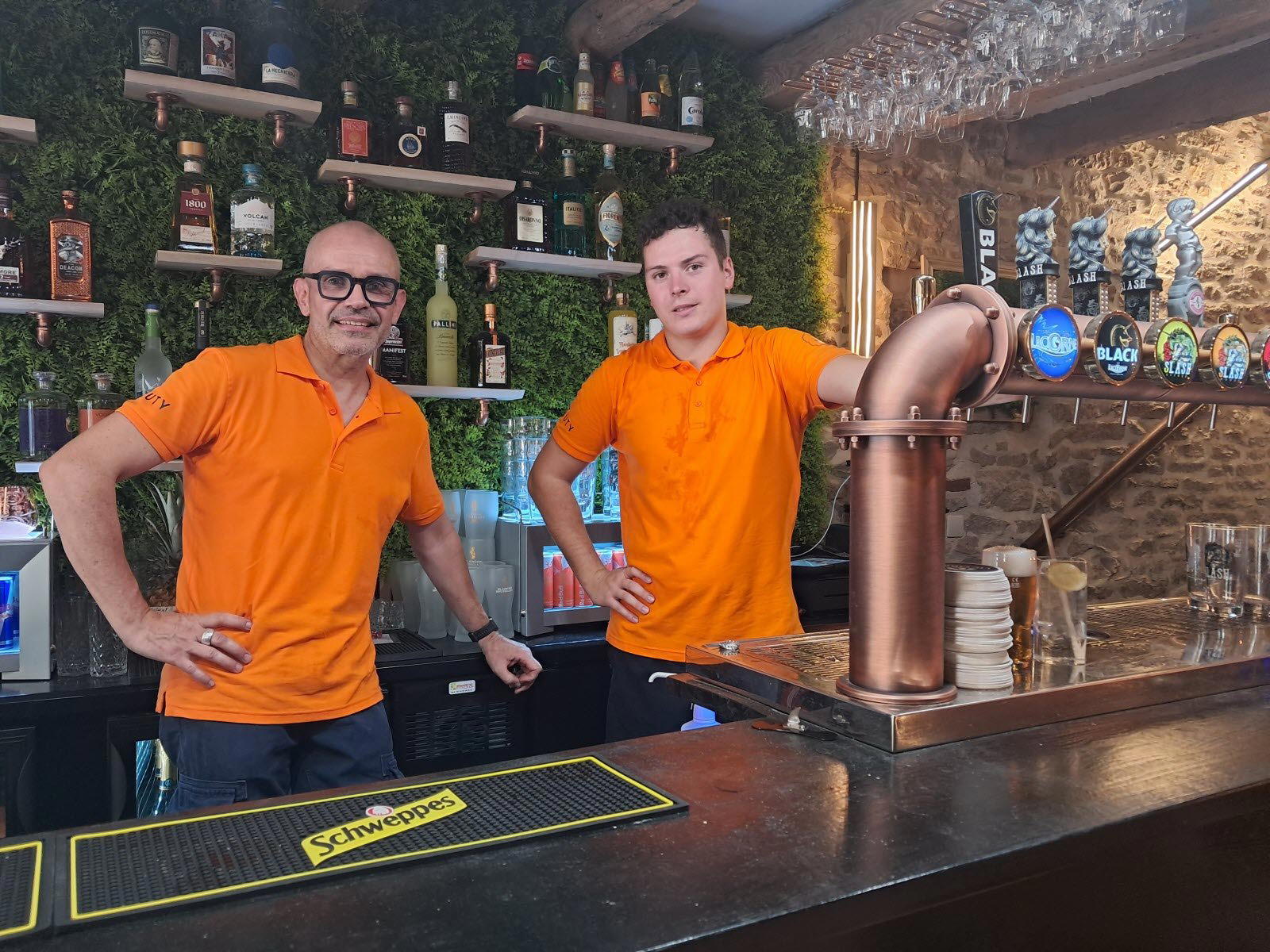
Bars in Gevrey-Chambertin
Browse all →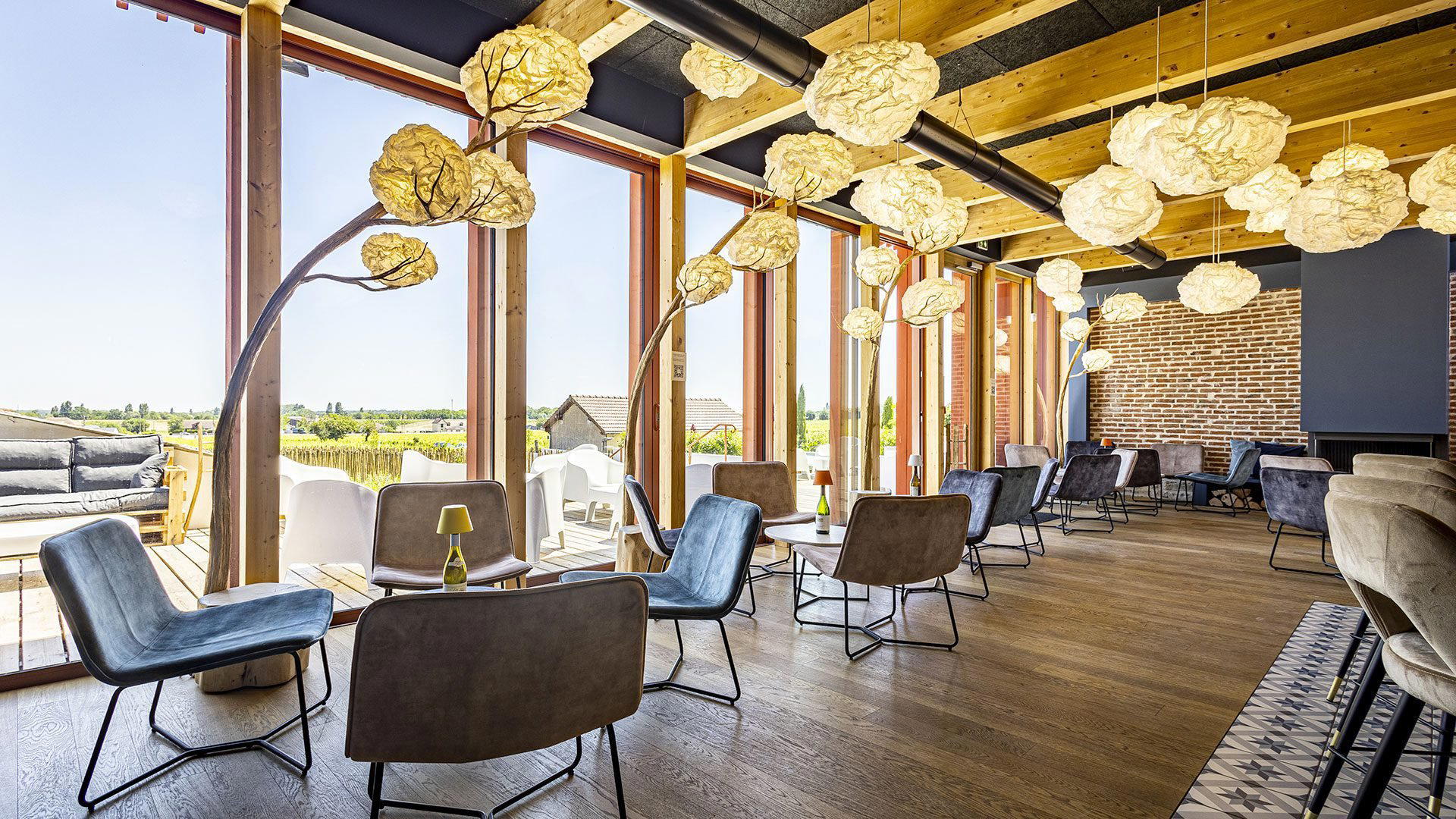
Hotels in Gevrey-Chambertin
Browse all →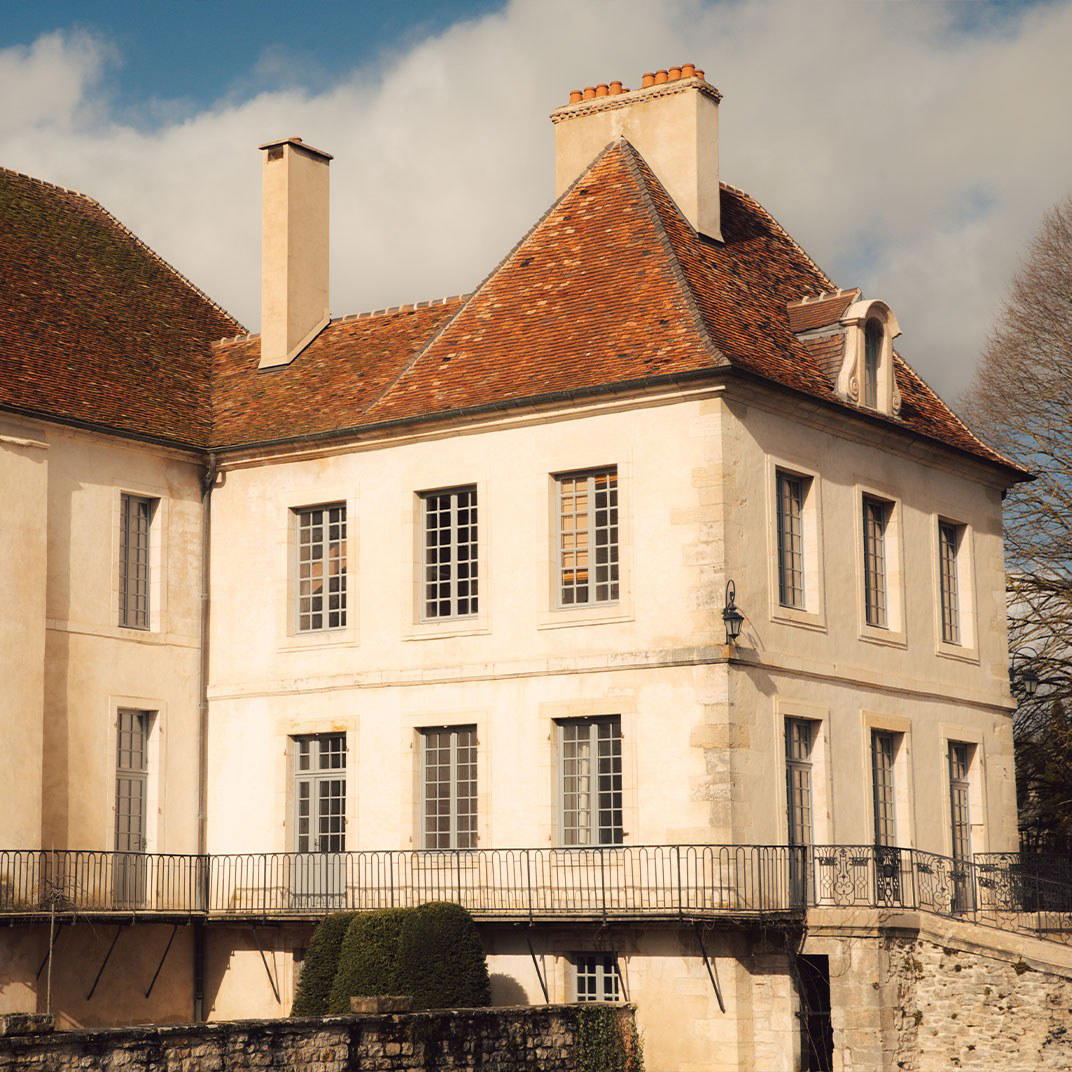
AU XVI
The wine
- Wine program
- Exceptional wine program
- Extensive wine list
- Sommelier-led
Details
- Cozy
- Elegant
- Rustic
- Date Night
- Family
- Celebration
- Special Occasion
- Terrace
- Extensive Wine List
- Sommelier Led
- Local Sourcing
- Vineyard
- A La Carte
Current opening hours
- Monday
- Closed
- Tuesday
- Closed
- Wednesday
- 12–2:30 PM, 7–11 PM
- Thursday
- 12–2:30 PM, 7–11 PM
- Friday
- 12–2:30 PM, 7–11:30 PM
- Saturday
- 12–2:30 PM, 7–11:30 PM
- Sunday
- 12–2:30 PM
Hours can change for holidays and private events. Last verified .
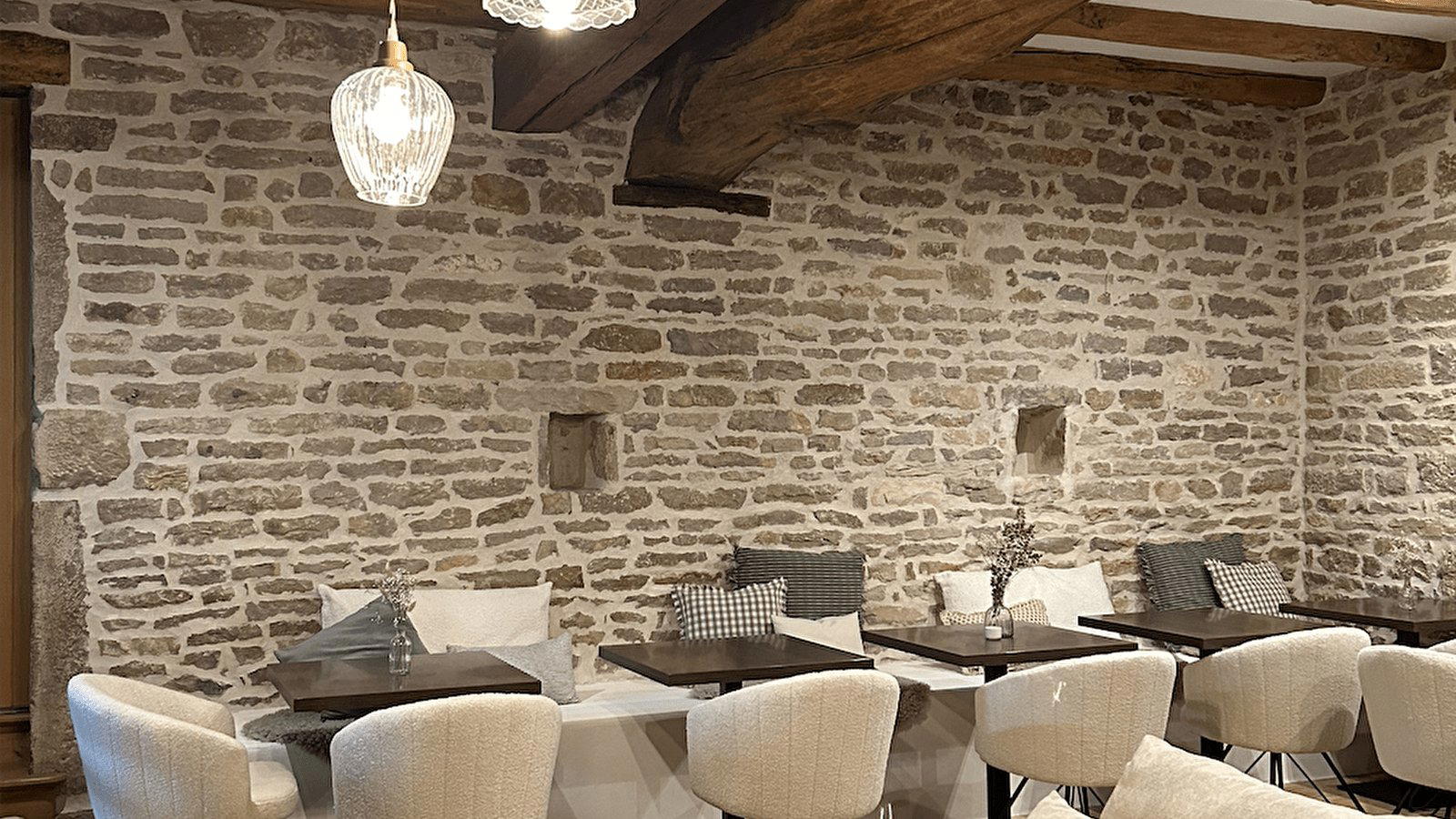
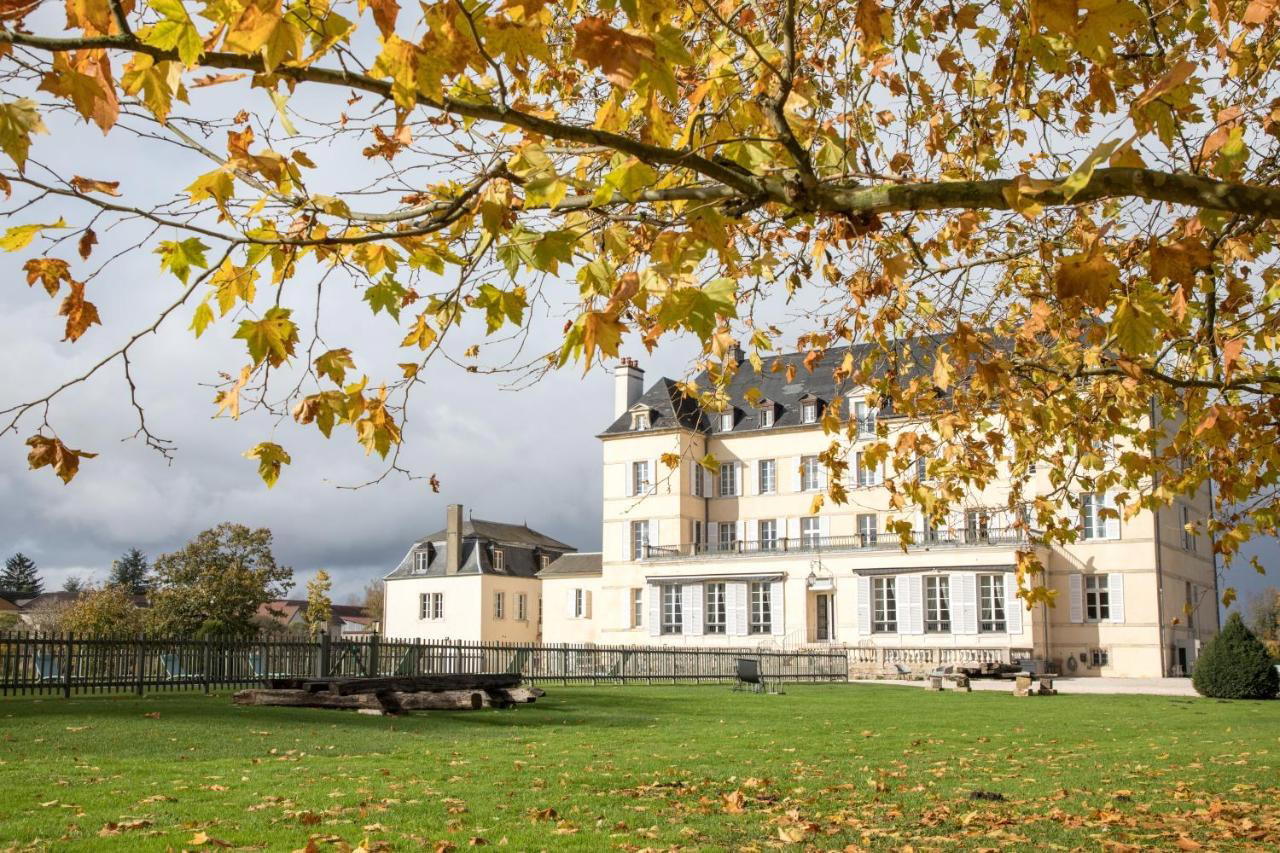
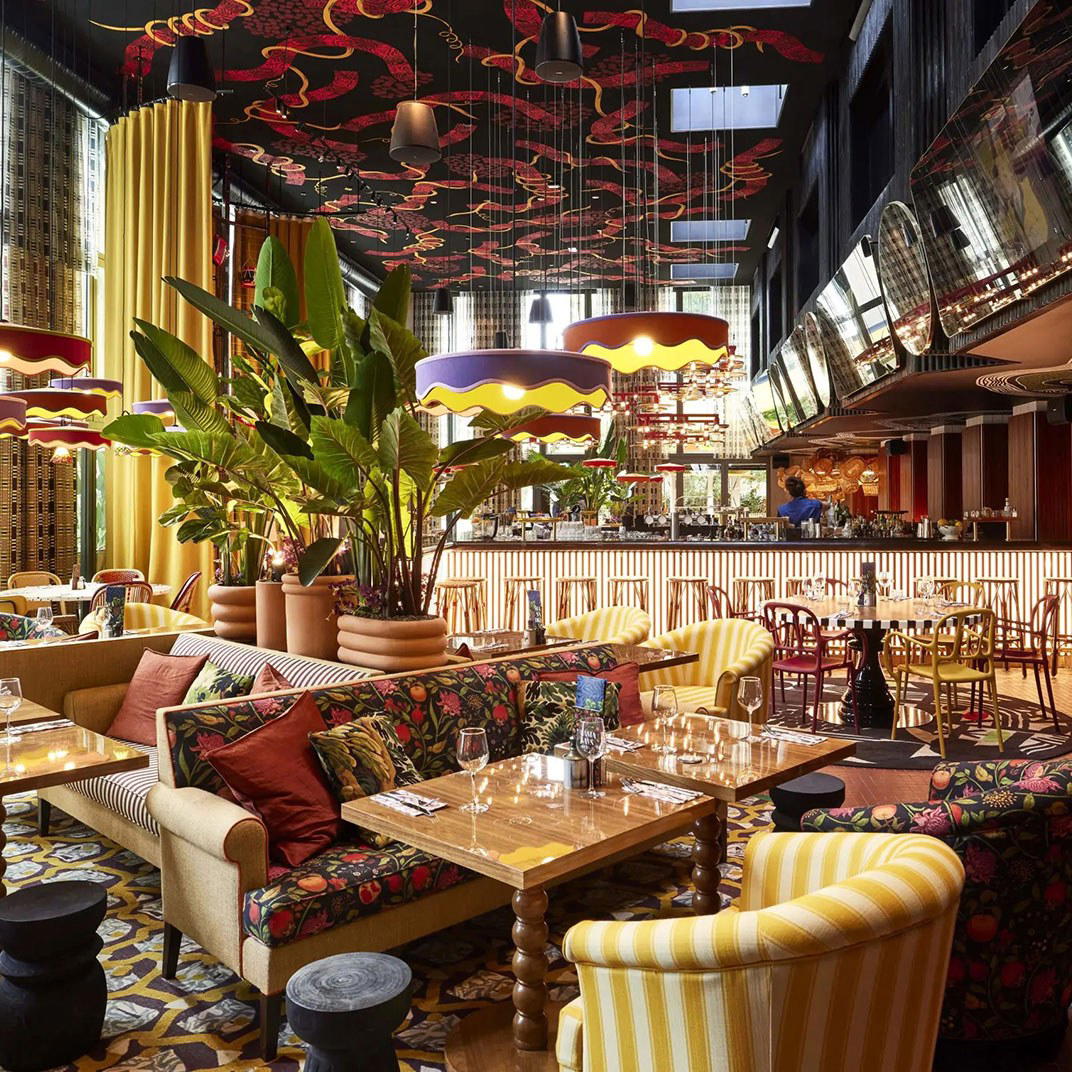
Cozy bohemian chic interior with warm lighting, active fireplace, and terrace views of vineyards creating a welcoming and refined atmosphere.