
Michelin Plate
Our verdict
Inside a dining room lined with marble columns and graced by a grand piano, Le Colonne brings Caserta's defining ingredient — buffalo mozzarella — to the centre of a menu that moves between Campanian tradition and considered modern technique. Awarded a Michelin Plate in 2025, the restaurant holds a clear position in the city's upper tier and draws on the agricultural wealth of the Terra di Lavoro plain surrounding it.

Pearl is the En Primeur Club membership app — saves, bookings, and concierge access live there. Same editors, same standards.
- Address
- Viale Giulio Douhet, 7/9, 81100 Caserta CE, Italy
- Phone
- +39 0823 467494
- Hours
- Mon 10:30 AM–5 PMTue ClosedWed–Sun 10:30 AM–5 PM
- Website
- lecolonnemarziale.it
- Directions
- Get directions
- Booking
- Book on the venue's website
The menu
What to order
- Cozze e latte di mozzarella nera
- Spaghettoni lupini aglio nero e finger lime
- Finta carbonara
- Maialino cottura lunga
- Mozzarella Cake
Marble, Music, and the Architecture of a Campanian Table
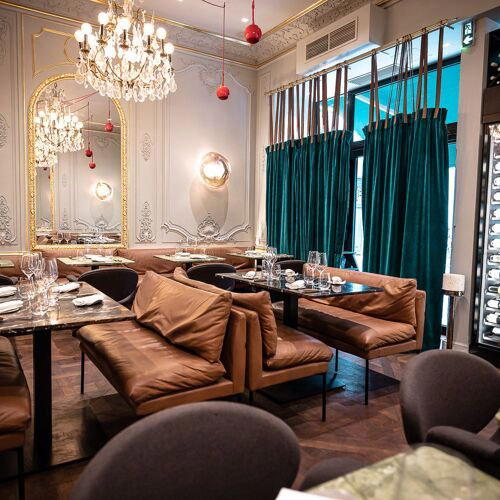
The room at Le Colonne announces its intentions before a dish arrives. Marble columns and marble flooring set a formal register — the kind of dining environment that still exists in southern Italy's established restaurants but has become increasingly rare as operators trade classical weight for pared-back minimalism. A grand piano occupies part of the space, and while its presence could tip into the theatrical, here it reads as consistent with the room's broader argument: that occasion dining in Caserta can carry its own regional identity rather than borrowing the aesthetic grammar of Rome or Milan.
That identity is anchored in Campania's most recognised ingredient. Buffalo mozzarella from the plains surrounding Caserta has DOP status and a production tradition that defines the area as distinctly as Parmigiano defines Emilia-Romagna. At Le Colonne, chef Rossana Marziale treats it not as a single entry on a cheese course but as a structural element of the menu — appearing across multiple services, including dessert. That choice is editorial as much as culinary: it signals where the kitchen stands on the question of locality versus range.
How the Menu is Built, and What It Argues
The menu at Le Colonne operates along a clear axis. At one end sit the comforting, classical flavours that define Campanian cooking as a tradition: the slow-cooked sauces, the specific cuts of meat, the vegetables from the volcanic soils of the province. At the other sits the kind of creative contemporary technique that has become the working language of serious Italian restaurants across the country. What separates kitchens in this register is how deliberately they move between the two registers, whether the modern elements feel imposed or earned.
Marziale's approach, as documented in the 2025 Michelin assessment, leans toward integration rather than contrast. The Mediterranean ingredients of Caserta and the Campania region are the source material; the modern ideas are the method. That framing has consequences for how the menu reads. Buffalo mozzarella in dessert form, for instance, is not a shock tactic, it is the logical extension of a kitchen committed to treating the ingredient as versatile rather than fixed. This kind of single-ingredient focus across multiple courses is more common in the Italian dining tradition than it may appear to international visitors: think of how certain kitchens in Emilia-Romagna build a tasting menu around Parmigiano Reggiano at different ages and temperatures, or how white truffle season restructures entire menus in Piedmont.
The €€€ price positioning, mid-to-upper tier for the Caserta market, places Le Colonne above the city's more casual trattorias and local Campanian eateries like Antica Locanda, and alongside the more technically ambitious kitchens such as Cambia-Menti di Ciccio Vitiello. It does not operate in the same register as Caserta's celebrated pizza addresses, I Masanielli by Francesco Martucci and I Masanielli by Sasà Martucci occupy a different and distinct category, but the city's overall dining profile benefits from having both traditions represented at serious levels. La Bolla adds further depth to the city's contemporary dining offer.
Le Colonne in the Campanian Fine Dining Frame
Campania's fine dining scene has a complicated relationship with recognition. Naples historically overshadows the province in critical attention, and the region's most celebrated tables have tended to cluster along the Amalfi Coast or in Naples itself. Paestum, further south, has developed its own gastronomic identity, anchored by restaurants like Le Trabe, while inland Campania, the province of Caserta included, has been slower to attract sustained critical focus.
The Michelin Plate awarded to Le Colonne in 2025 places it in a defined tier: recognised for kitchen quality and consistent cooking, short of a star but clearly operating above the general field. In the broader Italian context, this sits well below the three-star operations like Osteria Francescana in Modena or the multi-award houses such as Enoteca Pinchiorri in Florence and Enrico Bartolini in Milan, but it represents meaningful external validation in a city that does not receive the same critical density as Italy's more frequented dining destinations. For comparison, the Campanian tradition pursued at a similarly considered level in other parts of the region can be seen at Oasis - Sapori Antichi in Vallesaccarda. Further afield, Quattro Passi in Marina del Cantone and ingredient-led Italian cooking with strong regional convictions, as practiced at Atelier Moessmer Norbert Niederkofler in Brunico and Dal Pescatore in Runate, offer a reference frame for how Italian kitchens at different levels handle the relationship between place and plate.
Planning a Visit
Le Colonne is located at Viale Giulio Douhet 7/9 in central Caserta, a short distance from the Royal Palace of Caserta, which draws a substantial visitor base to the city. The proximity matters for planning: the palace and its gardens are a serious half-day commitment, and a meal at Le Colonne makes a natural pairing for visitors combining the cultural and gastronomic dimensions of the city. The €€€ price range signals an occasion-dining spend rather than a casual lunch; factor that into timing if you are building a day around both.
Phone and online booking details are best confirmed directly, as live availability systems change. For a broader picture of where Le Colonne sits within the city's dining geography, the full Caserta restaurants guide provides context across all price tiers and categories. If you are planning accommodation around the visit, the Caserta hotels guide covers the available range. For drinks before or after, the Caserta bars guide is the reference point, and those interested in the wine production of the province will find the Caserta wineries guide and Caserta experiences guide useful additions to the itinerary.
Frequently asked questions
What awards or recognition does Le Colonne have?
Le Colonne has received recognition including: In a dining room with marble columns and flooring and enhanced by a beautiful grand piano, Rossana Marziale serves Mediterranean dishes that showcase the ingredients of Caserta and the Campania with a perfect balance of comforting classic f….
What's the signature dish at Le Colonne?
Buffalo mozzarella from the Caserta region defines the menu more than any single dish — it appears across multiple courses, including desserts. Rossana Marziale treats it as a primary ingredient rather than a garnish, which positions Le Colonne distinctly within Campanian fine dining. The Michelin Plate recognition in 2025 reflects the kitchen's consistency in building this concept.
Is Le Colonne more mid-range or high-end?
Pricing at Le Colonne is listed as €€€.
Comparable Options
| Venue | Cuisine | Price | Awards | Notes |
|---|---|---|---|---|
| Le ColonneThis venue — the venue you are viewing | Modern Campanian Fine Dining | $100–150 | Michelin Plate | Not listed |
| I Masanielli – Francesco Martucci | Modern Neapolitan Pizza | $20–30 | 50 Top Pizza Italia #2 | Pizzeria |
| Antica Locanda | Campanian Seafood Trattoria | $30–50 | Michelin Plate | Campanian |
| Sunrise | Contemporary Italian Seafood | $50–100 | Michelin Plate | Seafood |
| Cambia-Menti di Ciccio Vitiello | Modern Neapolitan Pizza | $20–30 | 50 Top Pizza Italia #8 | Not listed |
| I Masanielli – Sasà Martucci | Modern Neapolitan Pizza | $30–50 | 50 Top Pizza Italia #9 | Not listed |
Recognition history
Dated appearances from independent guides and award organizations, with the underlying list record or original source where available.
Michelin Plate
Michelin
Full recognition history (2 entries)
Michelin Plate
Michelin
Continue exploring
More in Caserta
Restaurants in Caserta
Browse all →
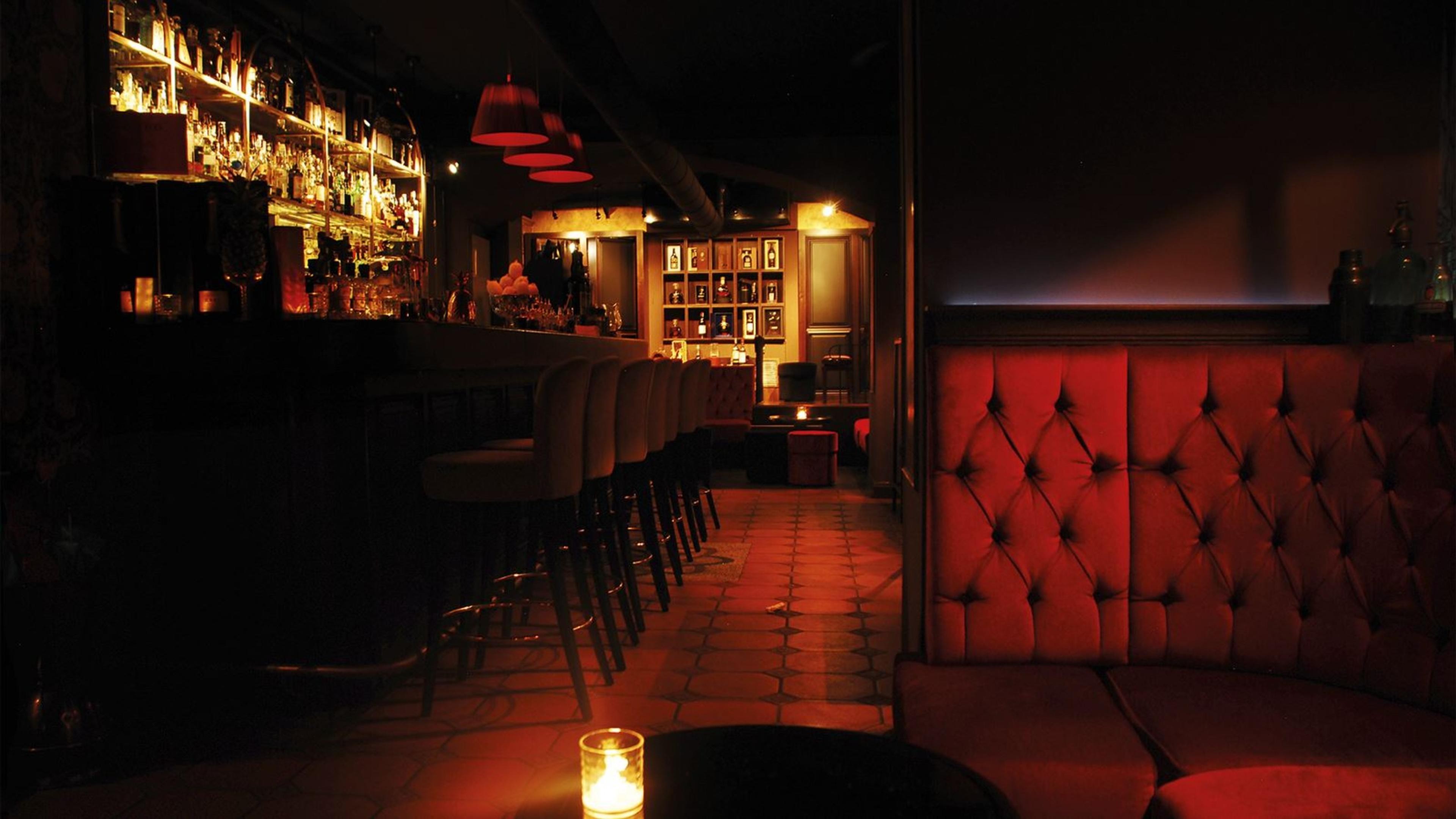
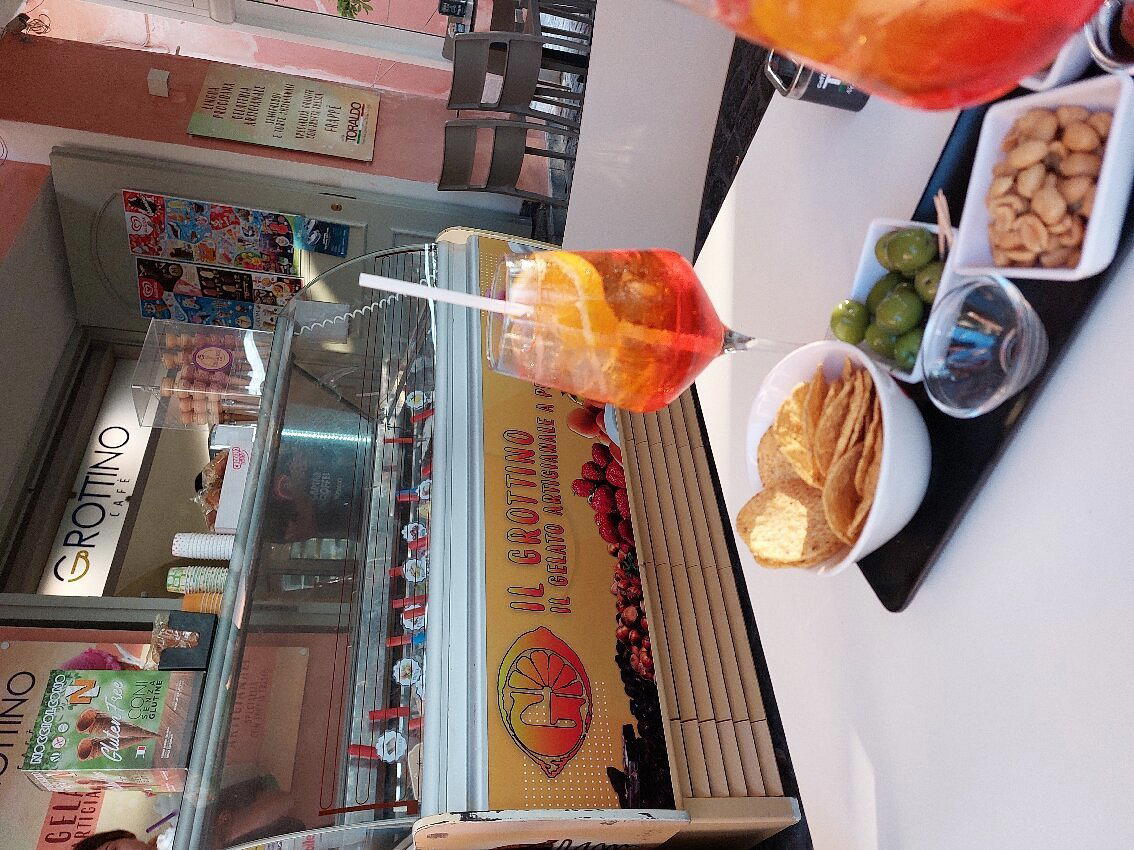
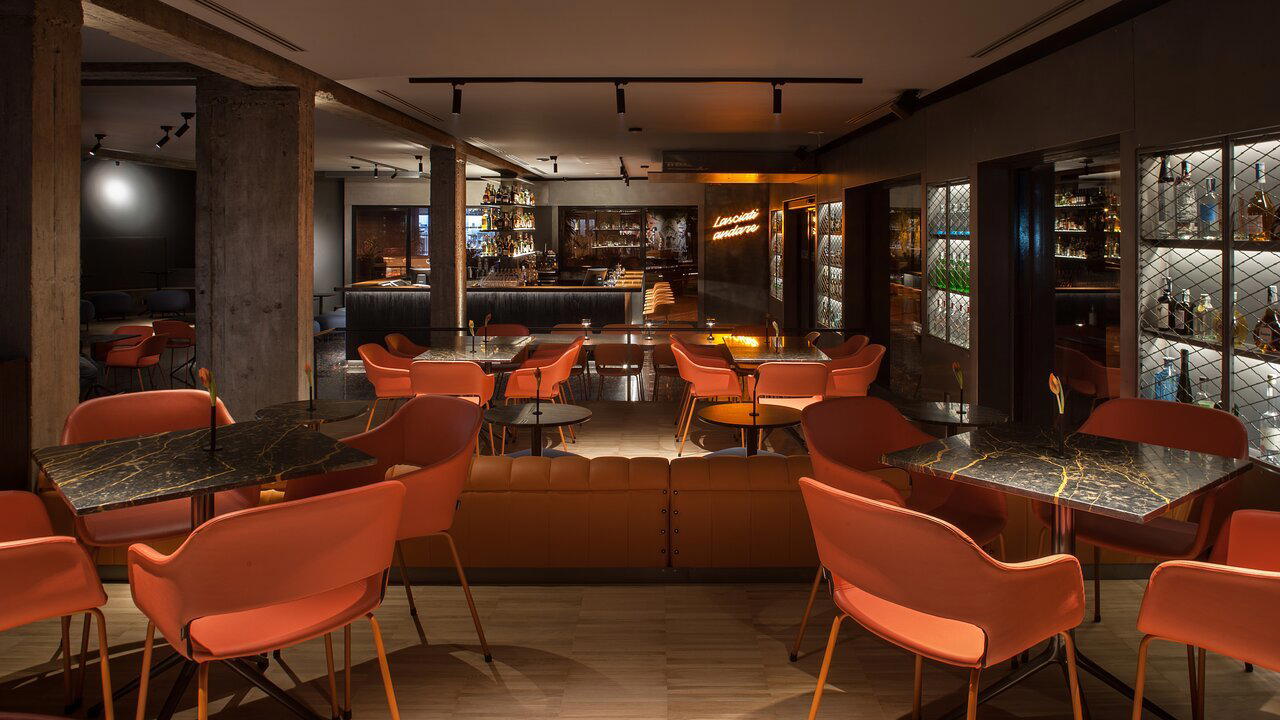
Bars in Caserta
Browse all →
Hotels in Caserta
Browse all →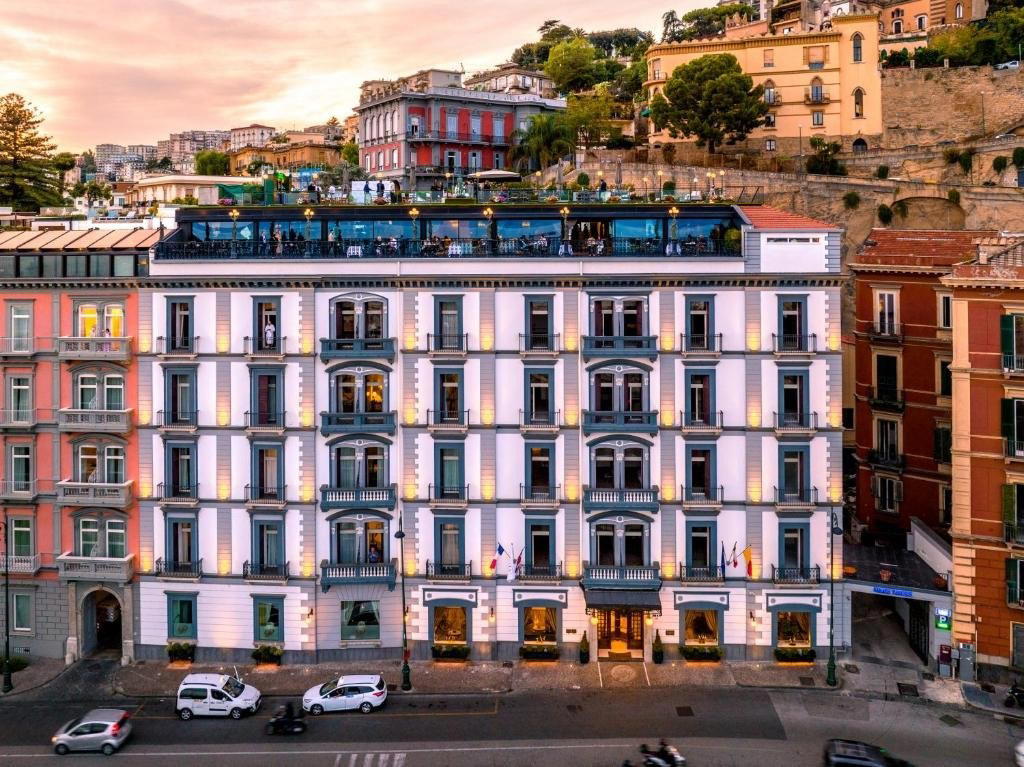
Details
- Elegant
- Sophisticated
- Classic
- Intimate
- Special Occasion
- Celebration
- Business Dinner
- Private Event
- Family
- Standalone
- Private Dining
- Sommelier Led
- Local Sourcing
- Tasting Menu
- A La Carte
- Regional Wine Pairings
- Vegetarian Friendly
- Vegan Options
Current opening hours
- Monday
- 10:30 AM–5 PM
- Tuesday
- Closed
- Wednesday
- 10:30 AM–5 PM
- Thursday
- 10:30 AM–5 PM
- Friday
- 10:30 AM–5 PM
- Saturday
- 10:30 AM–5 PM
- Sunday
- 10:30 AM–5 PM
Hours can change for holidays and private events. Last verified .
Elegant dining rooms with columns and marble floors, designed to work both for intimate meals and larger events.