Le Chat
Our verdict
Le Chat sits at 42 Rue des Guérins in Cosne-Cours-sur-Loire, a Loire Valley market town where the river's agricultural hinterland shapes what appears on local tables. In a département that produces some of France's most respected Sauvignon Blanc, the proximity to Sancerre and Pouilly-Fumé gives any serious local restaurant a natural wine pairing conversation to engage with. See our full Cosne Villechaud restaurants guide for broader context.

Pearl is the En Primeur Club membership app — saves, bookings, and concierge access live there. Same editors, same standards.
- Address
- 42 Rue des Guérins, 58200 Cosne-Cours-sur-Loire, France
- Phone
- +33386284903
- Hours
- Mon–Tue ClosedWed–Sat 12:15–1 PM, 7:30–8:15 PMSun 12:15–1 PM
- Website
- restaurant-lechat.fr
- Directions
- Get directions
- Booking
- Book on Zenchef
A Loire Valley Market Town and Its Table
Cosne-Cours-sur-Loire occupies a specific agricultural and viticultural position in the upper Loire that most travellers pass through on the way to more heavily publicised destinations. The town sits at the confluence of the Loire and the Nohain, close enough to the Sancerre hills to the east that the influence of volcanic and limestone soils, and the produce grown on them, is a constant presence in any conversation about local food. Restaurants here do not compete in the same tier as Mirazur in Menton or Alléno Paris au Pavillon Ledoyen; they operate in a different register entirely, one defined by proximity to the source rather than by destination-restaurant ambition.
Le Chat occupies a address on Rue des Guérins, a street in central Cosne-Cours-sur-Loire that places it within the fabric of a working French market town rather than in any purpose-built dining quarter. The physical approach is consistent with what this part of the Loire does well: modest storefronts, stone and rendered facades, a pace that signals you are somewhere people live rather than somewhere built for visitors. That context matters when thinking about what a restaurant in this location can and should do.
Ingredient Geography: What the Loire Valley Puts on the Table
The editorial angle most relevant to any restaurant in this stretch of the Loire is sourcing geography. The Nièvre département, of which Cosne-Cours-sur-Loire is a part, produces Charolais cattle at a density that makes it one of France's most significant beef-rearing territories. The breed carries AOC recognition, and the supply chain from farm to table here is measurably shorter than in urban restaurant markets. For a local restaurant, that proximity is not a marketing decision; it is a structural feature of the food economy.
To the east, the vineyards of Sancerre and Pouilly-Fumé produce Sauvignon Blanc on flint, chalk, and Kimmeridgian limestone that gives the wines a minerality distinct from Loire Sauvignon grown further west. The same geological variation shapes vegetable and herb growing in the surrounding communes. Restaurants in this corridor have access to produce from growers who supply both local tables and, in some cases, the kitchens of more destination-oriented addresses further afield. This is the ingredient logic that regional French cooking in the Loire has always depended on, long before farm-to-table became a positioning term in metropolitan dining.
France's most respected regional restaurants, places like Bras in Laguiole or Auberge du Vieux Puits in Fontjoncouse, have made the case that the most coherent cooking is the cooking most tightly bound to its immediate agricultural environment. The upper Loire is a territory with the raw material to support that argument. Whether any given local establishment capitalises on it depends on the kitchen's choices, not on geography alone.
The Regional Context for Small-Town French Dining
France's provincial restaurant culture sits in a more complex position than it did two decades ago. The Michelin-starred destination tier, represented by addresses such as Troisgros - Le Bois sans Feuilles in Ouches, Flocons de Sel in Megève, or Auberge de l'Ill in Illhaeusern, commands international attention and multi-month booking windows. Below that tier, the picture is more varied. A cohort of technically capable, locally rooted bistros and small restaurants serves the actual population of provincial French towns, operating on lunch menus and dinner covers that reflect the economic reality of their communities.
This lower tier is where most French food culture actually lives. The formule at lunch, the plat du jour built around whatever came from the market that morning, the wine list weighted toward the local appellation rather than toward a cellar designed to impress critics: these are the mechanisms of everyday French dining, and they have sustained the country's food reputation as reliably as its grand kitchens have. Cosne-Cours-sur-Loire, as a market town with agricultural supply lines and a wine-producing region on its doorstep, is exactly the kind of place where this tier of restaurant can be executed with real integrity.
For comparison, the ambition at Paul Bocuse - L'Auberge du Pont de Collonges in Collonges-au-Mont-d'Or or Georges Blanc in Vonnas is of a categorically different order, serving international visitors as much as local regulars. A restaurant like Le Chat, by address and setting, is in the business of feeding a town, and that is a different discipline with its own standards.
Planning a Visit to Cosne-Cours-sur-Loire
Cosne-Cours-sur-Loire sits on the N7, roughly midway between Nevers to the south and Gien to the north, and is accessible by train on the Paris-Clermont-Ferrand line, with a journey of around two hours from Paris Bercy. For travellers routing through the upper Loire, the town makes a logical stop between a visit to the Sancerre wine villages to the east and the châteaux corridor further north. The surrounding area rewards a slower itinerary: the Nièvre countryside is unhurried, the Sancerre hills are a short drive, and the Loire itself offers a different scale of landscape than the more trafficked sections near Tours or Amboise.
Visitors should verify current operating details directly with the restaurant at its address on 42 Rue des Guérins before planning a dedicated trip. For broader dining options in the area, our full Cosne Villechaud restaurants guide covers the local scene with more detail.
Readers interested in France's wider regional restaurant culture may also find value in the contrast offered by coastal kitchens such as Christopher Coutanceau in La Rochelle or La Marine in Noirmoutier-en-l'île, where the sourcing logic is maritime rather than agricultural but the commitment to place-specific ingredients follows the same principle. For those travelling further afield, AM par Alexandre Mazzia in Marseille, Assiette Champenoise in Reims, and Au Crocodile in Strasbourg each represent the French regional fine-dining tradition in distinct geographical registers. For international reference points in the French culinary tradition, Le Bernardin in New York City and Atomix in New York City show how French technique travels and transforms when it encounters different ingredient geographies. And L'Oustau de Baumanière in Les Baux remains one of the clearest examples of Provençal terroir cooking done at destination-restaurant scale.
Frequently asked questions
Is Le Chat okay with children?
Le Chat is a provincial French address in Cosne-Cours-sur-Loire, and smaller market-town restaurants in the Nièvre tend toward a relaxed, all-ages dining culture rather than the formal codes of destination tasting-menu rooms. Calling ahead or checking locally is the reliable approach before visiting with young children.
What is the atmosphere like at Le Chat?
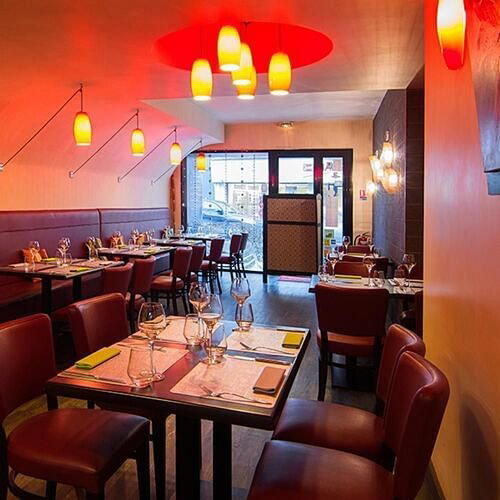
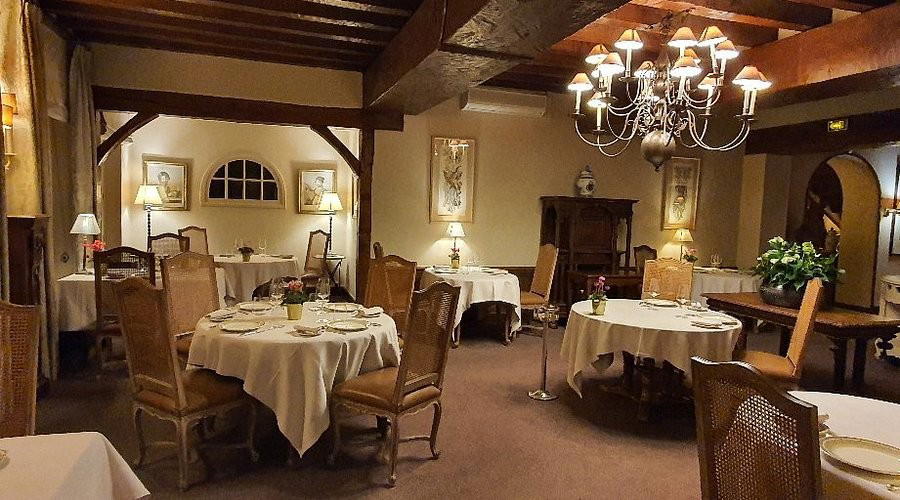
Cosne-Cours-sur-Loire is a working Loire market town, not a tourist-facing destination, which shapes the tone of dining here considerably. Restaurants in this tier of provincial France tend to run on regulars and local trade, producing a room that feels lived-in rather than staged.
Is Le Chat a good option for dining near Sancerre on a Loire road trip?
Cosne-Cours-sur-Loire sits on the N7 roughly 25 kilometres north of Pouilly-sur-Loire and within easy reach of the Sancerre appellation, making Le Chat at 42 Rue des Guérins a practical stopping point on the upper Loire corridor. The town is on the Paris-Clermont-Ferrand rail line and holds a regular market, which means the surrounding food economy is active and locally oriented. No awards or chef credentials are currently documented for Le Chat, but its position in a town with genuine agricultural and viticultural connections gives it a more grounded context than a motorway-adjacent option would.
What's the signature dish at Le Chat?
No menu data is confirmed for Le Chat, so naming a signature dish would mean inventing one. What the location does establish is access to credible raw material: the Nièvre département sits between Charolais cattle country to the west and the upper Loire's freshwater fish runs, with Sancerre producers a short drive north. Any kitchen working this geography has strong sourcing options, though which dishes Le Chat actually builds around them is a question the restaurant itself would need to answer.
Comparable Venues
Comparable venues nearby, for context on price, style, and recognition.
| Venue | Cuisine | Price | Notes |
|---|---|---|---|
| Le ChatThis venue — the venue you are viewing | Creative Bistronomic French | $30–50 | Not listed |
| La Pleine Lune | Traditional French Bistro | $20–30 | centre historique |
| Auberge de Sigloy | French-Mauritian Fusion Bistro | $20–30 | Sigloy |
| La simplicité | Traditional French Bistro | $20–30 | Nevers |
| Le Brouard | Bistronomie Rustique | $30–50 | Saint-Maur-des-Fossés |
| Vins des Pyrénées | Classic French Bistro | $30–50 | Le Marais |
Continue exploring
More in Cosne Villechaud
Restaurants in Cosne Villechaud
Browse all →
Hotels in Cosne Villechaud
Browse all →

Le Chat
The wine
- Wine program
- Exceptional wine program
- Extensive wine list
- Sommelier-led
Details
- Cozy
- Rustic
- Intimate
- Minimalist
- Sophisticated
- Date Night
- Business Dinner
- Group Dining
- Casual Hangout
- Special Occasion
- Terrace
- Private Dining
- Standalone
- Extensive Wine List
- Sommelier Led
- Local Sourcing
- A La Carte
- Prix Fixe
- Tasting Menu
- Loire Valley Wines
- French Wines
- Vegetarian Friendly
- Allergy Accommodating
Current opening hours
- Monday
- Closed
- Tuesday
- Closed
- Wednesday
- 12:15–1 PM, 7:30–8:15 PM
- Thursday
- 12:15–1 PM, 7:30–8:15 PM
- Friday
- 12:15–1 PM, 7:30–8:15 PM
- Saturday
- 12:15–1 PM, 7:30–8:15 PM
- Sunday
- 12:15–1 PM
Hours can change for holidays and private events. Last verified .
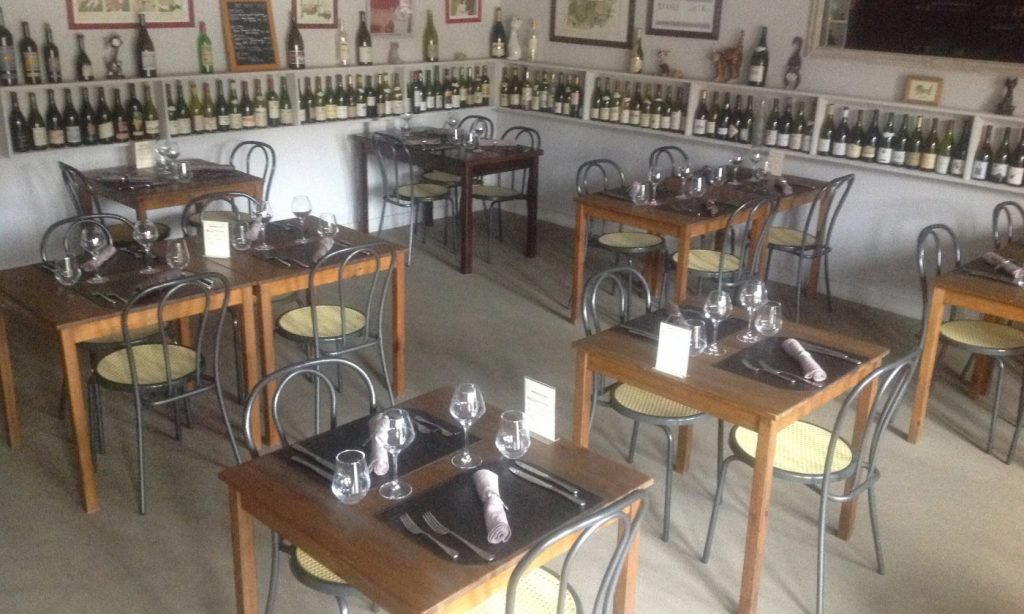
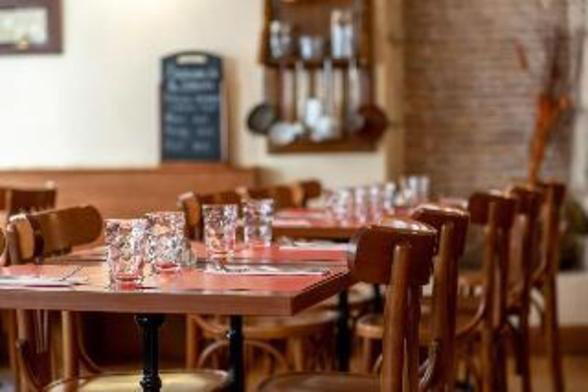
Minimalist decor with a wine-focused theme, decorated with cat drawings and wine memorabilia, creating a warm and friendly atmosphere that balances rural charm with contemporary sophistication.