
A former station café beside Meursault's train line, Les Murisaltiens trades on Burgundian kitchen fundamentals rather than prestige-district positioning. Charolais beef braised with marchand de vin, Burgundy snails dressed with parsley and hazelnuts, and an affordable weekday lunch menu make this one of the village's most direct expressions of regional cooking without ceremony.
Pearl is the En Primeur Club membership app — saves, bookings, and concierge access live there. Same editors, same standards.
- Address
- 38 rue de la Gare
- Phone
- +33 3 80 24 02 68
- Website
- les-murisaltiens.eatbu.com
- Directions
- Get directions
 Saves & bookings on Pearl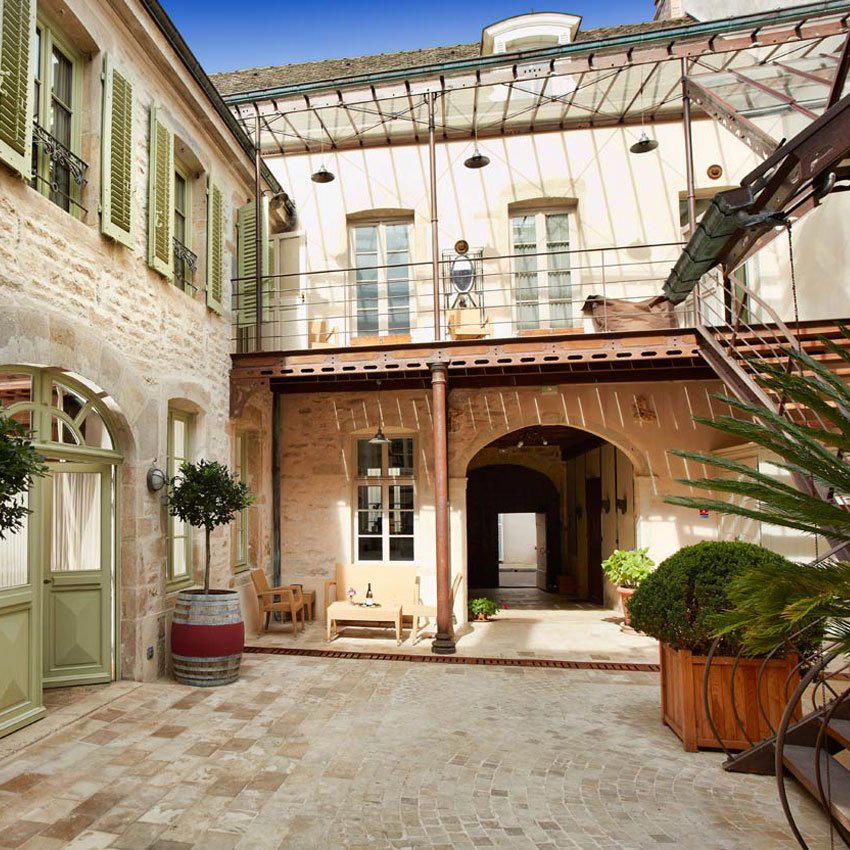
Where the Train Line Meets the Table
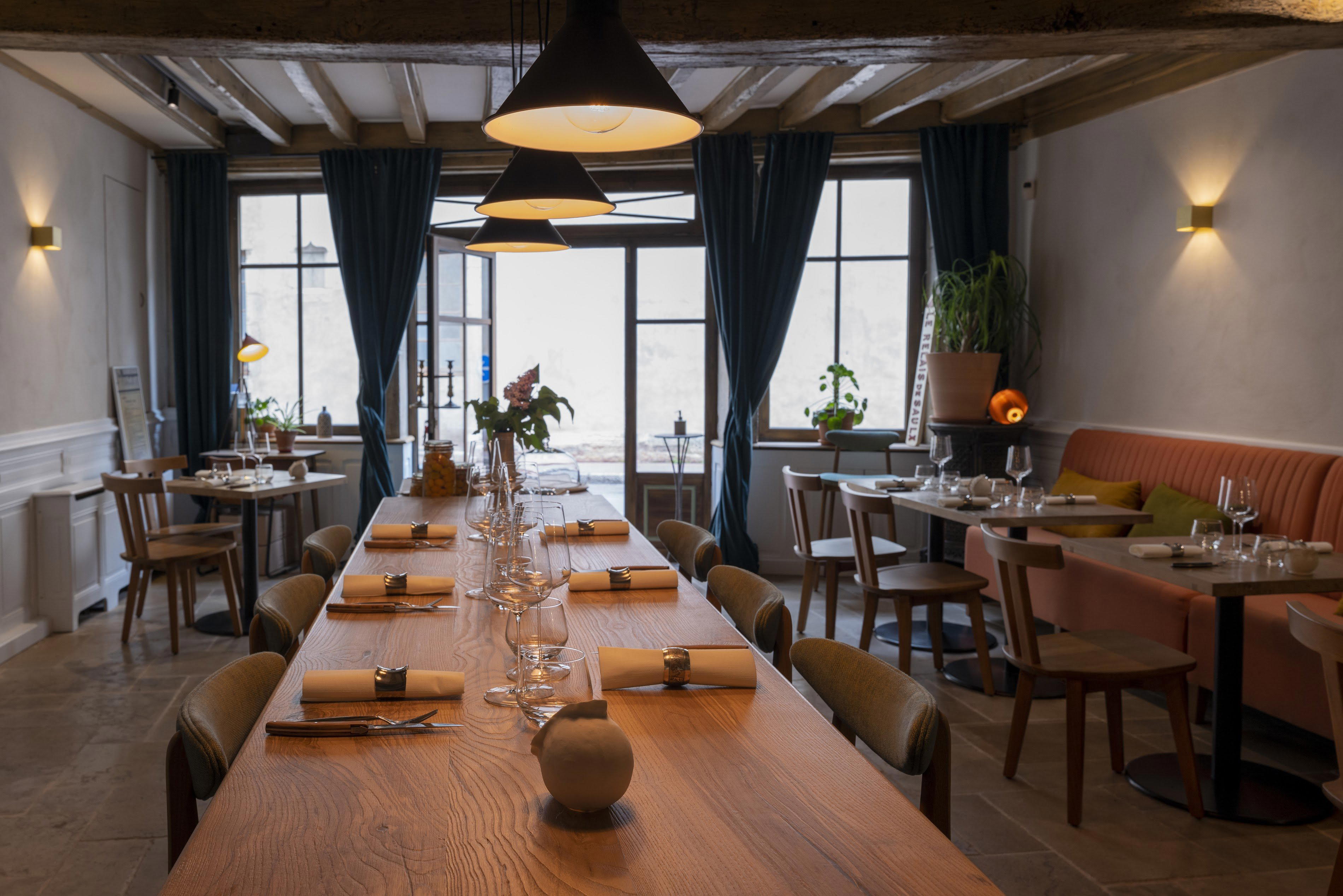
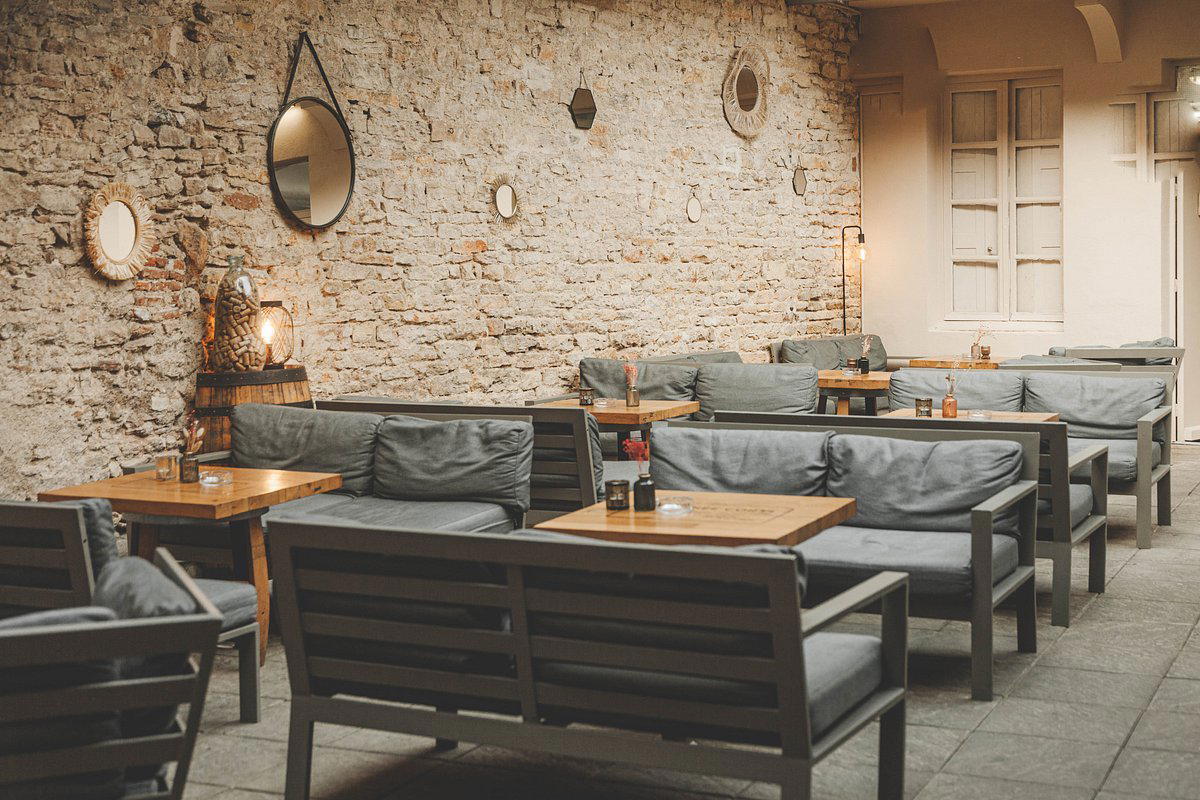
The approach to Les Murisaltiens tells you something about its register before you reach the door. Set at 38 rue de la Gare, directly beside Meursault's train station rather than along the wine-tourist corridor that draws visitors to the village centre, the space occupies a former station café. The building carries the modest, functional geometry common to railway infrastructure across Burgundy: no grand courtyard, no cellar-bar theatre, no architectural gesture toward the prestige of the appellation. What greets you instead is a down-to-earth room that has been given new purpose without being stripped of its original character. That positioning, both physical and conceptual, places Les Murisaltiens in a specific tier of Côte de Beaune dining: the kind of address where the cooking does the work and the setting neither competes nor distracts.
Meursault itself is a village defined by the tension between its wine identity and its everyday life. The grands crus may be on the hillside labels that circulate through auction houses and fine-dining wine lists at addresses like Alléno Paris au Pavillon Ledoyen or Mirazur in Menton, but the village itself is a working agricultural settlement. A café beside the station, serving regional food at accessible prices, fits that reality more honestly than many of the options aimed squarely at wine-tour visitors.
The Sourcing Logic Behind the Menu
The dishes at Les Murisaltiens read as a deliberate inventory of Burgundian raw materials. Burgundy snails, served with parsley, hazelnuts and croutons, draw on one of the region's oldest cultivated food traditions. Escargots de Bourgogne have a designation of their own and a supply chain that runs through specialist producers across the Côte-d'Or. The hazelnut and parsley treatment here moves slightly away from the canonical garlic-butter preparation, introducing a nuttiness that sits alongside rather than competing with the richness of the snail itself.
The braised paleron of Charolais beef with marchand de vin sauce is the dish that most directly signals where the kitchen's sourcing priorities lie. Paleron, cut from the chuck, is not a prestige piece of the animal. It is a working cut that rewards slow application of heat and a sauce built on wine and shallots. Charolais, the white cattle breed from the region immediately to the west of Burgundy, is France's most recognised beef breed, with a protected geographical indication that ties it to specific production zones. Choosing Charolais paleron over a generic braised beef is a sourcing decision first, a cooking decision second. It ties the plate to a specific geography in the same way the village's wines tie their character to a specific slope and subsoil.
Blackcurrant tiramisu closes the menu with an ingredient that carries genuine Burgundian provenance. The Côte-d'Or is the primary production zone for cassis, the black currant used in crème de cassis and, through it, in kir, the aperitif that has been associated with Burgundy since the mid-twentieth century. Reframing blackcurrant in a dessert format that most diners associate with Italian cafés is a small piece of culinary cross-referencing, but it keeps the sourcing geography consistent from first course to last.
A Specific Kind of Kitchen Authority
The kitchen is run by Takashi Kinoshita, whose previous position was at Château de Courban, a hotel-restaurant in the northern Côte-d'Or. That placement in the regional restaurant circuit, rather than in a major urban kitchen, is contextually significant. Burgundy has a long tradition of technically trained cooks returning to village-scale settings to run precise, ingredient-led menus for local and visitor clientele alike. The tradition can be traced through references that include Troisgros in Ouches, Auberge de l'Ill in Illhaeusern, and Bras in Laguiole, where the argument has always been that serious cooking does not require a metropolitan address. Les Murisaltiens operates at a much more modest scale than any of those references, but the underlying logic is similar: trained technique, regional sourcing, a room that does not compete with the plate.
What distinguishes this kitchen's position in Meursault specifically is that the alternatives in the village lean either toward modern formats or toward the premium end of traditional cuisine. Au Fil du Clos and Le Soufflot both operate at the €€€ tier; Le Bistrot de La Cueillette sits closer to the traditional register but within a hotel context. The restaurant occupies the station-café position: unaffiliated, without a hotel group behind it, and priced to reflect that independence. For the context and comparison of the full dining picture in the village, our full Meursault restaurants guide maps the options across formats and price points.
Planning a Visit
The weekday lunch set menu represents one direct entry point, offering the kitchen's regional cooking at a price tier below what comparable technique would cost in Beaune or Dijon. The address, 38 rue de la Gare, is direct for visitors arriving by train on the Dijon-Lyon axis, which stops at Meursault and makes the restaurant the closest dining option to the platform. For those staying in the village, our Meursault hotels guide covers accommodation options across the village. Given the size typical of a converted station café and the address's growing local reputation under the current kitchen, booking ahead for weekend service is the sensible approach, though no direct booking link is publicly listed; checking locally or through wine-tour operators familiar with the village is one reliable route.
Visitors building a wider picture of Meursault can round out a day with reference to our Meursault wineries guide, our bars guide, and our experiences guide for the village. For those tracking regional cooking at a different scale, the contrast with three-Michelin-star references like Flocons de Sel in Megève or Paul Bocuse in Collonges-au-Mont-d'Or is useful for calibrating what the restaurant is and, just as importantly, what it is not trying to be. The cooking here does not aim for that register. It aims, with considerable success, at something more durably useful in a wine village: honest, sourced, affordable cooking that the inhabitants of Meursault, the Murisaltiens of the name, might actually eat on a Tuesday.
How Les Murisaltiens Meursault compares with similar nearby venues.
| Venue | Cuisine | Price |
|---|---|---|
| Le Soufflot | French, Modern Cuisine | €€€ |
| Au Fil du Clos | Modern Cuisine | €€€ |
| Le Bistrot de La Cueillette | Traditional Cuisine | €€ |
Recognition history
Dated appearances from independent guides and award organizations, with the underlying list record or original source where available.
Michelin Plate
Michelin
Continue exploring
More in Meursault
Restaurants in Meursault
Browse all →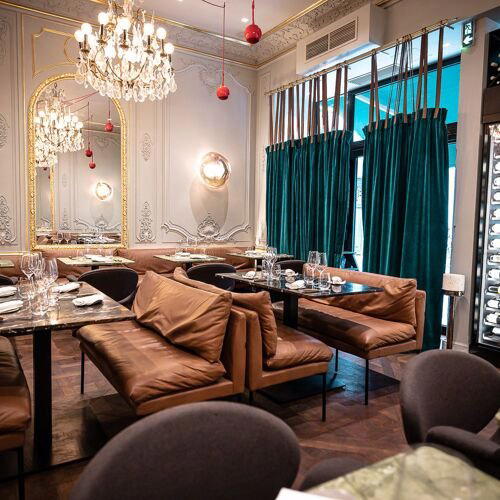
Bars in Meursault
Browse all →
Hotels in Meursault
Browse all →

At a Glance
- Romantic
- Cozy
- Intimate
- Classic
- Date Night
- Celebration
- Special Occasion
- Group Dining
- Family
- Open Kitchen
- Standalone
- Extensive Wine List
- Local Sourcing
- Farm To Table
Current opening hours
- Monday
- Closed
- Tuesday
- Closed
- Wednesday
- 12–2:30 PM, 7–9:30 PM
- Thursday
- 12–2:30 PM, 7–9:30 PM
- Friday
- 12–2:30 PM, 7–9:30 PM
- Saturday
- 12–2:30 PM, 7–9:30 PM
- Sunday
- 12–2:30 PM, 7–9:30 PM
Hours can change for holidays and private events. Last verified .
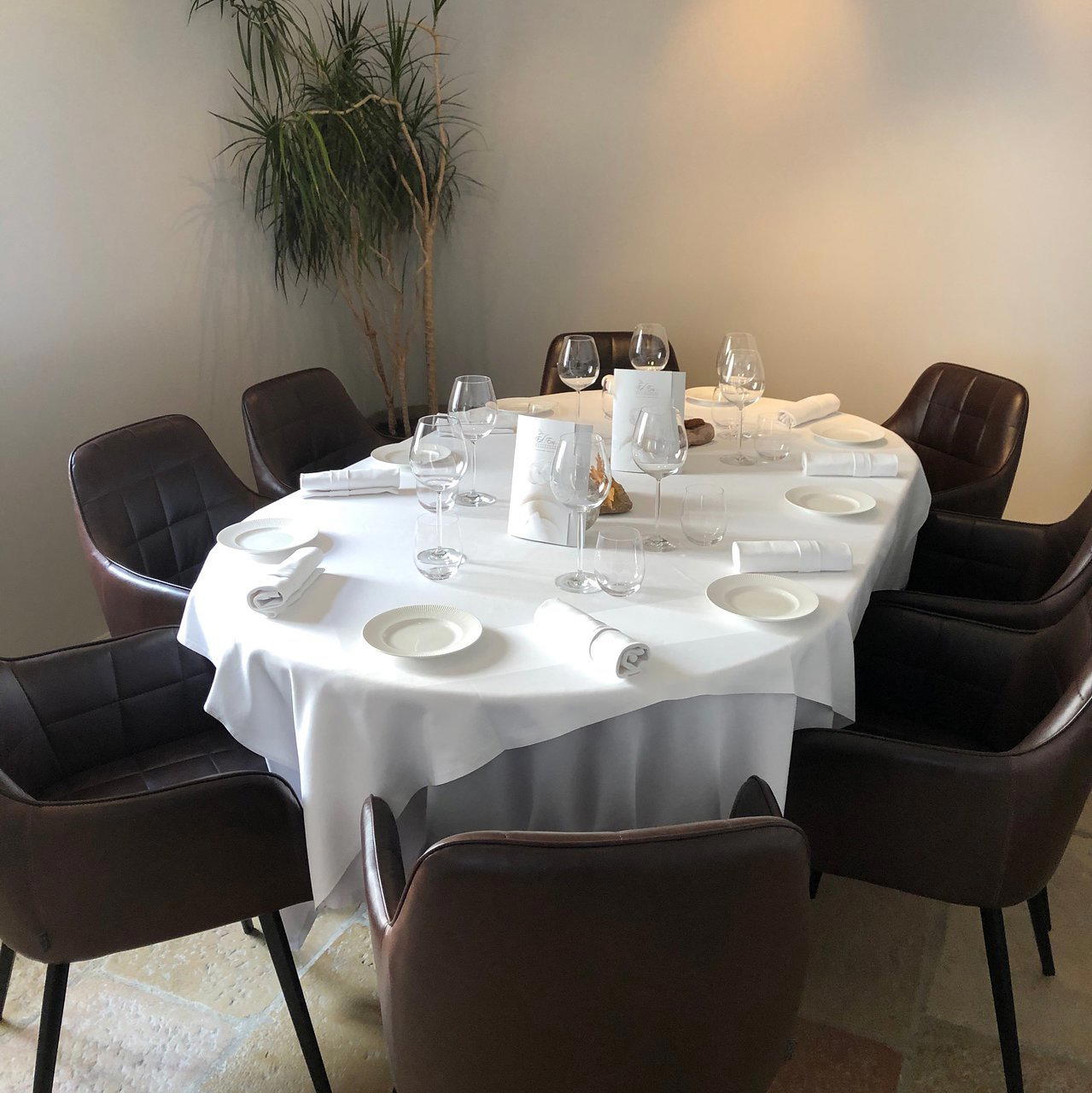
Simple, inviting, down-to-earth setting with warm lighting and a welcoming atmosphere; the chef actively engages with diners in the dining room.