On Rue des Serruriers in the heart of Nice's old town, Le Bistrot des Serruriers occupies a street long defined by artisan trades and neighbourhood regulars. The bistrot format here aligns with a broader Niçoise revival of ingredient-led, low-intervention cooking that draws from the market rather than the freezer. Proximity to Cours Saleya and the old town's covered lanes makes it a natural stop within any serious exploration of Nice's dining scene.
Pearl is the En Primeur Club membership app — saves, bookings, and concierge access live there. Same editors, same standards.
- Address
- 16 Rue des Serruriers, 06300 Nice, France
- Phone
- +33412055560
- Website
- sevenrooms.com
- Directions
- Get directions
 Saves & bookings on Pearl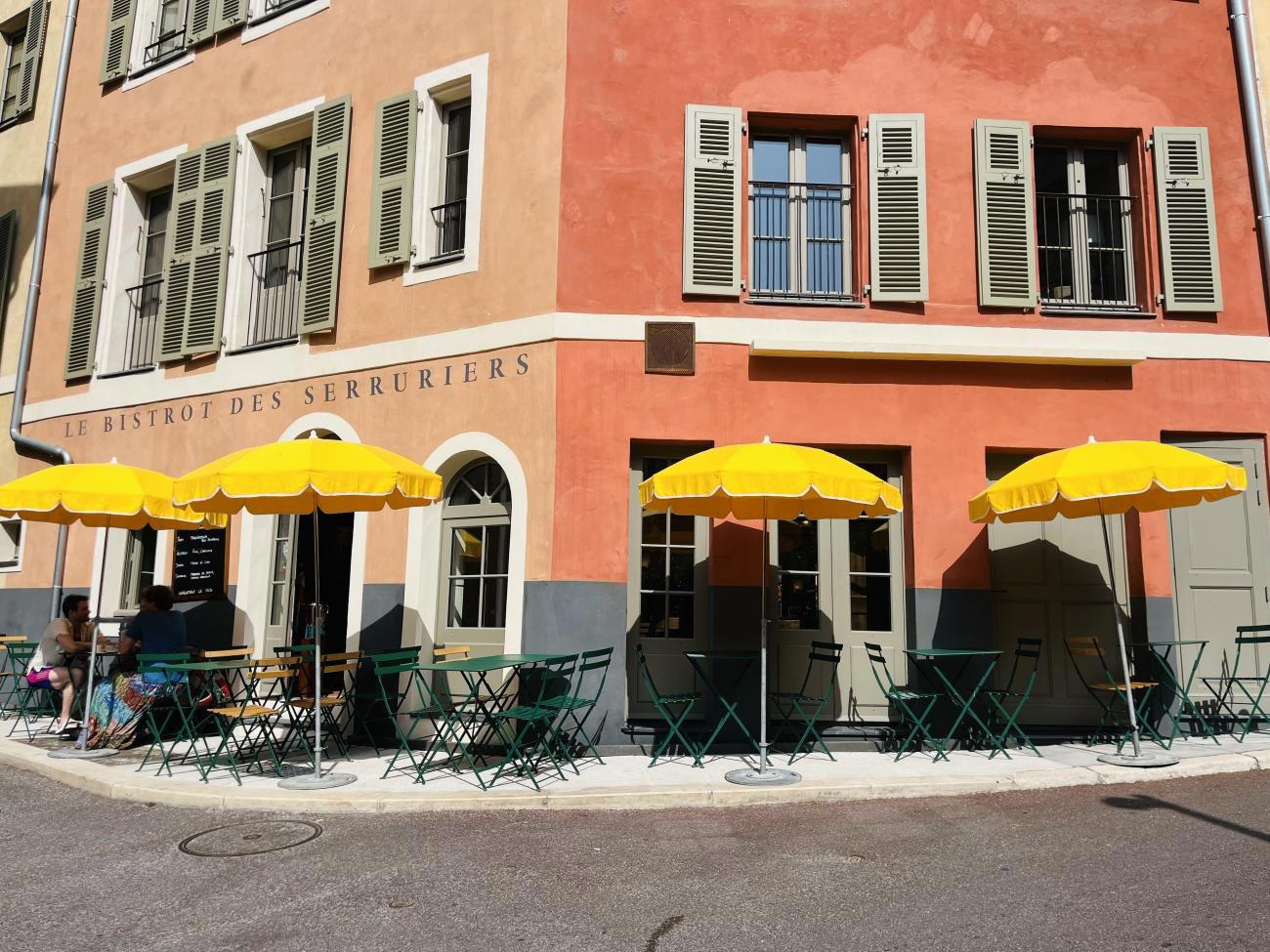
Where Old Town Nice Sets the Terms
Rue des Serruriers, named for the locksmiths who once lined it, sits inside the Vieux-Nice grid, a neighbourhood whose cooking has always been shaped by proximity rather than ambition. The market at Cours Saleya is minutes away. The Ligurian coast runs to the east. Provençal producers supply the hills above. In this part of Nice, the question a restaurant must answer is not what it aspires to be, but how honestly it engages with what surrounds it. Le Bistrot des Serruriers at number 16 is positioned to answer that question in the language of the neighbourhood bistrot: short menus, seasonal rotation, and produce that doesn't need to travel far to arrive at the table.
Nice's dining scene in the mid-tier has split noticeably in recent years between establishments that import their identity, imported wine lists, imported technique, and those that treat the Niçoise and Provençal tradition as a genuine working brief. The latter group, which includes market-driven bistrots across the old town, tends to operate on tighter menus that change with supply rather than season alone. This is a more demanding model: it requires daily relationships with producers and a kitchen comfortable with improvisation. It also produces particularly honest plates the city has to offer.
The Sustainability Logic Behind Small-Format Bistrot Cooking
Across southern France, the renewed interest in bistrot formats has aligned, not coincidentally, with a broader shift toward waste-conscious kitchen practice. A short menu of four or five choices per course is not just an aesthetic preference; it is a structural commitment to buying what you can use and using what you buy. The surplus problem that plagues larger restaurant operations, the over-ordered proteins, the wilting garnish, shrinks considerably when a kitchen works this way. In the context of Nice, where the Cours Saleya market operates six mornings a week and where small-scale producers from the arrière-pays supply directly to restaurants, this approach has a practical infrastructure to support it.
The ethical sourcing question in Niçoise cooking also runs through the sea. The Mediterranean fishing industry has faced serious pressure over the past decade, and the restaurants that handle it most responsibly are those that take what is available on a given day rather than maintaining a fixed menu commitment to a species that may have been over-fished or poorly caught. A bistrot format, with its inherent flexibility, is better placed to do this than a gastro operation locked into a prestige ingredient. This is one reason why the small bistrots of Vieux-Nice have quietly become more interesting on ethical grounds than some of their more decorated neighbours.
For comparison: Nice's Michelin-recognised restaurants, including Flaveur and L'Aromate, both operating at the €€€€ tier, carry sophisticated sourcing programs, but their menus are necessarily more fixed, more designed around a defined creative identity. The bistrot operates differently: the sourcing is the menu, and the menu is the day's available honesty.
Nice's Neighbourhood Bistrot Tier in Context
Understanding where a venue like Le Bistrot des Serruriers sits requires some sense of what surrounds it. Nice's dining scene runs from the Michelin-starred end, Le Chantecler and Les Agitateurs among them, down through creative mid-range operations like ONICE, and further to the neighbourhood places that make no case for recognition beyond consistent, place-specific cooking. The bistrot tier is the least covered by critics and particularly used by locals. It's also, when it works well, one direct expression of what a city actually eats.
La Merenda, also in Vieux-Nice and operating without a phone line or card machine, is frequently cited example of this tier done at its most committed. The Niçoise and Provençal canon it serves, socca, daube, tripe, represents one version of the neighbourhood bistrot. A newer generation of addresses on streets like Rue des Serruriers tends to fold the same respect for local supply into a slightly more contemporary frame, without the theatrical austerity of the cash-only policy. The result is a format that is accessible without being diluted.
France's broader restaurant tradition provides useful context here too. Particularly sustainability-conscious kitchens in the country, Bras in Laguiole, which runs a vegetable-forward kitchen sourced from its own land, or Mirazur in Menton, which gardens biodynamically across its terraced site, have made ethical sourcing part of their formal identity. The bistrot model achieves something similar without the institutional apparatus: it simply cannot afford to operate otherwise. That constraint, paradoxically, produces more flexible and often more responsible results than a structured sustainability program.
Elsewhere in France, the houses that carry greater weight, Troisgros in Ouches, Auberge de l'Ill in Illhaeusern, Paul Bocuse in Collonges-au-Mont-d'Or, define the classical end of French dining. International reference points like Le Bernardin in New York or Atomix represent what happens when French technical rigour travels. But these are not the terms on which a Vieux-Nice bistrot competes. Its comparable set is local, its ambition is neighbourhood-scaled, and its value is proportional to how well it reads the street it's on.
Planning Your Visit
Rue des Serruriers is walkable from the main tram line at Jean Médecin or from the old port on foot. The address at number 16 sits in the denser part of the old town, where streets narrow and parking is not a realistic option; arriving on foot or by public transport is the practical choice. For the old town generally, lunch service tends to be less pressured than dinner, when the neighbourhood draws a fuller crowd. Given the bistrot format and the likelihood of a short menu, arriving with flexibility on timing is advisable. Current hours, reservation policy, and pricing are: Mon: Closed; Tue: Closed; Wed: 12–2:30 PM, 6:30–10 PM; Thu: 12–2:30 PM, 6:30–10 PM; Fri: 12–2:30 PM, 6:30–10 PM; Sat: 12–2:30 PM, 6:30–10 PM; Sun: 12–2:30 PM, 6:30–10 PM. Reservations are recommended, and the dress code is smart casual.
For those building a longer itinerary in the south of France, AM par Alexandre Mazzia in Marseille represents the creative high end of the Mediterranean coast, while Flocons de Sel in Megève and Assiette Champenoise in Reims anchor the alpine and northern ends of the country respectively. Au Crocodile in Strasbourg and Alléno Paris au Pavillon Ledoyen fill out the formal end of the French dining map. None of these are comparators for a Vieux-Nice bistrot; they are the wider context in which it operates, and against which its deliberately local, deliberately modest scale reads as a considered choice rather than a limitation.
Price and Recognition
Comparable venues nearby, for context on price, style, and recognition.
| Venue | Cuisine | Price | Awards | Notes |
|---|---|---|---|---|
| Le Bistrot des SerruriersThis venue — the venue you are viewing | Nice Historique, Niçois Bistro | $$ | Not listed | Not listed |
| Le Safari | Not listed | $$ | Not listed | Nice Historique, Authentic Niçoise Cuisine |
| La Socca d'Or | Not listed | $$ | Not listed | Nice Historique, Traditional Niçoise Cuisine |
| Maison Bellet | Collines niçoises, Modern Niçoise Bistro | $$$ | Not listed | Not listed |
| Chabrol | Nice Historique, Modern French Bistro | $$ | Michelin Plate | Not listed |
| Le Mesclun | Nice Ouest, Modern Market-Driven French | $$$ | Not listed | Not listed |
Continue exploring
More in Nice
Restaurants in Nice
Browse all →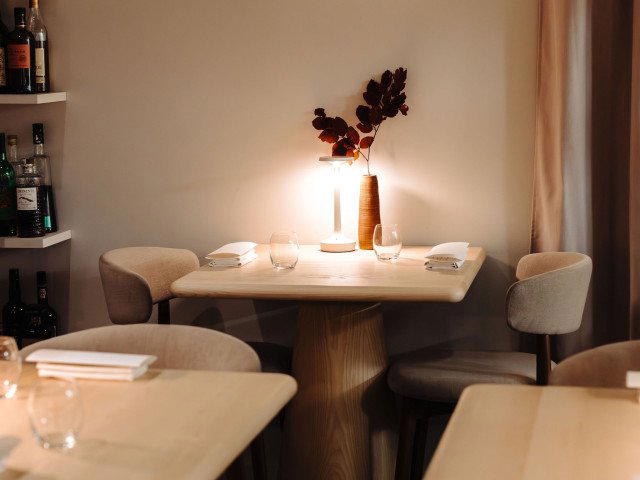
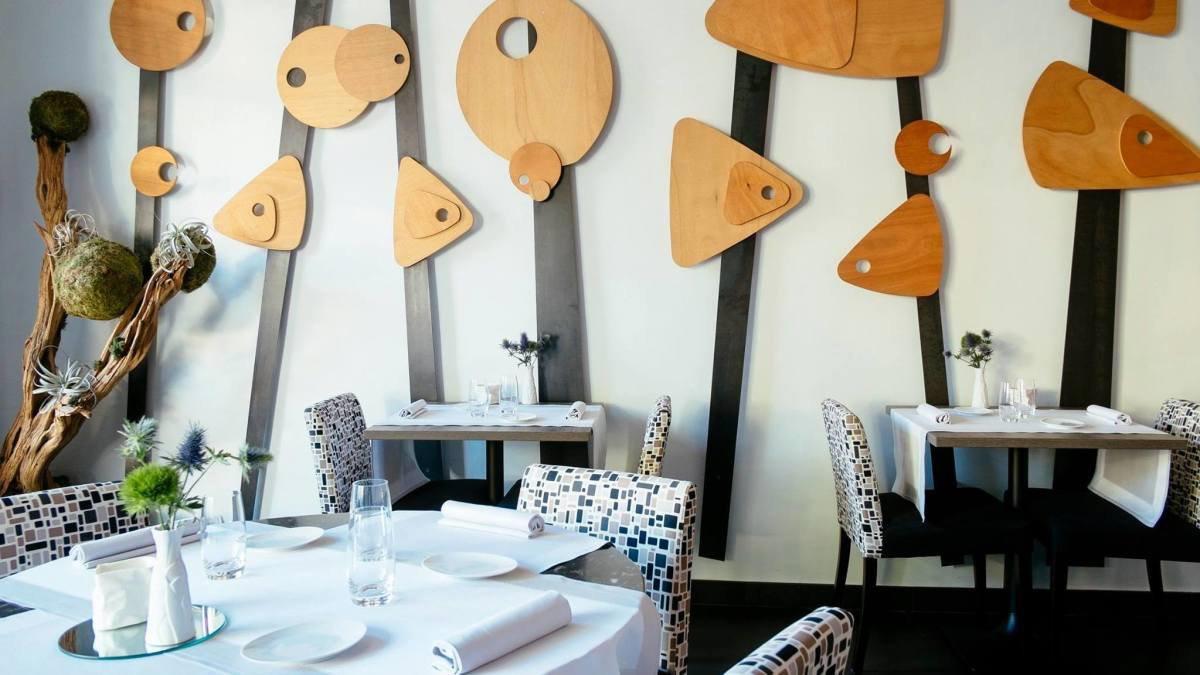
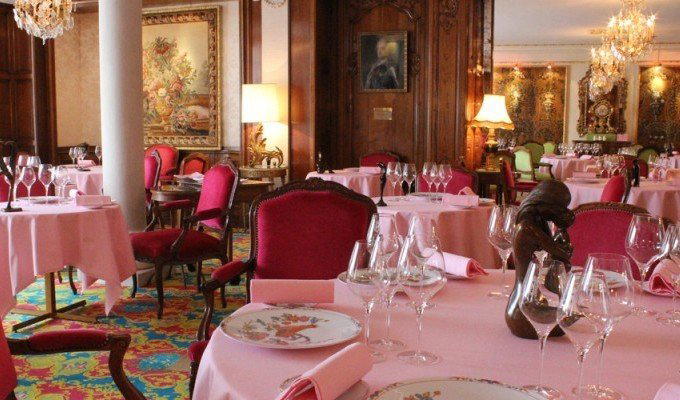
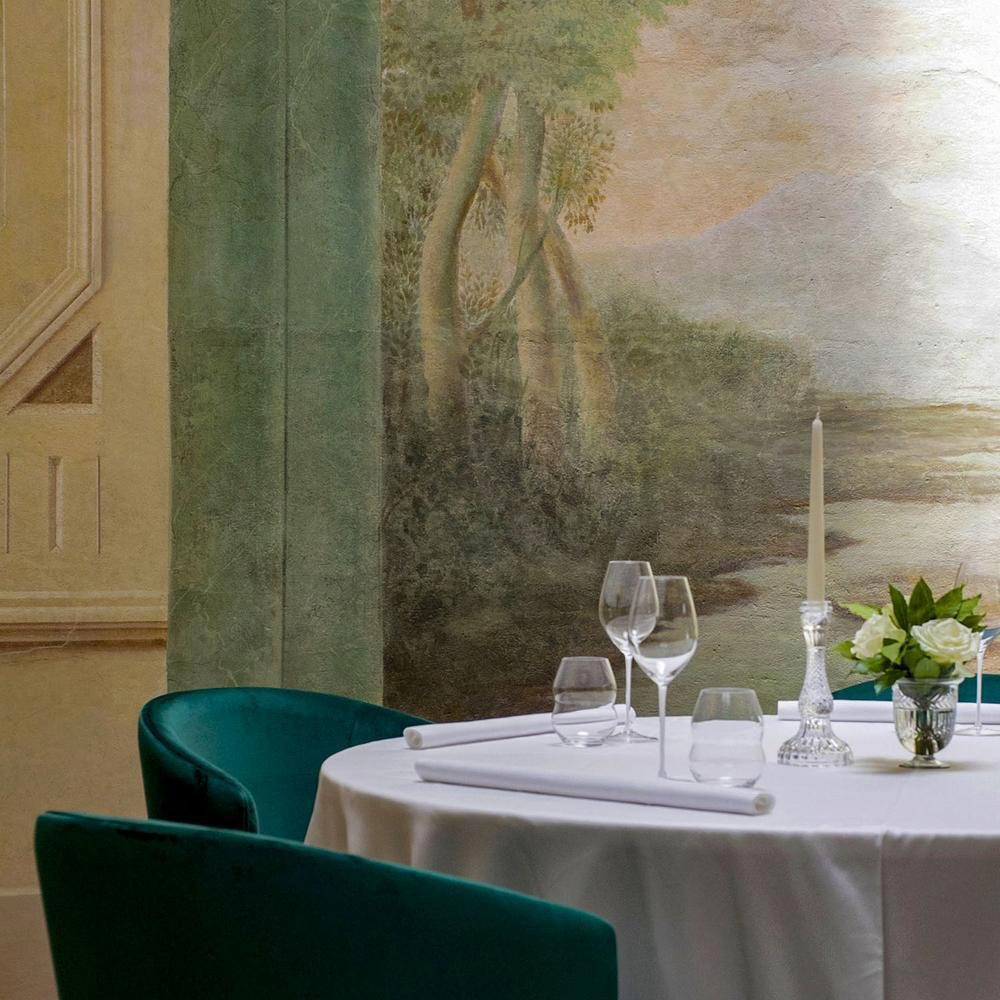
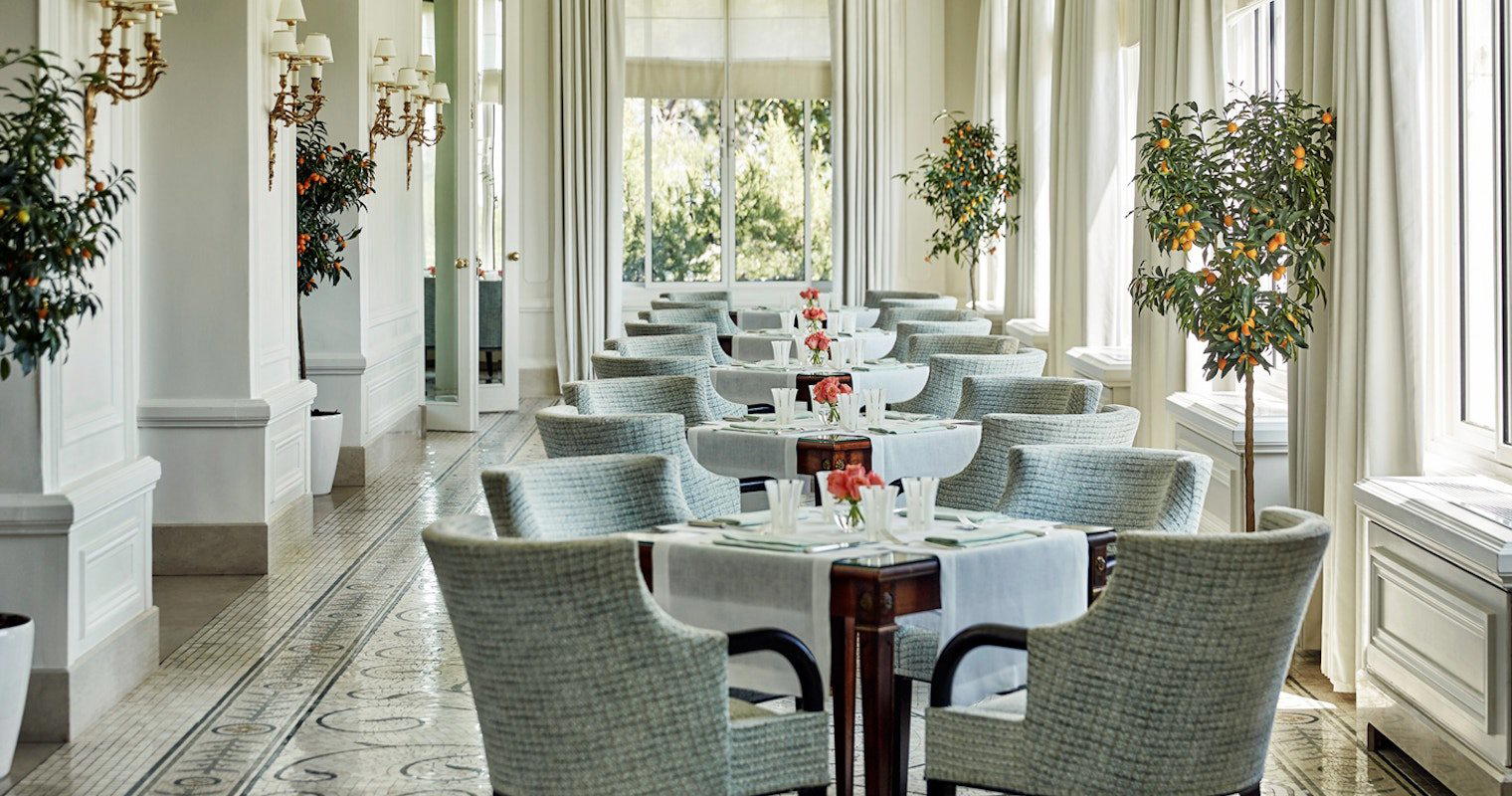
Bars in Nice
Browse all →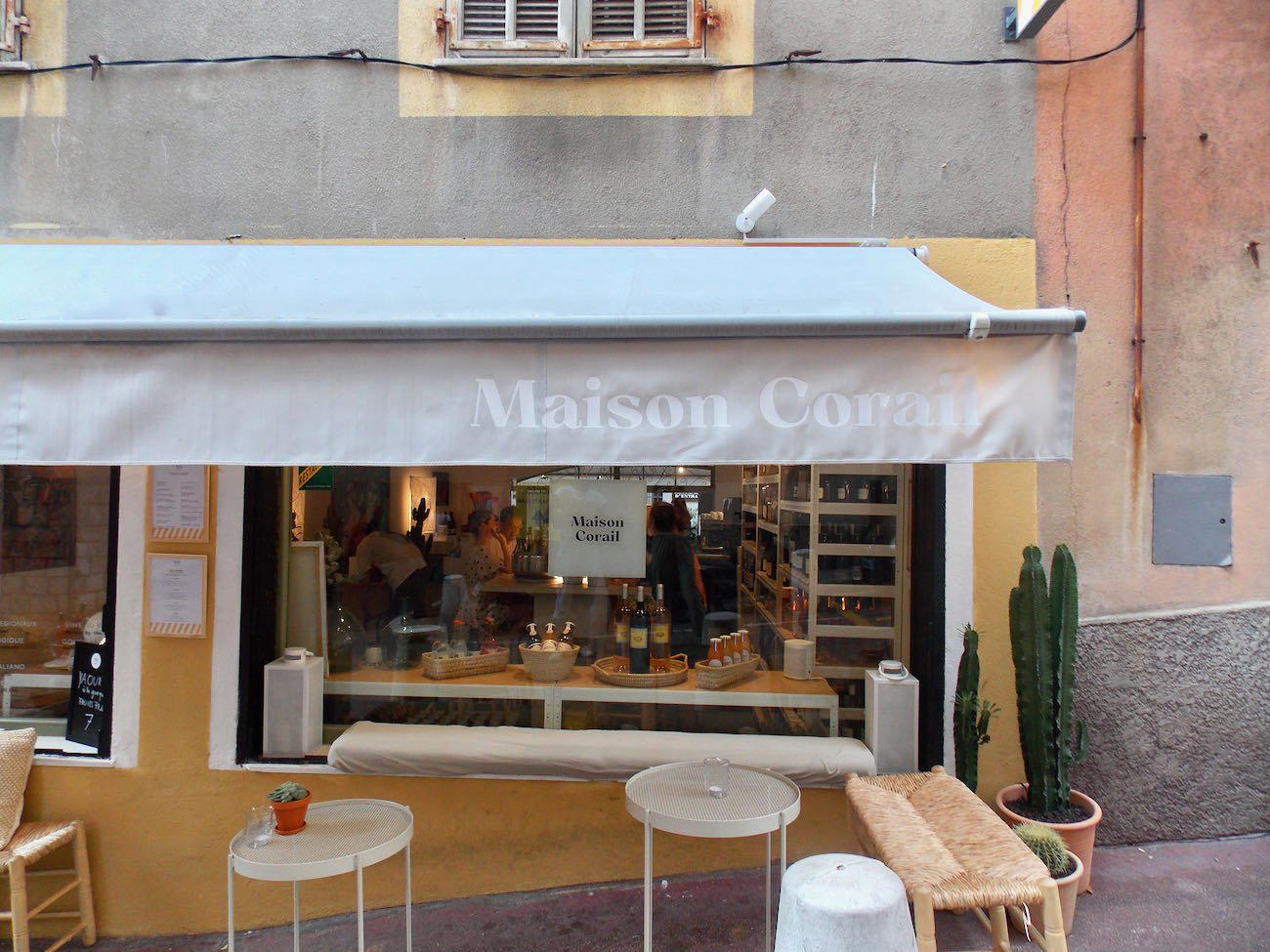
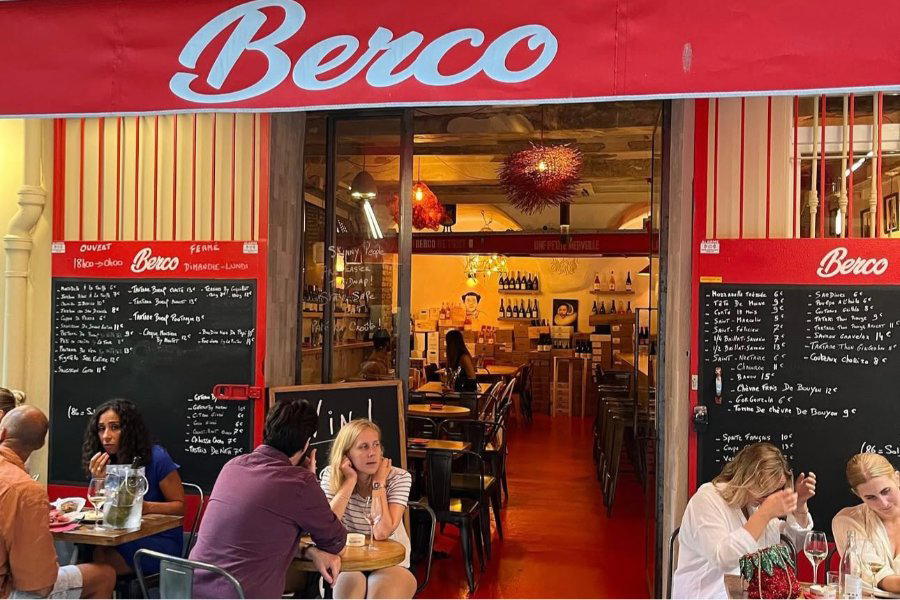
Hotels in Nice
Browse all →

At a Glance
- Cozy
- Classic
- Intimate
- Rustic
- Casual Hangout
- Historic Building
- Natural Wine
- Local Sourcing
- Farm To Table
- Street Scene
Current opening hours
- Monday
- Closed
- Tuesday
- Closed
- Wednesday
- 12–2:30 PM, 6:30–10 PM
- Thursday
- 12–2:30 PM, 6:30–10 PM
- Friday
- 12–2:30 PM, 6:30–10 PM
- Saturday
- 12–2:30 PM, 6:30–10 PM
- Sunday
- 12–2:30 PM, 6:30–10 PM
Hours can change for holidays and private events. Last verified .
Warm and inviting classic French bistro atmosphere with vintage furnishings, large mirrors, paintings, and a charming antique feel.