
Michelin Plate
Our verdict
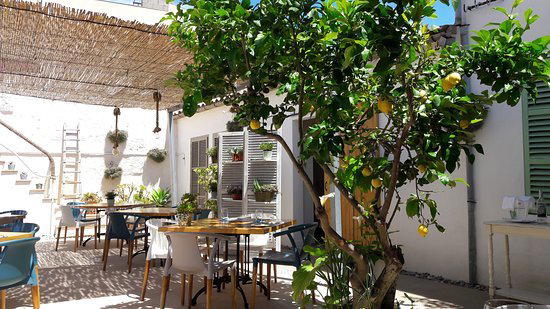
Set in a centuries-old Mallorcan townhouse beside the parish church of Sant Andreu, Laudat earns its consecutive Michelin Plate recognitions (2024 and 2025) with honest Mediterranean cooking at a €€ price point. The shaded patio under a lemon tree makes it one of the more appealing outdoor settings in Santanyí, particularly on market days when the square comes to life. The veal tongue carpaccio with capers and Tap de Cortí paprika is a dish worth planning around.

Pearl is the En Primeur Club membership app — saves, bookings, and concierge access live there. Same editors, same standards.
- Address
- Carrer de Sant Andreu, 18, 07650 Santanyí, Illes Balears, Spain
- Phone
- +34 871 90 60 34
- Website
- restaurantlaudat.com
- Directions
- Get directions
- Booking
- Book on CoverManager
The menu
What to order
- Beef Tartar with Oli de Santanyí
- Veal Tongue Carpaccio with Sautéed Cabbage
- Grilled Turbot
- Lobster & Asparagus Risotto
- Iberian Pork Chop
Stone Walls, Lemon Shade, and the Mallorcan Table
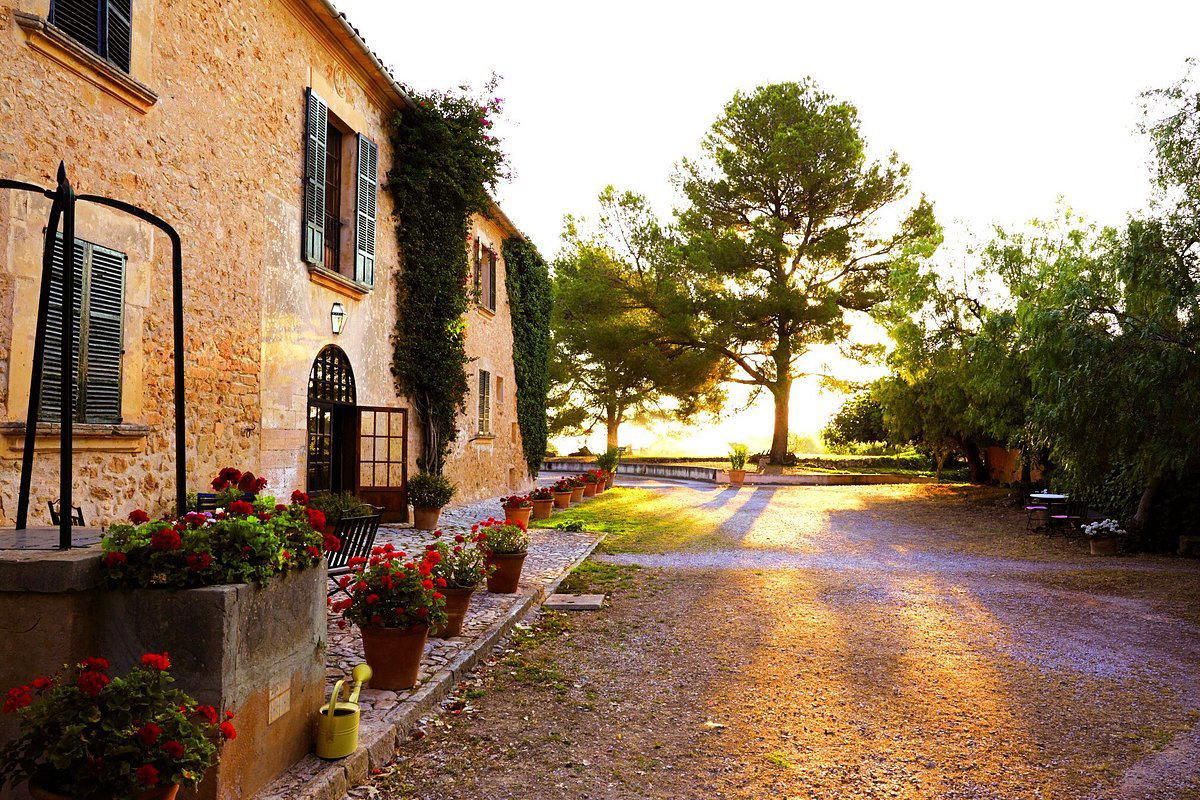
Approach Carrer de Sant Andreu on a Thursday morning, when the weekly market fills the square outside the parish church of Sant Andreu de Santanyí, and Laudat makes immediate sense as a place. The old Mallorcan house it occupies sits flush against the churchyard wall, its stone facade weathered in the way that signals centuries of use rather than renovation theatre. The patio-terrace, shaded by a lemon tree of considerable age, operates as the anchor of the experience: it is the kind of outdoor dining space that does not have to try.
That physical setting is not incidental to what Laudat serves. Mediterranean cooking at this level of sincerity is grounded in an agricultural logic that runs from soil to table, and Mallorca's interior — the part forana, the rural towns of which Santanyí is one — produces some of the island's most characterful ingredients. Tap de Cortí, the local paprika variety that appears in Laudat's veal tongue carpaccio, is as specific a regional marker as you will find on any menu in the Balearics. The spice comes from a Mallorcan pepper landrace that nearly disappeared during the twentieth century and has since been recovered by a small number of growers in the island's southeast. Its presence on a plate signals a kitchen that understands where it is.
The Olive Oil Foundation of Mallorcan Cooking
Any serious reading of Mediterranean cuisine starts with olive oil, and Mallorca offers a particularly instructive case study. The island's Denominació d'Origen covers oils pressed from Mallorcan varieties, principally Arbequina and the local Mallorquina, that produce fruit with relatively low bitterness and a softer finish than the assertive Picual-dominant oils of Jaén or the grassy intensity of Sicilian early-harvest presses. Mallorca's oils tend to integrate rather than dominate, which makes them well-suited to the kind of cooking that relies on the character of individual ingredients rather than structural contrast.
In practice, this means a kitchen in Santanyí has access to oils that function both as cooking medium and finishing element without overwhelming the produce they accompany. The veal tongue carpaccio that Laudat's kitchen recommends illustrates this well: the combination of sautéed cabbage, capers, and Tap de Cortí paprika requires a fat that carries acidity and spice without competing, and local olive oil performs that role in ways that a more aggressive pressing would not. This is what makes Mallorcan cooking in the interior distinct from coastal Mediterranean templates, the ingredients are calibrated to each other in ways that only work when the sourcing is genuinely local.
Spain's highest-profile restaurants, Aponiente in El Puerto de Santa María, Arzak in San Sebastián, DiverXO in Madrid, El Celler de Can Roca in Girona, Quique Dacosta in Dénia, Azurmendi in Larrabetzu, Disfrutar in Barcelona, Martin Berasategui in Lasarte - Oria, Mugaritz in Errenteria, Ricard Camarena in València, operate at €€€€ price points, with tasting menus that run to dozens of courses and require planning well in advance. Laudat operates in a different register entirely: a €€ restaurant in a small Mallorcan town, offering an à la carte and a set menu built from the same dishes, with Michelin Plate recognition in both 2024 and 2025 as external validation that the cooking meets a baseline of consistent quality. The comparison is not competitive; it is contextual. Laudat is not trying to be those restaurants, and the Mediterranean table it sets is not diminished by not being them.
For broader Mediterranean reference points at a similar positioning, La Brezza in Ascona and Arnaud Donckele & Maxime Frédéric at Louis Vuitton in Saint-Tropez represent how the same culinary basin produces radically different dining formats depending on context and ambition level. What they share with Laudat is a reliance on produce quality and restraint of technique as the primary tools of expression.
Menu Structure and What to Order
The format at Laudat is direct: an à la carte alongside a set menu that draws its dishes from the same pool. This structure allows the kitchen to maintain coherence across both formats rather than maintaining two separate production lines, which at a €€ price point reflects an intelligent constraint. Guests who prefer to choose freely can do so; those who prefer the editing that a set menu provides get the same cooking without sacrificing access to the kitchen's stronger plates.
The veal tongue carpaccio, served with sautéed cabbage, capers, and Tap de Cortí paprika, is the dish that the Michelin editors single out, and that recommendation carries weight. Offal preparations at this price point can trend toward the perfunctory, but the combination of textures here (sliced tongue against wilted cabbage, the sharpness of capers, the earthy heat of local paprika) indicates a kitchen thinking about composition rather than simply filling a section of the menu. It is the kind of dish that reads as modest on paper and delivers more than expected on the plate.
Santanyí Context and When to Go
Santanyí sits in Mallorca's southeast, a region that draws a quieter visitor profile than the island's more trafficked northwest or resort coast. The town's market, held on Saturdays and Wednesdays (with Thursdays drawing additional activity around the church square), creates the kind of footfall that benefits a restaurant in this position: visitors who have spent the morning browsing market stalls are already inclined toward a leisurely lunch. Timing a visit to Laudat around market days makes logistical sense, though the patio functions equally well outside those windows when the square is quieter.
Getting to Santanyí from Palma takes approximately 45 minutes by car, with the town accessible via the MA-19 motorway toward Llucmajor before connecting to local roads through the interior. There is no public transport frequency that makes a day trip practical without a car. Booking ahead is advisable, particularly for patio seating in the spring and summer months, when outdoor tables in this part of the island fill quickly.
For anyone building a broader itinerary around the town, [Our full Santanyí restaurants guide]() covers the full dining picture, including Ocre, which represents a different point on the local dining spectrum. [Our full Santanyí hotels guide](), [bars guide](), [wineries guide](), and experiences guide provide the surrounding context for a stay of more than one night.
Frequently asked questions
What does dinner at Laudat typically cost?
Pricing at Laudat is listed as €€.
Quick Comparison
| Venue | Cuisine | Price | Awards |
|---|---|---|---|
| LaudatThis venue — the venue you are viewing | Modern Mediterranean with Farm-to-Table Focus | $50–100 | Michelin Plate |
| Aponiente | Progressive - Seafood, Creative | Not listed | Michelin 3 Star |
| Arzak | Modern Basque, Creative | Not listed | Michelin 3 Star |
| DiverXO | Progressive - Asian, Creative | Not listed | Michelin 3 Star |
| El Celler de Can Roca | Progressive Spanish, Creative | Not listed | Michelin 3 Star |
| Quique Dacosta | Creative | Not listed | Michelin 3 Star |
Recognition history
Dated appearances from independent guides and award organizations, with the underlying list record or original source where available.
Michelin Plate
Michelin
Full recognition history (3 entries)
Michelin Plate
Michelin
Michelin Plate
Michelin
Continue exploring
More in Santanyí
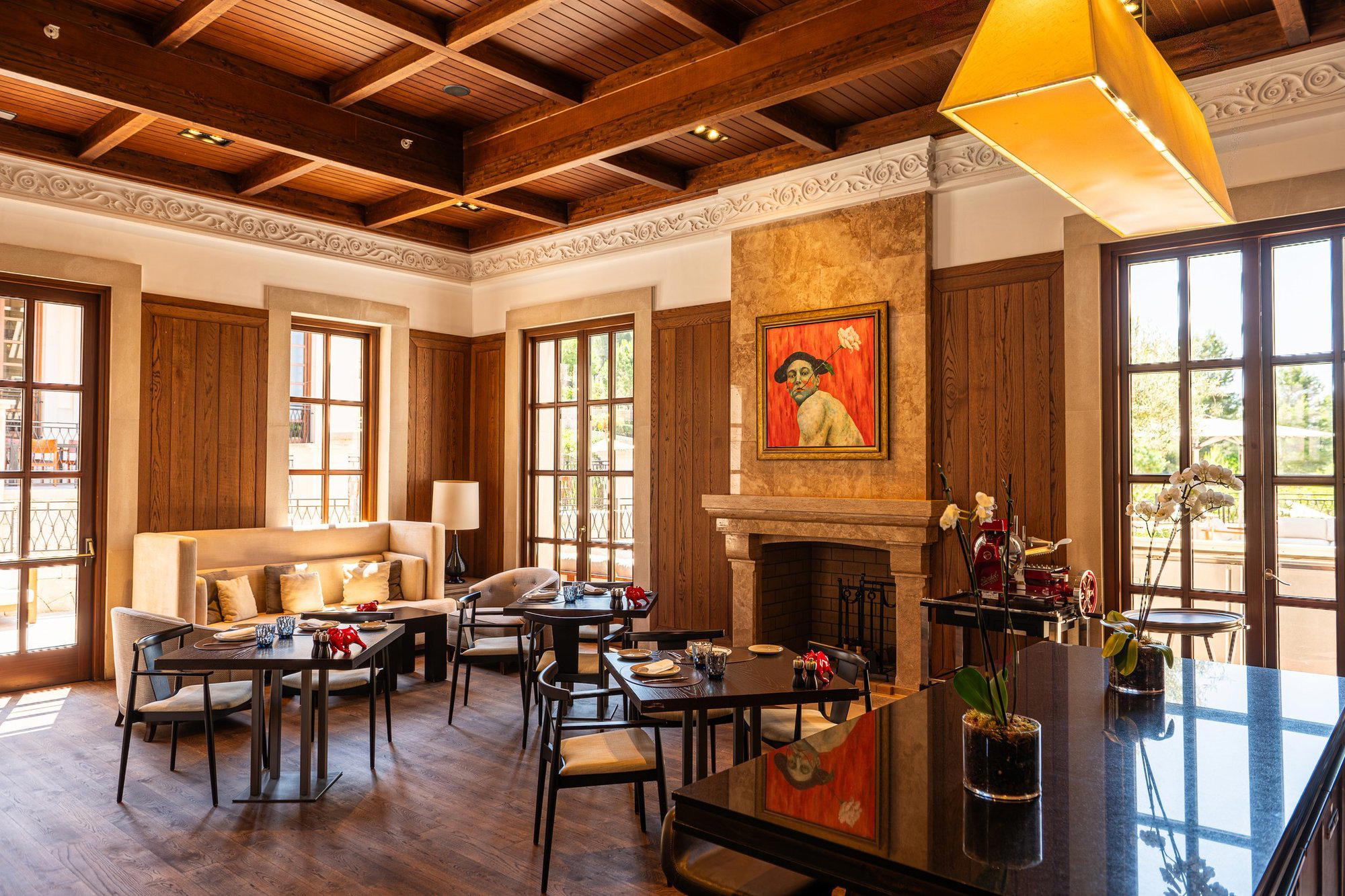
Restaurants in Santanyí
Browse all →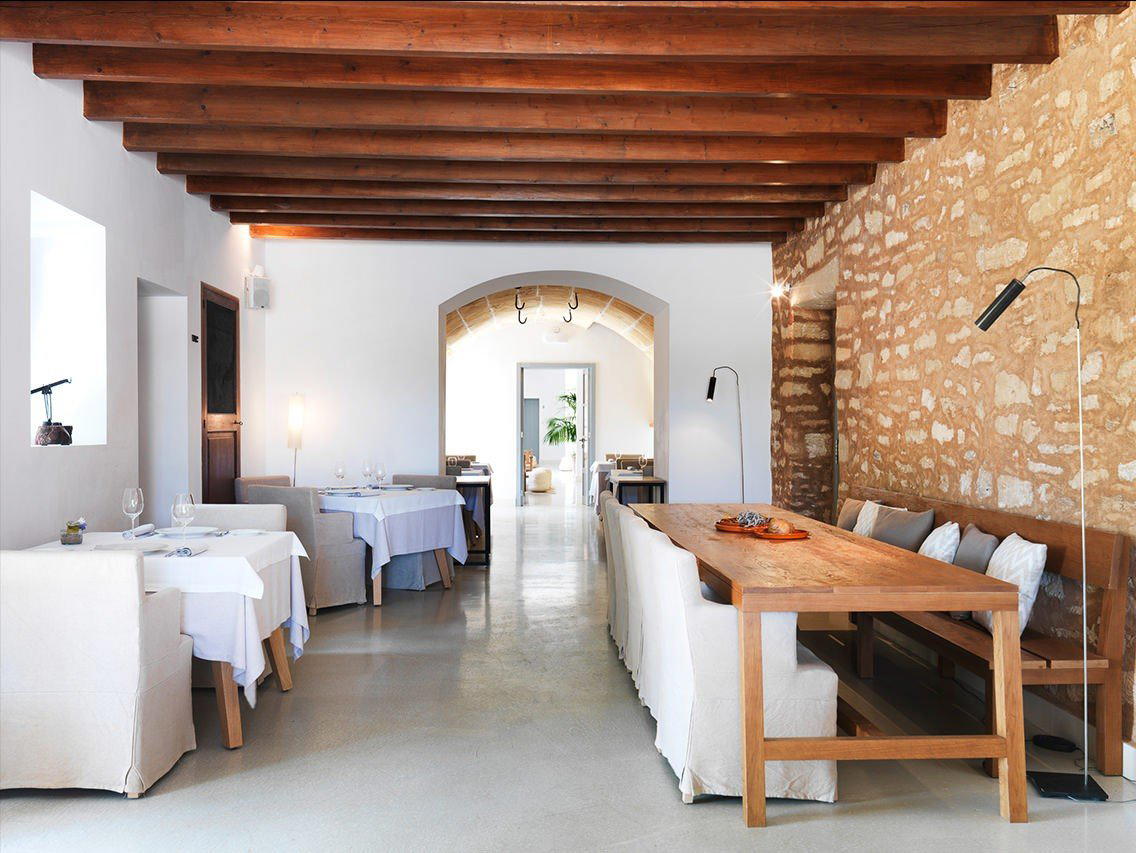
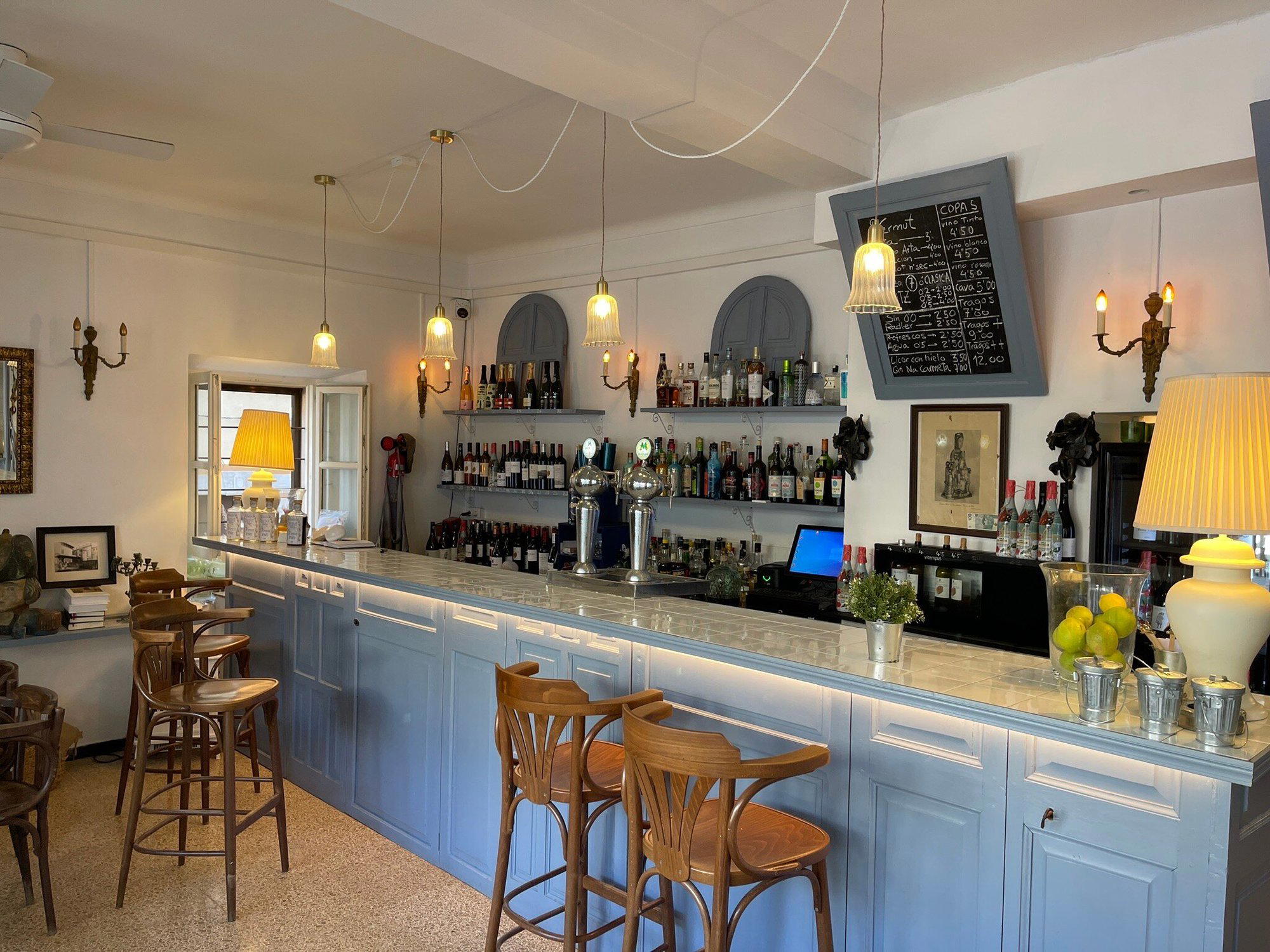
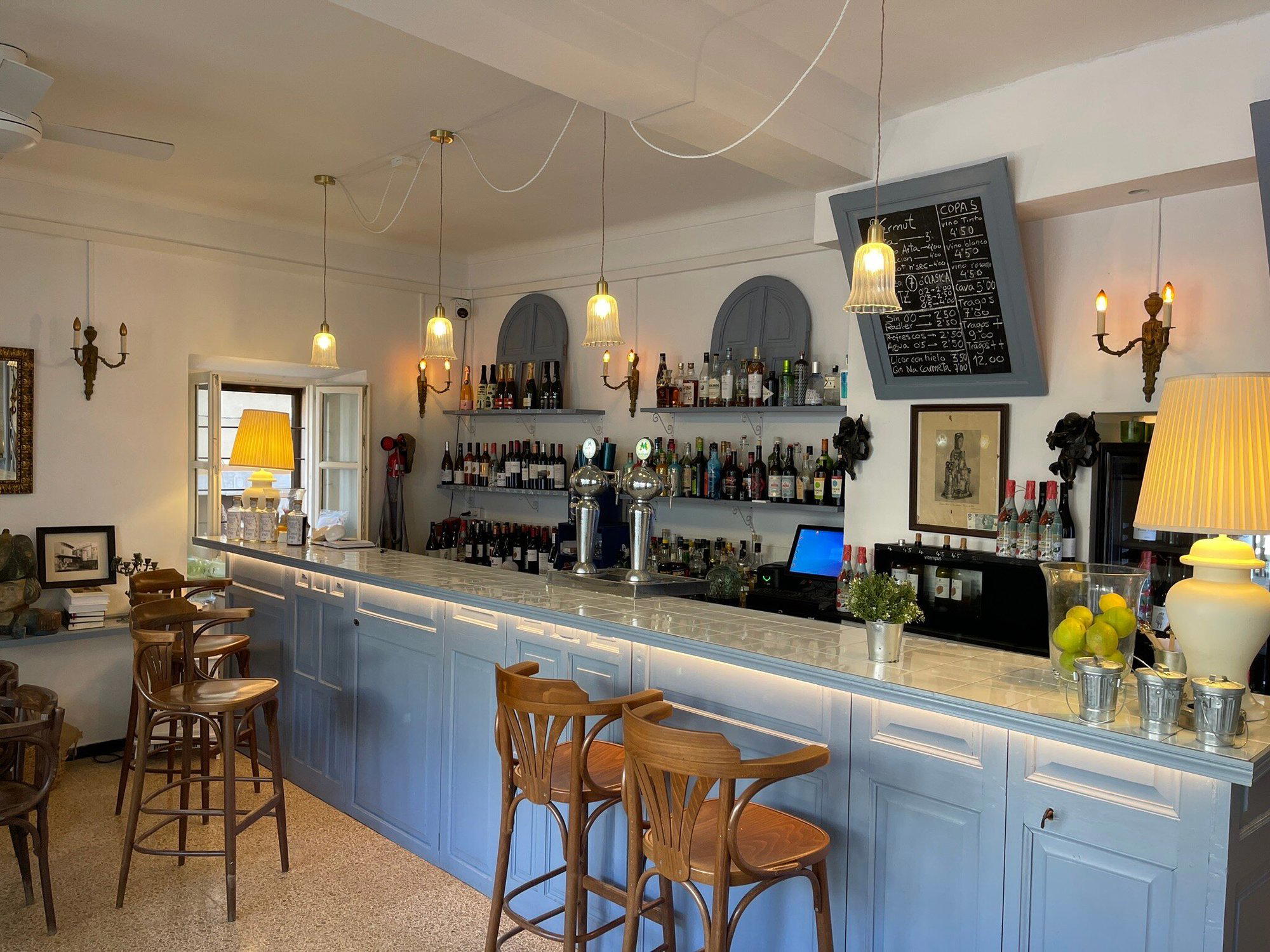
Bars in Santanyí
Browse all →
Hotels in Santanyí
Browse all →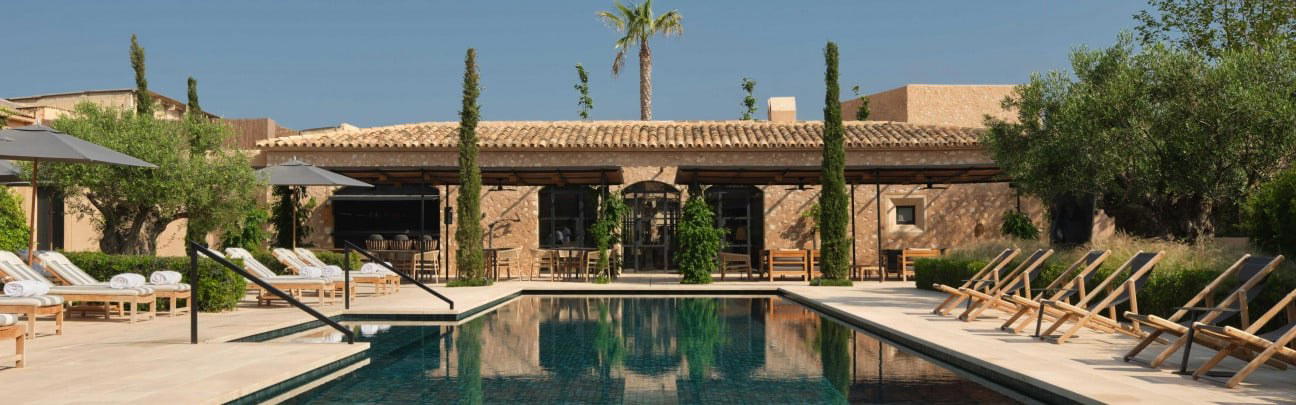

Details
- Romantic
- Elegant
- Sophisticated
- Intimate
- Date Night
- Special Occasion
- Celebration
- Terrace
- Courtyard
- Garden
- Historic Building
- Private Dining
- Extensive Wine List
- Sommelier Led
- Farm To Table
- Local Sourcing
- Garden
- A La Carte
- Set Menu
- Wine
- Regional Spanish Wines
- Vegetarian Friendly
- Vegan Options
- Gluten Free Options
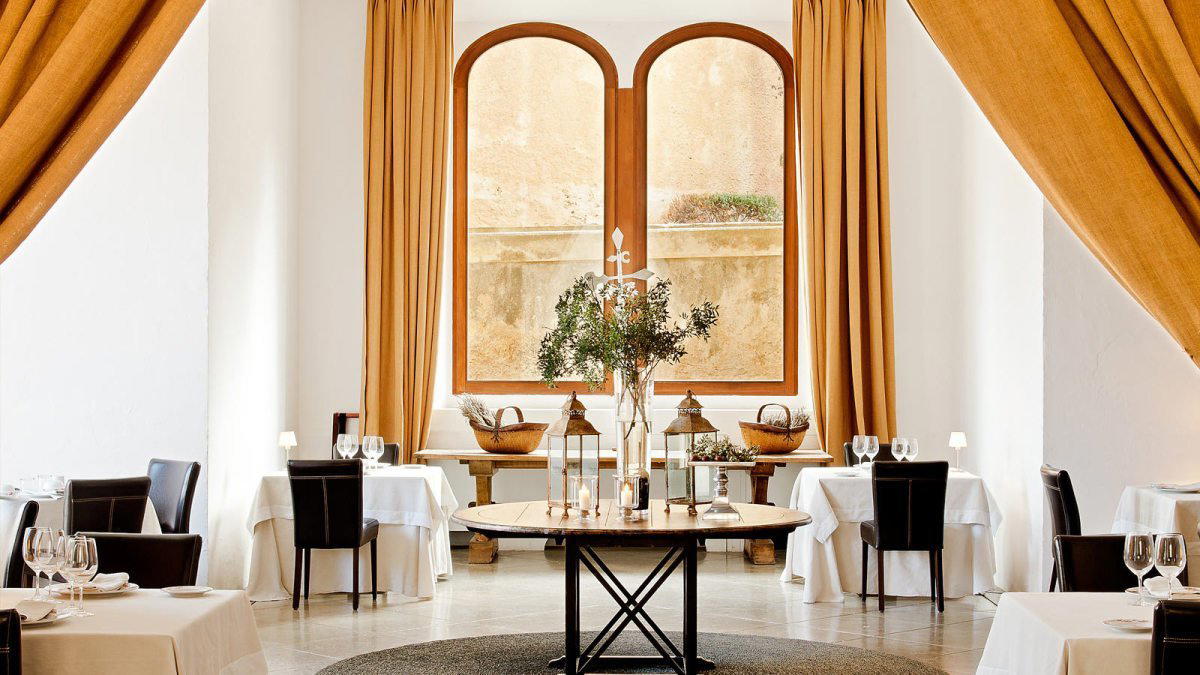
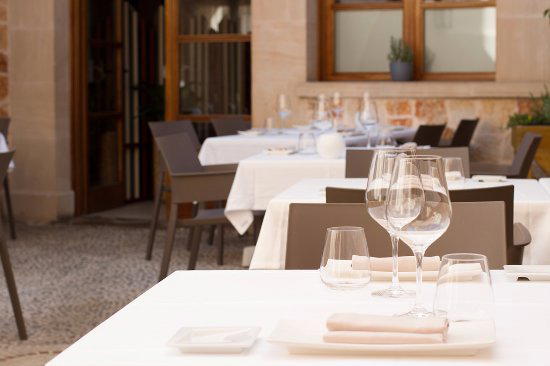
Warm, welcoming, and refined with soft lighting and a peaceful patio-terrace setting that balances elegance with homey comfort.