CaSy
Our verdict
CaSy occupies a quiet address on Rue Louis Antille in Crans-Montana, sitting inside a resort town that has increasingly drawn serious dining attention alongside its ski reputation. The restaurant positions itself within the upper tier of alpine dining, where the sourcing of ingredients from surrounding Valais terrain shapes the character of what arrives at the table. For the broader Crans-Montana restaurant scene, see our full guide.

Pearl is the En Primeur Club membership app — saves, bookings, and concierge access live there. Same editors, same standards.
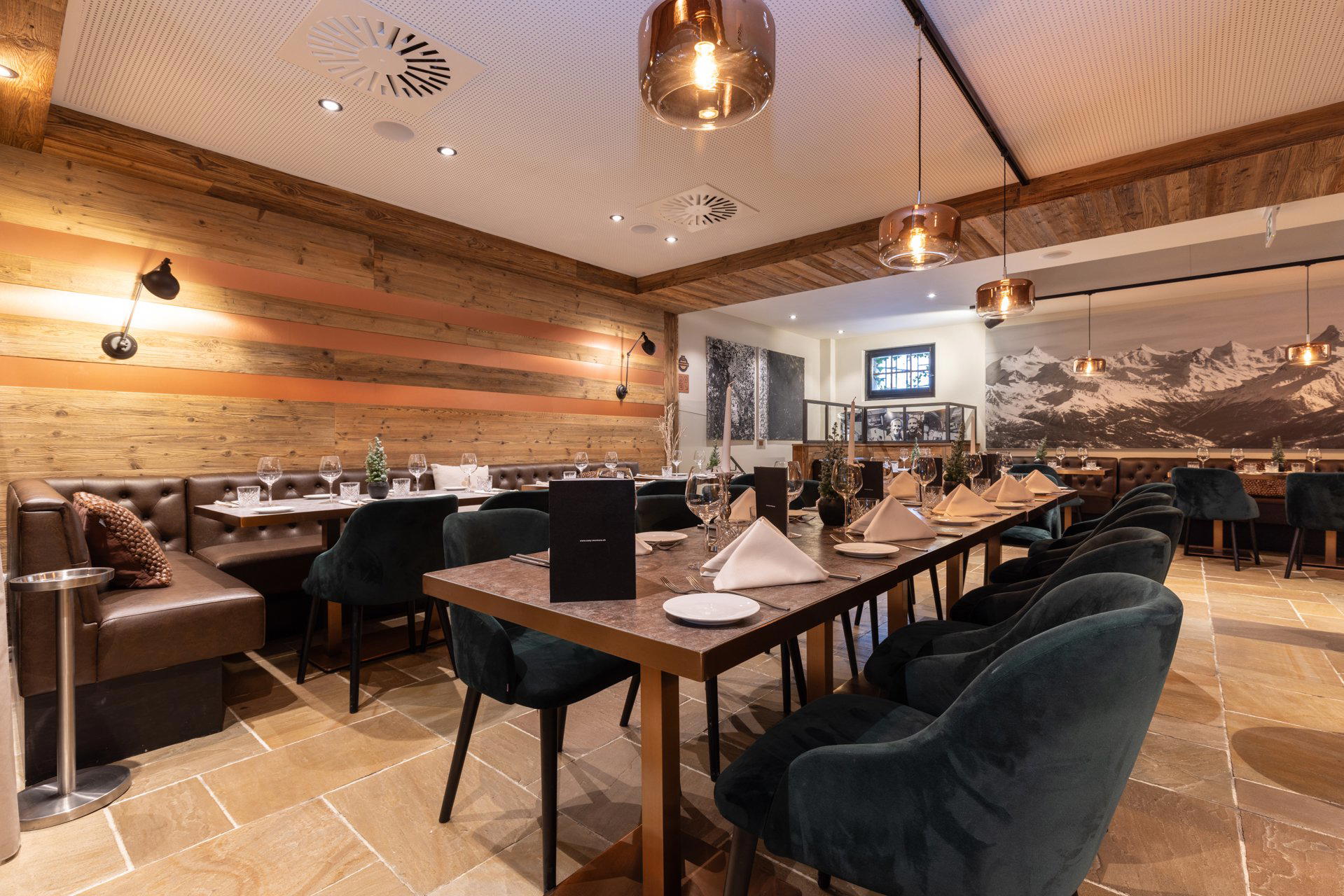
The menu
What to order
- Wild boar cheeks
- Zurich sliced meat with sushi
- Veal burger
Where Alpine Terrain Meets the Table
Crans-Montana sits at around 1,500 metres above sea level in the Valais canton, a resort that built its reputation on slopes and sun terraces long before its restaurant addresses warranted serious attention. That has shifted. The town now supports a dining tier that competes, at least in ambition, with what you find in Swiss lowland cities. CaSy, on Rue Louis Antille, sits within this emerging conversation: a restaurant whose address alone signals that Crans-Montana is no longer content to let the mountain views do all the work. For a broader orientation across the town's dining options, the our full Crans Montana restaurants guide covers the full range from casual to destination.
The Sourcing Logic Behind Alpine Dining
The Valais is one of Switzerland's most distinctive agricultural regions. At altitude, the growing season compresses, which concentrates flavour in ways that lowland producers cannot replicate. Apricots from the Rhône valley floor, aged raclette and raw-milk cheeses from high-pasture dairies, rye bread from heritage grain varieties, cured meats from Hérens cattle: these are the ingredients that define serious Valais cooking at its most honest. The leading alpine kitchens in this part of Switzerland treat proximity to source as a structural advantage rather than a marketing footnote.
This matters because the sourcing conversation in Swiss alpine dining has, over the past decade, split into two camps. One group imports luxury proteins and luxury techniques from lowland or international supply chains, producing food that could have been plated in Geneva or Zurich. The other group commits to what the surrounding terrain actually produces and builds menus around seasonal availability at altitude. The second approach is harder to execute consistently but produces food with a specific sense of place. Where CaSy falls within that spectrum is part of what makes it worth examining in the context of the Crans-Montana scene.
In Valais more broadly, that sourcing-led approach connects CaSy to a regional conversation that extends well beyond the resort. Across Switzerland, the restaurants making the sharpest arguments about ingredient provenance tend to attract sustained critical attention. Schloss Schauenstein in Fürstenau has built a three-Michelin-star case on hyper-local supply from the surrounding estate. Memories in Bad Ragaz operates with similar precision in a spa-resort context. The sourcing argument is not unique to the mountains, but altitude adds a constraint that sharpens the discipline.
The Crans-Montana Dining Tier
Resort dining in Switzerland operates under pressures that urban restaurants do not face. A short seasonal window, a clientele that arrives with high expectations but limited loyalty, and a geography that complicates supply chains all push kitchens toward either broad accessibility or tight specialisation. The middle ground tends to produce forgettable food. Crans-Montana has historically leaned toward accessibility, serving an international ski crowd that wants comfort over challenge. The more recent shift toward serious dining addresses, including La Muña, suggests that at least some operators see a different opportunity.
That opportunity connects to a wider Swiss alpine trend. In St. Moritz, Da Vittorio - St. Moritz demonstrates that luxury resort towns can sustain high-investment kitchen programs when the client base skews toward long-stay, high-spend visitors. Crans-Montana draws a similar demographic during peak winter and summer seasons. The question for any restaurant operating at a higher price point is whether the season is long enough to support the kitchen's ambitions year-round, or whether the model requires a compressed, high-intensity operating window.
Across Switzerland's broader fine dining tier, the comparison set includes well-resourced kitchens with clear culinary identities. Hotel de Ville Crissier in Crissier, Cheval Blanc by Peter Knogl in Basel, and Maison Wenger in Le Noirmont each represent a different regional inflection of Swiss fine dining. A Valais alpine kitchen like CaSy operates with a distinct set of raw materials and a distinct clientele, which places it in a different competitive conversation than those lowland institutions, but the underlying standards of execution that attract serious diners remain consistent.
What the Scene Looks Like in Practice
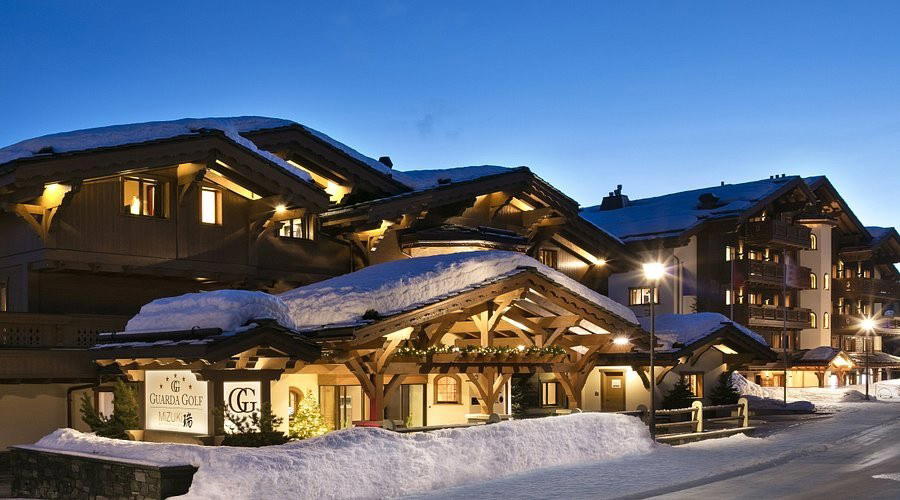
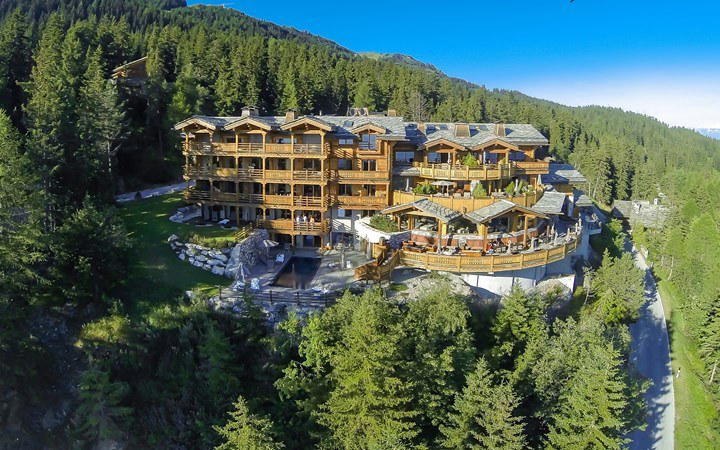
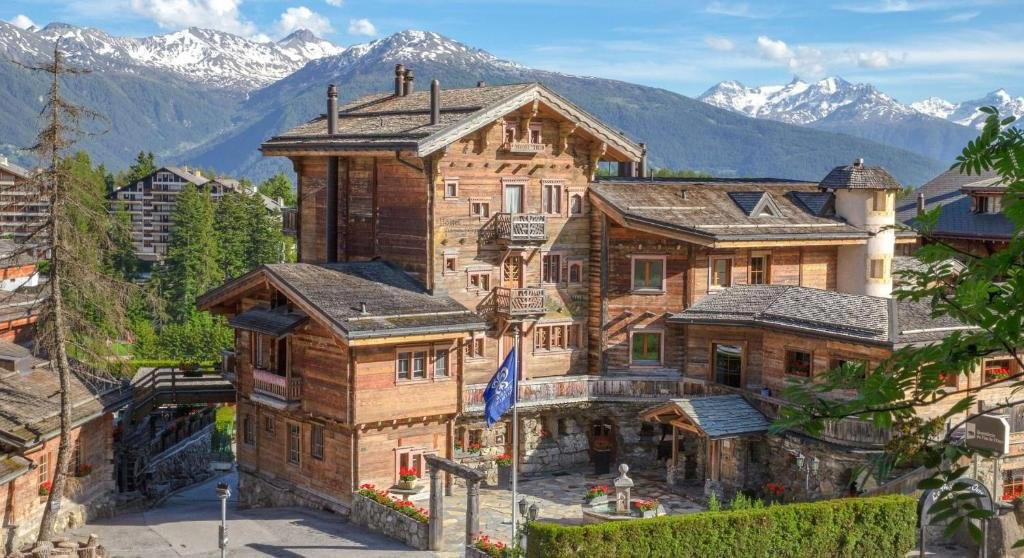
The physical approach to CaSy along Rue Louis Antille reflects the broader character of Crans-Montana's built environment: a mountain resort town that mixes chalet vernacular with more contemporary architecture, without the preserved historic core you find in lower-altitude Swiss towns. The restaurant sits within a neighbourhood that is walkable from the main resort infrastructure, which matters for a dining address that depends on foot traffic from hotel guests and resort visitors rather than destination pilgrimage.
For context on what serious creative cooking looks like in comparable Swiss settings, focus ATELIER in Vitznau and Einstein Gourmet in Sankt Gallen both operate within resort or mid-size city contexts and maintain strong critical profiles. Mammertsberg in Freidorf and Taverne zum Schäfli in Wigoltingen demonstrate that Switzerland's serious dining is distributed well beyond its major urban centres. La Table du Valrose in Rougemont offers the closest geographical comparison as an alpine-region restaurant in a similar resort setting.
For those whose frame of reference extends to international dining, the sourcing-led alpine approach shares a structural logic with what Lazy Bear in San Francisco does with California seasonality, or what Le Bernardin in New York City does with supply-chain discipline in a different protein category. Ingredient provenance as a kitchen's central argument is a global tendency, not a Swiss one, but the specific materials available in the Valais give it a particular regional texture. Skin's - the restaurant in Lenzburg and The Japanese Restaurant in Andermatt further illustrate how Switzerland's resort and smaller-city contexts increasingly support specialised kitchen programs. La Brezza in Ascona adds a southern Swiss counterpoint, where Italian influence reshapes the sourcing logic entirely.
Planning Your Visit
Crans-Montana is accessible by road from Sierre in the Rhône valley, roughly 30 kilometres below, and by the Sierre-Montana-Crans funicular for those arriving by rail. The resort operates on two primary seasons: winter (December through April) and summer (June through September), with shoulder periods when dining options contract significantly. CaSy's address on Rue Louis Antille places it within easy walking distance of the main resort centre. Given the seasonal rhythm of the town, confirming current opening periods before planning a visit is advisable. Contact details and current booking information are leading verified through the resort's central information channels, as individual restaurant websites and phone lines in Crans-Montana can be inconsistent during low-season closures.
Frequently asked questions
Can I bring kids to CaSy?
Crans-Montana is a family-oriented resort, and most restaurants along Rue Louis Antille and the surrounding streets are set up to accommodate children across age groups. CaSy sits within that broader resort context, where the expectation of mixed-age tables is the norm rather than the exception.
Is CaSy formal or casual?
Crans-Montana's dining scene runs on resort logic: guests move between the slopes, sun terraces, and dinner tables, so the dress code spectrum skews relaxed. CaSy is located at Rue Louis Antille 11 in the centre of the resort, which places it in a neighbourhood of mid-tier and accessible addresses rather than the white-tablecloth circuit.
Is CaSy a good option for dining in Crans-Montana after a day on the slopes?
CaSy's address at Rue Louis Antille 11 puts it within the main resort circuit in Crans-Montana, which means it is reachable on foot from most accommodation without a transfer. Restaurants in this part of the Valais tend to structure their service around the ski calendar, with evening sittings timed to accommodate guests coming in from the mountain. Crans-Montana sits at around 1,500 metres, and the appetite that altitude generates makes a post-ski dinner one of the more practical ways to use a booking here.
What do people recommend at CaSy?
The Valais culinary tradition, which shapes much of what appears on tables in Crans-Montana, leans on raclette, cured meats, and produce shaped by a compressed high-altitude growing season. Checking current recommendations through recent visitor reviews or contacting the restaurant directly at its Rue Louis Antille 11 address will give you the most accurate picture of what is being served this season.
Where exactly is CaSy?
CaSy is located at Rue Louis Antille 11, 3963 Crans-Montana, Switzerland, Crans Montana.
A Quick Peer Check
Comparable venues nearby, for context on price, style, and recognition.
| Venue | Cuisine | Price | Awards | Notes |
|---|---|---|---|---|
| CaSyThis venue — the venue you are viewing | French-Swiss Fusion Bistro | Not listed | Not listed | Not listed |
| Restaurant Gastronomique l'Ours | Michelin‑starred French Alpine fine dining | $200–300 | 1 Michelin Star · Relais Chateaux Award | / Crans-Montana |
| La Muña | Japanese-Peruvian Nikkei Fusion | $100–150 | Not listed | Crans-Montana |
| FIVE | Modern Levantine Mediterranean | Not listed | Michelin Plate | Crans-Montana |
| Le Bistrot des Ours | French-Swiss Alpine Bistro | $50–100 | Michelin Plate · Relais Chateaux Award | Crans-Montana |
| Edo | Authentic Japanese | $50–100 | Michelin Bib Gourmand | Crans-Montana |
Continue exploring
More in Crans-Montana
Restaurants in Crans-Montana
All restaurants in Crans-Montana →
Bars in Crans-Montana
Browse all →

Details
- Cozy
- Elegant
- Modern
- Date Night
- Group Dining
- Family
- Terrace
- A La Carte
- Vegetarian Friendly
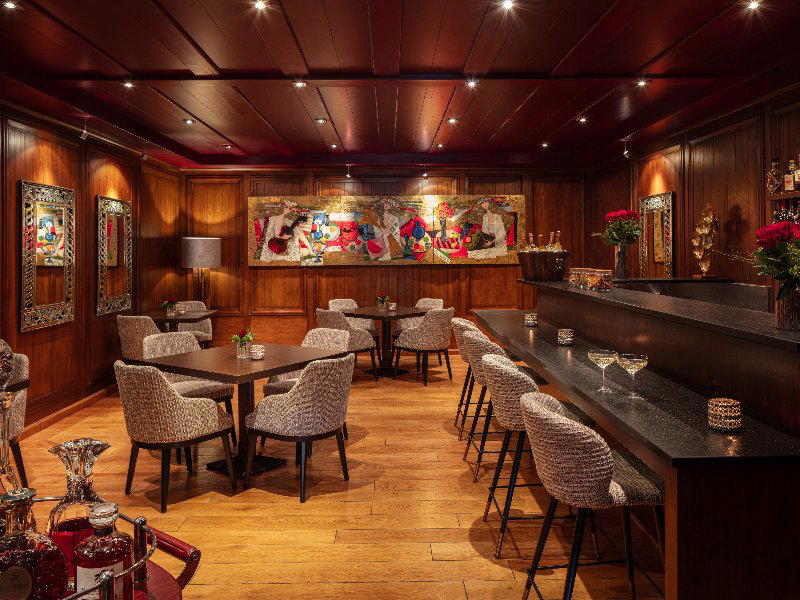
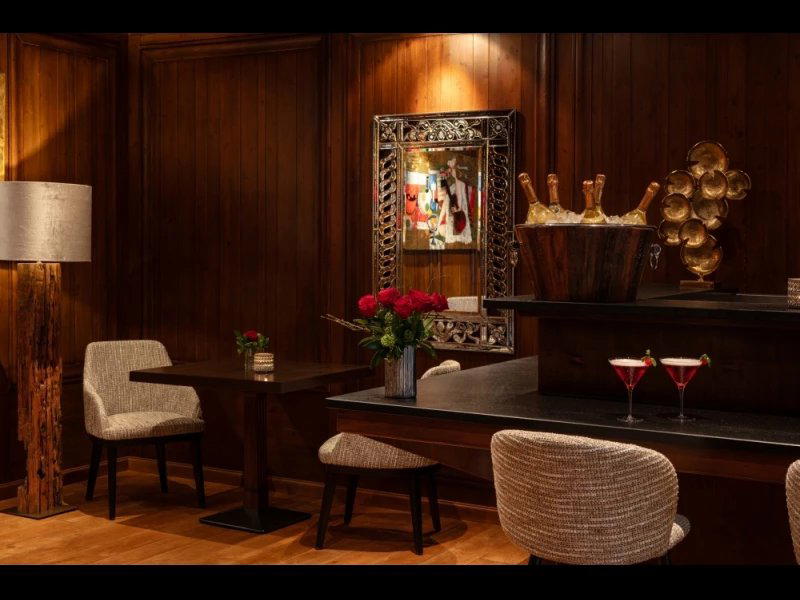
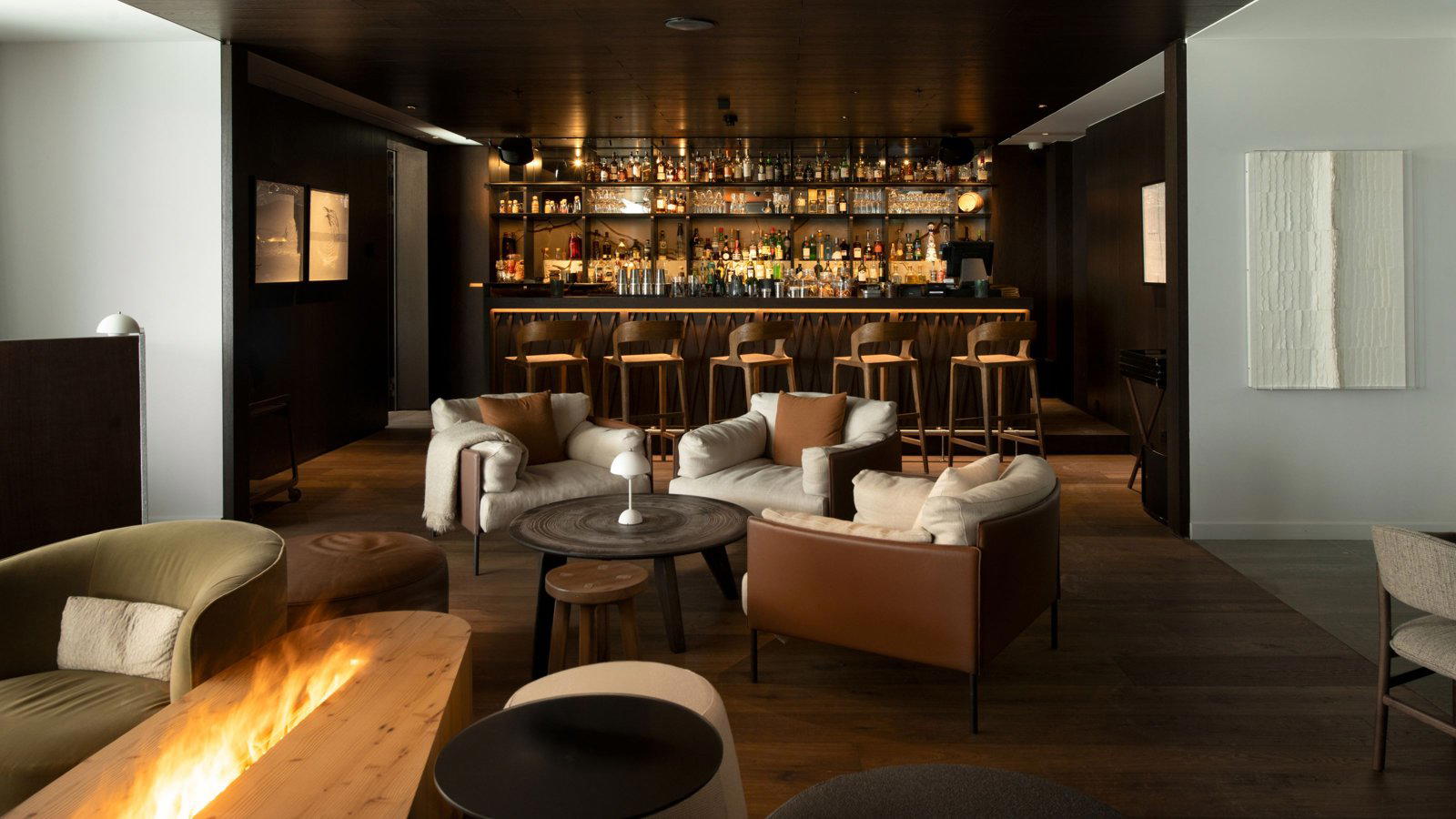
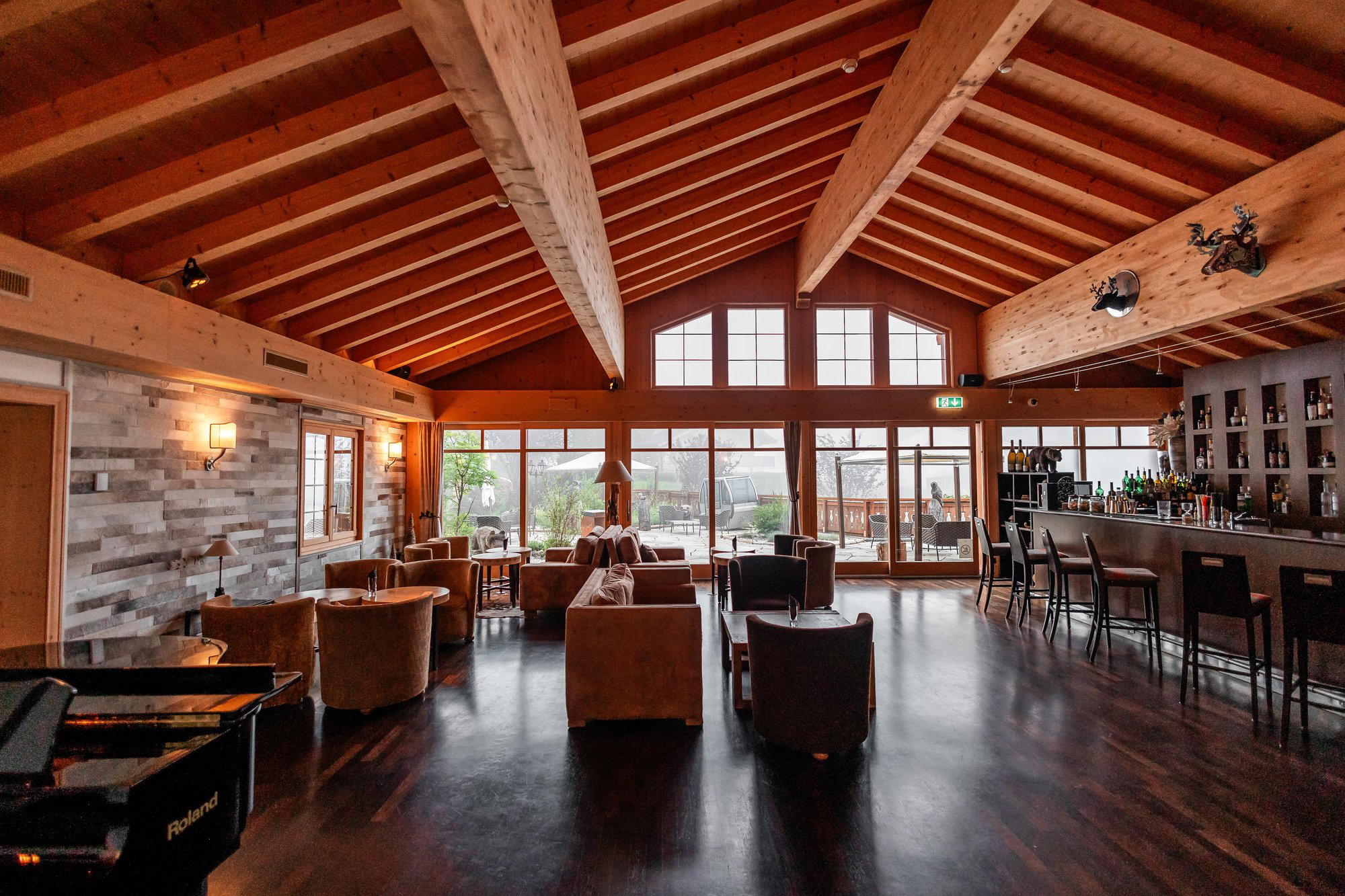
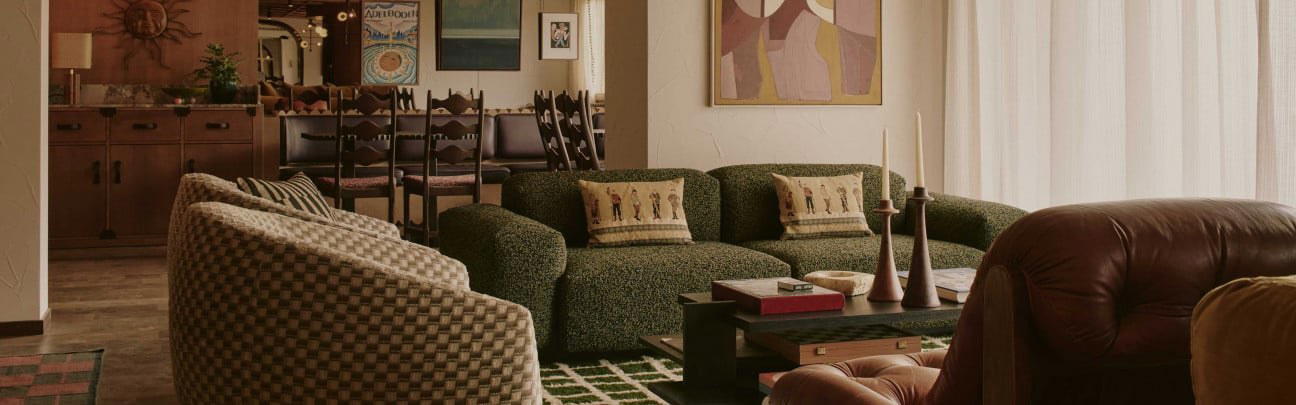
Understated and elegant while comfortable and warm, with a relaxed stylish atmosphere.