Park Gstaad

Michelin Selected
7 from nearly 300 reviews. In a village where The Alpina Gstaad and Gstaad Palace set the competitive ceiling, Park Gstaad occupies a precise position in the upper tier of mountain hospitality.

Pearl is the En Primeur Club membership app, where members save venues, book tables and use the concierge.
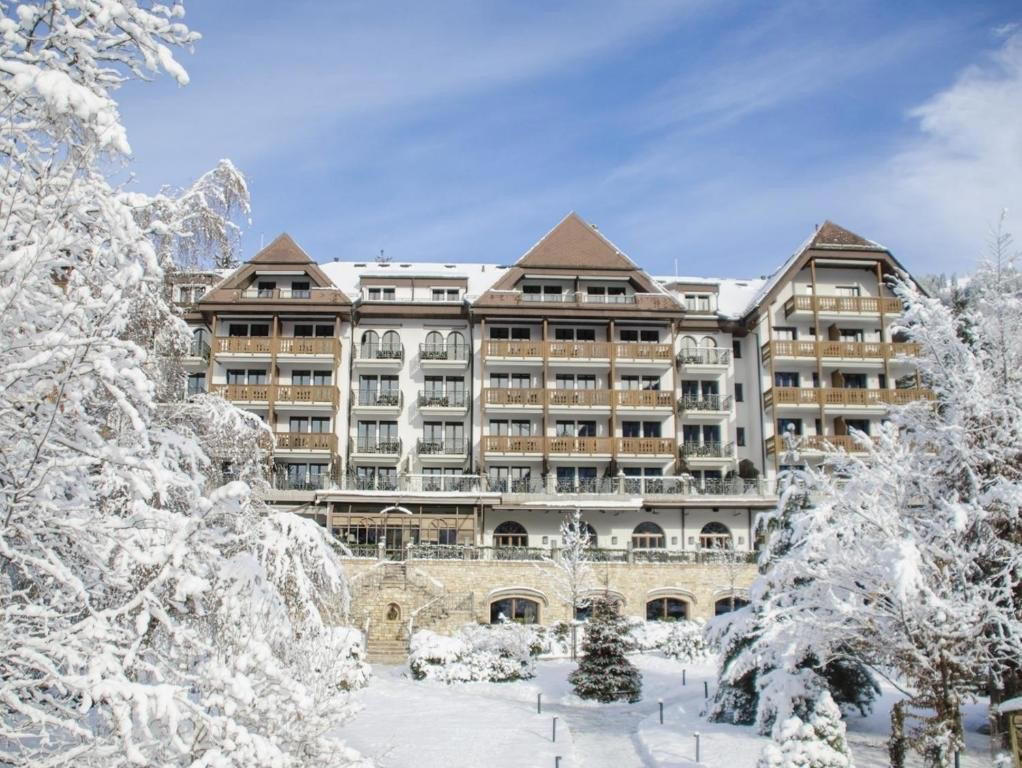
Arriving in Gstaad's Upper Tier
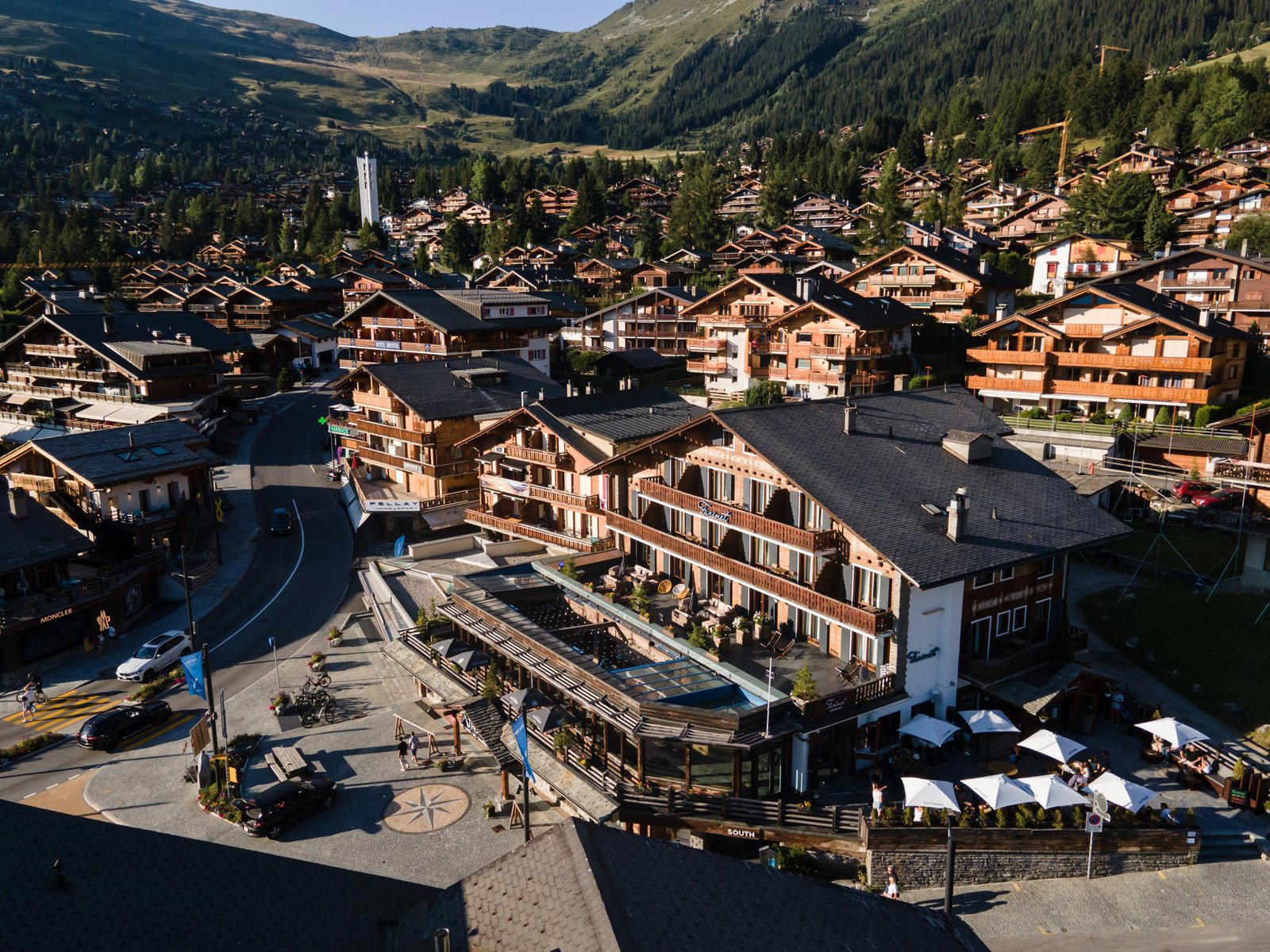
The approach to Gstaad already does much of the work. The village sits at roughly 1,050 metres in the Bernese Oberland, and the properties clustered along its main ridge are not competing with international chain hotels, they are competing with each other, with the Alps themselves, and with a guest expectation shaped by decades of returning clientele who know exactly what the valley offers. Michelin's hotel programme evaluates the full guest experience: atmosphere, service calibration, and the coherence between a property's character and its execution. Two Keys at this address means Park Gstaad cleared that bar in 2024's first iteration of the Swiss hotel list. The village draws a clientele that also passes through Badrutt's Palace Hotel in St. Moritz and Baur au Lac in Zurich, and which holds those properties as implicit reference points. That Park Gstaad holds a Michelin Two Keys alongside these names is not a footnote; it positions the property as a credible member of the village's uppermost cohort.
What the Guest Experience Signals
Michelin's Two Keys framework is useful precisely because it shifts the evaluation away from raw amenity counts toward how a property performs as a lived experience. In alpine hotel culture, that distinction matters. Mountain properties have historically traded on scenery and skiing proximity, using the exterior environment as a substitute for interior discipline.enprimeurclub.com/hotels/brgenstock-resort-brgenstock-hotel) or Grand Resort Bad Ragaz, have moved toward a model where service architecture is as deliberate as the physical design. Park Gstaad's recognition suggests it operates closer to that end of the spectrum.
In the Swiss alpine hotel sector, where seasonal openings and closing periods can fragment the guest experience, maintaining that average across a meaningful sample suggests the service delivery holds across both peak ski season and the summer walking season. The Swiss Alps hotel calendar typically centres on December through March and July through September, with shoulder periods in between, a structure that demands operational discipline from any property sustaining high scores year-round.
The Service Architecture in Alpine Context
Alpine luxury has developed a particular service grammar over the past two decades. The older model, grand gestures, formal hierarchy, impersonal efficiency, has given way at the upper end to something more calibrated: anticipatory attention that reads each guest's preferences without prompting them to declare those preferences. At Beau-Rivage Geneva on the lake, it manifests differently than at a mountain address, but the underlying philosophy is the same: service that reduces friction without becoming invisible to the point of coldness.
In Gstaad specifically, the guest profile creates particular demands. The village attracts long-return visitors who expect staff to recognise them, remember preferences, and anticipate needs across seasonal stays. Properties that manage this well, that build genuine relational continuity with their clientele, tend to hold their reputation across generations of guests. The Michelin Two Keys signal at Park Gstaad points toward a property that has built that kind of operational depth, where the guest experience is structured around personalisation rather than standardised delivery protocols.enprimeurclub.com/hotels/cervo-mountain-resort-zermatt-hotel) and Grand Hotel Kronenhof in Pontresina have each pursued distinct service identities, one leaning toward boutique informality, the other toward classical alpine grandeur. Park Gstaad's position within the Bernese Oberland sets it apart from both the Engadin properties and the Valais resorts like Guarda Golf in Crans-Montana, operating within a microclimate of expectation specific to the Saanenland valley.
Planning Your Stay
Gstaad is accessible by the MOB (Montreux-Oberland-Bernois) railway, a scenic route connecting from Montreux or Zweisimmen, or by road via the Saanenmoser pass. The village itself is walkable in its central core. Given the Michelin Two Keys recognition and the property's visible standing in the village's competitive set, advance planning for peak periods is advisable. The winter season from late December through March fills early for a market of this profile, and July and August bring comparable pressure from summer walkers and festival visitors. Contacting the property directly for availability and room enquiries is the recommended approach.enprimeurclub.com/hotels/hotel-les-trois-rois-basel-hotel) and Beau-Rivage Palace in Lausanne to 7132 Hotel in Vals and Park Hotel Vitznau on Lake Lucerne. Our full Gstaad restaurants and hotels guide covers the village's broader hospitality scene in detail.
Cuisine-First Comparison
Comparable venues nearby, for context on price, style, and recognition.
| Venue | Cuisine | Price | Awards | Notes |
|---|---|---|---|---|
| Park GstaadThis venue (the venue you are viewing) | Alpine luxury resort with chalet-inspired elegance | Not listed | Michelin Selected | Not listed |
| Gstaad Palace | Castle-like luxury palace with alpine elegance | Not listed | 2 Michelin Keys · La Liste Top Hotels | Gstaad |
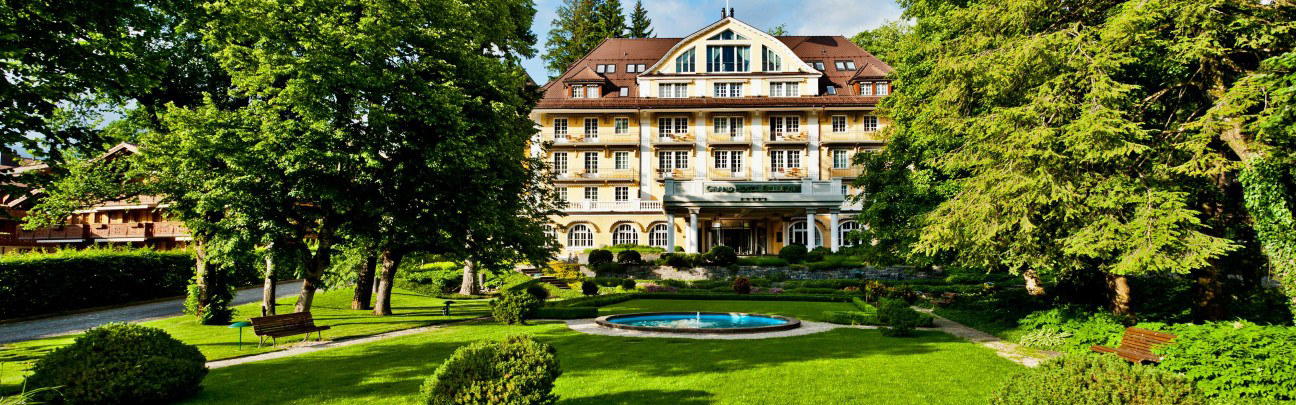
| Le Grand Bellevue | Turreted tower rooms and chalet-style suites in a grand early 20th-century palace exterior with modern interiors. | $1,000–1,500 | 2 Michelin Keys · La Liste Top Hotels | Gstaad Promenade |
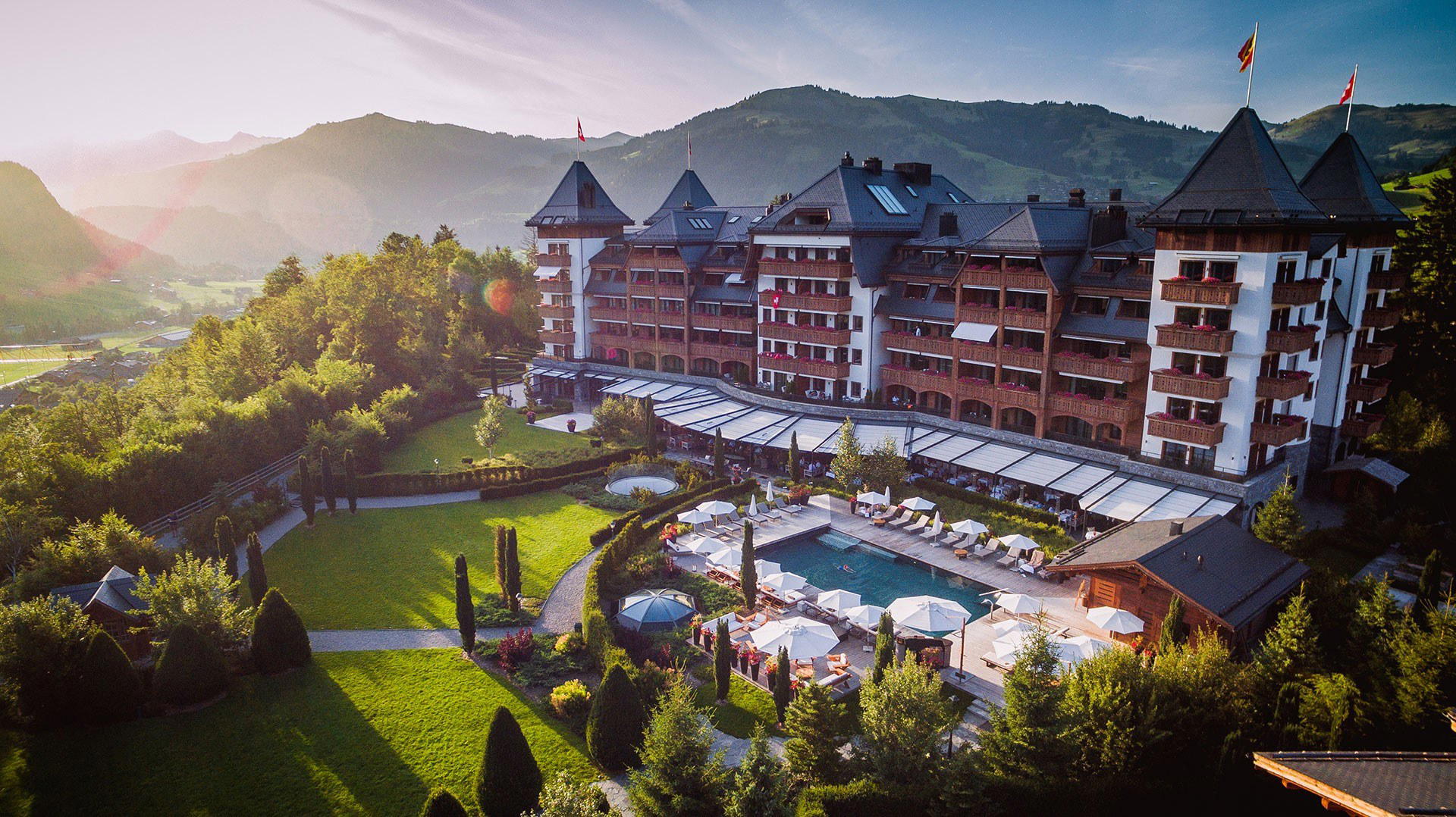
| The Alpina Gstaad | Contemporary chalet-style mountain resort blending Swiss traditions with modern luxury. | $1,500–2,500 | 3 Michelin Keys · La Liste Top Hotels | Oberbort |
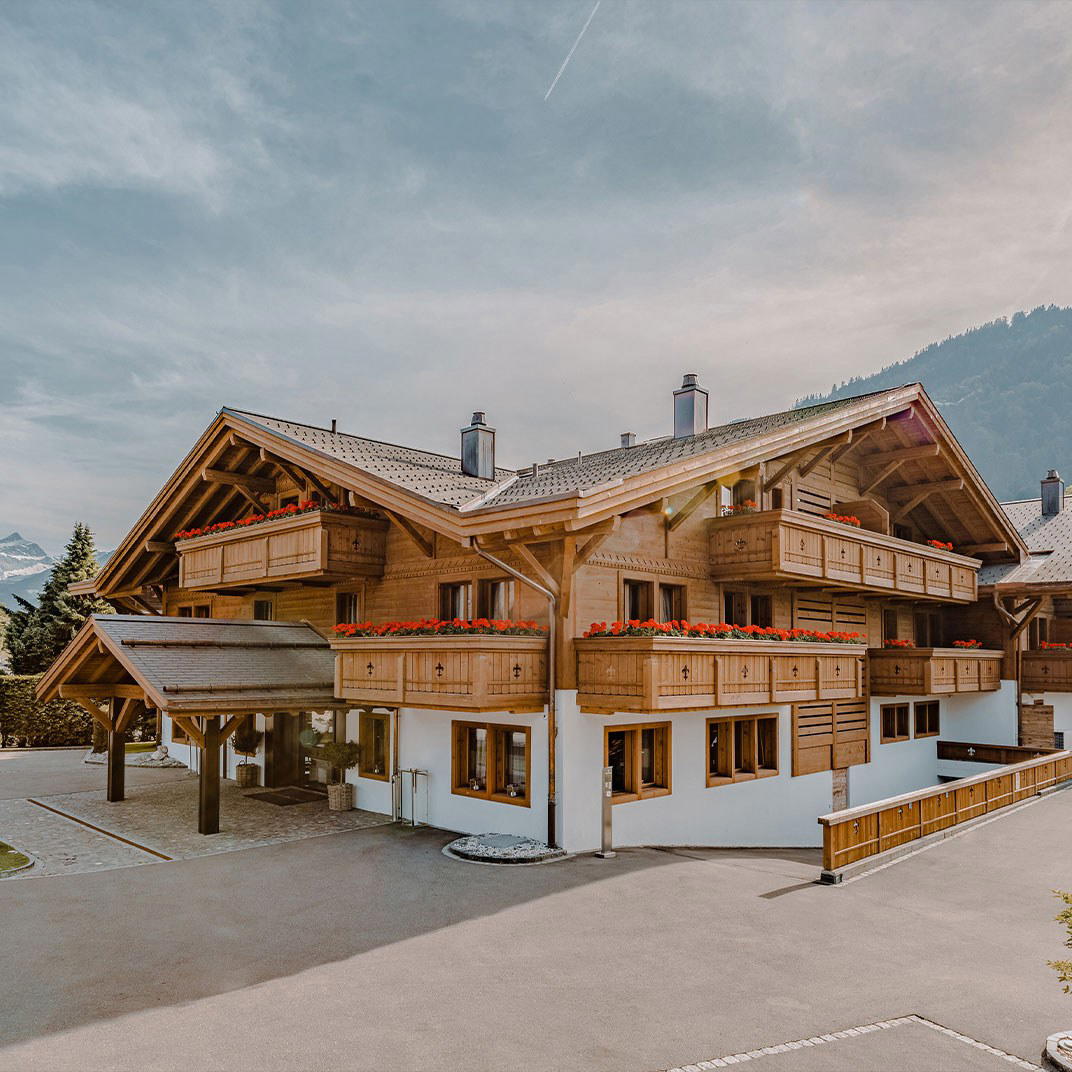
| Ultima Gstaad | rustic Swiss chalet with contemporary luxury | $1,000–1,500 | 1 Michelin Key | Gstaad |
| Hotel Olden | traditional chalet-style boutique | Not listed | Michelin Selected | Promenade |
Recognition history
Dated appearances from independent guides and award organizations, with the underlying list record or original source where available.
Michelin Selected
Michelin
Full recognition history (2 entries)
Michelin 2 Keys
Michelin
Continue exploring
More in Gstaad
Hotels in Gstaad
All hotels in Gstaad →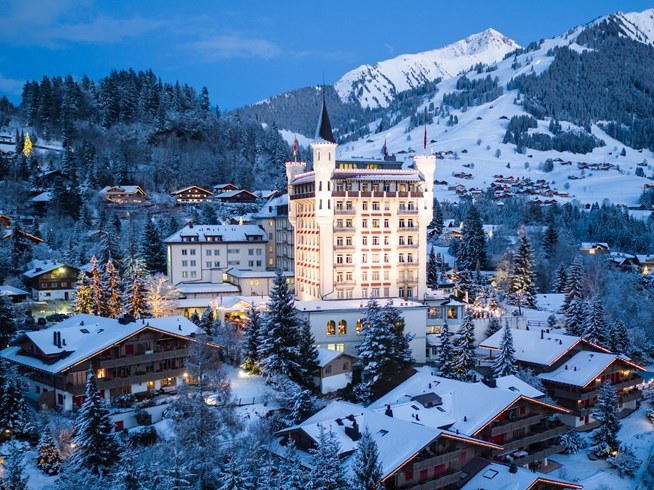
Bars in Gstaad
Browse all →


Details
- Elegant
- Sophisticated
- Cozy
- Scenic
- Romantic Getaway
- Wellness Retreat
- Family Vacation
- Panoramic View
- Ski In Ski Out
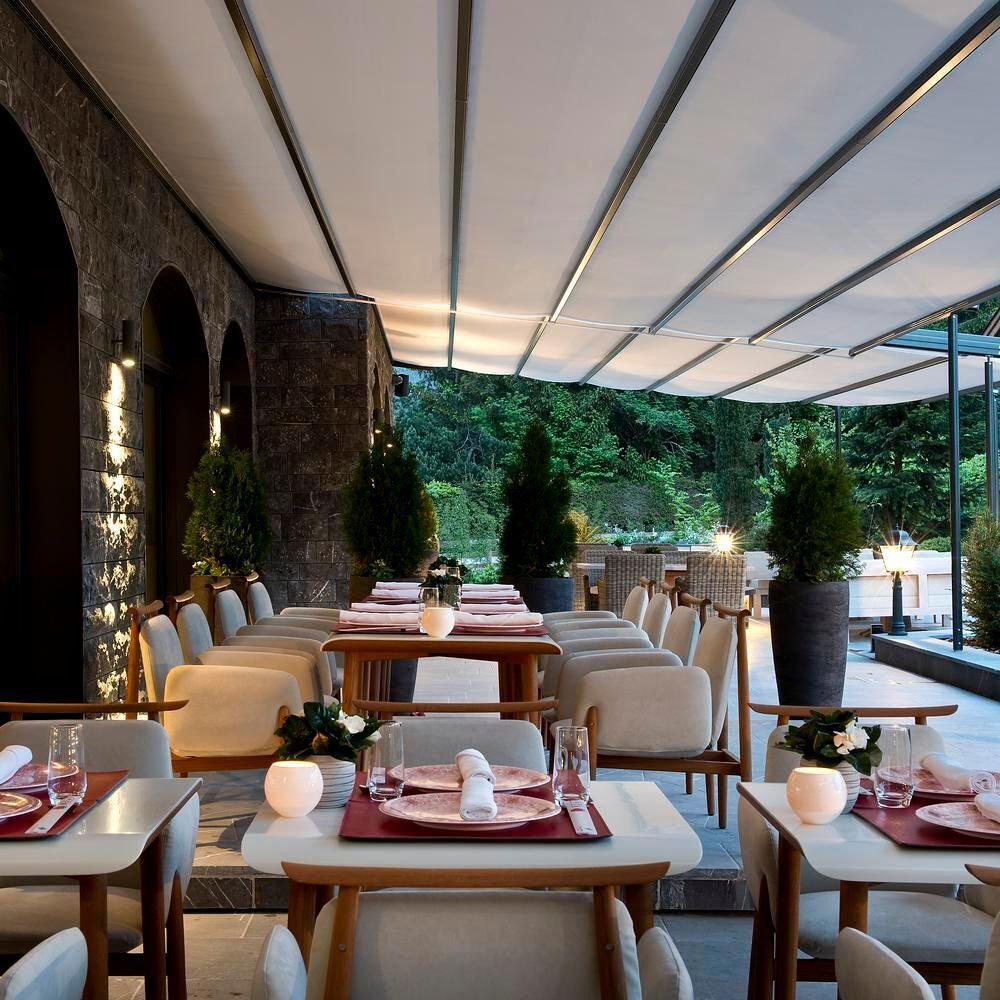
- Terrace
- Spa
- Pool
- Fitness Center
- Room Service
- Concierge
- Wi Fi
- Kids Club
- Mountain
- Garden
- Elevator
- Wheelchair Accessible
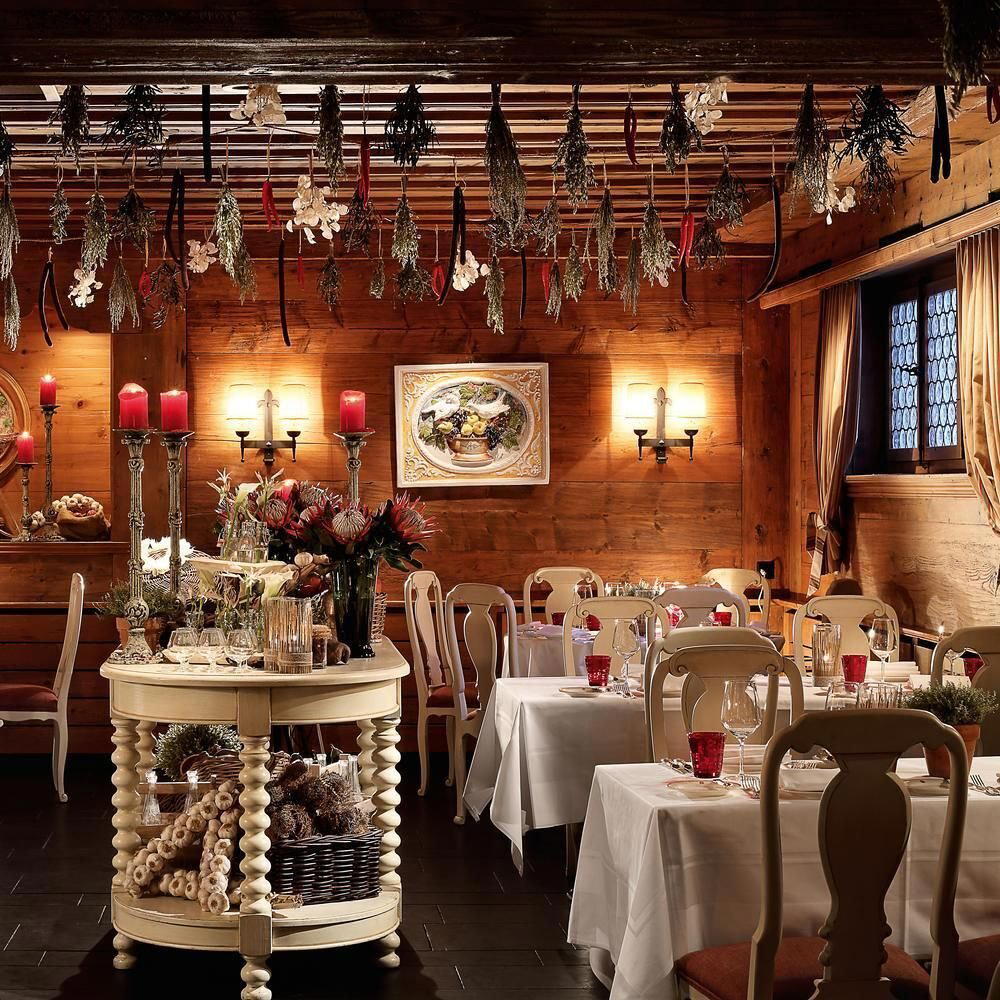
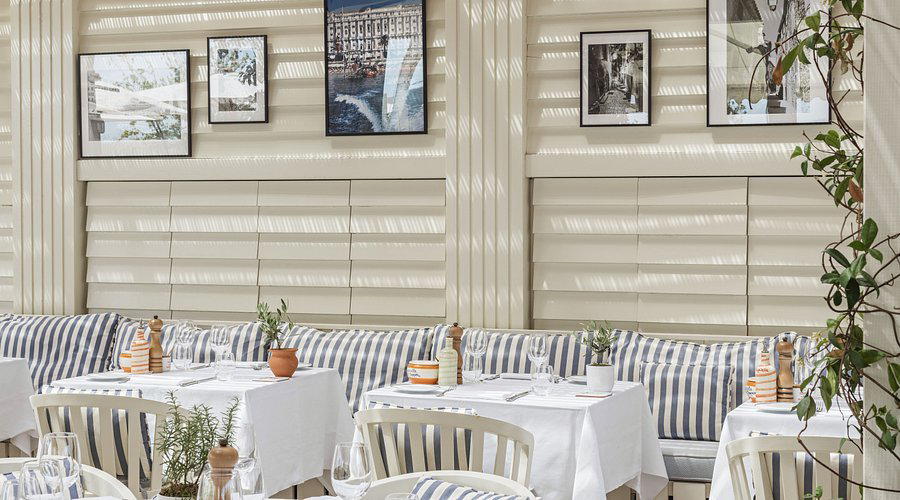
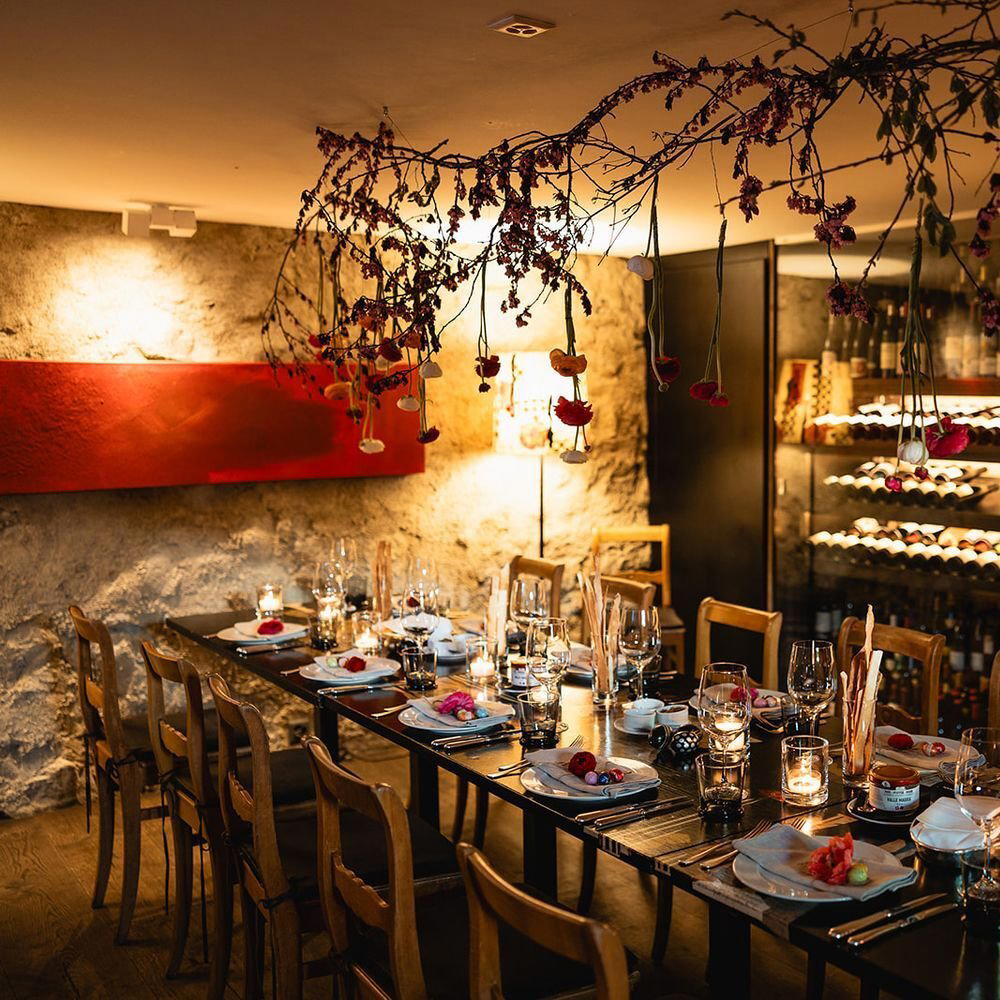
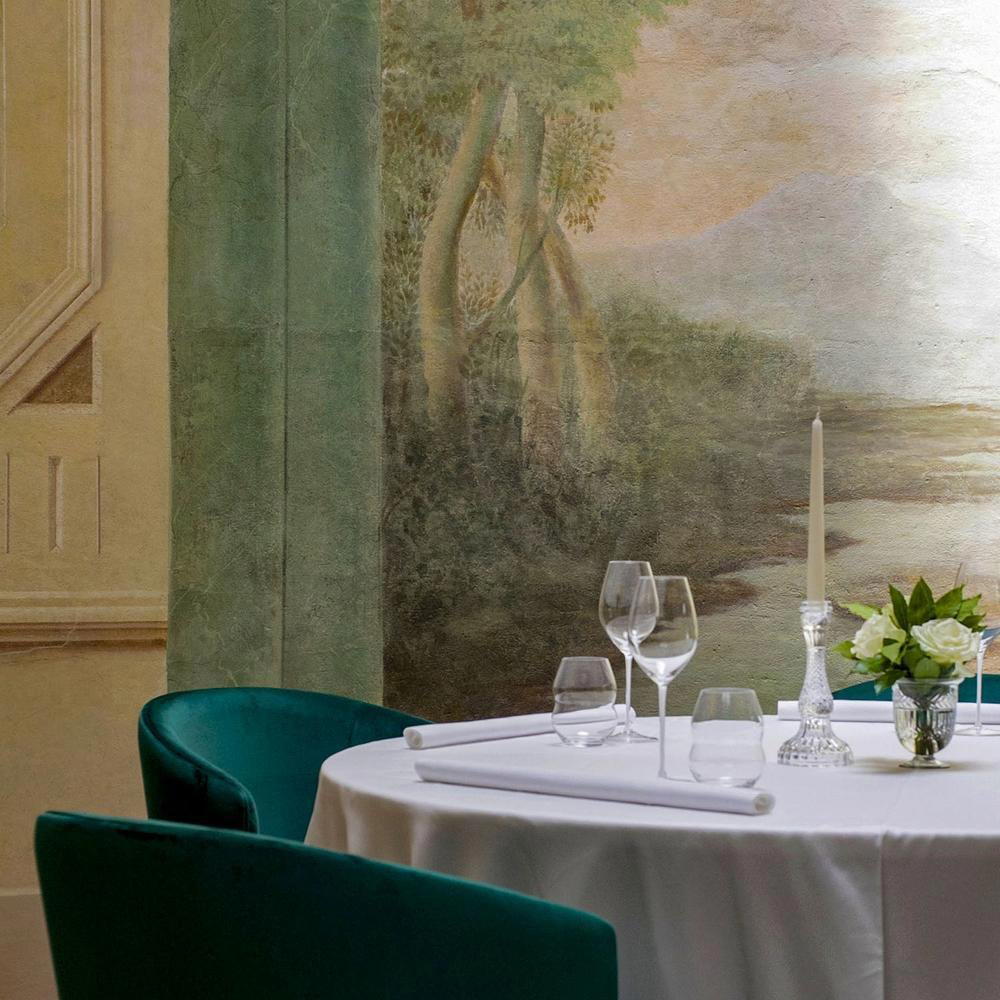
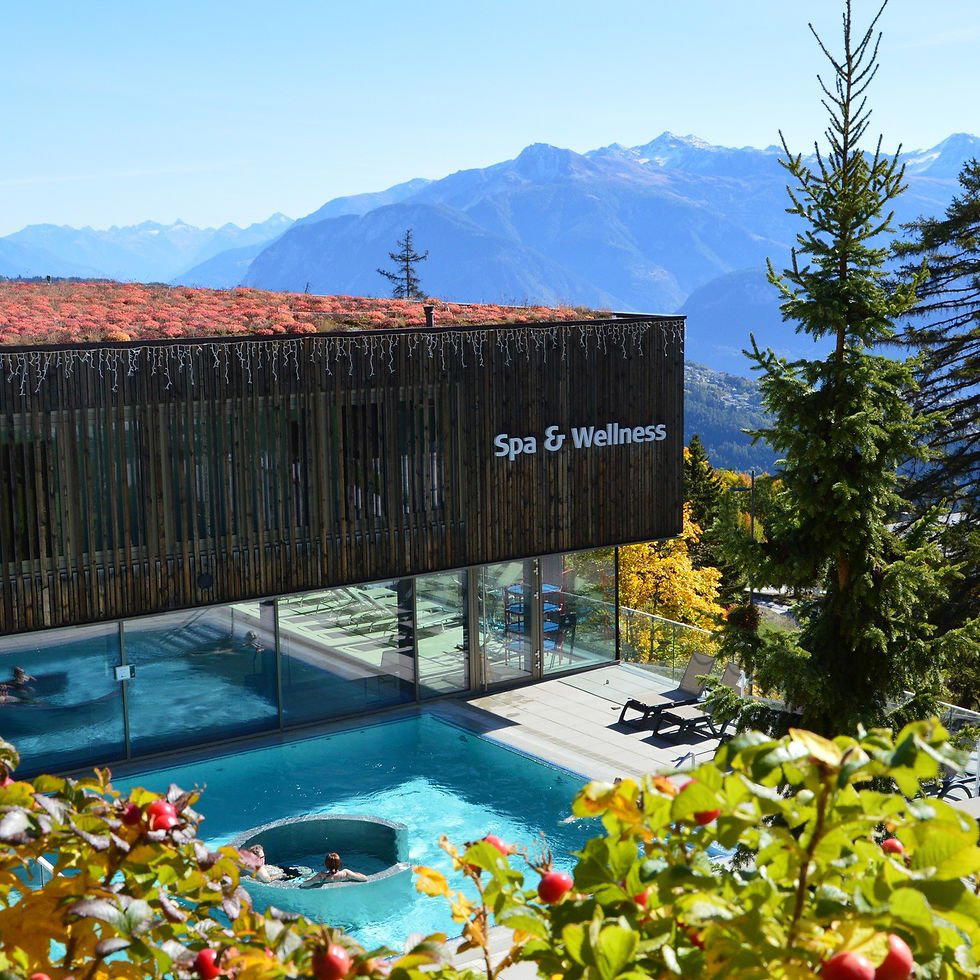
Serene and tranquil spa atmosphere with soft lighting, cozy fireplaces, and far-reaching alpine views from pools and terraces.