Larb Duang Dee Mee Sook

Michelin Plate
Our verdict
A Michelin Plate-recognised specialist in northern larb, Larb Duang Dee Mee Sook operates from a rustic room in Su Thep and draws regulars with its aromatic beef soup and chaeo dipping sauce made fragrant with toasted sticky rice. At the ฿฿ price tier, it sits among Chiang Mai's most focused northern Thai addresses, a narrow menu executed with serious discipline.

Pearl is the En Primeur Club membership app, where members save venues, book tables and use the concierge.
Where Lanna Aromatics Do the Talking
In Chiang Mai's northern Thai dining scene, the most instructive places are rarely the largest. The cuisine that developed across Lanna, the former kingdom that stretched through what is now northern Thailand, Shan State, and parts of Yunnan, is built on a specific aromatic grammar: galangal cut thick, lemongrass bruised rather than sliced, kaffir lime leaf torn at the last moment, dried chillies toasted until their smoke changes register. These are not garnishes. They are the architecture. Larb Duang Dee Mee Sook, tucked into a low-key address at 74 Ban Huai Sai Mu 4 Alley in the Su Thep district, is the kind of place where that architecture is on full and unmediated display.
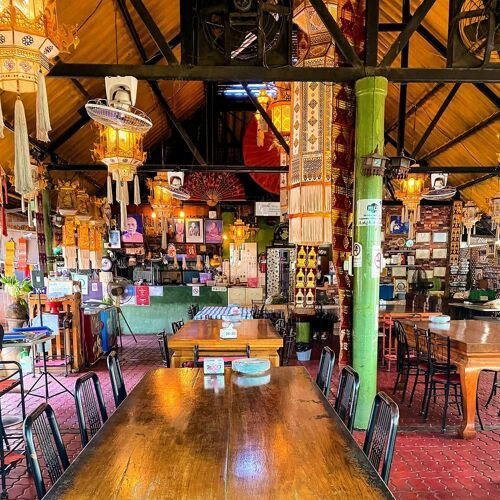
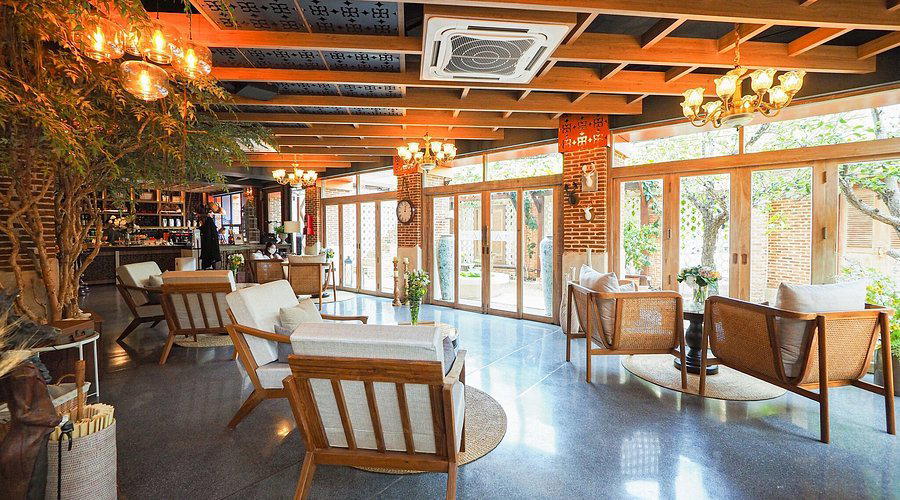
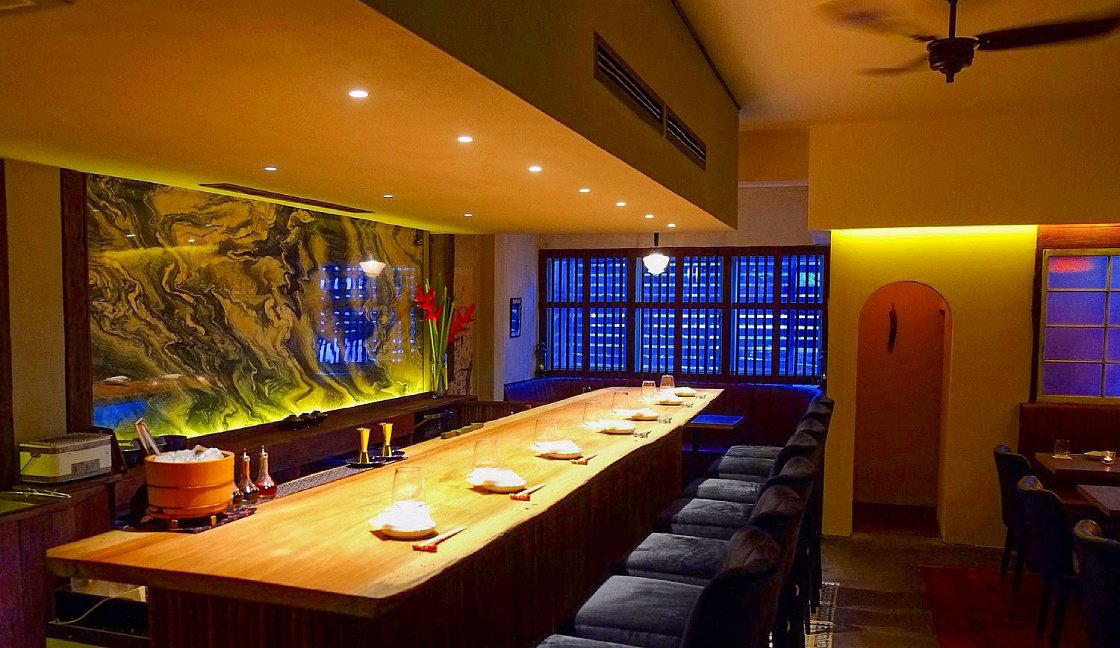
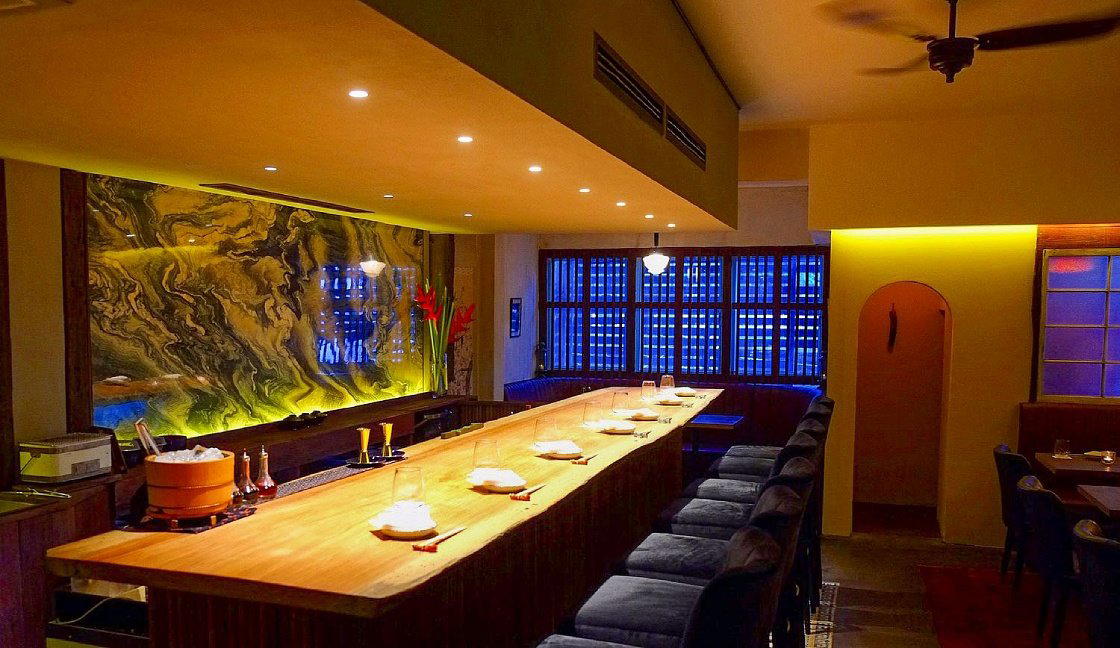
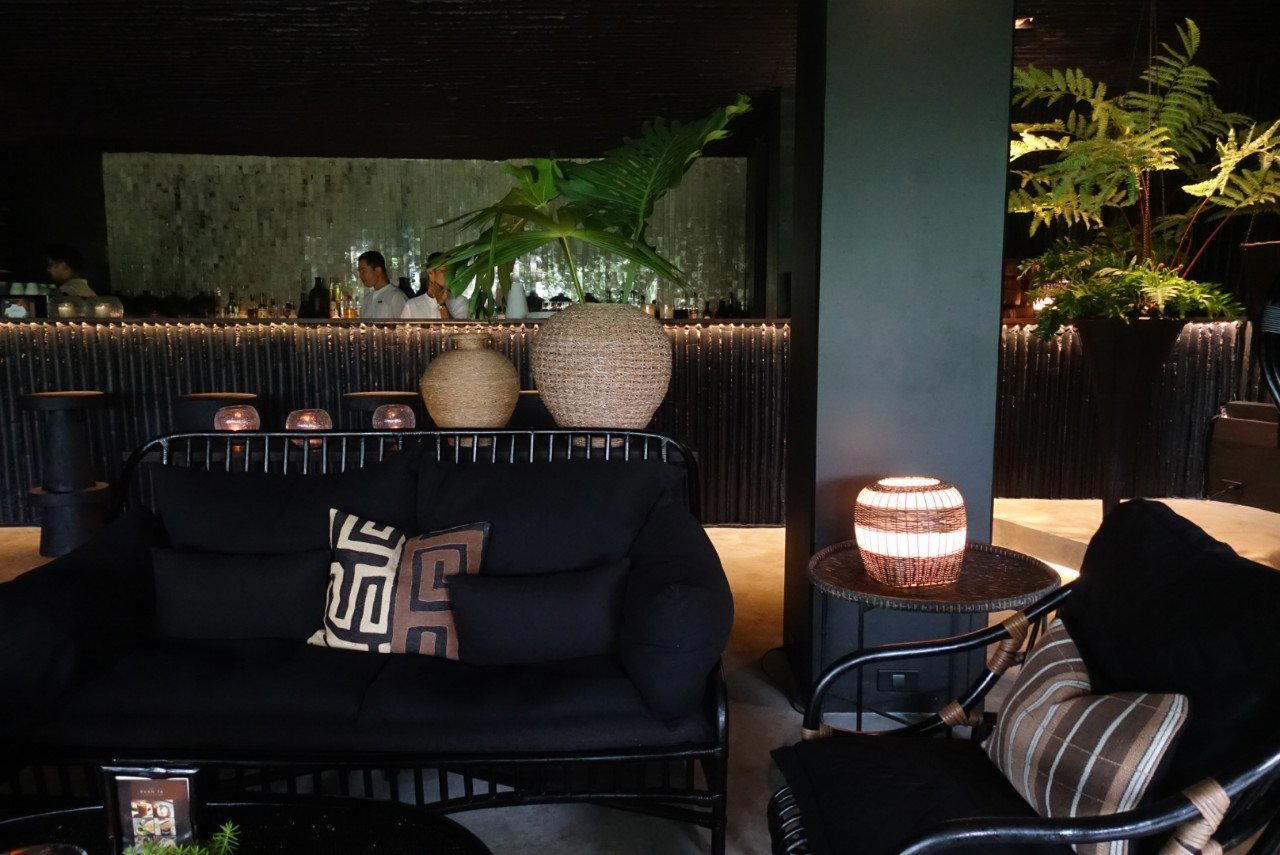
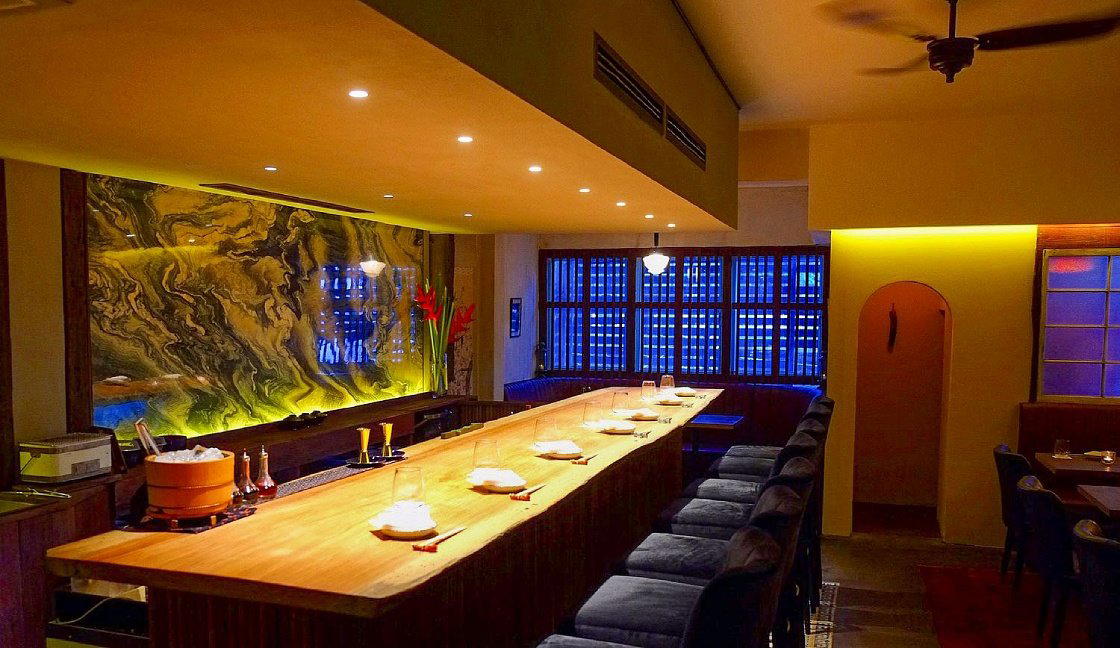
The setting is deliberately plain, a rustic room that communicates nothing beyond utility and repetition. No design language is being deployed here. That plainness is itself a signal: when a kitchen keeps nothing in reserve for the room, it tends to spend everything on the plate. Michelin awarded the restaurant a Plate in both 2024 and 2025, a consecutive recognition that places it inside a small cohort of Chiang Mai addresses where the food earns scrutiny on culinary grounds rather than on atmosphere or novelty.
The Aromatic Logic of Northern Larb
Larb in its northern Thai form is a different dish from the larb found further south or across the Mekong in Laos. The Lanna version tends to be drier and more complex in its spice profile, built around a roasted spice mixture called khua khluk, a blend that typically includes dried chillies, galangal, lemongrass, kaffir lime peel, shrimp paste, and shallots, all dry-roasted until their volatile compounds fuse into something that smells like forest floor and dried citrus simultaneously. The toasted sticky rice powder that finishes the dish is not decorative: it acts as a binder and carries the roasted aromatics into every mouthful.
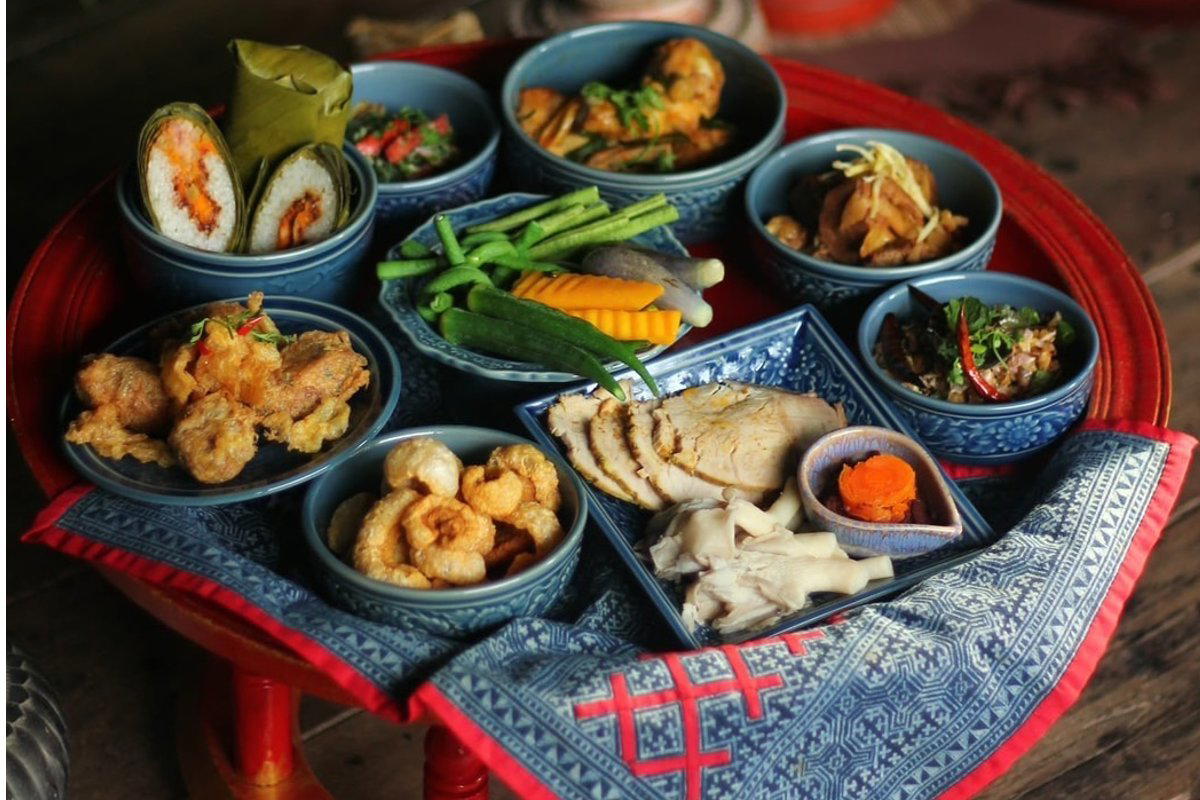
What distinguishes northern larb from its central Thai counterparts is precisely this layering of dried and fresh aromatics. Kaffir lime leaf, for instance, appears in different forms depending on what stage of cooking it enters. Added early, it gives body to the fat; added late, it provides a sharp, almost resinous brightness. Galangal, woodier and more medicinal than ginger, does similar work, grounding the spice against the sourness that northern larb uses in place of the raw lime juice more common in central versions. At Larb Duang Dee Mee Sook, the chaeo dipping sauce served alongside carries the aroma of that toasted sticky rice forward, connecting the dipping element back to the larb itself rather than functioning as an afterthought.
This specificity of technique is what separates specialist northern Thai kitchens from generalist Thai restaurants, and it is why venues like Larb Duang Dee Mee Sook exist in a different conversation from the broader ฿฿ dining tier. For a wider view of how northern Thai cooking sits across Chiang Mai's restaurant scene, see our full Chiang Mai restaurants guide.
The Beef Soup and What It Represents
The spicy, sour, and fragrant beef soup that Michelin's inspectors flagged alongside the larb is worth considering as a separate expression of the same aromatic logic. Soups in the Lanna tradition are less about clear broth than about a layered liquid in which galangal, lemongrass, and dried herbs have been coaxed into sustained release. Sourness here comes not from lime but typically from tamarind or dried fruits, giving the soup a depth that holds across the entire bowl rather than spiking at first sip. The beef provides weight against that acidity. The result is a dish that reads simultaneously as warming and sharp, a combination the northern climate historically required.
Among Chiang Mai's Michelin-recognised northern Thai addresses, Larb Duang Dee Mee Sook occupies the more casual, specialist end of the spectrum. It operates differently from the considered tasting formats at places like Busarin Cuisine or the folk-music evenings at Huan Soontaree, and it sits alongside venues like Huen Muan Jai and Gongkham in the tier that prioritises culinary focus over setting. For northern Thai cooking approached from a different direction, market-stall informality with similar Lanna roots, Chum in Saraphi offers a useful comparison point.
Across Thailand more broadly, the northern tradition is beginning to receive the same critical attention that central Thai cooking has long commanded. Sorn in Bangkok has drawn international scrutiny to southern Thai cuisine; venues like AKKEE in Pak Kret and PRU in Phuket signal that the Michelin framework is increasingly applied to regional Thai traditions rather than treating Bangkok as the sole reference point. Specialist Lanna addresses in Chiang Mai benefit from this shift in critical attention. For other regional expressions of Thai cuisine being tracked across the country, The Spa in Lamai Beach, Agave in Ubon Ratchathani, and Angeum in Ayutthaya each illustrate how far the country's culinary geography extends beyond the capital. Within Bangkok itself, Huen Lamphun in Taling Chan and, further afield, Khao Soi Thai Yai in Udon Thani show how Lanna-derived cooking travels and transforms when it moves outside the north.
Visiting: What to Know Before You Go
Larb Duang Dee Mee Sook sits in the Su Thep subdistrict, on the southwestern edge of Chiang Mai city, not far from Chiang Mai University. The address, 74 Ban Huai Sai Mu 4 Alley, is navigable by rideshare or motorbike; the neighbourhood is residential and low-traffic, which means arrival by tuk-tuk or songthaew requires a clear address for the driver. Phone and booking information are not publicly listed, which suggests walk-in is the standard format; arriving at off-peak lunch or early dinner times reduces wait risk. The ฿฿ price range places it squarely in the mid-tier for Chiang Mai dining, where spend per head typically falls well below equivalent Michelin-recognised addresses in Bangkok or resort-facing destinations like Phuket.
For those building a broader Chiang Mai itinerary, the city's resources extend well beyond restaurants. Our full Chiang Mai hotels guide covers the accommodation range from boutique riverside properties to design-led mountain retreats. The bars guide maps the cocktail and craft beer scene. Wineries and experiences round out the picture for visitors spending more than a night or two in the city.
Frequently asked questions
What's the vibe at Larb Duang Dee Mee Sook?
Straightforwardly local. The setting is rustic and unfussy, positioned in the Su Thep subdistrict near Chiang Mai University rather than the tourist-facing old city. Michelin inspectors awarded it a Plate in both 2024 and 2025, which confirms the cooking's seriousness without changing the room's character, this is a neighbourhood spot that happens to be very good.
What distinctions does Larb Duang Dee Mee Sook have?
Larb Duang Dee Mee Sook has received recognition including: With its simple, rustic look, this quaint eatery specialises in northern larb dishes, paired with a local chaeo dipping sauce with the aroma of toasted sticky rice. The spicy, sour and fragrant beef soup is a must.; Michelin Plate (2025); M….
What do regulars order at Larb Duang Dee Mee Sook?
The northern larb is the reason to come, served with a chaeo dipping sauce carrying the aroma of toasted sticky rice, it represents the drier, herb-forward Lanna style rather than the soupier southern or Lao versions. Michelin's inspectors also flagged the spicy, sour, and fragrant beef soup as a second anchor dish worth ordering alongside the larb.
What price level is Larb Duang Dee Mee Sook?
Pricing at Larb Duang Dee Mee Sook is listed as ฿฿.
Recognition, Side-by-Side
| Venue | Cuisine | Price | Awards |
|---|---|---|---|
| Larb Duang Dee Mee SookThis venue (the venue you are viewing) | Northern Thai Larb Specialist | $10–20 | Michelin Plate |
| Busarin Cuisine | Northern Thai | $10–20 | Michelin Plate |
| Chai | Authentic South Indian & North Indian Cuisine | $1–10 | Michelin Bib Gourmand |
| Dan Chicken Rice (San Sai) | Thai Hainanese-Style Chicken Rice | $1–10 | Michelin Bib Gourmand |
| Ekachan | Regional Thai Cuisine | $10–20 | Michelin Plate |
| Khao Soi Mae Manee | Northern Thai Khao Soi | $1–10 | Not listed |
Recognition history
Dated appearances from independent guides and award organizations, with the underlying list record or original source where available.
Michelin Plate
Michelin
Full recognition history (3 entries)
Michelin Plate
Michelin
Michelin Plate
Michelin