Our verdict
Lao Chu Jia (老厨家) is one of Harbin's most-discussed addresses for northeastern Chinese cooking, rooted in the larder traditions of Heilongjiang province. The kitchen draws on the region's cold-climate produce culture, where preservation, fermentation, and strong grain-fed proteins define the plate. For visitors tracing the real character of Manchurian cuisine, it sits at the centre of that conversation.

Pearl is the En Primeur Club membership app — saves, bookings, and concierge access live there. Same editors, same standards.
- Address
- Harbin, China
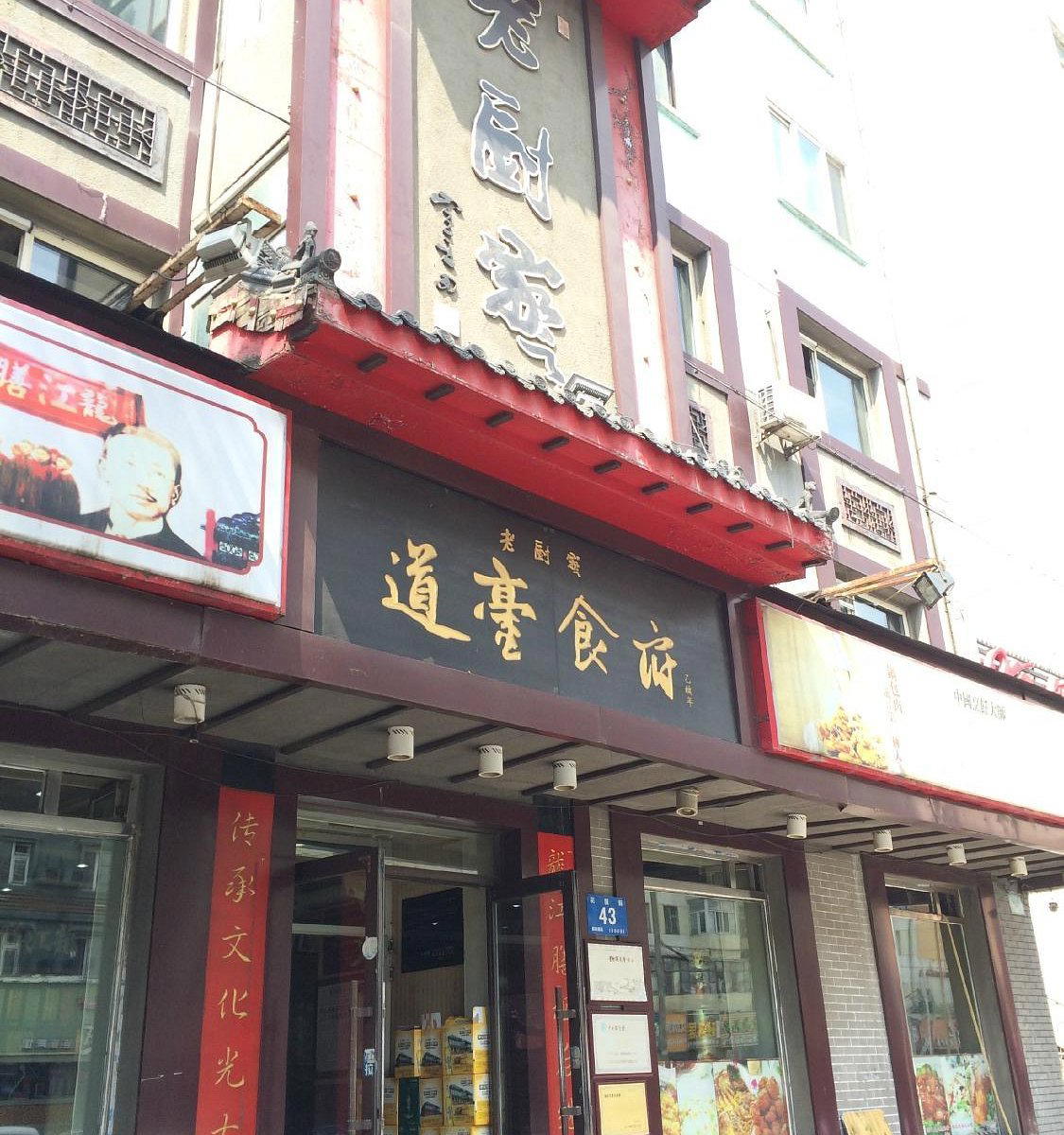
The menu
What to order
- Guo Bao Rou
- Gongmi meatballs
- La Pi Mian
Where Manchurian Cooking Comes From
Harbin sits closer to Vladivostok than to Beijing, and its food has always reflected that geography. The cooking of Heilongjiang province developed in conditions that left little room for delicacy: long winters, permafrost soils, and a larder built around grain-fed pork, river fish, soy-fermented pastes, and root vegetables that could survive months of storage. What emerged was a cuisine of density and honesty, where technique exists to serve ingredient rather than obscure it. Lao Chu Jia (老厨家) belongs firmly to that lineage, operating as one of Harbin's established references for the kind of northeastern home-style cooking that the city's residents use as a benchmark for authenticity.
The name translates roughly as "the old chef's home," a framing that signals intent: this is not a reinvention of dongbei cuisine, but a preservation of it. In a city where Russian architectural influence on Zhongyang Pedestrian Street draws most of the tourist attention, the dining culture running beneath that surface is harder to map. Lao Chu Jia sits within that less-visible tier, drawing a crowd that returns for familiarity rather than novelty.
The Cold-Climate Larder and Why It Matters
Northeastern Chinese cuisine operates on a sourcing logic that most southern Chinese provinces would not recognise. The growing season in Heilongjiang is compressed, historically pushing kitchens toward fermentation, salting, and drying as primary preservation methods. Pickled cabbage (酸菜), fermented soybean paste (大酱), and air-dried meats are not garnishes or accents here: they are structural components. The fat content of the cooking reflects climate too, with lard and pork belly appearing in forms that would read as excess in Cantonese or Shanghainese traditions but carry functional logic in a region where winters routinely fall below minus twenty Celsius.
That ingredient culture is what separates a kitchen like Lao Chu Jia from the more internationally visible expressions of Chinese fine dining. Compare the sourcing philosophy here with something like Xin Rong Ji (Xinyuan South Road) in Beijing or Ru Yuan in Hangzhou: those kitchens privilege seasonal produce from named suppliers and operate within a fine-dining framework shaped by southern Chinese aesthetics. Lao Chu Jia's authority comes from the opposite direction, from proximity to source and fidelity to the grain-and-cold-storage logic that built northeastern cooking in the first place.
Across China's premium dining tier, restaurants like Imperial Treasure Fine Chinese Cuisine in Guangzhou and Chef Tam's Seasons in Macau operate in a register defined by Cantonese technique and luxury-ingredient sourcing. The northeastern tradition that Lao Chu Jia represents is a different conversation entirely, one grounded in peasant-larder intelligence rather than premium raw material. Neither is superior; they are simply answering different questions about what Chinese food can be.
Reading the Room
The physical character of a northeastern Chinese restaurant in Harbin differs from the polished dining rooms that define the 102 House in Shanghai or the considered minimalism of Dingshan·Jiangyan (Xiangcheng) in Suzhou. Harbin's established local restaurants tend toward communal formats, large round tables, and a noise level that confirms the room is working. The aesthetic prioritises function: wide dishes built for sharing, condiments set out without ceremony, service that assumes the food will speak for itself. That informality is not a concession, it is an expression of the cuisine's character.
Harbin's dining scene does contain more internationally inflected addresses. Portman Russian Restaurant reflects the city's historical Russian-quarter identity, while Jingangshan BBQ (金刚山烧烤) represents the live-fire, high-volume end of the city's evening eating culture. Lao Chu Jia occupies a different position in that local ecosystem: a sit-down reference for slow-cooked northeastern dishes rather than a spectacle format. For a fuller picture of how these addresses fit together, the full Harbin restaurants guide maps the range.
Dongbei in a National Context
Within China's broader dining conversation, northeastern cuisine occupies an interesting structural position. It generates genuine affection among Chinese diners from other provinces, particularly for dishes like braised pork belly with preserved vegetables and sour cabbage pork hotpot, but it has not developed the international recognition structure that Cantonese or Sichuan cooking enjoy. There is no Michelin presence in Harbin, no equivalent of the credentialling apparatus that frames dining decisions in Shanghai, Beijing, or Guangzhou. The result is that restaurants like Lao Chu Jia operate on reputation and repeat custom rather than award signals, which makes assessing them require a different kind of attention than one would apply to, say, Ensue at in Shenzhen or Fleurs Et Festin in Xiamen.
That absence of formal credentialling is not unique to Harbin. Across China's secondary and tertiary cities, strong regional cooking survives outside the award framework entirely. Jiangnan Wok·Rong in Fuzhou and Shang Palace in Yangzhou sit in cities with more institutional attention than Harbin receives, but the pattern holds: local authority and local reputation are often more reliable guides than imported ranking systems when reading regional Chinese food. When comparing internationally, it is worth noting that the precision-led technical formats of places like Le Bernardin in New York City or Atomix in New York City represent an entirely different set of values, one where credentialling infrastructure and tasting-menu discipline are the primary language. Dongbei cooking operates in a register that makes that comparison largely irrelevant.
Planning Your Visit
Harbin rewards visitors who arrive in winter: the Ice and Snow Festival between late December and late February draws significant crowds, and the city's cold-climate food identity is most legible when temperatures outside confirm why the cooking is the way it is. Restaurants in the northeastern tradition tend to fill early in the evening, with local families and groups occupying tables by six o'clock. Visiting outside peak tourist season, particularly in autumn, offers a quieter read of the city's eating culture. Specific booking methods and current hours for Lao Chu Jia are best confirmed locally on arrival in Harbin or through current travel resources, as operating details for this category of restaurant can shift. The address draws primarily Chinese-speaking customers, so basic Mandarin or a translation app will ease the ordering process considerably. Budget expectations should align with the mid-range local dining tier rather than the premium fine-dining bracket.
Frequently asked questions
Is Lao Chu Jia (老厨家) child-friendly?
Northeastern Chinese restaurants in Harbin are built around communal eating, and Lao Chu Jia fits that pattern. Round tables with shared dishes accommodate groups of all ages without friction. The cuisine itself — braised meats, stewed vegetables, steamed buns — translates well for younger diners unfamiliar with complex flavours.
Is Lao Chu Jia (老厨家) formal or casual?
This is a casual address in the home-style (家常菜) category. Harbin's local dining culture does not carry the dress expectations of Beijing or Shanghai fine-dining rooms, and Lao Chu Jia operates within that register — practical, family-oriented, without ceremony. Come as you would to a well-regarded neighbourhood restaurant, not a tasting-menu counter.
Is Lao Chu Jia (老厨家) a good introduction to Heilongjiang cuisine for first-time visitors to northeastern China?
For visitors approaching dongbei food for the first time, an established local address like Lao Chu Jia in Harbin provides a more grounded entry point than tourist-facing restaurants, because the menu reflects how people in Heilongjiang actually eat rather than a simplified version of it. The cuisine of this province developed under conditions — extreme winters, proximity to Russian and Korean borders, a short growing season — that produced a distinct cooking logic. Eating it in Harbin, the provincial capital, places those dishes in their correct context.
What dish is Lao Chu Jia (老厨家) famous for?
Lao Chu Jia is associated with the foundational repertoire of northeastern Chinese cooking (东北菜): slow-braised pork belly (红烧肉), stewed cabbage with glass noodles (白菜炖粉条), and pot-stewed offal and meats (卤味). These are dishes built for Heilongjiang winters — calorie-dense, long-cooked, and oriented around preservation techniques developed before refrigeration reached the northeast.
What's the best way to book Lao Chu Jia (老厨家)?
Harbin's home-style restaurant category does not operate on the online reservation infrastructure common in tier-one Chinese cities. Walk-in is the standard approach, though arriving early — particularly at peak weekend lunch hours or during the Ice and Snow Festival period between late December and late February — reduces wait times significantly. No phone or website is currently listed for advance reservations.
At-a-Glance Comparison
| Venue | Cuisine | Price | Awards | Notes |
|---|---|---|---|---|
| Lao Chu Jia (老厨家)This venue — the venue you are viewing | Traditional Northeastern Chinese | $10–20 | Not listed | Not listed |
| Fu He Hui | Modern Seasonal Vegetarian Fine Dining | $200–300 | 2 Michelin Stars · World's 50 Best #11 | Vegetarian |
| Aji | Asian Bistronomy (Nikkei Fusion) | $50–100 | 1 Michelin Star · Wine Spectator Best of Award of Excellence | Nikkei, Innovative |
| Five Foot Road | Modern Sichuan Fine Dining | Not listed | 1 Michelin Star · La Liste Top Restaurants | Sichuan |
| Jing | Modern French with Asian Influences | $300–500 | 1 Michelin Star · Black Pearl 1 Diamond | French Contemporary |
| Lai Heen | Michelin-Starred Cantonese | $50–100 | 1 Michelin Star · Forbes 5-Star | Cantonese |

Details
- Classic
- Rustic
- Historic
- Family
- Group Dining
- Casual Hangout
- Historic Building
- A La Carte
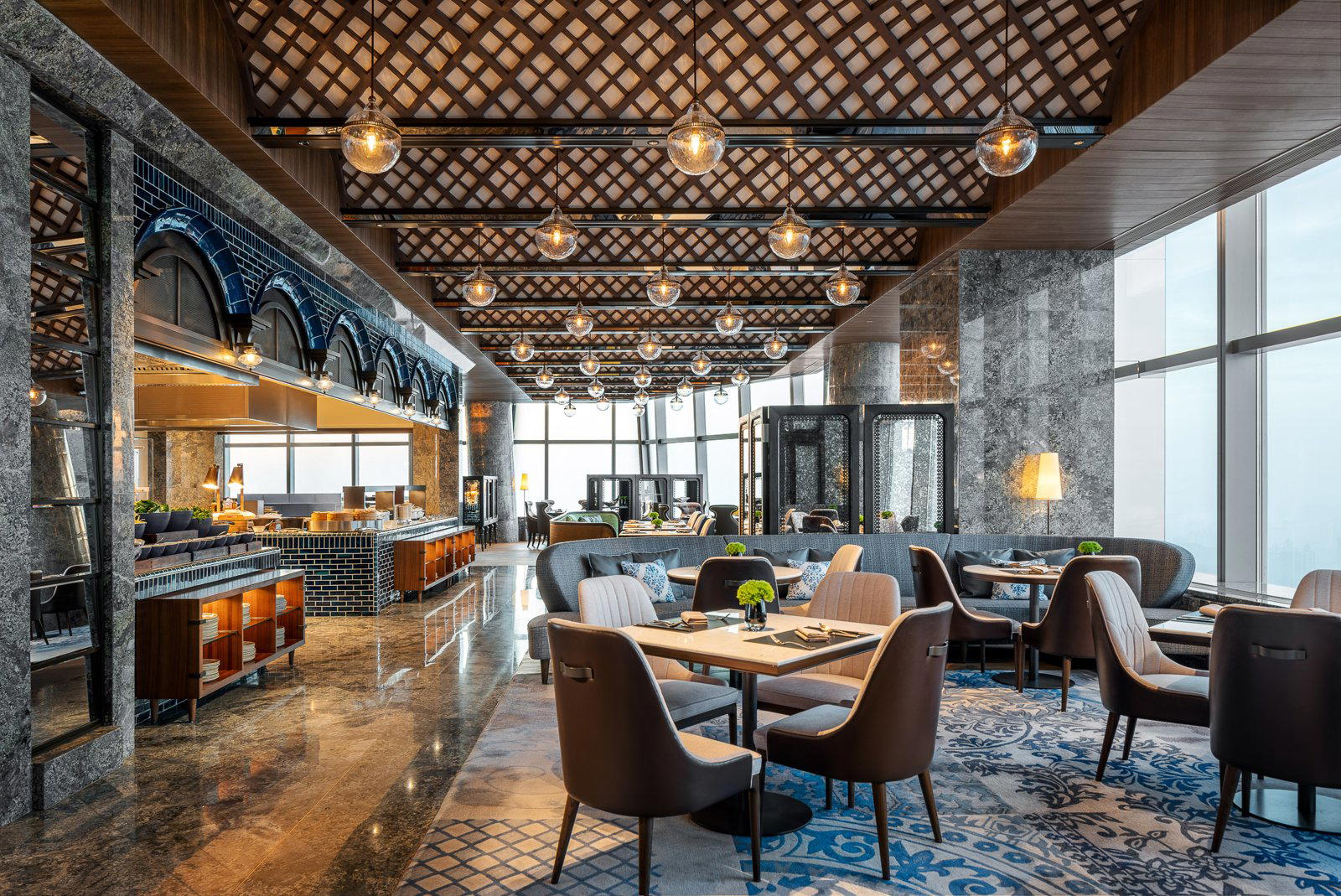
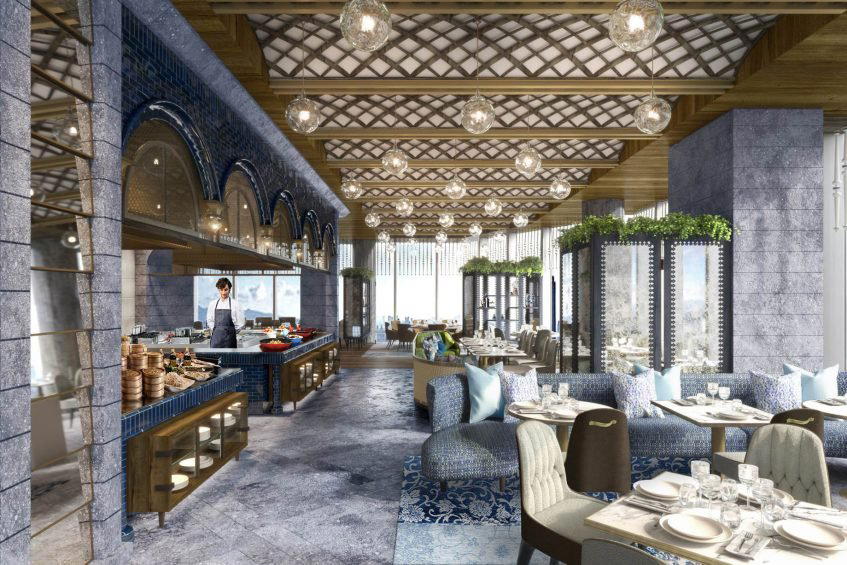
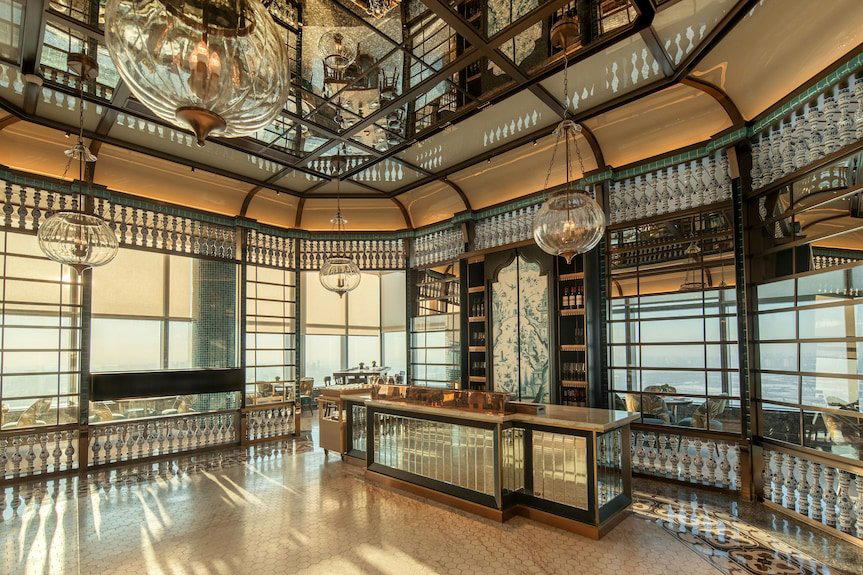
Warm and elegant with antique Chinese flavor and multi-dimensional interiors including a train carriage design.