Google: 4.3 · 1,773 reviews
.png)
Istok holds back-to-back Michelin Bib Gourmand recognition (2024 and 2025) for its Vietnamese, Korean, and Thai comfort cooking on Gospodar-Jevremova in Belgrade's old town. The menu covers pho, grilled dishes, and shareable small plates at prices that sit firmly in the city's most accessible tier, with a South Asian-inflected interior that gives the room a distinct character among Belgrade's growing roster of Asian restaurants.
 Discover on Pearl
Pearl is the En Primeur Club membership app — saves, bookings, and concierge access live there. Same editors, same standards.
Where Belgrade Meets Southeast Asian Smoke
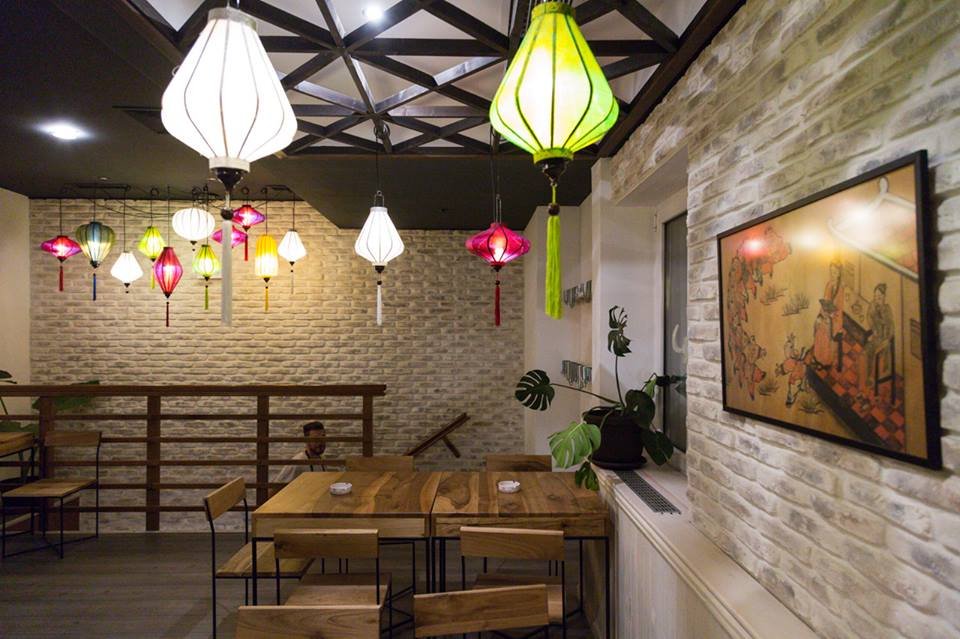
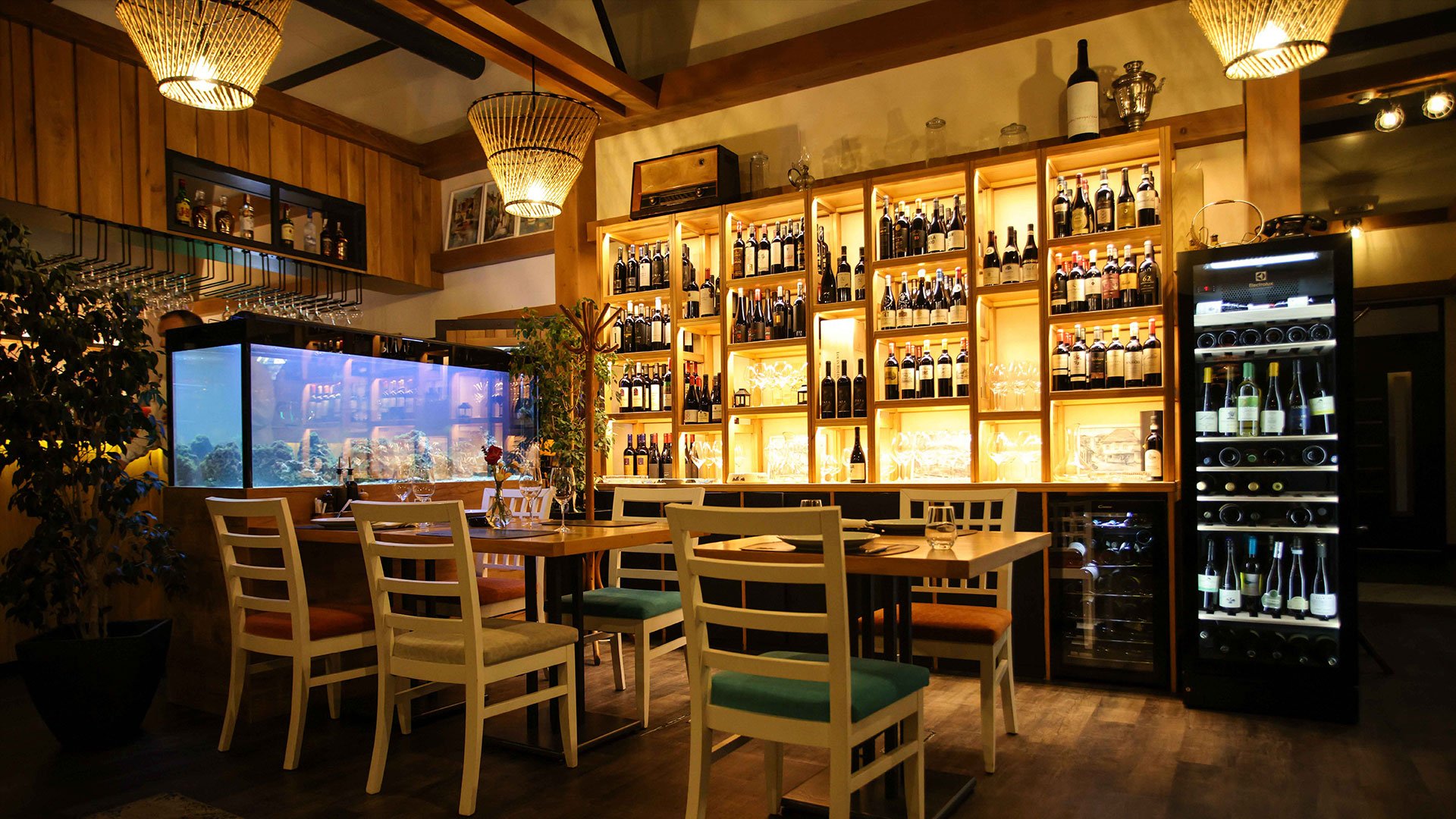
Gospodar-Jevremova is one of Belgrade's more characterful streets, running through the Dorćol quarter with a mix of old residential architecture and a restaurant scene that has grown considerably more international in recent years. Within that context, the address at number 50 is occupied by a room that signals something different immediately: the interior draws on South Asian visual cues, setting it apart from the stripped-back aesthetic common to casual dining in this part of the city. Before you register the menu, the space itself communicates that the kitchen is operating within a broader Southeast Asian frame rather than defaulting to a single-country format.
The Vietnamese grilling tradition runs deep, and it is worth understanding what that means before sitting down to eat. Dishes like bun cha — the Hanoi-style charcoal-grilled pork served with rice noodles and a sharp, fish-sauce-forward dipping broth — represent one of Vietnam's most studied street formats. The smoky char from the grill is not incidental; it is structural to the flavour. Nem nuong, the grilled pork sausage common across central and southern Vietnam, works along similar principles: the fat renders into the fire, the exterior caramelises, and the result is a texture and flavour combination that no other cooking method replicates. These are not dishes where refinement means subtraction. They carry weight, smoke, and acidity in deliberate proportion.
Pho, Half Portions, and the Logic of Sharing
Istok's approach to menu architecture reflects a clear understanding of how Southeast Asian food is most usefully eaten. The kitchen offers several dishes in half portions, which shifts the dynamic from a conventional three-course European sequence toward something closer to the way these cuisines function in their home context: multiple dishes ordered at once, tried across the table, adjusted according to what lands. In a city where this style of eating is still not the default, that structure matters. It invites a different kind of engagement with the food.
Pho sits at the centre of the menu as a signature. The broth format that originated in northern Vietnam and became one of the country's most exported culinary reference points requires time and attention: bone stock simmered for hours, aromatics charred to draw out sweetness, spice added in layers. At Istok, the dish is presented with options for customisation, allowing diners to adjust ingredients according to preference. The accompaniments throughout the menu follow a pattern noted in the Michelin assessment: colourful dips served alongside each course, adding contrast and extending the range of flavour at the table without requiring additional ordering. This is a kitchen thinking about the full experience of a meal, not just the centrepiece dish.
The menu also draws from Korea and Thailand, giving the kitchen a wider register than a strictly Vietnamese format would allow. Korean grilling traditions share certain fundamentals with their Vietnamese counterparts , live fire, fatty cuts, acidic condiments as counterweight , but operate with distinct seasoning logic: gochujang-based marinades, sesame oil, fermented depth. Thai dishes bring a different kind of heat and fragrance. The result is a menu that moves between traditions without losing coherence, held together by a consistent bias toward generous portioning and bold seasoning.
What the Bib Gourmand Says About the Room
Michelin's Bib Gourmand classification carries a specific meaning: the inspectors are signalling good cooking at accessible prices, explicitly not the starred category. Back-to-back recognition in 2024 and 2025 indicates consistency rather than a single strong moment. In the context of Belgrade's dining scene, where Michelin coverage is limited and the starred tier is occupied by a small number of addresses, Bib Gourmand status places Istok in a defined bracket: serious enough for international inspectors to return, priced at a level where the entry point is low. At the single-euro price range, it sits alongside places like Bela Reka, which works in traditional Serbian cuisine at a similar price point, though the kitchens occupy entirely different culinary territory.
The contrast with the starred end of Belgrade's Michelin presence is sharp. Langouste, the city's one-starred address, operates at four-euro pricing and a very different register of formality. The mid-tier includes The Square with its contemporary French framework, and Comunale Caffè e Cucina for Italian. For Japanese reference in the city's Asian dining bracket, Ebisu provides a point of comparison. Istok's position among these peers is clear: it is the address for Southeast Asian cooking at the accessible end, with verified inspector approval behind it.
Chef Imad Alarnab is listed in the venue record. Without additional verified biographical detail, it is worth noting only that the name represents a confirmed attribution in the kitchen rather than a PR construct, and that the Michelin acknowledgment reflects the output of that kitchen across at least two consecutive inspection cycles.
Planning Your Visit
The address is Gospodar-Jevremova 50, in Dorćol, within easy reach of the old town on foot. The pricing at the single-euro tier means a full meal with drinks is unlikely to represent a significant outlay by any standard, which partly explains the Google review count of 1,653 at a 4.3 average: this is a room that sees real volume across a broad range of diners, not a specialist address serving a narrow audience. Google ratings at that volume, held at 4.3, indicate a consistent experience rather than a polarising one.
Walk-ins are possible, though the combination of Michelin recognition, generous portions at low prices, and a relatively compact old-town location means evenings in particular are likely to fill early. Arriving before the main dinner rush or visiting at lunch gives more flexibility. For comparison on how Vietnamese cooking operates at a more deeply resourced level, the EP Club directory includes references such as Tầm Vị in Hanoi, 1946 Cua Bac in Hanoi, A Bản Mountain Dew in Hanoi, Berlu in Portland, Camille in Orlando, Agave in Ubon Ratchathani, and Ăn Chơi in Hong Kong. For broader Belgrade planning, the EP Club guides cover restaurants, hotels, bars, wineries, and experiences across the city. Outside the capital, Fleur de Sel in Novi Slankamen is worth attention for those extending into the wider region.
- Pho Bo
- Pho Ga
- Miang Kham
- Pad Thai
- Fried Coconut Ice Cream
- Mi Thit Bo
- Bibimbap
Budget Reality Check
A compact peer snapshot based on similar venues we track.
| Venue | Price | Awards | Notes |
|---|---|---|---|
| Istok | € | Bib Gourmand | This venue |
| Langouste | €€€€ | Michelin 1 Star | Modern Cuisine, €€€€ |
| The Square | €€ | World's 50 Best | Contemporary French, Modern Cuisine, €€ |
| Iva New Balkan Cuisine | € | Modern Cuisine, € | |
| Salon 1905 | €€€ | Modern Cuisine, €€€ | |
| Bela Reka | € | Traditional Cuisine, € |
At a Glance
- Elegant
- Cozy
- Hidden Gem
- Casual Hangout
- Group Dining
- Date Night
- Solo
- Terrace
- Standalone
- Craft Cocktails
- Beer Program
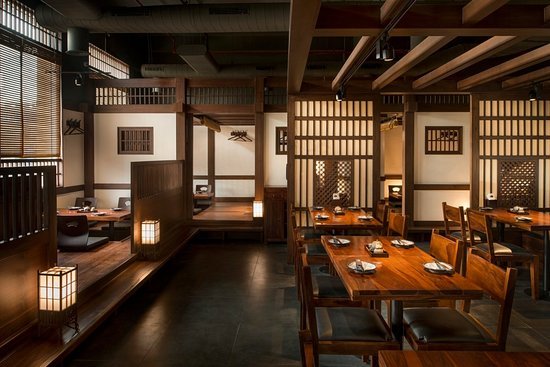
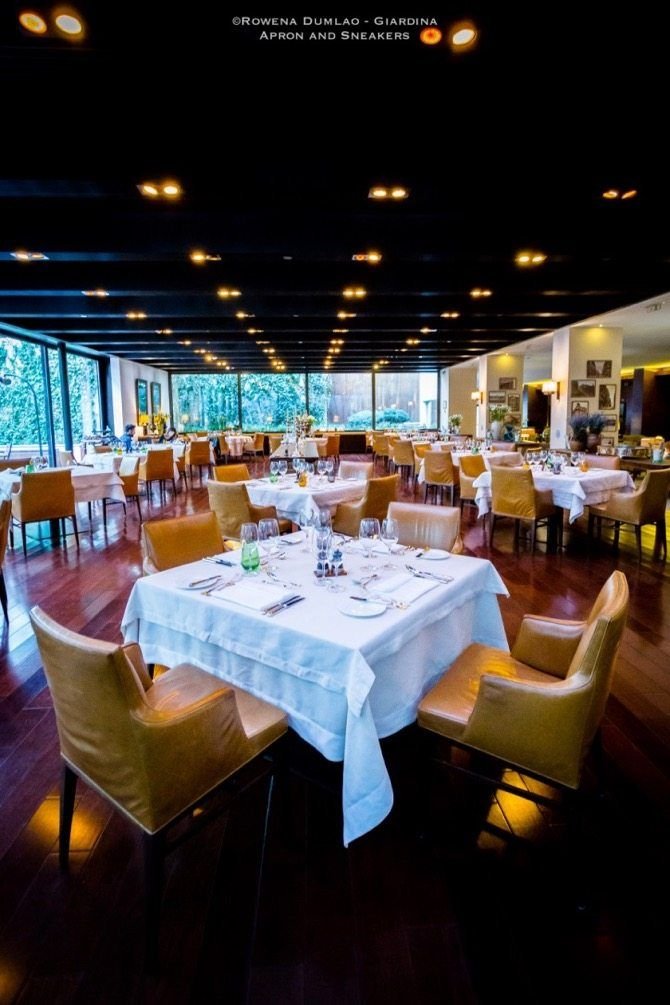
Elegant and mysterious with upmarket South Asian décor featuring Asian lanterns and exotic ambiance; some reports of inconsistent lighting and occasional smoke from smoking areas.
- Pho Bo
- Pho Ga
- Miang Kham
- Pad Thai
- Fried Coconut Ice Cream
- Mi Thit Bo
- Bibimbap