Our verdict
Landet occupies an address in Hägersten, southwest of Stockholm's central dining corridor, positioning it at a deliberate remove from the city's more publicised restaurant cluster. The format suggests a multi-course progression anchored in the kind of ingredient-led cooking that has defined Sweden's serious dining conversation over the past decade. For those willing to cross the Liljeholmen bridge, it represents a considered alternative to the capital's more visible tasting-menu tier.

Pearl is the En Primeur Club membership app — saves, bookings, and concierge access live there. Same editors, same standards.
- Address
- LM Ericssons Väg 27, 126 37 Hägersten, Sweden
- Phone
- +46 8 410 193 20
- Hours
- Mon–Tue 11 AM–2 PM, 4–11 PMWed–Thu 11 AM–2 PM, 4 PM–12 AMFri 11 AM–2 PM, 4 PM–1 AMSat 4 PM–1 AMSun Closed
- Website
- landet.nu
- Directions
- Get directions
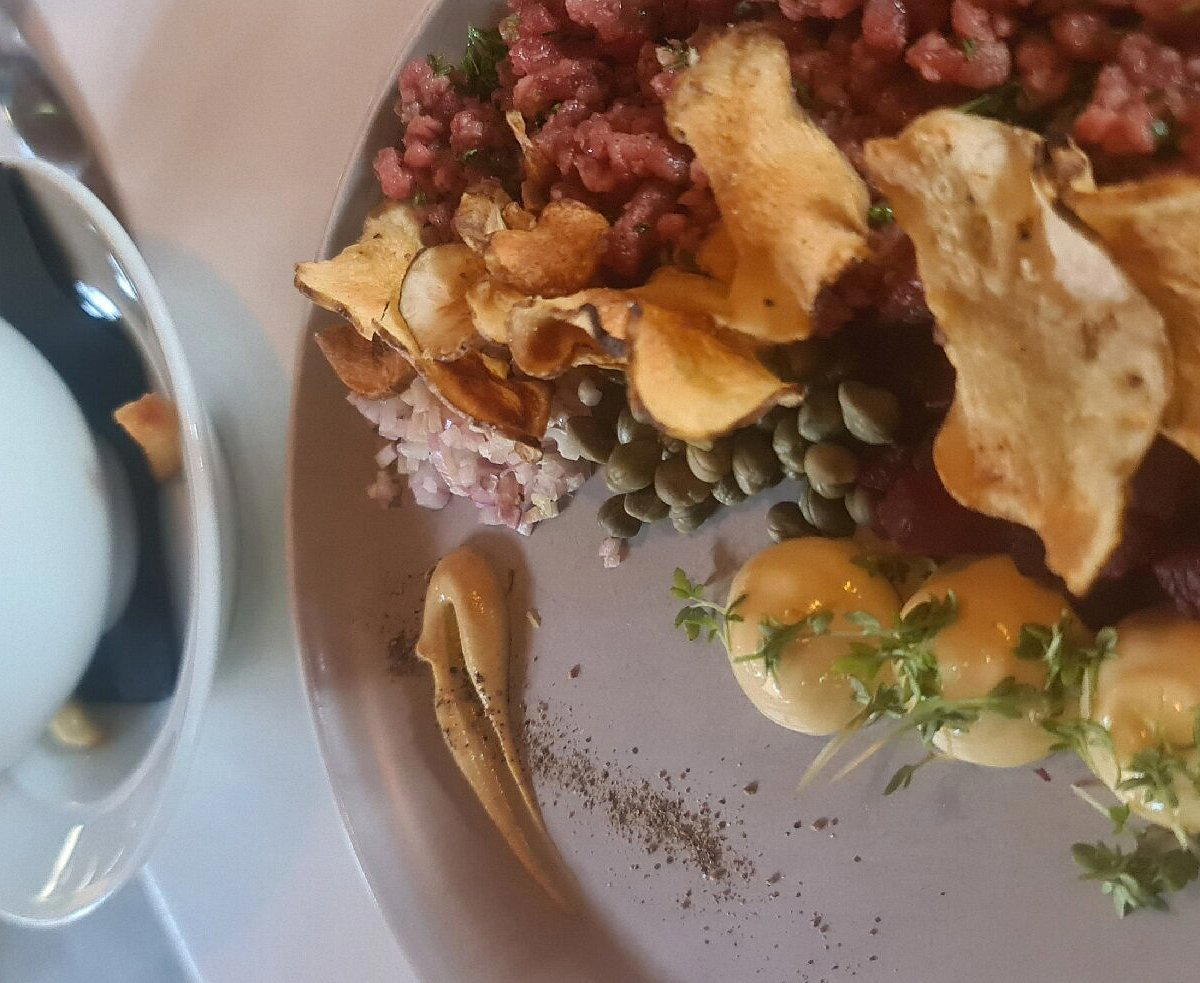
Southwest of the Obvious: Landet in Hägersten
Stockholm's serious dining scene has long concentrated itself around Östermalm, Norrmalm, and the waterfront corridors that visitors navigate instinctively on their first night. Hägersten, by contrast, sits southwest of the city proper, accessible by tunnelbana but removed from the gravitational pull of the capital's most-discussed restaurant addresses. That physical remove matters. In cities where ambitious restaurants choose peripheral postcodes — think Lazy Bear in San Francisco's Mission District or similarly address-defiant projects — the decision is rarely accidental. It tends to signal a kitchen more interested in the plate than the postcode, and a dining room that earns its audience rather than inheriting one from passing foot traffic.
Landet operates from LM Ericssons Väg 27, a street named for the old Ericsson industrial complex that once anchored this part of Stockholm. The neighbourhood has shifted considerably in the past decade, following the pattern of former industrial zones that gradually attract creative and culinary projects as rents and attitudes shift together. Arriving here, rather than at a table overlooking Kungsträdgården, is part of the orientation. You are somewhere deliberate.
The Progression as the Point
Sweden's most discussed restaurants, from Frantzén at the three-Michelin-star tier to AIRA and Adam / Albin in the New Nordic conversation, have broadly organised themselves around the tasting-menu format for good reason. The multi-course progression allows a kitchen to argue a point across time, building from lighter, more acidic early courses through increasingly textured and rich midpoints before resolving into something that gives the meal a shape the diner can hold in memory. It is a format that rewards patience and penalises impatience, which makes the choice of venue significant. You are not just choosing a meal; you are choosing to commit to a narrative arc over two or three hours.
At Landet, the format aligns with this broader Swedish inclination toward considered sequencing. The approach reflects what has become a recognisable grammar in Nordic serious dining: a respect for seasonal constraint, a preference for produce sourced within reach, and a cooking register that tends toward precision without theatrics. The comparison set in Stockholm's upper dining tier, including Aloë and the long-established formality of Operakällaren, frames Landet as part of a generation of addresses that take the tasting progression seriously as a structure, not merely as a price point.
Where Landet Sits in the Swedish Dining Geography
Understanding Landet also means understanding where Stockholm sits within Sweden's wider serious-dining conversation. The capital holds the density, but the country's Michelin-recognised kitchens spread far beyond the city limits. Vollmers in Malmö, VYN in Simrishamn, and ÄNG in Tvååker have all staked claims in Sweden's culinary recognition circuit, while Knystaforsen in Rydöbruk and Signum in Mölnlycke represent the country's willingness to reward ambitious cooking in genuinely remote settings. Even within Stockholm, the most meaningful dining decisions increasingly happen away from the old prestige corridors.
Landet, in Hägersten, participates in that dispersal. It operates in a part of the city where the surrounding context is residential and low-key rather than promotional, which shapes the dining experience in ways that are harder to quantify but easy to feel. The room is not performing for a tourist audience. The clientele tends toward regulars and deliberate visitors rather than those who wandered in from a hotel concierge recommendation. That self-selection produces a particular atmosphere: quieter, more focused, more likely to involve a table spending time between courses in actual conversation rather than content creation.
The Ingredient Logic of the Nordic Tasting Sequence
Across Sweden's tasting-menu tier, from Hoze in Gothenburg to Bistro Jarlen in Halmstad and PM & Vänner in Växjö, a consistent logic governs how courses are sequenced. Early courses tend to foreground acidity and freshness, often built around fermentation, cured fish, or raw preparations that calibrate the palate without overwhelming it. The middle of the meal is where kitchens typically take their largest risks, building toward game, aged proteins, or more technically demanding preparations. The close is rarely sweet in the conventional dessert sense, more often it involves dairy, mild sweetness, and textural contrast, a resolution rather than a climax.
This grammar is not unique to any single restaurant. It is a shared inheritance from the Nordic culinary movement that accelerated through the 2000s and has now settled into a mature, self-aware tradition. Landet operates within that tradition, which means a diner arriving with familiarity of how these meals tend to move will find the progression legible. Those encountering it for the first time would do well to read the menu as a sentence rather than a list: the early dishes establish terms, the middle courses complicate them, and the close offers a kind of reckoning.
For reference alongside the Swedish context, the sequencing logic has international parallels in how places like Le Bernardin in New York City build their fish-forward progressions, or how the communal-format tasting structure at Lazy Bear shapes the social rhythm of a meal. The format is not culturally monolithic, but its logic, using time and sequence to argue something about ingredients and technique, is consistent across serious kitchens that commit to it.
Planning a Visit to Landet
Landet sits at LM Ericssons Väg 27 in Hägersten, reachable from central Stockholm via the tunnelbana to Liljeholmen or Telefonplan, both within walking distance. The address is southwest of the city centre, which means the journey takes approximately fifteen to twenty minutes from Södermalm and slightly longer from Östermalm or Norrmalm. For visitors building a Stockholm itinerary that includes a stop at Aloë or the more central addresses in our full Stockholm restaurants guide, Landet works well as an evening commitment rather than a quick stop, given the format. Beyond Stockholm, those building a broader Swedish itinerary might consider pairing the capital with Claesgatan 8 in Malmö or Sydkustens at Pillehill in Skivarp for a fuller picture of how Swedish serious dining operates outside the capital's gravity. Specific booking details, current hours, and pricing are best confirmed directly with the restaurant, as this information was not available at time of publication.
Frequently asked questions
Where exactly is Landet?
Landet is located at LM Ericssons Väg 27, 126 37 Hägersten, Sweden, Stockholm.
Is Landet worth the journey from central Stockholm?
Hägersten is accessible from central Stockholm via the tunnelbana to Liljeholmen or Telefonplan, putting Landet within a short walk of both stations. Restaurants operating a multi-course tasting format in low-profile Stockholm postcodes tend to hold their audience through food quality rather than address prestige. The journey is part of the proposition.
What's the best thing to order at Landet?
Landet structures the meal as a progression rather than a carte, which means the kitchen determines the sequence. Arriving with a specific dish in mind works against the format. The move is to commit to the full tasting sequence and let the kitchen dictate the arc, which is the same logic applied across Stockholm's serious dining tier from Frantzén downward.
Can I walk in to Landet?
Landet's position at LM Ericssons Väg 27 in Hägersten draws a deliberate rather than passing crowd — no tourist foot traffic arrives by accident this far southwest of central Stockholm. That self-selecting audience means the room fills through reservations, not walk-ins. Securing a table in advance is the practical approach.
Standing Among Peers
Comparable venues nearby, for context on price, style, and recognition.
| Venue | Cuisine | Price | Awards | Notes |
|---|---|---|---|---|
| LandetThis venue — the venue you are viewing | Scandinavian-French Fusion | $20–30 | Not listed | Not listed |
| OMAKA | Modern European Brewery Restaurant | Not listed | White Guide Sweden Restaurants - Very Fine Level | Östermalm |
| Restaurant Bakfickan | Traditional Swedish Husmanskost | $20–30 | Not listed | Norrmalm |
| Pat's Place | Thai Tapas | $20–30 | White Guide Sweden Restaurants - Recommended | Södermalm |
| Nabo | French-Swedish Brasserie | $20–30 | Star Wine List · Falstaff Wine Bar - Listed | Norrmalm |
| Sperling & Co. | Modern European Grill | Not listed | Michelin Plate · World's Best Steaks Europe's 50 Best #27 | Östermalm |
Continue exploring
More in Stockholm
Restaurants in Stockholm
Browse all →
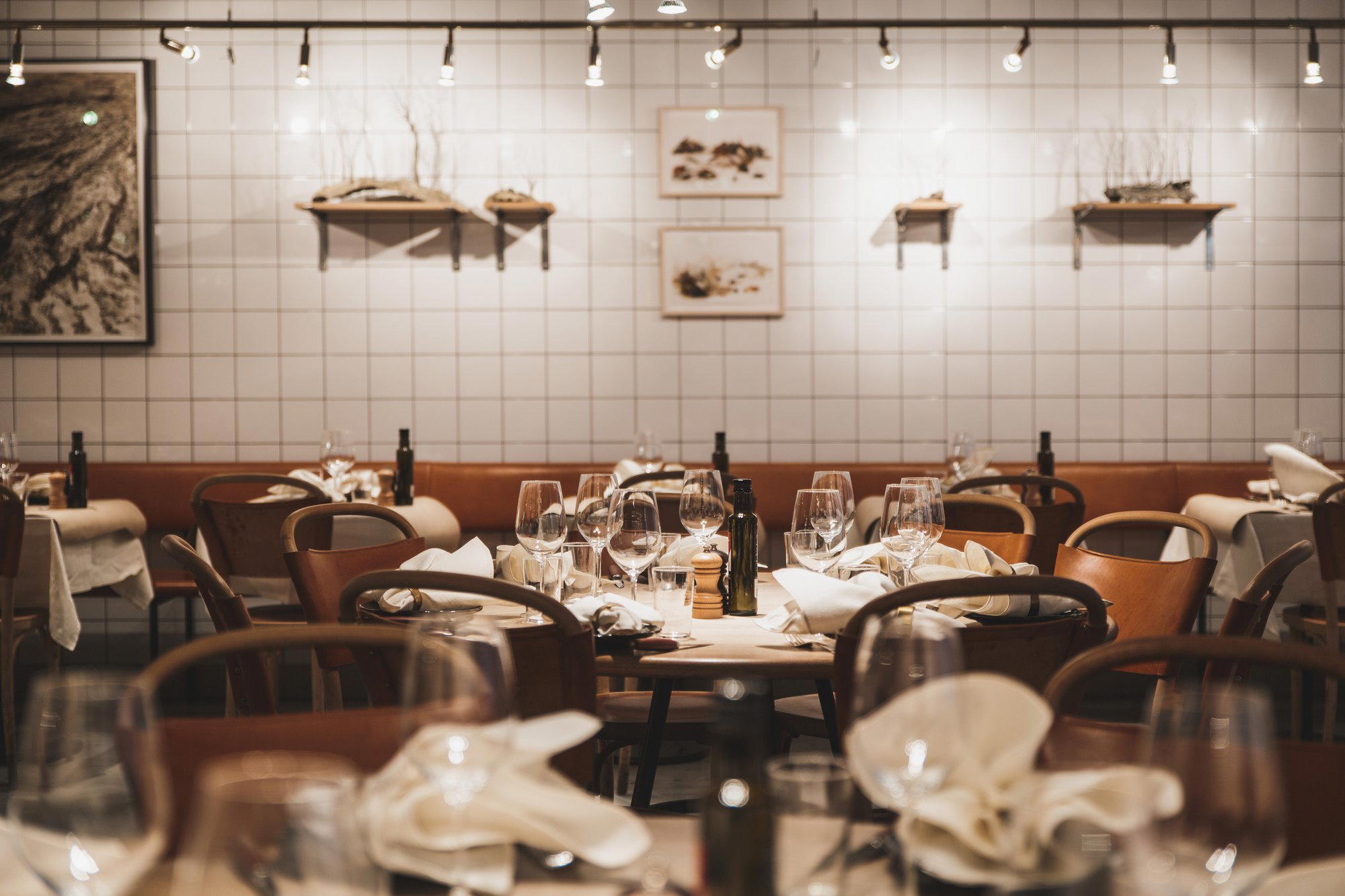
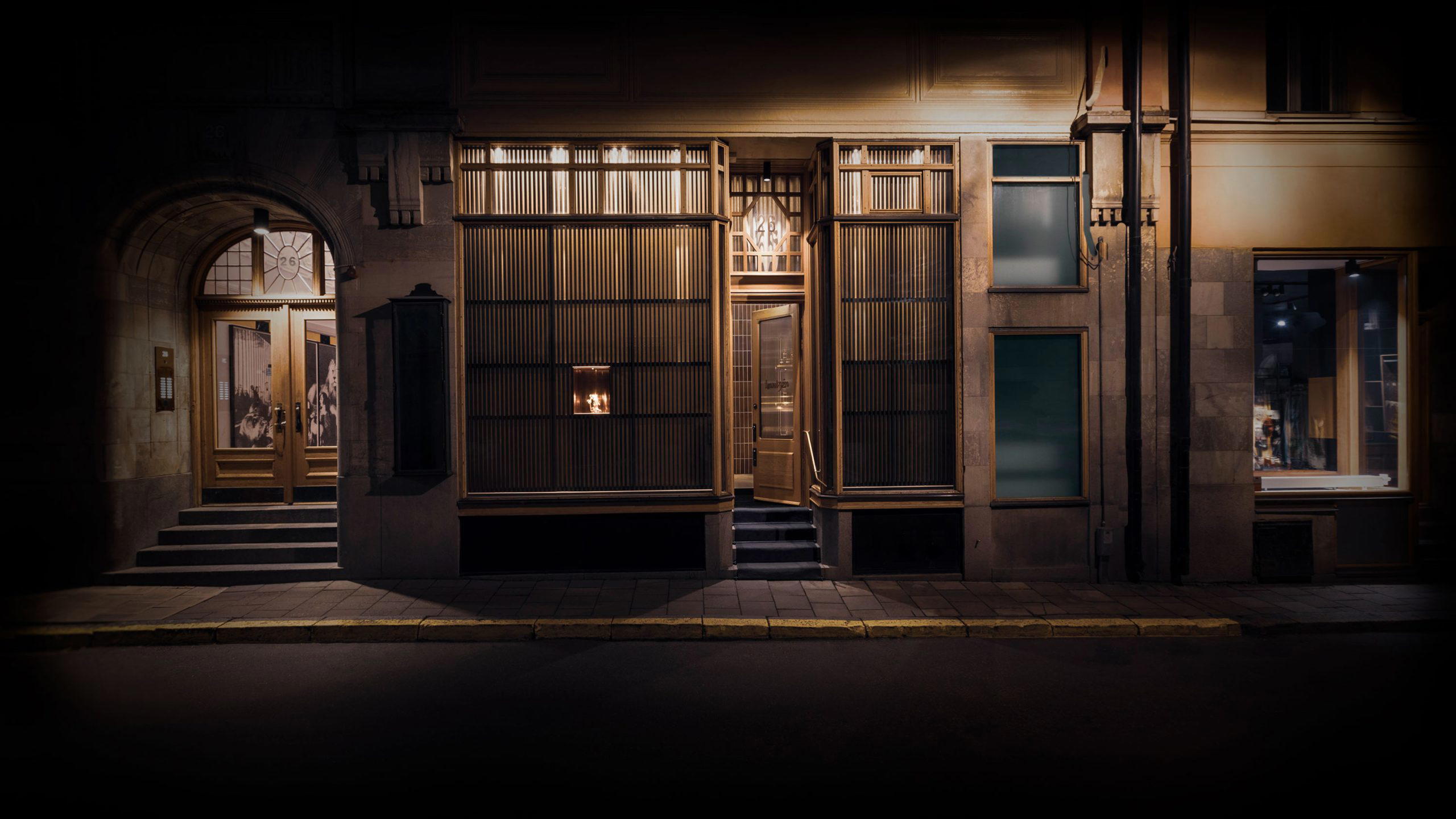
Bars in Stockholm
Browse all →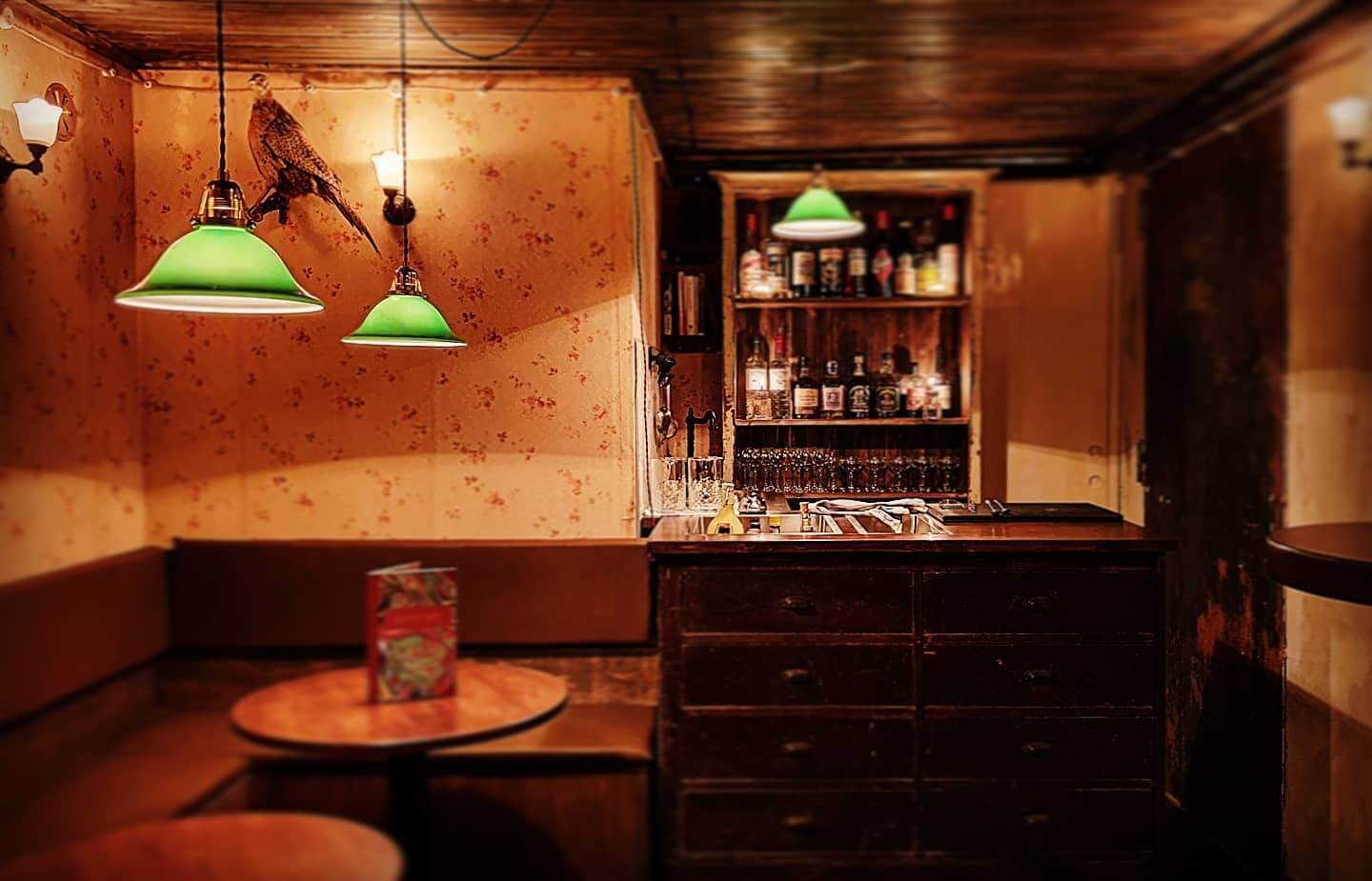
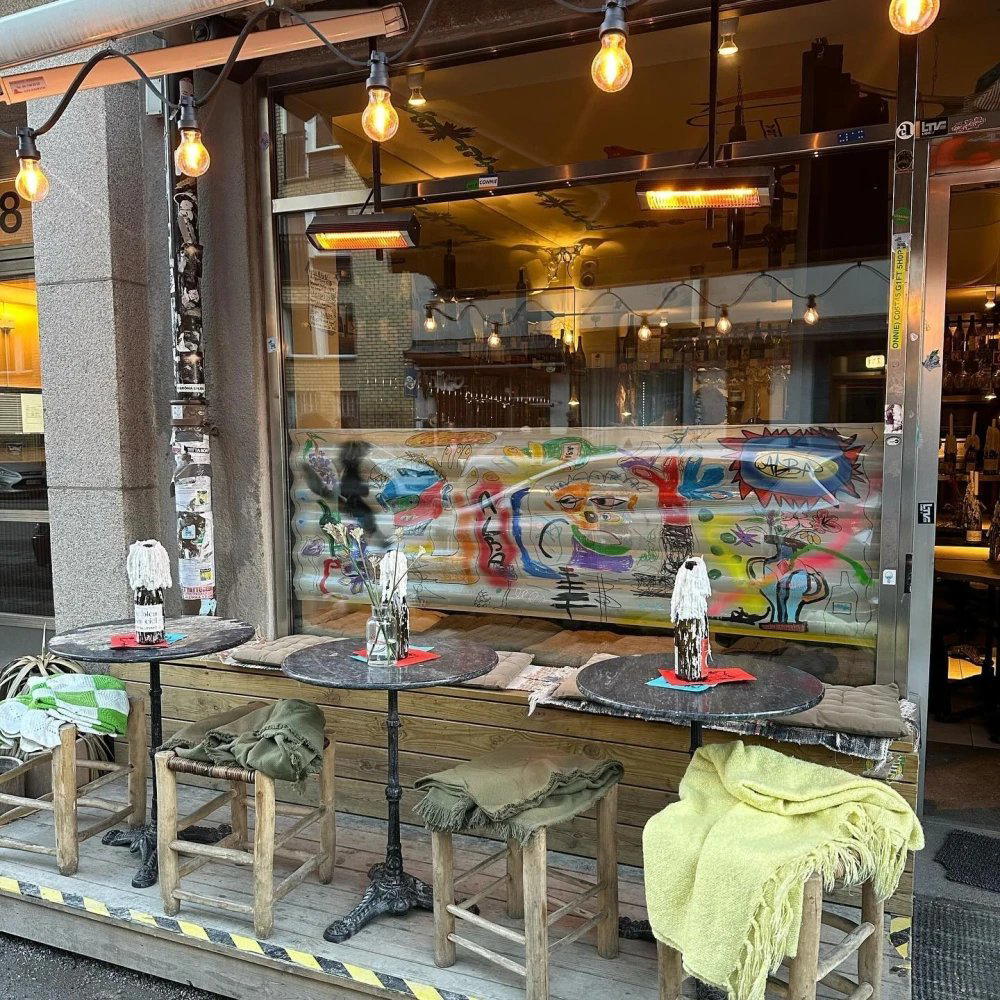

Details
- Lively
- Industrial
- Trendy
- Casual Hangout
- After Work
- Live Music
- Open Kitchen
- A La Carte
- Vegetarian Friendly
- Vegan Options
Current opening hours
- Monday
- 11 AM–2 PM, 4–11 PM
- Tuesday
- 11 AM–2 PM, 4–11 PM
- Wednesday
- 11 AM–2 PM, 4 PM–12 AM
- Thursday
- 11 AM–2 PM, 4 PM–12 AM
- Friday
- 11 AM–2 PM, 4 PM–1 AM
- Saturday
- 4 PM–1 AM
- Sunday
- Closed
Hours can change for holidays and private events. Last verified .
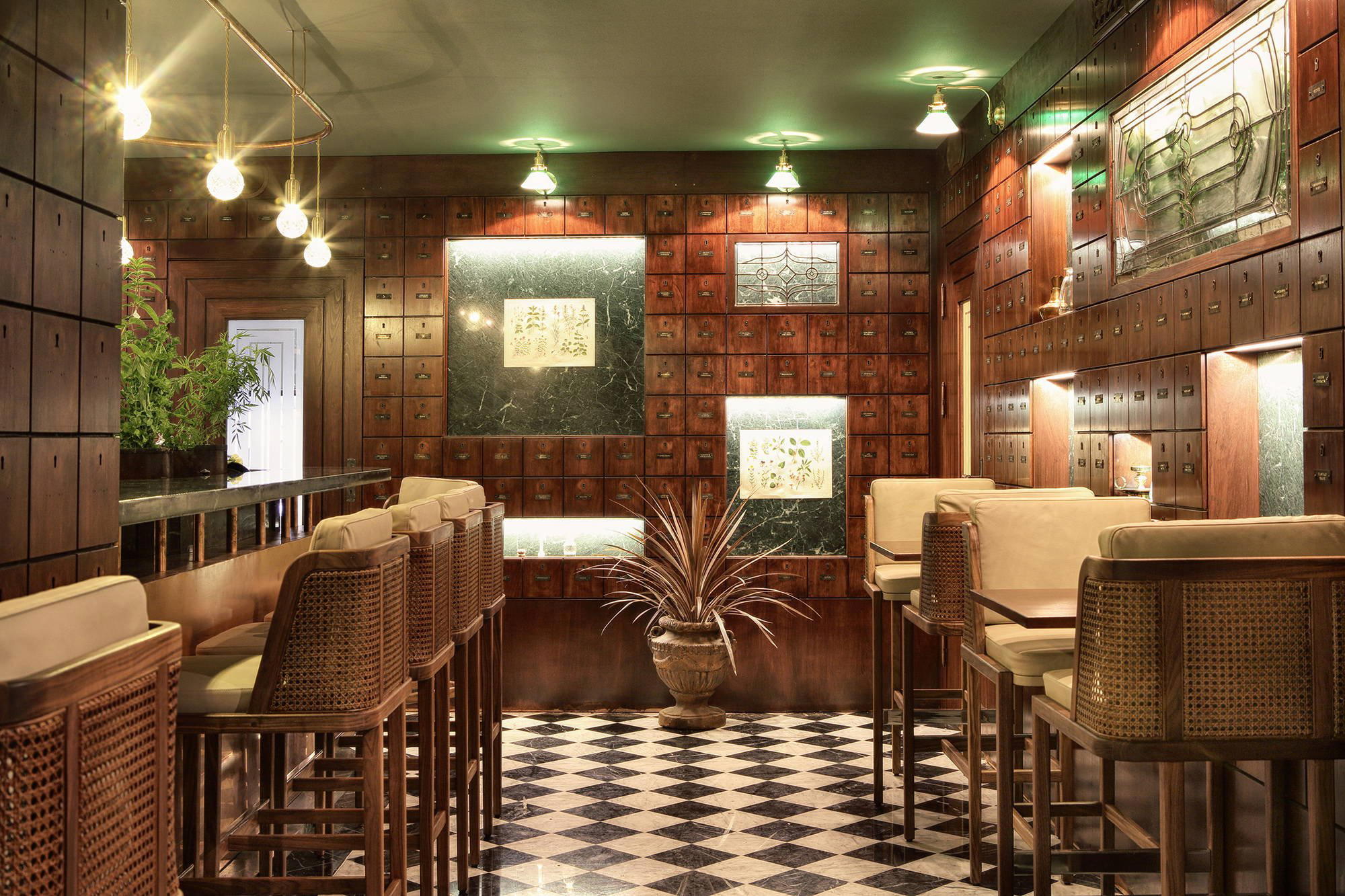
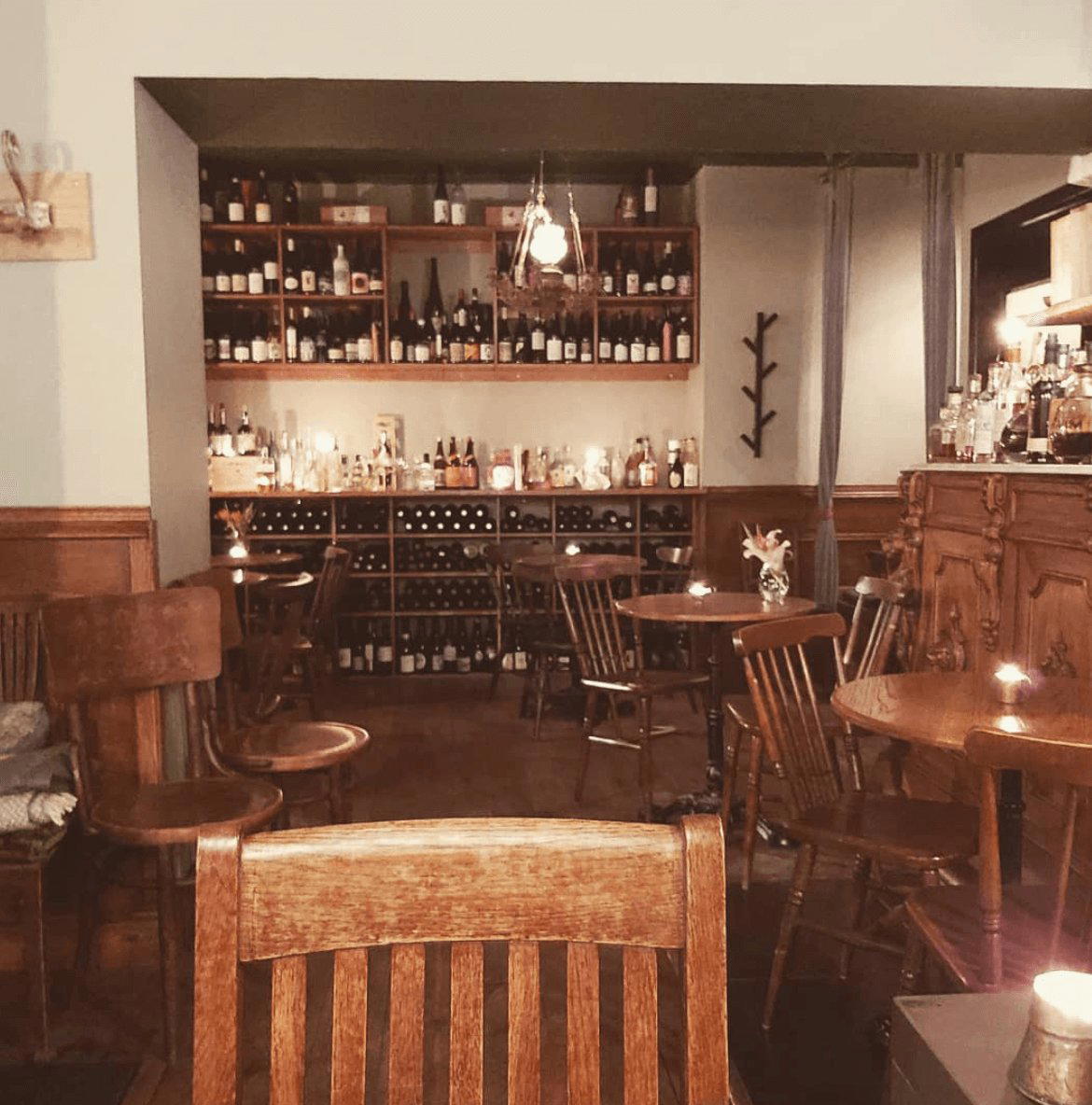
Industrial and welcoming atmosphere with live bands creating a lively, unpretentious vibe.