White Guide Sweden Restaurants - Recommended
Our verdict
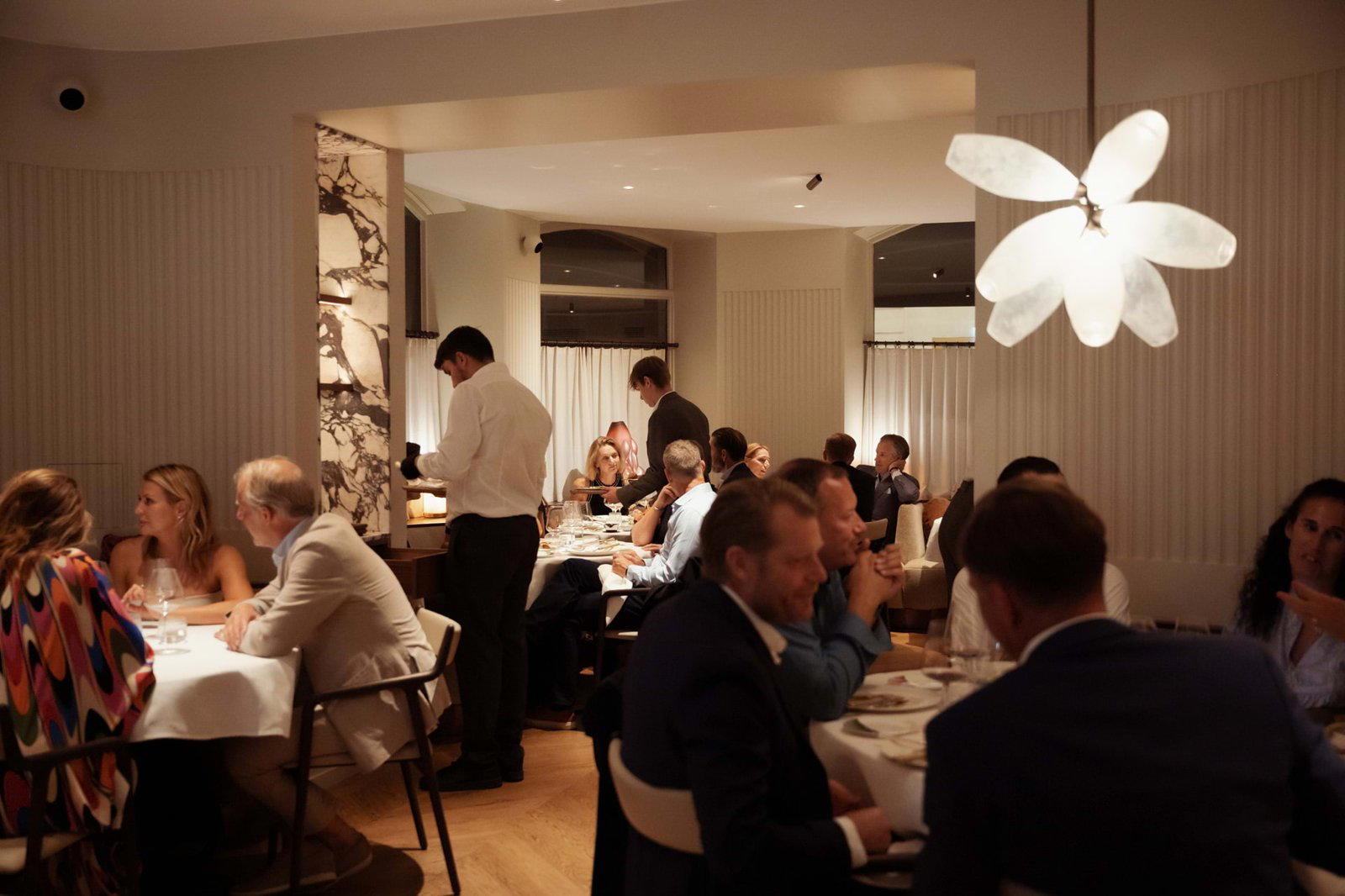
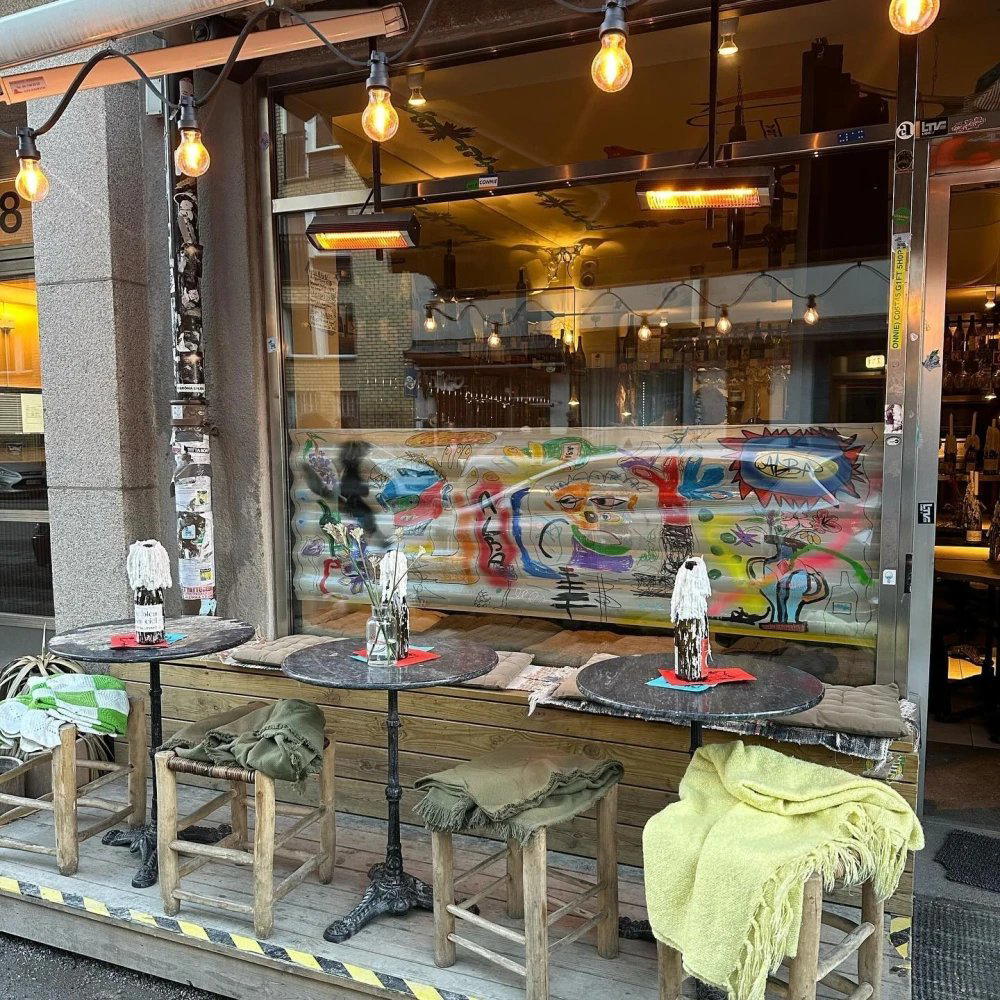
Pat's Place occupies a corner of Folkungagatan in Stockholm's Södermalm district, a neighbourhood that has long set the tone for the city's neighbourhood dining culture. With minimal data publicly available, it sits as a conversation-starter for those exploring the Swedish capital's less-catalogued dining rooms, where sourcing, locality, and simplicity tend to define the offer more than formal recognition does.

Pearl is the En Primeur Club membership app — saves, bookings, and concierge access live there. Same editors, same standards.
- Address
- Folkungagatan 140, 116 30 Stockholm, Sweden
- Phone
- +4686442272
- Hours
- Mon ClosedTue–Thu 11 AM–2 PM, 4–10 PMFri 11 AM–2 PM, 4–11 PMSat 12–11 PMSun 12–10 PM
- Website
- patsplace.se
- Directions
- Get directions
The menu
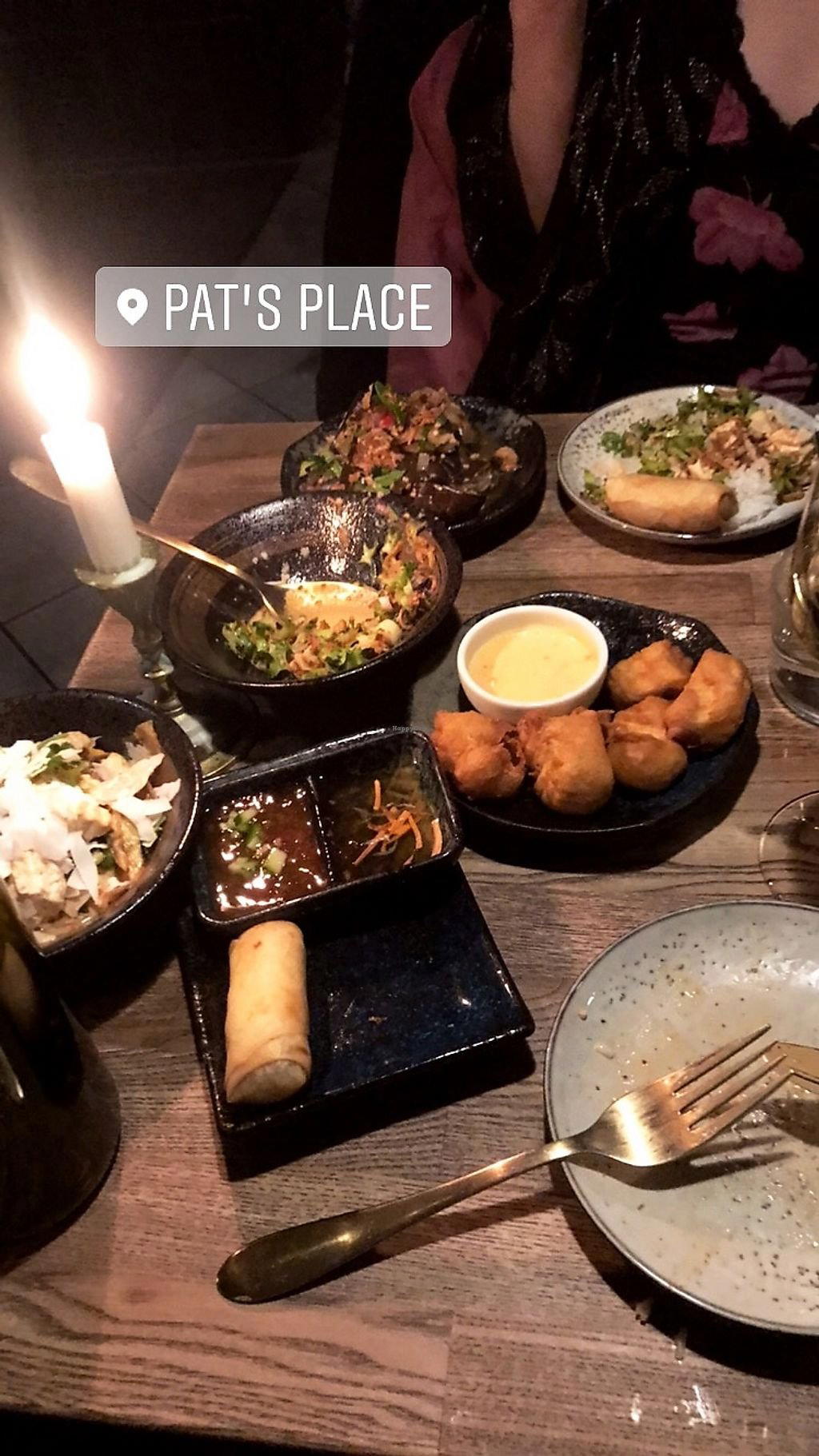
What to order
- Star Wars tofu
- Forest Gump shrimp
- Armageddon scallop
Södermalm's Quieter Counter
Folkungagatan runs through the heart of Södermalm, a long, unhurried street lined with independent businesses that reflect the island's well-documented preference for the particular over the generic. This part of Stockholm has spent the better part of two decades as the city's most reliable testing ground for neighbourhood dining: formats that prioritise produce and regularity over spectacle, and kitchens that answer to a local crowd rather than a reservation queue driven by international press. Pat's Place, at number 140, sits within that tradition. Its address alone places it in company that tends to reward return visits over first impressions.
Stockholm's dining culture has a visible split. At one end, the high-commitment tasting-menu bracket includes Frantzén and AIRA, where multi-course progression and ingredient provenance are stated in full. At the other, neighbourhood rooms on streets like Folkungagatan operate without that scaffolding, drawing on the same sourcing ethos but delivering it inside a less formal contract with the guest. The best of these rooms share a commitment to seasonal Swedish produce that their Michelin-listed peers also claim, but the register is different: quieter, more iterative, less theatrical.
Ingredient Sourcing as the Central Argument
Sweden's short growing season has historically forced kitchens toward a discipline that fine-dining restaurants have since turned into a selling point. Root vegetables, preserved fish, foraged ingredients, and cold-climate dairy have defined Swedish cooking for centuries, not as a trend but as a practical response to geography and weather. When contemporary Stockholm kitchens talk about sourcing, they are working within that long tradition, and the neighbourhood rooms on Södermalm's main arteries tend to do so without announcement.
The logic of ingredient sourcing in a neighbourhood setting differs from its application in a formal tasting menu. At restaurants like Operakällaren or Adam / Albin, provenance is itemised and presented as part of the guest experience. In a neighbourhood room, the same commitment often shows up differently: in what isn't on the menu, in the narrowness of the offer on a given week, in the rotation that responds to what arrived from suppliers rather than what was printed three months ago. This is not a lesser version of the approach; it is a different application of the same underlying value. Sweden's regional restaurant scene beyond Stockholm makes this argument clearly. Vollmers in Malmö and VYN in Simrishamn have each built recognised programs around tight geographic sourcing, and ÄNG in Tvååker and Knystaforsen in Rydöbruk have done so in formats that lean into rural proximity as a structural advantage. The neighbourhood room in a city like Stockholm occupies a middle position: urban access, but with the same seasonal logic driving the offer.
The Södermalm Context
Understanding Pat's Place requires understanding the specific character of Folkungagatan and the blocks around it. Södermalm's dining rooms have historically skewed toward the independent and the low-key, with a density of wine-led bistros, small Nordic kitchens, and daytime café-restaurant hybrids that gives the area a different texture from Östermalm's more formal dining corridor or the tourist-facing options around Gamla Stan. Regulars tend to find rooms in this part of the city through word of mouth or proximity; the discovery mechanism is local rather than press-driven. That insularity is part of the appeal and part of the reason that some rooms here remain less documented than their quality might otherwise suggest.
For visitors using Stockholm as a base to explore Sweden's wider dining scene, Södermalm provides a useful orientation point. Signum in Mölnlycke, 28+ in Gothenburg, and PM & Vänner in Växjö are each within reach for those building a trip around Swedish regional cooking. Adrian Restaurang in Borås, Brasserie Park in Jonköping, and Enoteket in Norrköping extend that network further. A meal in a neighbourhood room on Folkungagatan sits logically at the start or end of that kind of itinerary: lower stakes, more casual, but informed by the same sourcing culture that drives the formal end of the scene.
For a fuller orientation to where Stockholm's dining sits across price points and formats, our full Stockholm restaurants guide maps the city's offer from neighbourhood rooms through to the tasting-menu bracket. Internationally, the sourcing-first ethos that defines this end of Stockholm's scene has direct counterparts: Le Bernardin in New York City built its reputation on ingredient discipline in a very different format, and Atomix applies a comparable rigour through a Korean tasting-menu lens. The argument that produce quality determines outcome, rather than technique alone, travels well across formats and geographies.
What to Expect and How to Plan
Folkungagatan 140 is reachable on foot from Medborgarplatsen, one of Södermalm's main transit nodes, which makes it practical for visitors staying anywhere in the central city. As with many neighbourhood rooms in this part of Stockholm, timing matters: the local crowd tends to arrive early, and the room's character shifts through an evening as the regulars settle in. Autumn and early winter are the seasons when Södermalm's kitchens are typically at their most focused, working with root vegetables, preserved and cured ingredients, and the narrower but often more expressive produce of the cold months. A visit in that window tends to reflect the sourcing logic most directly.
Rooms of this type in Södermalm rarely require the advance planning of the formal tasting-menu bracket; the norm is same-week or walk-in availability, though weekend evenings in a neighbourhood with this density of demand can be an exception. Comparable creative formats further afield, such as Aloë in Stockholm's higher-commitment tier, require significantly more lead time, which gives neighbourhood rooms on streets like this one a practical advantage for visitors with less fixed itineraries.
Frequently asked questions
Where exactly is Pat's Place?
Pat's Place is located at Folkungagatan 140, 116 30 Stockholm, Sweden, Stockholm.
What neighbourhood is Pat's Place in, and how easy is it to reach from central Stockholm?
Pat's Place is on Folkungagatan 140 in Södermalm, one of Stockholm's most walkable island districts. Medborgarplatsen, a main transit node served by the T-bana, is a short walk away, making the address straightforward to reach for visitors staying across central Stockholm without relying on a taxi.
What dish is Pat's Place famous for?
Sweden's short growing season tends to push kitchens toward a tight, produce-first approach, and Pat's Place appears to follow that discipline rather than anchoring its identity to a single signature dish.
Is Pat's Place reservation-only?
No booking policy has been confirmed for Pat's Place at Folkungagatan 140. Given the counter-format character common to smaller Södermalm rooms, arriving early or contacting the venue directly before your visit is a practical step. No phone number or website is currently listed in public records.
What do critics highlight about Pat's Place?
The venue sits on Folkungagatan, a street with a well-established reputation for independent businesses that operate below the radar of mainstream food press, which may partly explain the absence of a formal critical profile.
Same-City Peers
Comparable venues nearby, for context on price, style, and recognition.
| Venue | Cuisine | Price | Awards | Notes |
|---|---|---|---|---|
| Pat's PlaceThis venue — the venue you are viewing | Thai Tapas | $20–30 | White Guide Sweden Restaurants - Recommended | Not listed |
| Helens Sushi | Japanese Sushi & Asian Fusion | $20–30 | Not listed | Hornstull |
| Beijing8 | Modern Chinese Dumplings | $10–20 | Not listed | Östermalm |
| Café Pom & Flora Södermalm | Nordic Organic Breakfast & Brunch Café | $10–20 | Not listed | Södermalm |
| Happy Rooster | Southeast Asian Street Food Fusion | $10–20 | Not listed | Norrmalm |
| CHECA | Authentic Peruvian Ceviche & Seafood | $30–50 | Star Wine List | Södermalm |
Recognition history
Dated appearances from independent guides and award organizations, with the underlying list record or original source where available.
White Guide Sweden Restaurants - Recommended
White Guide