Bakfickan occupies a distinctive position in Stockholm's dining scene: a counter-style restaurant attached to the grand Operahuset on Gustav Adolfs Torg, where the format is deliberately informal against one of the city's most formal addresses. The kitchen draws on Swedish classical tradition, positioning Bakfickan as a lower-ceremony alternative to its full-service neighbour Operakällaren, and a useful reference point for understanding how the city balances heritage dining with approachability.
Pearl is the En Primeur Club membership app — saves, bookings, and concierge access live there. Same editors, same standards.
- Address
- Stockholm, Sweden
- Directions
- Get directions
 Saves & bookings on Pearl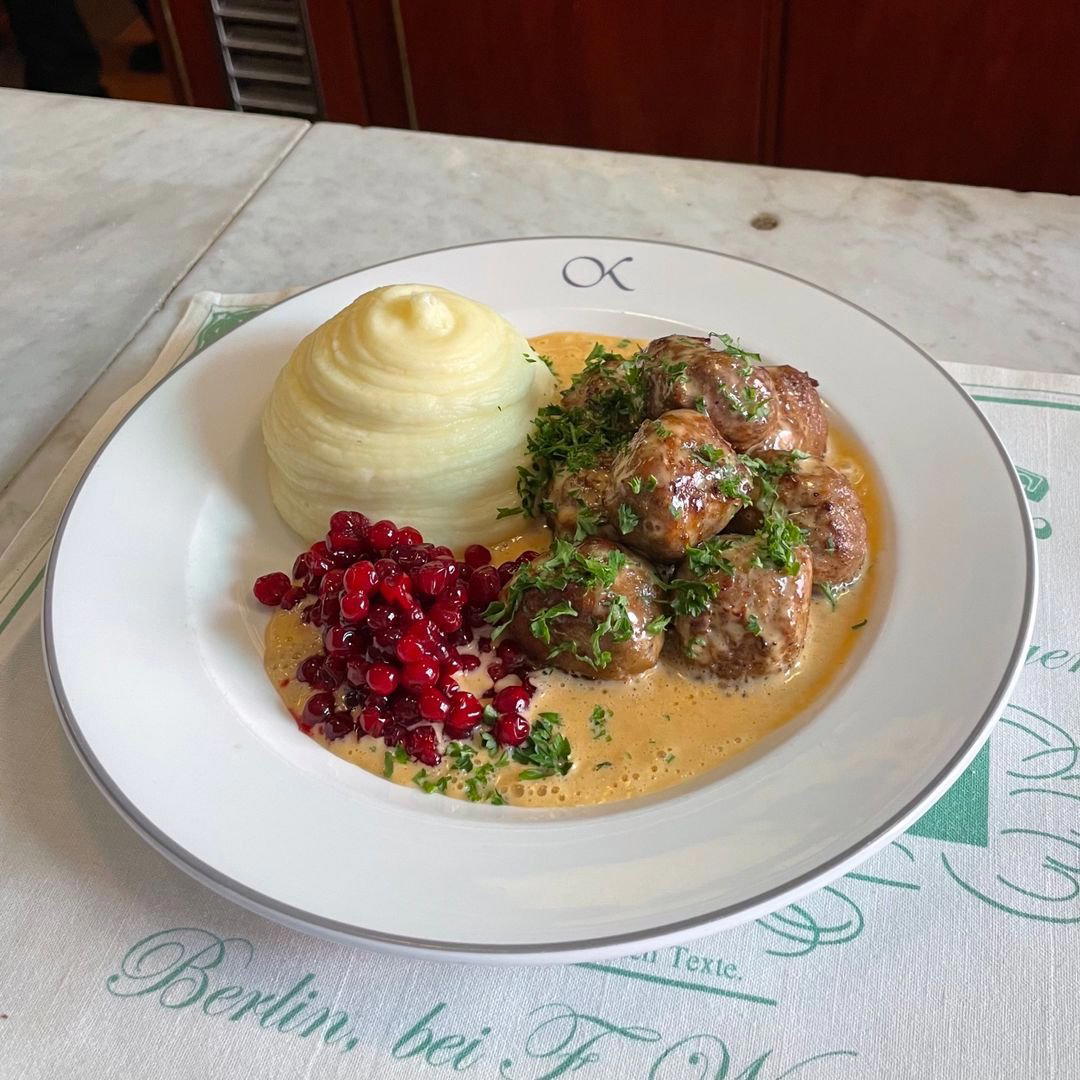
A Grand Address, a Deliberately Modest Room
Restaurant Bakfickan is a Stockholm restaurant serving Traditional Swedish Home Cooking at a price around $25 per person. Gustav Adolfs Torg sits at the institutional heart of Stockholm, framed by the Royal Opera House, the Riksbank, and the north edge of Kungsträdgården. The square carries a formality that most restaurants in the area either try to match or conspicuously avoid. Bakfickan, attached to the Operahuset building, does something more considered: it maintains the address while engineering a counter format that removes most of the ceremony that the location implies. The name translates loosely as "hip pocket", a secondary room, a side door, the place you slip into rather than arrive at. That framing is not incidental. It defines the experience before a single dish arrives.
Bakfickan occupies the same kitchen infrastructure and the same culinary lineage, but routes it through a bar-counter format that keeps the transaction quicker and the atmosphere less weighted. That positioning, institution-adjacent, deliberately informal, is relatively rare in Stockholm and explains much of the restaurant's sustained following.
The Counter Format in a City Moving Toward Tasting Menus
Bakfickan runs against that pattern. The counter format allows for shorter visits, single-dish orders, and a more spontaneous relationship with the kitchen's output. In cities where this model has deep roots, Lyon's bouchons, London's wine bar kitchens, Tokyo's standing sushi bars, the counter tends to preserve a more direct connection between classical technique and everyday use. Stockholm doesn't have a long tradition of that kind of drop-in serious eating, which makes Bakfickan's position in the city's offer more structurally significant than its modest presentation suggests. It functions as one of the few places where the city's culinary heritage reaches diners who aren't committed to a full tasting experience.
Bakfickan runs against that pattern. The counter format allows for shorter visits, single-dish orders, and a more spontaneous relationship with the kitchen's output. In cities where this model has deep roots, Lyon's bouchons, London's wine bar kitchens, Tokyo's standing sushi bars, the counter tends to preserve a more direct connection between classical technique and everyday use. Stockholm doesn't have a long tradition of that kind of drop-in serious eating, which makes Bakfickan's position in the city's offer more structurally significant than its modest presentation suggests. It functions as one of the few places where the city's culinary heritage reaches diners who aren't committed to a full tasting experience.
Swedish Classical Cooking and What It Signals
The culinary tradition Bakfickan draws on is Swedish classical: the same lineage that produced husmanskost at its more domestic end and the grand smörgåsbord tradition at its formal peak. This is not the New Nordic idiom of foraged herbs and fermented dairy, that movement belongs to a different generation and a different set of restaurants, including the destination-format venues across southern Sweden such as Vollmers in Malmö, ÄNG in Tvååker, and Signum in Mölnlycke. Swedish classical cooking operates with a different grammar: fish preparations that reference the archipelago, game dishes with a longer provenance, butter-based sauces that sit closer to French classical method than to contemporary Scandinavian restraint.
In that context, Bakfickan functions as a keeper of institutional memory. Restaurants in this category tend to be measured less by innovation and more by consistency and correctness, the ability to execute a traditional preparation at a level that justifies the address. The Operahuset connection is one direct trust signal available: the kitchen's access to procurement networks, trained staff, and operational standards that a standalone restaurant at a similar price point would struggle to replicate.
Where Bakfickan Sits Against the Stockholm Scene
Stockholm's mid-to-upper dining tier has become increasingly polarised between the international tasting-menu format and a smaller cluster of restaurants that prioritise shorter, more flexible formats. Bakfickan belongs to the latter group, but with an institutional anchor that separates it from newer casual-format openings. This is relevant for visitors trying to construct a multi-day dining itinerary: the restaurant fills a gap that the city's Michelin-decorated tasting rooms don't address, offering serious cooking in a format that works for a long lunch, a pre-theatre dinner, or a solo visit without the social friction of a multi-course commitment.
The geographic placement reinforces this. The Operahuset sits between Gamla Stan and Norrmalm, within walking distance of most of the city's central hotels. For visitors arriving from the direction of Kungsträdgården or coming from Gamla Stan across the bridge, the location is directly on route rather than a detour. That accessibility is not a minor point: it means Bakfickan can absorb same-day decisions in a way that the city's more formally booked restaurants cannot.
Comparable counter and classical formats in the wider Swedish region include PM & Vänner in Växjö and Bistro Jarlen in Halmstad. For destination dining outside Stockholm, Knystaforsen in Rydöbruk, VYN in Simrishamn, Hoze in Gothenburg, Claesgatan 8 in Malmö, and Sydkustens at Pillehill in Skivarp cover the country's more serious destination-format offer. For international comparison points in the counter-and-classical tradition, Le Bernardin in New York and Lazy Bear in San Francisco show how the counter-adjacent format plays in different culinary cultures.
Planning a Visit
The counter format and institutional affiliation suggest Bakfickan runs a shorter booking window than the city's full tasting-menu restaurants, a lunch or early-dinner slot is typically easier to secure than a prime Saturday evening. Walk-ins are friendly here, though it is still wise to check before going. The location in the Operahuset building means dress assumptions trend slightly smarter than the average Stockholm casual restaurant, even if the format itself is relaxed.
Booking and Cost Snapshot
Comparable venues nearby, for context on price, style, and recognition.
| Venue | Cuisine | Price | Notes |
|---|---|---|---|
| Restaurant BakfickanThis venue — the venue you are viewing | Not listed | $$ | Not listed |
| Knut Upplandsgatan | Norrmalm, Northern Swedish | $$ | Not listed |
| Vineriet | Norra Djurgarden, Wine Bar Small Plates | $$ | Not listed |
| Jussi Björlings allé | Norrmalm, Scandinavian Café & Brunch | $$ | Not listed |
| Bloomster Stockholm | Östermalm, other | $$$ | Not listed |
| Café Pom & Flora Södermalm | Not listed | $$ | Södermalm, Nordic Organic Breakfast & Brunch Café |
Continue exploring
More in Stockholm
Restaurants in Stockholm
Browse all →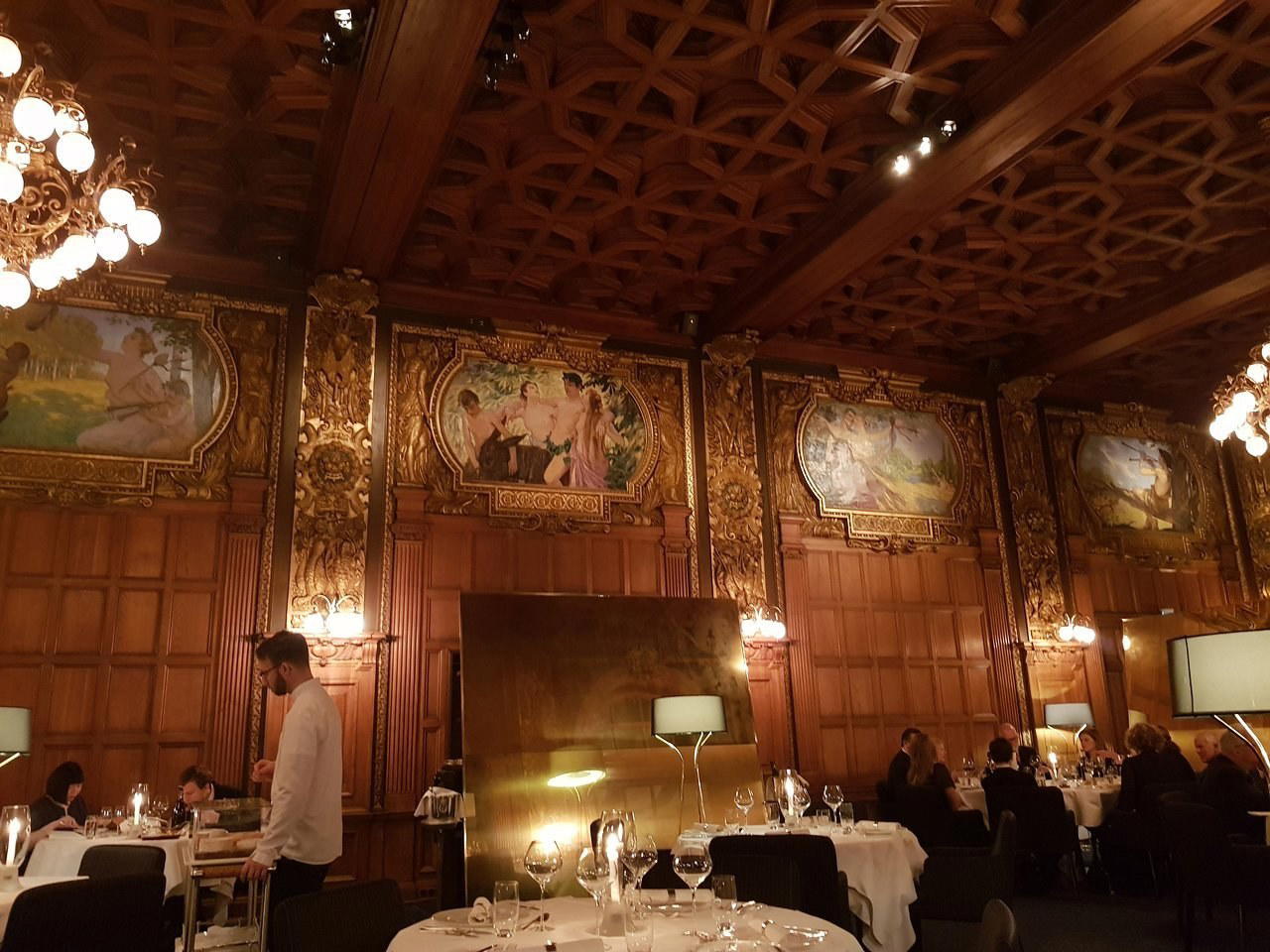
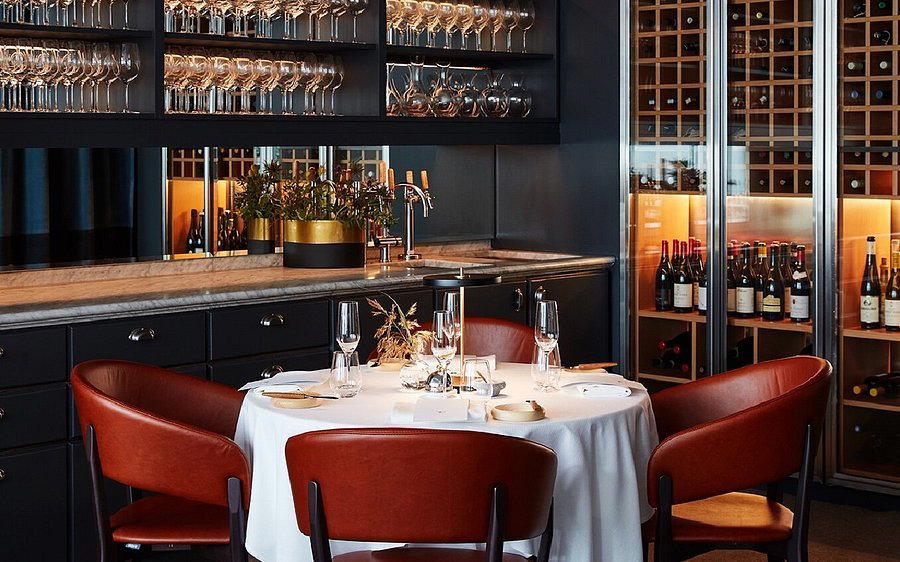
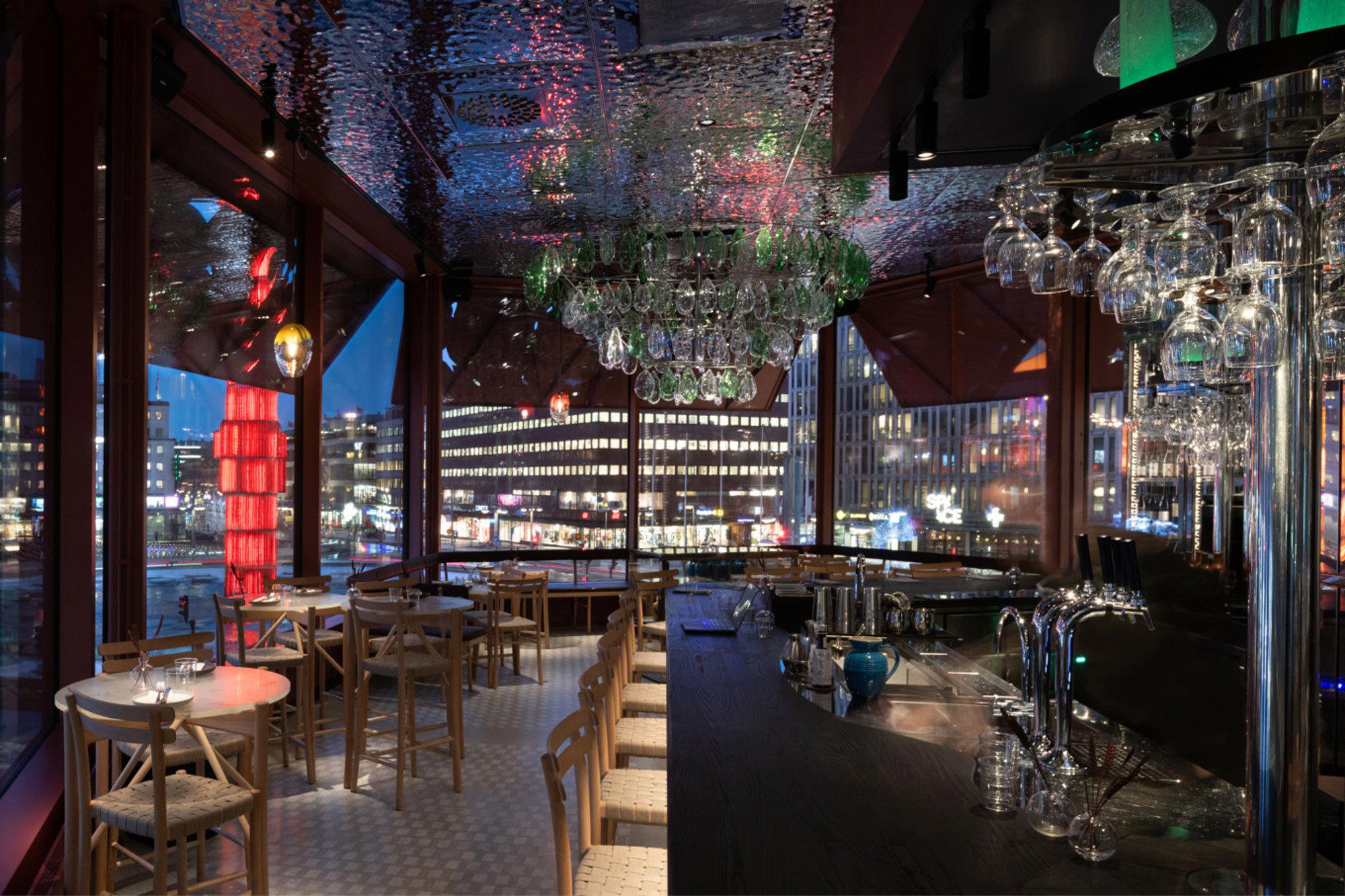
Bars in Stockholm
Browse all →
At a Glance
- Cozy
- Intimate
- Historic
- Date Night
- Casual Hangout
- Open Kitchen
- Historic Building
- Extensive Wine List
- Local Sourcing
- Street Scene
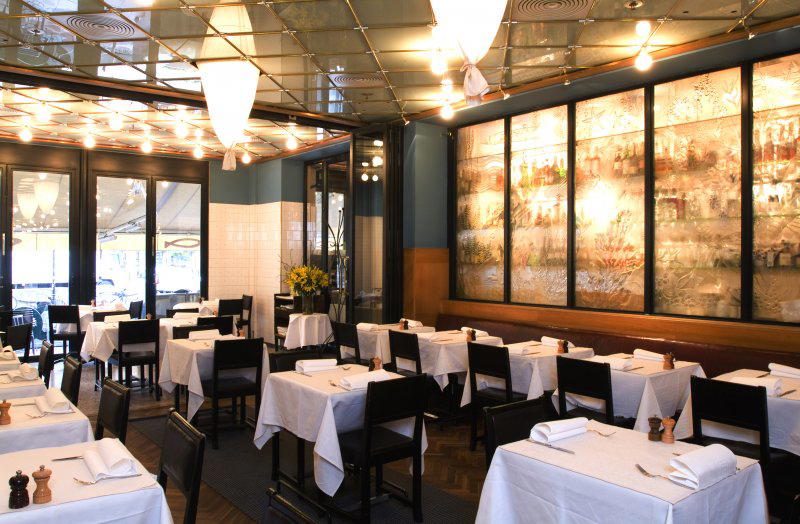
Cozy and intimate with vintage opera memorabilia, U-shaped bar, and lively historic atmosphere.