
White Guide Sweden Restaurants - Very Fine Level
Our verdict
OMAKA occupies a quiet address on Uggelviksgatan in Östermalm, placing it within Stockholm's most concentrated tier of ambitious dining. The venue sits in a city where multi-course tasting formats have become the default language of serious restaurants, and where the progression of a meal carries as much editorial weight as any individual dish. Reservations are advised for anyone planning a visit.

Pearl is the En Primeur Club membership app — saves, bookings, and concierge access live there. Same editors, same standards.
- Address
- Uggelviksgatan 2C, 114 27 Stockholm, Sweden
- Phone
- +46840050440
- Hours
- Mon ClosedTue–Thu 3–11 PMFri 11:30 AM–12 AMSat 1 PM–12 AMSun Closed
- Website
- omaka.beer
- Directions
- Get directions
- Booking
- Book on the venue's website
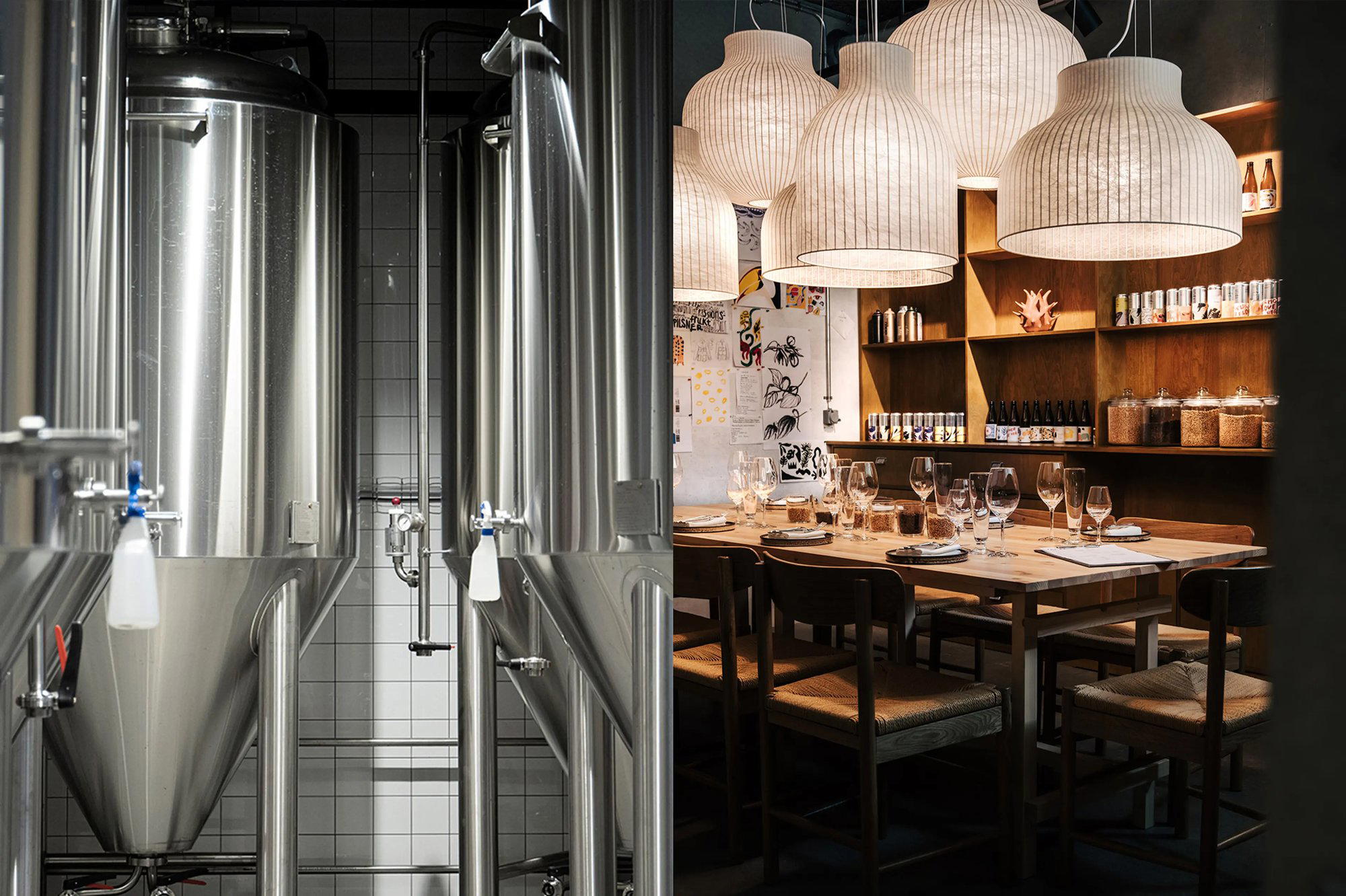
Where Stockholm's Tasting Format Reaches a Quieter Register
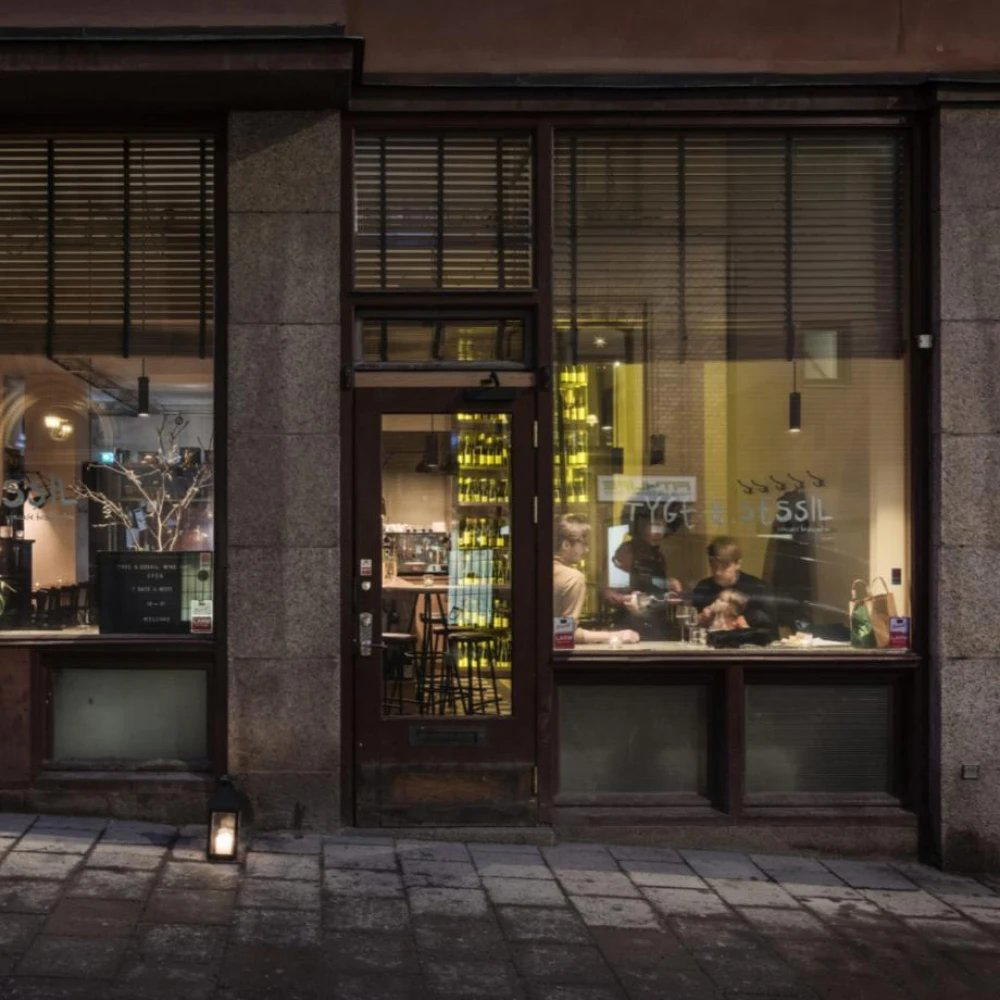
Östermalm has a particular relationship with restraint. The neighbourhood's residential grid, lined with late-nineteenth-century apartment facades and the kind of low-traffic streets that discourage casual foot traffic, has gradually absorbed a cluster of dining rooms that operate on similar principles: small formats, deliberate pacing, and menus structured around progression rather than selection. Uggelviksgatan 2C, where OMAKA is addressed, sits well inside that character. Approaching from Karlavägen, the street narrows and quiets, and the sense of arrival carries the same quality as the better Östermalm rooms: you feel you have been placed rather than stumbled upon something.
Stockholm's serious dining tier has consolidated around the tasting menu format over the past decade in ways that mirror what happened in Copenhagen in the early 2010s and Tokyo's kaiseki circuit long before that. The format disciplines both kitchen and guest: courses arrive in sequence, the meal has a shape, and the room's energy is calibrated to that shape rather than to the unpredictable rhythms of à la carte service. OMAKA operates within that framework, in a city where the format has enough density to create genuine comparison. Across Östermalm and into Vasastan, venues like AIRA and Aloë occupy adjacent positions in the same tier, each with their own tonal signature but sharing the structural logic of the sequenced meal.
The Arc of a Meal in Stockholm's Nordic Frame
In cities where the tasting progression has become a dominant format, the earliest courses carry disproportionate editorial weight. They establish the kitchen's declared priorities before the guest has settled into the pace of the room. Stockholm's reference points here are exacting: Frantzén, operating at three Michelin stars, has set a standard for opening sequences that function almost as arguments, each element establishing terms the later courses are expected to honour. Adam / Albin, working within a New Nordic frame, treats the early courses as a landscape reading, moving from preserved and fermented elements toward fresher, warmer preparations as the meal advances.
That structural discipline, the idea that a meal should build and resolve rather than simply accumulate, is what separates Stockholm's premium tasting rooms from their mid-market equivalents. It is also what the city's guests have come to expect. Diners who have eaten across Operakällaren's historic dining room or worked through the wood-fired progression at Ekstedt arrive at a new room with calibrated expectations. The tasting format is not a novelty here; it is the baseline, and deviation from its internal logic registers immediately.
OMAKA's position on Uggelviksgatan places it within walking distance of several Östermalm institutions, which creates a specific kind of competitive context. Guests at this price tier in this neighbourhood are typically choosing between several rooms on any given evening, and the question of which meal to book is answered by the particular quality of a kitchen's sequencing rather than by format alone. The middle courses of a serious Swedish tasting menu, the transition from the sharper, acid-led openings to the more substantial, often umami-weighted centre of the meal, are where kitchens tend to differentiate themselves most clearly. The closing arc, whether the kitchen moves toward dairy richness, forest-foraged bitterness, or the clean restraint of a Nordic fruit preparation, is where a room's personality tends to consolidate.
Stockholm in a Wider Swedish Context
Understanding OMAKA's position requires some sense of where Stockholm sits within Sweden's broader serious dining circuit. The capital commands the highest concentration of recognised rooms, but the country's regional tables have developed considerable credibility of their own. Vollmers in Malmö, VYN in Simrishamn, and ÄNG in Tvååker each draw destination diners out of the capital. In Gothenburg, 28+ has maintained a long-standing position in the city's premium tier. Elsewhere, Signum in Mölnlycke, Knystaforsen in Rydöbruk, PM & Vänner in Växjö, Enoteket in Norrköping, Brasserie Park in Jonköping, and Adrian Restaurang in Borås represent a secondary tier of serious Swedish tables that the capital's diners increasingly treat as weekend destinations.
Stockholm, however, retains a density that the regions cannot match. That concentration is both the city's advantage and the baseline against which any serious room here is measured.
For international comparison, the multi-course tasting format at this level in Stockholm tracks more closely with rooms like Atomix in New York, where Korean fine dining is structured as a deliberate sequence with its own internal grammar, than with the volume-driven luxury of a place like Le Bernardin. The register is intimate, the pacing is considered, and the expectation is that the guest arrives with some intention to engage with the meal as a whole rather than to extract individual highlights from it.
Planning a Visit to OMAKA
OMAKA is addressed at Uggelviksgatan 2C in Östermalm, one of Stockholm's quieter residential districts and well-served by the city's public transport network. Östermalm's tram and metro connections make the neighbourhood accessible from central Stockholm without requiring a taxi. The broader Stockholm dining scene, including the full range of the city's serious tasting rooms, is covered in our full Stockholm restaurants guide, which maps the premium tier in useful detail.
Given OMAKA's address in a neighbourhood where serious dining rooms tend to book ahead, planning in advance is the practical approach. Östermalm rooms at this level generally do not hold significant walk-in capacity on weekday evenings, and weekend availability compresses further. Booking through the venue's own channels, once confirmed, is standard practice across Stockholm's tasting menu tier. Visitors combining a Stockholm evening with a wider Sweden itinerary should note the regional options listed above, several of which require day trips or overnight stays but reward the detour in ways that a capital-only visit cannot replicate.
Frequently asked questions
Can I bring kids to OMAKA?
OMAKA sits within Östermalm's residential quarter at Uggelviksgatan 2C, and the tasting format the restaurant operates demands a pace and attentiveness that typically suits adults better than young children. check the venue's official channels before booking to clarify whether they accommodate younger guests and what flexibility, if any, exists within the menu progression.
What kind of setting is OMAKA?
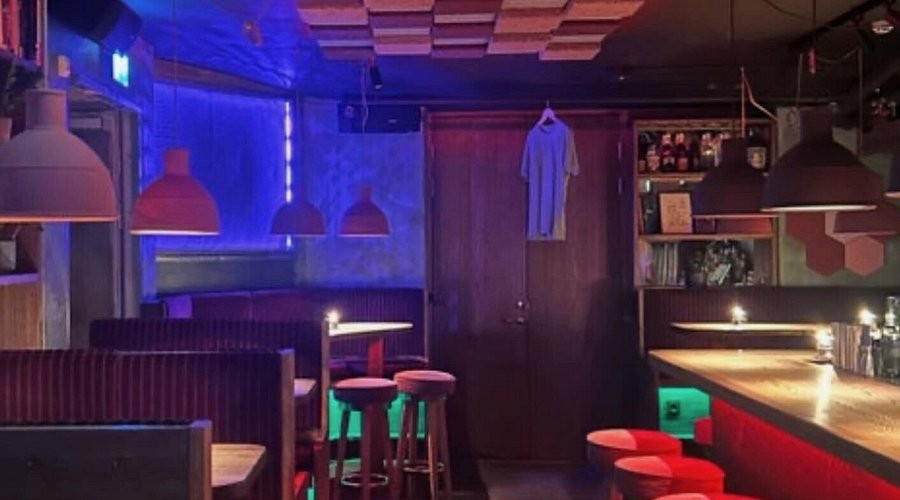
OMAKA occupies a residential address in Östermalm, one of Stockholm's quieter, more architecturally composed districts. The area's late-nineteenth-century building stock shapes expectations before you arrive: this is not a high-traffic dining corridor. Inside, the restaurant's tasting format suggests an intimate, course-driven room rather than a large open-floor operation.
How does OMAKA fit into Stockholm's wider serious dining circuit?
Stockholm concentrates Sweden's highest density of tasting-format restaurants, with the capital holding multiple Michelin-starred addresses across Östermalm and Södermalm. OMAKA's address at Uggelviksgatan 2C places it within Östermalm's residential grid, a neighbourhood that has quietly hosted some of the city's more considered dining rooms. Whether OMAKA holds formal award recognition is not confirmed, but its format and location align it with Stockholm's established serious dining tier rather than its casual or brasserie-style alternatives.
What should I eat at OMAKA?
OMAKA operates a tasting progression rather than an à la carte selection, so the menu is set by the kitchen rather than chosen at the table. Stockholm's broader Nordic tasting scene places emphasis on local produce and fermentation, though whether OMAKA reflects those conventions specifically is not documented here.
What part of town is OMAKA in?
OMAKA is located at Uggelviksgatan 2C, 114 27 Stockholm, Sweden, Stockholm.
Do I need a reservation for OMAKA?
For a tasting-format restaurant in Östermalm, advance booking is the standard operating assumption — this category of restaurant in Stockholm rarely holds walk-in space.
What do critics highlight about OMAKA?
The restaurant's positioning within Östermalm's quieter residential register and its tasting-format structure place it in a section of Stockholm's dining scene that often draws attention for precision and restraint over spectacle, though any specific editorial recognition should be verified through current sources.
Reputation Context
Comparable venues nearby, for context on price, style, and recognition.
| Venue | Cuisine | Price | Awards | Notes |
|---|---|---|---|---|
| OMAKAThis venue — the venue you are viewing | Modern European Brewery Restaurant | Not listed | White Guide Sweden Restaurants - Very Fine Level | Not listed |
| Fotografiska DINE & DRINK | Sustainable Scandinavian Fine Dining | $50–100 | Not listed | Södermalm |
| Nektar mat & vin | Seasonal Nordic Small Plates with Southern European Influences | $50–100 | Star Wine List | Vasastan |
| At Six | Modern Nordic Brasserie | $50–100 | Not listed | Norrmalm |
| Restaurant Aubergine | French Bistro | Not listed | Star Wine List | Östermalm |
Recognition history
Dated appearances from independent guides and award organizations, with the underlying list record or original source where available.
White Guide Sweden Restaurants - Very Fine Level
White Guide
Continue exploring
More in Stockholm
Restaurants in Stockholm
Browse all →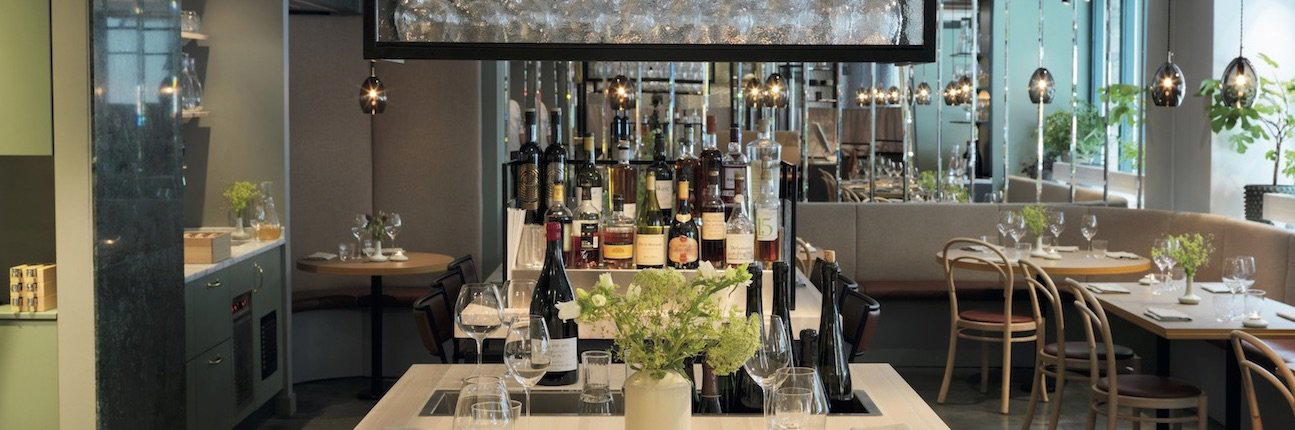
Bars in Stockholm
Browse all →
Details
- Trendy
- Modern
- Lively
- Cozy
- Date Night
- Group Dining
- Casual Hangout
- After Work
- Open Kitchen
- Beer Garden
- Beer Program
- Local Sourcing
- Small Plates
- Tasting Menu
- Craft Beer
Current opening hours
- Monday
- Closed
- Tuesday
- 3–11 PM
- Wednesday
- 3–11 PM
- Thursday
- 3–11 PM
- Friday
- 11:30 AM–12 AM
- Saturday
- 1 PM–12 AM
- Sunday
- Closed
Hours can change for holidays and private events. Last verified .
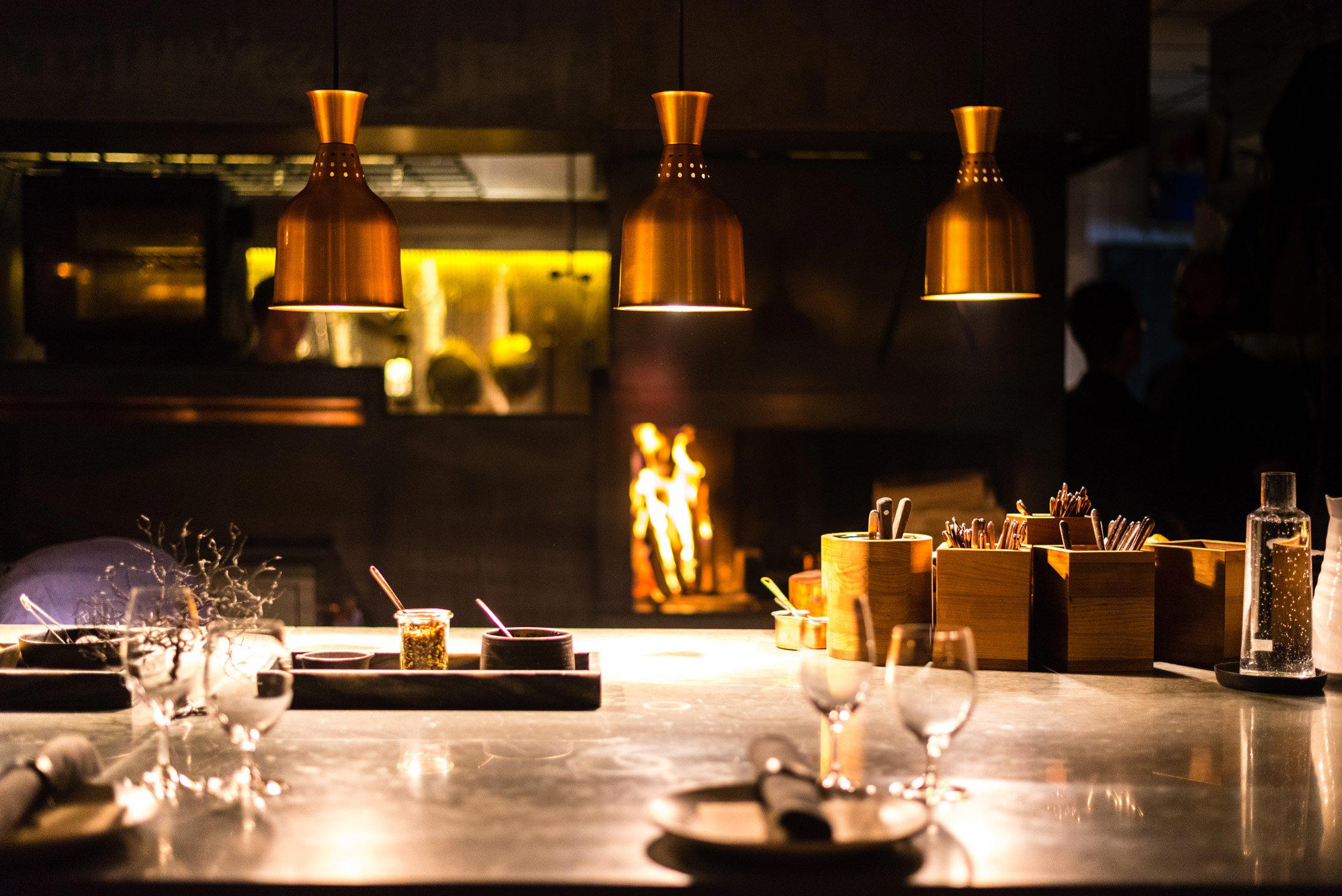
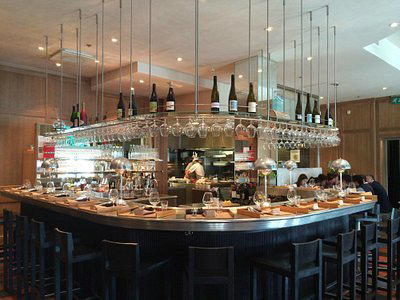
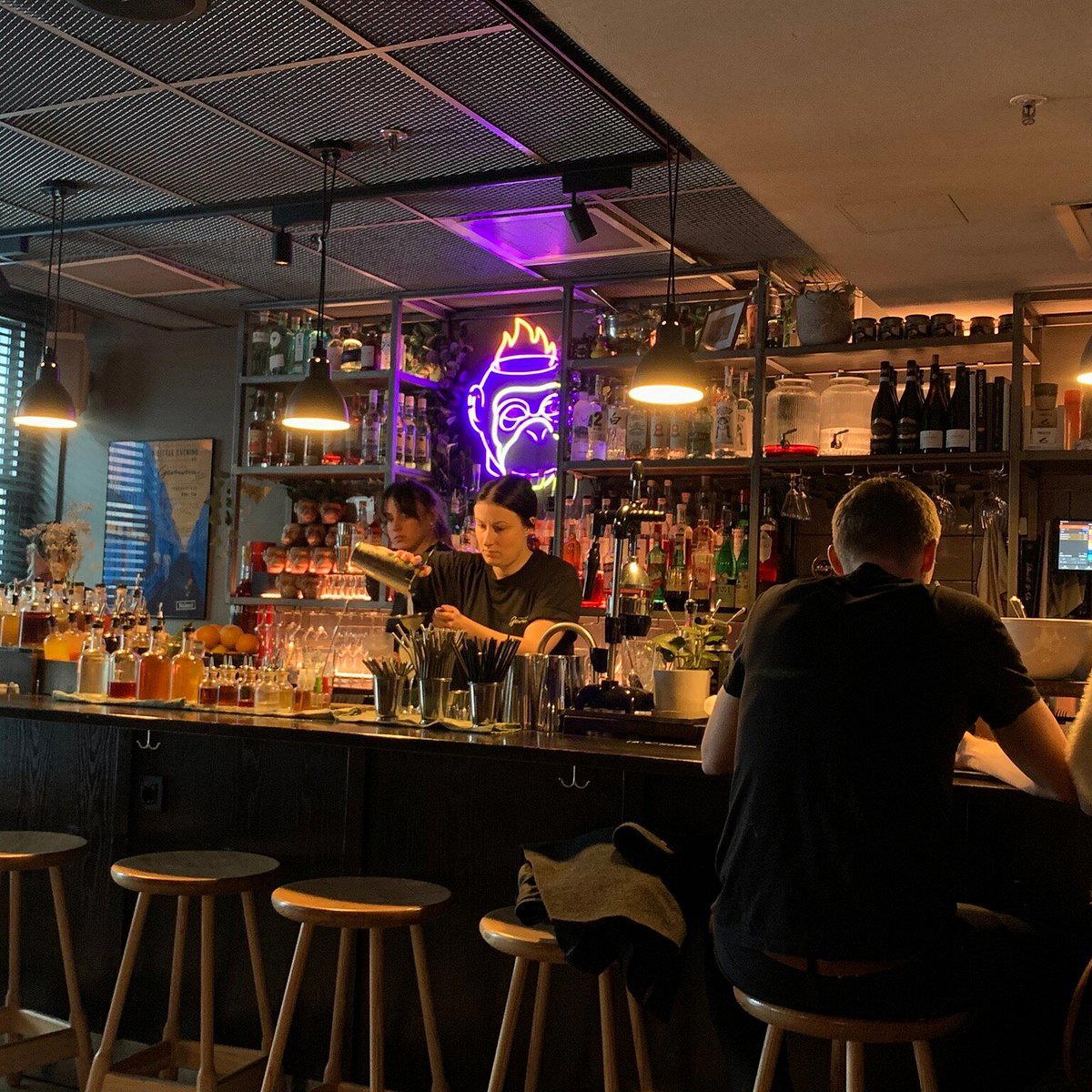
Warm and relaxed atmosphere with large windows overlooking the brewery, good music, and an open kitchen concept.