L'Ancolie
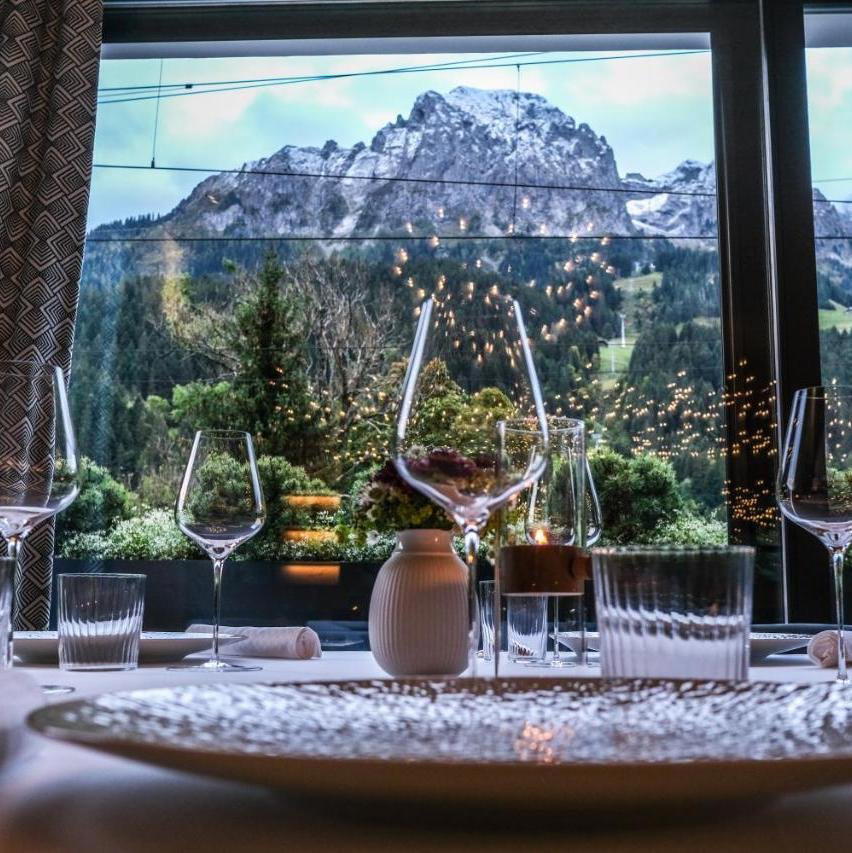
L'Ancolie sits on Route de Solalex in Gryon, a village perched above the Rhône Valley in the Vaudois Alps. In a region where fine dining is typically concentrated in lakeside cities, a serious restaurant at this altitude operates inside a different logic: shorter supply chains, harder-won ingredients, and a setting that frames every meal within the surrounding landscape. For travellers already exploring Switzerland's high-altitude dining circuit, this address warrants attention.
Pearl is the En Primeur Club membership app — saves, bookings, and concierge access live there. Same editors, same standards.
- Address
- Rte de Solalex 68, 1882 Gryon, Switzerland
- Phone
- +41244982233
- Website
- lancoliegryon.com
- Directions
- Get directions
 Saves & bookings on Pearl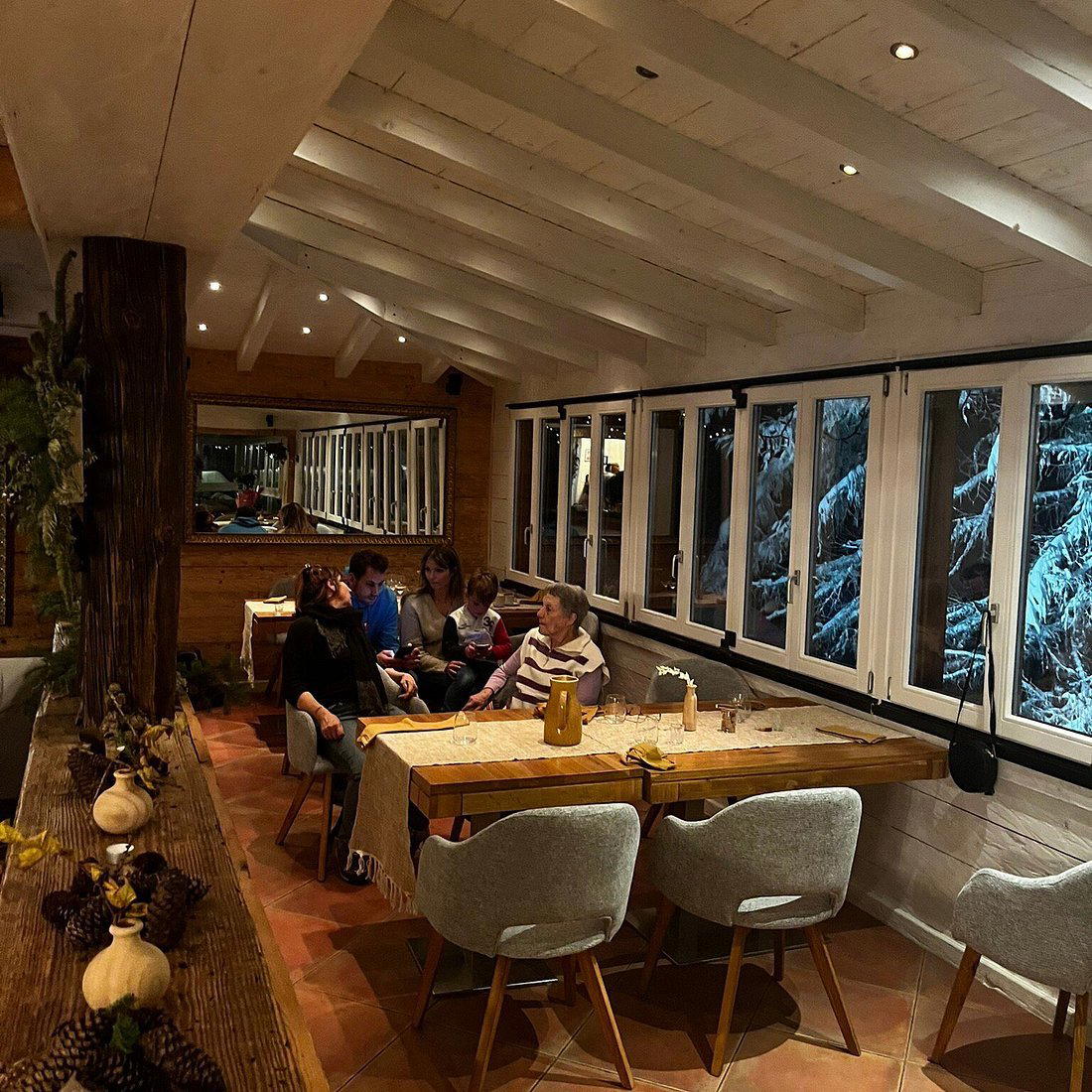
Dining at Altitude: The Alpine Ingredient Argument
Switzerland's most decorated restaurants tend to cluster at lower elevations. Hotel de Ville Crissier anchors the Vaud lakeside, L'Atelier Robuchon operates in Geneva, and La Table du Lausanne Palace holds its position on the urban lakeshore. Gryon, by contrast, sits in the mountains above Aigle at roughly 1,100 metres, and the logic of cooking at that altitude is fundamentally different. Proximity to source is not a marketing phrase here; it is a structural condition. Farms are nearby, wild herbs are accessible on foot, and the seasonal window for many ingredients is shorter and more defined than in the valley below.
This is the framing that makes L'Ancolie, on Route de Solalex, worth reading as something other than a destination curiosity. Mountain restaurants across the Alps have long split between ski-resort convenience dining and a smaller group of serious addresses that use altitude as a genuine constraint and advantage. The ingredient sourcing argument — that cooking in close proximity to raw materials produces food with a different character — is more testable at 1,100 metres than in any city market.
The Gryon Setting and What It Demands
Arriving at Gryon from the valley means either the narrow-gauge Mont-d'Or railway from Bex or the road up from Aigle, a drive that tracks through vineyards before climbing into pine and open pasture. By the time you reach Route de Solalex, the drop in ambient noise and the change in air quality are perceptible. The village is small enough that a restaurant here serves a genuinely local population alongside visitors, which tends to produce a different kind of hospitality than resort dining, where the customer base turns over entirely each week.
That dual audience, local and visiting, shapes what serious alpine restaurants do well. The food has to be worth the journey for someone driving up from Lausanne or Geneva, while also making sense as a regular destination for people who live in the surrounding communes. Memories in Bad Ragaz and 7132 Silver in Vals face a related challenge: both operate in mountain or spa contexts where the restaurant must justify its own visit rather than borrowing footfall from a hotel lobby or urban density.
Ingredient Sourcing at This Elevation
The Vaudois Alps have a credible agricultural tradition. Dairy farming dominates the mid-altitude zones, with Gruyère-style cheeses produced within a short radius. Summer months bring a compressed but diverse growing season, with wild plants, mountain herbs, and the first vegetables of the year arriving in quick succession. A kitchen serious about its sourcing at this address would have access to materials that urban restaurants pay a premium to import: raw milk products, game in season, foraged greens, and valley fruit from the Rhône corridor below.
Across the Swiss alpine dining scene, the restaurants that have built the strongest reputations in mountain settings tend to be the ones that treat regional sourcing not as a secondary credential but as the primary design constraint. Schloss Schauenstein in Fürstenau is the reference point for this approach in the Graubünden: a three-Michelin-star address in a village of a few hundred people, where the kitchen's relationship with local farms and the castle's own gardens defines the menu structure. L'Ancolie operates in a different canton and at a different recognition level, but the underlying logic of cooking close to source in a small alpine commune is comparable.
For travellers coming from Swiss dining hubs, the contrast is instructive. Cheval Blanc by Peter Knogl in Basel, Einstein Gourmet in Sankt Gallen, and Colonnade in Lucerne all operate within urban supply chain reach. The ingredient story at those addresses is about curation and sourcing networks. At an address like L'Ancolie, the story is about proximity: what grows or grazes within a few kilometres of the kitchen, and how the menu is built around those constraints rather than around imported luxury ingredients.
Where L'Ancolie Sits in the Swiss Alpine Dining Circuit
Switzerland's high-altitude dining circuit is smaller than it appears on the map. Removing the resort-hotel dining rooms that serve primarily captive guests leaves a limited number of addresses that function as destination restaurants in mountain settings. focus ATELIER in Vitznau takes the lakeside alpine approach; Magdalena in Schwyz works within a smaller-town Swiss context. IGNIV Zürich by Andreas Caminada exports a mountain-influenced sharing format into the city. L'Ancolie sits in the most rural tier of this group, which makes it harder to reach and, for a specific type of traveller, more compelling because of that.
The Vaud side of the Alps receives less dining attention than the Graubünden or the Bernese Oberland, partly because the concentration of recognised restaurants is lower. For travellers with an existing itinerary that includes Maison Wenger in Le Noirmont or a resort stay near Verbier, the Gryon address sits within a logical arc. The drive from Lausanne is approximately one hour; from Geneva, closer to ninety minutes.
Visitors to the wider western Switzerland dining scene might also frame L'Ancolie as a contrast stop alongside lakeside fine dining. The comparison with international reference points, say, Le Bernardin in New York City for its discipline around sourcing, or Atomix for its counter-format precision, underscores how differently mountain settings shape the cooking proposition. Neither of those addresses operates under the same raw-material constraints as a kitchen in a 1,100-metre village.
Practical logistics at L'Ancolie follow alpine rhythms. The address on Route de Solalex is most accessible between late spring and autumn, when the road conditions and the local growing season align. For the full context of what Gryon and the surrounding Vaudois Alps offer in terms of restaurants and food experiences, see our full Gryon restaurants guide. For the broader Italian-Alpine fine dining register in Switzerland, Da Vittorio in St. Moritz and La Brezza in Ascona sit at opposite ends of the country but illustrate how differently altitude and latitude shape the Swiss dining proposition.
Planning a Visit
Gryon is not a city restaurant destination. The journey from any Swiss urban centre is deliberate, and that deliberateness is part of the value proposition. Visitors who make the drive up from the Rhône Valley or the Lac Léman shore arrive having already committed to an unhurried afternoon. That pre-conditions the meal in a way that no urban restaurant can engineer.
How L'Ancolie Gryon compares with similar nearby venues.
| Venue | Cuisine | Price |
|---|---|---|
| Le Jardin des Alpes | Mediterranean Cuisine | €€€€ |
| Le Café Suisse | Modern Cuisine | €€€€ |
Continue exploring
More in Gryon
Restaurants in Gryon
Browse all →
Bars in Gryon
Browse all →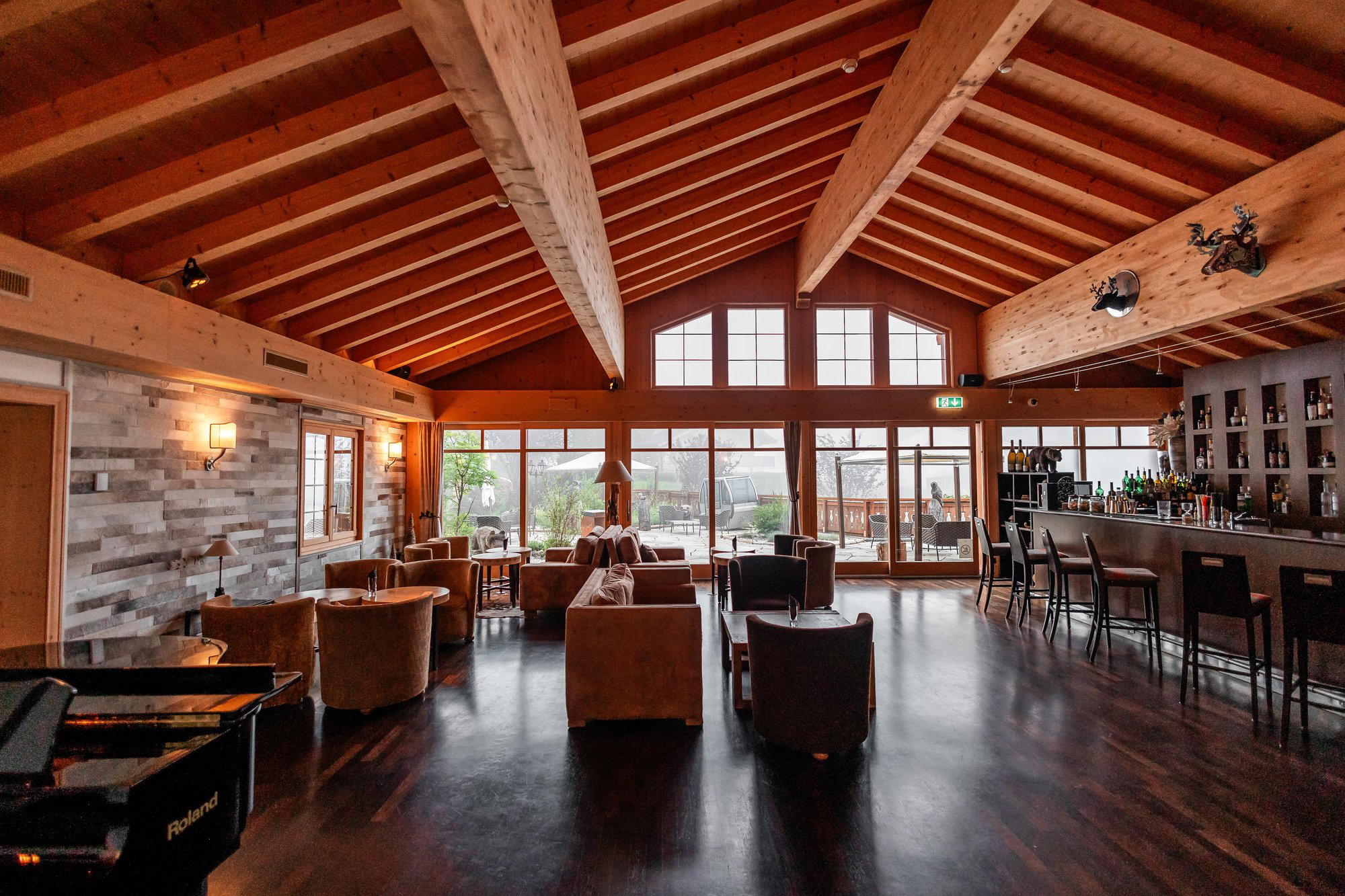
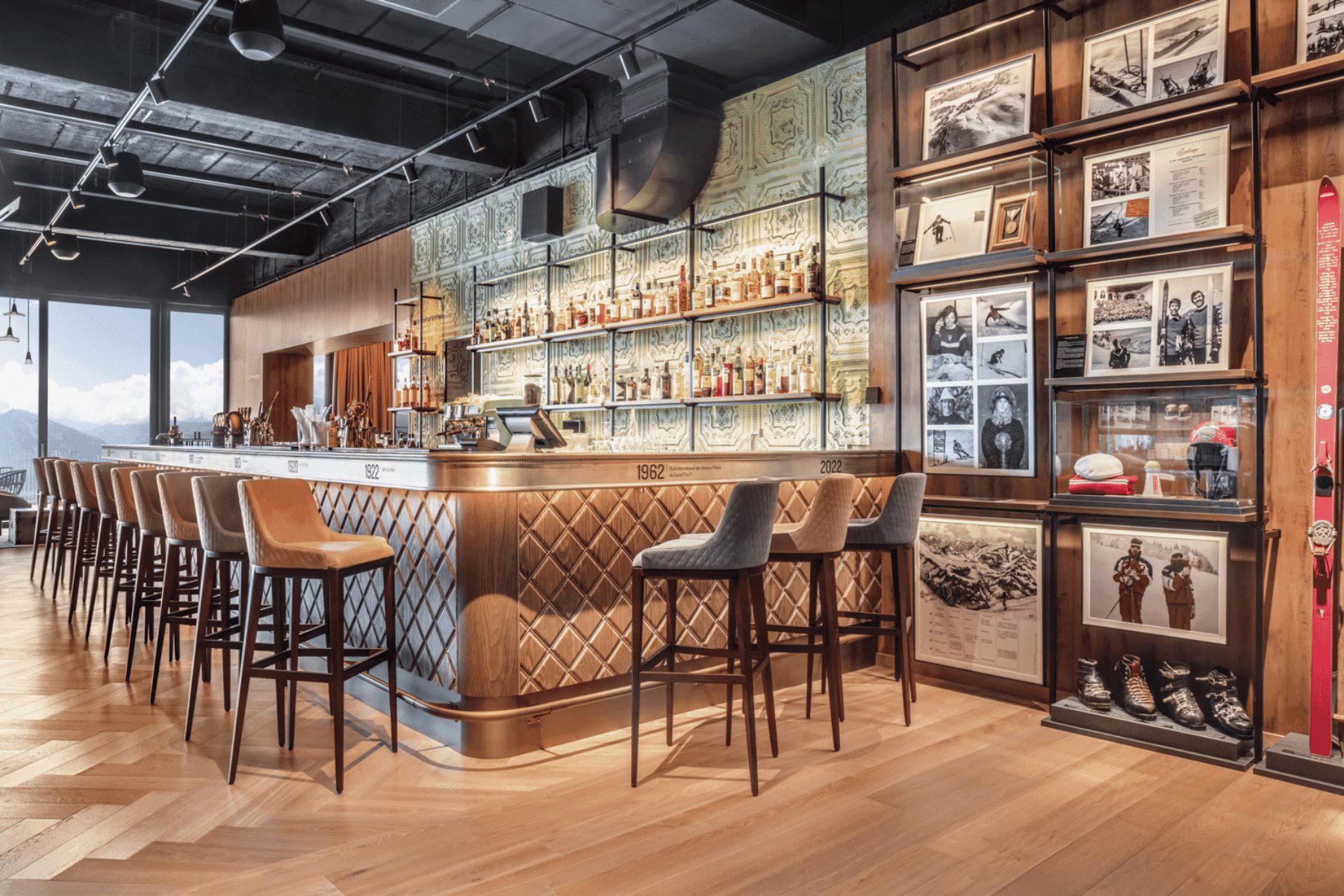
Hotels in Gryon
Browse all →

At a Glance
- Cozy
- Intimate
- Elegant
- Rustic
- Date Night
- Special Occasion
- Open Kitchen
- Natural Wine
- Local Sourcing
- Organic
- Mountain
Current opening hours
- Monday
- Closed
- Tuesday
- Closed
- Wednesday
- 6:30–10:30 PM
- Thursday
- 11:30 AM–2:30 PM, 6:30–10:30 PM
- Friday
- 11:30 AM–2:30 PM, 6:30–10:30 PM
- Saturday
- 11:30 AM–2:30 PM, 6:30–10:30 PM
- Sunday
- 11:30 AM–2:30 PM, 6:30–10 PM
Hours can change for holidays and private events. Last verified .
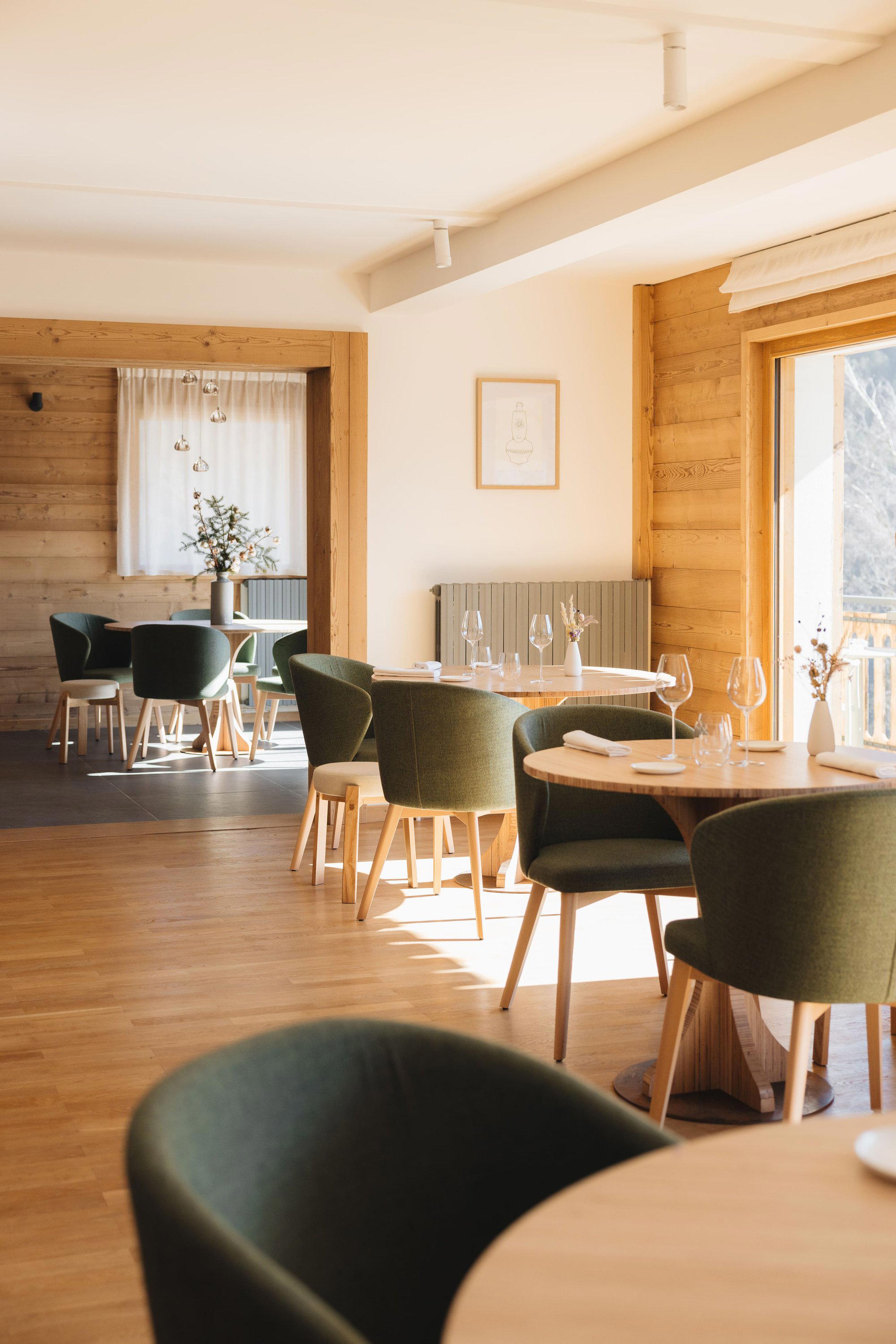
Cozy and warm chalet atmosphere with zen, calm, and soft lighting, praised for its charming and pleasant setting.
Know Before You Go
- Getting there
- Rte de Solalex 68, 1882 Gryon, Switzerland