Quai de l'Ours
In the Entremont valley at the foot of the Swiss Alps, Quai de l'Ours occupies a position on Orsières' Route de la Gare that places it squarely within the tradition of mountain-village dining in the Valais canton. The address connects a working alpine community to a broader Swiss fine-dining circuit that reaches from Geneva to Graubünden, where ingredient provenance and seasonal discipline define the serious kitchens.
Pearl is the En Primeur Club membership app — saves, bookings, and concierge access live there. Same editors, same standards.
- Address
- Rte de la Gare 25, 1937 Orsières, Switzerland
- Phone
- +41275521101
- Website
- terminus-orsieres.ch
- Directions
- Get directions
 Saves & bookings on Pearl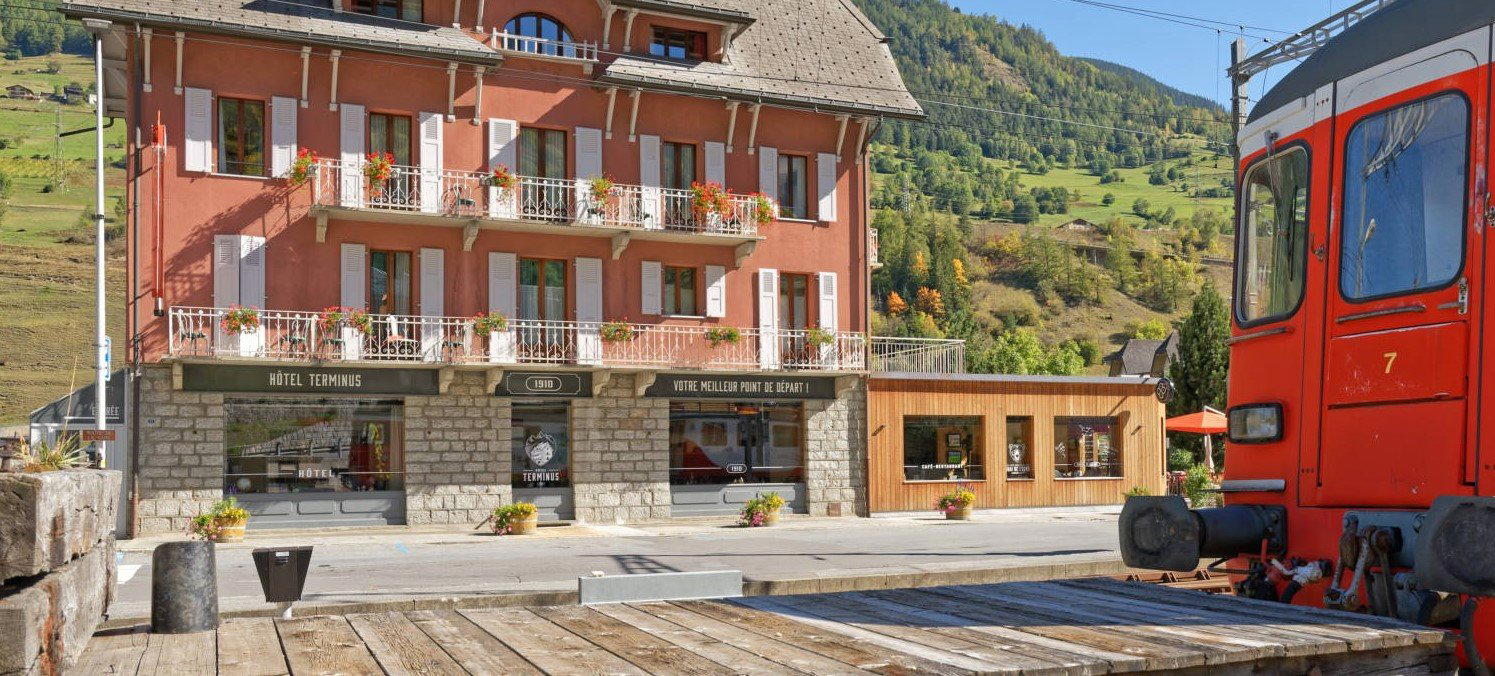
Where the Entremont Valley Meets the Table
The approach to Orsières follows the Dranse de Ferret river south from Martigny, past terraced vineyards and stone-built hamlets that predate the modern road by several centuries. By the time Route de la Gare comes into view, the traveller has already passed through one of the most agriculturally layered corridors in the Valais — a region where altitude, aspect, and centuries of land management produce raw materials that serious kitchens across western Switzerland have long drawn from. Quai de l'Ours sits in this context, on an address that connects the village railway station to the older fabric of the town, at the junction between transit and community that defines many of the most grounded dining addresses in alpine Switzerland.
Orsières itself occupies a strategic position in the Val Ferret and Entremont, serving as the last substantial settlement before the road splits toward the Grand-Saint-Bernard Pass and the Champex-Lac plateau. That geography matters at the table. Kitchens here operate with access to high-altitude dairy, mountain herbs, and livestock traditions that are geographically specific to the Valais in ways that lowland restaurants cannot replicate through import alone. The seasonal rhythm of the valley is not an abstraction — it is a practical constraint that shapes what arrives on a plate and when.
Ingredient Sourcing in the Valais Tradition
Swiss alpine dining has developed a distinct sourcing logic over the past two decades, moving away from the classical French model of centralised supply chains toward hyperlocal procurement that treats altitude and microclimate as competitive advantage. The Valais sits at the centre of this shift. The canton produces raclette and Bagnes cheese with AOC protection, dry-cured meats under the Viande séchée du Valais label, and orchard fruit from the Rhône plain at lower elevations. A kitchen positioned in Orsières draws on multiple vertical bands of production within a short radius: dairy from high chalets, root vegetables and cereals from the valley floor, wild herbs from slopes above the tree line in summer months.
This sourcing geography connects Orsières restaurants to a pattern visible across the Swiss mountain dining circuit. At Schloss Schauenstein in Fürstenau in Graubünden, the kitchen operates a documented estate-supply model that treats the surrounding landscape as a direct larder. At Memories in Bad Ragaz and focus ATELIER in Vitznau, Modern Swiss cooking uses alpine provenance as both a practical foundation and an editorial position, communicating place through what arrives on the table rather than through décor or narrative alone. A Valais address like Quai de l'Ours operates within the same logic, where the village location is an argument about sourcing before it is anything else.
Switzerland's restaurant geography is unusually distributed for a country of its size. Michelin coverage extends well beyond the urban centres of Zurich and Geneva into smaller cantons and mountain communities, creating a tier of serious kitchens in low-population addresses that would be commercially marginal in other European markets. The Swiss willingness to drive or train significant distances for a single meal has sustained this distribution, and the alpine village dining category is strong enough to support distinct regional styles rather than a homogenised national format.
In the Francophone west, the cooking tradition leans toward French technique adapted to local ingredient vocabulary, a pattern visible at La Table du Lausanne Palace in Lausanne, Maison Wenger in Le Noirmont, and the benchmark address of Hotel de Ville Crissier in Crissier. The Valais, sitting at the intersection of French and Italian linguistic and culinary influence, occupies an interesting middle position: its kitchens draw from both traditions while being anchored by ingredients that neither tradition fully claimed before Swiss regional cooking found its contemporary confidence.
For readers building a broader Swiss itinerary, the contrast is instructive. In a village like Orsières, the sourcing narrative carries more weight precisely because the surrounding environment makes it legible without explanation. You are sitting in the valley the ingredients came from. That is a different kind of authority. See our full Orsieres restaurants guide for additional context on the local dining scene.
Planning Your Visit
Orsières is accessible by train from Martigny on the Mont-Blanc Express line, a connection that serves both day visitors and those routing through the valley toward Chamonix or the Italian border at Aosta. The village is also a starting point for summer hiking toward Champex-Lac and a staging post for winter access to the La Fouly ski area, meaning that Quai de l'Ours sits on a natural itinerary for multiple visitor profiles rather than functioning as a dedicated dining destination in isolation. Route de la Gare 25 places it directly adjacent to the station, reducing the logistical friction that mountain-village dining sometimes imposes. Visitors combining the restaurant with a broader Valais circuit might sequence it alongside the vineyards of Fully or Leytron to the north, where the Rhône plain's lower-altitude production offers a counterpoint to the high-altitude ingredients on the Orsières table. For readers interested in other alpine dining rooms at similar distances from major transport corridors, 7132 Silver in Vals and Da Vittorio - St. Moritz in St. Moritz represent the destination-dining model at its most developed, where the restaurant is the reason for the journey rather than a stop within one.
Readers looking to extend the Swiss mountain dining circuit further will find relevant comparisons at Colonnade in Lucerne, Einstein Gourmet in Sankt Gallen, Magdalena in Schwyz, and La Brezza in Ascona, each representing a distinct regional inflection of the same national tendency toward grounded, provenance-led cooking. International reference points for this style of sourcing rigour, applied at higher price tiers, include L'Atelier Robuchon in Geneva, Le Bernardin in New York City, and Atomix in New York City, where ingredient integrity and kitchen discipline operate at the highest documented levels of recognition.
How Quai de l'Ours Orsieres compares with similar nearby venues.
| Venue | Cuisine | Price |
|---|---|---|
| Au 1465 | French Contemporary | €€€ |
Continue exploring
More in Orsieres
Restaurants in Orsieres
Browse all →
Bars in Orsieres
Browse all →
Hotels in Orsieres
Browse all →
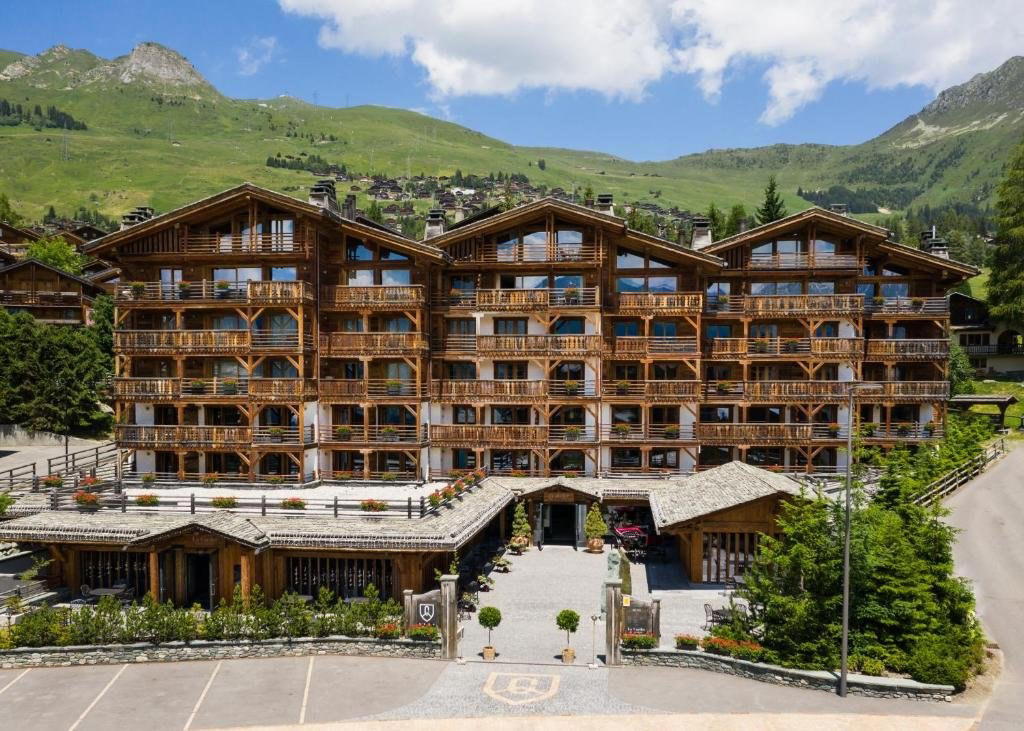
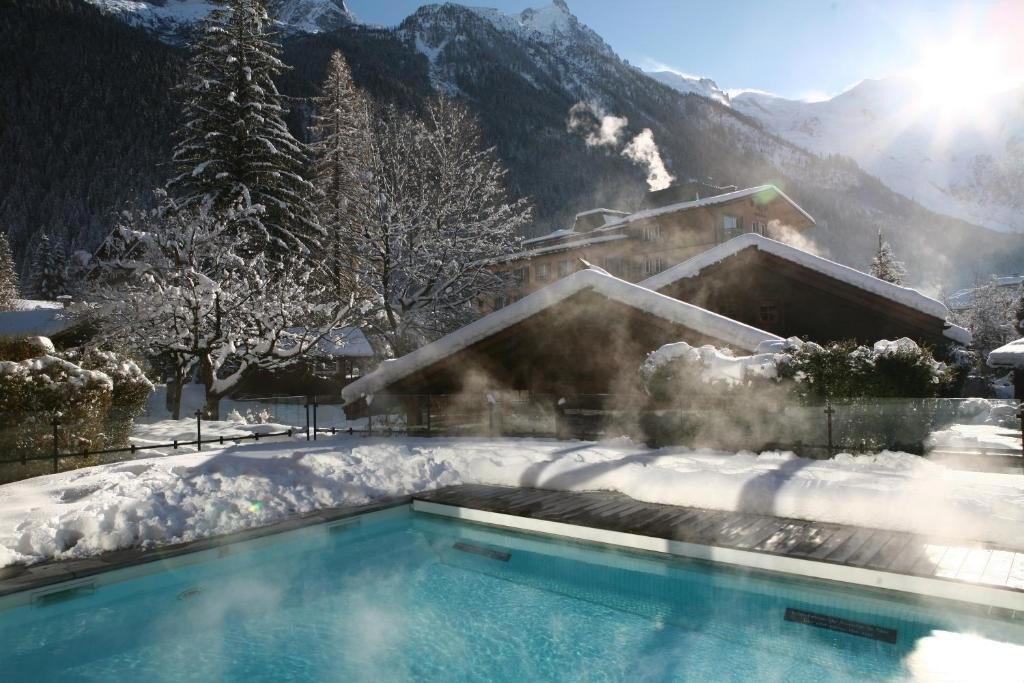
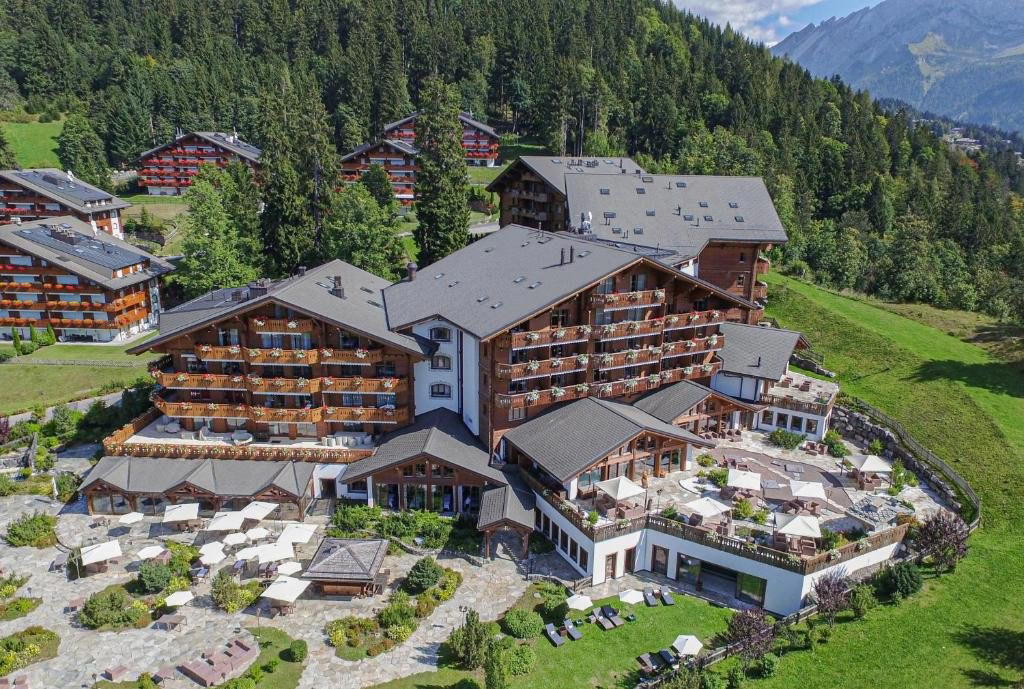
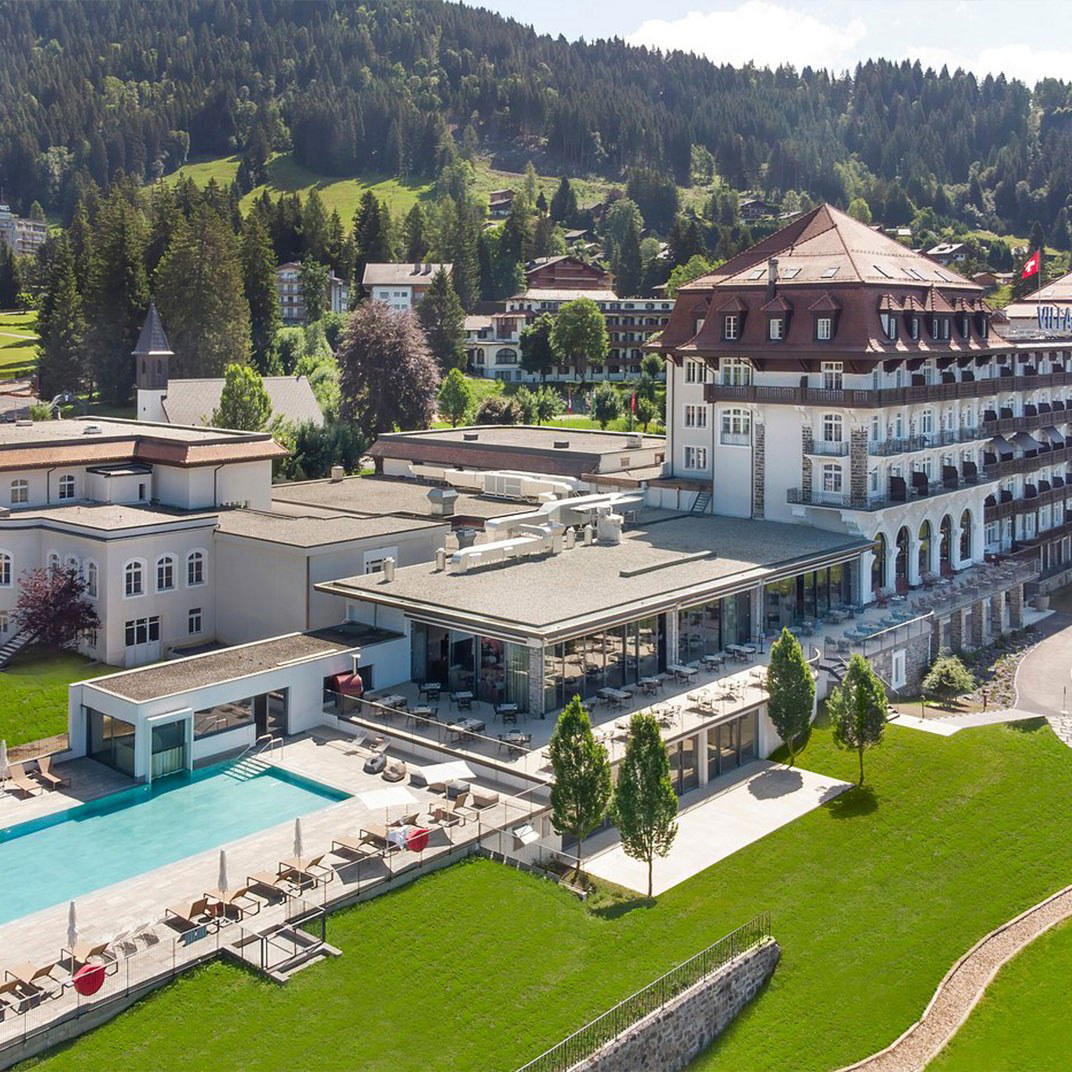

At a Glance
- Cozy
- Rustic
- Lively
- Family
- Casual Hangout
- Terrace
- Hotel Restaurant
- Local Sourcing
Current opening hours
- Monday
- 6 AM–11 PM
- Tuesday
- 6 AM–11 PM
- Wednesday
- 6 AM–11 PM
- Thursday
- 6 AM–11 PM
- Friday
- 6 AM–12 AM
- Saturday
- 6 AM–12 AM
- Sunday
- 7 AM–11 PM
Hours can change for holidays and private events. Last verified .
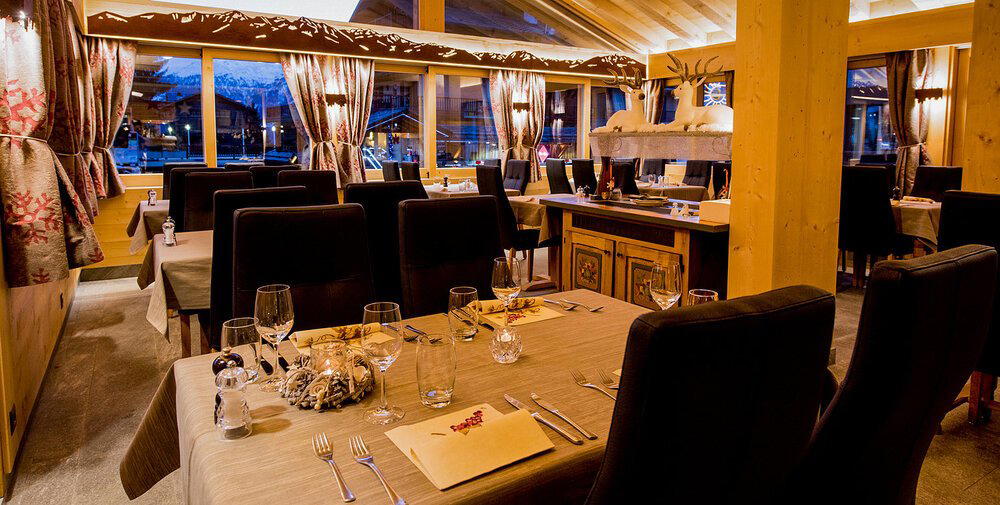
Warm, convivial, and authentic with cozy, intimate spaces in 'La Table de l'Ours' and a modern brasserie vibe.
Know Before You Go
- Getting there
- Rte de la Gare 25, 1937 Orsières, Switzerland