Laghman Express

Our verdict
A Bensonhurst storefront operating at the intersection of Central Asian culinary traditions, Laghman Express serves hand-pulled noodles, cumin lamb, manti dumplings, and freshly fried baursak to a dining room where Uyghur, Uzbek, Kazakh, and Tajik languages converge.

Pearl is the En Primeur Club membership app, where members save venues, book tables and use the concierge.
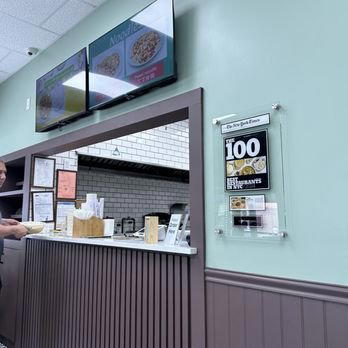
Where Central Asia Lands in Brooklyn
The culinary geography of the Silk Road does not resolve neatly at any single border. Uyghur, Uzbek, Kazakh, and Tajik kitchens share overlapping vocabularies of hand-pulled dough, slow-cooked lamb, and spice combinations that predate the nation-states that now claim them. That convergence is exactly what Bensonhurst's 20th Avenue delivers, and Laghman Express is its most concentrated expression. The small storefront at 6201 20th Ave sits inside one of Brooklyn's quieter immigrant corridors, far from the dining coverage that tracks Manhattan openings or follows Atomix tasting menus and Le Bernardin seafood into the review cycle. That distance is not a liability. It is, in fact, the condition that keeps this kind of cooking honest.
The Silk Road on a Storefront Scale
Central Asian food arrived in New York through successive waves of diaspora, Soviet-era emigres, post-independence economic migrants, and more recent arrivals displaced by political conditions in Xinjiang. Each wave brought kitchen knowledge: the Uyghur technique of hand-pulling wheat noodles into long, elastic strands; the Uzbek tradition of steamed manti dumplings filled with lamb and onion; the Kazakh custom of frying baursak, small dough pillows that belong to the same family as a beignet, though the lineage runs through the steppe rather than the French Quarter. At Laghman Express, all of those traditions share a menu and, according to the dining room's reported atmosphere, share a room with speakers of the languages that produced them.
This is not fusion in the contemporary sense. No one here is recontextualising cumin lamb through a European fine-dining lens the way that chefs at Eleven Madison Park or Per Se might apply global ingredients to a French structural framework. The cooking is referential in a different direction: backward, toward source. The cumin is earthy rather than perfumed, the lamb is given time, and the chile-garlic oil that sits on each table is dark and serious, deployed by the diner rather than the kitchen, which is a meaningful distinction. The meal belongs to you once it arrives.
The Noodle as Cultural Document
Hand-pulled noodles, laghman, the dish the restaurant names itself after, are the interpretive key to the entire menu. The technique of pulling wheat dough into continuous strands without cutting is shared across Central and East Asia, and the debate over whether it originated in China, Central Asia, or somewhere in between has never been settled to anyone's satisfaction. What is settled is that each tradition inflects the noodle differently: in Uyghur cooking, laghman typically arrives under a stir-fried or braised topping of lamb, bell pepper, tomato, and heavy spicing, with the noodle as a vehicle for absorption rather than a delicate object of attention in itself.
That philosophy is legible at 6201 20th Ave. The recommended pairing of hand-pulled noodles with cumin lamb is not a guidebook shortcut; it reflects a structural truth about how the dish functions. The cumin's earthiness and the lamb's fat need something with enough body to carry them, and a properly pulled noodle, thick with chew, does that work. The chile-garlic oil adjusts the heat register at the table, which means every bowl is calibrated by the person eating it.
Manti and Baursak: The Wider Table
The hand-pulled noodle is the anchor, but the menu's range is the argument. Manti dumplings place Laghman Express in a lineage that runs from Turkish mantı through Uzbek and Kazakh variations to Mongolian buuz, each version distinguishable by fold technique, filling ratio, and cooking method. The steamed Uyghur-style manti tend toward a thicker wrapper and a filling that is loose enough to retain juice during steaming, which requires a different eating posture than the more delicate dumplings that dominate dim sum conversations in Manhattan's Chinatown or Flushing's Cantonese restaurants.
Baursak sits at the other end of the textural register: fried dough, immediate and direct, served hot. Its cousins exist across cultures that had access to rendered fat and wheat flour, which is to say most cultures with pastoral traditions. The beignet comparison holds structurally, though the baursak's flavour profile is less sweet, more neutral, and designed to accompany rather than conclude. Ordering it here is less about dessert than about understanding how Central Asian hospitality uses bread and fried dough as a gesture of welcome.
Bensonhurst's Position in New York's Dining Geography
New York's serious restaurant conversation spends most of its column inches on a triangle bounded by Tribeca, the Flatiron, and the Upper West Side, with extensions to the East Village and occasional field trips to Long Island City or Williamsburg. Bensonhurst appears rarely in that conversation, which tracks its immigrant-community character rather than its culinary depth. The neighbourhood has historically housed Italian-American families alongside newer arrivals from China and, increasingly, Central Asia. The result is a commercial strip on 20th Avenue that sells hand-pulled noodles two doors from a dim sum counter, which is the kind of adjacency that produces real eating cities.
For context: the price of a meal at Masa in Columbus Circle runs into hundreds of dollars per person for a counter experience that prizes formal restraint. The cooking at Laghman Express operates at a completely different economic register and with entirely different priorities. Both are serious expressions of a culinary tradition; neither makes the other redundant. New York's strength as a dining city is precisely that both exist within the same subway network. Our full New York City restaurants guide maps that range in detail, and the hotels guide, bars guide, and experiences guide provide the surrounding context for planning a visit.
Planning Your Visit
The table below situates Laghman Express against a cross-section of New York City restaurants by price tier and booking requirement, as a practical reference for how this meal fits into a broader trip.
| Venue | Price Tier | Booking Required | Cuisine Tradition |
|---|---|---|---|
| Laghman Express | $ (walk-in neighbourhood spot) | No reservation expected | Uyghur / Central Asian |
| Atomix | $$$$ | Advance booking essential | Modern Korean |
| Le Bernardin | $$$$ | Advance booking essential | French, Seafood |
| Eleven Madison Park | $$$$ | Advance booking essential | French, Vegan |
| Per Se | $$$$ | Advance booking essential | French, Contemporary |
| Masa | $$$$ | Advance booking essential | Sushi, Japanese |
Laghman Express is located at 6201 20th Ave, Brooklyn, NY 11204, in Bensonhurst. The D train to 20th Avenue station is the most direct subway connection from Manhattan. No phone or website is listed in the available record; visiting directly is the reliable approach.
For those travelling beyond New York on a broader US circuit, the same register of serious regional cooking appears at Emeril's in New Orleans, while the fine-dining end of the American spectrum runs through Lazy Bear in San Francisco, Alinea in Chicago, The French Laundry in Napa, SingleThread Farm in Healdsburg, and Providence in Los Angeles. For international reference points in the premium tier, 8½ Otto e Mezzo Bombana in Hong Kong and Alain Ducasse at Louis XV in Monte Carlo anchor that conversation. The New York City wineries guide is useful for those extending the trip into the state's wine regions.
Frequently asked questions
What should I order at Laghman Express?
Start with the hand-pulled noodles. The pairing with cumin lamb is the structural centre of the menu: the lamb's fat and spice load require a noodle with enough body to carry it, and the dark chile-garlic oil on the table lets you calibrate heat yourself. Beyond that, the manti dumplings are worth ordering to understand how the Central Asian steamed-dumpling tradition differs from its East Asian relatives, and the baursak, fried dough, immediate and neutral, rounds out a meal that covers the full range of what this kitchen does.
Is Laghman Express reservation-only?
No reservation system is recorded in the available venue data, and the storefront format and neighbourhood context suggest walk-in dining is the normal mode of arrival. This places it in a different planning category from New York's tasting-menu restaurants, where booking windows of weeks or months are standard. The practical implication: timing your visit for off-peak hours is more relevant than securing a table in advance.
Budget and Context
Comparable venues nearby, for context on price, style, and recognition.
| Venue | Cuisine | Price | Awards | Notes |
|---|---|---|---|---|
| Laghman ExpressThis venue (the venue you are viewing) | Uyghur Hand-Pulled Noodles | $10–20 | Not listed | Not listed |
| Deluxe Green Bo | Shanghainese Dumplings | $10–20 | Not listed | Chinatown-Two Bridges, Shanghainese Dumplings |
| Chongqing Lao Zao | Authentic Chongqing Hot Pot | $30–50 | New York Times Best Restaurants in New York City | Flushing-Willets Point, Authentic Chongqing Hot Pot |
| Joe's Ginger | Shanghai Soup Dumplings | $10–20 | Not listed | Chinatown-Two Bridges, Shanghai Soup Dumplings |
| Hao Noodle and Tea by Madam Zhu's Kitchen | Modern Chinese Noodles & Tea | $30–50 | Not listed | Chelsea-Hudson Yards, Modern Chinese Noodles & Tea |
| Lan Sheng | Authentic Szechuan | $20–30 | Not listed | Sunset Park (Central), Authentic Szechuan |
Recognition history
Dated appearances from independent guides and award organizations, with the underlying list record or original source where available.
New York Times Best Restaurants in New York City #65
New York Times
Full recognition history (2 entries)
New York Times Best Restaurants in New York City
New York Times
Continue exploring
More in New York City
Restaurants in New York City
All restaurants in New York City →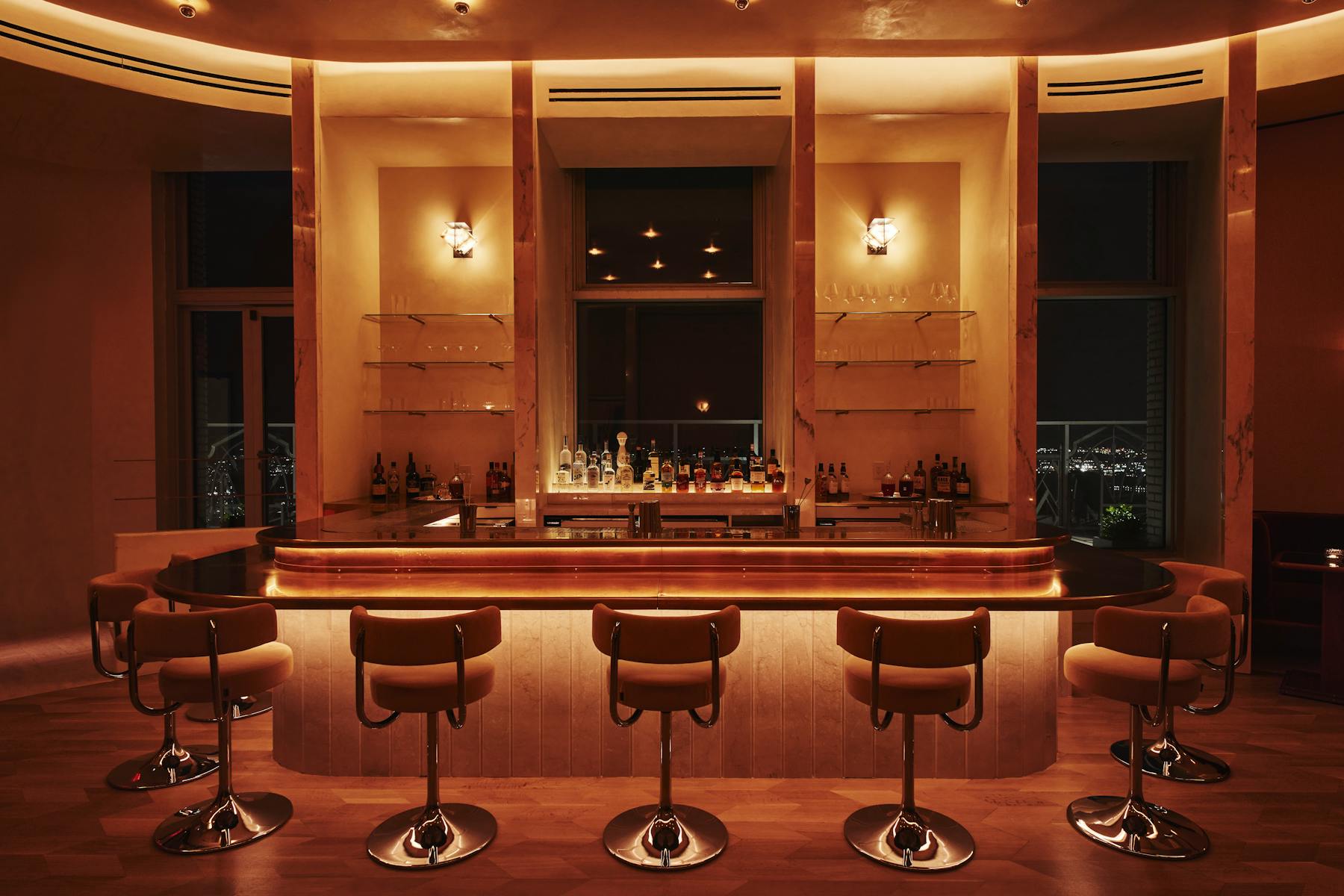
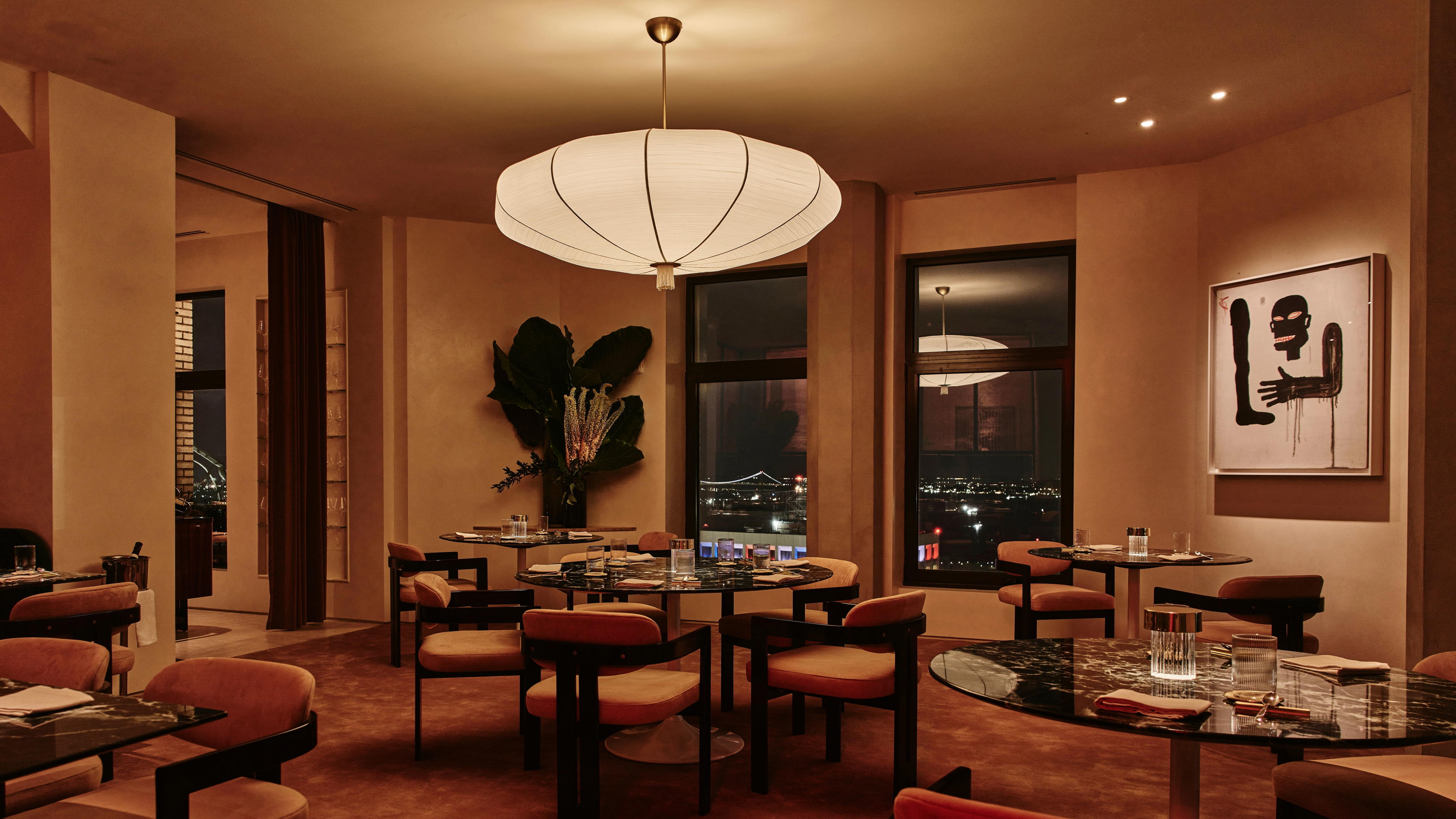
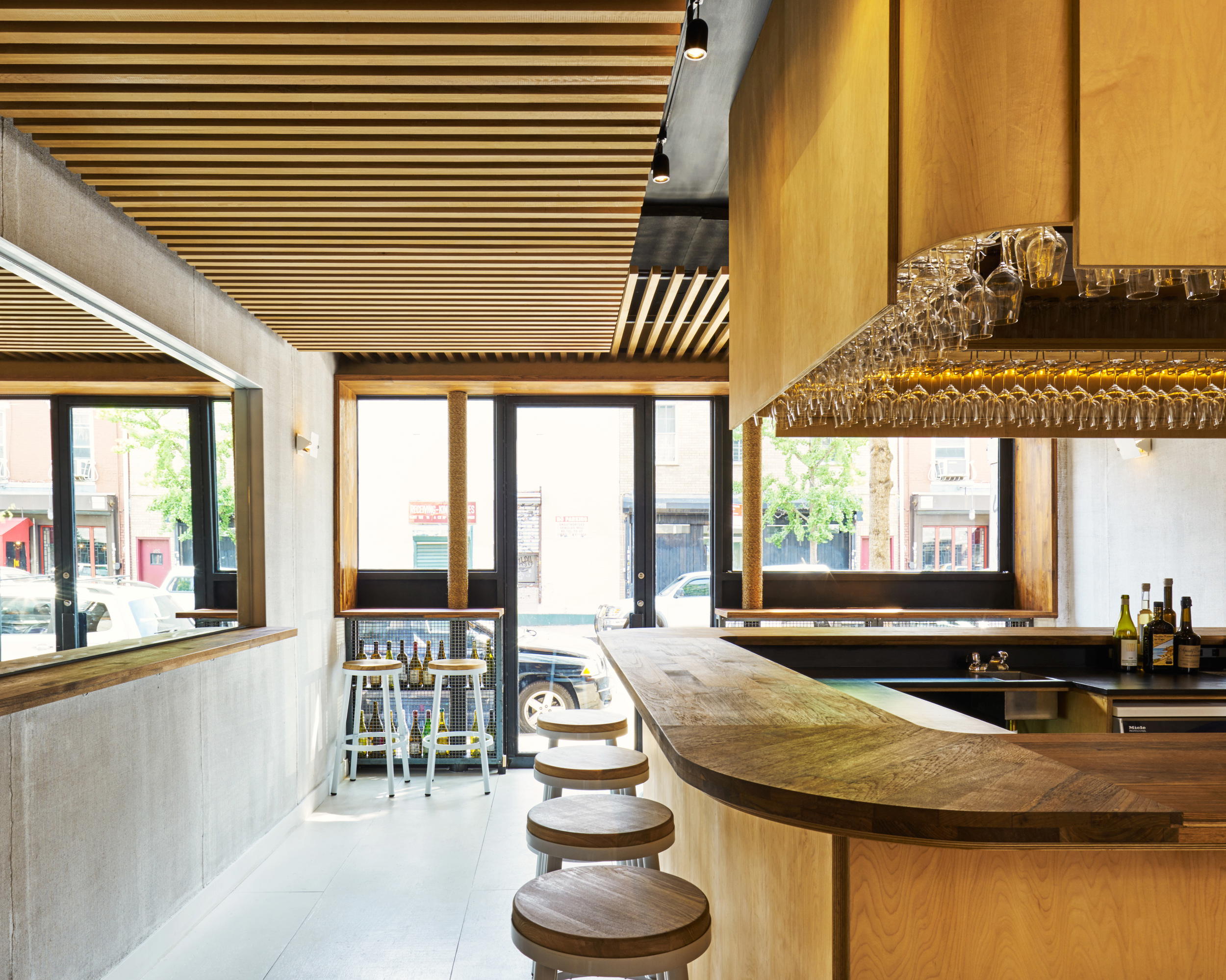
Bars in New York City
All bars in New York City →



Details
- Cozy
- Modern
- Casual Hangout
- Group Dining
- Open Kitchen
- A La Carte
Current opening hours
- Monday
- 11 AM–9 PM
- Tuesday
- 11 AM–9 PM
- Wednesday
- 11 AM–9 PM
- Thursday
- 11 AM–9 PM
- Friday
- 11 AM–9 PM
- Saturday
- 11 AM–9 PM
- Sunday
- 11 AM–9 PM
Hours can change for holidays and private events. Hours as of .
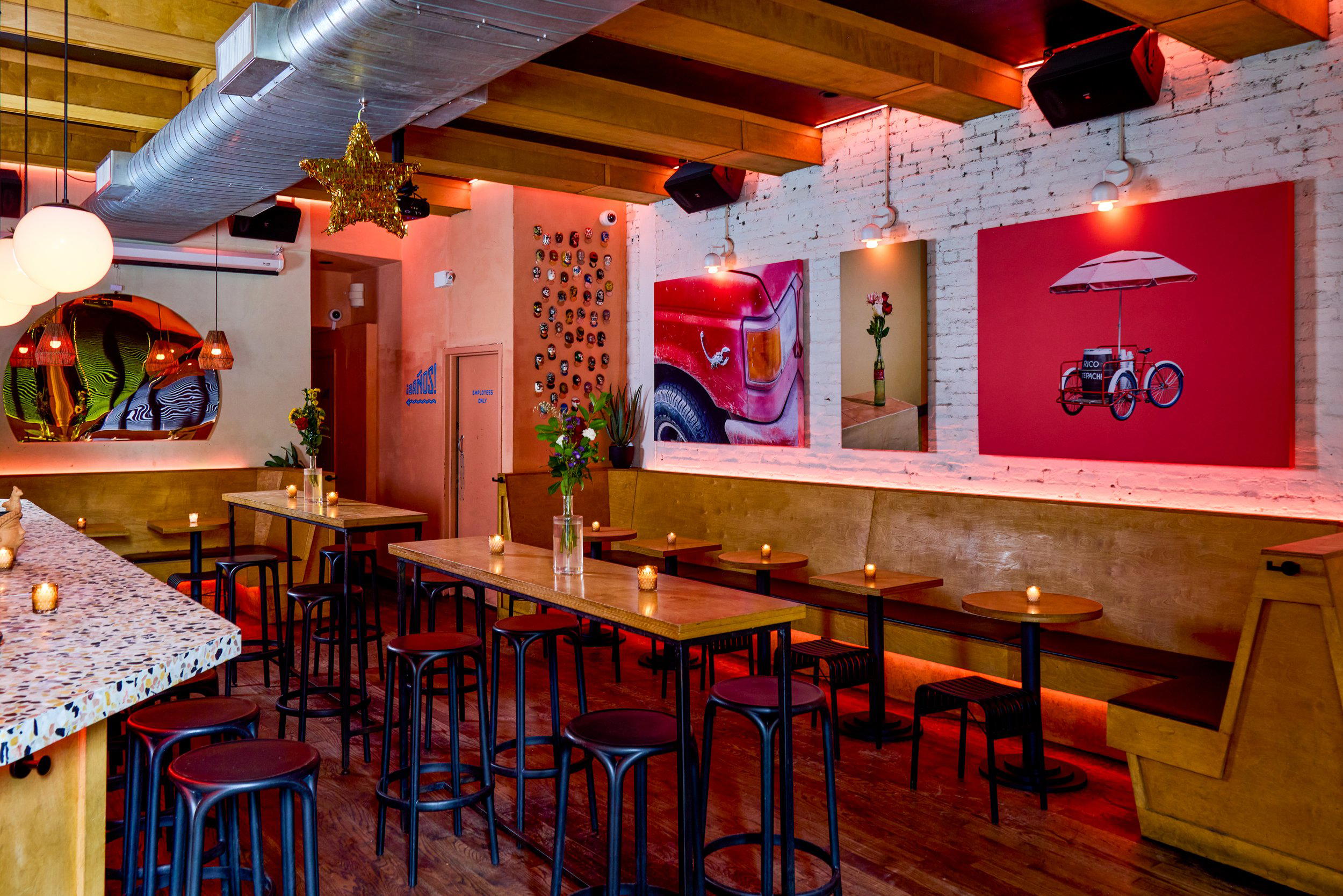
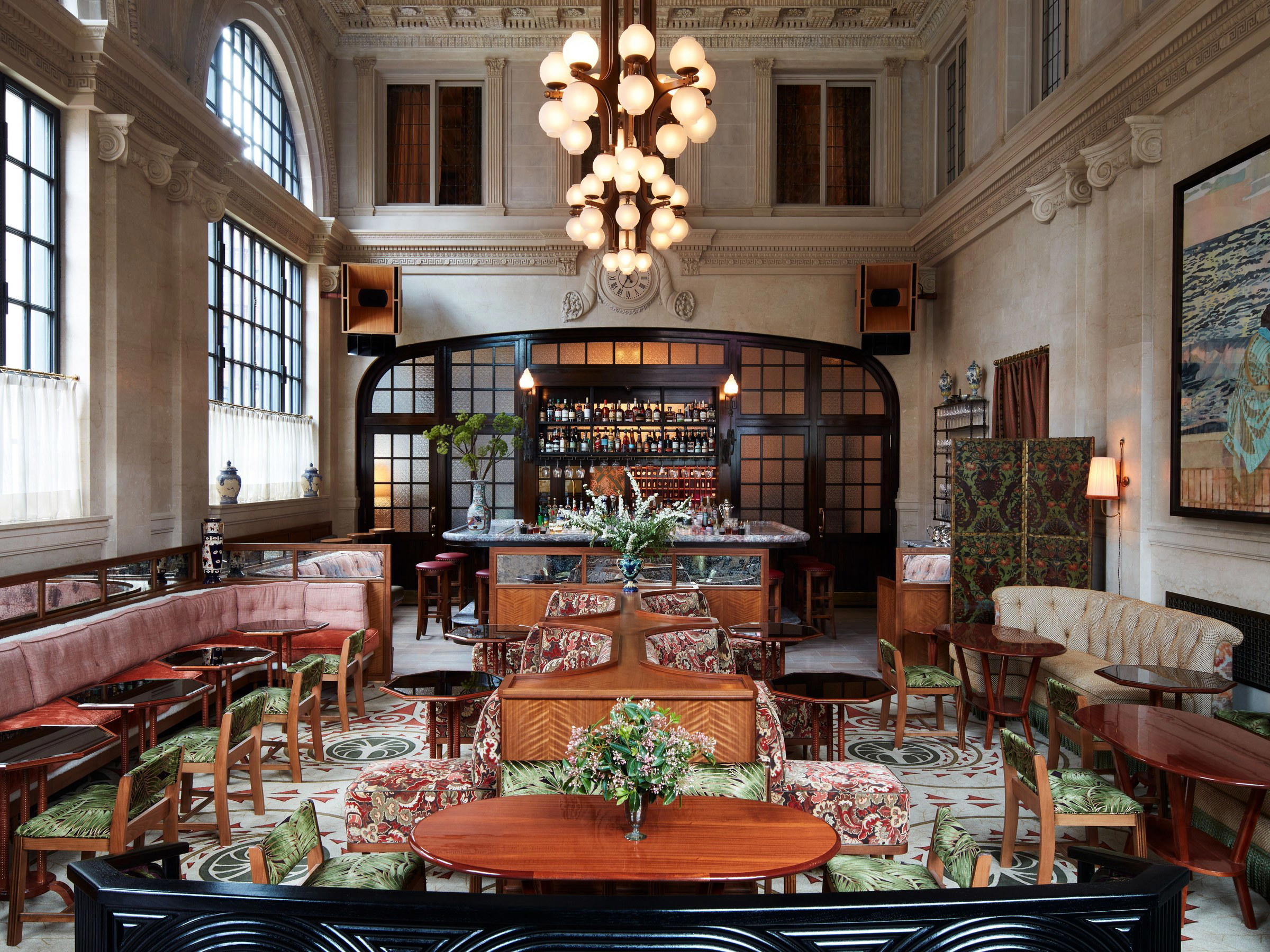
Bright, sunny, and comfortably appointed with handsome banquettes, snazzy tile floors, and open kitchen behind ordering counter.