La Zarza
La Zarza occupies a spot on Plaza Rodríguez Marín, one of Alcalá de Henares's quieter civic squares, where the dining culture tends toward ingredient-led cooking rooted in the Castilian tradition. The address places it within walking distance of the university quarter, where the pace of the city slows and restaurants compete less on spectacle than on the quality of what lands on the plate.
Pearl is the En Primeur Club membership app — saves, bookings, and concierge access live there. Same editors, same standards.
- Address
- Pl. Rodríguez Marín, 3, 28801 Alcalá de Henares, Madrid, Spain
- Phone
- +34658902904
- Website
- gastrobarlazarza.com
- Directions
- Get directions
 Saves & bookings on Pearl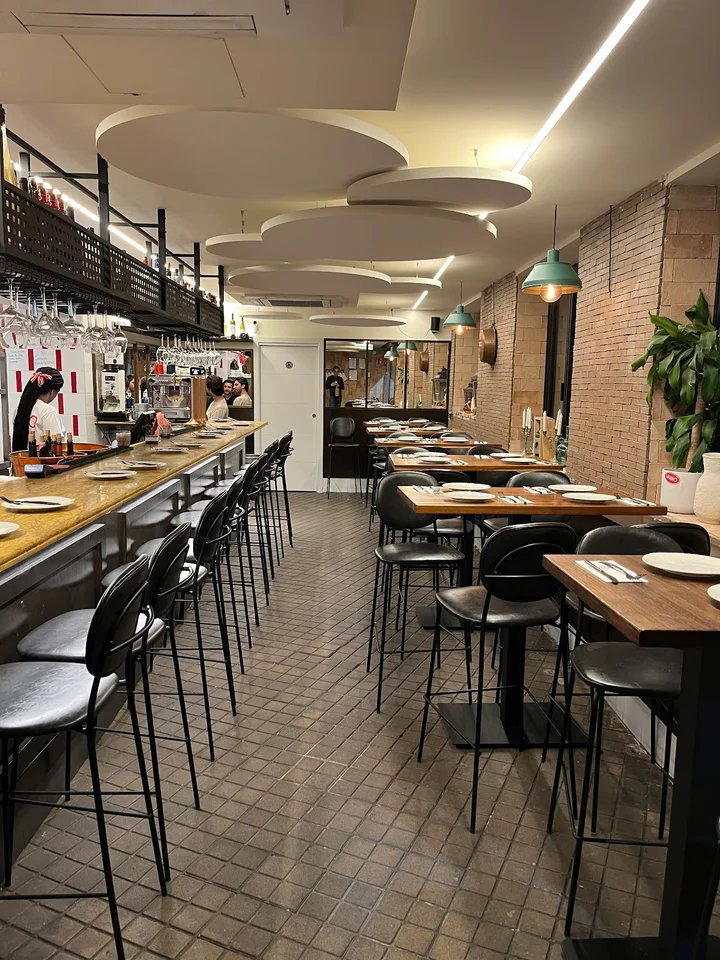
A Square That Sets the Tone
Alcalá de Henares operates on a different register from Madrid, twenty-odd kilometres to the southwest. The UNESCO-listed university city has its own rhythm: stone colonnades, a historic centre that still functions as a lived neighbourhood, and a restaurant culture that, at its most considered, draws on Castilian and Manchegan ingredients rather than chasing the capital's tasting-menu arms race. Plaza Rodríguez Marín, where La Zarza sits at number three, is part of that quieter civic fabric. Arriving here, you are walking into a square where the architecture does the atmospheric work and the restaurant's role is to match the setting's seriousness. You are arriving at a square where the architecture does the atmospheric work and the restaurant's role is to match the setting's seriousness.
That contrast with Madrid matters for understanding where Alcalá's dining sits within the broader Spanish context. Cities like San Sebastián, where Arzak and Martin Berasategui in Lasarte-Oria anchor the Basque fine-dining axis, or Girona, where El Celler de Can Roca defines a generational approach to Catalan cooking, represent one end of Spain's restaurant spectrum. Alcalá represents something else: a secondary city with a genuine culinary identity that does not need to perform for international recognition to justify its restaurants. La Zarza occupies that space on Plaza Rodríguez Marín.
Castilian Sourcing and What It Implies
The ingredient traditions of the Castilian meseta are specific and, for anyone paying attention, deeply instructive. This is a region built on legumes, cured pork, lamb from the high plateau, and vegetables shaped by a continental climate that produces intense summer heat and cold winters. The cooking that emerges from those conditions is not delicate in the French sense; it is direct, built for depth rather than subtlety, and reliant on sourcing quality because the preparations are rarely complex enough to mask inferior produce.
Restaurants working within this tradition are, in effect, making a sourcing argument every time they serve a dish. The lechazo, the cocido, the cured jamón: each of these depends on provenance in a way that, say, a sauce-forward cuisine does not. It is a framework that has parallels elsewhere in Spain, from Quique Dacosta's work with Valencian coastal ingredients in Dénia to Ricard Camarena's vegetable-led approach in València, though the Castilian version operates with less institutional attention and more regional self-sufficiency.
La Zarza's address within Alcalá places it in a city that has historically been a market hub for the surrounding Henares corridor, drawing agricultural produce from the Guadalajara highlands and the lower Tajo basin. That geography is relevant context for any restaurant serious about what it sources, even if the day-to-day expression of that sourcing is not always visible to the diner from the outside.
Where La Zarza Sits in Alcalá's Dining Pattern
Alcalá de Henares has a small but coherent restaurant scene that splits, roughly, between heritage Spanish cooking and newer addresses experimenting with format. Eximio by Fernando Martín represents the contemporary end of that split, operating at a €€ price point with a modern Castilian approach. Jamón y Vino Alcalá anchors the traditional end, centred on cured product and wine. Alcaravea Garena and Restaurante Ambigú fill different niches within that middle ground, as does Acropolis Express at a more casual register.
The restaurant's position on Plaza Rodríguez Marín suggests a mid-range to traditional positioning, the kind of address where the room's age and the square's civic weight set expectations for cooking that respects local tradition without needing to reinvent it. For visitors coming from Madrid, that distinction is worth holding onto. The capital has DiverXO for theatrical ambition and many expense-account tasting menus. Alcalá, at its most honest, offers something closer to the cooking that the surrounding region has always produced. The restaurant appears to operate in that register.
The Broader Spain Context: Why Secondary Cities Matter
Spain's restaurant conversation has, for two decades, concentrated on a handful of reference points: the Basque Country, Catalonia, Valencia, and Madrid. The restaurants that draw international attention, from Mugaritz in Errenteria to Azurmendi in Larrabetzu to Aponiente in El Puerto de Santa María and Cocina Hermanos Torres in Barcelona, operate within well-mapped critical frameworks. Secondary cities like Alcalá rarely appear in those frameworks, not because the cooking is inferior, but because the critical infrastructure simply does not travel that far from the established nodes.
That gap creates a particular kind of restaurant: one that answers to its local community rather than to international guides, where reputation is built over years through neighbourhood consistency rather than press campaigns. The restaurant, with its address on a residential square in an old university city, fits that profile. The cooking it represents, if it is doing its job, should feel like it belongs to Alcalá rather than to a broader trend. That is not a limitation. In the current moment, when restaurants from Le Bernardin in New York to Atomix are competing on origin stories and sourcing narratives, a restaurant that simply knows where its lamb comes from and cooks it well occupies a defensible and undervalued position.
Planning a Visit
Alcalá de Henares is reached from Madrid by Cercanías commuter rail in roughly thirty-five minutes from Atocha, making it a practical half-day or full-day excursion rather than a dedicated trip in itself. The restaurant sits at Plaza Rodríguez Marín, 3, close enough to the historic centre that visitors can combine lunch with a walk through the university quarter and the calle Mayor arcades. For current opening hours, reservation policy, and menu availability, contacting the venue directly is advised.
How It Stacks Up
Comparable venues nearby, for context on price, style, and recognition.
| Venue | Cuisine | Price | Notes |
|---|---|---|---|
| La ZarzaThis venue — the venue you are viewing | Modern Spanish Tapas | $$ | Not listed |
| Restaurante Ambigú | Modern Spanish Tapas | $$ | main square |
| Jamón y Vino Alcalá | Traditional Spanish Tapas | $$ | Alcalá de Henares |
| Alcaravea Garena | Modern Spanish Market Cuisine | $$ | Garena |
| RIBS | True American Barbecue | $$ | Alcalá de Henares |
| Acropolis Express | Greek Street Food | $ | zona universitaria |
Continue exploring
More in Alcala De Henares
Restaurants in Alcala De Henares
Browse all →
Bars in Alcala De Henares
Browse all →
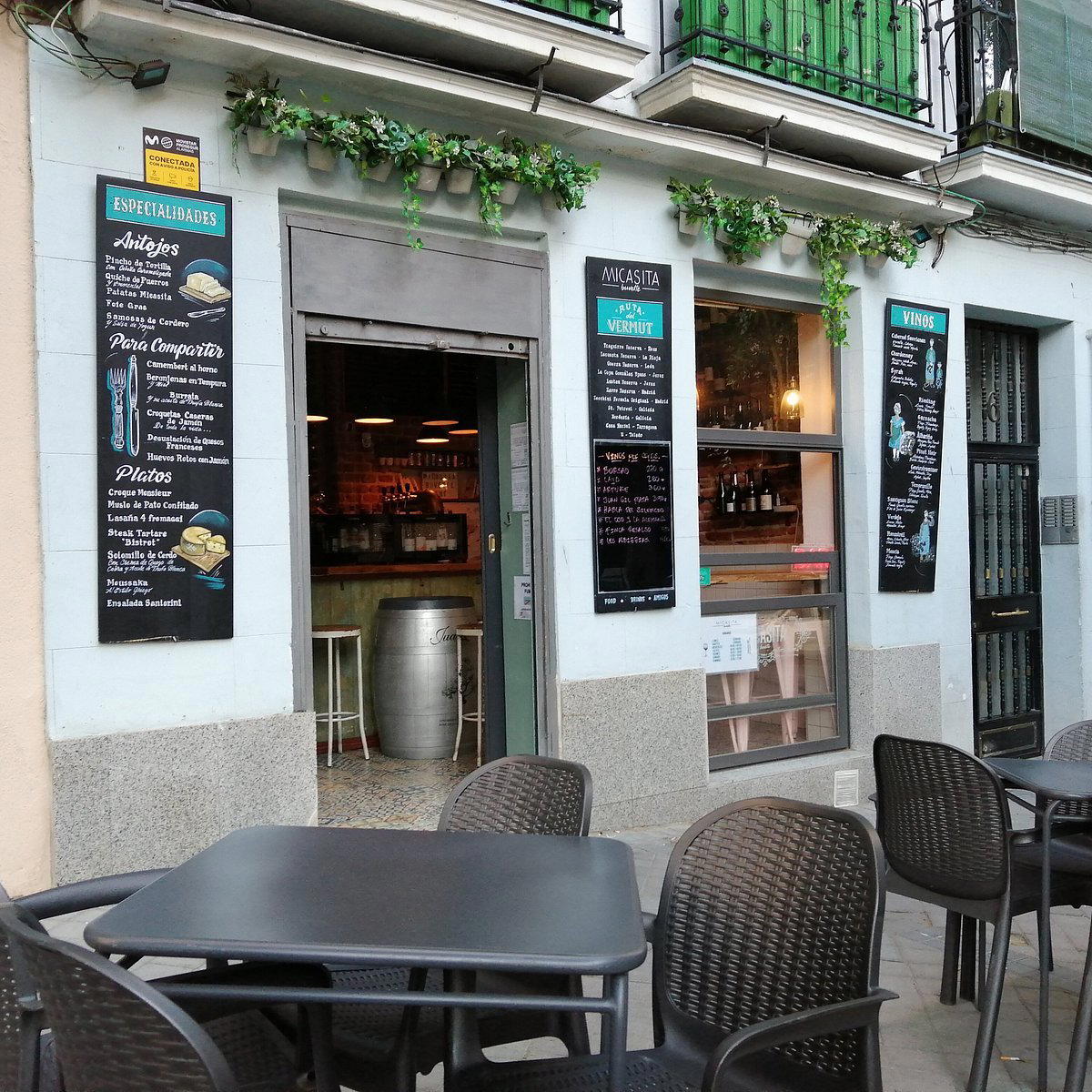

At a Glance
- Cozy
- Lively
- Date Night
- Group Dining
- Casual Hangout
- Terrace
- Open Kitchen
- Extensive Wine List
- Street Scene
Current opening hours
- Monday
- 1–5 PM, 8 PM–12 AM
- Tuesday
- Closed
- Wednesday
- Closed
- Thursday
- 1–5 PM, 8 PM–12 AM
- Friday
- 1–5 PM, 8 PM–12 AM
- Saturday
- 1–5 PM, 8 PM–12 AM
- Sunday
- 1–5 PM, 8 PM–12 AM
Hours can change for holidays and private events. Last verified .
Relaxed and pleasant atmosphere with attentive service.