Jamón y Vino Alcalá
On Calle de Santiago in the heart of Alcalá de Henares, Jamón y Vino Alcalá anchors itself in one direct expression of Spanish bar culture: cured ham, honest wine, and no detours. It occupies the kind of space that defines a neighbourhood's daily rhythm rather than its special-occasion calendar. For visitors moving through Cervantes's birthplace, this is where the city's Castilian food identity is stated most plainly.
Pearl is the En Primeur Club membership app — saves, bookings, and concierge access live there. Same editors, same standards.
- Address
- C. de Santiago, 26, 28801 Alcalá de Henares, Madrid, Spain
- Phone
- +34649419098
- Website
- restaurante.covermanager.com
- Directions
- Get directions
 Saves & bookings on Pearl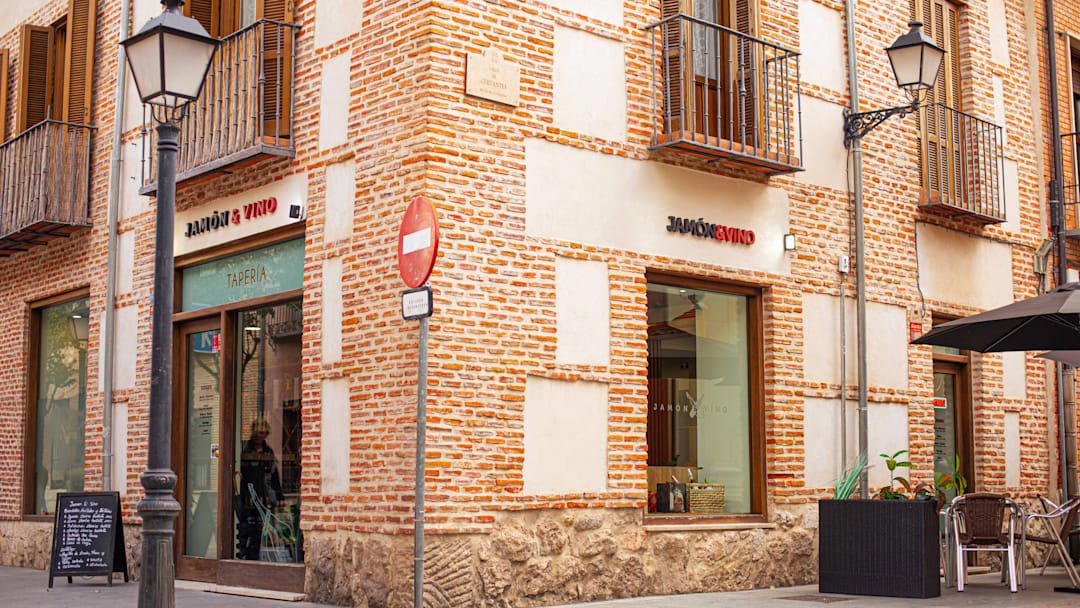
Where Calle de Santiago Reads Like a Menu
Alcalá de Henares is a university city with a long memory. Its streets were laid out before Madrid became a capital, and its eating habits carry that same unhurried confidence. Along Calle de Santiago, the bars and tabernas follow a format that has barely needed updating in decades: cured pork, local wine poured without ceremony, and tables that turn slowly because nobody is in a rush. Jamón y Vino Alcalá is a casual Traditional Spanish Tapas restaurant at C. de Santiago, 26, 28801 Alcalá de Henares, Madrid, Spain. Jamón y Vino Alcalá sits on this street at number 26, operating squarely within that tradition rather than against it.
The name is a declaration of intent. In Spanish bar culture, jamón and vino are not a concept or a theme, they are the baseline. A place that names itself after these two things is not being clever; it is being honest about what it does and who it is for. That directness is itself a position in a dining scene that increasingly accommodates contemporary formats and imported influences. Alcalá has its own contemporary reference points: Eximio by Fernando Martín operates at the city's more ambitious end, and places like Restaurante Ambigú and Alcaravea Garena represent mid-tier variety. Jamón y Vino Alcalá is not competing with any of them. It occupies a different register entirely.
The Castilian Bar as Cultural Form
To understand what a place like this does, it helps to understand what the Spanish bar actually is. Across Castile and the wider meseta, the bar has functioned for generations as a social equaliser: a room where students, professors, market traders, and retired civil servants share the same counter space and roughly the same bill. The Spanish Constitution was drafted in a climate shaped by precisely these kinds of rooms, informal, egalitarian, productive in the way that only unscheduled conversation can be.
Jamón ibérico, at the centre of this culture, is not simply a luxury product. It is the product of an entire ecological and agricultural system: the dehesa, the acorn-fed pata negra pig, the long curing process in mountain air. The leading jamón de bellota spends a minimum of 36 months in the bodega before it reaches the slicer. In a bar setting, that product is consumed without theatre, cut at the counter, placed on a plate, eaten standing or perched on a high stool. The absence of ceremony is precisely the point. Spain's most acclaimed restaurants, from El Celler de Can Roca in Girona to DiverXO in Madrid, have built entire tasting menus around the idea that Spanish ingredients deserve maximum attention. The taberna tradition argues the opposite: that the ingredient is already the event.
What the Address Signals
Calle de Santiago is one of Alcalá's pedestrian arteries, running through the historic core near the university buildings and the Magistral Cathedral. The foot traffic here is consistent rather than tourist-heavy, which means the clientele at any bar on this street includes a meaningful proportion of regulars. That dynamic shapes how a place like Jamón y Vino Alcalá operates. It is not calibrated for the one-time visitor looking for a photo opportunity; it is calibrated for the person who will be back next week.
For those visiting Alcalá as a day trip from Madrid, the city is roughly 35 kilometres northeast of the capital and accessible by commuter rail from Atocha or Chamartín in under 40 minutes, this kind of venue is actually the more instructive stop. Spain's internationally celebrated culinary output, from Arzak in San Sebastián to Mugaritz in Errenteria, emerges from a culture with exactly this kind of unremarkable, load-bearing bar at its base. The taberna is not a precursor to fine dining; it is a parallel form that has run continuously alongside it.
How to Use This Venue
The format here aligns with standard Spanish bar practice. You arrive, you order from whatever is on offer, you eat at the counter or at a small table, and you leave when you are done. There is no tasting menu logic, no progression of courses, no sommelier consultation. The wine will be local or regional, poured in simple glasses, and it will be priced accordingly. The jamón will be the centrepiece. Other tapas from the Castilian canon, tortilla, croquetas, embutidos from the central plateau, will fill out the offering.
La Zarza and Acropolis Express represent different points in the city's range. For anyone building an afternoon itinerary in the old quarter, the restaurant works well as an early stop, before the university buildings, before the Cervantes museum, or as a closing bracket at the end of the day. It does not require a reservation. Walk-in is the expected mode. maps the wider picture if you are planning a longer visit.
from the molecular ambition of Quique Dacosta in Dénia and Azurmendi in Larrabetzu to the product-first rigour of Aponiente in El Puerto de Santa María and the seasonal focus of Ricard Camarena in València. At the other end of the spectrum, not in quality terms, but in format terms, sit the bars and tabernas that make up the daily infrastructure of Spanish eating. The restaurant belongs to that infrastructure.
Planning Your Visit
Alcalá de Henares is served by Cercanías line C-2 and C-7 from central Madrid, making the journey feasible as a half-day excursion. The historic centre is compact and walkable from the train station. Calle de Santiago sits within easy reach of the main sights. Because the restaurant operates in the taberna format, it follows the rhythms of Spanish daily eating: busiest at midday and in the early evening aperitivo window. Reservations are recommended.
Booking and Cost Snapshot
Comparable venues nearby, for context on price, style, and recognition.
| Venue | Cuisine | Price | Notes |
|---|---|---|---|
| Jamón y Vino AlcaláThis venue — the venue you are viewing | Not listed | $$ | Not listed |
| Restaurante Ambigú | main square, Modern Spanish Tapas | $$ | Not listed |
| Acropolis Express | zona universitaria, Greek Street Food | $ | Not listed |
| La Zarza | Plaza de Cervantes, Modern Spanish Tapas | $$ | Not listed |
| RIBS | Not listed | $$ | Alcalá de Henares, True American Barbecue |
| Alcaravea Garena | Garena, Modern Spanish Market Cuisine | $$ | Not listed |
Continue exploring
More in Alcala De Henares
Restaurants in Alcala De Henares
Browse all →
Bars in Alcala De Henares
Browse all →


At a Glance
- Romantic
- Classic
- Cozy
- Casual Hangout
- Date Night
- Group Dining
- Historic Building
- Terrace
- Local Sourcing
Current opening hours
- Monday
- Closed
- Tuesday
- 1–4 PM, 7–10 PM
- Wednesday
- 1–4 PM, 7–10 PM
- Thursday
- 1–4 PM, 6–11 PM
- Friday
- 1–4 PM, 6 PM–12 AM
- Saturday
- 1–4 PM, 6 PM–12 AM
- Sunday
- 1–4 PM, 6–11 PM
Hours can change for holidays and private events. Last verified .
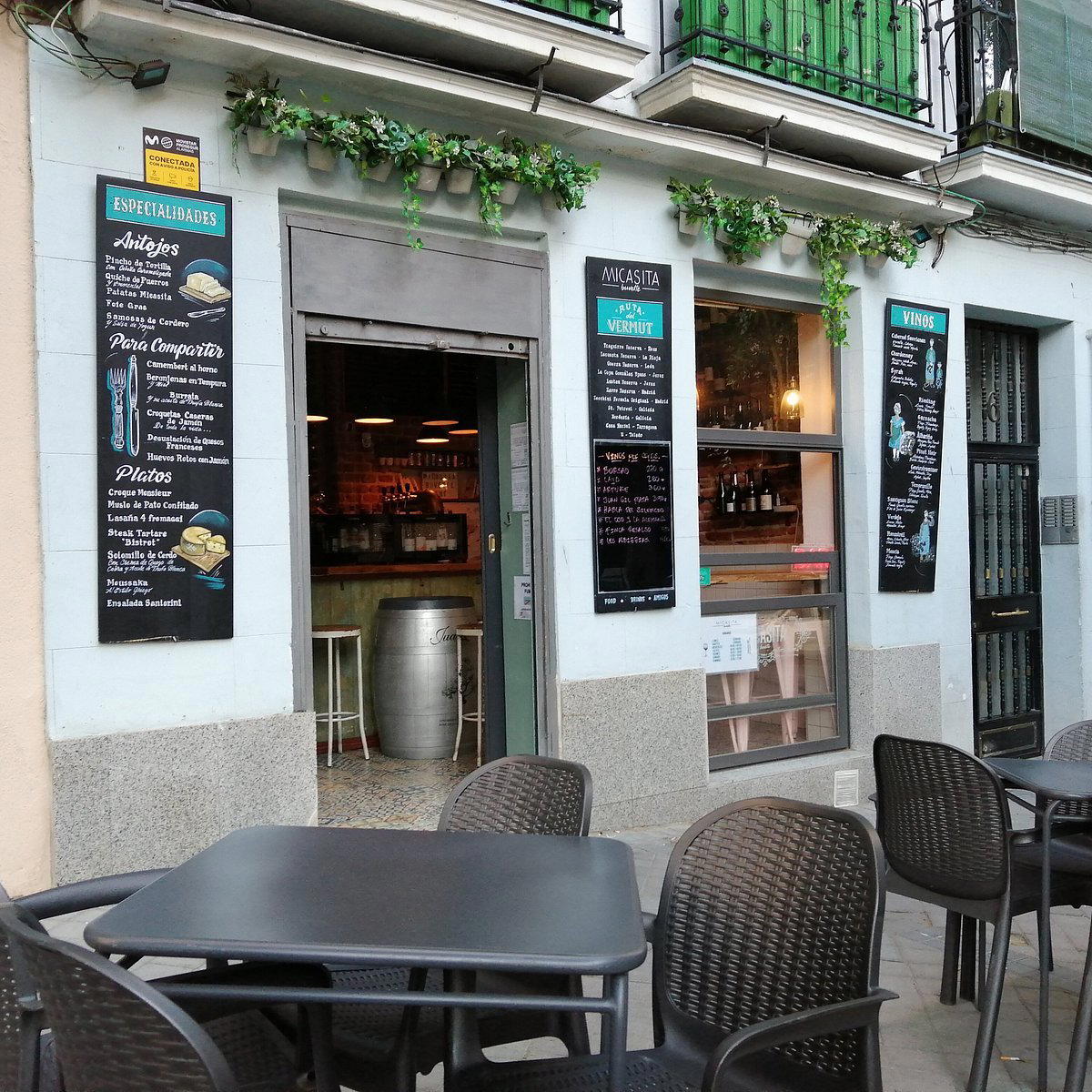
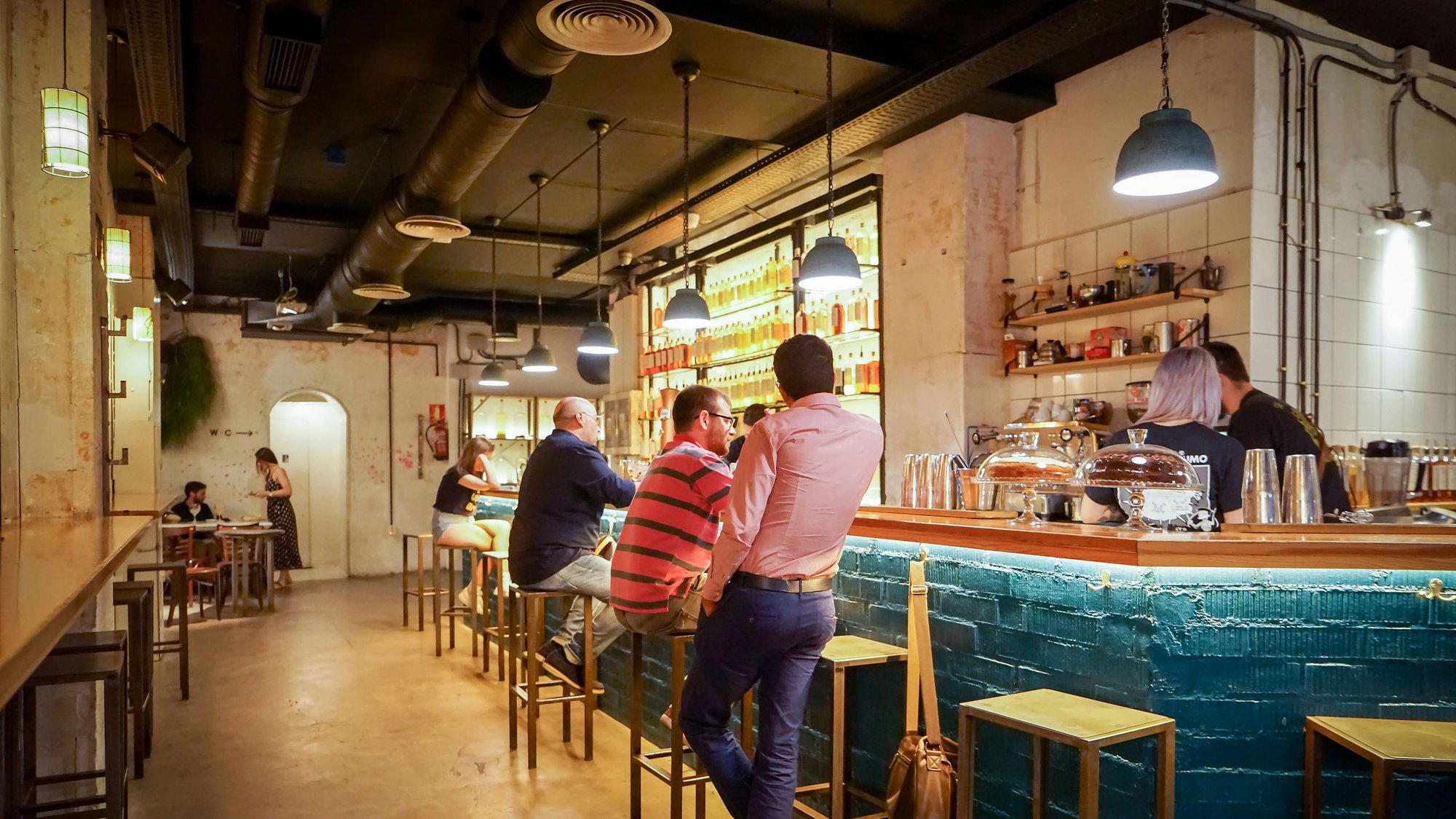
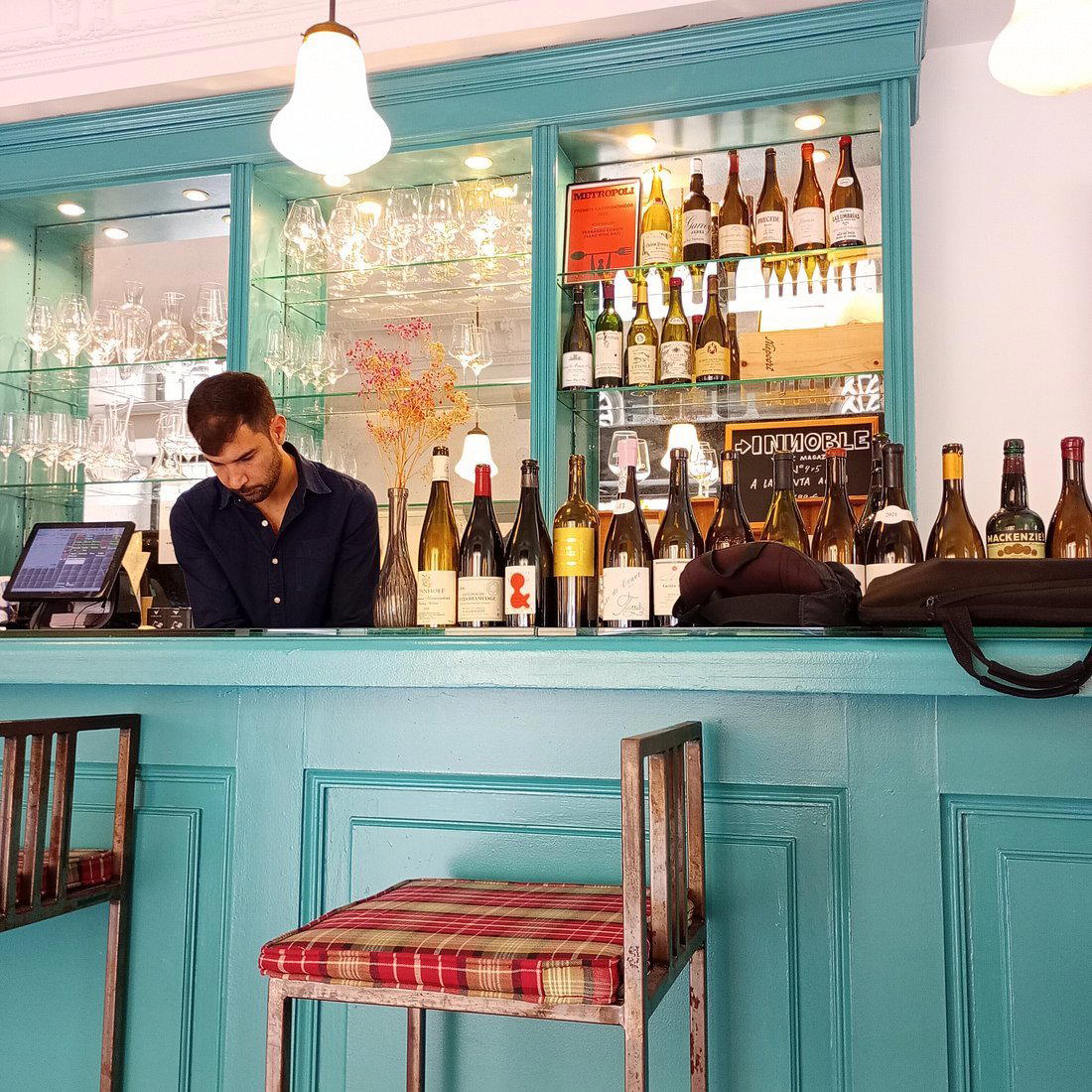
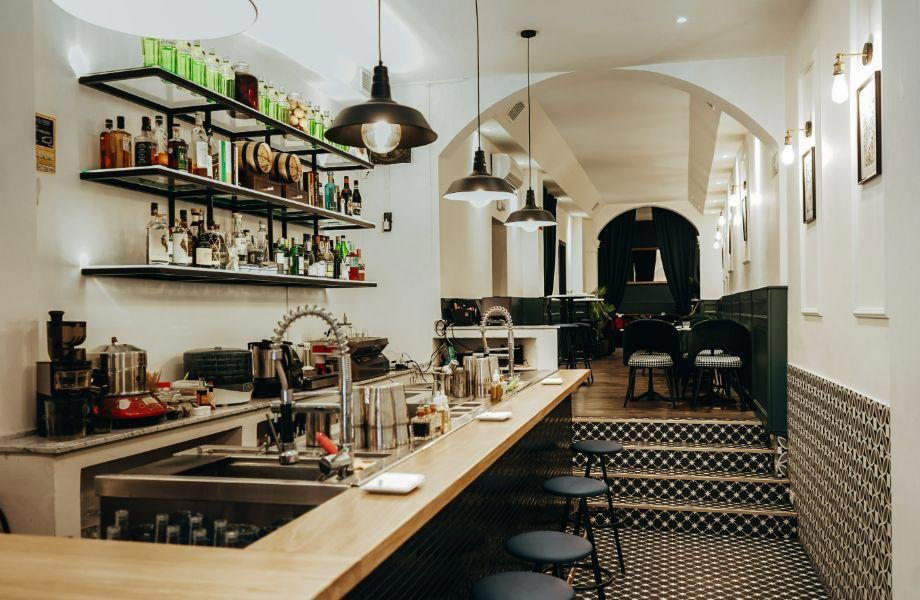
Atmospheric interior in a restored medieval building with outdoor seating for people-watching on Calle Santiago.