Acropolis Express
On Calle Atienza in Alcalá de Henares, Acropolis Express sits in a city better known for its UNESCO-listed university quarter than for its restaurant scene. The name signals speed and Mediterranean reference points, placing it in the casual dining tier that serves the city's students, residents, and day-trippers from Madrid. Details on format, pricing, and kitchen approach remain sparse, but the address anchors it firmly in the urban core.
Pearl is the En Primeur Club membership app — saves, bookings, and concierge access live there. Same editors, same standards.
- Address
- C. Atienza, 2, 28805 Alcalá de Henares, Madrid, Spain
- Phone
- +34919481130
- Website
- acropolisgreektaberna.es
- Directions
- Get directions
 Saves & bookings on Pearl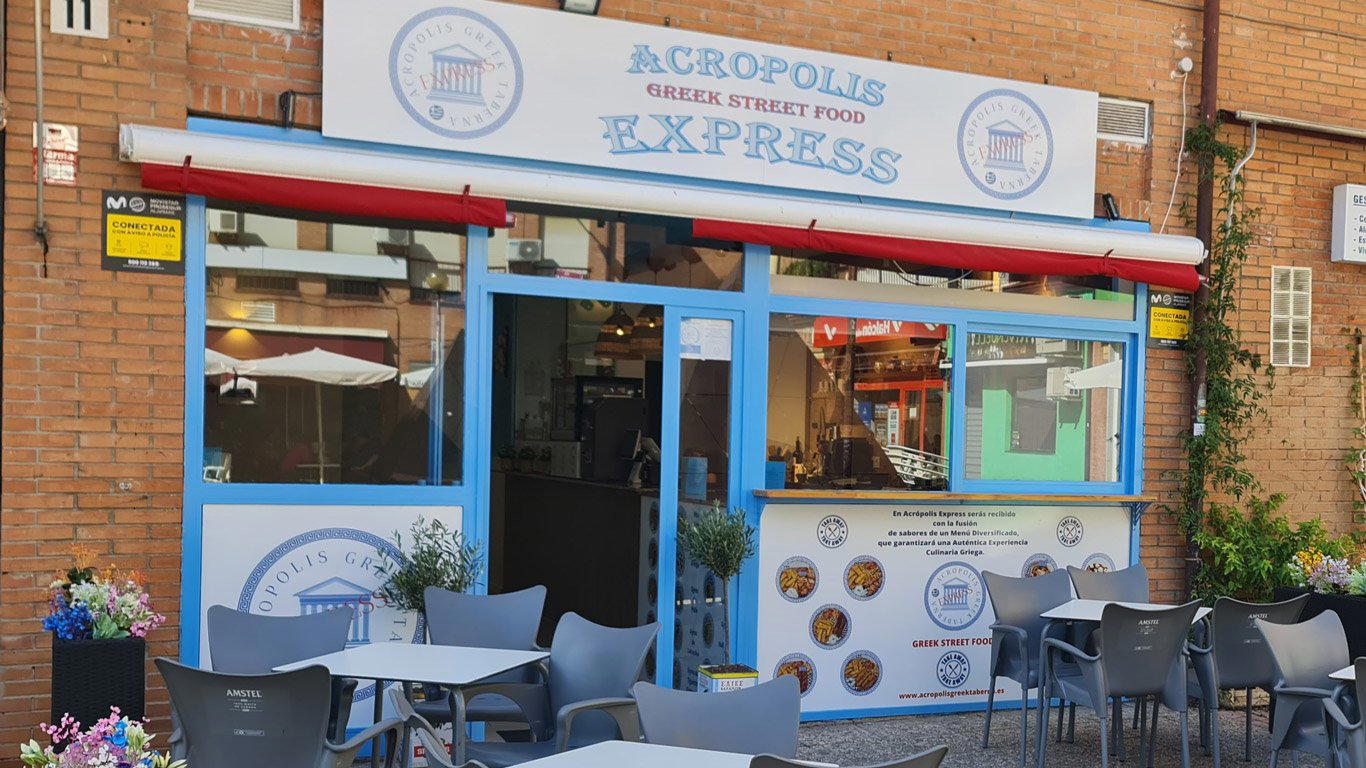
Casual Dining in a University City: Where Acropolis Express Fits
Alcalá de Henares operates on a different register from the capital, 35 kilometres to the west. Its UNESCO World Heritage designation covers the historic university quarter and the birthplace of Cervantes, which draws a steady stream of cultural visitors without generating the restaurant density of central Madrid. The dining scene here skews toward mid-market and neighbourhood formats: family-run taverns, fast-casual counters, and the kind of affordable sit-down options that serve a large student population alongside local residents and weekend visitors from the city. Acropolis Express, on Calle Atienza 2, sits within that ecosystem.
The name signals a Greek street food reference and a format oriented toward speed and accessibility rather than extended tasting menus or occasion dining. In the Spanish context, that positions it alongside a tier of restaurants that exist in almost every provincial city, offering something distinct from the Castilian roast-and-stew tradition without attempting the technical ambition of the country's fine-dining circuit. That circuit, for reference, runs from DiverXO in Madrid and El Celler de Can Roca in Girona through to coastal operations like Quique Dacosta in Dénia and Aponiente in El Puerto de Santa María. Acropolis Express is not in that conversation, nor does it appear to aim for it.
The Mediterranean Reference Point and What It Usually Means for Sourcing
When a restaurant in inland Spain adopts a Greek or pan-Mediterranean identity, the sourcing question becomes interesting. The ingredients associated with that culinary tradition, olive oil, legumes, fresh vegetables, preserved fish, and lamb, are not foreign to Spanish kitchens, but their provenance shifts depending on how seriously the kitchen takes its reference point. A casual format in a mid-sized Spanish city typically draws from the national wholesale network, which means Castilian and Manchego produce sits alongside imported or nationally distributed staples. Olive oil from Jaén or Córdoba, lamb from Castilla-La Mancha, and legumes from León are all plausible ingredients in a kitchen operating at this tier and in this location.
The broader Mediterranean sourcing tradition, from Greece to southern Spain, shares an emphasis on seasonal vegetables, pulses, and preserved proteins over expensive primary cuts. That approach tends to produce good value at the casual end of the market, which aligns with what the format name suggests. Spain's own food supply chain at this tier is well-developed: the country is a major producer of olive oil, fresh vegetables, and cured pork products, all of which circulate through regional markets and wholesale distributors that supply restaurants at every price point.
Alcalá de Henares as a Dining Context
The city's restaurant scene rewards some lateral thinking. Visitors arriving on the Cercanías line from Atocha, a journey of roughly 50 minutes, tend to prioritise the historic centre, which concentrates most dining options within walking distance of the university buildings and the main pedestrian streets. Calle Atienza sits in the urban core, making the restaurant accessible on foot from the main visitor circuit without requiring a taxi or navigation beyond the centre.
For comparison within the city, Alcaravea Garena and La Zarza represent the more traditional end of the Alcalá dining offer, while Jamón y Vino Alcalá anchors the cured-product and wine-bar format common to Castilian cities of this size. Restaurante Ambigú and RIBS fill out the mid-market tier. The restaurant occupies a distinct position within this set by virtue of its non-Castilian culinary framing, which gives it a differentiated identity even if the format is broadly casual. Our full Alcalá de Henares restaurants guide maps the full range of options across neighbourhoods and price tiers.
Spain's Broader Restaurant Scene and Where Casual Formats Fit
Spain's fine-dining reputation has become genuinely global over the past two decades. Restaurants like Arzak in San Sebastián, Azurmendi in Larrabetzu, Martin Berasategui in Lasarte-Oria, Mugaritz in Errenteria, Cocina Hermanos Torres in Barcelona, and Ricard Camarena in València have built international profiles that attract travellers specifically for the dining. That upper tier coexists with an enormous mid-market and casual sector, which feeds the country's everyday dining culture and functions almost entirely on local demand. The casual tier in provincial Spanish cities like Alcalá is generally price-competitive with Madrid equivalents and often draws on the same regional produce networks, particularly for meat, olive oil, bread, and wine.
Internationally, the comparison for how casual Mediterranean-themed restaurants operate at scale appears in cities from London to New York, where concepts like Le Bernardin in New York City anchor the fine-dining pole while neighbourhood formats occupy the space below. In San Francisco, a city with a documented commitment to ingredient sourcing even at informal price points, Lazy Bear sits at the opposite end of the formality spectrum entirely. The point is not comparison between those names and the restaurant, but rather that every dining scene has a casual tier, and the quality of that tier depends on the depth of local supply chains and how much kitchen attention is paid to them.
Planning a Visit
The restaurant is located at Calle Atienza 2 in Alcalá de Henares, within the city centre and reachable on foot from the main historic district. The restaurant is walk-in friendly and runs Monday closed; Tuesday through Thursday 1 to 4 PM and 8:30 to 10:45 PM; Friday and Saturday 1 to 4 PM and 8:30 to 11 PM; Sunday 1 to 4 PM. It is a price tier 1 restaurant. Walk-in access during standard Spanish lunch and dinner service windows is consistent with the restaurant's schedule. The address places it within the general zone covered by most visitor itineraries in the city, so it can be assessed on arrival without significant detour.
Quick Comparison
Comparable venues nearby, for context on price, style, and recognition.
| Venue | Cuisine | Price | Awards | Notes |
|---|---|---|---|---|
| Acropolis ExpressThis venue — the venue you are viewing | Greek Street Food | $ | Not listed | Not listed |
| Jamón y Vino Alcalá | Traditional Spanish Tapas | $$ | Not listed | Alcalá de Henares |
| RIBS | True American Barbecue | $$ | Not listed | Alcalá de Henares |
| Restaurante Ambigú | Modern Spanish Tapas | $$ | Not listed | main square |
| La Zarza | Modern Spanish Tapas | $$ | Not listed | Plaza de Cervantes |
| Eximio by Fernando Martín | Modern Spanish Fine Dining | $$$ | Bib Gourmand | Casco Histórico |
Continue exploring
More in Alcala De Henares
Restaurants in Alcala De Henares
Browse all →
Bars in Alcala De Henares
Browse all →


At a Glance
- Lively
- Classic
- Casual Hangout
Current opening hours
- Monday
- Closed
- Tuesday
- 1–4 PM, 8:30–10:45 PM
- Wednesday
- 1–4 PM, 8:30–10:45 PM
- Thursday
- 1–4 PM, 8:30–10:45 PM
- Friday
- 1–4 PM, 8:30–11 PM
- Saturday
- 1–4 PM, 8:30–11 PM
- Sunday
- 1–4 PM
Hours can change for holidays and private events. Last verified .
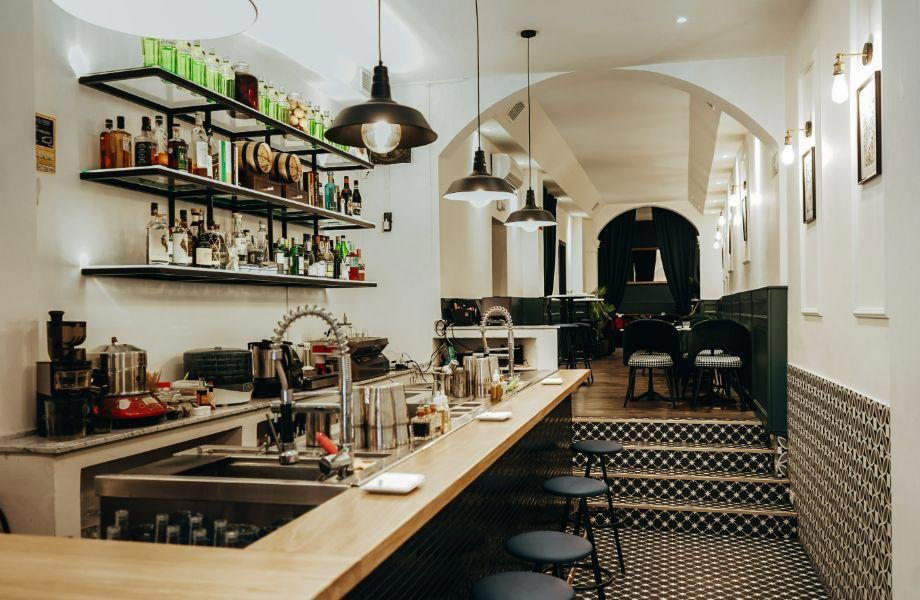
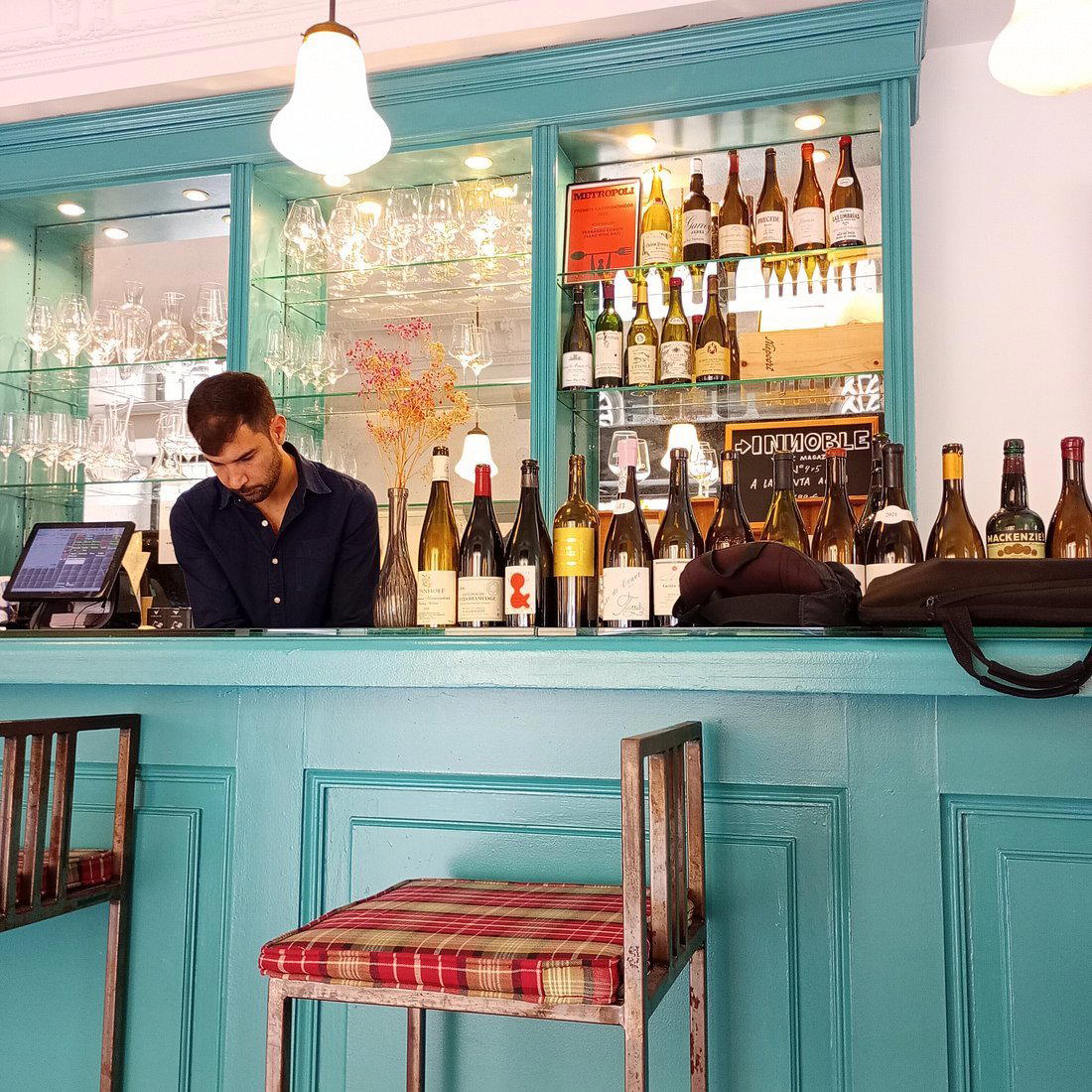
Casual and welcoming atmosphere evoking Greek street food locales with careful decoration.