La Vieille Enseigne

A Michelin Plate-recognised address on Rue des Tonneliers, La Vieille Enseigne sits in Strasbourg's historic core and serves traditional Alsatian cuisine at a mid-range price point. Two consecutive Michelin Plate awards (2024 and 2025) position it among the city's recognised value options for regional cooking. It offers an accessible entry point into Alsace's Germanic-rooted culinary tradition without the commitment of a starred tasting menu.
Pearl is the En Primeur Club membership app — saves, bookings, and concierge access live there. Same editors, same standards.
- Address
- 9 Rue des Tonneliers, 67000 Strasbourg, France
- Phone
- +33 3 88 75 95 11
- Website
- lavieilleenseigne.com
- Directions
- Get directions
 Saves & bookings on Pearl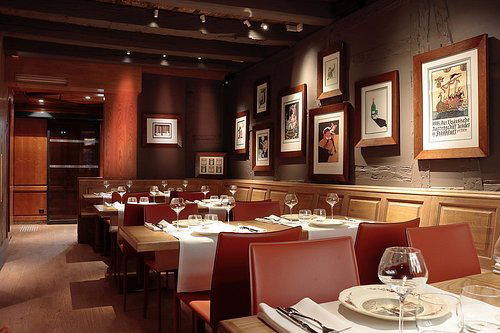
A Street That Remembers Its Trade
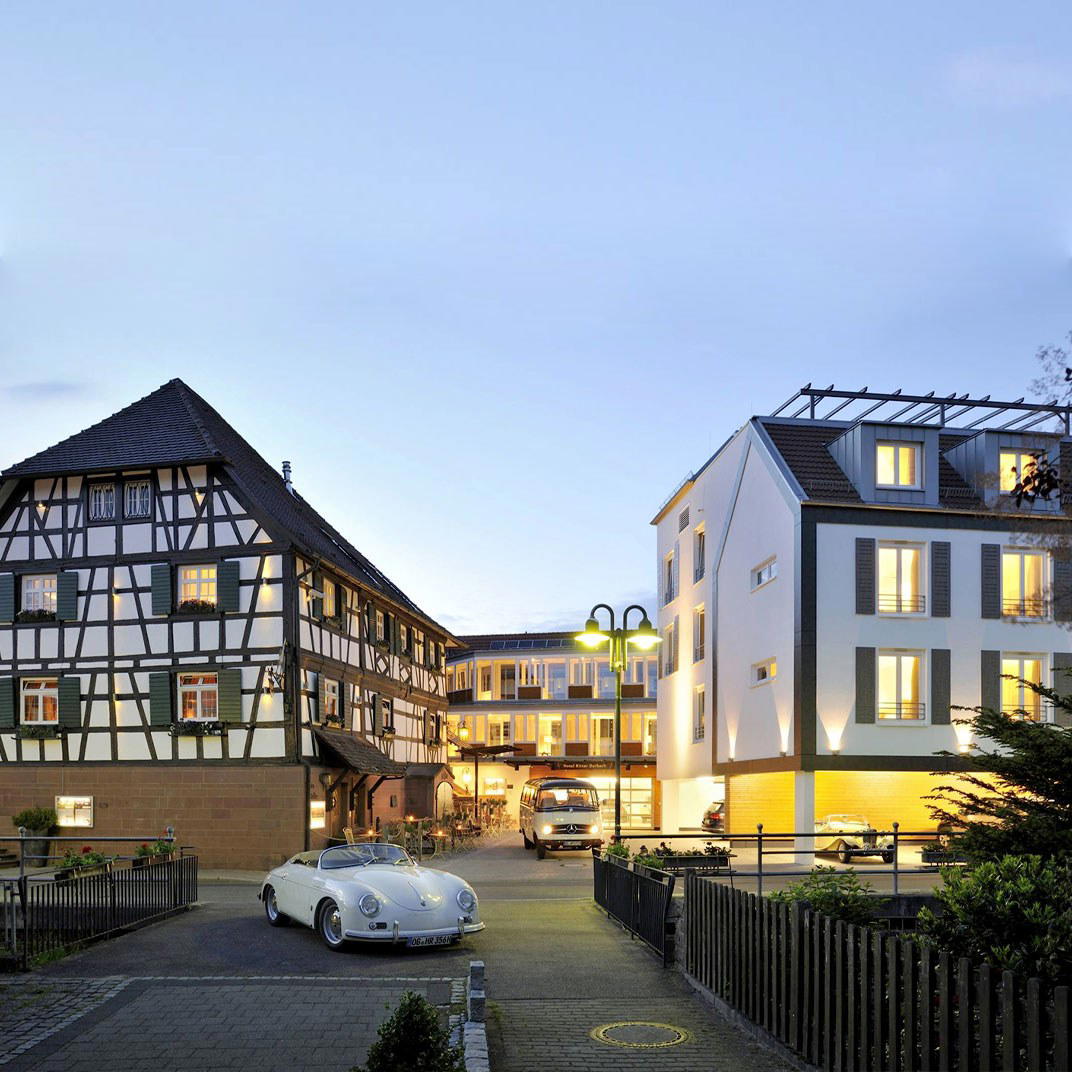
Rue des Tonneliers, the Street of Coopers, runs through one of Strasbourg's most preserved medieval quarters, a short walk from the cathedral and the tangle of canals that define the Petite France district. The name is not decorative: this was once working guild territory, where barrel-makers supplied the region's wine trade. Eating here carries that weight of continuity. The physical environment, with its half-timbered facades and narrow stone passages, frames the meal before a single dish arrives. La Vieille Enseigne is a restaurant at 9 Rue des Tonneliers, 67000 Strasbourg, France, serving Traditional Alsatian Winstub cooking at the €€€ price point.
That neighbourhood context matters because Alsatian cuisine is, more than most French regional traditions, inseparable from its built environment. The cooking emerged from centuries of alternating French and German rule, absorbing techniques and ingredients from both sides of the Rhine. The result is a table tradition that uses pork fat and fermented cabbage with the same confidence as Riesling reductions and herbed fromage blanc. Restaurants along streets like this one carry that inheritance, sometimes self-consciously, sometimes simply because their suppliers have not changed in generations.
Where It Sits in the Strasbourg Dining Map
Strasbourg's restaurant market has developed a clear tiering over recent years. At the leading, addresses like Au Crocodile and 1741 operate at the €€€€ level with Michelin one-star recognition, offering modern reinterpretations of Alsatian and French technique. Creative formats like de:ja occupy the same starred tier with more experimental programming. Below that, a cluster of mid-range and traditional addresses serves the city's substantial appetite for honest regional food at approachable prices.
La Vieille Enseigne operates in that second tier, carrying a €€ price point and back-to-back Michelin Plate recognition in 2024 and 2025. The Michelin Plate is not a star, it signals that inspectors consider the cooking good without placing it in the upper-tier competitive set. For a visitor assembling a Strasbourg itinerary with range across formats and price points, that positioning is genuinely useful: the Plate confirms a baseline quality floor without requiring the spend or advance planning of a starred table.
Comparable addresses in the traditional Alsatian register include Au Pont Corbeau and Chez Yvonne - S'Burjerstuewel, both of which have built sustained reputations for regional cooking in the city centre. La Vieille Enseigne competes in that same cohort, differentiated by its specific location and its consistent inspector recognition across consecutive years.
The Alsatian Culinary Tradition in Practice
Understanding what La Vieille Enseigne represents requires some grounding in what Alsatian cuisine actually is, as distinct from generic French cooking. The tradition is not simply French food with a Germanic accent. It draws on a larder shaped by the Rhine plain: freshwater fish, cured pork in multiple forms, root vegetables, and a fermentation culture that predates the region's French assimilation. Choucroute garnie, the region's defining dish, is a study in controlled fermentation and fat management, sauerkraut braised in Riesling or Pinot Gris, loaded with a variety of smoked and fresh pork cuts, served with potatoes and mustard. When done well, the acidity of the cabbage cuts through the fat of the meat; the wine in the braising liquid provides both the aromatics and the residual sweetness to balance. It is technically precise work dressed in humble clothing.
Equally, the flammekueche (tarte flambée in French) is a test of restraint: thin bread dough stretched to near-translucency, topped with fromage blanc or crème fraîche, lardons, and onion, cooked in a hot oven. The margin between a tart with proper char and textural contrast and a limp or overloaded version is narrow. Restaurants working at the Michelin Plate level are expected to have that margin under control.
The broader Alsace region has produced some of France's most decorated tables. Auberge de l'Ill in Illhaeusern has held three Michelin stars for decades and represents the apex of the regional tradition in its most refined form. Understanding where the restaurant sits requires holding both ends of that spectrum in mind: the Plate recognition places it as a responsible, inspector-approved practitioner of the tradition, not a reinvention of it. For visitors who want to explore the full range of what Alsace produces, complementary reading includes destinations like À l'Agneau d'Or in Obernai and À l'Ami Fritz in Ottrott, both of which apply similar Alsatian frameworks outside the city.
The Intersection of Local Product and Inherited Method
What distinguishes the better operators in this traditional tier from mere tourist-trap versions of the same dishes is attention to sourcing and to the integrity of technique. The Alsace wine route runs directly through the region's farmland, meaning that restaurant kitchens with functioning supplier relationships have access to produce, white asparagus from the Rhine plain, munster cheese from the Vosges foothills, game from the forests to the west, that simply does not travel. The method applied to these materials (classical French brigade structure, German-influenced preservation and fermentation, the open-fire tradition of Alsatian winstubs) represents an accumulated craft that the Michelin Plate is partly designed to flag when it appears in a mid-range format.
For the broader context of how French regional cooking at this level relates to the country's more globally visible fine dining output, it is worth noting how different the project is from, say, Mirazur in Menton or Alléno Paris au Pavillon Ledoyen. Those addresses export French technique into avant-garde territory. The restaurant, and addresses like it, hold a different and more fragile position: keeping a specific regional tradition legible and well-executed for the next generation of diners who want it unmodified.
Planning a Visit
The restaurant sits at 9 Rue des Tonneliers in central Strasbourg, within walking distance of the cathedral and the main tram network. At the €€ price point and with a neighbourhood profile that attracts a mix of locals and visitors, tables are likely to be in reasonable demand during peak tourist season (late spring through early autumn, and again during the Christmas market period in December, when Strasbourg draws visitors from across Europe). Booking in advance is sensible for weekend evenings.
For those extending into the wider region, Flocons de Sel in Megève, Bras in Laguiole, and Troisgros - Le Bois sans Feuilles in Ouches represent other anchors of French regional cooking at the higher end of the national spectrum.
Price and Recognition
Comparable venues nearby, for context on price, style, and recognition.
| Venue | Cuisine | Price | Awards | Notes |
|---|---|---|---|---|
| La Vieille EnseigneThis venue — the venue you are viewing | Centre, Traditional Alsatian Winstub | $$$ | Michelin Plate | Not listed |
| La Casserole | Centre, Modern French Fine Dining | $$$ | Michelin Plate | Not listed |
| Ondine | Not listed | $$$$ | Michelin Plate | Centre, Modern Plant-Based French Fine Dining |
| Léonor | Centre, Modern French Alsatian | $$$ | Michelin Plate | Not listed |
| Mademoiselle 10 | Not listed | $$ | Michelin Plate | Bourse-Esplanade-Krutenau, Cuisine française moderne bistronomique |
| Au Fond du Jardin | Centre, French Tea Salon & Patisserie | $$$ | Not listed | Not listed |
Recognition history
Dated appearances from independent guides and award organizations, with the underlying list record or original source where available.
Michelin Plate
Michelin
Michelin Plate
Michelin
Michelin Plate
Michelin
Continue exploring
More in Strasbourg
Restaurants in Strasbourg
Browse all →

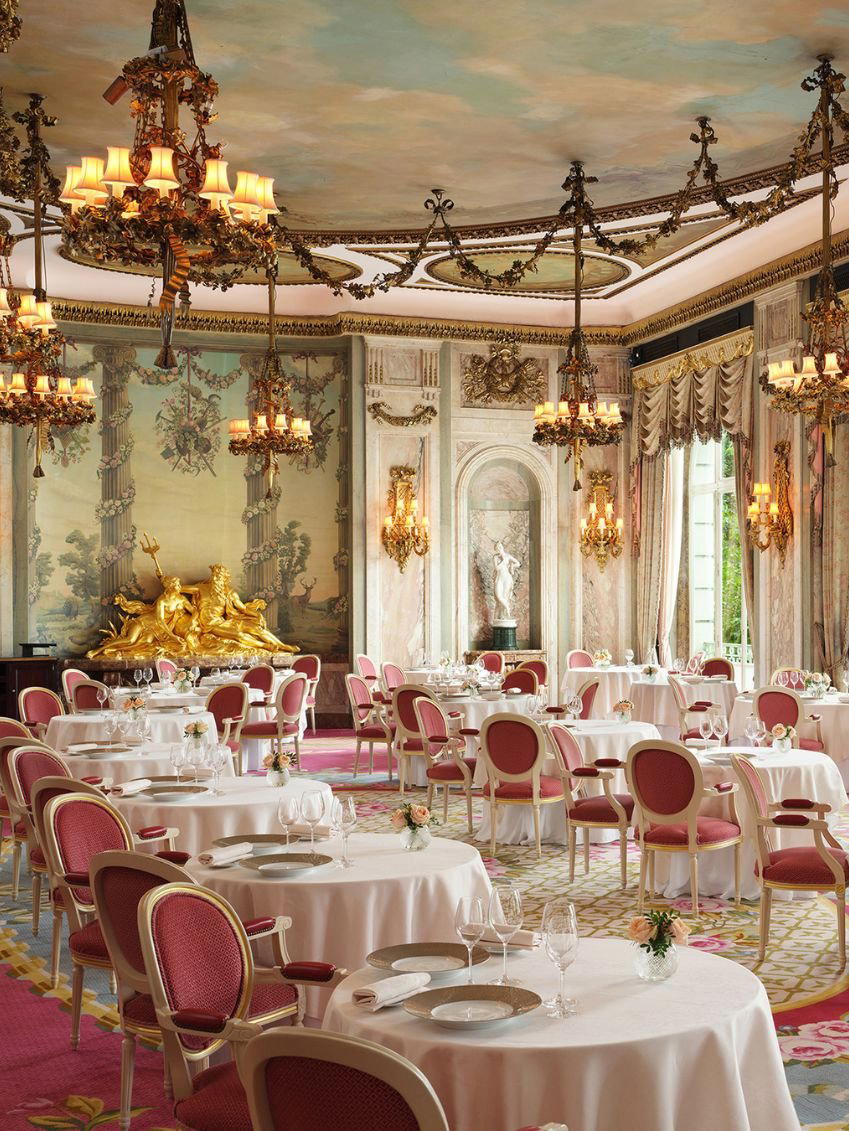
Bars in Strasbourg
Browse all →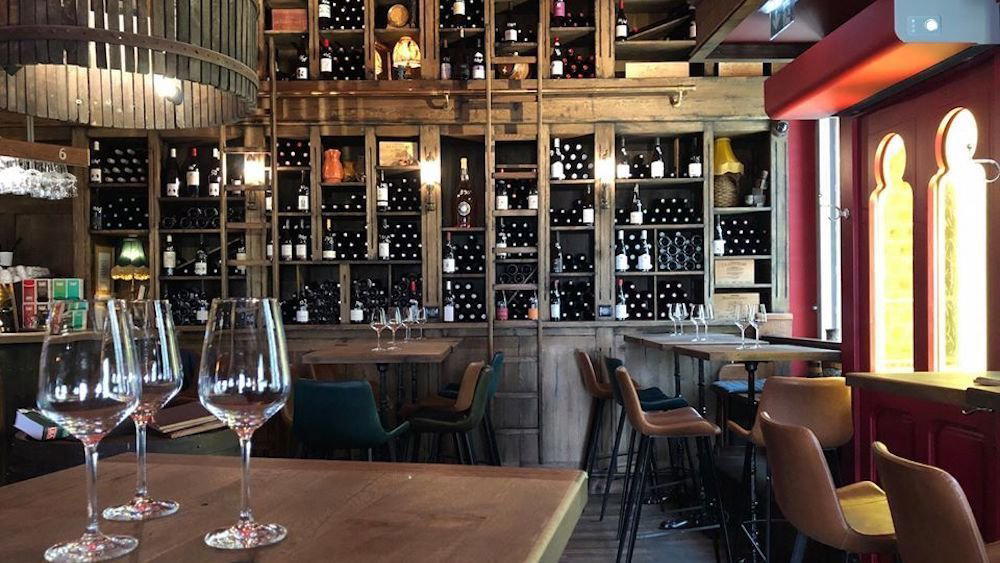
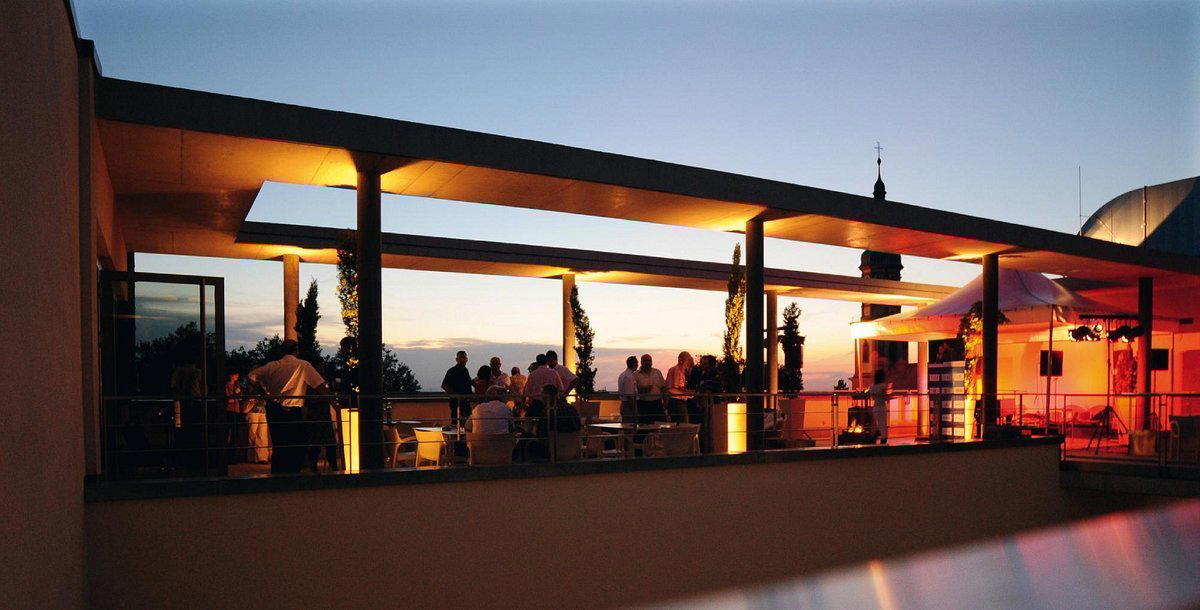
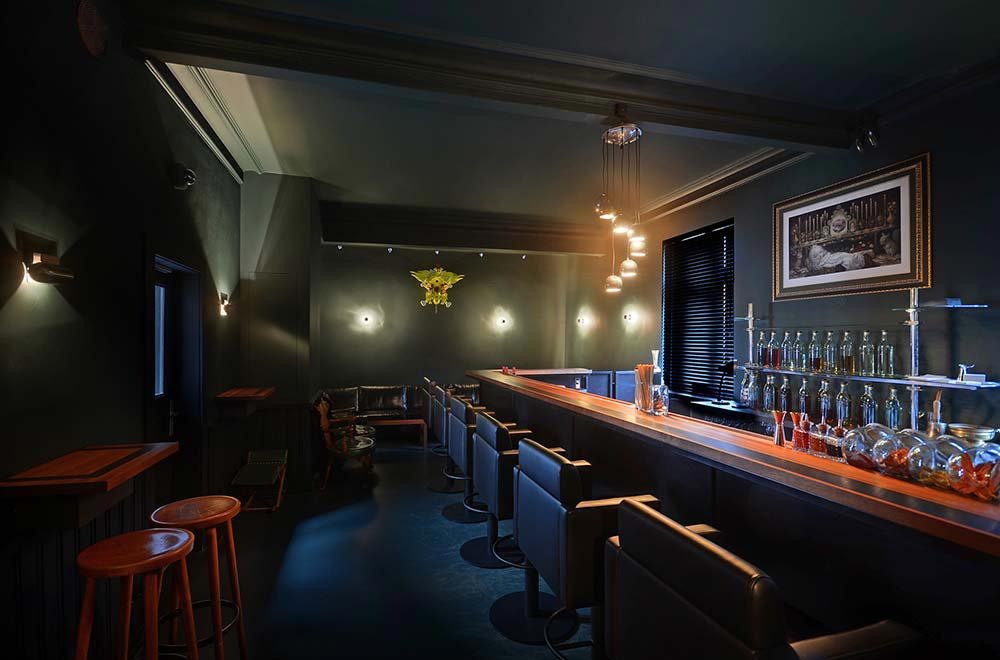


Hotels in Strasbourg
Browse all →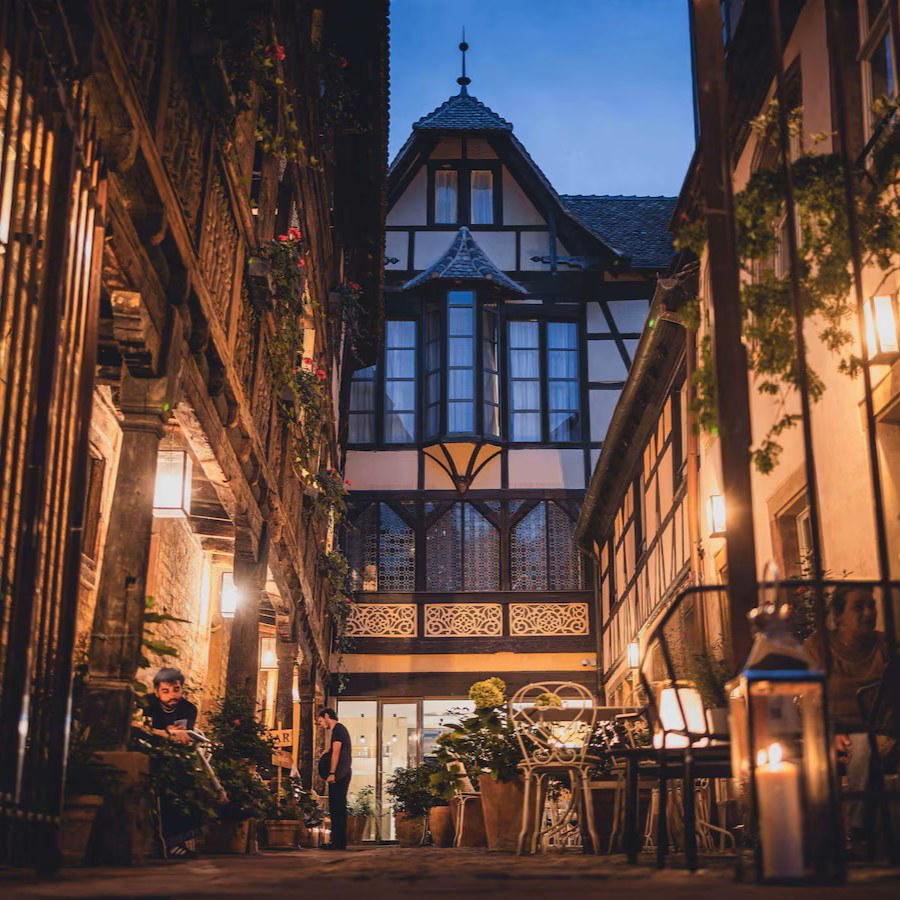
At a Glance
- Cozy
- Rustic
- Classic
- Elegant
- Intimate
- Date Night
- Special Occasion
- Historic Building
- Extensive Wine List
- Local Sourcing
Current opening hours
- Monday
- 12–2 PM, 7–10 PM
- Tuesday
- Closed
- Wednesday
- 12–2 PM, 7–10 PM
- Thursday
- 12–2 PM, 7–10 PM
- Friday
- 12–2 PM, 7–10 PM
- Saturday
- 12–2 PM, 7–10 PM
- Sunday
- 12–2 PM, 7–10 PM
Hours can change for holidays and private events. Last verified .
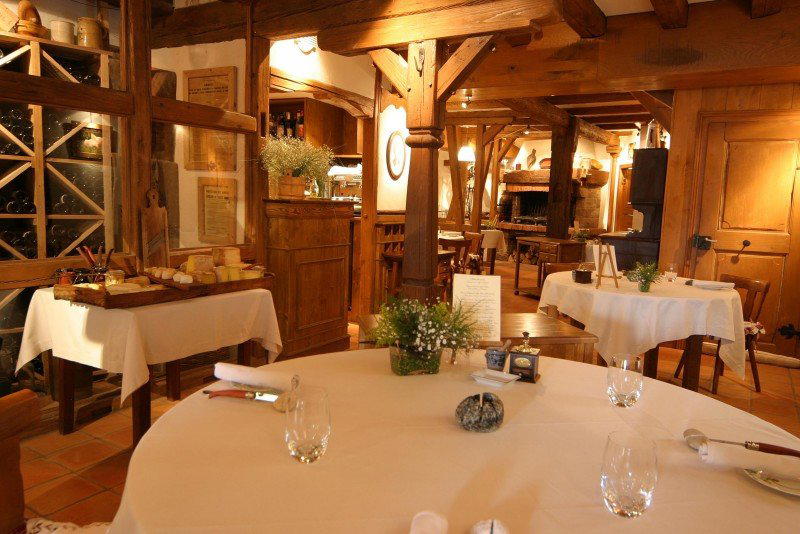
Cozy atmosphere with rustic wooden beams, traditional decor, white tablecloths, and warm lighting creating an inviting Alsatian ambiance.