El Bajío
El Bajío occupies a particular place in Mexico City's dining map: a neighborhood institution in Azcapotzalco that draws serious eaters away from the Condesa-Roma circuit for cooking rooted in regional Mexican tradition. The kitchen leans into pre-Hispanic techniques and market-sourced ingredients in a way that positions it closer to the capital's culinary heritage than its contemporary fine-dining peers.
Pearl is the En Primeur Club membership app — saves, bookings, and concierge access live there. Same editors, same standards.
- Address
- Av. Cuitláhuac 2709, Obrero Popular, Azcapotzalco, 02840 Ciudad de México, CDMX, Mexico
- Phone
- +525552343764
- Website
- restauranteelbajio.com.mx
- Directions
- Get directions
 Saves & bookings on Pearl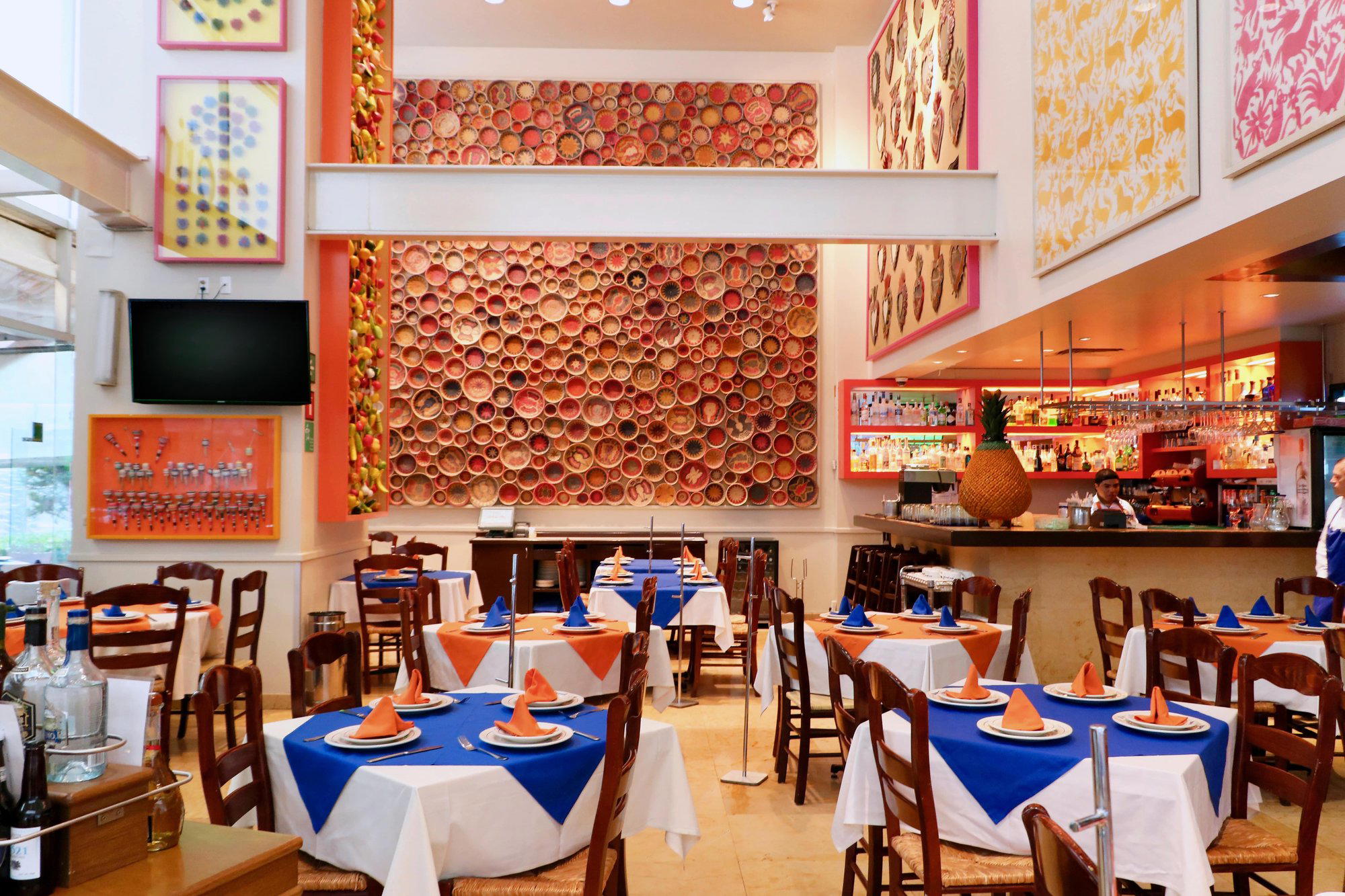
North of the Circuit: What El Bajío Tells You About Mexico City's Dining Geography
Mexico City's most-discussed restaurants cluster predictably in Polanco, Roma, and Condesa, where international press and awards coverage has concentrated for two decades. The city's dining geography is more layered than that shortlist suggests, however, and Azcapotzalco — a working-class borough north of the historic center — holds institutions that predate the current fine-dining wave and operate largely outside its vocabulary. El Bajío, on Avenida Cuitláhuac in the Obrero Popular neighborhood, belongs to that older, neighborhood-anchored tier: the kind of address that Mexico City residents know by reputation long before any algorithm surfaces it.
That geographic separation is not incidental. Restaurants in Polanco compete on international visibility, the same coordinates that put Pujol and Quintonil on global rankings shortlists each year. El Bajío competes on something else: accumulated local credibility and a cooking style grounded in the traditions of the Mexican interior rather than in the tasting-menu format those rankings reward. The two categories serve different readers, and confusing them leads to misplaced expectations in both directions.
The Tradition the Menu Represents
Mexican cuisine at this register is not a single thing. The country's regional traditions, Oaxacan mole complexes, Veracruz seafood preparations, the corn-forward cooking of Puebla and Tlaxcala, sit in the same relationship to each other that French regional cuisines do, distinct in technique, ingredient, and historical context. El Bajío's orientation is toward the central Mexican interior: the cuisines of the Bajío region itself (Guanajuato, Querétaro, Michoacán) and the capital's own market cooking tradition, which synthesizes indigenous and colonial-era influences into dishes that look simple and require considerable technical depth to execute correctly.
That tradition stands apart from the contemporary Mexican restaurants that have drawn international attention in recent years. Rosetta works through a European lens; Sud 777 and Em operate in a creative, technique-forward register. El Bajío's frame of reference is different: the cocina de guisos tradition, where the skill lies in the mole, the braise, the careful layering of dried chiles and aromatics over time. This is the cooking that Mexico City's central market stalls have practiced for generations, formalized into a sit-down context without losing its market-stall directness.
Drinks in Context: How Traditional Mexican Kitchens Approach the Glass
The editorial angle here requires honesty about what the venue data confirms and what it does not. What that absence tells a careful reader is meaningful in itself: the restaurant's identity does not appear to be structured around a formal beverage program of the kind that drives conversation at, say, Le Bernardin in New York or Lazy Bear in San Francisco.
In the context of Mexican cocina tradicional, that is not a deficit. The drinks culture that accompanies this style of cooking historically centers on agave spirits, mezcal and tequila, regional beers, and agua frescas, rather than on European wine programs. Mexico's more ambitious wine and beverage programs tend to cluster in the contemporary fine-dining tier: properties like Animalón in Valle de Guadalupe and Lunario in El Porvenir are attached to wine-producing regions where cellar depth is part of the proposition. Restaurants like Pangea in San Pedro Garza García and Alcalde in Guadalajara have built reputations in part on serious wine lists that complement contemporary Mexican menus. El Bajío sits in a different category entirely, where the drink of choice is more likely to be a well-sourced mezcal or a regional pulque derivative than a Burgundy or a Baja California red.
Visitors arriving from properties like Le Chique in Puerto Morelos or HA' in Playa del Carmen, where beverage programs are architecturally integrated into the experience, should calibrate accordingly. The drinks at El Bajío serve the food rather than co-starring with it, which is precisely correct for the tradition it represents. For those specifically seeking destination-level agave lists or curated Mexican wine programs in the capital, the restaurant's position in Azcapotzalco and its traditional format suggest the beverage experience will reflect those neighborhood and genre priorities.
Where It Fits in Mexico's Broader Restaurant Map
Mexico's restaurant scene has developed significant geographic spread over the past decade. The capital's contemporary restaurants, represented here by the Roma and Condesa anchors in our full Mexico City guide, compete in a different tier than regional institutions like KOLI Cocina de Origen in Monterrey, Levadura de Olla in Oaxaca, or Olivea Farm to Table in Ensenada. What these varied addresses share is a commitment to regional ingredient sourcing and local culinary identity. El Bajío belongs in that conversation, not as a tasting-menu destination but as a reference point for the kind of cooking the capital's fine-dining generation trained on and reacts to.
That relationship matters for context. When Arca in Tulum or Quintonil reference traditional Mexican cooking as a foundation for contemporary technique, the tradition being referenced looks something like what restaurants in neighborhoods like Azcapotzalco have been producing for decades. The lineage is not decorative.
Planning Your Visit
El Bajío is located at Av. Cuitláhuac 2709, Obrero Popular, Azcapotzalco, north of the centro histórico and outside the main tourist corridors. The Metro Line 2 (Cuauhtémoc line) provides access to the broader Azcapotzalco area; the specific travel time from central neighborhoods will vary. Given the venue's neighborhood positioning, rideshare services are the most practical option for visitors staying in Roma, Condesa, or Polanco.
| Venue | Area | Price Tier | Format | Booking |
|---|---|---|---|---|
| El Bajío | Azcapotzalco | Not confirmed | Traditional Mexican | Not confirmed |
| Pujol | Polanco | $$$$ | Contemporary tasting menu | Advance reservation required |
| Quintonil | Polanco | $$$$ | Contemporary Mexican | Advance reservation required |
| Em | Roma Norte | $$$ | Creative Mexican | Reservation recommended |
| Rosetta | Roma Norte | $$ | Italian-influenced creative | Reservation recommended |
Pricing, hours, and booking requirements for El Bajío are not confirmed in available records. Visitors should verify current operating details directly before traveling north to Azcapotzalco, particularly given the added transit distance from central accommodation zones.
Reputation First
A compact comparison to help you place this venue among nearby peers.
| Venue | Cuisine | Price | Awards |
|---|---|---|---|
| El BajíoThis venue — the venue you are viewing | Not listed | Not listed | Not listed |
| Pujol | Mexican | $$$$ | Michelin 2 Star |
| Quintonil | Modern Mexican, Contemporary | $$$$ | Michelin 2 Star |
| Rosetta | Italian, Creative | $$ | Michelin 1 Star |
| Em | Mexican | $$$ | Michelin 1 Star |
| Comedor Jacinta | Mexico, Mexican | $$ | Not listed |
Continue exploring
More in Mexico City
Restaurants in Mexico City
Browse all →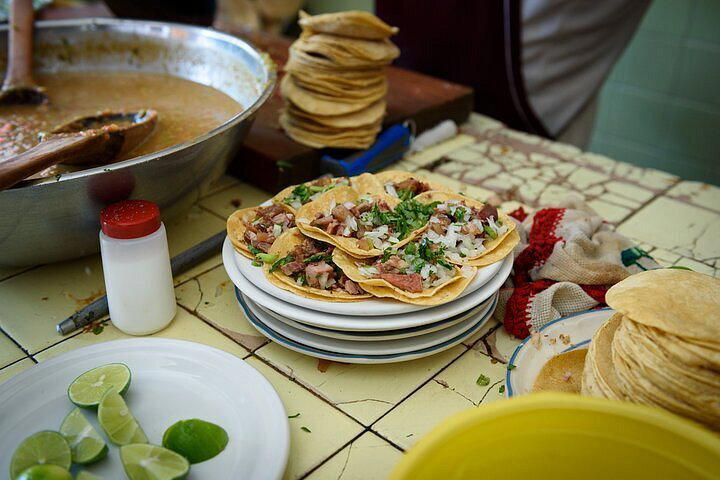
Bars in Mexico City
Browse all →

At a Glance
- Lively
- Rustic
- Well Known
- Family
- Group Dining
- Casual Hangout
- Historic Building
- Beer Program
- Local Sourcing
Current opening hours
- Monday
- 9 AM–7 PM
- Tuesday
- 9 AM–7 PM
- Wednesday
- 9 AM–7 PM
- Thursday
- 9 AM–7 PM
- Friday
- 9 AM–7 PM
- Saturday
- 9 AM–7 PM
- Sunday
- 9 AM–7 PM
Hours can change for holidays and private events. Last verified .
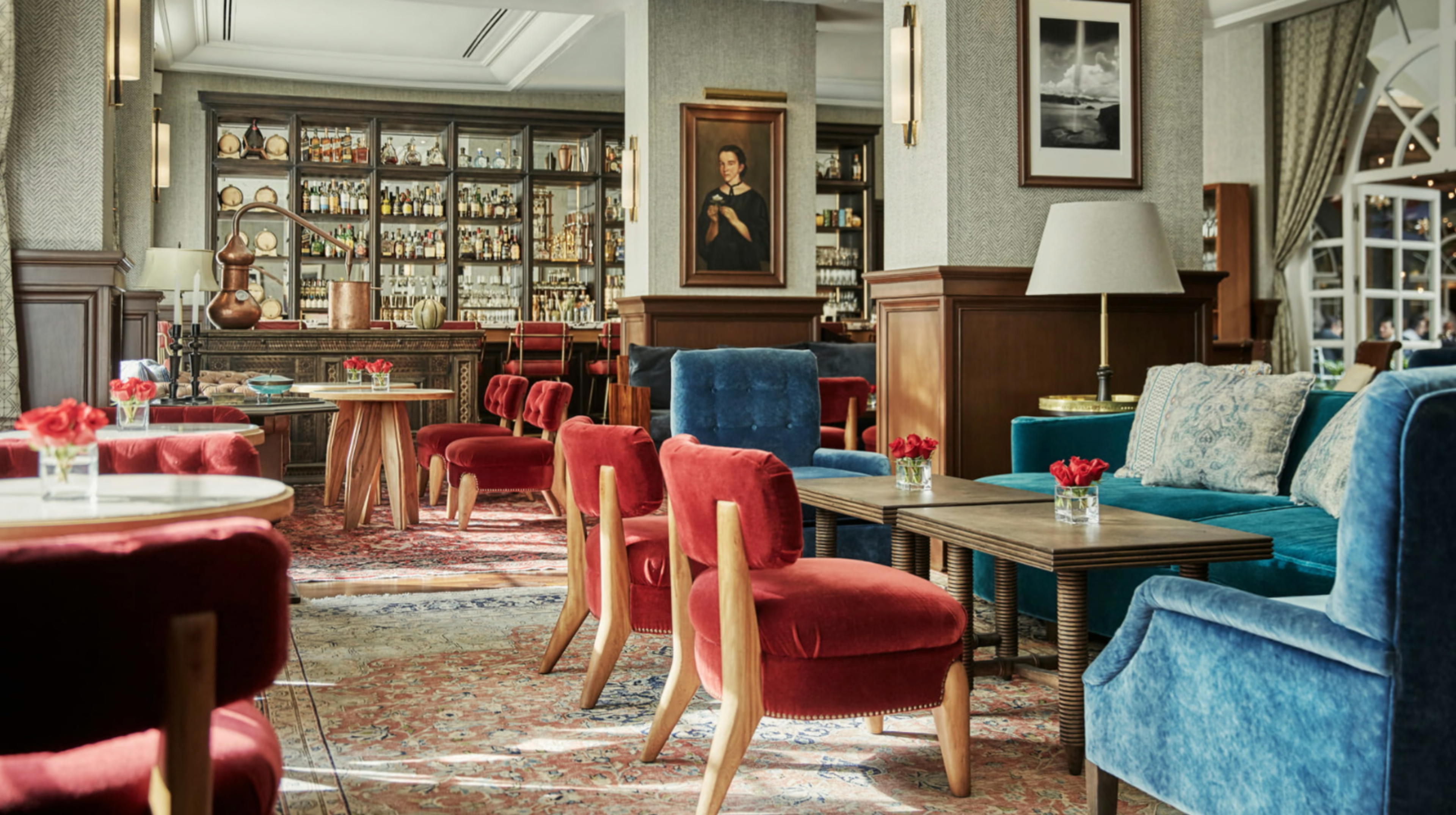
Lively and colorful decoration with warm hospitality, inviting and clean atmosphere reflecting Mexican cultural heritage.
Know Before You Go
- Getting there
- Av. Cuitláhuac 2709, Obrero Popular, Azcapotzalco, 02840 Ciudad de México, CDMX, Mexico