La Vara


La Vara on Clinton Street brings Ladino and Spanish home cooking to Cobble Hill with a precision that belies its casual price point. Holding a Michelin Plate and ranked among North America's leading casual dining destinations, the kitchen treats humble ingredients, romano beans, butter beans, slow-roasted suckling pig, with the same product discipline found at far more expensive addresses.
Pearl is the En Primeur Club membership app — saves, bookings, and concierge access live there. Same editors, same standards.
- Address
- 268 Clinton St, Brooklyn, NY 11201, United States
- Phone
- +1 718-422-0065
- Website
- lavarany.com
- Directions
- Get directions
 Saves & bookings on Pearl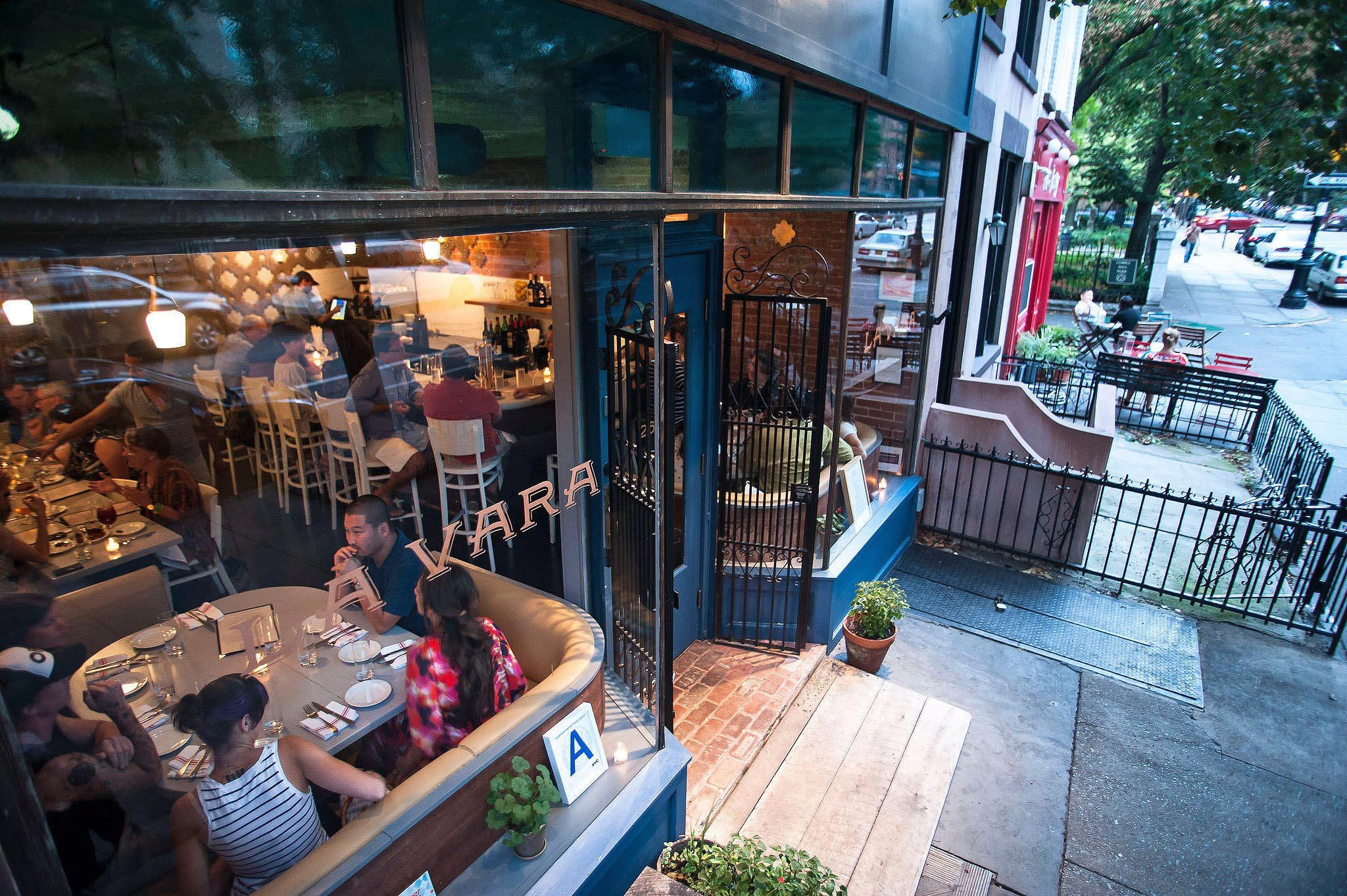
Where Sephardic Tradition Meets Brooklyn's Dining Character
Cobble Hill's restaurant row on Clinton Street sits at a particular remove from the Manhattan dining circuit that generates most of the city's awards press. That distance, geographic and temperamental, is part of what makes the cooking at La Vara legible on its own terms. The neighbourhood moves at a pace that rewards the kind of food the kitchen produces: technically considered, historically grounded, and priced to encourage return visits rather than once-a-year occasions.
Spanish tapas made the crossing from Spain to New York in waves, but the version that arrived in Manhattan in the early 2000s often traded historical specificity for crowd-pleasing accessibility. La Vara represents a different proposition. The kitchen frames its output as cocina casera, or home cooking, drawing specifically on Ladino culinary tradition, the food of Sephardic Jews expelled from the Iberian Peninsula in 1492, whose cooking absorbed Moorish, Ottoman, and Spanish influences across five centuries of diaspora. It is a genuinely narrow culinary lineage, and most diners in New York have no reference point for it outside this room.
Technique as Amplifier, Not Decoration
The editorial angle worth dwelling on here is how imported technique operates on traditional material. La Vara's kitchen applies product-focused discipline, the same discipline visible at far more expensive Spanish-influenced addresses, to a category of cooking that is generally not expected to need it. The result is a menu where the simplicity of a dish is not an accident of budget but an outcome of considered restraint.
The huevos rellenos, a Sephardic staple, arrive as evidence of what happens when kitchen precision is applied to a dish most diners associate with home kitchens. The judías a la plancha, grilled romano beans and butter beans in Romesco sauce, demonstrates the same principle: the legume is a workhorse ingredient across the Iberian and Mediterranean traditions, but the quality of the product and the accuracy of the cooking surface both matter considerably here. The cochinillo, slow-roasted suckling pig leg with chimichurri, brings South American technique into conversation with Iberian tradition, a junction that reflects the actual history of Spanish cooking in the Americas rather than a fusion concept imposed from outside.
This intersection of methods and materials is where the restaurant earns its critical attention. The restaurant has received recognition including three total awards. At the $$ price range, it competes on quality per dollar in ways that few Spanish kitchens in the city attempt.
Brooklyn's Position in New York's Dining Map
New York's high-end dining conversation is dominated by a cluster of Manhattan addresses. Three Michelin-star kitchens like Le Bernardin, Eleven Madison Park, Masa, and Per Se define one end of the spectrum, while two-star operations like Atomix fill the space below. The restaurant operates in a separate register entirely, and that separation is not a limitation. The casual dining tier in Brooklyn has developed its own critical vocabulary over the past fifteen years, and the restaurant was among the first to demonstrate that the borough could sustain cooking with genuine historical and technical ambition at neighbourhood prices.
The move across the bridge was deliberate. Brooklyn's dining culture at the time of the restaurant's opening was still developing its current identity, and the restaurant helped establish that Clinton Street and its surroundings could anchor serious food outside the Manhattan-centric review cycle. That trajectory has since played out across multiple cuisines and neighbourhoods, from Williamsburg to Carroll Gardens, but the restaurant arrived early enough to have shaped part of what the neighbourhood now expects.
For comparison across the American dining spectrum, kitchens producing food with similar historical seriousness at different price points include Emeril's in New Orleans, Lazy Bear in San Francisco, Alinea in Chicago, Single Thread Farm in Healdsburg, The French Laundry in Napa, and Providence in Los Angeles. The comparison is not about price equivalence but about the seriousness with which a defined culinary tradition is treated in the dining room. Internationally, kitchens like 8 1/2 Otto e Mezzo Bombana in Hong Kong and Alain Ducasse at Louis XV in Monte Carlo represent what happens when tradition is maintained at the formal end of the price spectrum. The restaurant makes the argument that the same seriousness does not require that price point.
Planning a Visit
Restaurants at the $$ price point with that volume of reviews and that average rating are not common in any borough. The kitchen holds evening service seven days a week, from 5:00 pm to 9:30 pm, which means the room fills early on weekends and the better part of the week. Arriving at opening, particularly on weeknights, gives you more time with the menu and more room to eat across multiple small plates without the pace pressure that a full room creates.
The address at 268 Clinton Street places it in the heart of Cobble Hill, accessible from the F and G trains at Bergen Street.
Side-by-Side Snapshot
Comparable venues nearby, for context on price, style, and recognition.
| Venue | Cuisine | Price | Awards | Notes |
|---|---|---|---|---|
| La VaraThis venue — the venue you are viewing | Modern Spanish Tapas with Jewish and Moorish Influences | $$$ | Michelin Plate | Not listed |
| Ernesto's | Basque Tapas & Pintxos | $$$ | Michelin Plate | Chinatown-Two Bridges |
| Place des Fêtes | Spanish Wine Bar with Seafood & Seasonal Vegetables | $$$ | Michelin Plate | Clinton Hill |
| Txikito | Basque Tapas | $$ | Not listed | Chelsea-Hudson Yards |
| Bar Jamon | Authentic Spanish Tapas & Jamón Bar | $$$ | Not listed | Gramercy |
| Mar at Mercado Little Spain | Modern Spanish Seafood Tapas | $$$ | Not listed | Chelsea-Hudson Yards |
Recognition history
Dated appearances from independent guides and award organizations, with the underlying list record or original source where available.
Michelin Plate
Michelin
Michelin Plate
Michelin
Opinionated About Dining Casual in North America Ranked #800
Opinionated About Dining
Continue exploring
More in New York City
More from Chef Alex Raij & Eder Montero
Browse all →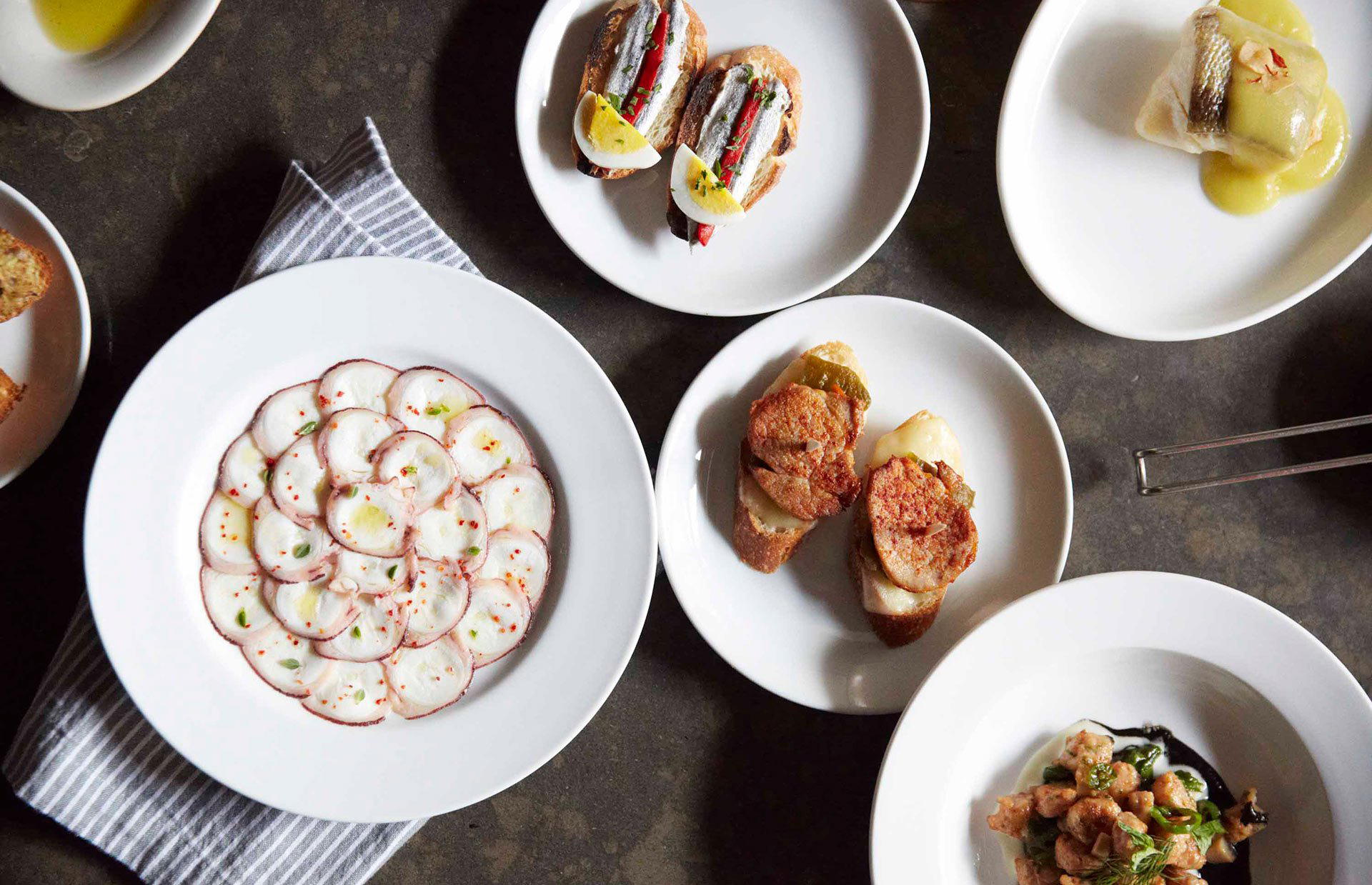
Restaurants in New York City
Browse all →
Bars in New York City
Browse all →
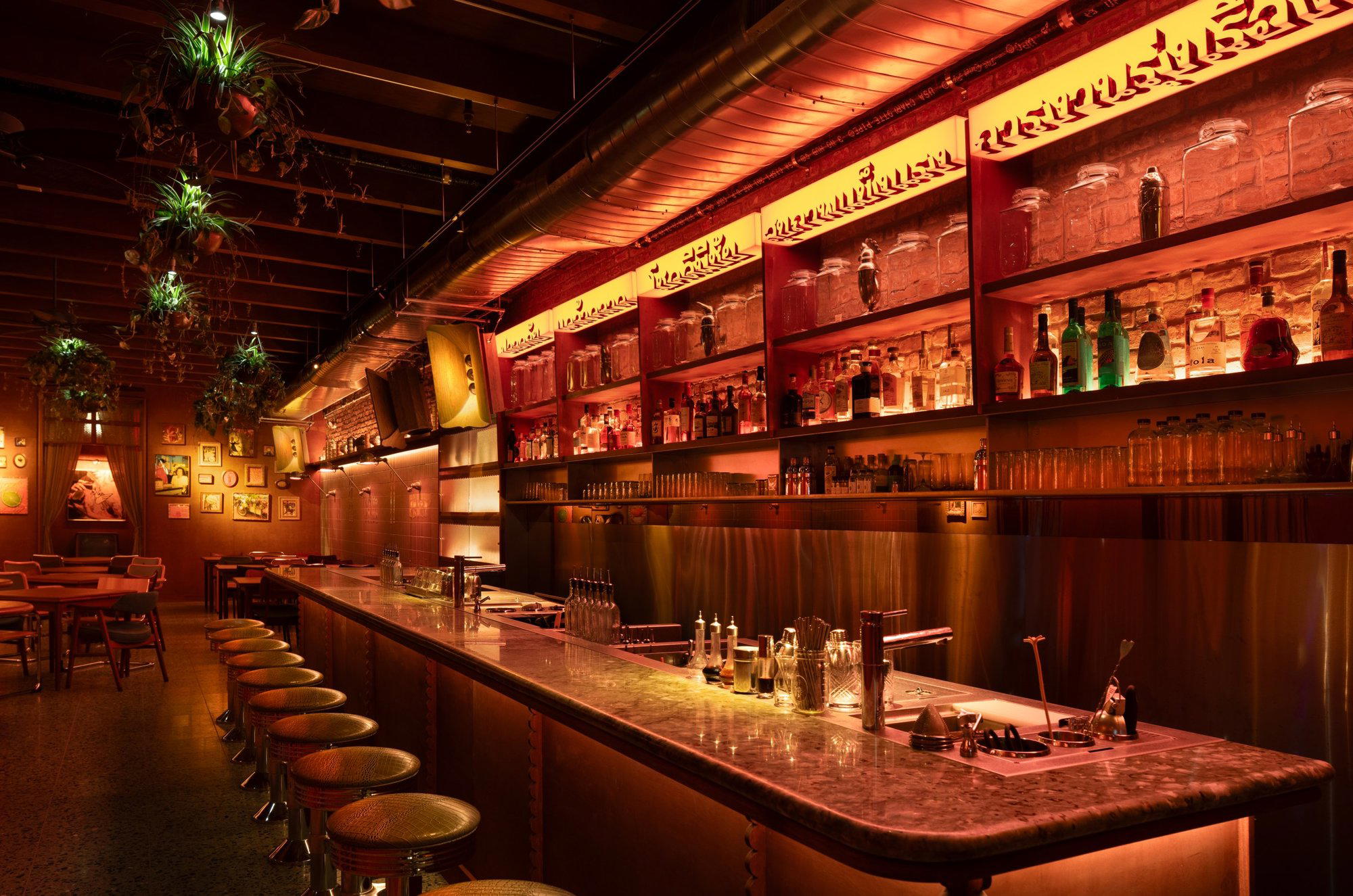
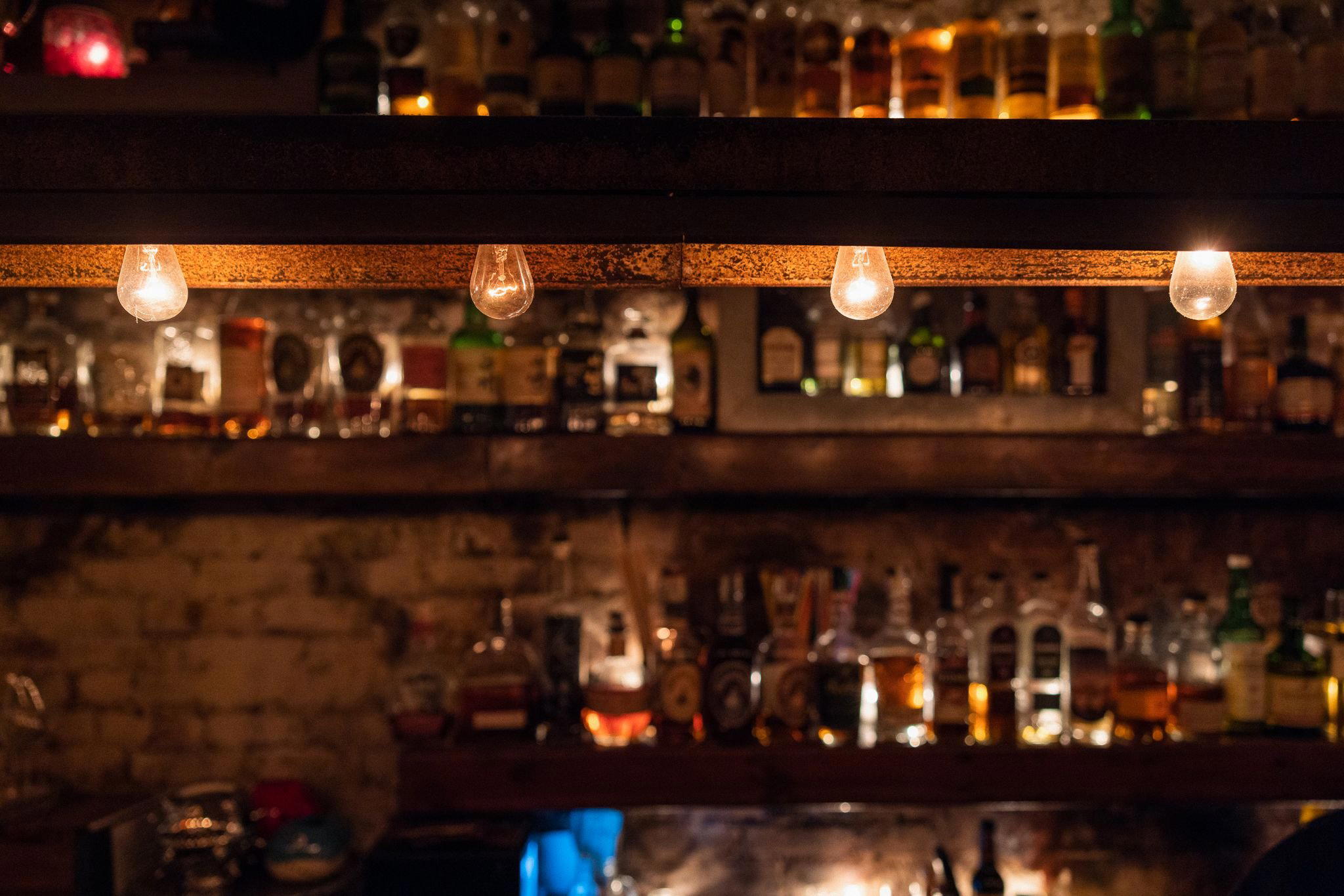
Hotels in New York City
Browse all →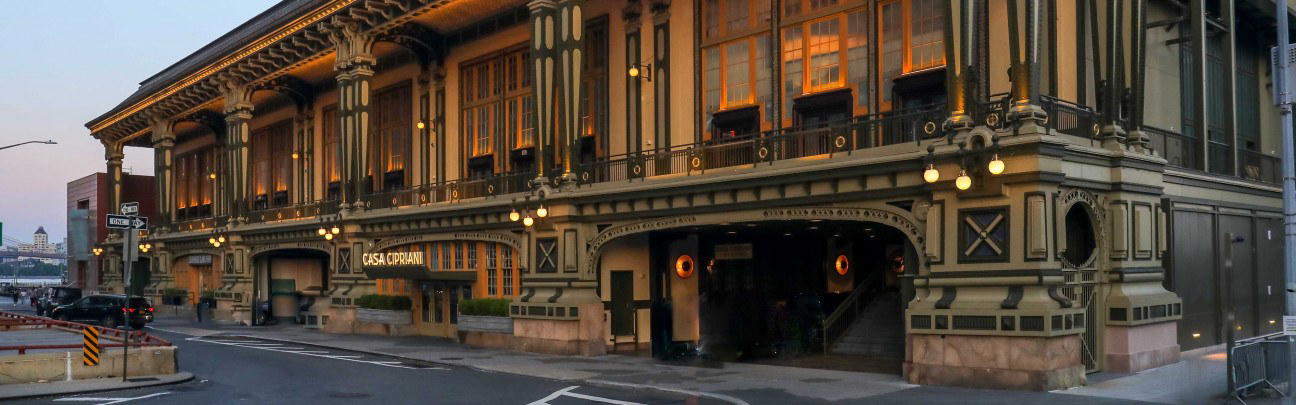


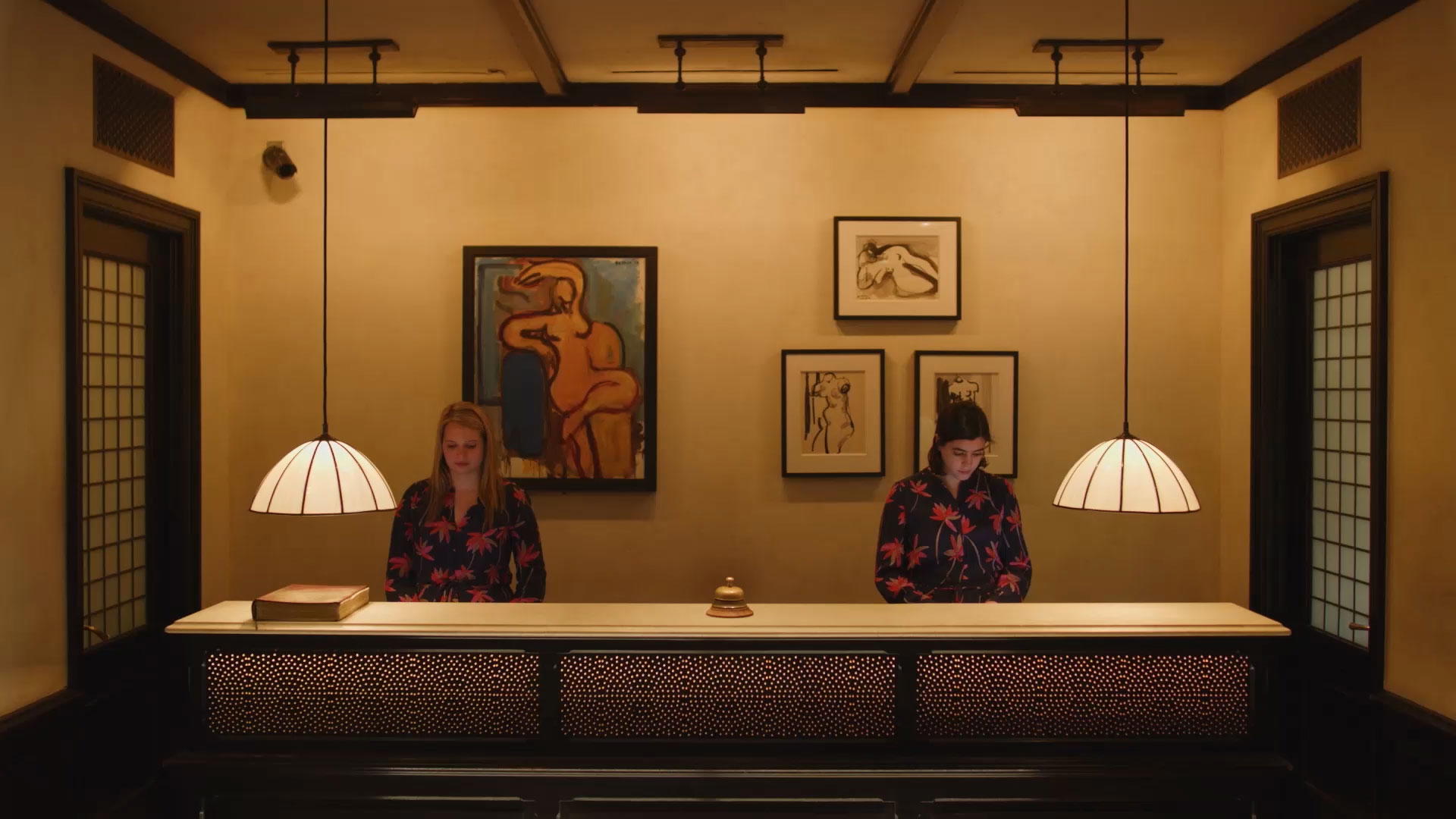





At a Glance
- Cozy
- Intimate
- Romantic
- Elegant
- Date Night
- Special Occasion
- Open Kitchen
- Extensive Wine List
Current opening hours
- Monday
- 5–9:30 p.m.
- Tuesday
- 5–9:30 p.m.
- Wednesday
- 5–9:30 p.m.
- Thursday
- 5–9:30 p.m.
- Friday
- 5–9:30 p.m.
- Saturday
- 5–9:30 p.m.
- Sunday
- 5–9:30 p.m.
Hours can change for holidays and private events. Last verified .
Cozy and charming with exposed brick walls, tin ceiling, warm lighting, and a comfortable intimate atmosphere.