La Tatanerie
Our verdict
La Tatanerie sits at 25 Quai Gustave Toudouze on the working harbour of Camaret-sur-Mer, a small Breton port town at the western tip of the Crozon Peninsula. The address places it within a regional seafood tradition shaped by Atlantic proximity and Breton culinary identity. For visitors exploring the area's dining scene, it represents a port-side option in a town where the catch and the kitchen remain closely connected.

Pearl is the En Primeur Club membership app — saves, bookings, and concierge access live there. Same editors, same standards.
- Address
- 25 Quai Gustave Toudouze, 29570 Camaret-sur-Mer, France
- Phone
- +33956354329
- Hours
- Mon–Tue 12–2:30 PMWed ClosedThu–Sun 12–2:30 PM, 7–10 PM
- Directions
- Get directions
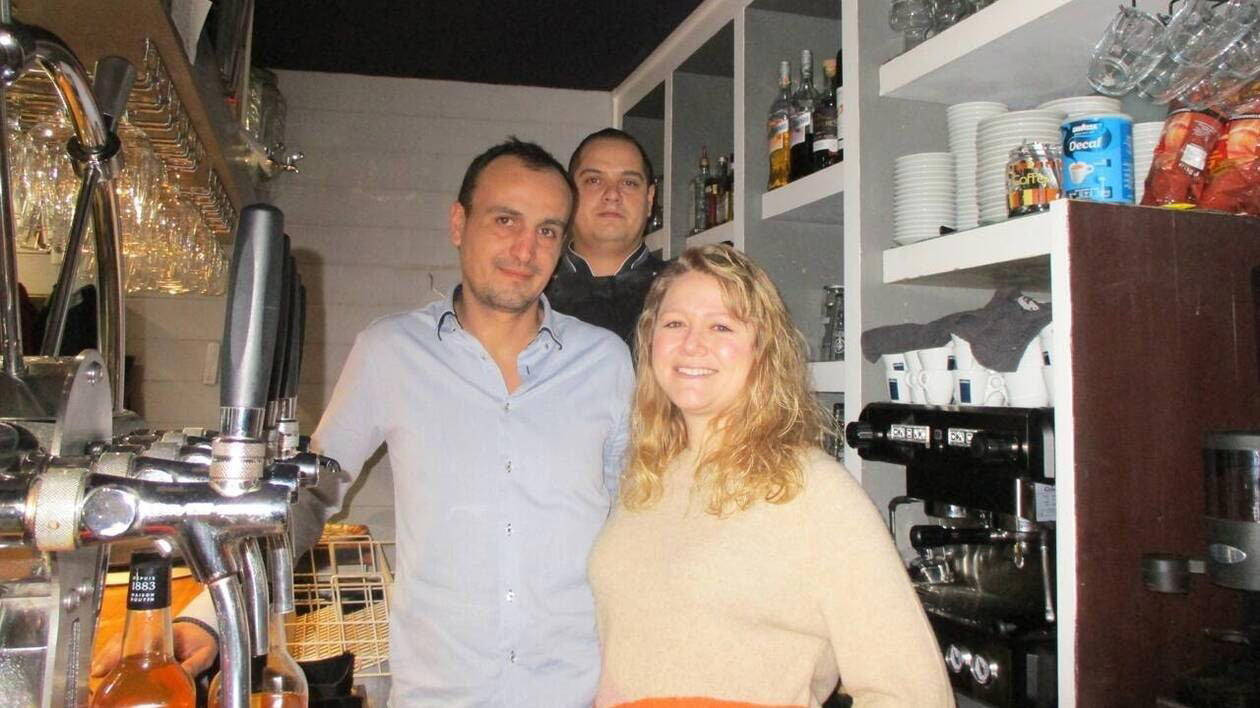
Port-Side Dining in Finistère: Where the Atlantic Sets the Table
Camaret-sur-Mer sits at the far western edge of the Crozon Peninsula, a granite promontory that juts into the Atlantic between the Brest roadstead and the Bay of Douarnenez. The drive in — through heathland, past Neolithic alignments at Lagatjar, and down into the harbour village — already signals that this is not a place designed for passing traffic. Camaret draws visitors with purpose: walkers on the GR34 coastal path, sailors using the marina, and travellers who understand that Finistère's most compelling eating happens in towns where the fishing fleet still dictates the afternoon menu. La Tatanerie occupies a position on Quai Gustave Toudouze, the quayside strip that faces the old harbour, where lobster pots and mooring lines sit within eyeline of restaurant terraces.
The Breton Seafood Tradition La Tatanerie Sits Within
To understand any harbour restaurant in this corner of Brittany, it helps to understand what Breton coastal cooking actually is, and what it is not. It is not the cream-heavy, butter-gilded register that much of France projects onto the region from the outside. In ports like Camaret, Audierne, and Douarnenez, the tradition is more austere: fish and shellfish treated with restraint, the quality of the primary ingredient carrying the dish rather than a sauce built around it. Homard breton, grilled or split and served with little intervention, is a benchmark here. Coquilles Saint-Jacques from the Bay of Saint-Brieuc or the waters off the Crozon Peninsula arrive at the table in the shell, sometimes gratinéed, sometimes raw with a citrus dressing. Galettes de sarrasin, buckwheat crêpes, represent the other axis of the regional kitchen, a carbohydrate tradition born from the soil rather than the sea, and one that runs across the entire Breton interior.
Quayside addresses in Camaret occupy a specific tier within this tradition. They are not destination restaurants in the sense that Mirazur in Menton or Flocons de Sel in Megève are destination restaurants, drawing visitors from across continents for a tasting menu built around a chef's singular vision. Nor do they sit in the classical institution register occupied by houses like Auberge de l'Ill in Illhaeusern or Paul Bocuse in Collonges-au-Mont-d'Or. The quayside restaurants of the Crozon Peninsula are something else: places where geographic proximity to the catch is the primary credential, and where the seasonal Atlantic rhythm structures both the menu and the experience.
That positioning has its own rigour. The French Atlantic coast has produced kitchens that translate proximity to the sea into serious cooking at every price point. Christopher Coutanceau in La Rochelle represents what that tradition looks like at its most formally ambitious, with two Michelin stars and a menu built around the fishing heritage of the Charente-Maritime coast. Camaret's harbour restaurants operate far below that level of formal recognition, but they participate in the same underlying logic: the sea is the kitchen's supplier, and transparency about that supply is the point.
What to Expect from the Setting
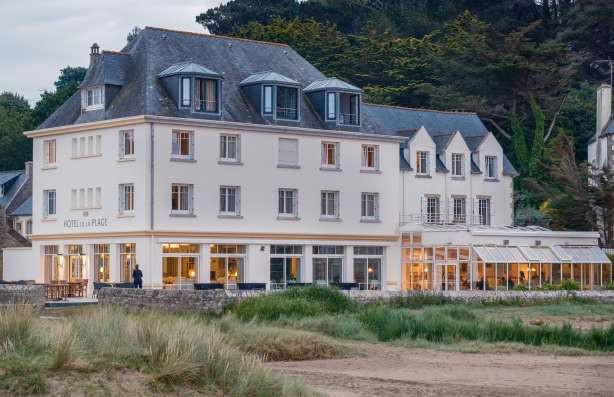
The quayside in Camaret is compact. The town itself has a population under three thousand, and its harbour infrastructure, the Tour Vauban, the Chapelle Notre-Dame de Rocamadour at the end of the spit, the line of Breton fishing boats moored along the mole, forms an architectural frame that most larger coastal towns have long since lost to development. Eating on the quai here means eating in view of that frame. The light in Finistère, particularly in the late afternoon and evening, has a quality that painters and photographers have documented for well over a century: flat, silver, arriving at low angles across open water. A terrace seat on Quai Gustave Toudouze in summer captures that light directly.
Seasonality is not incidental here, it is structural. The Crozon Peninsula's tourist season concentrates heavily between July and the end of August, when the population of the area multiplies and harbour restaurants run at capacity. Visiting outside that window, particularly from May through June or in September, tends to produce shorter waits and a more local clientele. For those planning a visit, checking directly with the restaurant for seasonal hours is advisable; operating patterns in small Breton port towns often differ significantly between high summer and the rest of the year. La Marine is another quayside address in Camaret worth considering as part of the same visit, and our full Camaret-sur-Mer restaurants guide maps the broader dining options in the town.
Where La Tatanerie Sits in the Wider French Restaurant Picture
France's most formally recognised restaurants, the three-star houses, the grandes tables that appear year after year on lists and in guidebooks, represent one end of a very long spectrum. Alléno Paris au Pavillon Ledoyen, Troisgros in Ouches, Bras in Laguiole, AM par Alexandre Mazzia in Marseille, these are restaurants where the kitchen's ambition and the formal dining experience are themselves part of the reason to visit. The Breton quayside tradition operates with entirely different priorities: immediacy, informality, and the quality of what arrived at the harbour that morning.
That is not a lesser ambition. Some of the most satisfying meals in France happen in rooms where the tablecloth is paper, the wine list runs to a single page, and the fish on the plate was swimming forty-eight hours earlier. The Atlantic ports of Brittany, Camaret, Douarnenez, Concarneau, Le Guilvinec, maintain a version of that tradition that the interior of France cannot replicate. Restaurants like those in Camaret-sur-Mer sit at the intersection of geography and culinary habit in a way that places with grander credentials sometimes do not. For context on what that kind of cooking looks like at higher formal registers, Le Bernardin in New York City offers a useful reference point: a kitchen built entirely around fish and seafood, where the primary product is treated as the argument. The underlying philosophy, however different the register, is recognisable from both sides of the Atlantic. Assiette Champenoise in Reims, Au Crocodile in Strasbourg, Auberge du Vieux Puits in Fontjoncouse, Georges Blanc in Vonnas, and L'Oustau de Baumanière in Les Baux each represent a different regional strand of French cooking, all useful comparators when thinking about how Brittany's port kitchens relate to the country's broader culinary geography. And for those whose interests run to creative modern cooking across cultural boundaries, Atomix in New York City illustrates how far the conversation about product-driven precision has travelled from its French roots.
Planning Your Visit
Camaret-sur-Mer is accessible by road from Brest in roughly forty-five minutes via the D791, crossing the Pont de l'Iroise and following the Crozon Peninsula south-west. There is no train service to Camaret; arriving by car or via the seasonal ferry connection from Brest or Crozon is the practical option. La Tatanerie's address at 25 Quai Gustave Toudouze places it directly on the harbour front, within walking distance of the town's main car parks. Given the absence of published booking details, arriving with a reservation confirmed in advance is advisable during July and August, when quayside tables in Camaret fill early in the evening. Visiting in shoulder season narrows the risk of a full house considerably.
Frequently asked questions
Is La Tatanerie good for families?
Camaret-sur-Mer itself is a small harbour town with a relaxed, unpretentious character, and port-side restaurants in this part of Brittany tend to reflect that. La Tatanerie's quay address at 25 Quai Gustave Toudouze puts it in a setting where the working harbour provides its own entertainment.
What is the atmosphere like at La Tatanerie?
The address on Quai Gustave Toudouze places La Tatanerie directly on Camaret's compact harbour front, with the Tour Vauban and the town's historic fishing infrastructure as the immediate backdrop. Camaret-sur-Mer has a population under three thousand, which keeps the pace measured rather than frenetic. Port-side rooms in this corner of Finistère are shaped by the Atlantic light and the rhythm of the boats, not by interior design ambition.
Is La Tatanerie open year-round or only in summer season?
Camaret-sur-Mer, like many small Breton harbour towns on the Crozon Peninsula, sees significant seasonal fluctuation in visitor numbers, and smaller port-side restaurants in the area often adjust their schedules accordingly. Confirming opening periods directly before travelling from Brest — approximately forty-five minutes via the D791 — is advisable, particularly outside the June-to-September window.
What's the signature dish at La Tatanerie?
What can be said is that the restaurant sits within a coastal Breton tradition where crustaceans landed at nearby ports, local oysters, and Atlantic fish have historically defined what ends up on the plate. Any visit will likely reflect the day's catch rather than a fixed repertoire.
Where is La Tatanerie located?
La Tatanerie is located at 25 Quai Gustave Toudouze, 29570 Camaret-sur-Mer, France, Camaret Sur Mer.
How hard is it to get a table at La Tatanerie?
No booking data is publicly documented for La Tatanerie. Camaret-sur-Mer draws visitors during the summer months when the Crozon Peninsula fills with travellers crossing from Brest, and harbour-front tables in small Breton ports can fill quickly in July and August. Contacting the restaurant directly ahead of a visit in peak season is the practical approach.
What makes La Tatanerie worth seeking out?
La Tatanerie occupies one of the more geographically specific dining positions in western France — a quayside seat at the Atlantic edge of the Crozon Peninsula, one of Finistère's most isolated promontories. The town of Camaret-sur-Mer is not on a through route to anywhere, which means the restaurants here serve a local and deliberately visiting clientele rather than passing trade. That geographic remove, combined with Brittany's deep-rooted coastal cooking tradition, gives the address a character that the Brest restaurant scene does not replicate.
Price and Positioning
Comparable venues nearby, for context on price, style, and recognition.
| Venue | Cuisine | Price | Notes |
|---|---|---|---|
| La TatanerieThis venue — the venue you are viewing | French Brasserie | $20–30 | Not listed |
| La Marine | French Breton Crêperie-Bistro | $20–30 | Camaret-sur-Mer, French Bistro Crêperie |
| L'Escale Gourmande | Breton Crêperie | $20–30 | Crozon, Breton Crêperie |
| L’aventure | French Mountain Grill | $30–50 | Oz en Oisans, French Mountain Grill |
| KANAILLES | French Bistro | $20–30 | Locquirec, French Bistro |
| Au Grain de Sel | French Bistro | $20–30 | Lesneven, French Bistro |
Continue exploring
More in Camaret Sur Mer
Restaurants in Camaret Sur Mer
Browse all →
Details
- Cozy
- Rustic
- Scenic
- Casual Hangout
- Waterfront
- Terrace
- Waterfront
- A La Carte
Current opening hours
- Monday
- 12–2:30 PM
- Tuesday
- 12–2:30 PM
- Wednesday
- Closed
- Thursday
- 12–2:30 PM, 7–10 PM
- Friday
- 12–2:30 PM, 7–10 PM
- Saturday
- 12–2:30 PM, 7–10 PM
- Sunday
- 12–2:30 PM, 7–10 PM
Hours can change for holidays and private events. Last verified .
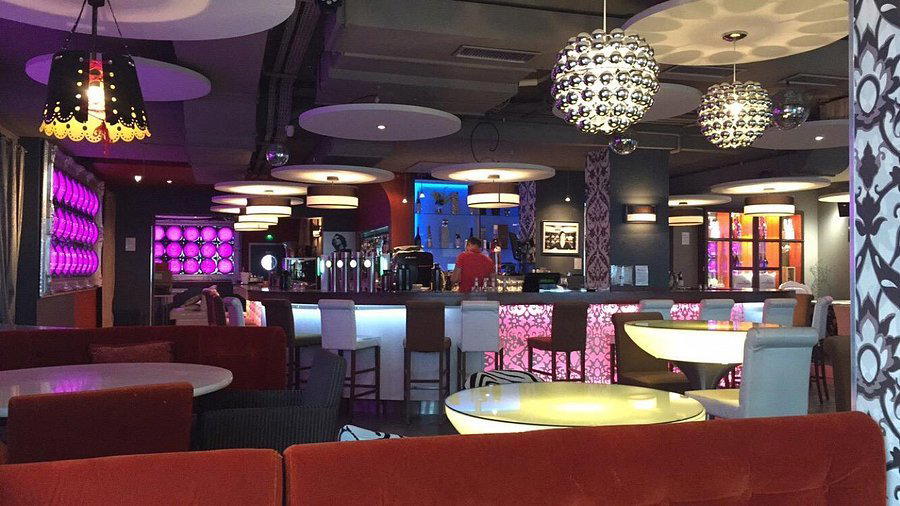
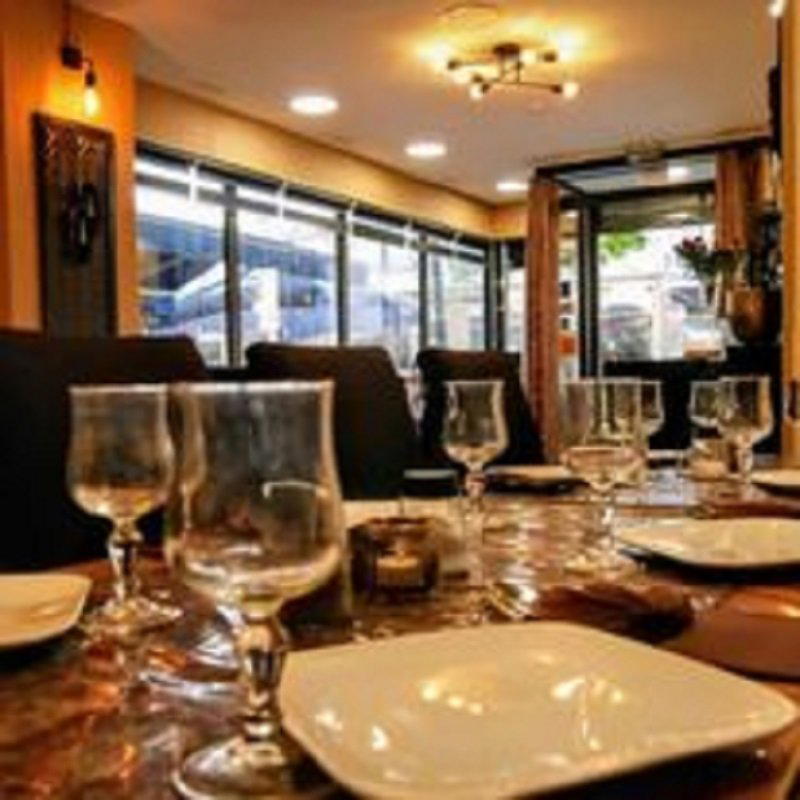
warm and welcoming ambiance with decoration inspired by owners' travels.