Hostellerie de la Pointe Saint-Mathieu


1 Michelin Star · Gault & Millau Remarkable Restaurant
Our verdict
Holding a Michelin star in both 2024 and 2025, Hostellerie de la Pointe Saint-Mathieu sits at the western edge of Finistère, where the Atlantic makes itself felt in every element of Chef Nolwenn Corre's modern cuisine. The €€€€ price tier reflects a kitchen working with the raw materials the Breton coastline produces rather than importing prestige.

Pearl is the En Primeur Club membership app — saves, bookings, and concierge access live there. Same editors, same standards.
- Address
- 7 Pl. Saint-Tanguy, 29217 Plougonvelin, France
- Phone
- +33 2 98 89 00 19
- Website
- pointe-saint-mathieu.com
- Directions
- Get directions
The menu
What to order
- Sardine et Saucisse de Molène
- Tourteau de Casier du Conquet
- Saint-Pierre
At the End of the Land
Brittany has always operated on its own terms. The westernmost tip of metropolitan France, where the Pointe Saint-Mathieu reaches into the Atlantic, is not a backdrop borrowed from a tourism brochure. The lighthouse, the ruined abbey, the grey-green sea pressing in from both sides of the peninsula — these are working geographical facts that have shaped how people eat here for centuries. When a kitchen chooses to root itself this far west, and earns a Michelin star doing it, the sourcing question is not incidental. It is the entire argument.
Hostellerie de la Pointe Saint-Mathieu sits at this juncture, at 7 Place Saint-Tanguy in Plougonvelin, and under Chef Nolwenn Corre the kitchen has held its Michelin star across both the 2024 and 2025 guides. In the geography of French fine dining, that consistency matters. Provincial one-star kitchens that retain recognition across multiple cycles are not simply executing a reliable formula; they are making a sustained case that their specific location produces something worth the designation. At the Atlantic edge of Finistère, that case is built on what the sea and the Breton hinterland supply.
What the Coast Produces
The sourcing logic of serious Breton kitchens follows a different map than the one drawn in Paris or Lyon. France's restaurant culture at its highest register, whether at Alléno Paris au Pavillon Ledoyen in Paris or Mirazur in Menton, often draws on produce from multiple regions assembled by chefs with broad supply networks. The Breton model, particularly at this latitude, compresses that geography considerably. The crustaceans, the shellfish, the flat fish — they arrive from waters visible from the dining room. That proximity is not sentiment; it is a supply chain advantage that kitchens here can convert into quality if the technique is present.
Finistère's waters are cold, which produces langoustines and lobster of firm texture and clean, saline flavour. The oyster beds along the Crozon peninsula and further into the Rade de Brest supply product that does not need to travel far to reach a kitchen at the Pointe. Inland, the bocage of Léon has historically supplied dairy and vegetables, and the market town of Saint-Renan sits close enough to function as a genuine supply point rather than a distant logistics hub. A kitchen operating at the €€€€ tier in this location is not importing prestige through air freight; it is making an argument about what proximity to source quality can achieve when the chef's technique is strong enough to let the material speak.
This is the editorial premise that distinguishes serious coastal kitchens from those that happen to be near a coast. The ingredient sourcing angle at Hostellerie de la Pointe Saint-Mathieu is not a marketing position; it is an operational commitment that the Michelin star, held for at least two consecutive guide years, validates against a set of expert expectations.
Nolwenn Corre and the Modern Cuisine Bracket
The classification of modern cuisine is broad enough to cover a significant range of ambition and approach. At one end of that range sit restaurants working at three-star intensity, places like Troisgros - Le Bois sans Feuilles in Ouches or Bras in Laguiole, where the defining characteristic is a total correspondence between place and plate achieved over decades. At the one-star level, the question is different: what is the kitchen doing with modern technique that a less focused kitchen would not do, and how is it using its specific location as material rather than merely as scenery.
This is a tier that encompasses serious kitchens like Assiette Champenoise in Reims and houses with long records of recognition such as Auberge de l'Ill in Illhaeusern, though each is operating in a distinct regional register. What connects them is the expectation, at this price level, of a kitchen making deliberate decisions about sourcing, technique, and seasonal discipline rather than executing a generic fine-dining template.
The Breton Fine Dining Context
Brittany's position within French gastronomy has long been defined by the quality of its primary produce rather than by a dense concentration of starred kitchens. The region is not Burgundy or the Loire Valley, where fine dining institutions cluster around a wine economy. It is a peninsula where the raw material argument is marine and agricultural, and where the most serious kitchens have historically worked at a lower density than in wine-producing regions or major cities. For comparison, France's most celebrated modern kitchens, from AM par Alexandre Mazzia in Marseille to Au Crocodile in Strasbourg, are embedded in urban or wine-region contexts where the concentration of dining culture creates a different set of competitive pressures. A starred kitchen at the Pointe Saint-Mathieu is operating with fewer immediate peers, which places greater weight on the kitchen's own internal standards.
That relative isolation can be a discipline. It also makes the address legible to a specific kind of traveller: one who is visiting the Crozon peninsula, the Presqu'île de Plougastel, or travelling to the Finistère tip as part of a deliberate western Brittany itinerary rather than passing through on the way to somewhere else. For those planning around the region's dining options, our full Plougonvelin restaurants guide maps the broader scene, while Bistrot 1954 offers a more casual reference point in the same commune.
Planning a Visit
Plougonvelin is approximately 25 kilometres west of Brest, the main city and transport hub for western Finistère. Brest has a TGV connection to Paris and a regional airport, making the drive from Brest to the Pointe Saint-Mathieu a direct final leg. At the €€€€ price range, the kitchen is priced at the level where advance booking is expected, and given the restaurant's recognition, planning several weeks ahead is advisable, particularly for weekend evenings in summer and early autumn when the Atlantic coast draws visitors to the region. The hostellerie format of the property means accommodation may be available on site, which changes the calculus for those considering the full evening, though specific room availability and booking methods should be confirmed directly with the property. Plougonvelin's wider hospitality offer, including places to stay and additional evening options, is covered in our full Plougonvelin hotels guide, our full Plougonvelin bars guide, our full Plougonvelin wineries guide, and our full Plougonvelin experiences guide.
For those building a broader itinerary around French fine dining at this level, the comparison set is instructive. The one-star modern cuisine tier in France encompasses kitchens of considerable range and ambition. Internationally, modern cuisine houses such as Frantzén in Stockholm and FZN by Björn Frantzén in Dubai illustrate how the modern cuisine designation travels across contexts. At the Pointe Saint-Mathieu, the argument is more geographically specific: a kitchen at the edge of a peninsula, working with what the Atlantic and the Breton land provide, and holding its Michelin recognition across consecutive years as evidence that the argument is sound.
What to Order
What should I order at Hostellerie de la Pointe Saint-Mathieu?
The kitchen's Michelin star and its location at the Atlantic edge of Finistère both point toward the same answer: the dishes built around Breton marine produce. Langoustines, lobster, and the flat fish of these cold Atlantic waters are the natural centre of gravity for a kitchen sourcing close to the sea. The modern cuisine classification signals technical ambition applied to this material rather than a classical menu format, so expect preparation that reflects current French technique rather than a conservatory approach. Consult the current seasonal menu directly with the restaurant, as specific dishes will reflect what the Breton coast and the local agricultural suppliers are producing at the time of your visit. Chef Nolwenn Corre's kitchen has earned its recognition through a sustained engagement with this specific region's produce, and the menu at any given point will be the most direct expression of that commitment.
Price and Recognition
| Venue | Cuisine | Price | Awards |
|---|---|---|---|
| Hostellerie de la Pointe Saint-MathieuThis venue — the venue you are viewing | Modern Breton Seafood Fine Dining | $100–150 | 1 Michelin Star · Gault & Millau Remarkable Restaurant |
| Alléno Paris au Pavillon Ledoyen | Creative | Not listed | Michelin 3 Star |
| Kei | Contemporary French, Modern Cuisine | Not listed | Michelin 3 Star |
| L'Ambroisie | French, Classic Cuisine | Not listed | Michelin 3 Star |
| Le Cinq - Four Seasons Hôtel George V | French, Modern Cuisine | Not listed | Michelin 3 Star |
| Plénitude | Contemporary French | Not listed | Michelin 3 Star |
Recognition history
Dated appearances from independent guides and award organizations, with the underlying list record or original source where available.
Michelin 1 Star
Michelin
Gault & Millau Remarkable Restaurant
Gault & Millau
Full recognition history (4 entries)
Michelin 1 Star
Michelin
Michelin 1 Star
Michelin
Continue exploring
More in Plougonvelin
Restaurants in Plougonvelin
Browse all →
Details
- Elegant
- Scenic
- Sophisticated
- Romantic
- Intimate
- Date Night
- Special Occasion
- Waterfront
- Historic Building
- Hotel Restaurant
- Private Dining
- Extensive Wine List
- Sommelier Led
- Local Sourcing
- Waterfront
- Tasting Menu
- A La Carte
- Wine
- Vegetarian Friendly
- Vegan Options
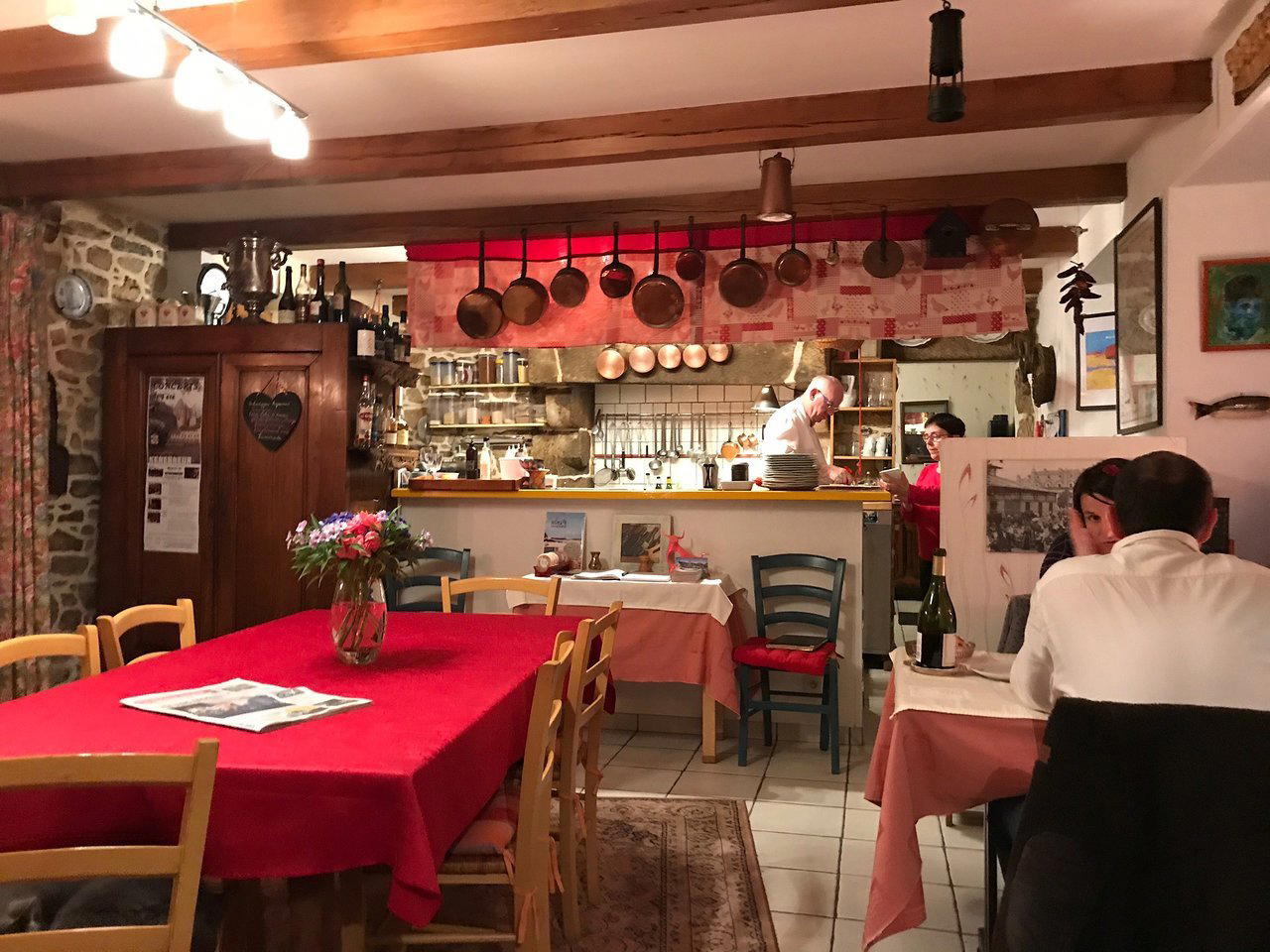
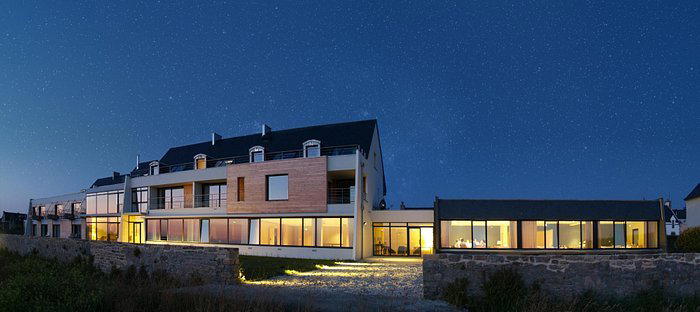
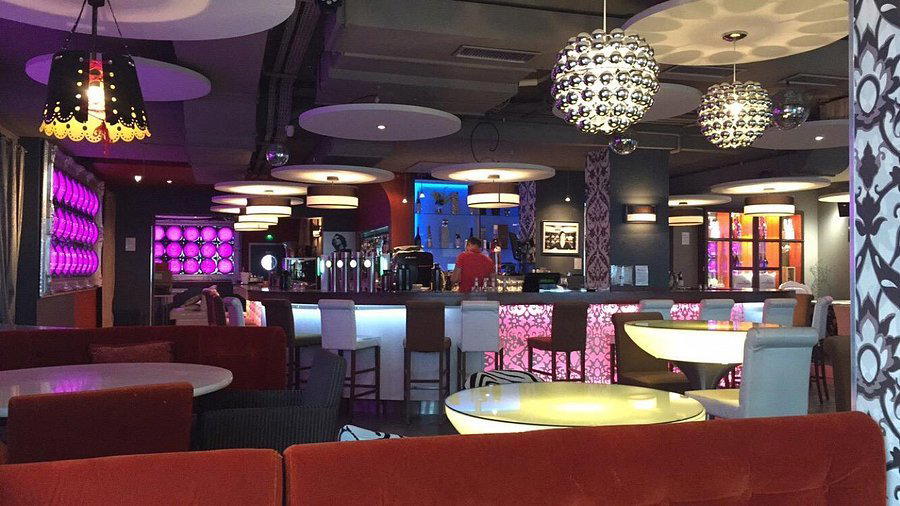
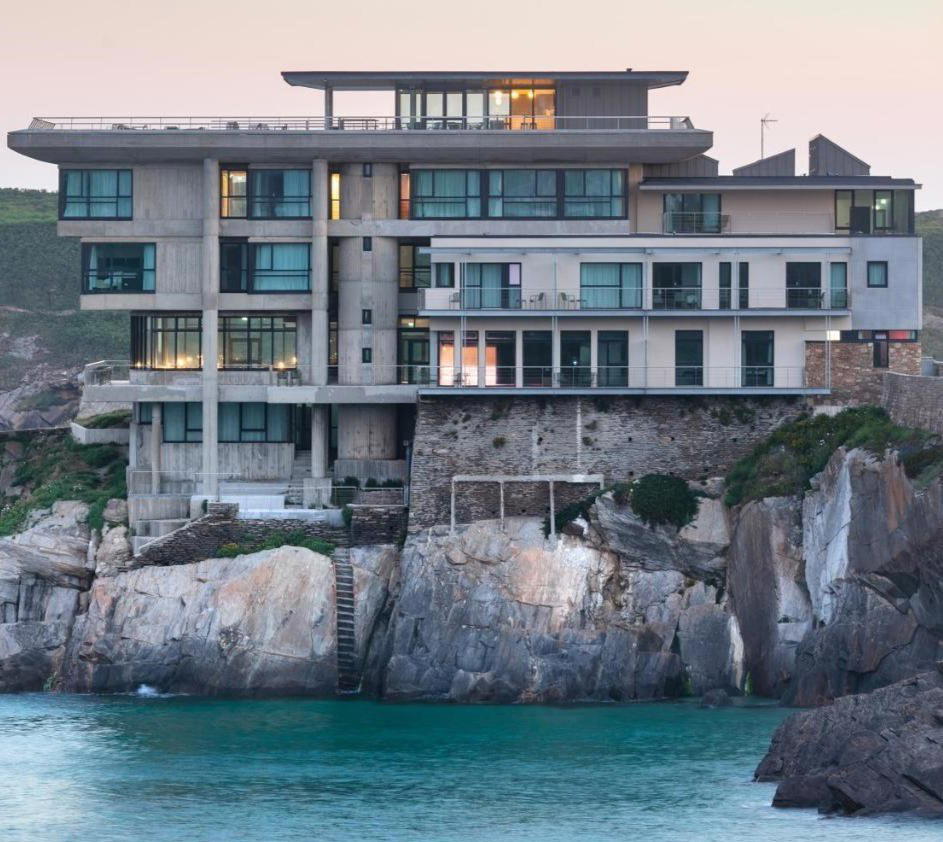
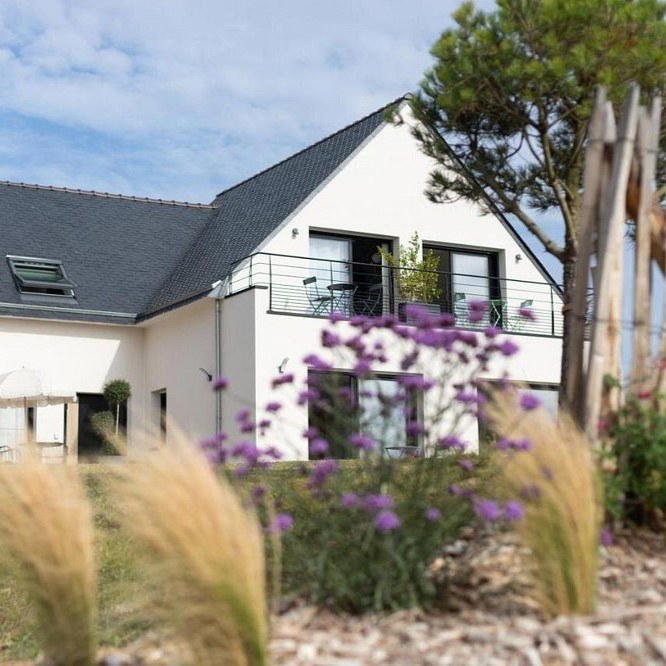
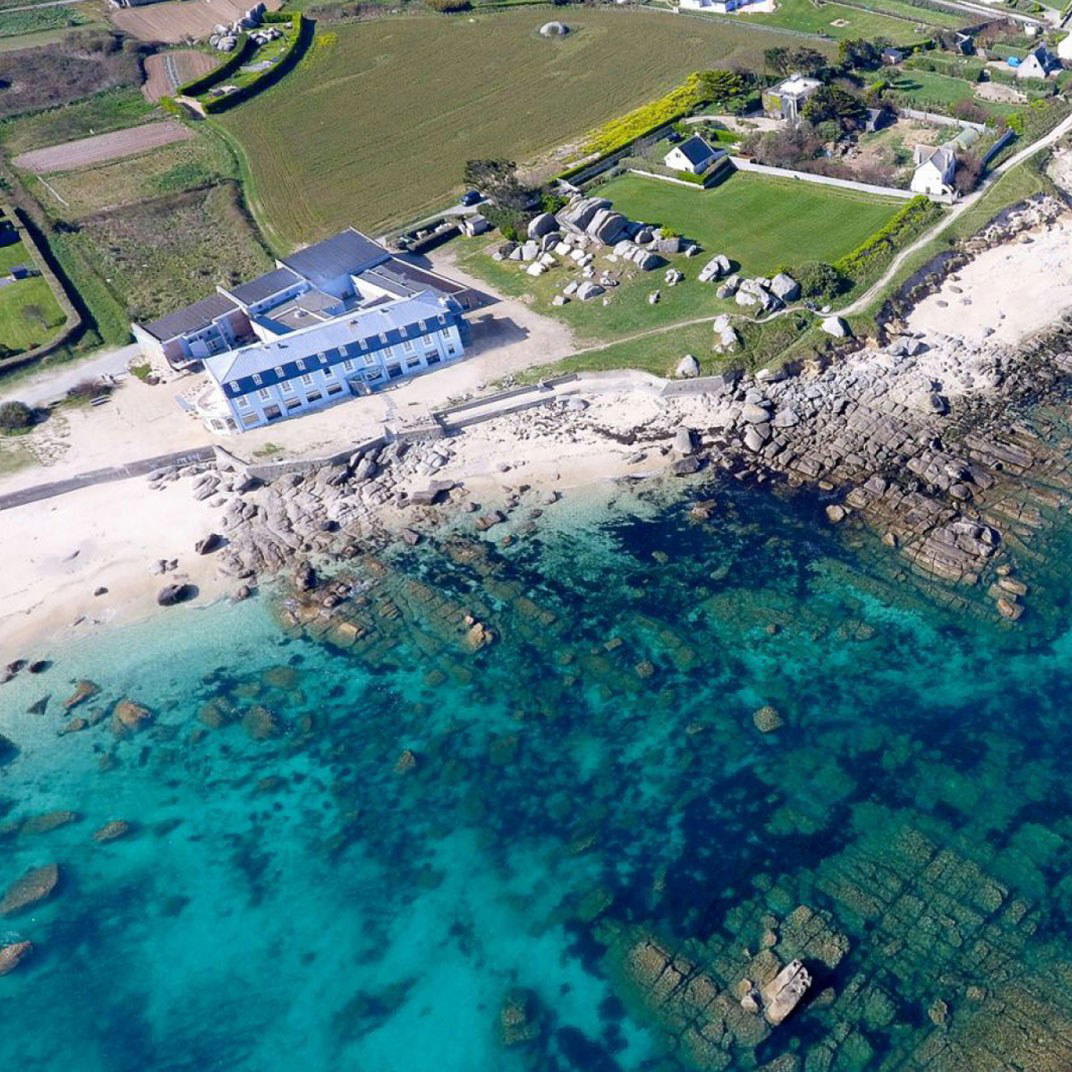
Elegant and refined atmosphere with contemporary decor in historic stone walls, soft lighting near a monumental fireplace, and panoramic ocean views creating a serene, sophisticated dining ambiance.