Our verdict
In the small Breton port of Locquirec, KANAILLES operates in a dining register that prioritises the source over the spectacle. The address on Rue Pors ar Villiec places it within reach of some of Finistère's most productive fishing grounds and coastal farmland, making ingredient provenance less a marketing claim and more a structural fact of the kitchen. For a village this size, it punches well above its category weight.

Pearl is the En Primeur Club membership app — saves, bookings, and concierge access live there. Same editors, same standards.
- Address
- Rue Pors ar Villiec, 29241 Locquirec, France
- Phone
- +33298683467
- Hours
- Mon 12–2 PM, 6–11 PMTue ClosedWed 6–11 PMThu 12–2 PM, 6–11 PMFri–Sat 12–2 PM, 6 PM–1 AMSun 12–11 PM
- Website
- kanailles.fr
- Directions
- Get directions
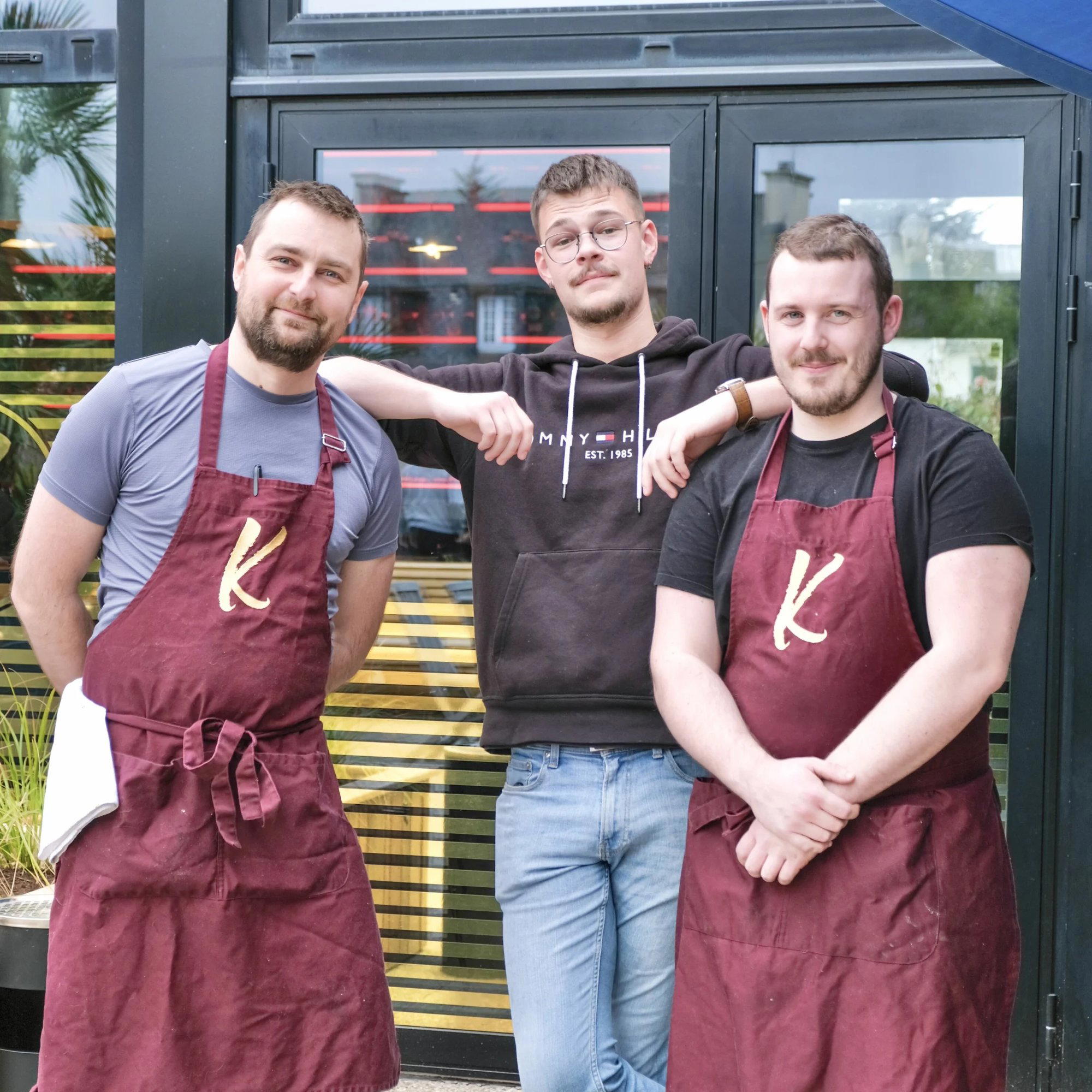
The menu
What to order
- Pig's head with tarragon mayonnaise
- Cod meunière with soubise and kasha stew
Where the Finistère Coast Shapes the Plate
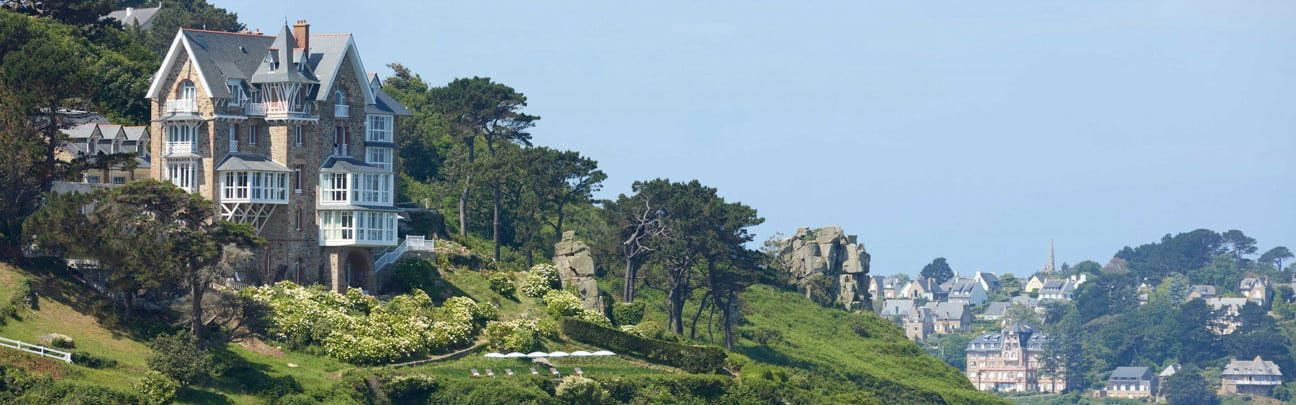
Locquirec is not a town that announces itself. Tucked into a peninsula on the northern edge of Finistère, it has a harbour small enough that you can see across it from the café tables, and a coastline that faces the English Channel with the blunt indifference of working Brittany rather than the curated charm of a tourist port. It is precisely this unglamorous utility that gives kitchens here a structural advantage: the supply chain from sea to stove compresses to a matter of hours, not days.
KANAILLES sits on Rue Pors ar Villiec, which runs close enough to the water that the context is impossible to ignore. Brittany has long operated as a supplier to the rest of France's restaurant industry — its oysters, its langoustines, its line-caught fish circulating through cold-chain logistics to Parisian kitchens that attach the premium. A restaurant cooking at source, in a village like Locquirec, occupies a different position entirely. The distance between catch and kitchen is the shortest it can be, and that compression is not incidental to the food — it is the food's primary argument.
The Sourcing Logic That Defines Coastal Breton Cooking
The fishing grounds off northern Finistère, the Baie de Morlaix sits within reach of Locquirec, have historically produced crustaceans and flatfish of a quality that larger coastal cities struggle to match, not because the species differ but because the handling time does. When langoustines come off a boat at a small harbour and move directly to a kitchen rather than a distribution centre, the texture and flavour differential is measurable. The claw meat holds differently. The flesh of a turbot caught nearby and cooked the same day behaves differently under heat than the same species transported across a region.
This is the ingredient logic that small-harbour restaurants across Brittany, from the Presqu'île de Crozon to the Côte de Granit Rose, have built their identities around, and it is the tradition into which KANAILLES fits. The approach is not ideological in the way that farm-to-table discourse can become; it is pragmatic. The supply exists. The quality differential is real. The kitchen's job is not to intervene unnecessarily.
Breton coastal cooking at its most honest treats the tidal zone as larder. Seaweeds, bivalves, shellfish, and the catch of the day are not embellishments but the structural core of what is served. Kitchens that hold to this tradition tend to rotate based on what is available rather than what is printed on a fixed menu, which produces a different experience from one visit to the next and rewards repeat visits from those who understand what they are tracking.
Locquirec in the Wider French Dining Context
France's most recognised restaurants tend to cluster in cities and resort towns with infrastructure that supports them: the Parisian grandes maisons such as Alléno Paris au Pavillon Ledoyen, the Alpine addresses like Flocons de Sel in Megève, the coastal landmark that is Mirazur in Menton, or the storied provincial institutions such as Troisgros in Ouches and Auberge de l'Ill in Illhaeusern. These are restaurants sustained by destination dining and the infrastructure of recognisable names.
Village-scale restaurants in places like Locquirec operate on a different axis entirely. They do not draw from a metropolitan reservoir of diners. Their clientele is local, seasonal, and composed largely of people who have come specifically to be on this coastline. That structural reality shapes what these kitchens do and how they price it. The comparison set is not the Parisian restaurant world, it is the immediate coastal village: the Restaurant du Port around the harbour, the seasonal openings that track the tourist calendar. Within that local peer group, KANAILLES holds a distinct position.
Across France, the pattern of small-port restaurants cooking at high ingredient quality without the formal apparatus of starred dining is consistent along coastlines where the fishing economy remains active. Christopher Coutanceau in La Rochelle represents the most formally recognised version of this tradition, with Michelin stars and a seafood-first philosophy built on direct relationships with local fishermen. Bras in Laguiole does something analogous with upland Auvergne produce. The principle, radical geographic specificity expressed through what is sourced immediately nearby, is the same across these very different regions. KANAILLES, in a village format and without the formal recognition of those addresses, participates in the same tradition at a different scale.
Planning a Visit to Locquirec
Locquirec is reached most practically by car from Morlaix, which is approximately 25 kilometres to the south and sits on the main TGV line connecting Brest to Paris. The drive from Morlaix to Locquirec takes roughly 30 minutes and moves through the bocage range of northern Finistère before arriving at the coast. The town itself is small enough that orientation is immediate once you arrive.
The Breton coast operates on a distinct seasonal rhythm. Summer months, July and August in particular, see Locquirec fill with French families on holiday, which means that any restaurant with a fixed number of covers will be under pressure for reservations. The shoulder seasons, May to June and September to October, offer more availability and the advantage of autumn seafood, when crab and lobster are at their leading after the summer growth period. Anyone planning specifically around KANAILLES should treat advance booking as sensible given the village's limited dining supply relative to summer demand.
For those building an itinerary around the northern Finistère coast, the full Locquirec restaurants guide maps the dining options relative to the area's character. The Baie de Morlaix area rewards an extended stay rather than a day trip, with the coastal path network and the tidal flats at low water adding context to what ends up on the plate in a kitchen like KANAILLES.
What the Address Represents
There is a recurring question in French dining about where the most honest cooking happens: in the formally recognised temples or in the places that have no choice but to cook with what is in front of them. The great provincial institutions, Paul Bocuse in Collonges-au-Mont-d'Or, Auberge du Vieux Puits in Fontjoncouse, Georges Blanc in Vonnas, L'Oustau de Baumanière in Les Baux, represent one answer, rooted in terroir and tradition but sustained by reputation. A small restaurant in Locquirec represents a different answer: no reputation to protect beyond the immediate community, no supply chain stretching further than the harbour, no claim to make beyond what arrived that morning.
That is not a diminishment. It is a different kind of argument about what food is for. Restaurants like AM par Alexandre Mazzia in Marseille, Assiette Champenoise in Reims, or Au Crocodile in Strasbourg make their argument through technical ambition and formal recognition. KANAILLES, in Locquirec, makes its argument through geography and proximity. Both arguments are legitimate. Which one you find more compelling depends on what you are looking for when you sit down.
Frequently asked questions
Is KANAILLES good for families?
Locquirec itself is a small harbour town on the Finistère peninsula, which draws a mix of visitors including families during the summer season. A restaurant at this address in that context tends to suit relaxed, unhurried meals rather than formal occasions.
What's the overall feel of KANAILLES?
The address on Rue Pors ar Villiec places KANAILLES within Locquirec's compact harbour quarter, a village that has no infrastructure for the kind of theatrical gastronomy associated with destination restaurants in larger French cities. The implied register is one of focused, place-specific cooking rather than formal ceremony. Locquirec dining tends toward rooms where the sourcing does the talking.
Is KANAILLES worth a detour from Morlaix?
Morlaix sits approximately 25 kilometres south of Locquirec on the main TGV line connecting Paris to Brest, making Locquirec a practical half-day or full-day excursion. For those already in northern Finistère, a meal at a restaurant embedded in this particular harbour setting carries the kind of locational logic — proximity to the fishing grounds, a village that has not industrialised its tourism — that justifies the drive. The detour is about the context as much as the plate.
What dish is KANAILLES famous for?
No specific signature dish is documented for KANAILLES. Coastal northern Finistère has historically been known for crustaceans, flatfish, and preparations from the Baie de Morlaix fishing grounds, which gives a reasonable indication of where any kitchen in Locquirec is likely to anchor its menu.
What's the address for KANAILLES?
KANAILLES is located at Rue Pors ar Villiec, 29241 Locquirec, France, Locquirec.
Should I book KANAILLES in advance?
Locquirec is a small peninsula village, which means dining capacity in any given restaurant is limited by geography alone. During the Breton summer season, from July through August, demand from both French and international visitors typically outpaces the supply of covers in small harbour-town restaurants. Booking ahead, particularly for weekend dinners or peak-season visits, is the prudent approach.
Comparable Spots, Quickly
Comparable venues nearby, for context on price, style, and recognition.
| Venue | Cuisine | Price | Awards | Notes |
|---|---|---|---|---|
| KANAILLESThis venue — the venue you are viewing | French Bistro | $20–30 | Not listed | Not listed |
| Restaurant du Port | Traditional French Seafood Bistro | $30–50 | Michelin Plate | Locquirec Port |
| Au Grain de Sel | French Bistro | $20–30 | Not listed | Lesneven |
| Crêperie La Goélette | Breton Crêperie | $10–20 | Not listed | centre-bourg |
| Crêperie | Breton Crêperie | $10–20 | Not listed | Quiberon |
| La Boissière | French Bistro | $20–30 | Not listed | centre ville |
Continue exploring
More in Locquirec
Restaurants in Locquirec
Browse all →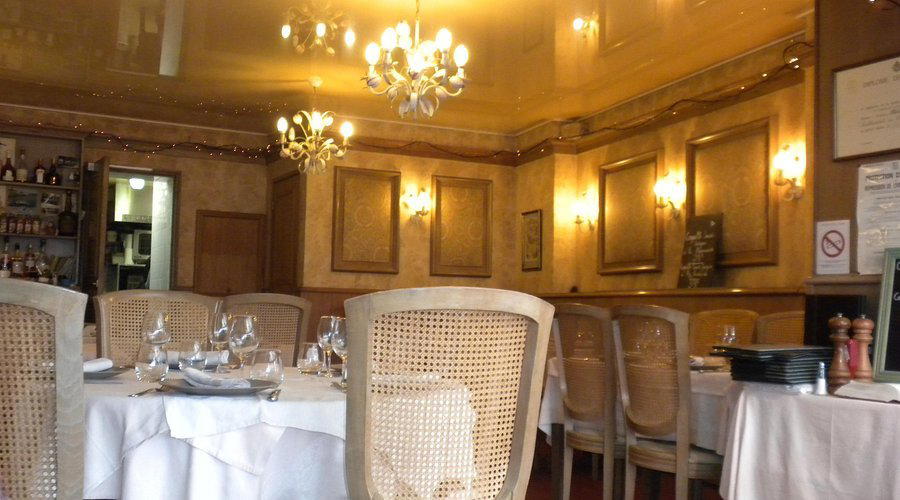
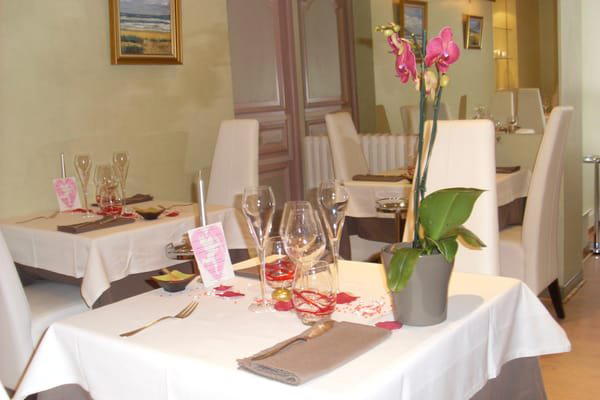
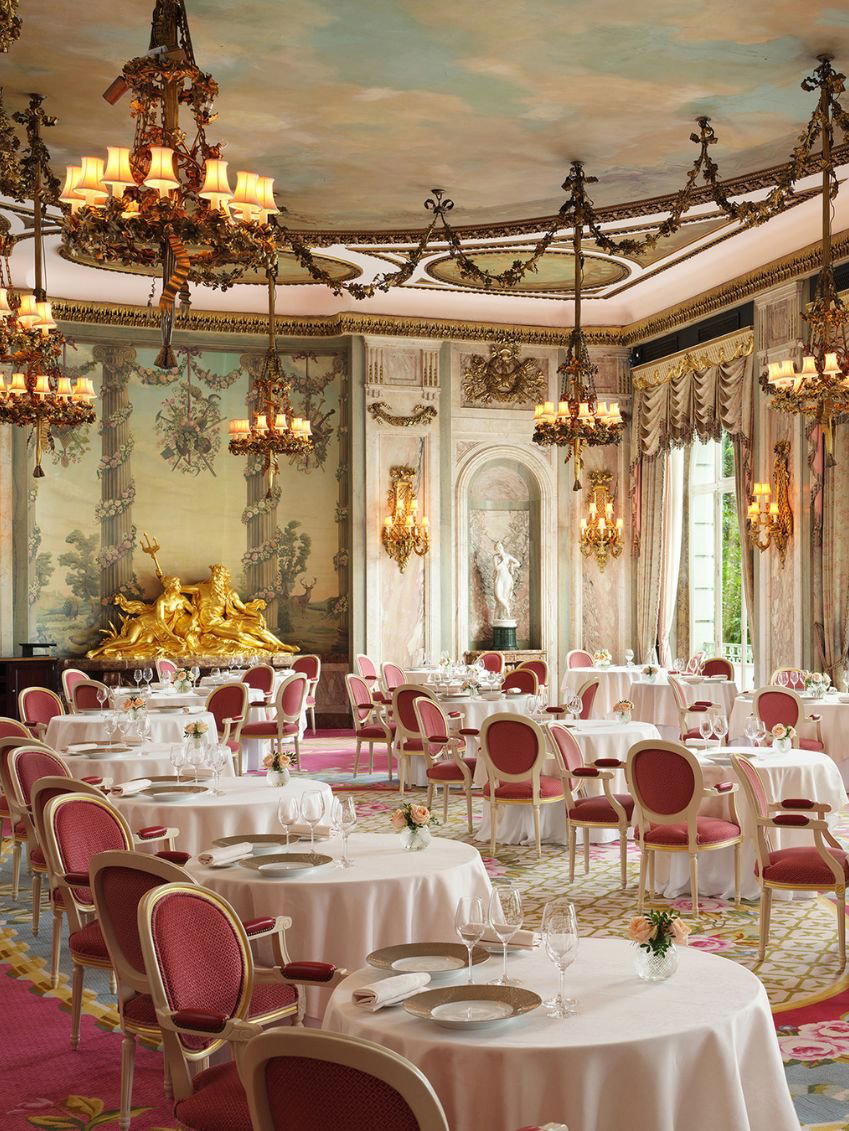
Bars in Locquirec
Browse all →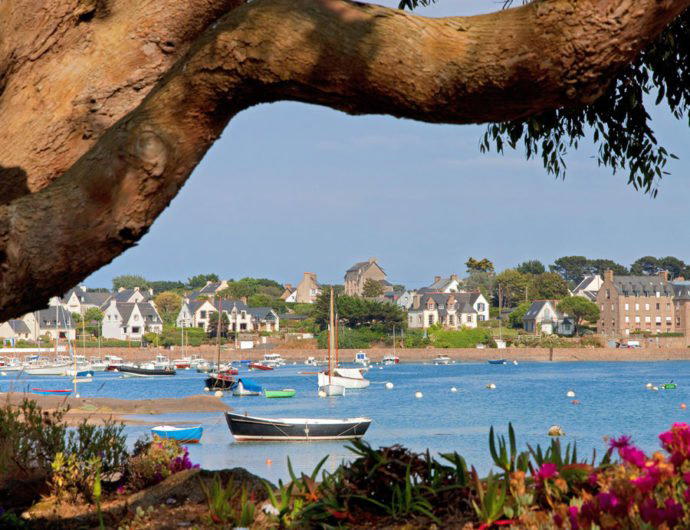
Details
- Cozy
- Modern
- Casual Hangout
- Local Sourcing
- A La Carte
- Vegetarian Friendly
Current opening hours
- Monday
- 12–2 PM, 6–11 PM
- Tuesday
- Closed
- Wednesday
- 6–11 PM
- Thursday
- 12–2 PM, 6–11 PM
- Friday
- 12–2 PM, 6 PM–1 AM
- Saturday
- 12–2 PM, 6 PM–1 AM
- Sunday
- 12–11 PM
Hours can change for holidays and private events. Last verified .
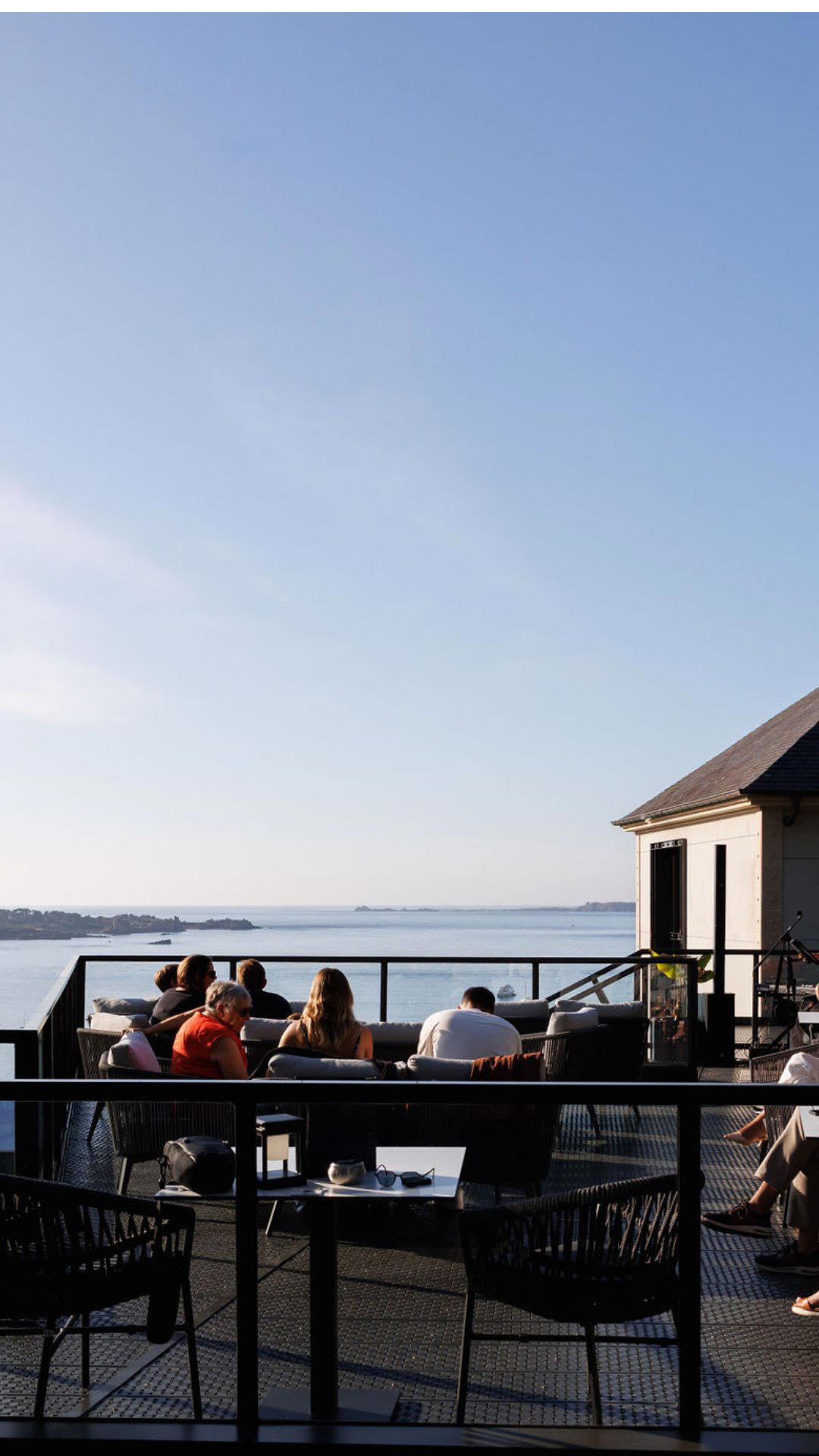
Chill and cozy environment blending modern decor with bistro counter and neon-lit bar atmosphere.