La Table du Rocher
Our verdict
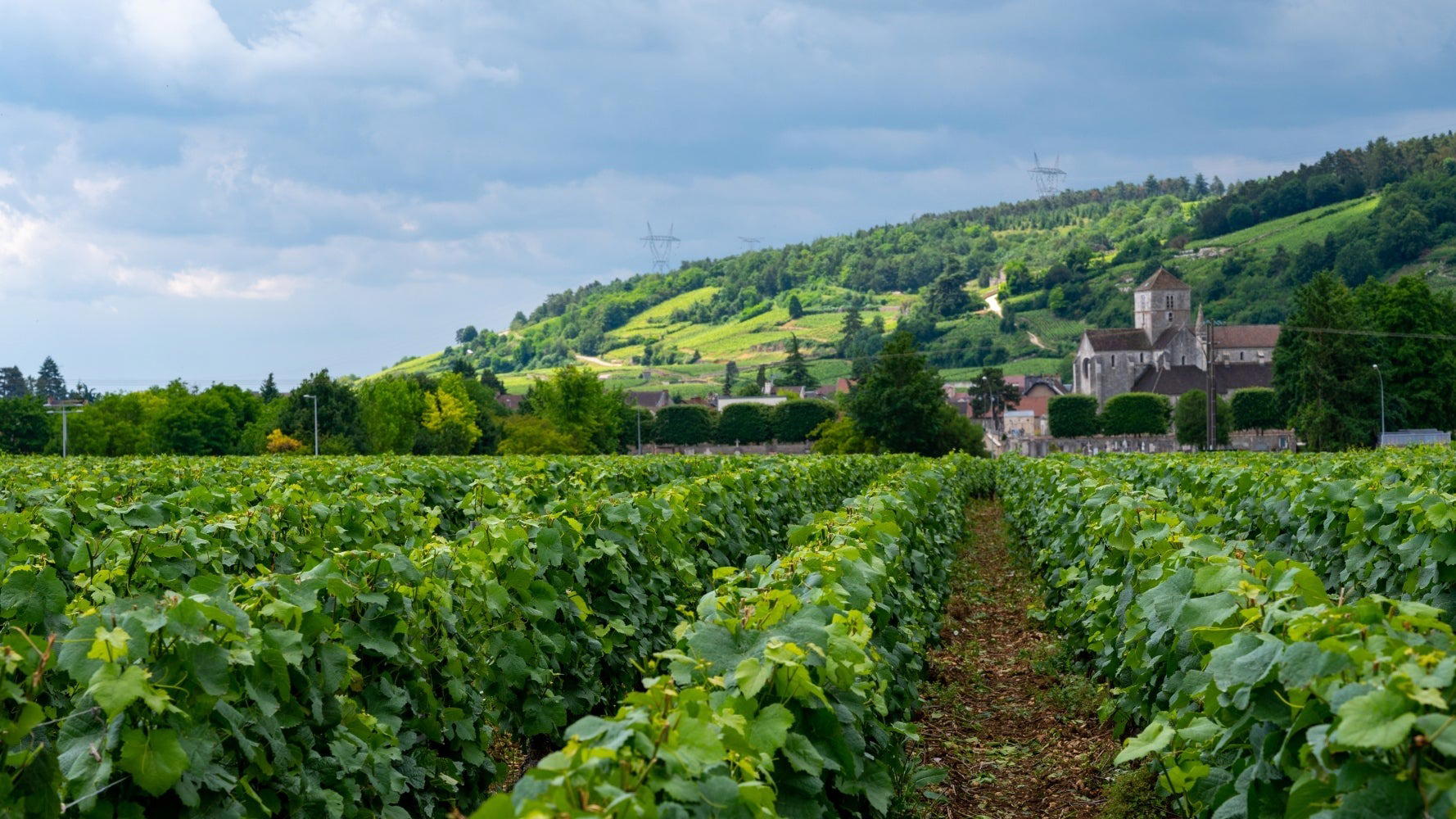
La Table du Rocher sits on the Route de Beaune in Marsannay-la-Côte, the first village south of Dijon along the Côte de Nuits, where Burgundy's vineyard corridor begins in earnest. The restaurant occupies a position in one of France's most ingredient-rich rural dining corridors, drawing on a larder defined by proximity to both the vineyards and the agricultural hinterland of the Saône valley.

Pearl is the En Primeur Club membership app — saves, bookings, and concierge access live there. Same editors, same standards.
- Address
- 85 Rte de Beaune, 21160 Marsannay-la-Côte, France
- Phone
- +33380522075
- Hours
- Mon ClosedTue–Thu 12–1:30 PMFri–Sat 12–1:30 PM, 7:30–8:45 PMSun Closed
- Website
- latabledurocher.fr
- Directions
- Get directions
The menu
What to order
- Croustillant d'épaule d'agneau confite façon navarin
- Dos de poisson du moment panko et parmesan
- Velouté de carottes gingembre et magret de canard fumé
Where the Côte de Nuits Begins at the Table
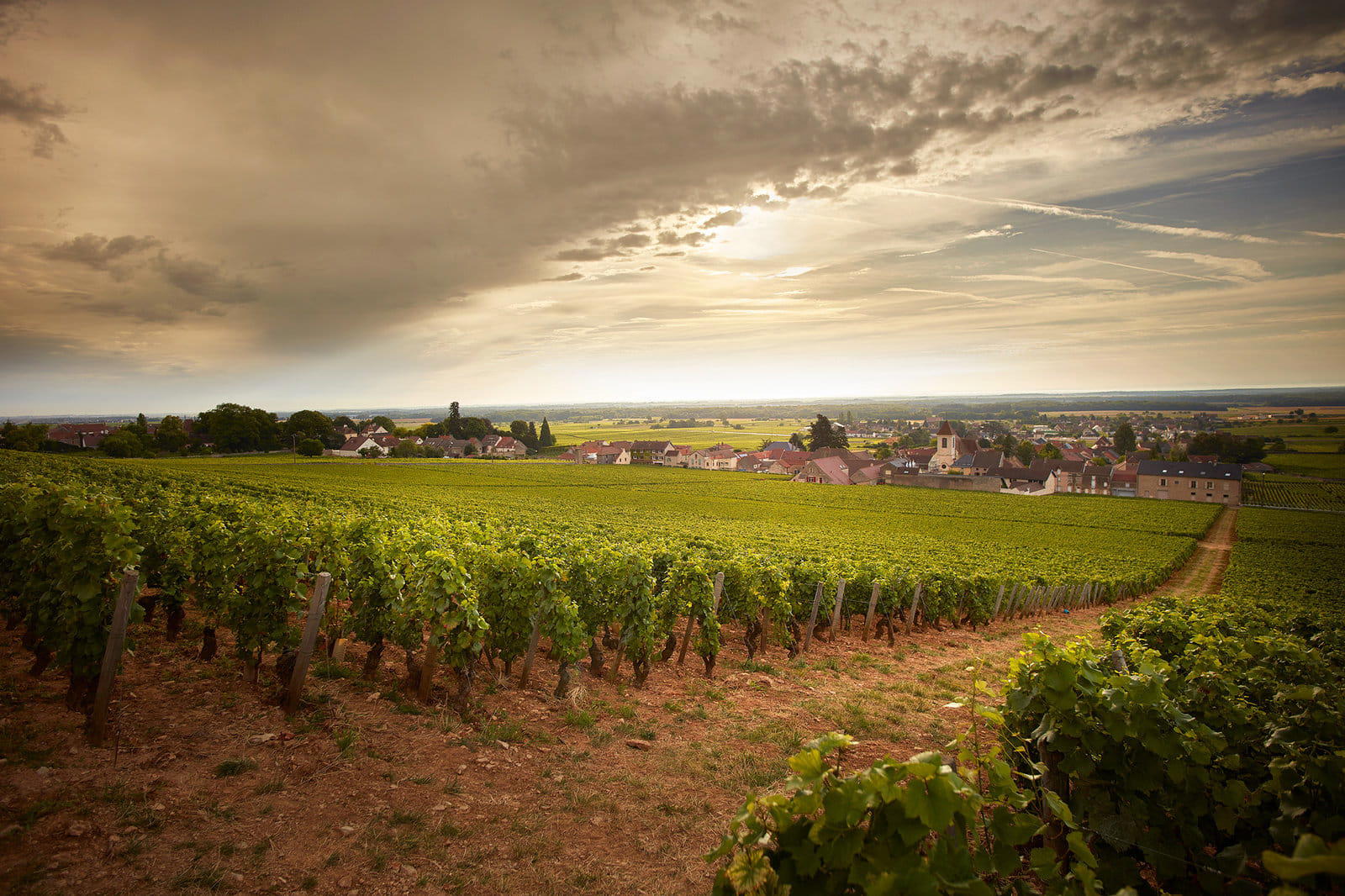
The Route de Beaune leaving Dijon runs south through a sequence of villages that most visitors treat as transit points on the way to Gevrey-Chambertin or Nuits-Saint-Georges. Marsannay-la-Côte is the first of them, and in that position it carries a particular character: close enough to a city to have a functional, unpretentious pulse, far enough into the vine country to belong unambiguously to the agricultural and viticultural world of the Côte de Nuits. La Table du Rocher, at 85 Route de Beaune, sits inside that dual identity. The building addresses the road directly, without the theatrical approach of destination properties further south. There is nothing here of the formal château gate or the manicured forecourt that announces a certain kind of Burgundian dining experience. The arrival is quiet, which in this part of France tends to signal that the kitchen is the point.
Ingredient Geography: The Case for Eating Here
The editorial angle that makes Marsannay-la-Côte worth examining is not any individual restaurant but what the location means for sourcing. Restaurants along this stretch of the N74 corridor operate within reach of one of the most concentrated agricultural geographies in France. To the east, the Saône plain carries market gardens, poultry farms, and dairy operations that supply Dijon's professional kitchens. To the west, the Côte itself produces not only the wines that define the appellation system globally, but also the kind of highly local produce, including snails, mustard-seed crops, and foraged aromatics from the hillside scrub above the limestone outcrops, that define what Burgundian cooking actually means at its most grounded level.
This matters because the cuisine tradition of this corridor is not the same as the grand cuisine of Paris or Lyon. It does not aim for the architectural ambition of places like Alléno Paris au Pavillon Ledoyen or the landscape-driven sourcing philosophy of Mirazur in Menton. It is, at its finest, a cuisine of specific agricultural place: Époisses cheese from the village of the same name forty kilometres west, Charolais beef from the bocage country of the Saône-et-Loire, the particular richness of cream from local dairy herds. The kitchen that works this geography well does not need to import its identity from elsewhere.
The Burgundian Village Restaurant and What It Demands
Across Burgundy's wine villages, a category of restaurant has developed that occupies a position distinct from both the bistrot and the gastronomic table. These are places with serious cooking ambitions that are nonetheless embedded in community life, that serve a local clientele alongside visiting wine tourists, and that price their menus in a way that reflects the realities of a small-town economy. The best of them, from village addresses in the Côte de Beaune to the quieter communes of the Côte de Nuits, represent a format that French dining culture has historically produced with greater consistency than almost anywhere else in the world: technically grounded, ingredient-focused cooking in an unselfconscious setting. For comparison points at the higher end of the regional French tradition, see Auberge de l'Ill in Illhaeusern, Georges Blanc in Vonnas, or Troisgros in Ouches, all of which grew from similar village-rooted formats before acquiring international recognition.
La Table du Rocher operates in this broader tradition. Its address on the Route de Beaune places it naturally in the path of visitors arriving from Dijon for a wine-country day, and that positioning shapes its likely function: a kitchen that serves the moment between the vineyard visit and the drive back north, or the dinner after a day of tasting in Gevrey.
Reading the Surroundings
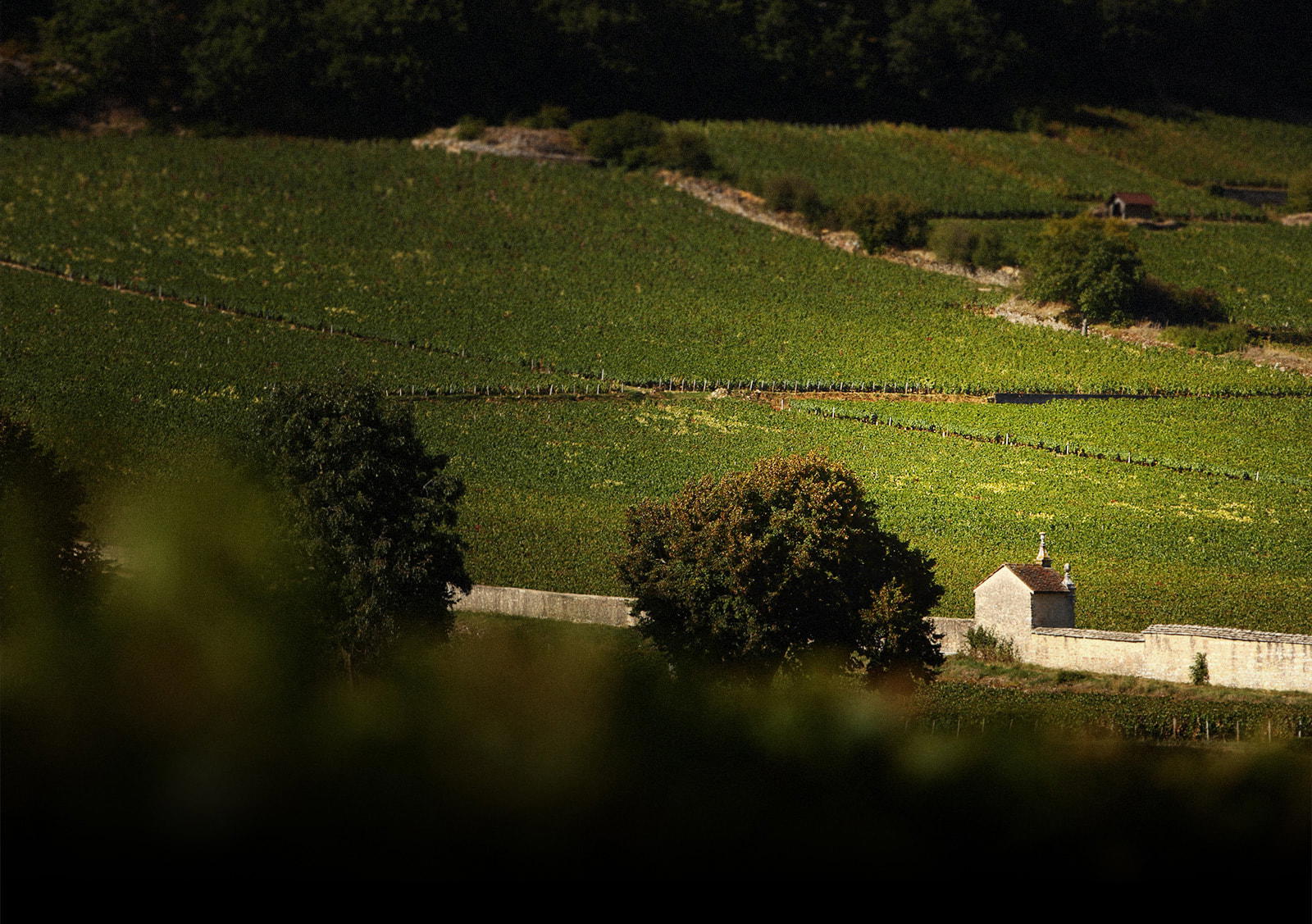
Marsannay-la-Côte itself is worth understanding as context. The village's vineyards produce one of Burgundy's only rosé appellations with AOC status, Marsannay Rosé, alongside red and white Marsannay village wines. The appellation sits at the northern entry point of the Côte de Nuits, which means the wine culture here is present but without the premium intensity of the grands crus villages further south. That creates a dining environment where the wine list is likely to be Burgundy-centric without being locked into the trophy-bottle economy of, say, a restaurant adjacent to a Chambolle or Vougeot premier cru. For visitors whose interest is in understanding the full range of what the Côte de Nuits produces at village level, Marsannay is an intelligent starting point, and a restaurant on the Route de Beaune is positioned to reflect exactly that.
The broader French regional dining tradition has documented its sources meticulously over decades. The sourcing philosophy that animates places like Bras in Laguiole or L'Oustau de Baumanière in Les Baux is rooted in the same logic that makes a village address on the Côte de Nuits compelling: the proximity to primary producers, the direct relationship between what grows in a particular soil and what arrives on the plate. For more on how this plays out at different price tiers, our full Marsannay-la-Côte restaurants guide maps the options across the village and its immediate environs.
Planning a Visit
Marsannay-la-Côte is approximately five kilometres south of the centre of Dijon along the N74, making it a direct drive or, for those staying in Dijon, a taxi or rideshare connection of under fifteen minutes. The village is also accessible by the Dijon suburban rail network, though a car gives considerably more flexibility for combining a meal with vineyard visits along the Côte. Given the limited public documentation available for La Table du Rocher, including no confirmed online booking channel, arriving with a reservation confirmed by telephone is the prudent approach. For restaurants of this character in Burgundy's wine villages, weekends during the harvest period, broadly September through October, are the most in-demand, and advance planning is advisable during those months.
Frequently asked questions
Is La Table du Rocher suitable for children?
Marsannay-la-Côte's village restaurant scene tends toward the unhurried and convivial rather than formally austere, which generally suits families with older children. That said, La Table du Rocher sits on the Route de Beaune in a setting shaped by wine-country dining rhythms, where multi-course meals can run two hours or more. Younger children may find the pace demanding. Contacting the restaurant directly before visiting is advisable if this is a concern.
How would you describe the vibe at La Table du Rocher?
The address on the Route de Beaune in Marsannay-la-Côte places it squarely in the tradition of the Burgundian village table: unhurried, wine-forward, and grounded in local produce rather than theatrical presentation. Expect the kind of room where the conversation at the next table is about vineyard parcels, not Instagram angles. It occupies the space between a neighbourhood bistrot and a formal gastronomic restaurant — purposeful without being stiff.
Is La Table du Rocher a good base for exploring the Marsannay AOC vineyards?
Located at 85 Route de Beaune in Marsannay-la-Côte, the restaurant sits within the commune that holds one of Burgundy's more distinctive appellations: a rosé AOC that has no direct equivalent further south along the Côte de Nuits. Using a meal here as an anchor point for an afternoon of domaine visits makes practical sense, since the village's producers are walkable or a short drive from the Route de Beaune. It is one of the few dining stops in the region where the wine in the glass and the vineyard that produced it are visible from the same postcode.
What's the best thing to order at La Table du Rocher?
Marsannay produces one of Burgundy's only AOC-classified rosés alongside its reds and whites, so a glass from a local producer alongside the menu of the day is the decision that makes geographic sense.
What's the address for La Table du Rocher?
La Table du Rocher is located at 85 Rte de Beaune, 21160 Marsannay-la-Côte, France, Marsannay La Cote.
How far ahead should I plan for La Table du Rocher?
Burgundy's wine-country restaurants along the Route de Beaune fill quickly on weekends and during harvest season, typically September through October. Planning at least one to two weeks ahead for a weekend table is prudent; for Saturday evenings during the harvest or Hospices de Beaune weekend in November, further in advance is safer. Marsannay-la-Côte is only five kilometres from Dijon, so it draws both local regulars and visitors transiting toward Gevrey-Chambertin and beyond.
At-a-Glance Comparison
Comparable venues nearby, for context on price, style, and recognition.
| Venue | Cuisine | Price | Notes |
|---|---|---|---|
| La Table du RocherThis venue — the venue you are viewing | French Seasonal Bistro | $50–100 | Not listed |
| Maison Blanche | Modern French Fine Dining | Not listed | 8th arrondissement |
| Atelier de Candale | Seasonal French wine‑country restaurant in the vineyards | $50–100 | Saint-Laurent-des-Combes / Saint-Émilion vineyards |
| Comptoir De Vie | Modern French Tasting Counter-Bar | $100–150 | 2nd Arrondissement |
| Le Piano Qui Fume | Traditional French Bistro | $30–50 | centre historique |
| L'Ethym'Sel | Modern French Bistronomic | $30–50 | Centre-ville |
Continue exploring
More in Marsannay-la-Côte
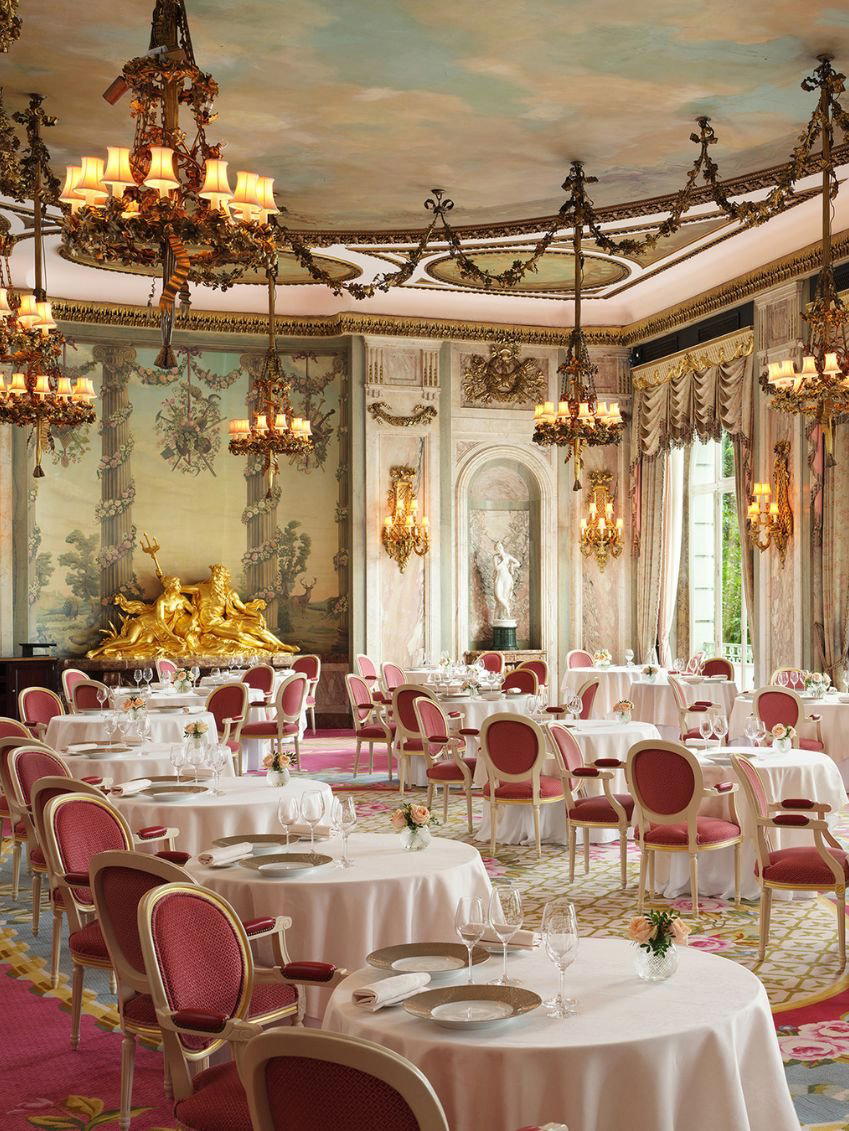
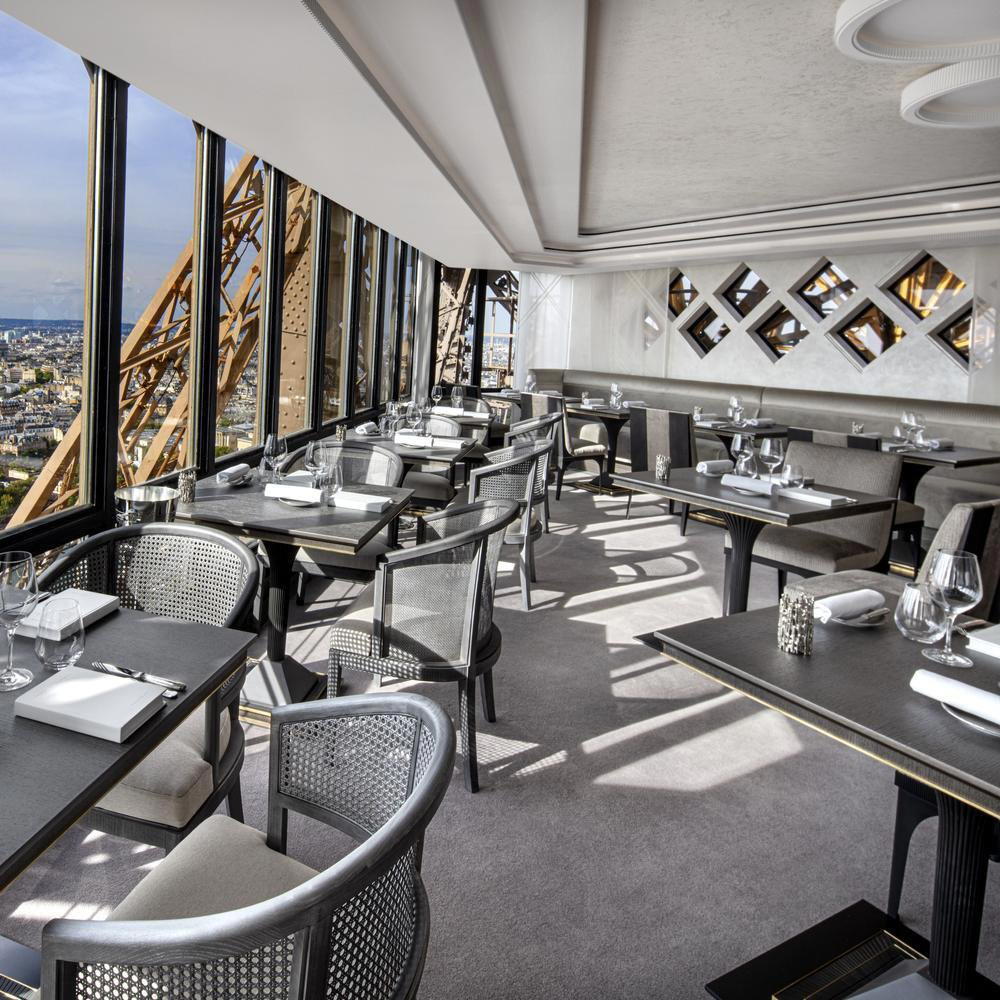
Restaurants in Marsannay-la-Côte
Browse all →
Bars in Marsannay-la-Côte
Browse all →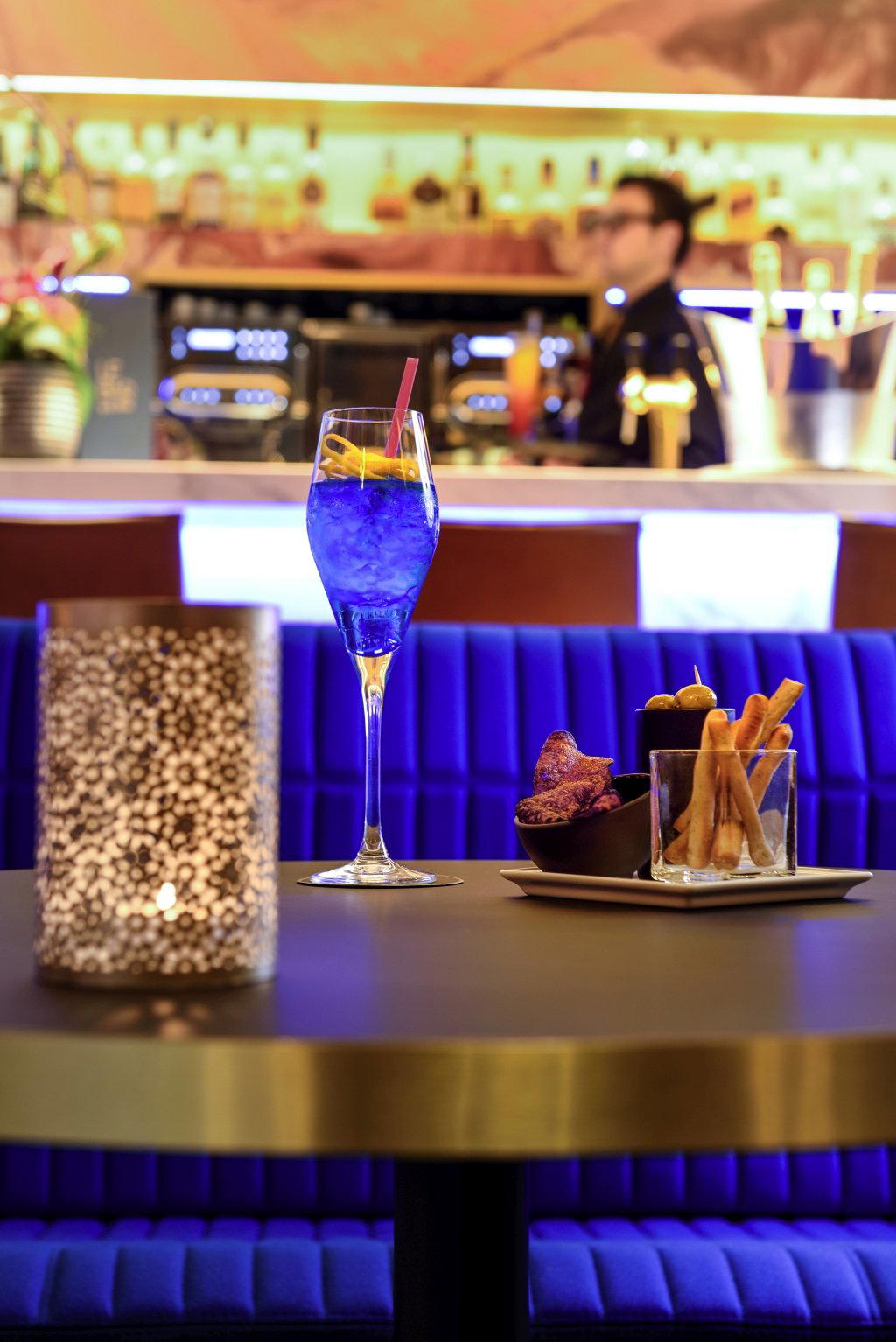
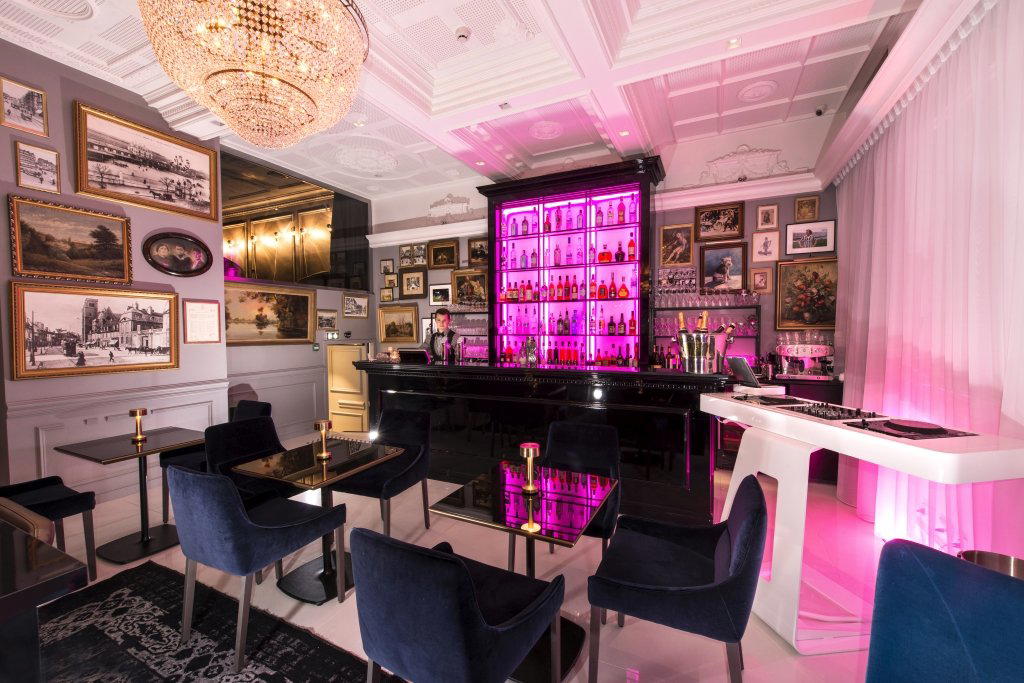
Hotels in Marsannay-la-Côte
Browse all →
La Table du Rocher
The wine
- Wine program
- Curated wine list
- Sommelier-led
Details
- Classic
- Cozy
- Elegant
- Intimate
- Date Night
- Business Dinner
- Group Dining
- Family
- Celebration
- Special Occasion
- Private Dining
- Terrace
- Historic Building
- Sommelier Led
- Local Sourcing
- A La Carte
- Prix Fixe
- Wine
- Burgundy Wines
- Vegetarian Friendly
- Allergy Accommodating
Current opening hours
- Monday
- Closed
- Tuesday
- 12–1:30 PM
- Wednesday
- 12–1:30 PM
- Thursday
- 12–1:30 PM
- Friday
- 12–1:30 PM, 7:30–8:45 PM
- Saturday
- 12–1:30 PM, 7:30–8:45 PM
- Sunday
- Closed
Hours can change for holidays and private events. Last verified .
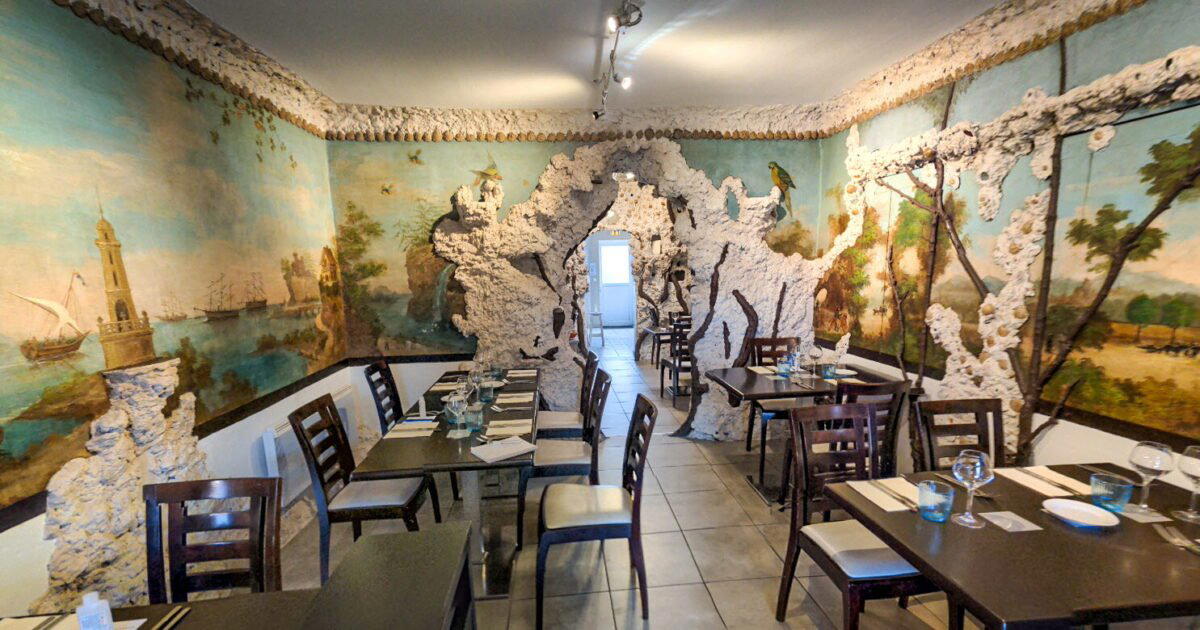
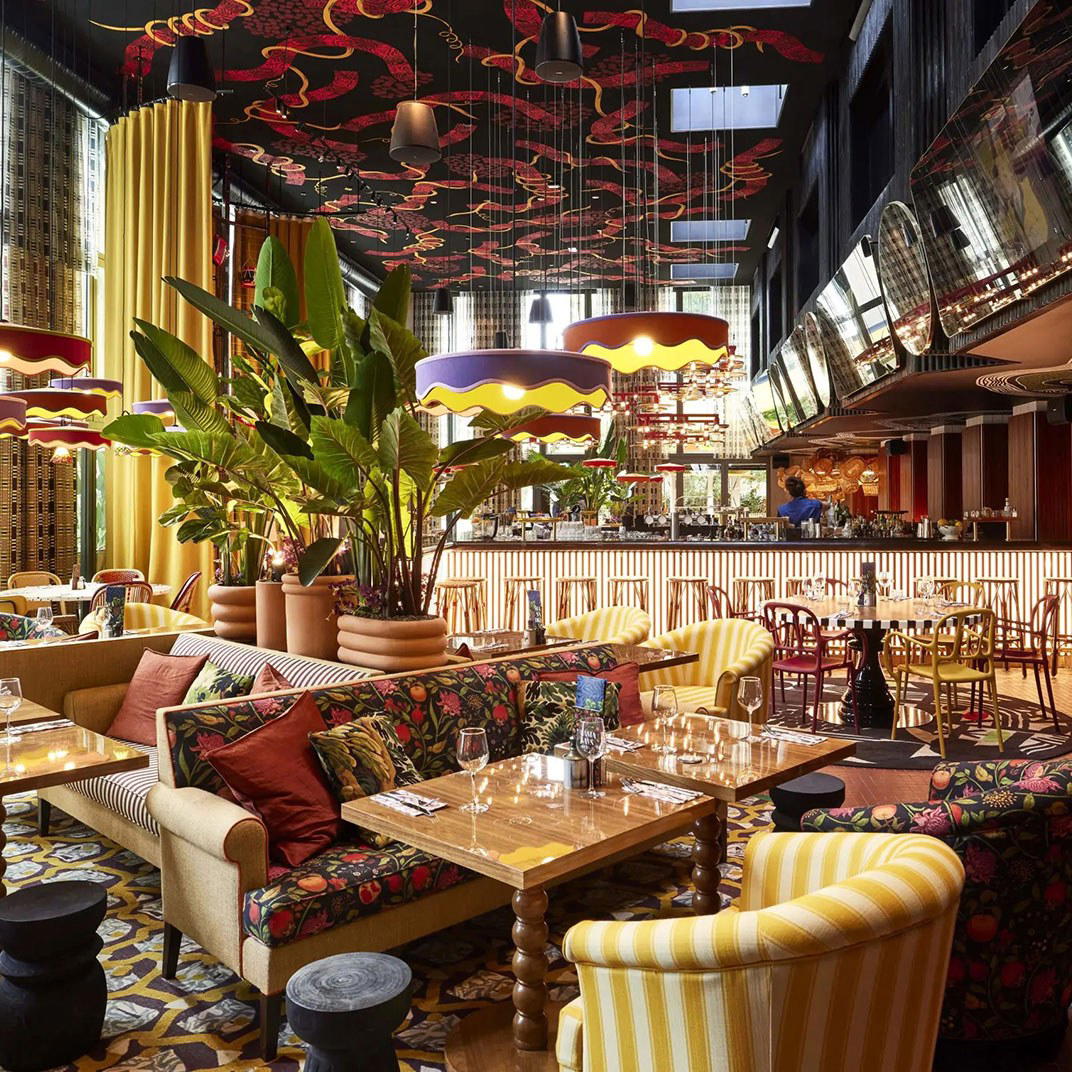
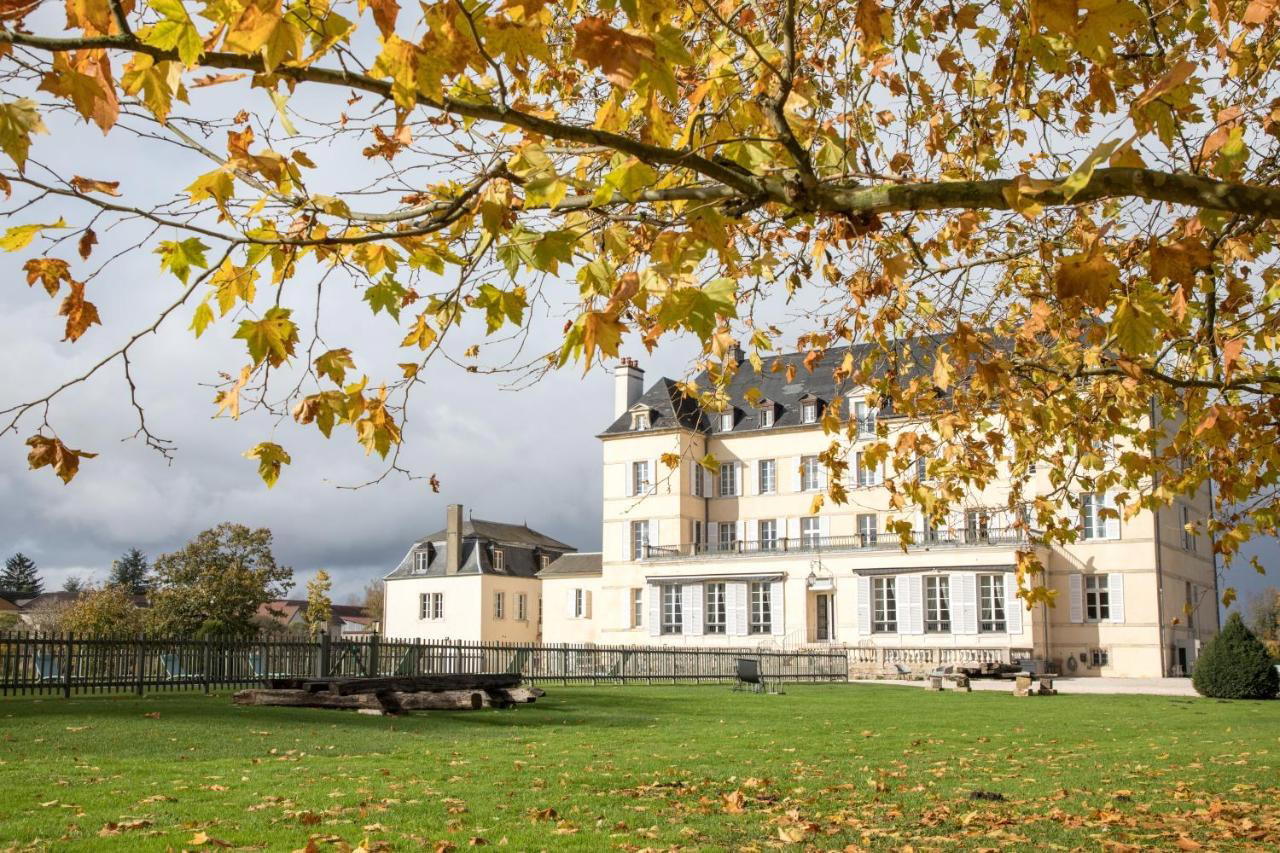
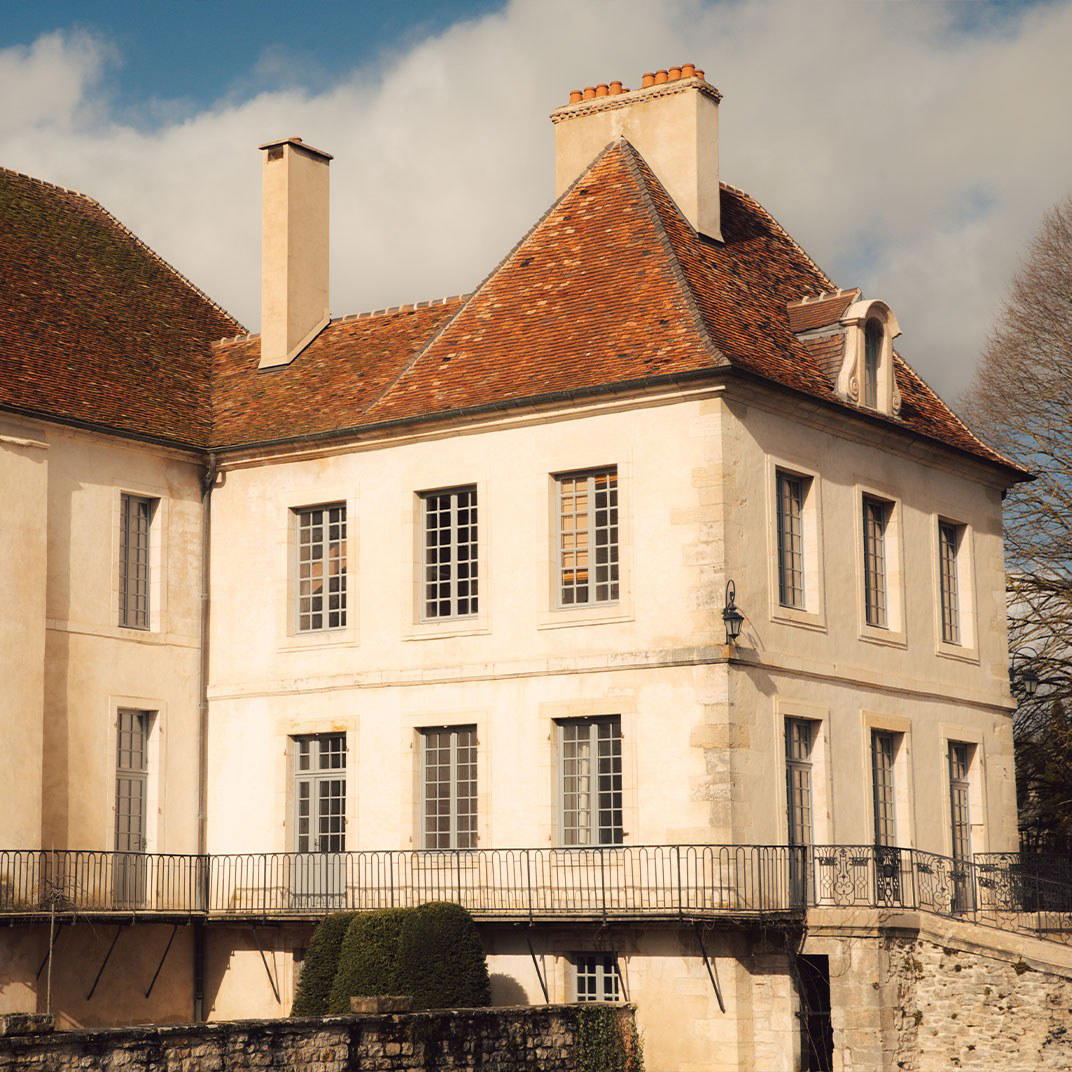
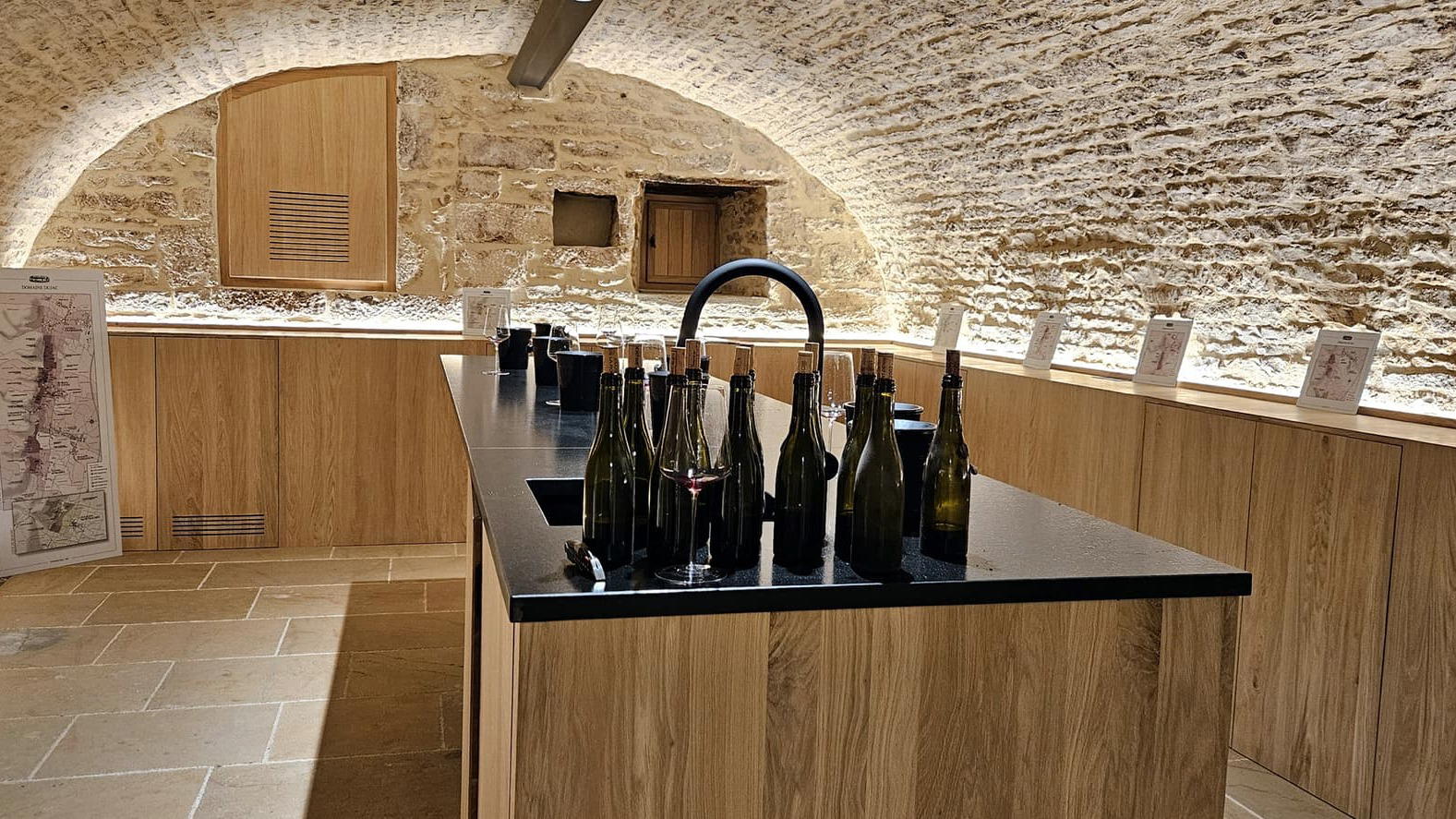
Cozy and convivial with historic charm; features a contemporary renovated interior with a 'Saint Martin' salon, modular private dining space, and a peaceful exterior terrace.