Our verdict
A quayside address on the Ponant harbour in Gruissan, La table d'Oli sits within one of Languedoc's most atmospheric coastal villages. The restaurant draws on the culinary traditions of the French Mediterranean south, where salt, seafood, and garrigue flavours have defined local cooking for centuries. Reserve ahead, particularly in summer, when the harbour fills and tables along the water become difficult to secure.

Pearl is the En Primeur Club membership app — saves, bookings, and concierge access live there. Same editors, same standards.
- Address
- 16 Quai du Ponant, 11430 Gruissan, France
- Phone
- +33468754003
- Hours
- Mon ClosedTue 7–9:30 PMWed 12–1 PM, 7–9:30 PMThu–Sat 12–1:30 PM, 7–9:30 PMSun 12–1:30 PM
- Website
- facebook.com
- Directions
- Get directions
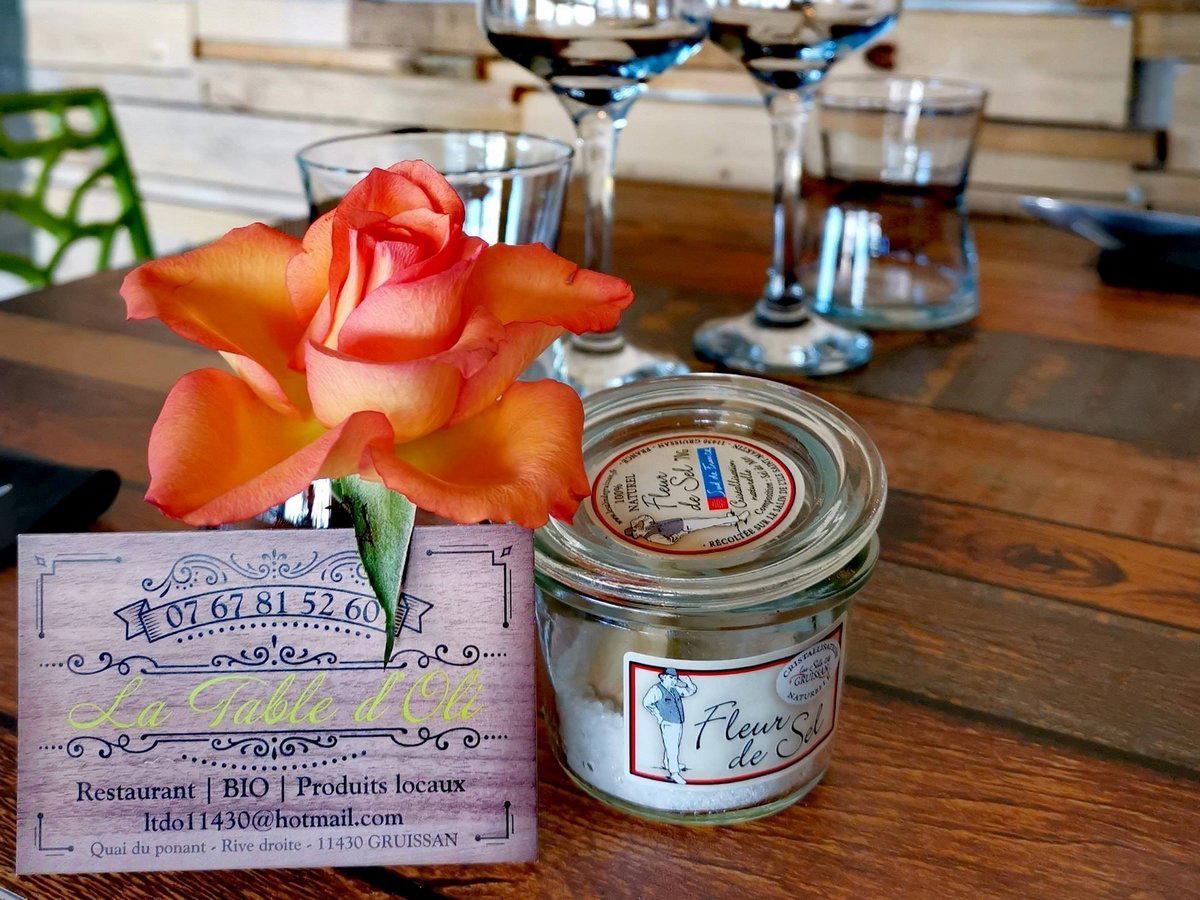
Gruissan's Harbour Table and the Weight of the Languedoc Kitchen
The approach to 16 Quai du Ponant sets the frame before you sit down. Gruissan is not a resort town in the polished, purpose-built sense. Its circular medieval village, the étangs stretching inland, the salt flats that have been worked here since Roman times — these are not scenic backdrops so much as active ingredients in how the place tastes and feels. Restaurants on this harbour do not need to manufacture atmosphere. The light off the water, the smell of brine and wild thyme drifting from the garrigue above the village, the pace at which the port moves — all of that arrives at the table before the menu does. La table d'Oli sits within that setting at a quayside address that places it squarely in the tradition of French coastal cooking at its most unmediated.
Languedoc on the Plate: What the South Brings to the Table
The cooking of this stretch of coast operates according to a different logic than the cream-and-butter kitchens of the north. Languedoc cuisine is built on olive oil, salt cod, anchovies cured in local brine, mussels and oysters from the étangs de Thau and nearby Leucate, and the herb-forward vegetables that grow in poor, sun-baked soil. The great set-piece dishes of the region, bourride, brandade, grilled tellines, the slow-braised daubes that carry red wine from Corbières or Fitou, are not delicate in the architectural sense favoured by destination-restaurant tasting menus. They carry weight, salinity, and a directness that reflects the land and sea they come from.
This is a very different register from the haute cuisine houses that define France's international dining reputation. At the three-Michelin-star end of the country's table, venues like Alléno Paris au Pavillon Ledoyen in Paris or Mirazur in Menton work within a framework of technical precision and ingredient transformation. The Languedoc coast tradition does not compete on that axis. Its authority comes from proximity to ingredient sources, salt marshes, fishing boats, market gardens, and from the accumulated knowledge of how to handle those ingredients simply. For travellers moving between France's award-circuit restaurants and its regional tables, venues like those in our full Gruissan restaurants guide represent a necessary counterpoint: cooking that locates itself not in technique but in place.
The Quai du Ponant Setting
Harbour addresses on the Mediterranean coast occupy a particular category of dining experience. The view across water, the proximity to the fishing fleet, the informal rhythm of a working port, these elements shape the pace and expectation of a meal in ways that no amount of interior design can replicate. Gruissan's Ponant harbour is small enough that the quai retains a genuinely local character, distinct from the more tourist-saturated waterfronts at Sète or Agde. The village itself remains one of the Aude's most coherent medieval settlements, with the round tangle of streets around the Tour Barberousse giving way to the étang and then the open sea.
For context on how France's south approaches coastal dining at different registers, AM par Alexandre Mazzia in Marseille represents the technically ambitious end of Mediterranean French cooking, while addresses like La table d'Oli anchor the other pole: rooted, proximate, seasonal in the literal sense that what arrives on the plate reflects what was available that morning rather than what an annual menu mandates.
Gruissan in the Wider Aude Dining Context
The Aude département punches above its culinary weight for a region without a major city or sustained international media attention. Auberge du Vieux Puits in Fontjoncouse holds three Michelin stars in a village of fewer than two hundred people, a fact that speaks to the seriousness with which this part of France treats its tables. Gruissan itself is leading understood as the maritime end of that same sensibility: less formal, more wind-swept, with cooking that answers to the étang and the Mediterranean rather than to the garrigue and the vine-covered hills of the interior.
Within Gruissan, La Cranquette represents another local reference point, and the two addresses together give the village a dining identity that rewards spending a full day rather than passing through. The broader Languedoc-Roussillon coastal corridor, running from the Camargue fringe down toward the Catalan border, contains some of southern France's most honest cooking, honest meaning that the distance between sea and plate remains short, and the cooking does not try to close that gap with elaboration.
For those building a wider French itinerary around serious tables, the contrast between a harbour lunch in Gruissan and a meal at, say, Bras in Laguiole or L'Oustau de Baumanière in Les Baux is instructive. Each address reflects its landscape completely: the basalt plateau of the Aubrac, the limestone of Les Alpilles, the salt and sand of the Aude coast. French regional cooking, at its most coherent, is always this specific.
Planning Your Visit
La table d'Oli is located at 16 Quai du Ponant, 11430 Gruissan. Gruissan sits approximately 15 kilometres south of Narbonne, accessible by car via the D168 and D332; there is no direct train connection to the village itself, making a car or taxi from Narbonne the practical approach. Summer months bring a significant increase in visitors to the village, and waterside tables in particular are in demand from late June through August. Visiting outside peak season, April through early June, or September and October, gives access to the harbour at a quieter register and often reflects the seasonal rhythms of the local catch more faithfully than the height-of-summer menu.
Frequently asked questions
Is La table d'Oli child-friendly?
Gruissan is a working port village rather than a resort, and harbour-side tables at 16 Quai du Ponant sit in an open, informal setting that tends to accommodate families without difficulty. The relaxed pace of Languedoc quayside dining generally suits younger guests better than tasting-menu formats would. Confirm directly with the restaurant for highchair availability or early sittings.
What's the vibe at La table d'Oli?
The address on Gruissan's working harbour sets a tone that is Mediterranean and unhurried rather than formal. Quai du Ponant faces the water, so the room and terrace draw their atmosphere from the fishing fleet and the flat light off the étang beyond. This is the southern French table in its coastal register: straightforward, produce-led, without ceremony.
Is La table d'Oli a good option for dining near Narbonne with a harbour view?
Gruissan sits approximately 15 kilometres south of Narbonne, making La table d'Oli one of the closest harbour-side dining options to the city in the Aude département. The restaurant occupies a quayside address at 16 Quai du Ponant, with water views that are a function of geography rather than décor. For visitors based in Narbonne seeking a coastal table without travelling the full length of the Languedoc shoreline, this is a practical and scenically grounded choice.
What dish is La table d'Oli famous for?
Given the Languedoc coastal context and the harbour address in Gruissan, the kitchen almost certainly works with local seafood and regional produce from the Aude, but specific menu details should be confirmed directly with the restaurant before visiting.
Where do I go for La table d'Oli?
La table d'Oli is located at 16 Quai du Ponant, 11430 Gruissan, France, Gruissan.
How far ahead should I plan for La table d'Oli?
Contacting the restaurant several weeks in advance for July and August visits is a reasonable precaution for a quayside table with limited covers.
What's the defining dish or idea at La table d'Oli?
The defining idea at La table d'Oli appears to be the Languedoc coastal kitchen in its most direct form: produce sourced from the Aude shoreline and hinterland, cooked without the intervention that characterises northern French traditions. The harbour setting at 16 Quai du Ponant reinforces that logic — the distance between sea and plate is short by design.
Price Lens
Comparable venues nearby, for context on price, style, and recognition.
| Venue | Cuisine | Price | Awards | Notes |
|---|---|---|---|---|
| La table d'OliThis venue — the venue you are viewing | French Mediterranean with Bio Local Focus | $30–50 | Not listed | Not listed |
| La Cranquette | Modern French Seafood with Mediterranean Influences | $30–50 | Not listed | Village Historique, Modern French Seafood with Mediterranean Influences |
| Comptoir De Vie | Modern French Tasting Counter-Bar | $100–150 | Not listed | 2nd Arrondissement, Modern French Tasting Counter-Bar |
| Les Jardins du Cèdre | Mediterranean Fine Dining with Catalan Influences | $50–100 | Michelin Plate | Port-Vendres, Mediterranean Fine Dining with Catalan Influences |
| Saturne | Not listed | Not listed | Not listed | 2nd Arrondissement, Modern French with Nordic Influences |
| Les enfants terribles | French Mediterranean | Not listed | Not listed | Laroque des Alberes, French Mediterranean |
Continue exploring
More in Gruissan
Restaurants in Gruissan
Browse all →
Bars in Gruissan
Browse all →
Hotels in Gruissan
Browse all →
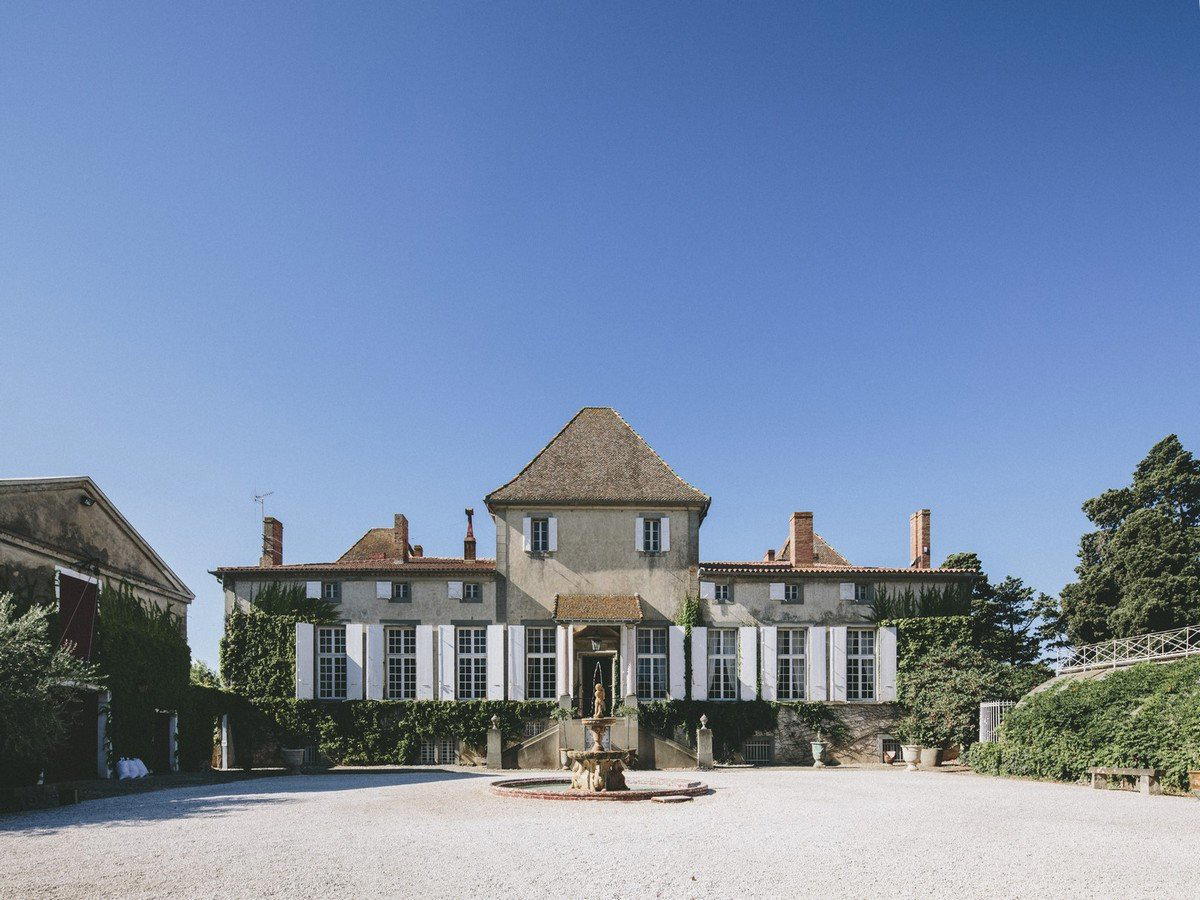
La table d'Oli
The wine
- Wine program
- Curated wine list
- Extensive wine list
Details
- Cozy
- Intimate
- Scenic
- Elegant
- Date Night
- Special Occasion
- Waterfront
- Terrace
- Extensive Wine List
- Organic
- Local Sourcing
- Waterfront
- A La Carte
- Vegetarian Friendly
- Vegan Options
- Gluten Free Options
Current opening hours
- Monday
- Closed
- Tuesday
- 7–9:30 PM
- Wednesday
- 12–1 PM, 7–9:30 PM
- Thursday
- 12–1:30 PM, 7–9:30 PM
- Friday
- 12–1:30 PM, 7–9:30 PM
- Saturday
- 12–1:30 PM, 7–9:30 PM
- Sunday
- 12–1:30 PM
Hours can change for holidays and private events. Last verified .
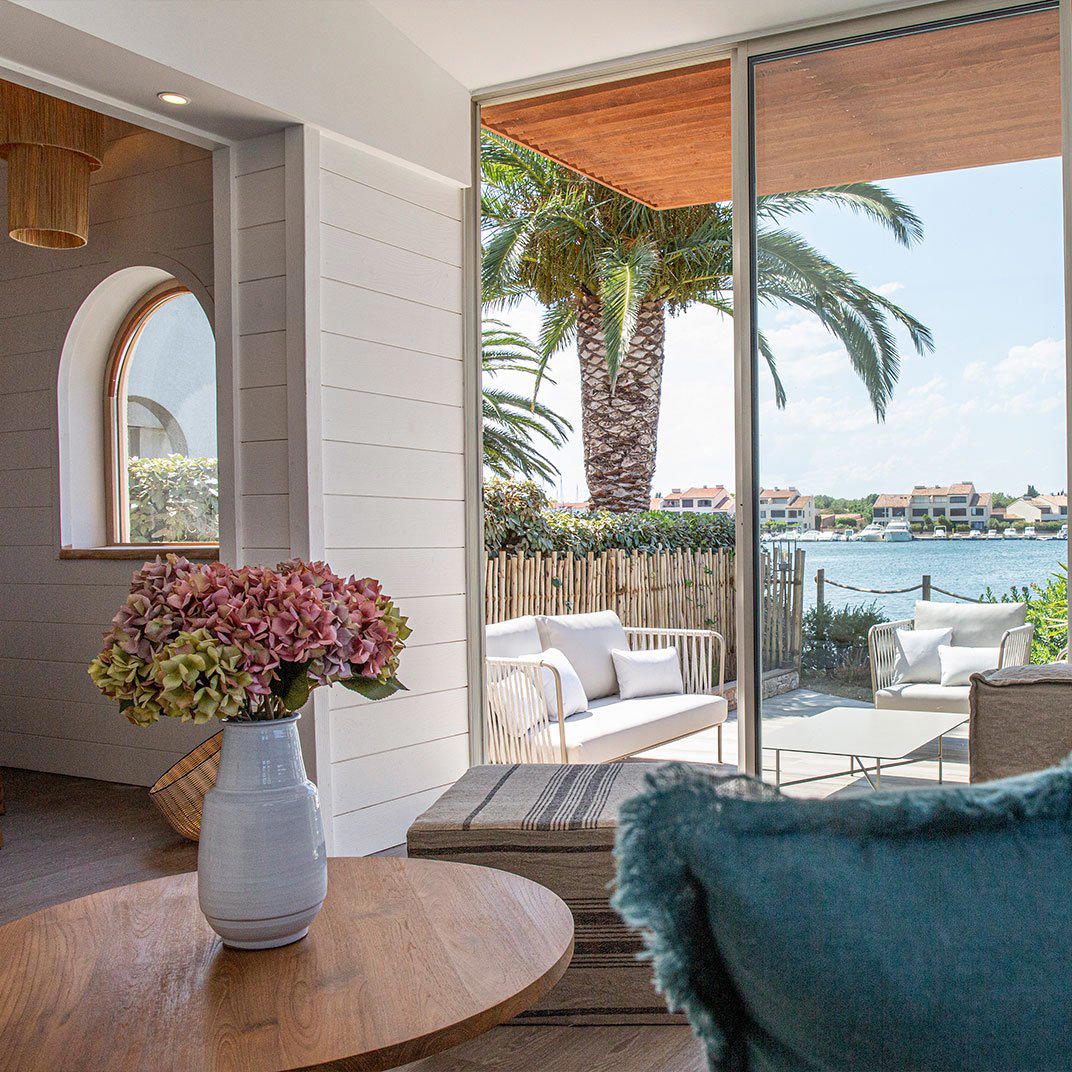
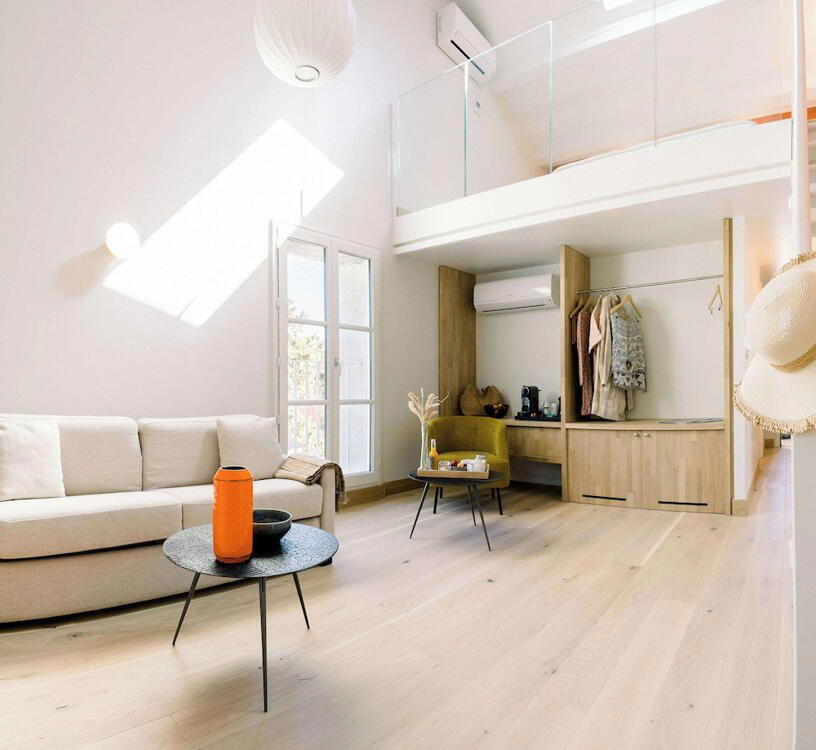
Cocooning and cozy indoor air-conditioned room with beautiful port views.