Our verdict
On the Rue de la République in Gruissan, La Cranquette sits within one of the Languedoc coast's most quietly serious fishing communities, where the Étang de Gruissan and the Gulf of Lion dictate what ends up on the plate. The address places it inside a local dining tradition rooted in lagoon-sourced shellfish and Mediterranean catch rather than imported produce or seasonal novelty.

Pearl is the En Primeur Club membership app — saves, bookings, and concierge access live there. Same editors, same standards.
- Address
- 10 Rue de la République, 11430 Gruissan, France
- Phone
- +33767070601
- Website
- cranquettefood.fr
- Directions
- Get directions
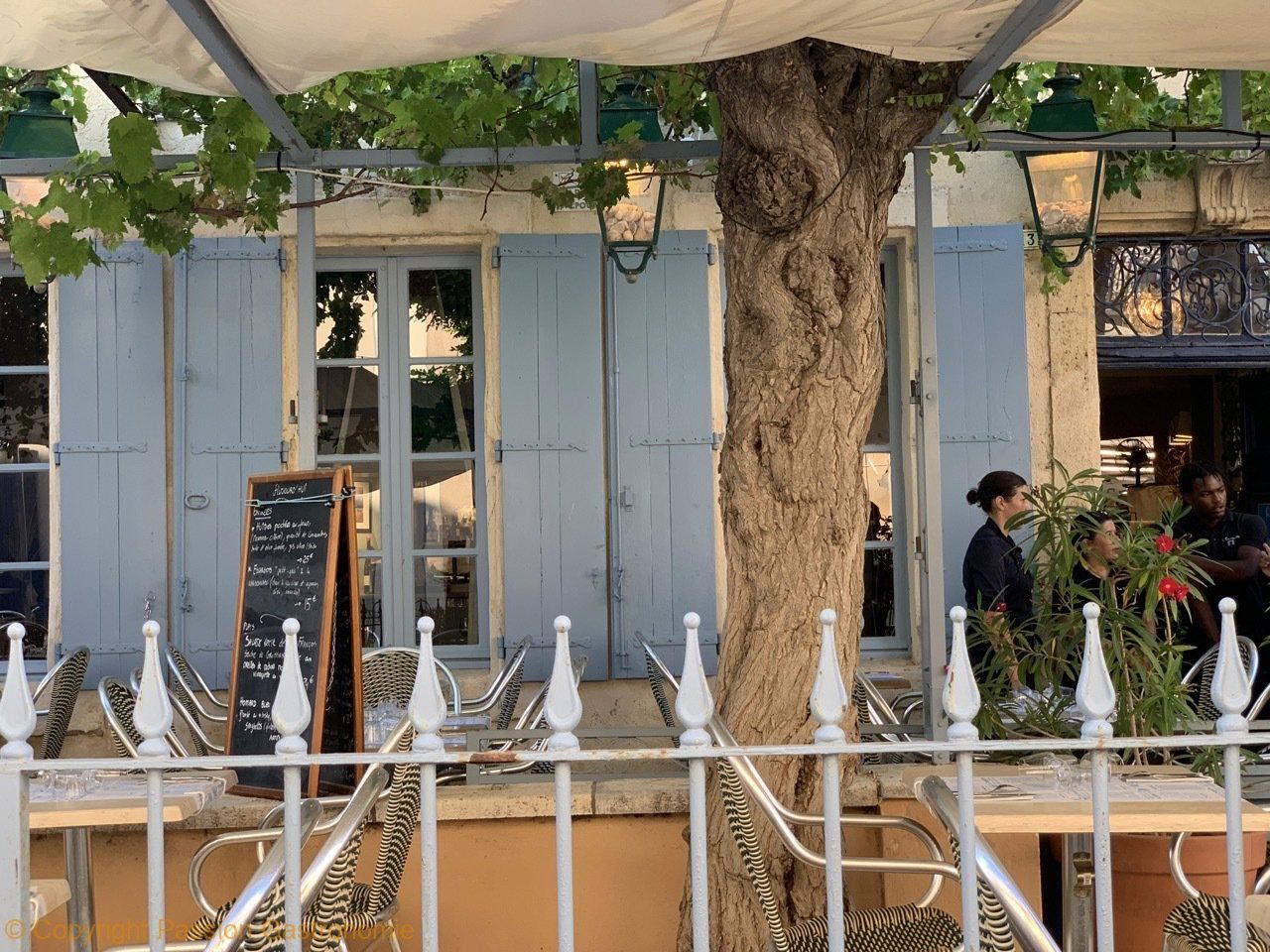
The menu
What to order
- Bourride d’anguille de Gruissan
- Couteaux grillés
- Homard bleu flambé au whisky
- Soupe de cranquettes
Where the Lagoon Sets the Menu
Gruissan occupies an unusual position on the Languedoc coast. It is not a resort town in the conventional sense, despite its beach quarter and the salt flats that frame the drive in from Narbonne. The old village, built in concentric rings around a ruined medieval tower, still functions as a working community, and its relationship with the surrounding water is genuinely productive rather than decorative. The Étang de Gruissan, the lagoon that separates the village from the open Mediterranean, supplies the local table with tellines, mussels, and anguilles in quantities and qualities that restaurants in larger cities further up the coast would pay considerably more for. La Cranquette, on the Rue de la République, sits inside that supply chain rather than at a remove from it.
This matters more than it might appear. Across the Languedoc and the broader Occitan coastline, the gap between restaurants that source from the immediate territory and those that import from wholesale markets is often visible on the plate, and almost always visible on the bill. In Gruissan, proximity to the lagoon is not a marketing point — it is a practical condition. The cranquet, the small local crab from which the restaurant takes its name, is a case in point: a species abundant in the étang and largely absent from restaurant menus beyond a thirty-kilometre radius, it represents exactly the kind of hyper-local specificity that coastal Languedoc cooking has built its quieter reputation on.
The Languedoc Coastal Table in Context
To understand what La Cranquette represents, it helps to map where Gruissan sits within the wider French dining hierarchy. France's most discussed restaurant addresses tend to cluster in Paris, Lyon, and the wealthier coastal zones: compare the creative ambition at Alléno Paris au Pavillon Ledoyen in Paris, the mountain-sourced precision of Flocons de Sel in Megève, or the garden-driven programme at Mirazur in Menton with the relative obscurity of the Aude department's coastline, and the contrast is instructive. The Languedoc does not trade on prestige in the way that Provence or the Côte d'Azur does, and restaurants here are under less pressure to perform for an international clientele. That absence of external pressure tends to produce cooking that answers to local habit and seasonal availability rather than to trend cycles.
Further inland, the Aveyron tradition at Bras in Laguiole demonstrates how deep a commitment to terroir can go when a kitchen takes its brief from a single, specific geography. The Languedoc coast operates on a similar logic at a different register: less philosophical in presentation, more direct in execution. Grilled rouget, moules de bouchot from the nearby Thau lagoon, sea bream from the Gulf of Lion — these are not ingredients that require elaborate technique to justify their presence on the plate.
Within Gruissan itself, the local dining scene is small enough that individual addresses carry disproportionate weight. La table d'Oli represents one point of reference on the local map; La Cranquette occupies a different position, its name rooting it explicitly in the lagoon ecosystem. For a fuller picture of the town's options, our full Gruissan restaurants guide sets the scene across the village and beach quarters.
Ingredient Logic on the Languedoc Shore
The sourcing model that coastal Languedoc restaurants operate within is worth examining as a principle, because it shapes what a visit to La Cranquette is likely to deliver. Lagoon shellfish in this part of France peak in autumn and early winter, when cooler water temperatures concentrate flavour and reduce the risk of summer algal bloom. The telline, a small wedge clam native to Mediterranean sandy shores, is at its finest pulled from the étang or the beach between September and February. Mussels from the Thau basin, roughly forty kilometres to the northeast toward Sète, have supplied this coastline's tables for centuries and remain among the most flavour-dense bivalves available in the south of France.
For comparison, the seafood focus at Christopher Coutanceau in La Rochelle operates on a similar philosophy of coastal fidelity, though with Atlantic rather than Mediterranean catch and at a considerably higher price point and award level. On the Mediterranean side, AM par Alexandre Mazzia in Marseille takes a more technically ambitious approach to the same southern seaboard's produce. Gruissan operates below both in terms of price and ambition, but the raw material access is comparable in terms of freshness and locality. The argument for visiting is the argument for proximity: what is caught here reaches the plate here before it reaches anywhere else.
Classic French technique applied to this kind of produce appears across the country's great regional houses, from Auberge de l'Ill in Illhaeusern to Troisgros - Le Bois sans Feuilles in Ouches and the enduring legacy dining of Paul Bocuse - L'Auberge du Pont de Collonges in Collonges-au-Mont-d'Or. The Languedoc coastal version of that tradition is less formal and less expensive, but the underlying logic of cooking what is grown or caught nearby runs through all of it. Restaurants like Auberge du Vieux Puits in Fontjoncouse, also in the Aude, demonstrate that the department is capable of producing cooking of considerable seriousness when the territory is treated as a source rather than a backdrop.
Planning Your Visit
La Cranquette is on the Rue de la République in the old village quarter of Gruissan, which sits roughly fifteen kilometres south of Narbonne and is accessible by car or by regional bus from Narbonne train station. Gruissan is a small town, and the old village is compact enough that arriving by car requires finding parking on the perimeter roads rather than attempting the inner ring. Booking ahead is advisable in summer, when the beach population inflates the town's dinner reservation demand considerably relative to the number of covers the village's restaurants can absorb. Outside of July and August, the town runs at a quieter register and walk-ins are more realistic.
Frequently asked questions
Where is La Cranquette located?
La Cranquette is located at 10 Rue de la République, 11430 Gruissan, France.
Is La Cranquette a good option for a meal before or after visiting the Gruissan salt flats and beach quarter?
La Cranquette's address in the old circular village of Gruissan places it within the historic core, making it a natural stopping point before or after exploring the surrounding lagoon and salt flats that characterise this stretch of the Languedoc coast. The coastal sourcing model that shapes restaurants in this area means the kitchen's ingredients and the landscape you have just walked through are closely connected. It is a practical and contextually fitting choice for that itinerary.
What's the best thing to order at La Cranquette?
La Cranquette sits in Gruissan, a town whose étang and Mediterranean proximity define what arrives on the plate. The menu's logic follows seasonal availability from the lagoon and nearby coast, so shellfish and local fish preparations are the obvious focus. Ordering according to what the kitchen is sourcing that week is the approach that makes the most sense here.
Should I book La Cranquette in advance?
Gruissan draws significant summer traffic as a coastal destination roughly fifteen kilometres south of Narbonne, and the old village quarter where La Cranquette sits on the Rue de la République has limited restaurant capacity. Reserving ahead is advisable in July and August. Outside peak season, walk-in availability tends to be easier, though calling ahead remains sensible.
Comparable Venues
Comparable venues nearby, for context on price, style, and recognition.
| Venue | Cuisine | Price | Notes |
|---|---|---|---|
| La CranquetteThis venue — the venue you are viewing | Modern French Seafood with Mediterranean Influences | $30–50 | Not listed |
| La table d'Oli | French Mediterranean with Bio Local Focus | $30–50 | Port |
| Les Grands Buffets | Classical French Escoffier Buffet | $50–100 | Rond-Point de la Liberté |
| La Bergerie | Mediterranean French Bistro | $30–50 | Portel-des-Corbieres |
| L'Atelier de l'Alchimiste | Modern French Bistronomique | $30–50 | Saint-Roch |
| Le Bistrot Paiou | Southern French Bistronomic | $30–50 | Aigues-Mortes |
Continue exploring
More in Gruissan
Restaurants in Gruissan
Browse all →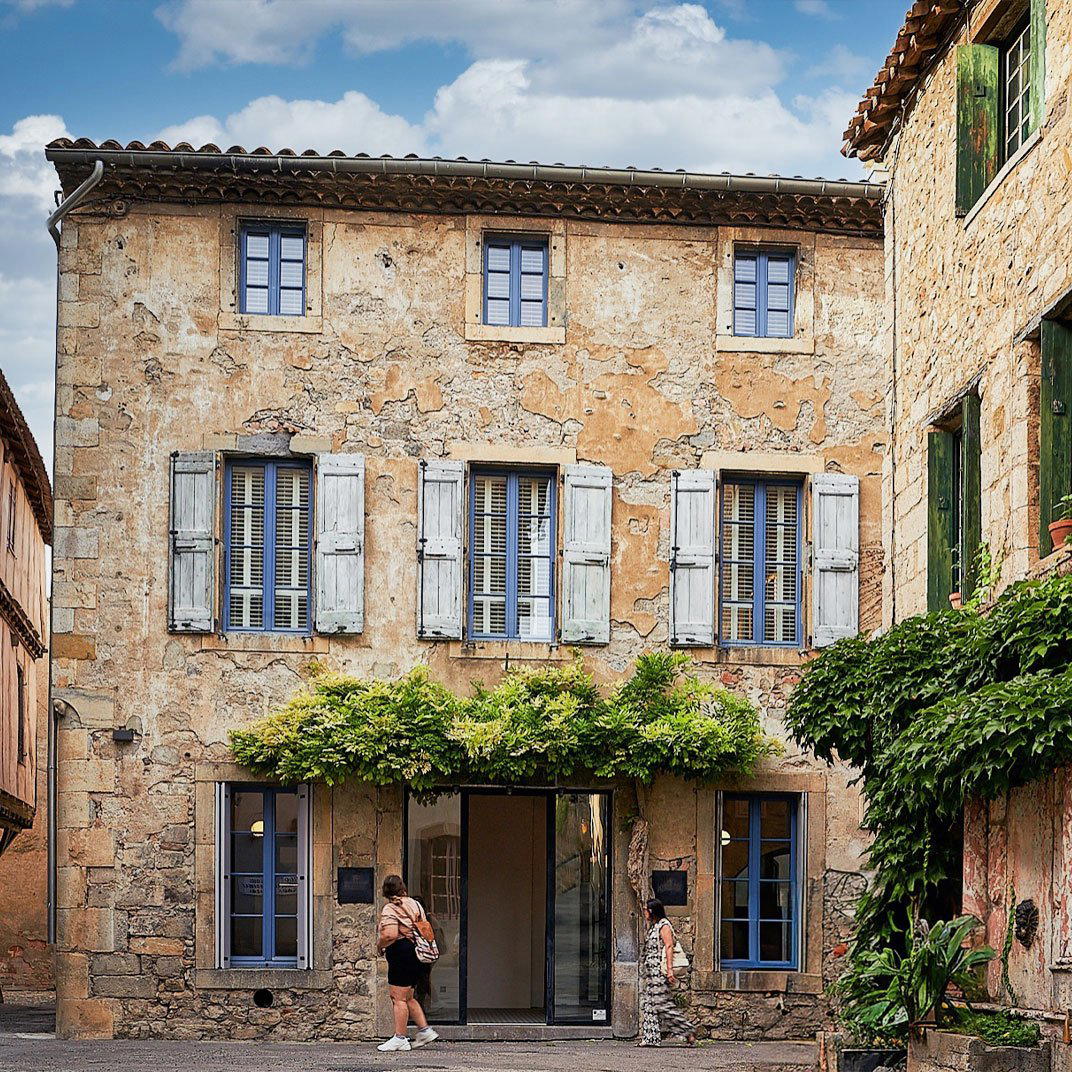
Bars in Gruissan
Browse all →
Hotels in Gruissan
Browse all →
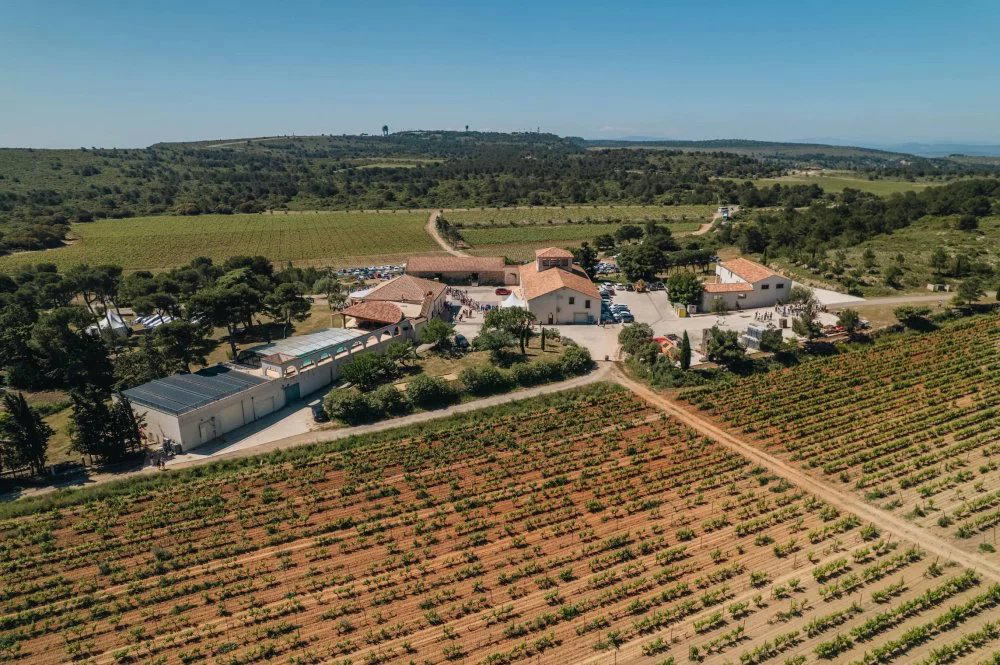
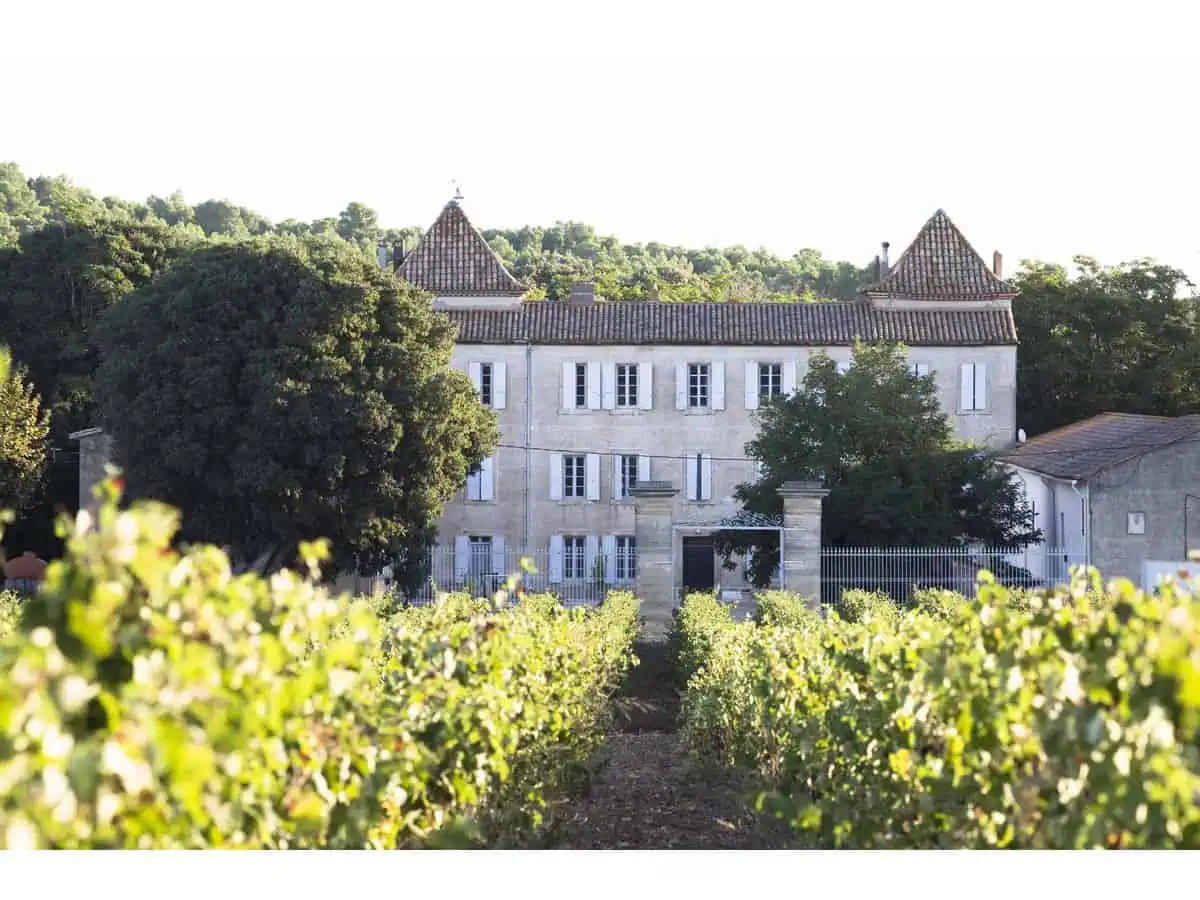
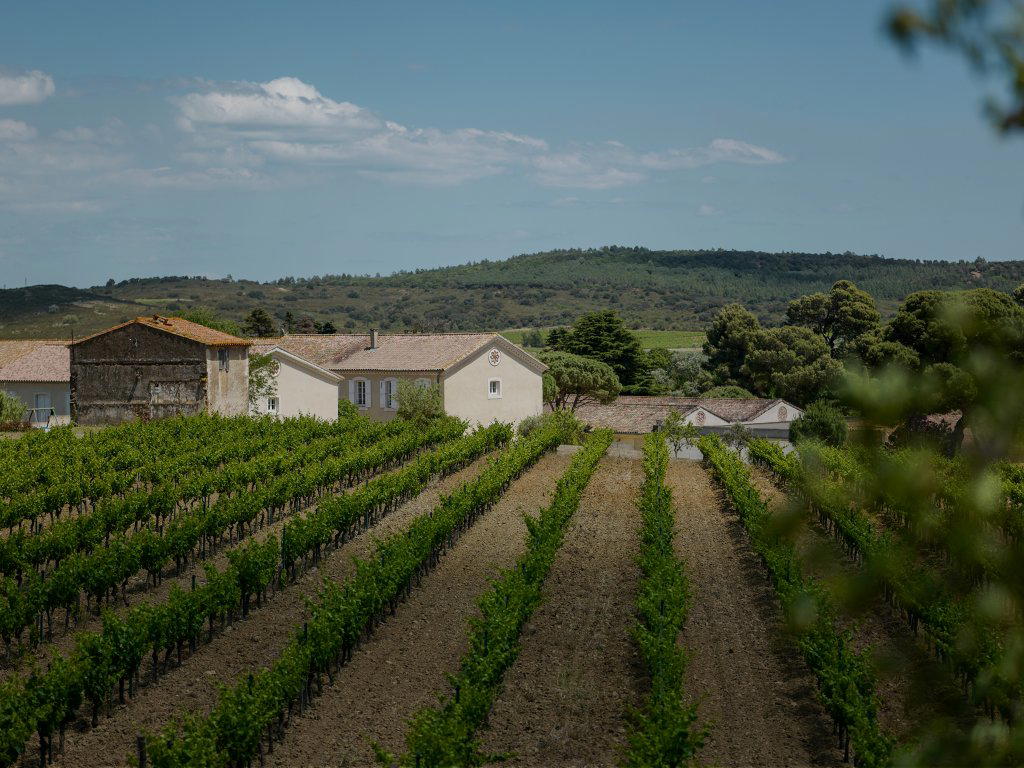
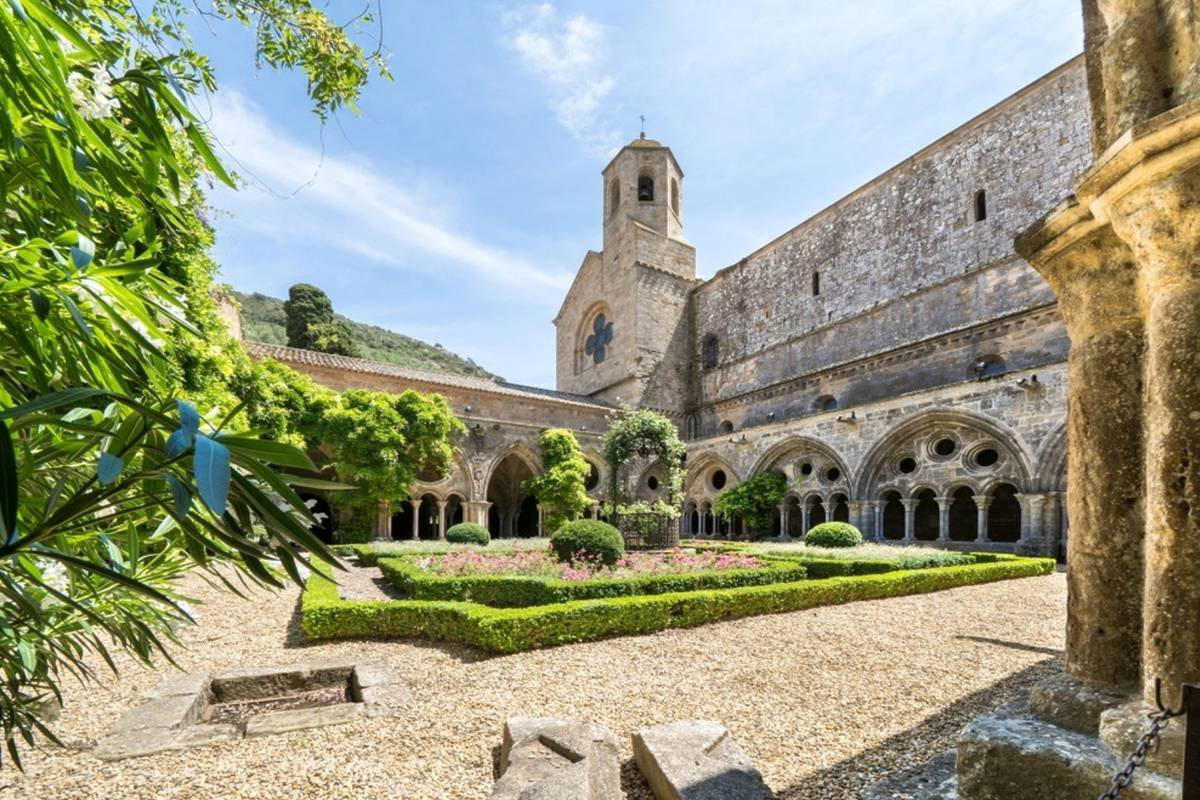
La Cranquette
The wine
- Wine program
- Curated wine list
- Extensive wine list
- Natural wine
Details
- Elegant
- Rustic
- Intimate
- Cozy
- Date Night
- Special Occasion
- Historic Building
- Terrace
- Extensive Wine List
- Natural Wine
- Local Sourcing
- A La Carte
- Wine
- Vegetarian Friendly
- Gluten Free Options
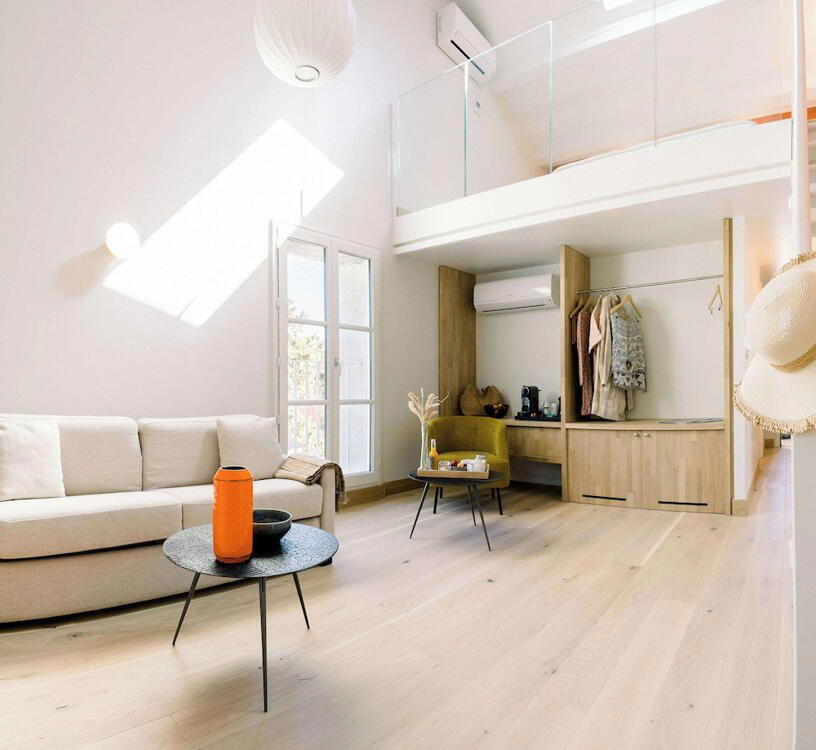
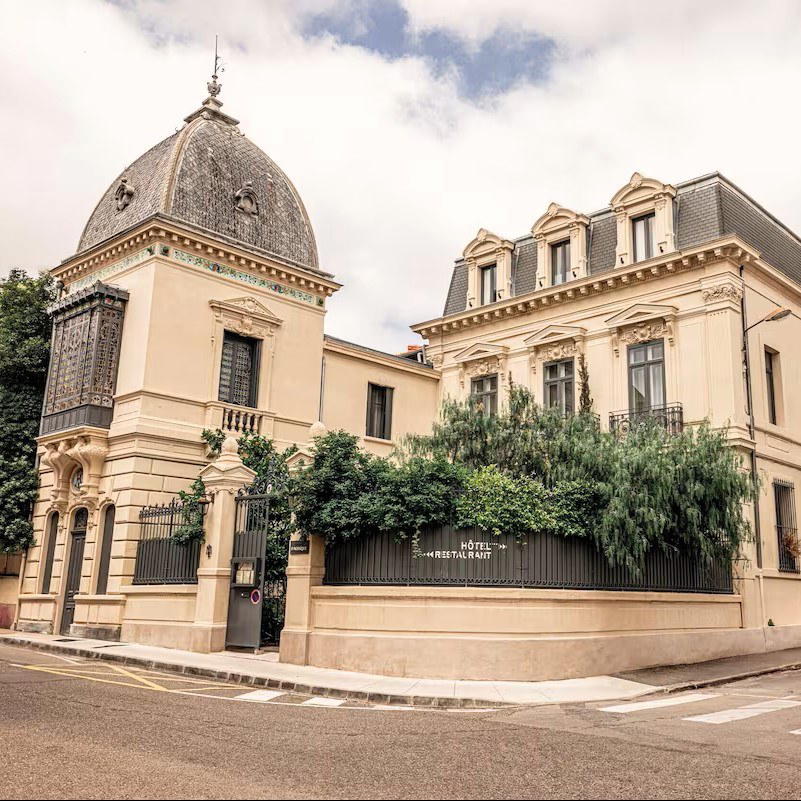
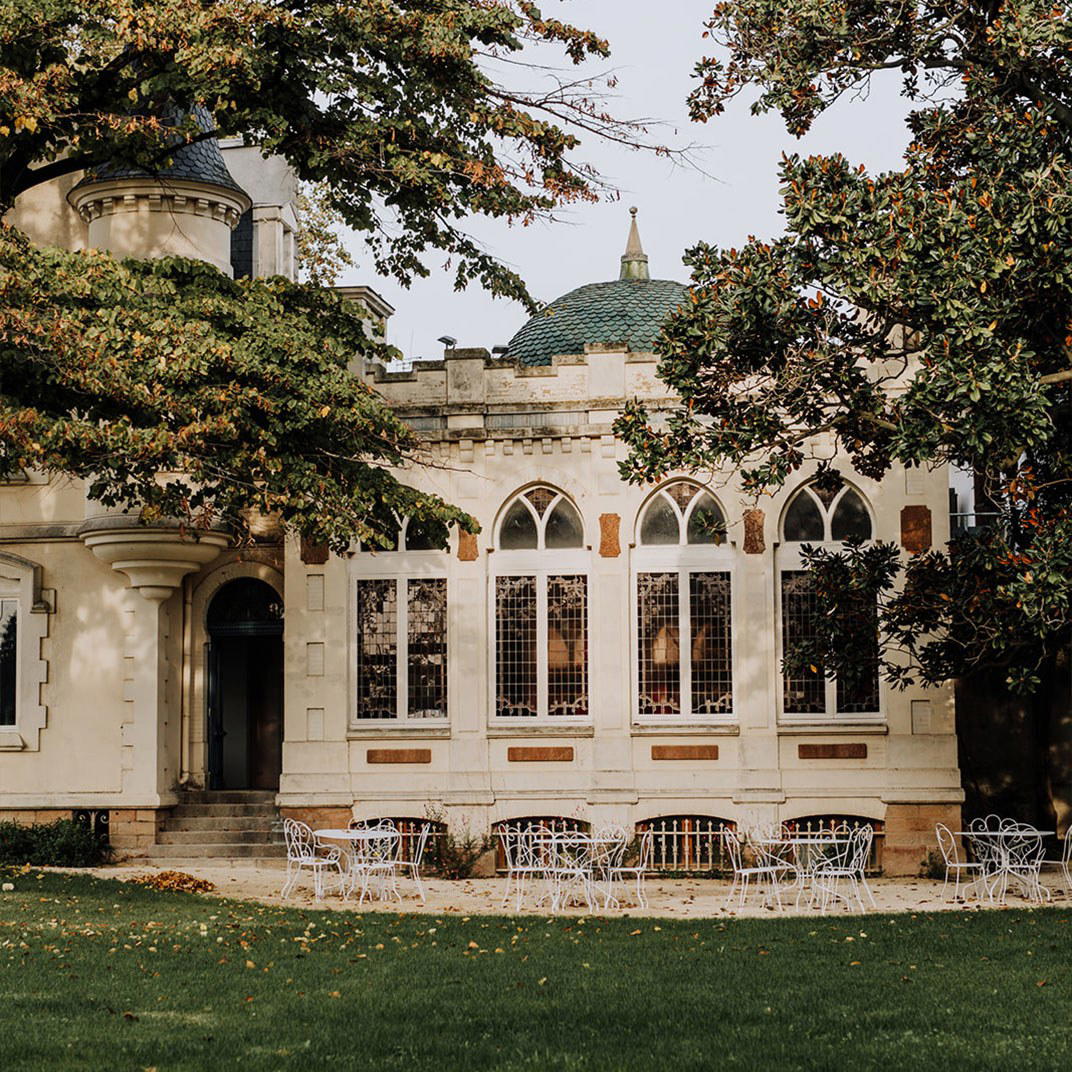
Warm and friendly atmosphere in an ancient presbytery with elegant historic bourgeois decor blended with contemporary minimalist furniture and artful styling.