

At 12 Parvis de l'Unesco, La Table des Climats anchors itself to Burgundy's most legible identity: the terroir-defined wine classifications that carved this region into the map. Chef Alexandre Clochet Rousselet pairs seasonal, local produce with a cellar of more than 800 Burgundy wines, earning consecutive Michelin Plate recognition in 2024 and 2025. The result is a dining room that functions as both a regional classroom and a destination for serious wine-minded tables.
Pearl is the En Primeur Club membership app — saves, bookings, and concierge access live there. Same editors, same standards.
- Address
- 12 Parvis de l'Unesco, 21000 Dijon, France
- Phone
- +33 3 80 41 74 98
- Website
- latabledesclimats.fr
- Directions
- Get directions
 Saves & bookings on Pearl
Where the Wine List Sets the Agenda
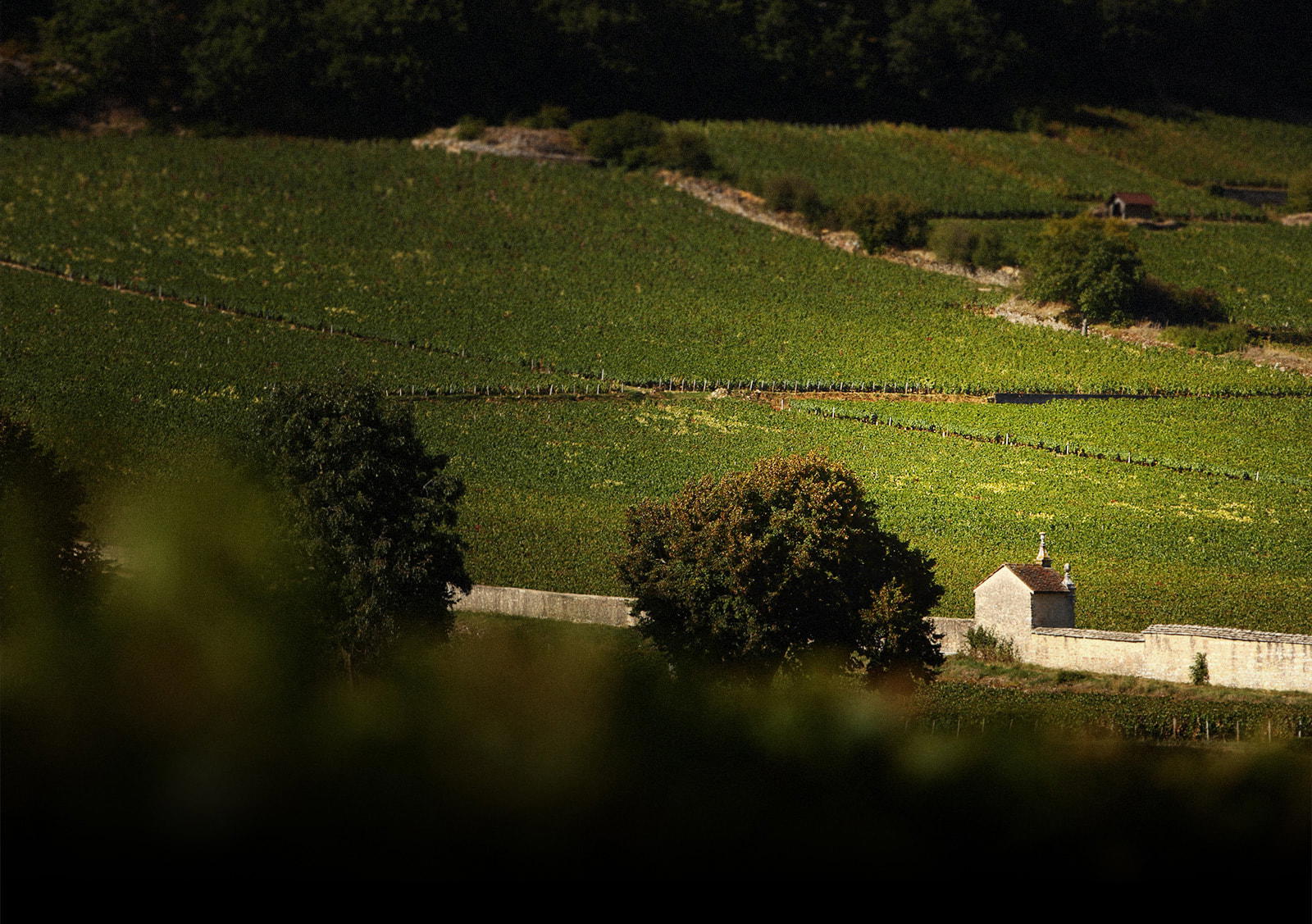
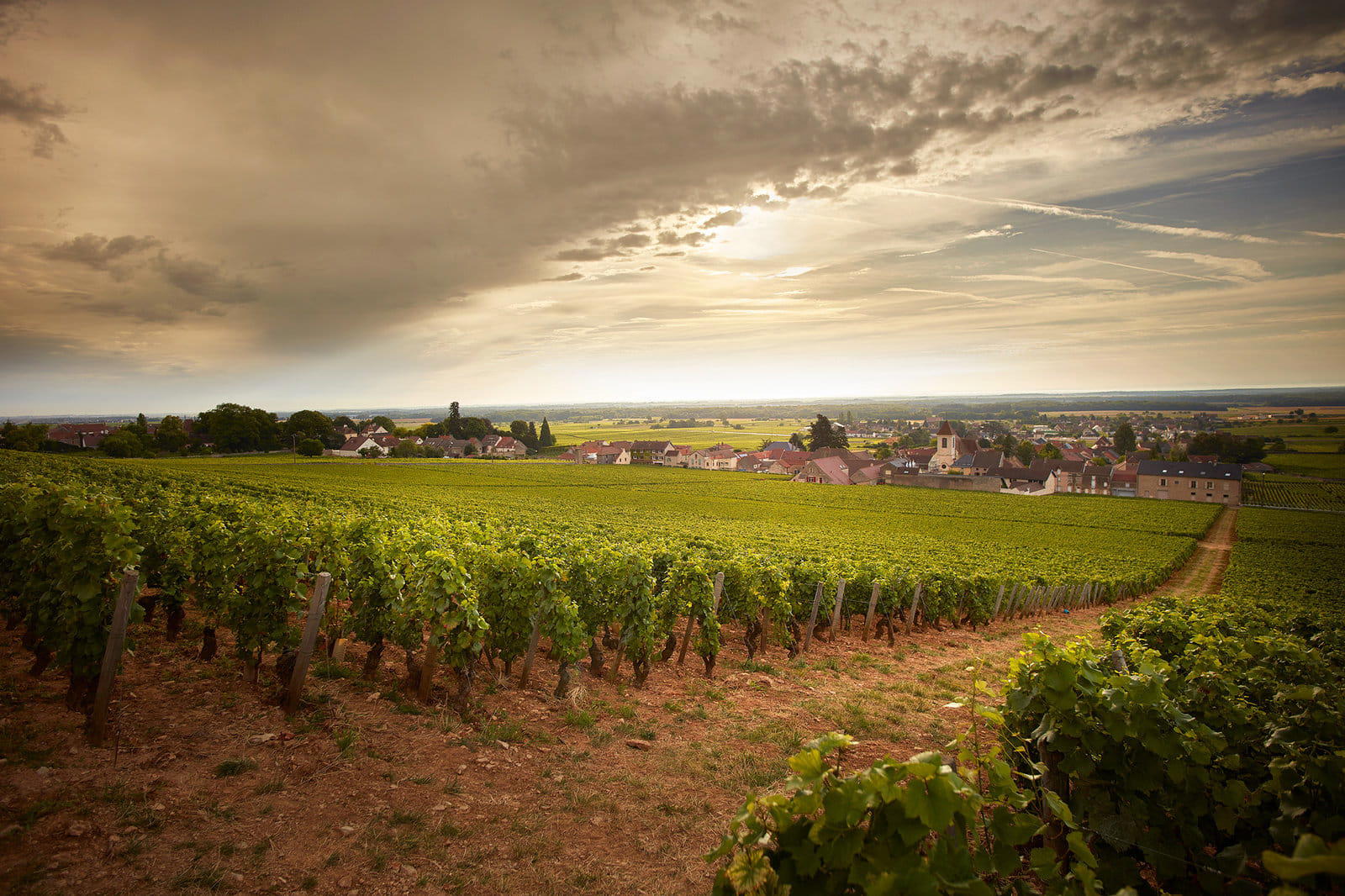
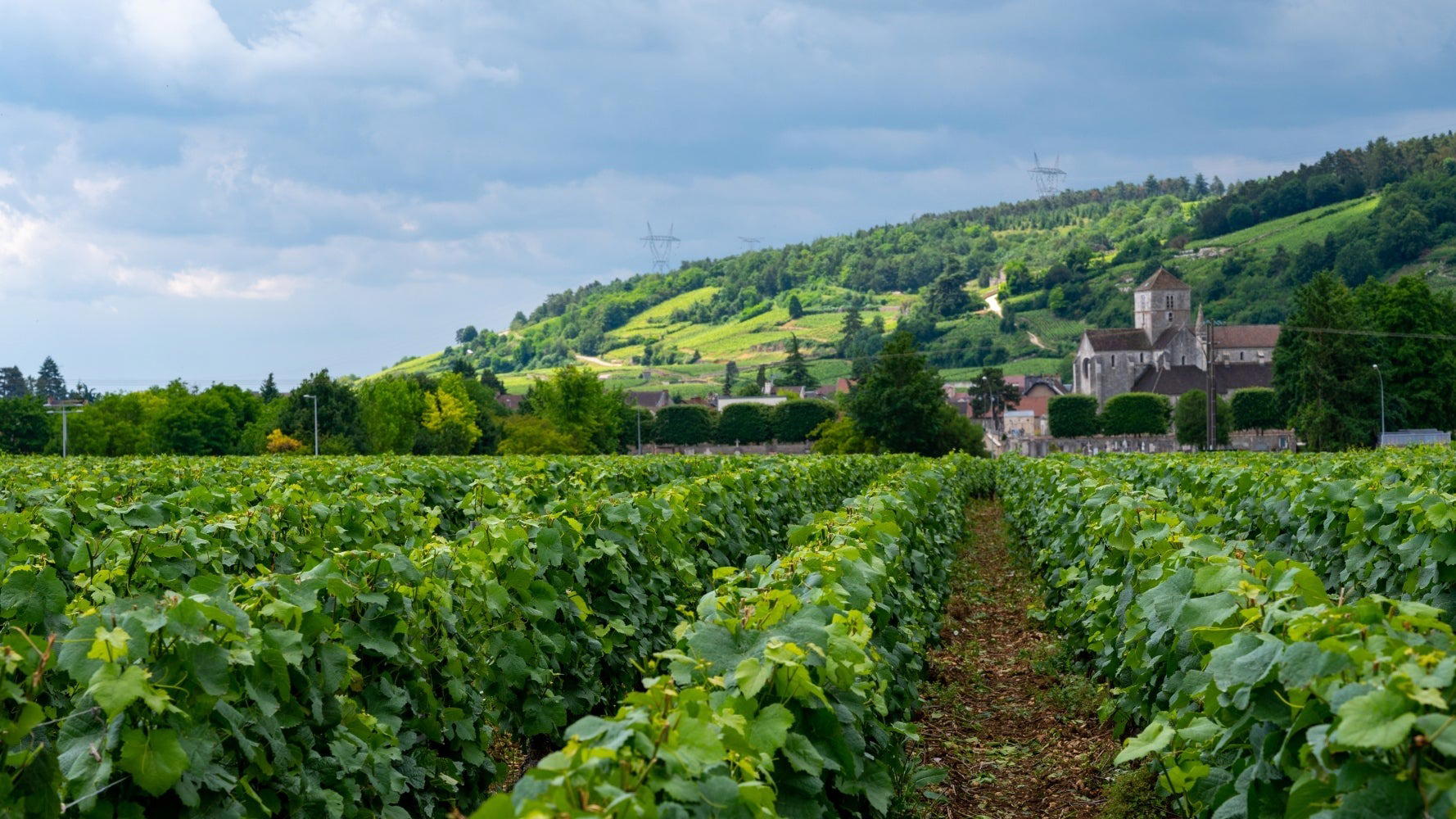
In Dijon's more serious dining rooms, the wine list rarely plays second fiddle. At La Table des Climats, located on the Parvis de l'Unesco, it sets the tempo for everything that follows. The address is telling: this is a city where the Climats de Bourgogne earned UNESCO World Heritage recognition in 2015, formalising what local producers and sommeliers had understood for centuries, that Burgundy's parcellated vineyards are a geographic and cultural inheritance as significant as any cathedral or château. A restaurant that takes its name from that classification is making a commitment, and regulars return because that commitment holds.
Dijon's gastronomic credentials predate modern critical frameworks. The city sits at the northern edge of the Côte d'Or and has long been a proving ground for producers, merchants, and chefs who treat ingredient provenance with the same rigour applied to appellation boundaries. That context shapes who eats at La Table des Climats and what they expect. The clientele skews local and knowledgeable, the kind of table that will flag a vintage or question a pairing rather than defer to the sommelier on principle. Among Dijon's mid-to-upper tier, which includes L'Aspérule at a comparable price point and CIBO at the tier above, La Table des Climats occupies the position of the wine-anchored specialist: a room where the cellar is the credential.
The Cellar as the Draw
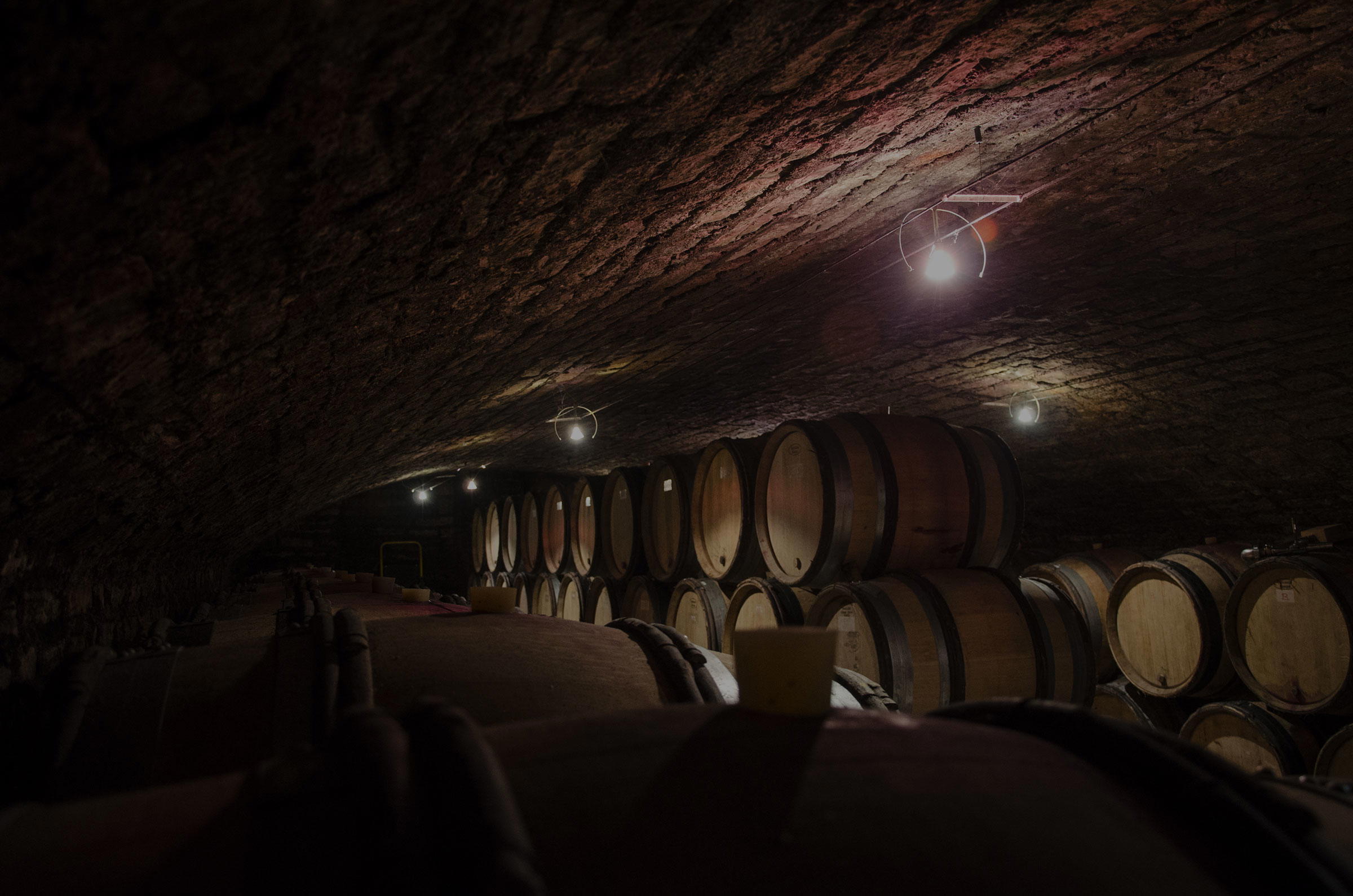
More than 800 Burgundy wines on a single list is not a feature, it is a positioning statement. At this scale, the cellar is covering appellations from Chablis to the Mâconnais, navigating the full spectrum from village-level bottlings to premier and grand cru parcels. For regulars, the practical consequence is that a return visit rarely means the same glass twice. The depth of a list this size allows for comparison, the same appellation across producers, the same producer across vintages, which is precisely what brings the wine-first clientele back with the frequency they do.
Burgundy's Pinot Noir and Chardonnay are already well served by a broader national context. France's most celebrated kitchens, from Alléno Paris au Pavillon Ledoyen in Paris to Mirazur in Menton and Troisgros - Le Bois sans Feuilles in Ouches, have long integrated regional wine depth into their offer. The restaurant is doing something more specific: it is placing Burgundy, exclusively, at the centre, which means every food decision is made in relation to that constraint. It is a tighter brief, and it clarifies the kitchen's task considerably.
Seasonal Produce and the Vegetable Question
Chef Alexandre Clochet Rousselet's kitchen reads as traditionally regional, with local products and seasonal availability driving the plate composition. It is an editorial note worth taking seriously. The terroir argument that elevates a Chambolle-Musigny over a generic Bourgogne Rouge applies equally to a carrot grown in the right soil at the right moment. Kitchens at Bras in Laguiole and Flocons de Sel in Megève have demonstrated that vegetable-forward cooking within a French fine dining framework is not a concession but an argument. The direction that Clochet Rousselet's cuisine takes in this regard is something regulars and first-timers alike will form their own view on.
What the kitchen does deliver, by all accounts, is a sense of place. The Burgundian identity is not decorative here; it informs sourcing decisions, plate construction, and above all the logic of what goes alongside what in the glass. At €€€, the pricing positions the restaurant below the top tier occupied by William Frachot's restaurant but at a similar level to L'Aspérule, with DZ'envies and L'Arôme offering different reference points across the city's range.
Recognition and Peer Context
Consecutive Michelin Plate awards in 2024 and 2025 confirm that the guide is tracking this address with sustained attention. A Michelin Plate signals a kitchen producing food worth eating, one step below the Bib Gourmand threshold and distinct from a star. In a city with Dijon's density of serious addresses, plate recognition is not a minor signal; it reflects a consistent standard across multiple inspector visits over multiple years. For context, Paul Bocuse - L'Auberge du Pont de Collonges in Collonges-au-Mont-d'Or sits at the French tradition's far end; the restaurant operates in a different register, more contemporary in framing, more local in focus.
7 across 333 reviews points to a consistent experience rather than a single celebrated evening. High-volume, high-satisfaction scoring of that kind tends to indicate that the kitchen delivers reliably across different service conditions, a quality that matters more to regulars than to one-time visitors, since it means the room earns loyalty rather than just one good memory.
Planning a Visit
The restaurant sits at 12 Parvis de l'Unesco, a short walk from the historic centre and the Palais des Ducs, in a part of Dijon that draws visitors with an interest in the region's wine heritage. The €€€ pricing reflects a mid-to-upper tier commitment; expect a meal that warrants attention, not speed. Internationally, those drawn to wine-anchored fine dining will also find parallels in the precision-led formats of Frantzén, Modern Cuisine in Stockholm and FZN by Björn Frantzén, Modern Cuisine in Dubai, though the Burgundian register here is its own argument entirely.
Accolades, Compared
Comparable venues nearby, for context on price, style, and recognition.
| Venue | Cuisine | Price | Awards | Notes |
|---|---|---|---|---|
| La Table des ClimatsThis venue — the venue you are viewing | Modern Burgundian Fine Dining | $$$ | Michelin Plate | Not listed |
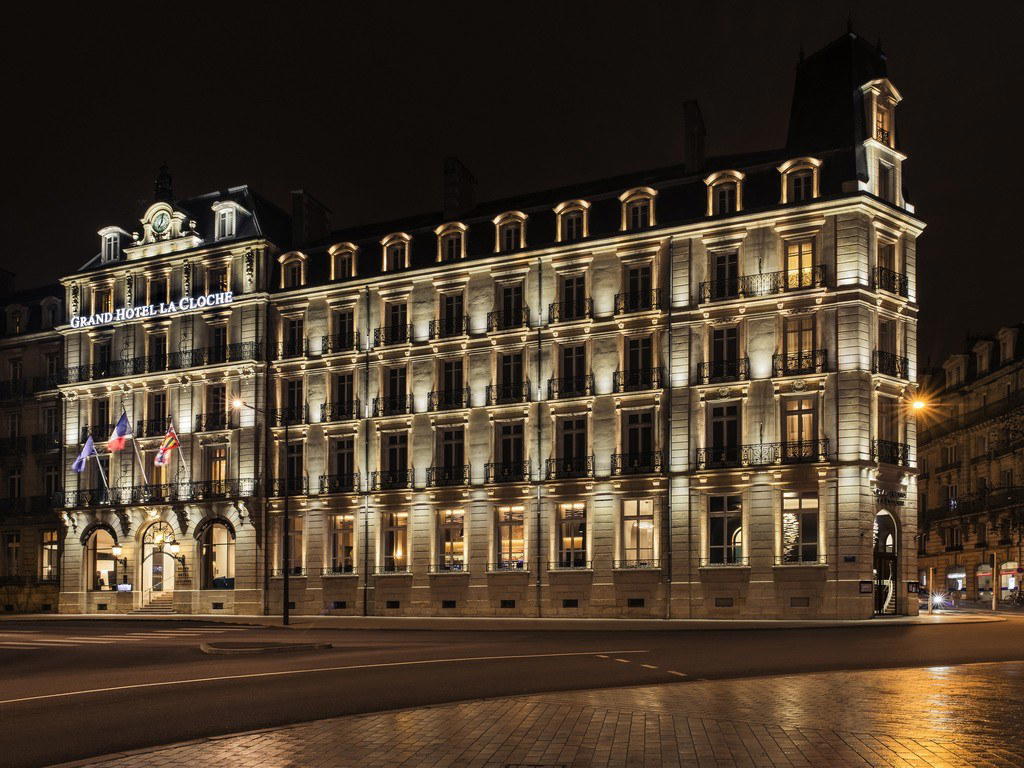
| Les Jardins by La Cloche | Modern French Brasserie | $$$ | Michelin Plate | Place Darcy |
| La Maison des Cariatides | Modern French Fine Dining | $$$ | Michelin Plate | quartier des antiquaires |
| Spica | Modern French Bistronomique | $$ | Bib Gourmand | Centre-ville |
| Saison | Modern French-Italian | $$$ | Michelin Plate | Antiquaires |
| Le Piano Qui Fume | Traditional French Bistro | $$$ | Not listed | centre historique |
Recognition history
Dated appearances from independent guides and award organizations, with the underlying list record or original source where available.
Michelin Plate
Michelin
We're Smart World 1 Radish
We're Smart World
Michelin Plate
Michelin
Continue exploring
More in Dijon
Restaurants in Dijon
Browse all →
Bars in Dijon
Browse all →
Hotels in Dijon
Browse all →
At a Glance
- Elegant
- Intimate
- Sophisticated
- Classic
- Date Night
- Special Occasion
- Historic Building
- Terrace
- Open Kitchen
- Wine Cellar
- Extensive Wine List
- Sommelier Led
- Local Sourcing
Current opening hours
- Monday
- Closed
- Tuesday
- Closed
- Wednesday
- 12:15–1:30 PM, 7:15–9 PM
- Thursday
- 12:15–1:30 PM, 7:15–9 PM
- Friday
- 12:15–1:30 PM, 7:15–9 PM
- Saturday
- 12:15–1:30 PM, 7–9 PM
- Sunday
- 12:15–1:30 PM
Hours can change for holidays and private events. Last verified .
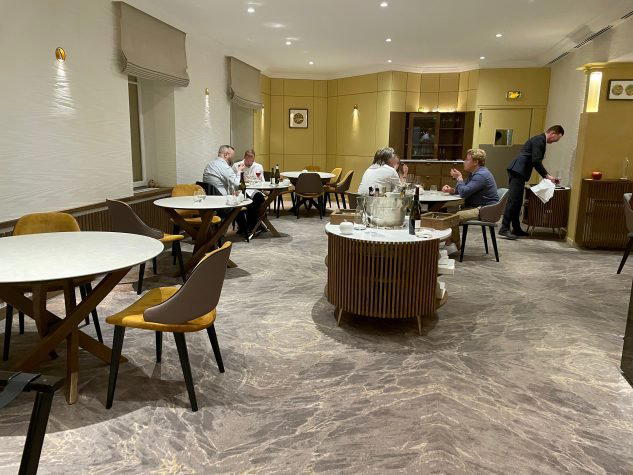
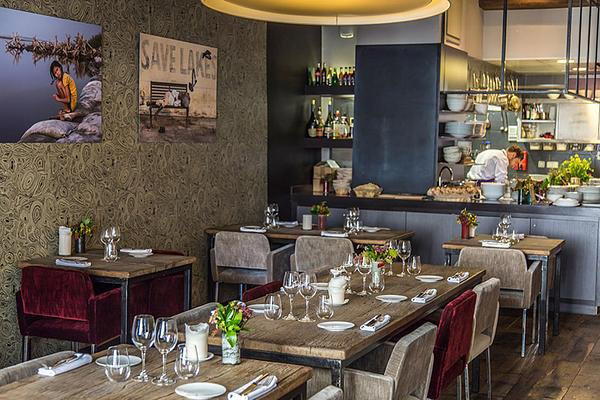
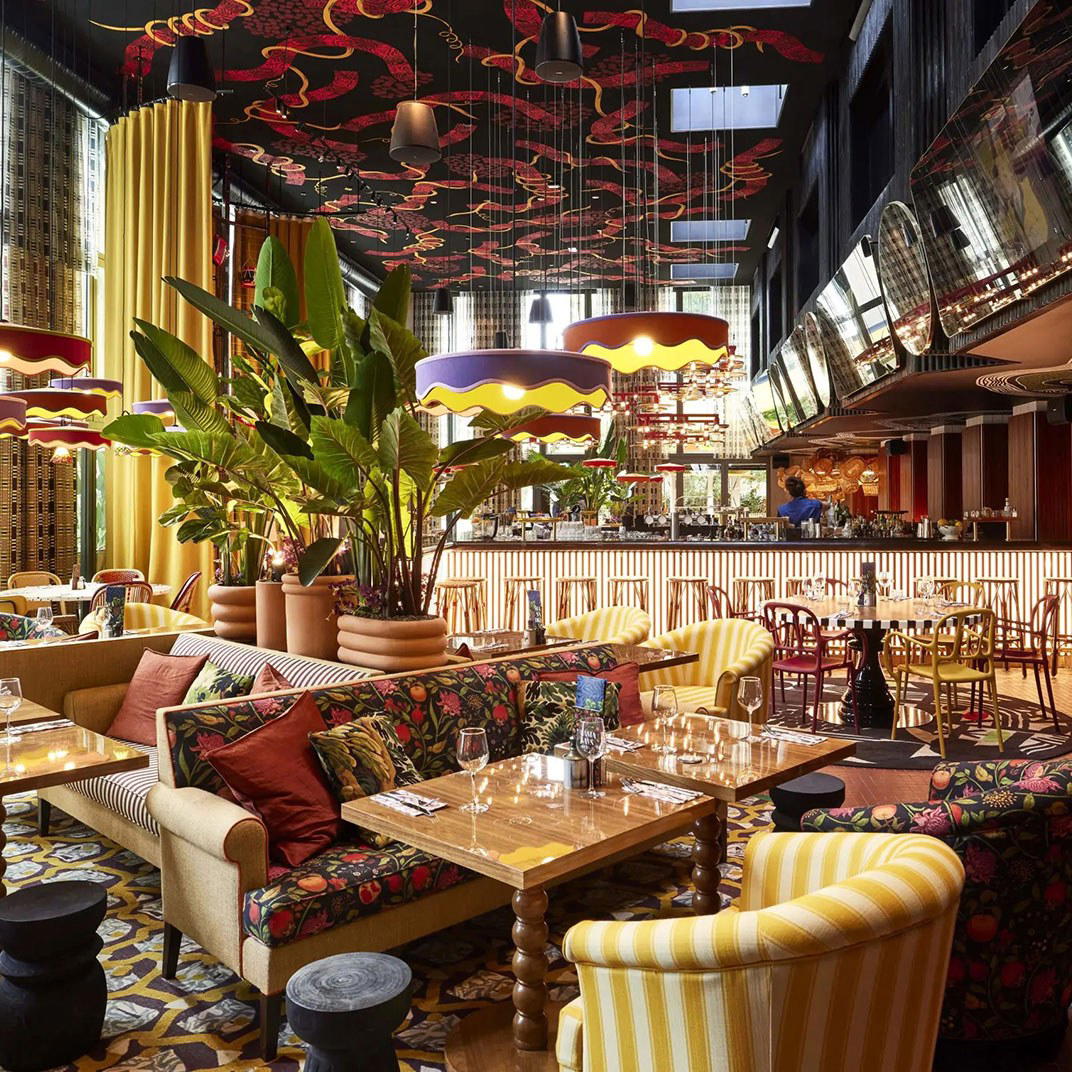
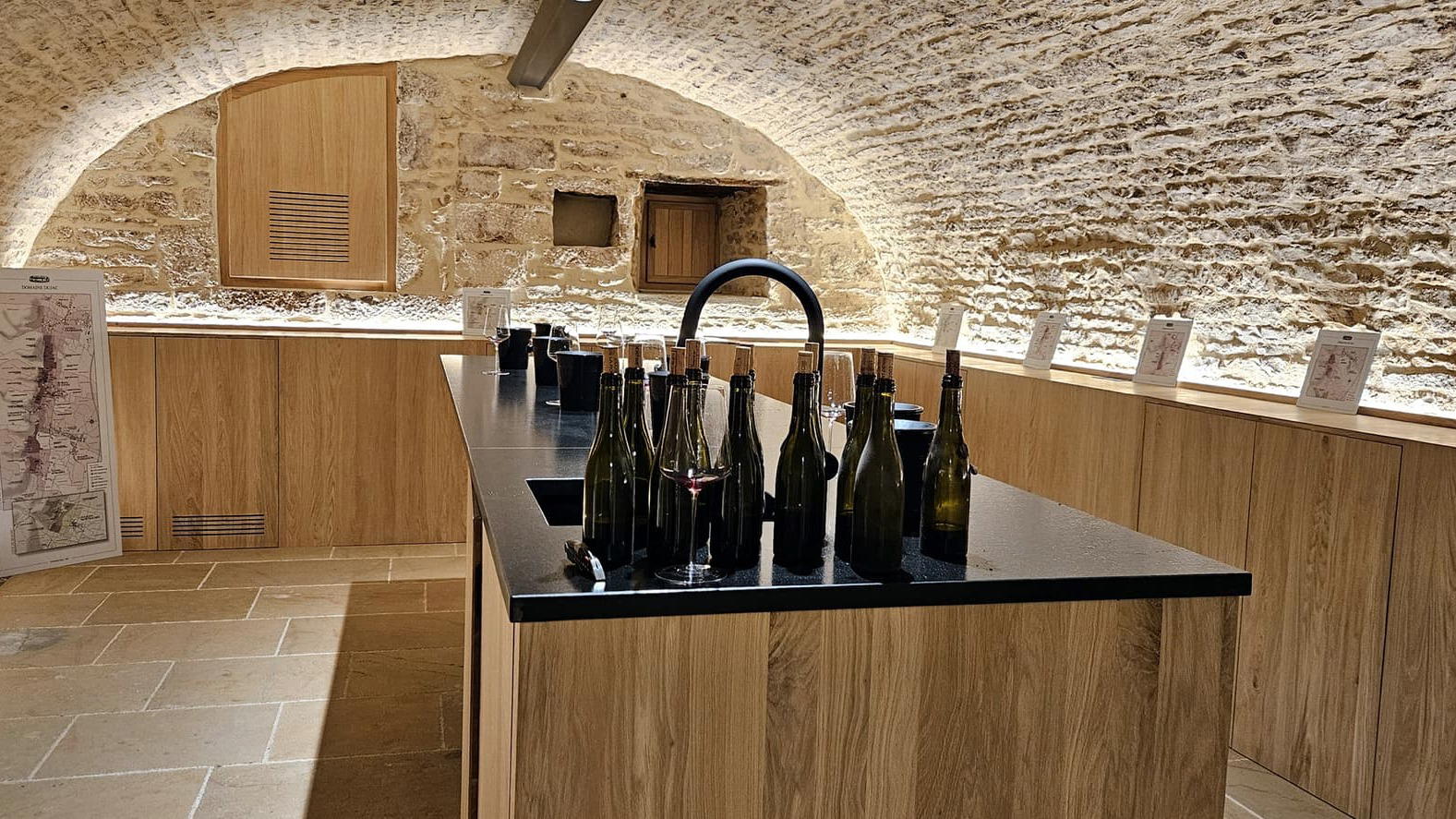
Intimate and gorgeous melange of old vaulted rooms and contemporary design, with comfortable roomy dining areas, tributes to Burgundian wine culture, and terrace at the foot of the ancient Grande Chapelle des Climats.