Our verdict
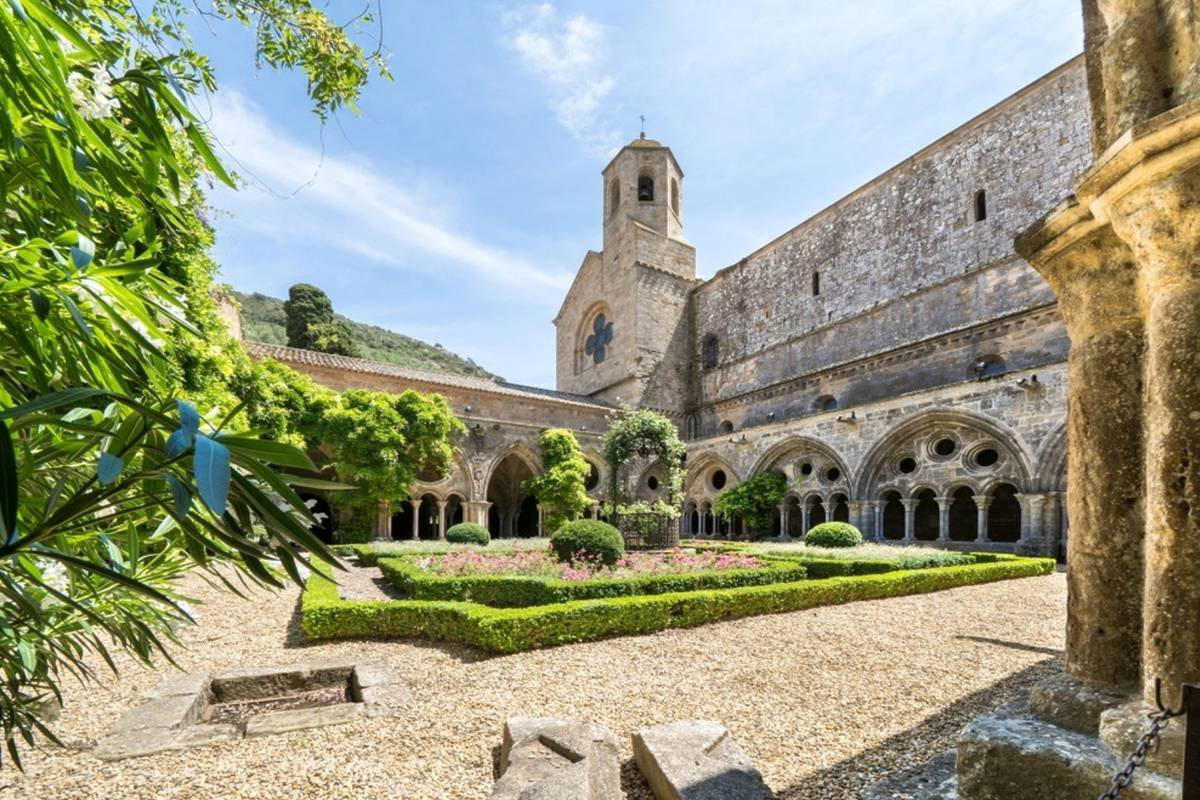
La Table de Fontfroide sits within the grounds of the Abbaye de Fontfroide, a twelfth-century Cistercian monastery outside Narbonne. Dining here places the meal inside one of the Languedoc's most architecturally significant sites, with the Corbières hills and the abbey's rose gardens framing the setting. For the Narbonne region, this is fine dining with an unusually specific sense of place.

Pearl is the En Primeur Club membership app — saves, bookings, and concierge access live there. Same editors, same standards.
- Address
- RD 613, Chem. de Fontfroide, 11100 Narbonne, France
- Phone
- +33468410226
- Hours
- Mon–Wed 12–2 PMThu 12–3 PMFri–Sun 12–2 PM
- Website
- fontfroide.com
- Directions
- Get directions
- Booking
- Book on Zenchef
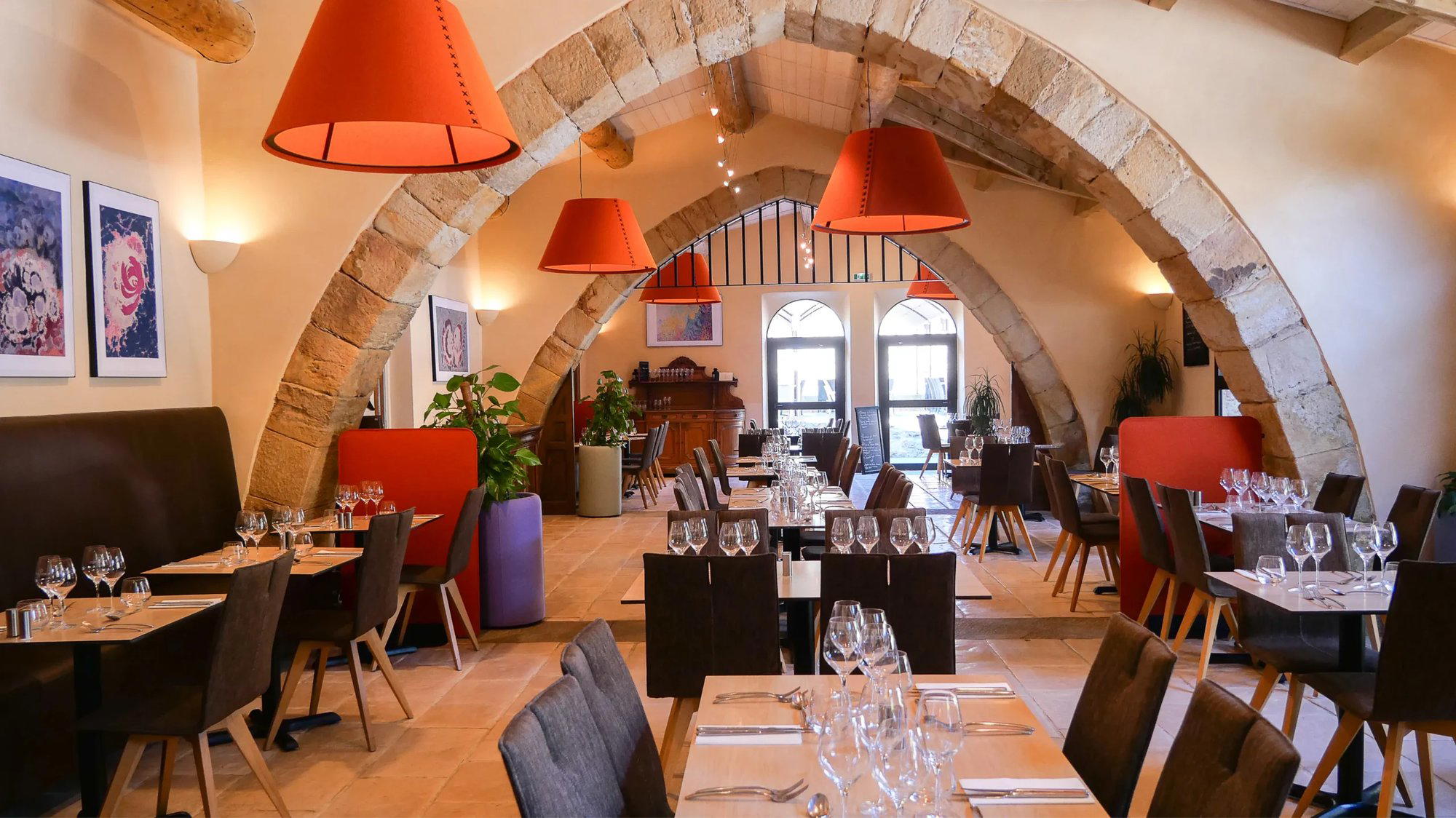
Stone, Silence, and the Corbières Hills
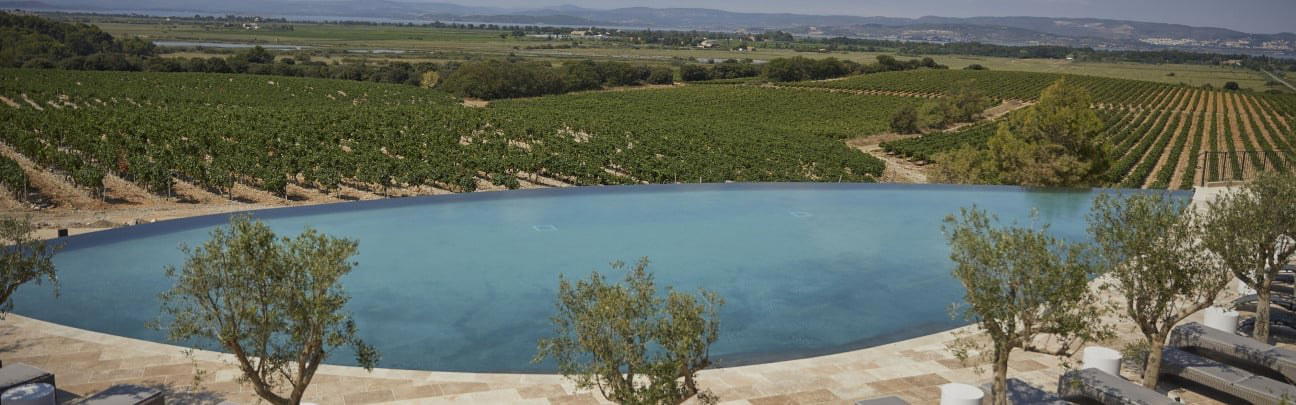
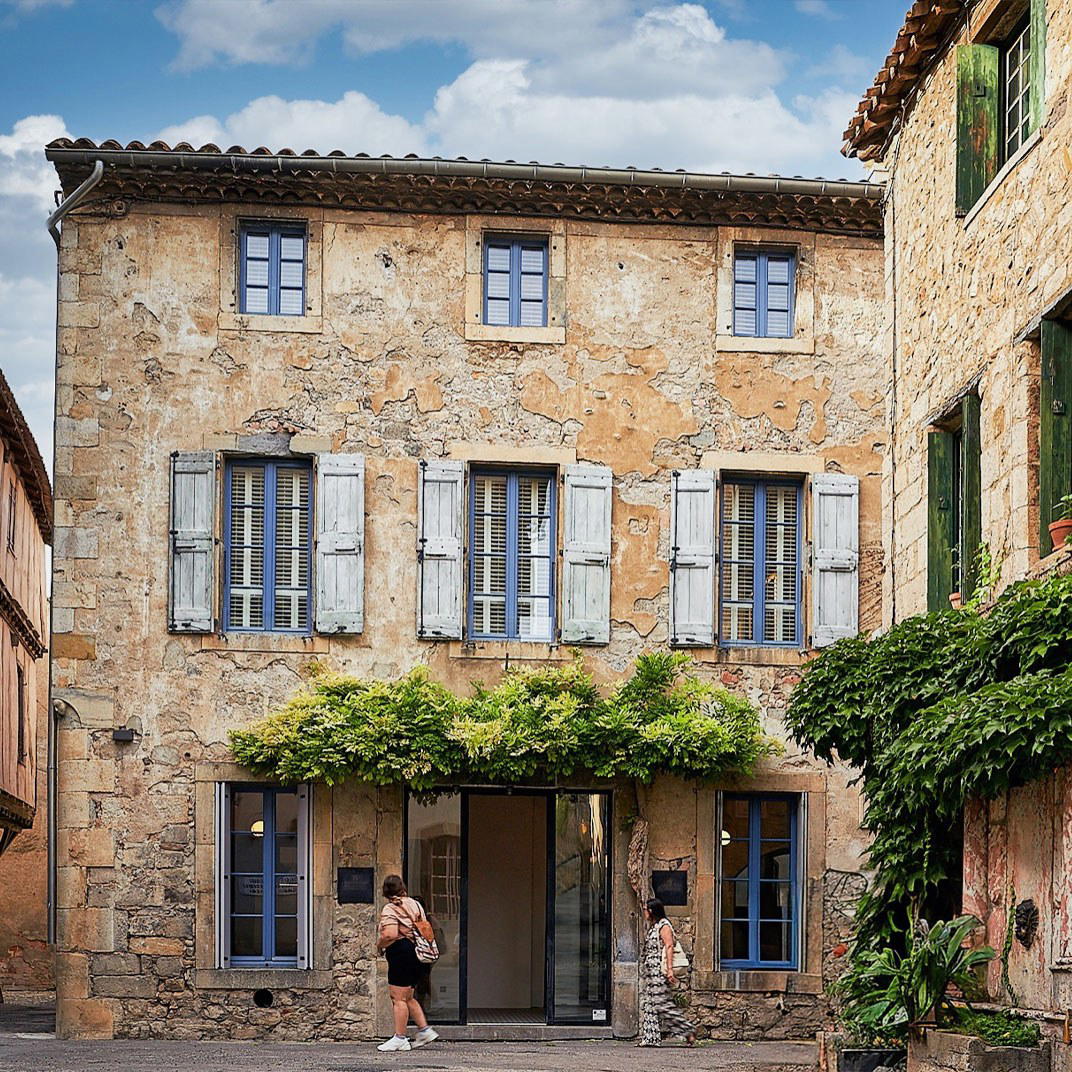
Approaching the Abbaye de Fontfroide along the RD 613, the Corbières hills close in on either side and the scrubland thickens. There are no other restaurants nearby, no village, no competing noise. By the time the abbey's ochre sandstone façade comes into view, the landscape has already done considerable editorial work on your expectations. La Table de Fontfroide operates inside this context: a twelfth-century Cistercian monastery roughly fifteen kilometres southwest of Narbonne, where the meal is inseparable from the architecture surrounding it.
France has a tradition of monastic hospitality that stretches back centuries, and a handful of its most atmospheric dining addresses are attached to ecclesiastical or estate properties rather than urban restaurant blocks. Fontfroide sits in that category. The abbey grounds include formal rose gardens, Romanesque cloisters, and a church that dates to the Cistercian expansion of the twelfth and thirteenth centuries. Dining within or adjacent to this complex is a materially different proposition from eating in central Narbonne, and it is worth framing the experience accordingly before considering what arrives on the plate.
Where Fontfroide Sits in the Narbonne Dining Scene
Narbonne's restaurant range runs from traditional Languedoc brasseries to Mediterranean-inflected modern dining. The city's covered market area anchors casual eating, while addresses like Cave à Vin & à Manger - Maison Saint-Crescent represent the traditional cuisine bracket at accessible price points. Brasserie de la Mer and Brasserie Co fill the mid-tier brasserie register, while Chez Marius and A l'Obento extend the city's range into more specialist territory. A full map of the city's options is available in the EP Club Narbonne restaurants guide.
La Table de Fontfroide operates outside this urban cluster entirely. In the south of France, this model has strong precedent, and the abbey's own wine production adds a further dimension that purely urban restaurants cannot replicate.
The Languedoc at Table
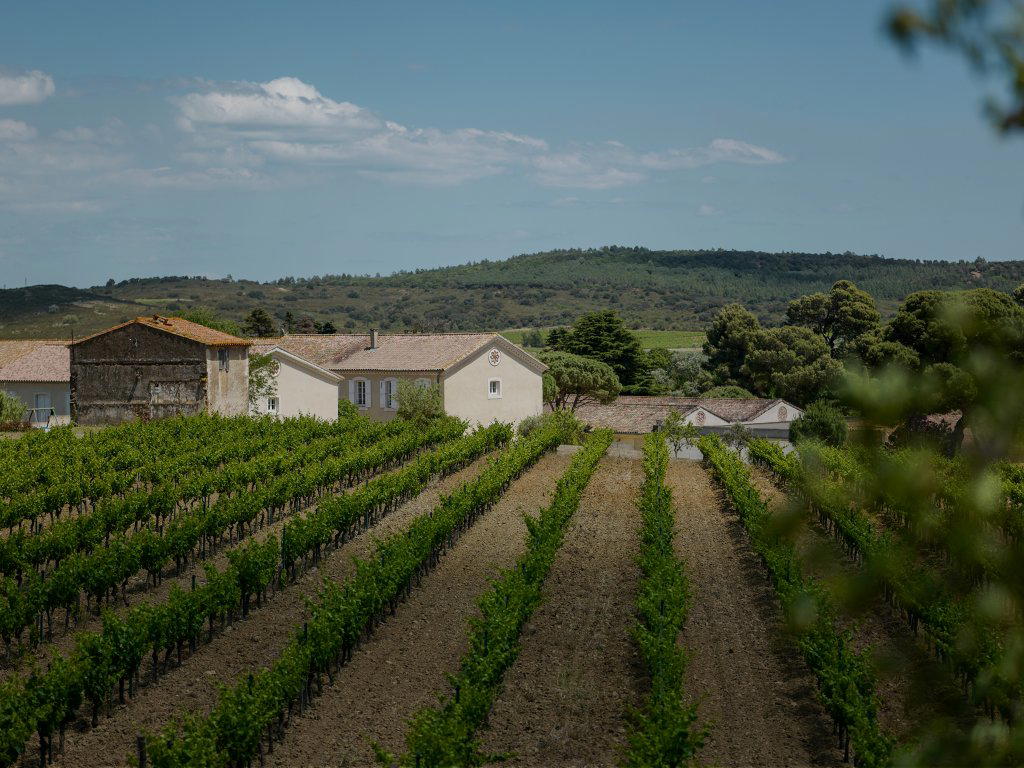
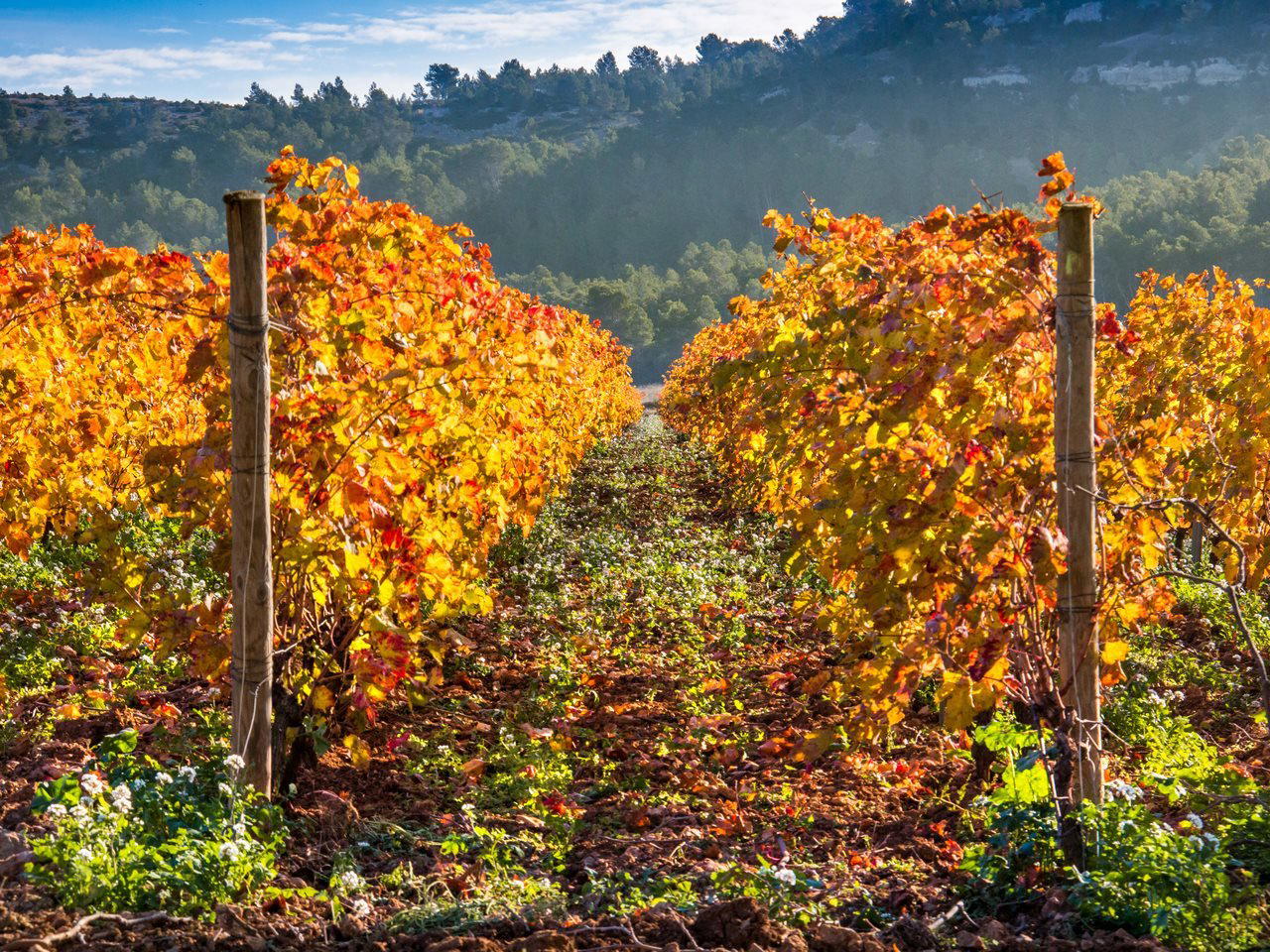
The Languedoc-Roussillon region has spent several decades recalibrating its culinary and viticultural identity. Once associated primarily with high-volume wine production and rustic cooking, the area around Narbonne now supports a more varied table. The Corbières appellation, which surrounds Fontfroide, produces structured red wines built around Grenache, Syrah, and Carignan, and the region's proximity to the Mediterranean gives its cuisine access to seafood, garrigue herbs, and stone-fruit produce that define southern French cooking at its most direct.
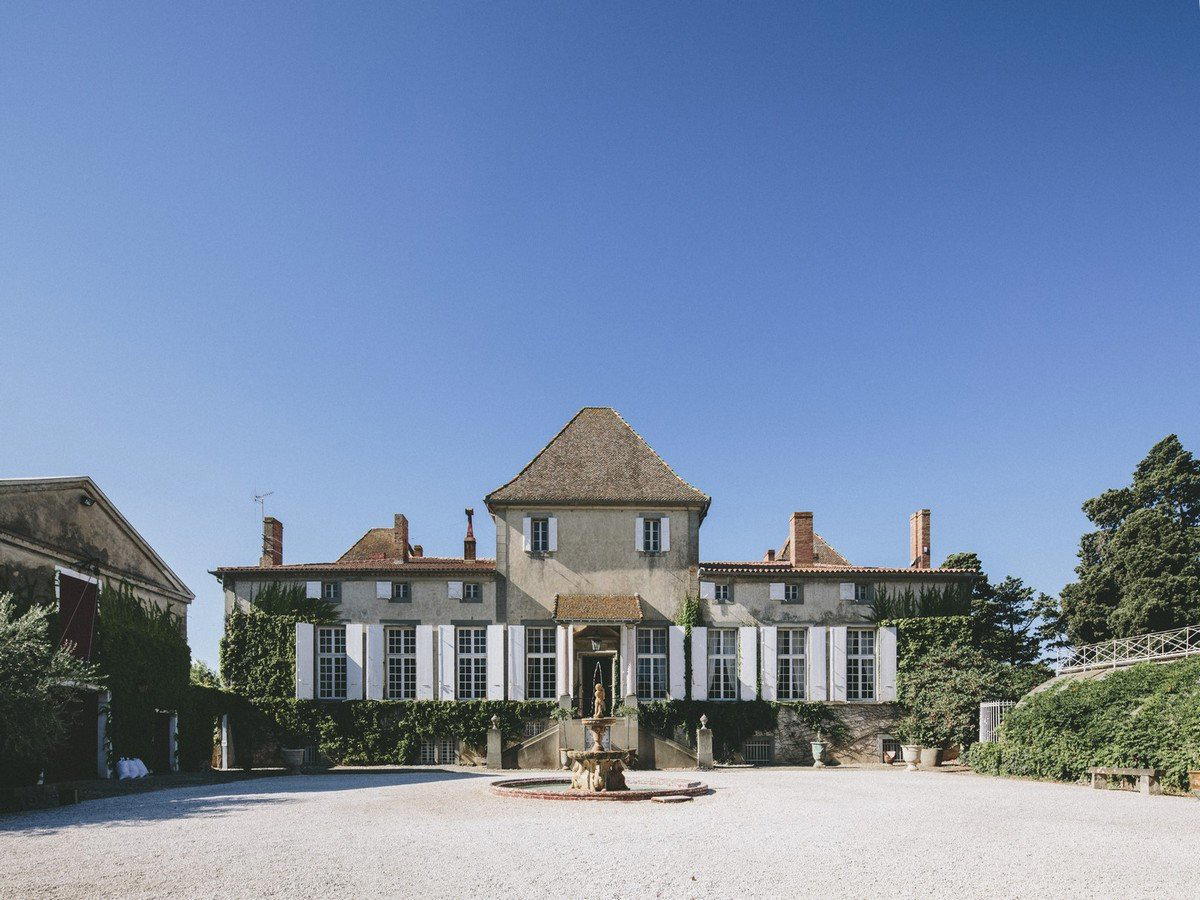
Dining at an estate like Fontfroide means the wine list is anchored by the abbey's own production, which frames the meal in a way that restaurant wine programs sourced from négociants cannot. This is the proposition that differentiates estate dining from comparable price-point restaurants in Narbonne's urban centre. The abbey has produced wine on these grounds for generations, and the Corbières classification gives that wine a specific appellation identity rather than generic regional status.
For context on how estate and heritage dining in France operates at the highest tier, reference points include Bras in Laguiole, where landscape and cooking have been deliberately integrated since the property's founding, and Auberge de l'Ill in Illhaeusern, where a specific Alsatian location has shaped an institutional dining identity over several generations. These addresses are, of course, in different weight classes from Fontfroide in terms of Michelin recognition, but the structural argument — that place and cuisine should function as a unified offer — is the same. Other significant French fine dining addresses that demonstrate the range of what regional cuisine can achieve include Mirazur in Menton, Flocons de Sel in Megève, and Troisgros - Le Bois sans Feuilles in Ouches, all of which demonstrate how deeply a restaurant can root itself in a specific geography.
Planning a Visit
La Table de Fontfroide is located on the RD 613 approximately fifteen kilometres southwest of central Narbonne, which means a car is the practical requirement for most visitors. The abbey is signposted from the main Narbonne road network and the drive through the Corbières is part of the experience rather than an inconvenience. Given the estate setting and the distance from the city, this is not a venue for a quick weekday lunch: building the visit around the abbey itself, including the cloisters, gardens, and wine cellar, turns an afternoon here into a full half-day or more.
Estate dining venues of this type often adjust their schedules around the abbey's broader visitor programme, so lead time in planning is advisable, particularly during the summer months when the Corbières attracts significant wine tourism traffic. The rose gardens bloom from late spring, which represents the season when the outdoor setting is most fully realised.
The Broader French Table
France's fine dining infrastructure remains the global reference point against which other national traditions measure themselves. The Paris bracket, represented at its summit by addresses like Alléno Paris au Pavillon Ledoyen and historical institutions including Paul Bocuse - L'Auberge du Pont de Collonges, sets the formal ceiling. Regional France operates differently, with addresses like AM par Alexandre Mazzia in Marseille, Assiette Champenoise in Reims, and Au Crocodile in Strasbourg demonstrating that serious cooking has spread across the country's geography rather than concentrating in the capital. Internationally, the French tradition continues to export influence: Le Bernardin in New York City and technically rigorous programs like Atomix in New York City both carry traceable French technical inheritance.
La Table de Fontfroide does not operate at the starred tier of that national canon, but it does something the starred tier rarely offers: it places the meal inside a living heritage site that predates the French restaurant as a concept by several centuries. That is a different kind of argument for going.
Frequently asked questions
What's La Table de Fontfroide's location?
La Table de Fontfroide is located at RD 613, Chem. de Fontfroide, 11100 Narbonne, France, Narbonne.
Can you visit La Table de Fontfroide without a guided abbey tour?
La Table de Fontfroide operates within the Abbaye de Fontfroide estate, roughly fifteen kilometres from central Narbonne, and access to the grounds is managed through the abbey itself. Whether a restaurant reservation grants independent estate access without a tour ticket is best confirmed directly with the abbey before visiting, as the two experiences are structurally linked at most comparable French heritage sites.
What's the must-try dish at La Table de Fontfroide?
Given the setting within the Abbaye de Fontfroide in the Corbières hills southwest of Narbonne, the kitchen draws on Languedoc regional produce, so dishes rooted in local terroir — lamb from the garrigue, Mediterranean fish, and abbey-adjacent wine pairings — are the natural focus. Visiting with an open approach to the seasonal carte is the practical position here.
Should I book La Table de Fontfroide in advance?
La Table de Fontfroide sits within the grounds of the Abbaye de Fontfroide, approximately fifteen kilometres southwest of central Narbonne on the RD 613, and draws visitors combining the abbey tour with lunch. That dual-purpose audience compresses covers, particularly on summer and weekend service. Contacting the abbey directly to confirm table availability before making the drive is the sensible approach, especially outside of walk-in shoulder periods.
What makes La Table de Fontfroide worth seeking out?
The setting is the primary argument: a working Cistercian abbey founded in the eleventh century, surrounded by Corbières scrubland with no competing development visible on approach. Narbonne's central dining options are competent but operate without that kind of physical context. La Table de Fontfroide offers a reason to eat outside the city that goes beyond the food itself, combining the abbey estate, the regional wine culture of Languedoc-Roussillon, and a meal in a location that takes deliberate effort to reach.
Do they accommodate allergies at La Table de Fontfroide?
No allergy or dietary policy is publicly documented for La Table de Fontfroide. Standard practice at estate and abbey restaurants in France is to note requirements at the time of booking rather than expecting flexibility on arrival. Given the remote location on the RD 613 outside Narbonne, raising dietary needs in advance of visiting is the practical approach.
The Quick Read
Comparable venues nearby, for context on price, style, and recognition.
| Venue | Cuisine | Price | Notes |
|---|---|---|---|
| La Table de FontfroideThis venue — the venue you are viewing | Mediterranean French Bistro | $30–50 | Not listed |
| Chez Marius | French Bistroquet with Tapas | $20–30 | Centre historique, French Bistroquet with Tapas |
| Brasserie Co | French Brasserie with Mediterranean Influences | $20–30 | Centre-ville, French Brasserie with Mediterranean Influences |
| L'Aladin | Moroccan | $20–30 | Centre-ville, Moroccan |
| Maison Bebelle | French Grill - Market-Fresh Meat & Frites | $20–30 | Les Halles (Narbonne Market), French Grill - Market-Fresh Meat & Frites |
| Brasserie de la Mer | Traditional Mediterranean Seafood Brasserie | $30–50 | Narbonne-Plage, Traditional Mediterranean Seafood Brasserie |
Continue exploring
More in Narbonne
Restaurants in Narbonne
Browse all →
Bars in Narbonne
Browse all →
Hotels in Narbonne
Browse all →
Details
- Romantic
- Quiet
- Elegant
- Rustic
- Scenic
- Special Occasion
- Family
- Group Dining
- Historic Building
- Terrace
- Garden
- Extensive Wine List
- Local Sourcing
- Mountain
- Garden
- A La Carte
- Set Menu
- Local Wine
- Vegetarian Friendly
- Vegan Options
- Gluten Free Options
Current opening hours
- Monday
- 12–2 PM
- Tuesday
- 12–2 PM
- Wednesday
- 12–2 PM
- Thursday
- 12–3 PM
- Friday
- 12–2 PM
- Saturday
- 12–2 PM
- Sunday
- 12–2 PM
Hours can change for holidays and private events. Last verified .
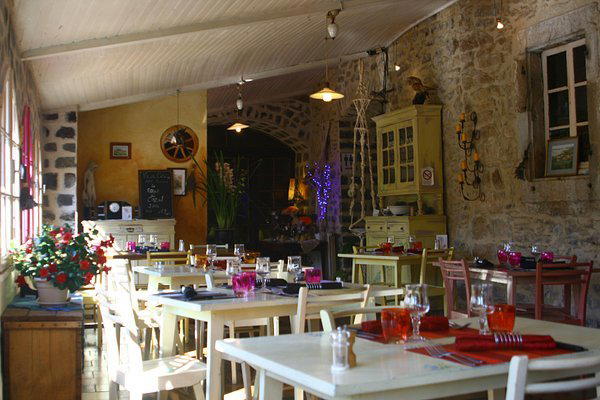
Peaceful and calm monastic atmosphere under huge stone vaults, blending historic stone architecture with natural light and understated furnishings.