Our verdict
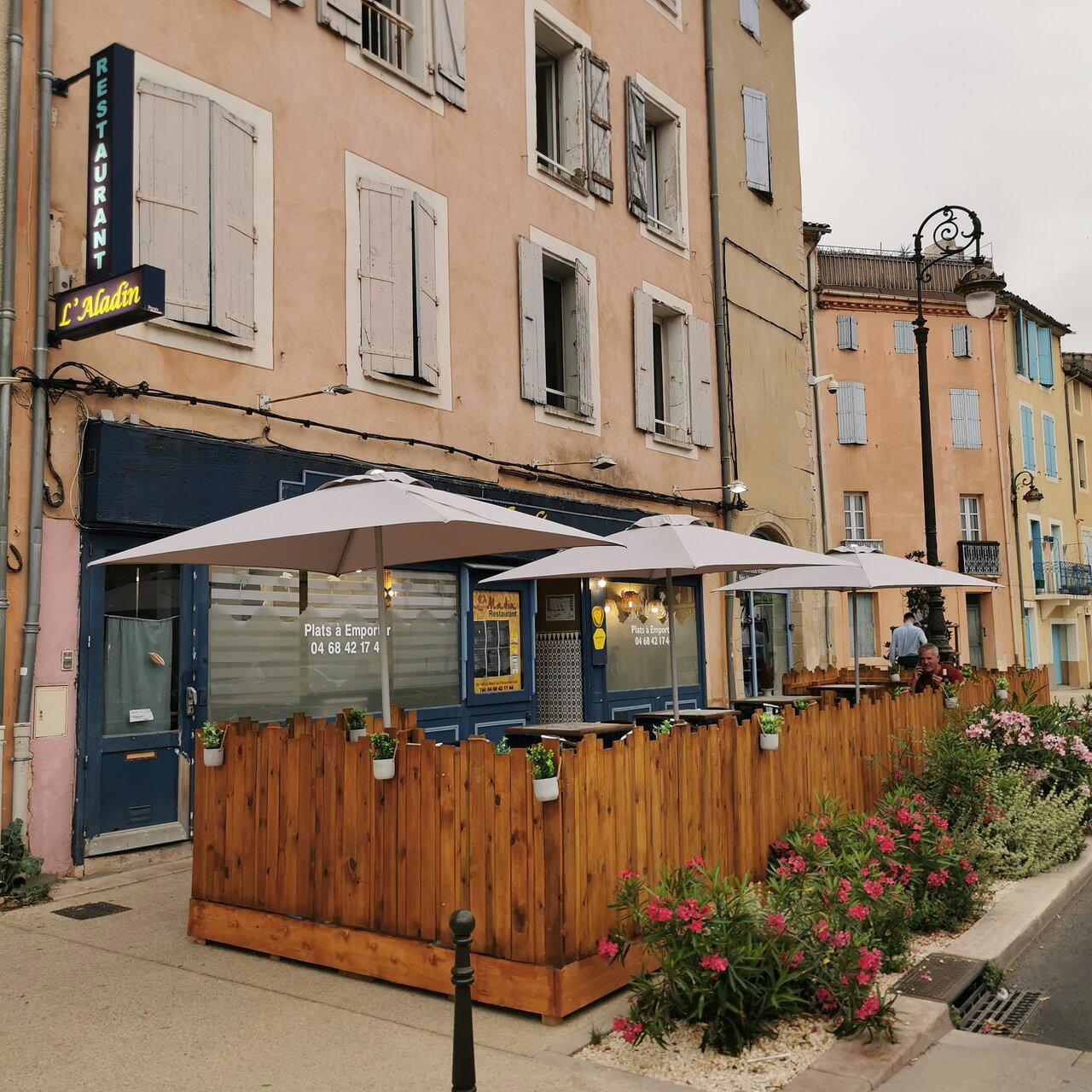
L'Aladin sits on Rue de la Parerie in the heart of Narbonne, a city where Roman infrastructure and Mediterranean trade routes shaped centuries of eating culture. The address places it within walking distance of the Canal de la Robine and the covered market that anchors the city's food identity. For visitors tracing Narbonne's dining scene, it represents the neighbourhood restaurant tier that fills the space between brasserie and destination table.

Pearl is the En Primeur Club membership app — saves, bookings, and concierge access live there. Same editors, same standards.
- Address
- 51 Rue de la Parerie, 11100 Narbonne, France
- Phone
- +33468421744
- Hours
- Mon–Tue ClosedWed–Sat 9 AM–1:30 PM, 7–9:30 PMSun 9 AM–1:30 PM
- Directions
- Get directions
Narbonne's Neighbourhood Restaurant Scene and Where L'Aladin Sits Within It
Rue de la Parerie runs through central Narbonne with the quiet confidence of a street that has been commercially active since the medieval period. The Canal de la Robine, a UNESCO-listed waterway cutting through the city centre, sits nearby, and the covered market on the Boulevard du Docteur Lacroix draws producers and shoppers most mornings of the week. This is the physical and social fabric around which Narbonne's neighbourhood dining tradition has developed, a circuit of smaller, street-level restaurants that serve the city's population rather than its tourism bracket alone.
L'Aladin, at 51 Rue de la Parerie, occupies this neighbourhood tier. The address is central enough to draw from the lunchtime market crowd and the evening foot traffic that moves between the old town's main arteries, but it sits outside the more heavily programmed tourist corridors closer to the Cathedral of Saint-Just-et-Saint-Pasteur. That positioning is common among Narbonne's mid-range restaurants: close enough to the city's points of interest to be accessible, but not reliant on transient visitors as the primary audience.
The Cultural Roots of Eating in Languedoc-Roussillon
Narbonne's food culture draws from a layered regional tradition. The Languedoc-Roussillon region sits at a crossroads where southern French technique meets Catalan influence to the southwest and the produce rhythms of the Mediterranean coast to the east. Historically, Narbonne was one of Rome's most significant provincial cities, and its position on the Via Domitia gave it early exposure to trade goods, spices, and culinary exchange that predate the formation of French regional cooking as we now understand it.
What this history produces, at street level, is a dining culture that is comfortable with bold flavours, Mediterranean herbs, and the kind of casual-but-serious approach to produce that distinguishes Occitan cooking from more northerly French traditions. The local markets supply blood oranges, oysters from the Étang de Leucate, wild herbs from the garrigue, and lamb from the inland causses. Restaurants across the price spectrum in Narbonne tend to reflect this supply chain, even when the format is simple. For context on how Languedoc's cooking identity maps against more decorated French addresses, venues like Mirazur in Menton and Bras in Laguiole illustrate what happens when regional southern French produce thinking reaches its most refined expression, though those operate in a different category entirely from neighbourhood dining.
The name L'Aladin carries an implicit reference to the Arabic word for the world — al-'alam — or more commonly connects to the Aladdin narrative of Middle Eastern folklore, which suggests a possible orientation toward North African or Levantine cooking traditions. Narbonne has historically received migration from North Africa, and the city's food scene includes a thread of Maghrebi influence that runs from casual street-level couscous houses through to more considered Moroccan and Algerian table formats. Whether L'Aladin sits explicitly in that tradition or uses the name as a looser cultural signal is a distinction worth clarifying on arrival, as it shapes what a first-time visitor should expect on the plate.
Within Narbonne's restaurant scene, the neighbourhood restaurant tier occupies a specific role. At the higher end, addresses like Cave à Vin & à Manger - Maison Saint-Crescent offer traditional cuisine at a €€ price point with a more deliberate wine focus, while the city also has casual options including Brasserie Co, Brasserie de la Mer, and Chez Marius. For those drawn to more specialist formats, A l'Obento represents the city's Japanese-influenced corner. L'Aladin's position within this spread depends on format and price, details that currently require confirmation directly with the restaurant, but the address and name signal a neighbourhood-scale operation rather than a destination-dining proposition.
This is not a criticism. France's most enduring contribution to global eating culture is arguably the neighbourhood restaurant that takes produce seriously without requiring ceremonial service or a booking made months in advance. The brasseries and bistros of provincial cities like Narbonne form the base of a pyramid whose apex is occupied by multi-Michelin addresses such as Alléno Paris au Pavillon Ledoyen, Flocons de Sel in Megève, Troisgros in Ouches, and Paul Bocuse's Auberge du Pont de Collonges. The neighbourhood tier sustains the culture below that pyramid, and in cities with strong market traditions, it often delivers better value-to-quality ratios than its proximity to the best of the bracket would suggest.
For contrast with how French regional cooking reaches international recognition at the starred level, Auberge de l'Ill in Illhaeusern, Assiette Champenoise in Reims, and Au Crocodile in Strasbourg each show how Alsatian and Champenois traditions translate into formal dining contexts. In the south, AM par Alexandre Mazzia in Marseille has put Mediterranean-influenced cooking at the highest critical level. L'Aladin operates several tiers below these reference points, which is where most of France's actual daily restaurant culture lives. Internationally, Le Bernardin in New York and Atomix in New York show how French and French-influenced technique plays at the global fine-dining tier, a useful frame for understanding how far the neighbourhood address diverges from that conversation.
Planning a Visit
L'Aladin is located at 51 Rue de la Parerie, 11100 Narbonne. The street sits within the historic centre and is accessible on foot from the train station in under fifteen minutes, making it a reasonable stop for visitors arriving by rail from Montpellier, Perpignan, or Marseille. Current hours, pricing, and booking availability are best confirmed directly with the restaurant before visiting, as these details were not available at the time of publication. Given the neighbourhood scale of the address, walk-ins may be possible, but lunch periods near the covered market tend to fill quickly on weekday afternoons. For a broader picture of where L'Aladin sits within the city's eating options, our full Narbonne restaurants guide maps the scene across price tiers and cuisine types.
Frequently asked questions
What kind of setting is L'Aladin?
L'Aladin occupies a position on Rue de la Parerie, a street running through Narbonne's historic centre that has sustained commercial activity since the medieval period. The address places it within walking distance of the city's main landmarks and the train station, putting it firmly in the neighbourhood-restaurant tier rather than the destination-dining category. That means a room oriented around regular local trade rather than tourist footfall.
Where exactly is L'Aladin?
L'Aladin is located at 51 Rue de la Parerie, 11100 Narbonne, France, Narbonne.
Is L'Aladin a good option for a meal near Narbonne train station?
L'Aladin at 51 Rue de la Parerie sits in Narbonne's historic centre, which is accessible on foot from the main train station. That makes it a practical choice for visitors arriving by rail rather than those driving in from outside the city. For confirmed hours and current availability, contacting the restaurant directly is advisable before planning around a departure time.
What dish is L'Aladin famous for?
Given its location in Narbonne and the broader Languedoc-Roussillon culinary tradition, the regional context points toward southern French cooking where Catalan, Mediterranean, and Occitan influences overlap — though confirmed menu details should be sought directly from the restaurant before visiting.
Budget and Context
Comparable venues nearby, for context on price, style, and recognition.
| Venue | Cuisine | Price | Notes |
|---|---|---|---|
| L'AladinThis venue — the venue you are viewing | Moroccan | $20–30 | Not listed |
| Maison Bebelle | French Grill - Market-Fresh Meat & Frites | $20–30 | Les Halles (Narbonne Market), French Grill - Market-Fresh Meat & Frites |
| La Table de Fontfroide | Mediterranean French Bistro | $30–50 | Abbaye de Fontfroide, Mediterranean French Bistro |
| Brasserie Co | French Brasserie with Mediterranean Influences | $20–30 | Centre-ville, French Brasserie with Mediterranean Influences |
| A l'Obento | Traditional Japanese Izakaya | $20–30 | Centre-ville, Traditional Japanese Izakaya |
| La Nautique | Mediterranean Seafood Bistro | $20–30 | La Nautique, Mediterranean Seafood Bistro |
Continue exploring
More in Narbonne
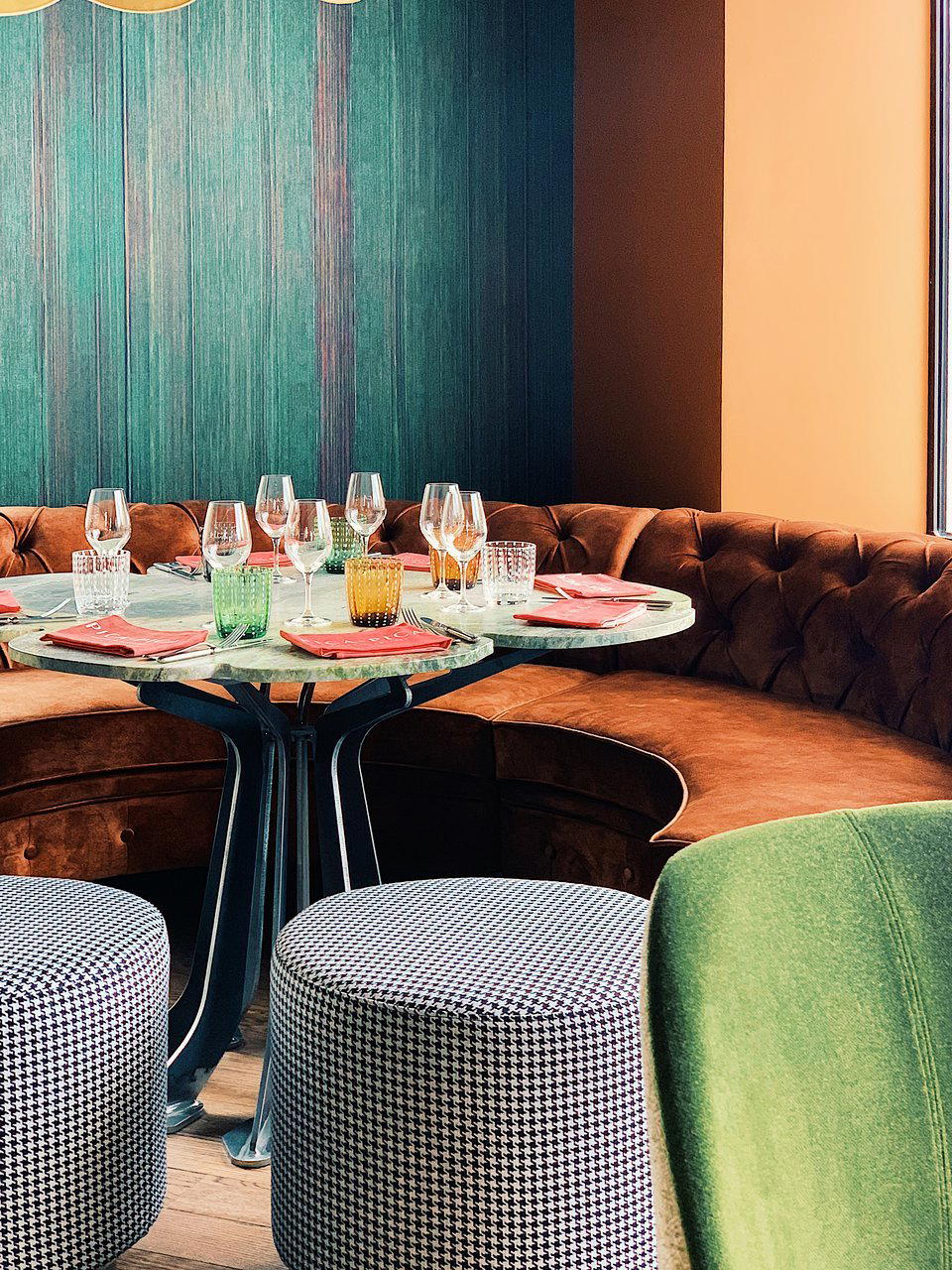
Restaurants in Narbonne
Browse all →
Bars in Narbonne
Browse all →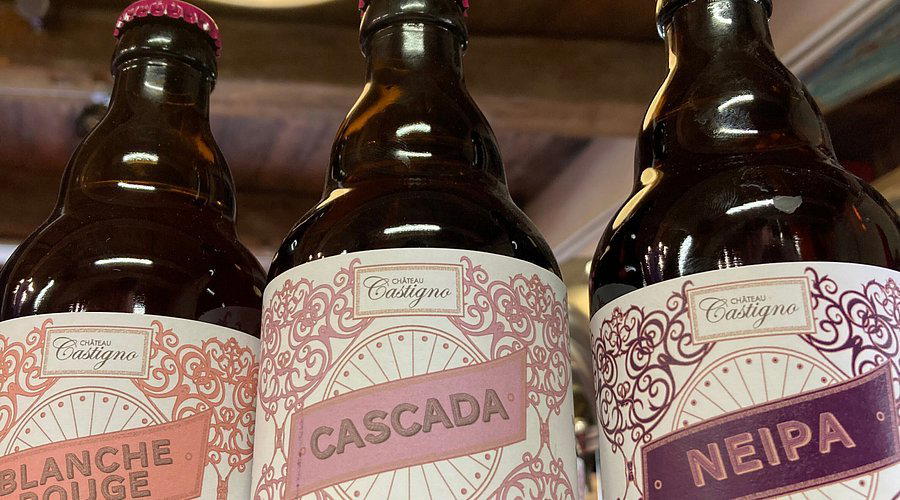
Hotels in Narbonne
Browse all →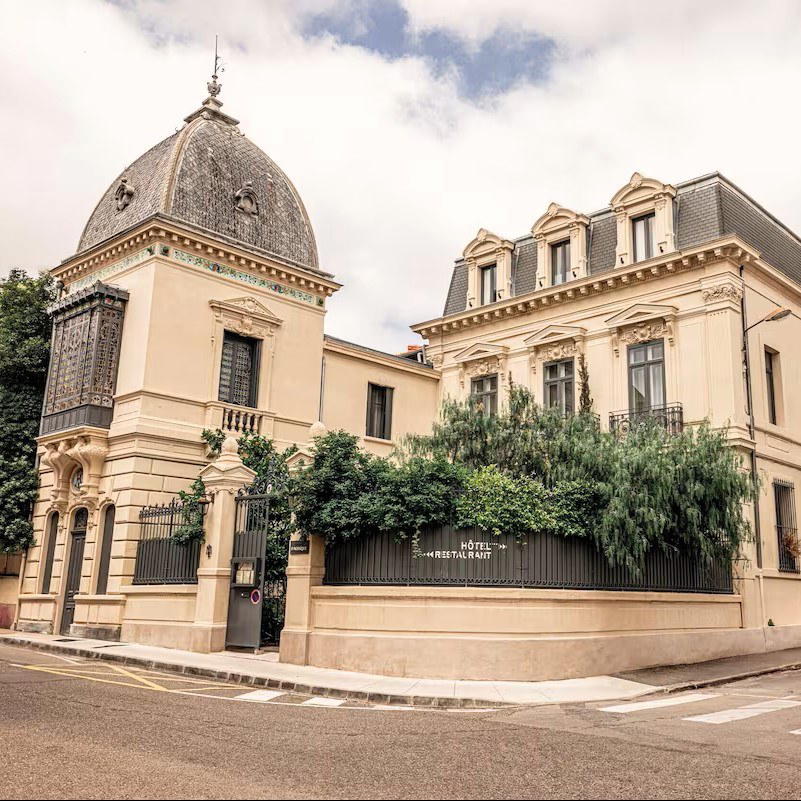
Details
- Cozy
- Classic
- Family
- Group Dining
- Casual Hangout
- Terrace
- A La Carte
- Vegetarian Friendly
- Halal
Current opening hours
- Monday
- Closed
- Tuesday
- Closed
- Wednesday
- 9 AM–1:30 PM, 7–9:30 PM
- Thursday
- 9 AM–1:30 PM, 7–9:30 PM
- Friday
- 9 AM–1:30 PM, 7–9:30 PM
- Saturday
- 9 AM–1:30 PM, 7–9:30 PM
- Sunday
- 9 AM–1:30 PM
Hours can change for holidays and private events. Last verified .
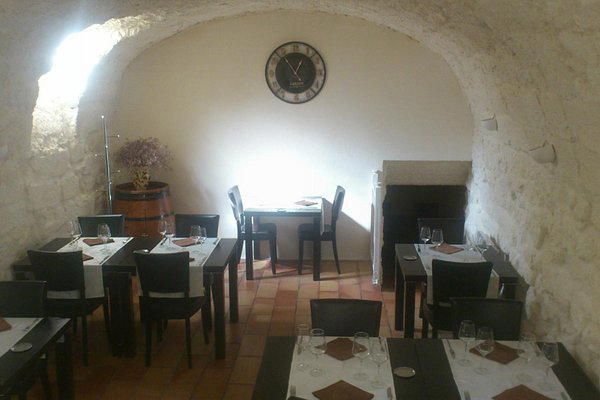
Cozy dining rooms with a warm, hospitable atmosphere ideal for family gatherings.