Our verdict
On the Canal de la Robine in the heart of Narbonne, Brasserie Co occupies a position that places it squarely within the city's everyday dining culture rather than its fine-dining fringe. The address at 1 Boulevard Dr Ferroul puts it close to the market quarter where Languedoc produce shapes the menu. For visitors working through Narbonne's restaurant scene, it represents the accessible, convivial register the city does well.

Pearl is the En Primeur Club membership app — saves, bookings, and concierge access live there. Same editors, same standards.
- Address
- 1 Bd Dr Ferroul, 11100 Narbonne, France
- Phone
- +33468325525
- Hours
- Mon 8 AM–5 PMTue–Sat 8 AM–6 PMSun 8 AM–3 PM
- Directions
- Get directions
The menu
What to order
- Tataki de thon
- Blanquette de veau
- Pancakes
Where Narbonne Eats on a Tuesday
Narbonne's dining identity has always been defined less by trophy restaurants than by the quality of what passes through its markets. The city sits at a crossroads between the Aude's wine country, the Mediterranean littoral, and the scrubland of the Corbières, and that geography shows up on plates across the price spectrum. The brasserie format, in this context, is not a fallback option — it is the format through which most of the city's leading ingredient stories are told at an approachable register. Brasserie Co, at 1 Boulevard Dr Ferroul, occupies that register in the centre of Narbonne, close enough to the Halles de Narbonne that the logic of market-to-table cooking is baked into the neighbourhood itself.
The Boulevard Dr Ferroul address places the restaurant along one of the avenues that rings the old city core, where the pace is unhurried and the clientele skews local rather than tourist. This is a meaningful distinction in a city that receives visitors primarily in summer but sustains a real restaurant culture year-round. The brasserie model — broad menu, reliable hours, a room that works for a business lunch as readily as a family dinner, is what keeps that culture running outside the high season.
The Languedoc Larder and Why It Matters Here
The ingredient argument for eating in this part of southern France is difficult to overstate. Within a short radius of Narbonne, the sourcing options available to any kitchen with the right supplier relationships include oysters from the Étang de Thau, salt-marsh lamb from the coastal flats, Corbières wines from estates operating at every quality level from cooperative to micro-négociant, and the full Mediterranean catch that arrives daily through the fishing ports at Gruissan and Port-la-Nouvelle. The Halles de Narbonne, one of the more active covered markets in the Languedoc, provides a secondary layer of access to regional charcuterie, cheese, and seasonal vegetables that smaller kitchens depend on.
Brasseries in this part of France tend to anchor their menus in whatever the sea and the surrounding land are producing that week. That is the tradition the format carries here, distinct from the Parisian brasserie model that runs on brasserie classics more or less year-round. In Narbonne, the Mediterranean inflection means grilled fish, shellfish preparations, and the kind of tomato-and-herb-driven sauces that belong to the cuisine of the Languedoc coast. The comparison with northern French brasserie culture is instructive: the ingredient logic is the same, but the sourcing geography produces a fundamentally different plate.
For a broader sweep of how this sourcing tradition plays out across Narbonne's dining scene, Brasserie de la Mer applies the same Mediterranean larder to a seafood-focused format, while Cave à Vin & à Manger - Maison Saint-Crescent anchors the traditional cuisine bracket at the €€ tier. Chez Marius and L'Aladin extend the range further, and A l'Obento represents the Japanese influence that has quietly established itself in mid-size French cities over the past decade. Our full Narbonne restaurants guide maps all of these against each other.
The Brasserie Format in a Wine City
Narbonne is surrounded by appellations, Corbières, Minervois, Fitou, La Clape, and the wine list at any restaurant positioned in the city centre is inevitably a statement about which of those traditions the kitchen chooses to align with. The brasserie format, more than fine dining, tends to integrate regional wine without ceremony: a carafe of local red with a weekday lunch is not a compromise here, it is the default. That informality around wine service is itself a regional marker, separating the Languedoc brasserie culture from the more structured pairing approach you find at Michelin-chasing tables elsewhere in France.
At the upper end of French restaurant ambition, tables like Mirazur in Menton, Alléno Paris au Pavillon Ledoyen, and Flocons de Sel in Megève operate with sourcing philosophies that are deeply considered and publicly communicated. At the brasserie tier, the same ingredient logic applies but operates without the editorial apparatus, the oysters from Thau are on the menu because they are available and good, not because they feature in a published sourcing manifesto. Longer-established French institutions like Auberge de l'Ill in Illhaeusern, Paul Bocuse - L'Auberge du Pont de Collonges, and Georges Blanc in Vonnas built their reputations partly on this same local-ingredient discipline applied over decades. Bras in Laguiole, Les Prés d'Eugénie - Michel Guérard in Eugénie-les-Bains, and Troisgros - Le Bois sans Feuilles in Ouches represent the benchmark for ingredient-led French cooking at the highest register. The brasserie version of that discipline is less visible but no less real.
Planning a Visit
The Boulevard Dr Ferroul address is walkable from Narbonne's train station, which sits on the main TGV line connecting Montpellier to Perpignan and Barcelona, making Narbonne a natural stop for travellers moving along the Mediterranean coast. The city itself is compact enough that the restaurant quarter around the canal and the Halles is reachable on foot from any central accommodation. Summer brings the highest visitor density; the shoulder months of April through June and September through October offer a better balance of weather and quieter rooms. Specific hours, pricing, and reservation details are not currently listed for Brasserie Co, so visiting the restaurant directly or checking on arrival at the boulevard address is the practical approach for current information. Those building a wider southern France itinerary around food might also consider La Table du Castellet in Le Castellet as a reference point for Provençal fine dining at a short drive from the coast. For an international comparison on ingredient-driven cooking at the top tier, Le Bernardin in New York City and Lazy Bear in San Francisco illustrate how sourcing discipline translates across formats and price brackets.
Frequently asked questions
Is Brasserie Co okay with children?
The brasserie format at Boulevard Dr Ferroul is broadly family-compatible. Brasseries in French city centres have historically accommodated mixed-age tables without the formality constraints of tasting-menu restaurants. Confirm current seating arrangements directly with the venue before visiting with young children.
What's the vibe at Brasserie Co?
Brasserie Co sits on Boulevard Dr Ferroul in central Narbonne, a walkable address that draws a local weekday crowd rather than a destination-dining one. The brasserie format across this part of Languedoc tends toward relaxed, table-service lunches and early dinners anchored to the surrounding wine appellations — Corbières, Minervois, Fitou — rather than theatrical set-piece meals.
Is Brasserie Co a good option before or after catching a train from Narbonne station?
The Boulevard Dr Ferroul address is walkable from Narbonne's train station, which sits on the main TGV line connecting Montpellier to Perpignan and Barcelona. A centrally located brasserie at that address is a practical stop for travellers with time between connections, particularly given the station's position within the city grid.
What's the best thing to order at Brasserie Co?
That said, brasseries in Narbonne's city centre routinely draw on the Languedoc larder — shellfish from the Étang de Bages, local lamb, and wines from La Clape and Corbières are staples of the format in this area.
In Context: Similar Options
| Venue | Cuisine | Price | Awards | Notes |
|---|---|---|---|---|
| Brasserie CoThis venue — the venue you are viewing | French Brasserie with Mediterranean Influences | $20–30 | Not listed | Not listed |
| Cave à Vin & à Manger - Maison Saint-Crescent | Traditional French Bistro | $30–50 | Michelin Bib Gourmand · La Liste Top Restaurants | Traditional Cuisine |
| Méditerranéo - Château Capitoul | Pan-Mediterranean Gastronomic | $50–100 | Michelin Plate · Gault & Millau Remarkable Restaurant | Not listed |
| L'Art de Vivre | Modern French Mediterranean Fine Dining | $100–150 | Michelin Plate | Not listed |
| La Table Saint-Crescent | Modern French Fine Dining | $100–150 | We're Smart World 2 Radishes | Not listed |
| Brasserie de la Mer | Traditional Mediterranean Seafood Brasserie | $30–50 | Not listed | Not listed |
Continue exploring
More in Narbonne
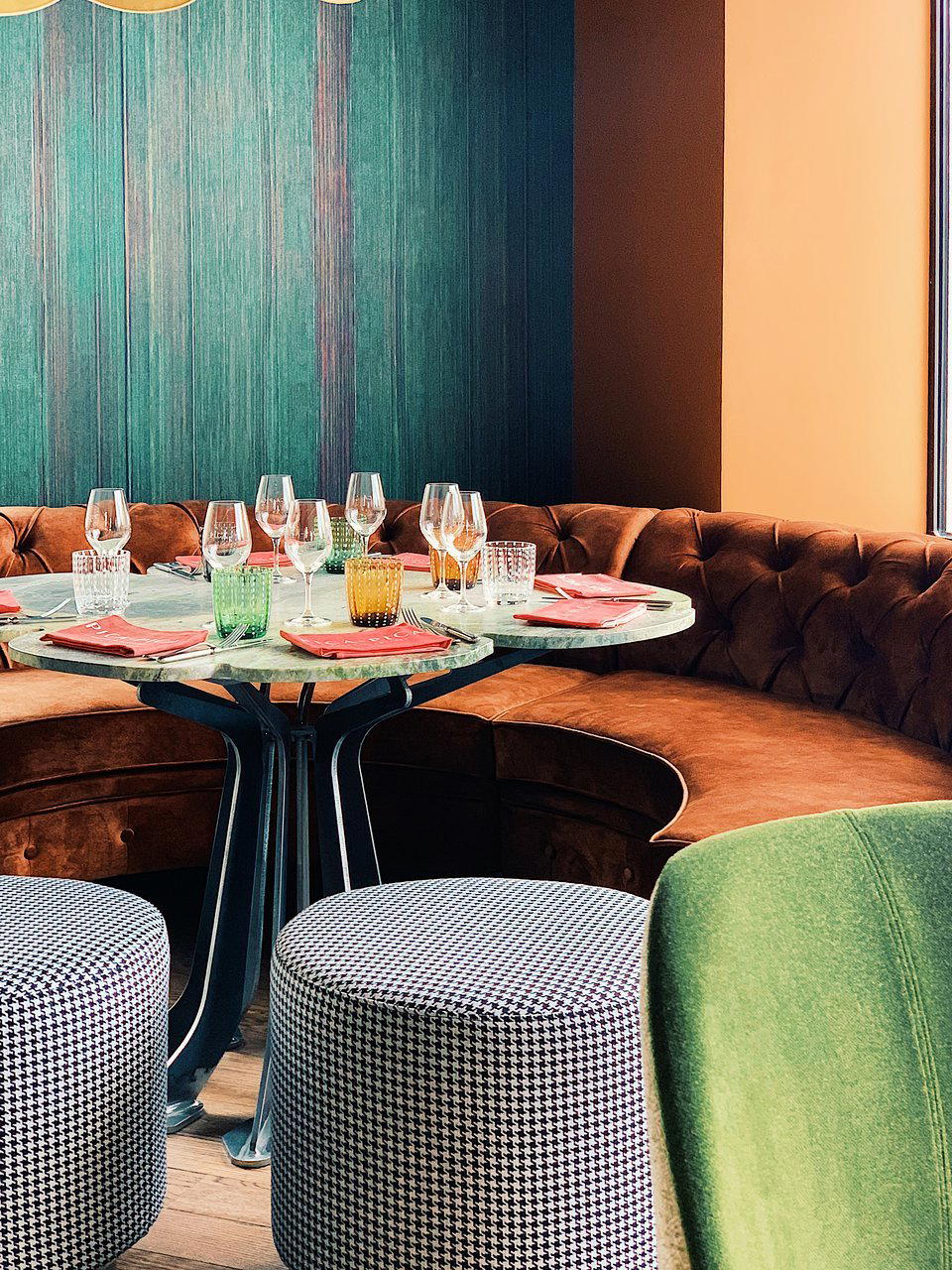
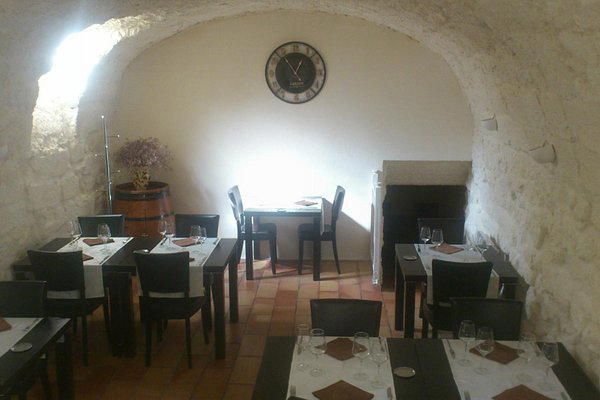
Restaurants in Narbonne
Browse all →
Bars in Narbonne
Browse all →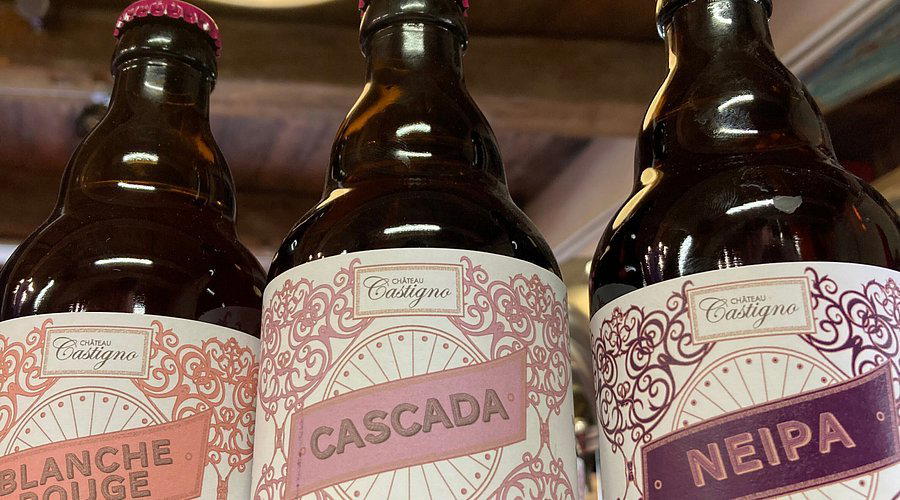
Hotels in Narbonne
Browse all →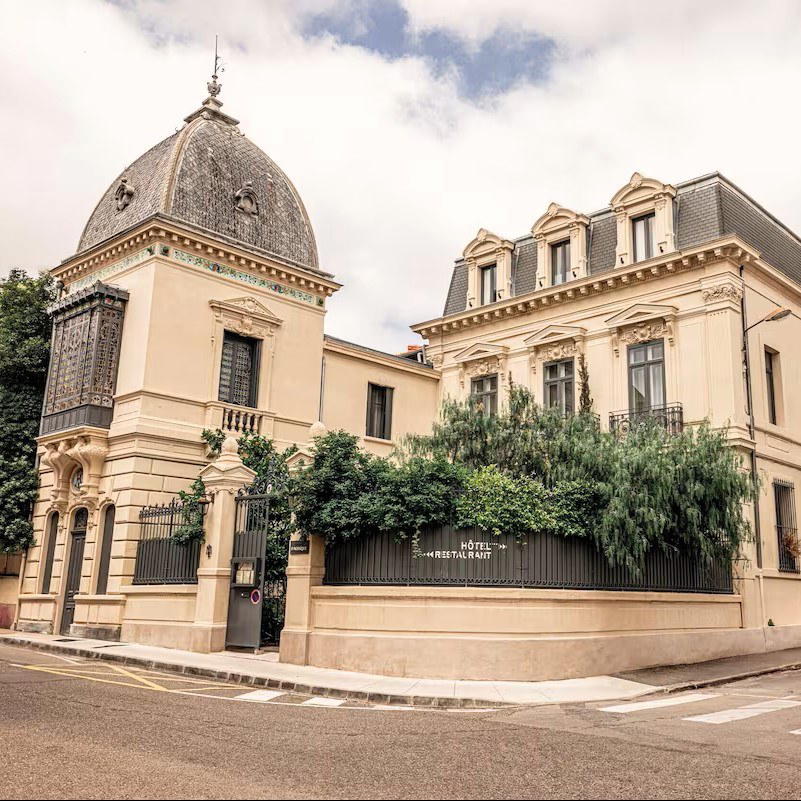
Details
- Cozy
- Classic
- Brunch
- Casual Hangout
- Group Dining
- Terrace
- Private Dining
- Waterfront
- Waterfront
- Street Scene
- A La Carte
- Small Plates
- Vegetarian Friendly
Current opening hours
- Monday
- 8 AM–5 PM
- Tuesday
- 8 AM–6 PM
- Wednesday
- 8 AM–6 PM
- Thursday
- 8 AM–6 PM
- Friday
- 8 AM–6 PM
- Saturday
- 8 AM–6 PM
- Sunday
- 8 AM–3 PM
Hours can change for holidays and private events. Last verified .
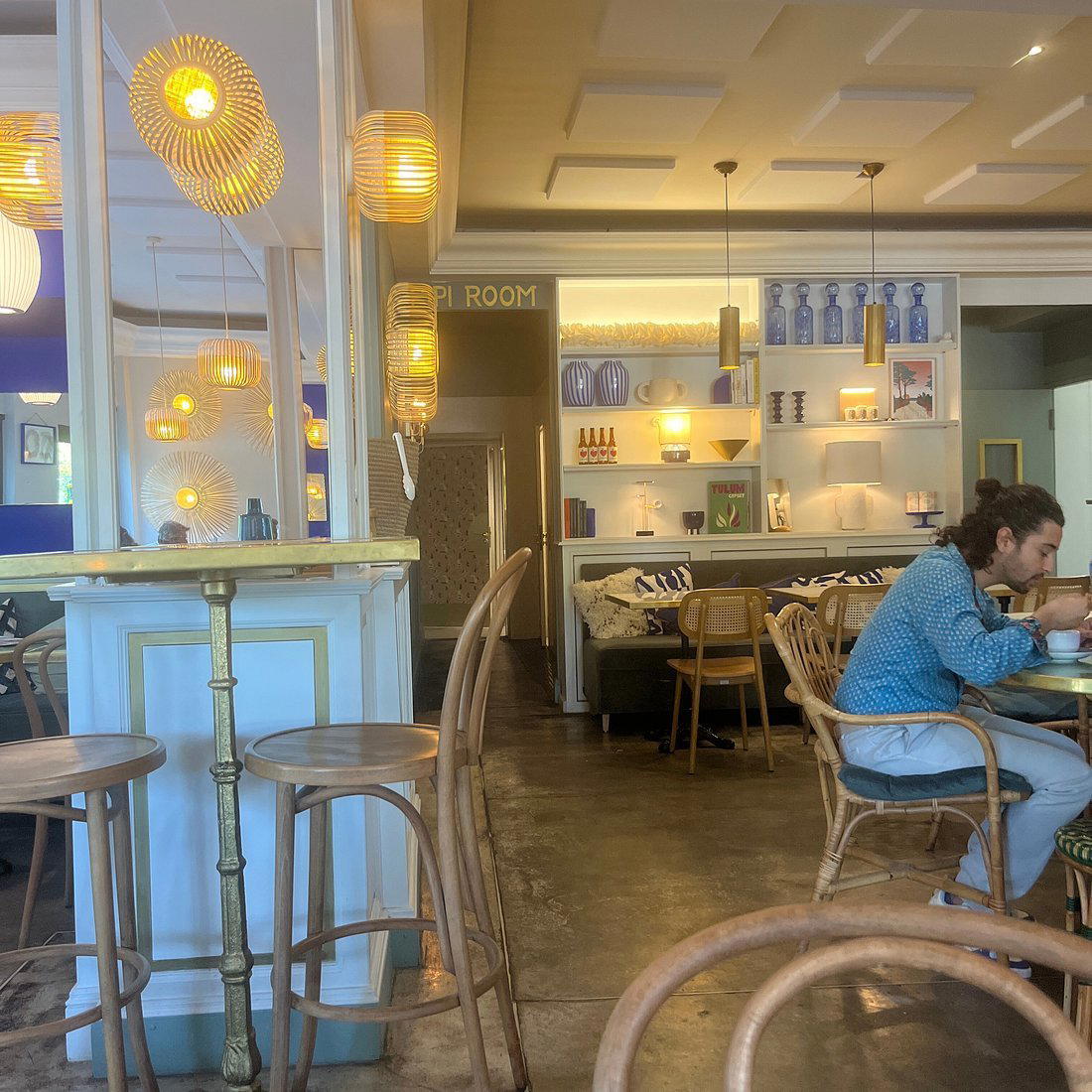
Zen and cosy atmosphere with relaxed lighting alongside the canal.