Our verdict
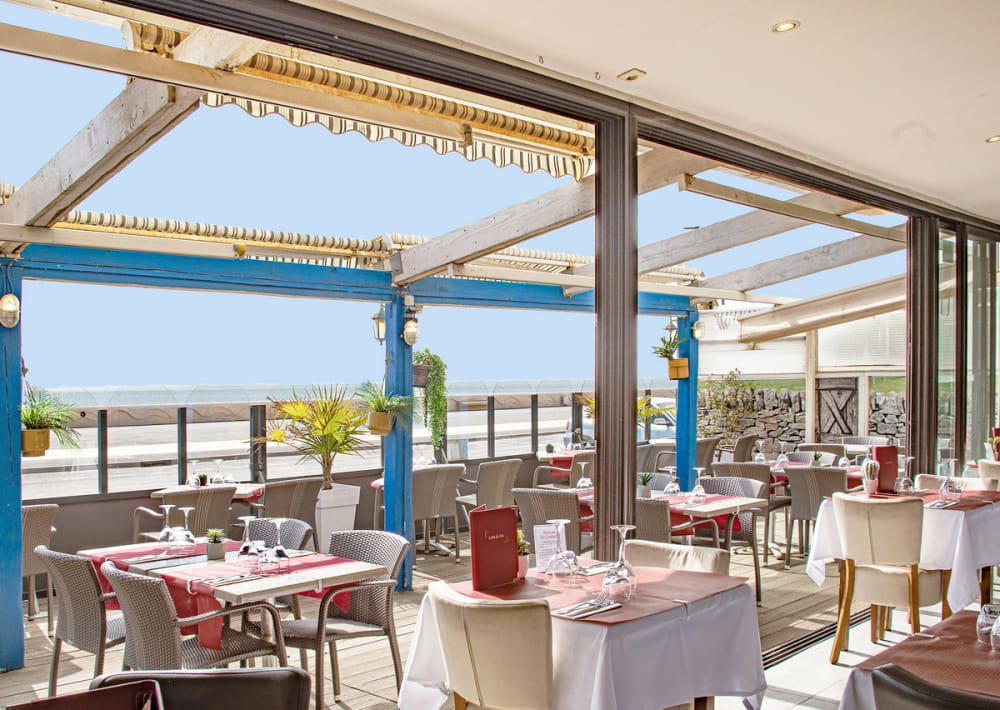
On the Place des Karantes in the heart of Narbonne, Brasserie de la Mer occupies the kind of position that Mediterranean port towns reserve for their most straightforward pleasures: seafood, sunlight, and the particular rhythm of a city that has traded with the sea for centuries. The brasserie format here speaks to a regional dining tradition rooted in daily catch and canal-side conviviality.

Pearl is the En Primeur Club membership app — saves, bookings, and concierge access live there. Same editors, same standards.
- Address
- Pl. des Karantes, 11100 Narbonne, France
- Phone
- +33468329057
- Hours
- Mon ClosedTue–Sat 9 AM–3 PM, 6–10 PMSun 9 AM–3 PM
- Website
- brasseriedelamer11.com
- Directions
- Get directions
- Booking
- Book on the venue's website
The menu
What to order
- Sole
- Daurade Royale
- Turbot
- Moules Gratinées à l'Aïoli
- Huîtres Locales
- Plateaux de Fruits de Mer
Where the Canal Meets the Table
The Place des Karantes sits at the geographical and social centre of Narbonne, flanked by the Canal de la Robine and the covered market halls that have supplied the city's kitchens since the nineteenth century. In a city where the inland waterway once carried Roman grain and medieval wine toward the coast, the idea of a brasserie named for the sea carries real geographic logic. Narbonne is not a coastal town in the strict sense, but it is a port city by history, connected to the Mediterranean via the Aude river system and the Canal du Midi, and that relationship with maritime produce shapes the food culture here in ways that a quick pass through the city centre does not immediately reveal.
The brasserie as a format emerged from the French industrial and commercial tradition as a middle register between the grand restaurant and the neighbourhood café: generous portions, a broad menu anchored by recognisable regional produce, and a pace calibrated to both lunch traffic and evening leisure. In Narbonne, that format maps naturally onto a seafood-forward offering. The Étang de Leucate and the Étang de Thau, two of the Languedoc coast's most productive shellfish lagoons, sit within an hour of the city. Oysters, mussels, and clams from those waters have fed Narbonne's tables for generations, and any serious seafood brasserie in this city is drawing from that same supply chain.
The Languedoc Seafood Tradition in Context
Southern French seafood cooking occupies a different register from its Atlantic counterpart. Where Brittany and Normandy built their marine cuisine around butter, cream, and the cold-water richness of the English Channel, the Languedoc and Roussillon coast works in olive oil, tomato, saffron, and the Mediterranean herbs that grow on the garrigue above the coastal plain. The soupe de poisson of this region, thickened with bread and rouille rather than cream, is closer in spirit to a Catalan romesco than to a Norman bisque. The grilled sea bream arrives with aioli rather than beurre blanc. These are not cosmetic differences; they reflect a fundamentally different culinary logic shaped by geography, trade, and the proximity of Spain and North Africa.
This context matters when placing a venue like Brasserie de la Mer within Narbonne's dining pattern. The city supports a range of dining registers, from the traditional Languedocian cooking at Cave à Vin & à Manger - Maison Saint-Crescent to the more eclectic formats at A l'Obento and the casual brasserie mode represented by Brasserie Co. The seafood brasserie sits within a specific cultural niche: it is the format that most directly connects the city's daily market rhythm to the dining room, and the Place des Karantes location, steps from that market infrastructure, signals an intent to work within that tradition.
For comparison, the coastline running east from Narbonne toward the Italian border has produced some of France's most formally celebrated seafood-inflected cooking. Mirazur in Menton has held three Michelin stars under Mauro Colagreco since 2019 and represents the apex of Mediterranean fine dining in France. Further afield, the Breton and Normandy seafood tradition finds its most technically demanding expression in venues like Le Bernardin in New York City, where chef Éric Ripert built a seafood-only tasting format of international standing from a foundation of French technique. Narbonne's brasserie register operates well below that formal tier, which is precisely the point: the brasserie is the format where the region's seafood culture is most accessible and most directly tied to daily supply.
The Place des Karantes Setting
The square itself functions as one of Narbonne's primary public gathering points. The Canal de la Robine, a UNESCO-listed waterway that bisects the city centre, runs close enough that the light off the water registers in the atmosphere of the surrounding terraces. Lunchtime on the square in warmer months carries the particular energy of a Mediterranean market town at mid-day: unhurried, sociable, and organised around the assumption that the meal is the reason for the stop rather than a interruption to it.
That setting is not incidental to the dining experience. In Languedoc's food culture, the relationship between the place and the plate is direct. Markets, squares, and canal banks are where the region's food culture is visible and participatory, not just in restaurants but in the daily commerce of producers and buyers. A brasserie positioned here is working with that civic food tradition, not separate from it.
Other dining options within walking distance reinforce the city's range. Chez Marius and L'Aladin add further variety to a compact centre that punches above its size for a city of roughly 56,000. For the broader picture of what Narbonne's dining scene offers across formats and price points, our full Narbonne restaurants guide maps the complete picture.
France's Wider Seafood Fine-Dining Tradition
The French institution of the seafood-focused restaurant has its most formally decorated expressions far from the Mediterranean. Paul Bocuse - L'Auberge du Pont de Collonges near Lyon, Auberge de l'Ill in Illhaeusern, and Les Prés d'Eugénie in Eugénie-les-Bains represent the institutional weight of French regional cooking at its most decorated. Troisgros in Ouches, Bras in Laguiole, Flocons de Sel in Megève, Alléno Paris au Pavillon Ledoyen, La Table du Castellet in Le Castellet, and Georges Blanc in Vonnas each represent the formal high end of their respective regional traditions. The brasserie register, by design, operates outside that competitive set: its accountability is to consistency, value, and the direct expression of local produce rather than to the technical ambition that drives the starred tier. In the Languedoc, those are not diminished goals.
Planning Your Visit
Brasserie de la Mer is located at Place des Karantes, 11100 Narbonne, in the city's accessible historic centre. The square is walkable from Narbonne's main railway station in under fifteen minutes, and the city sits on the main TGV axis between Montpellier and Perpignan, making it a practical stop from either direction. Given its canal-side square position and the lunch trade that central Narbonne generates, arriving early for the midday service or booking ahead for evenings in the peak summer months is advisable. Specific hours, current pricing, and reservation options are best confirmed directly with the venue, as this information changes seasonally.
Frequently asked questions
Where exactly is Brasserie de la Mer?
Brasserie de la Mer is located at Pl. des Karantes, 11100 Narbonne, France, Narbonne.
Is Brasserie de la Mer well-placed for exploring Narbonne's wider food scene?
The Place des Karantes address puts the restaurant directly alongside the Les Halles de Narbonne covered market, one of the Languedoc's more active daily produce markets and a useful reference point for what the region's fishing and farming calendar looks like. Narbonne also sits within straightforward reach of the Corbières wine appellation, which provides a local red wine context that pairs consistently with the Mediterranean shellfish and fish the coast supplies. The location makes it a practical base for a broader half-day in the city's historic centre.
What's the must-try dish at Brasserie de la Mer?
Visitors drawn to southern French seafood cooking generally find the shellfish preparations to be the clearest expression of what this coastal corridor does differently from Atlantic-facing kitchens. Confirm the current menu directly with the venue before visiting.
Do I need a reservation for Brasserie de la Mer?
Narbonne's Place des Karantes is the city's principal public square and draws consistent foot traffic, with demand rising sharply between June and September when the Languedoc coast pulls visitors toward the nearby beaches and lagoons. A waterfront brasserie in that position fills quickly during summer lunch service and weekend evenings. Booking ahead is the practical approach, particularly for groups or mid-July to mid-August dates.
Price Lens
Comparable venues nearby, for context on price, style, and recognition.
| Venue | Cuisine | Price | Awards | Notes |
|---|---|---|---|---|
| Brasserie de la MerThis venue — the venue you are viewing | Traditional Mediterranean Seafood Brasserie | $30–50 | Not listed | Not listed |
| Les Grands Buffets | Classical French Escoffier Buffet | $50–100 | Not listed | Rond-Point de la Liberté, Classical French Escoffier Buffet |
| Maison Bebelle | French Grill - Market-Fresh Meat & Frites | $20–30 | Not listed | Les Halles (Narbonne Market), French Grill - Market-Fresh Meat & Frites |
| La Table Saint-Crescent | Modern French Fine Dining | $100–150 | We're Smart World 2 Radishes | Rond-point de la Liberté, Modern French Fine Dining |
| Brasserie Co | French Brasserie with Mediterranean Influences | $20–30 | Not listed | Centre-ville, French Brasserie with Mediterranean Influences |
| Méditerranéo - Château Capitoul | Pan-Mediterranean Gastronomic | $50–100 | Michelin Plate · Gault & Millau Remarkable Restaurant | Route de Gruissan, Pan-Mediterranean Gastronomic |
Continue exploring
More in Narbonne
Restaurants in Narbonne
Browse all →
Bars in Narbonne
Browse all →
Hotels in Narbonne
Browse all →
Details
- Scenic
- Romantic
- Classic
- Cozy
- Family
- Date Night
- Group Dining
- Casual Hangout
- Waterfront
- Terrace
- Live Music
- Beer Program
- Local Sourcing
- Sustainable Seafood
- Waterfront
- A La Carte
- Set Menu
- Wine
- Beer
- Pescatarian Friendly
Current opening hours
- Monday
- Closed
- Tuesday
- 9 AM–3 PM, 6–10 PM
- Wednesday
- 9 AM–3 PM, 6–10 PM
- Thursday
- 9 AM–3 PM, 6–10 PM
- Friday
- 9 AM–3 PM, 6–10 PM
- Saturday
- 9 AM–3 PM, 6–10 PM
- Sunday
- 9 AM–3 PM
Hours can change for holidays and private events. Last verified .
Calm and welcoming atmosphere with warm lighting, relaxed family-oriented ambiance, and panoramic Mediterranean views creating a peaceful dining experience.