Grand Café Occitan

Michelin Plate
Our verdict
Grand Café Occitan holds a Michelin Plate for 2024 and 2025, a signal that serious regional cooking is happening in one of the Minervois's quieter villages. At the single-euro price point, it sits at the affordable end of recognised French cuisine, serving the kind of ingredient-led food that draws on the Languedoc's herb-dry garrigue and nearby vineyards.

Pearl is the En Primeur Club membership app — saves, bookings, and concierge access live there. Same editors, same standards.
- Address
- 7 Rue de l'Occitanie, 34210 Félines-Minervois, France
- Phone
- +33 4 30 16 62 72
- Hours
- Mon–Wed ClosedThu 11 AM–3:30 PMFri–Sat 11 AM–3:30 PM, 6–10:30 PMSun 11 AM–4 PM
- Website
- grandcafeoccitan.com
- Directions
- Get directions
- Booking
- Book on Zenchef
The menu
What to order
- Tête de cochon braisée
- Brandade de morue
- Caille grillée romesco
Where the Minervois Comes to the Table
The road into Félines-Minervois runs through country that announces its cooking before you arrive: wild thyme and rosemary along the verges, limestone ridges holding the heat of the afternoon sun, vineyards whose soils read in the wine and, one suspects, in the kitchen. Village restaurants at this altitude in the Hérault have always operated on a logic of proximity — what grows close gets cooked close. Grand Café Occitan, on a short street in the centre of Félines-Minervois, sits squarely inside that tradition.
The Michelin Plate awarded in both 2024 and 2025 is a specific designation: it signals food quality worth noting without placing the kitchen in the starred tier. In a region where Michelin recognition more commonly travels to destination tables — Auberge du Vieux Puits in Fontjoncouse holds three stars nearby, a Plate at village scale and single-euro pricing is a different kind of achievement. It says the kitchen is disciplined, sourcing is considered, and the ratio of quality to cost is doing something the guide's inspectors found worth flagging.
The Ingredient Logic of the Languedoc
Languedoc-Roussillon has a specific larder. Garrigues herbs, thyme, savory, fennel, lavender, perfume the land between Narbonne and Montpellier. The etang coastline provides shellfish, particularly oysters and mussels from Bouzigues and Sète. Inland, the département grows tomatoes, aubergines, and peppers with the intensity that comes from extended sun and thin soil. Lamb from the Lozère grazing land arrives with fat that carries flavour differently than northern counterparts. Languedoc regional cooking is, in the most practical sense, an argument for short supply chains: the distance between field and plate in this part of France is often measured in tens of kilometres rather than hundreds.
Regional cuisine at the single-euro price bracket in a village of this scale does not typically involve elaborate technique for its own sake. The food tends to be direct: a terrine assembled from local pork, a daube built from local wine, a grilled fish dressed with oil pressed from olives grown on the plain. That directness is a statement of confidence in the primary ingredients rather than a sign of limited ambition.
For comparative context, this type of ingredient-driven regional cooking at the accessible price tier is the French equivalent of what Gannerhof in Innervillgraten and Fahr in Künten-Sulz represent in their respective Alpine contexts: kitchens whose identity comes from specific place and produce rather than from culinary ideology imported from outside the region.
A Café in the Occitan Sense
The word café in this context carries a social meaning that the English equivalent does not. In southern French village life, the café is a civil institution: the place where morning coffee, midday meals, and afternoon conversations occupy the same room across the day. Grand Café Occitan's name asserts that continuity. The Occitan element is equally deliberate, Occitanie, the administrative region that absorbed Languedoc-Roussillon in 2016, takes its name from the Langue d'Oc, the medieval language of the south. Naming a café after that tradition places it explicitly in a regional rather than national culinary lineage.
The atmosphere that follows from this positioning is predictable in the good sense: a room that functions as a genuine local gathering point, where a visitor with a reservation sits alongside regulars who may be there on their fourth visit that week. That mix is rare in recognised restaurants, and it is worth noting that the Michelin Plate has not displaced the café character in favour of a more formal dining-room register. At the single-euro price tier, the economics reinforce the informality.
Reading the Awards in Context
Two consecutive Michelin Plates, 2024 and 2025, confirm consistency rather than a single strong year. Michelin's Plate (formerly the Bib Gourmand's sibling signal) is awarded to restaurants where quality is genuine but not yet at the star threshold. The practical implication is that the kitchen is producing food that inspectors would return to, which at this price point and in this setting is a meaningful credential.
The starred tier of French regional cooking occupies a very different price bracket and register. Mirazur in Menton, Bras in Laguiole, and Flocons de Sel in Megève each express a regional ingredient logic at three-star ambition and price. Alléno Paris au Pavillon Ledoyen, Assiette Champenoise in Reims, and Au Crocodile in Strasbourg represent the more architectural end of French fine dining. AM par Alexandre Mazzia in Marseille and Troisgros in Ouches sit in the tier of restaurants that define their genres. Auberge de l'Ill in Illhaeusern and Paul Bocuse in Collonges-au-Mont-d'Or carry the weight of French culinary history. Grand Café Occitan does not compete in that register and does not need to: the argument it makes is a different one, about accessibility, place, and daily rather than occasional cooking.
Planning a Visit
Félines-Minervois sits in the heart of the Minervois wine appellation, within reach of Narbonne to the south and Carcassonne to the west. For visitors building an itinerary around the broader region, the café fits logically into a day that includes a winery visit or a walk through the garrigue above the village. Booking ahead is advisable given the volume of positive attention the café has accumulated; walk-in tables at recognised spots in small villages depend on timing and season. The single-euro price category means a full meal for two with wine drawn from local Minervois producers will remain at the affordable end of any travel budget.
For more options in the area, see our full Félines-Minervois restaurants guide, our full Félines-Minervois hotels guide, our full Félines-Minervois bars guide, our full Félines-Minervois wineries guide, and our full Félines-Minervois experiences guide.
Frequently asked questions
Is Grand Café Occitan expensive?
Pricing at Grand Café Occitan is listed as €.
| Venue | Cuisine | Price | Awards |
|---|---|---|---|
| Grand Café OccitanThis venue — the venue you are viewing | Seasonal Mediterranean Bistro | $30–50 | Michelin Plate |
| Alléno Paris au Pavillon Ledoyen | Creative | Not listed | Michelin 3 Star |
| Kei | Contemporary French, Modern Cuisine | Not listed | Michelin 3 Star |
| L'Ambroisie | French, Classic Cuisine | Not listed | Michelin 3 Star |
| Le Cinq - Four Seasons Hôtel George V | French, Modern Cuisine | Not listed | Michelin 3 Star |
| Plénitude | Contemporary French | Not listed | Michelin 3 Star |
Recognition history
Dated appearances from independent guides and award organizations, with the underlying list record or original source where available.
Michelin Plate
Michelin
Full recognition history (3 entries)
Michelin Plate
Michelin
Michelin Plate
Michelin
Continue exploring
More in Félines-Minervois
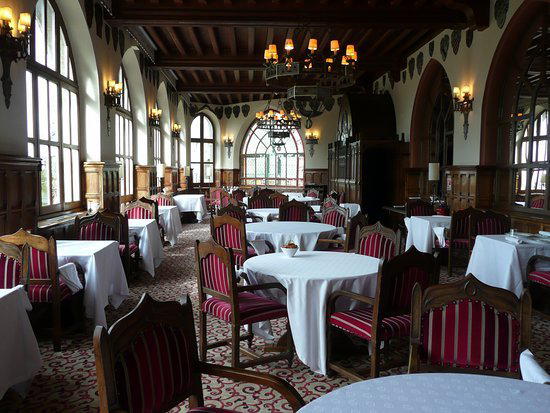
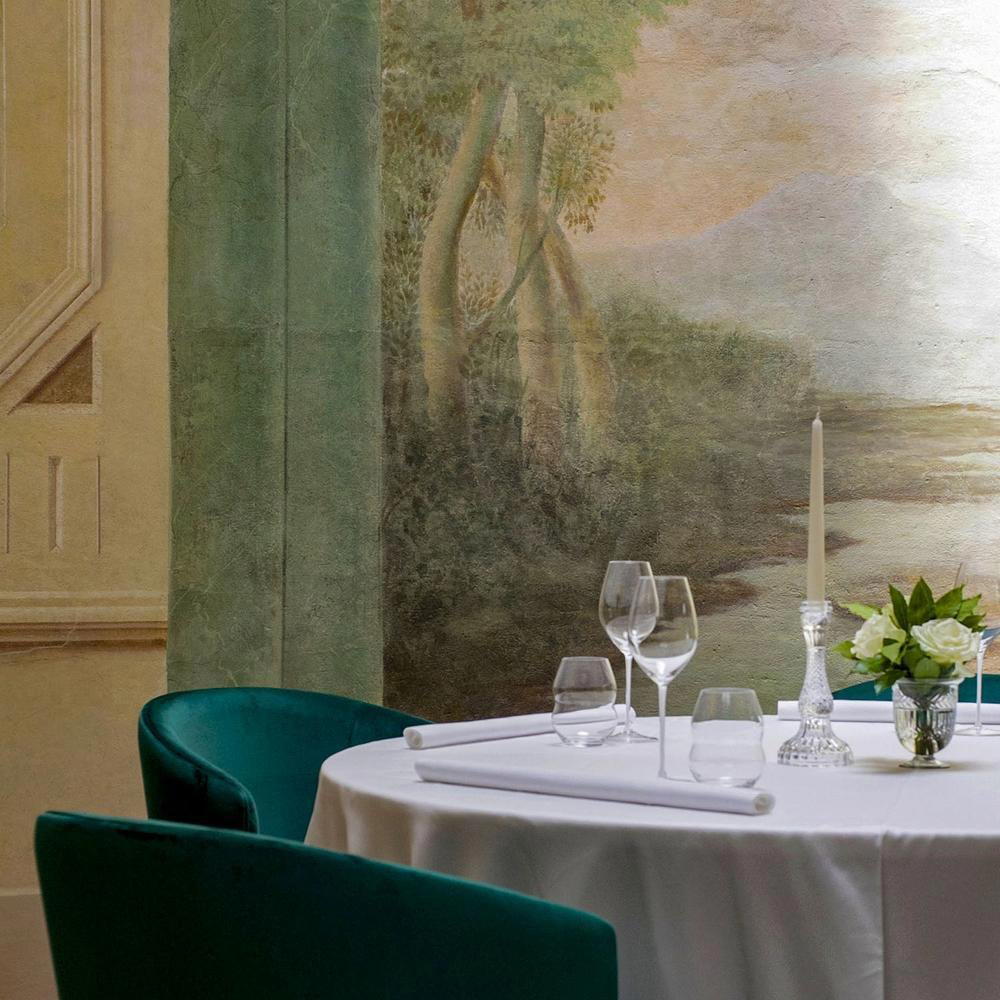
Restaurants in Félines-Minervois
Browse all →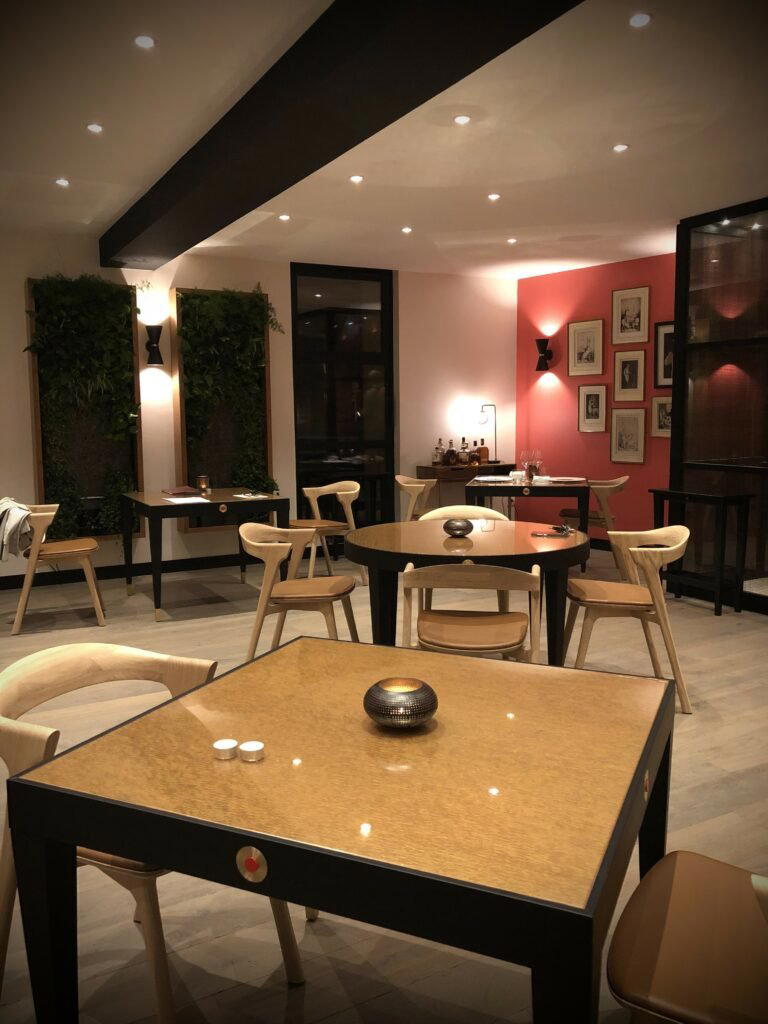
Bars in Félines-Minervois
Browse all →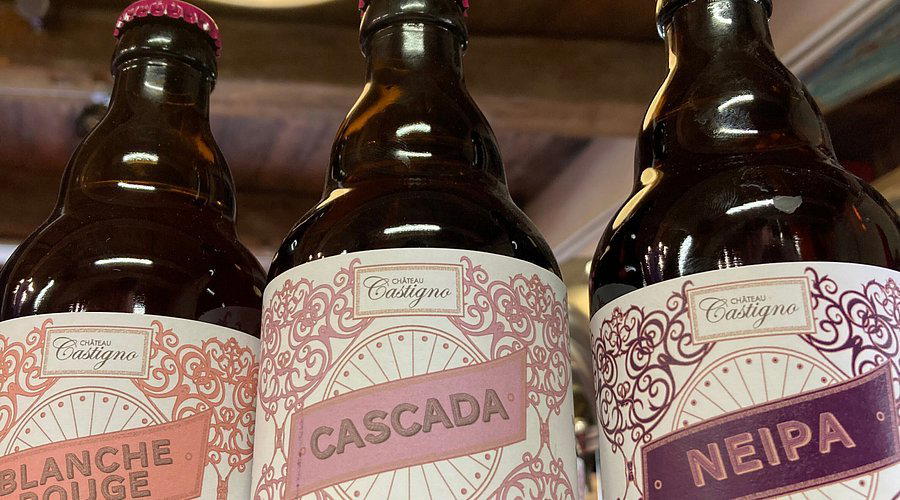
Hotels in Félines-Minervois
Browse all →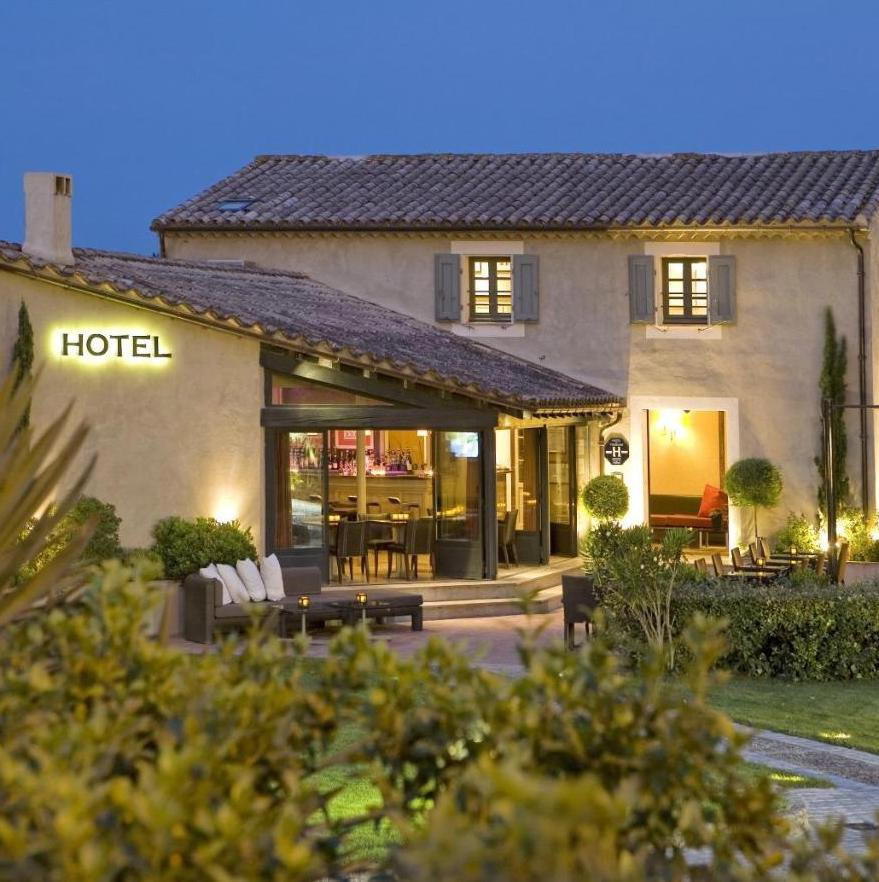

Details
- Rustic
- Cozy
- Scenic
- Casual Hangout
- Special Occasion
- Terrace
- Open Kitchen
- Wine Cellar
- Historic Building
- Extensive Wine List
- Natural Wine
- Sommelier Led
- Farm To Table
- Local Sourcing
- Organic
- Vineyard
- Garden
- A La Carte
- Small Plates
- Natural Wine
- Vegetarian Friendly
Current opening hours
- Monday
- Closed
- Tuesday
- Closed
- Wednesday
- Closed
- Thursday
- 11 AM–3:30 PM
- Friday
- 11 AM–3:30 PM, 6–10:30 PM
- Saturday
- 11 AM–3:30 PM, 6–10:30 PM
- Sunday
- 11 AM–4 PM
Hours can change for holidays and private events. Last verified .
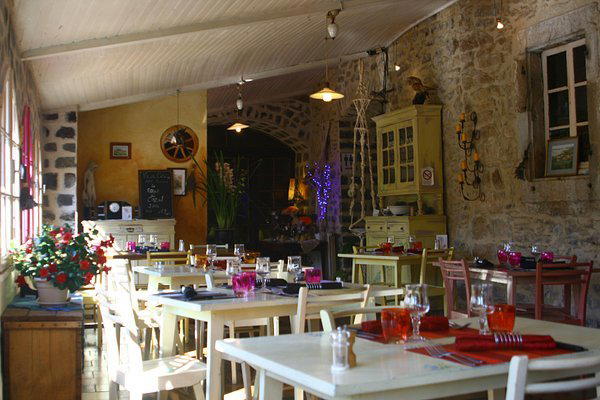
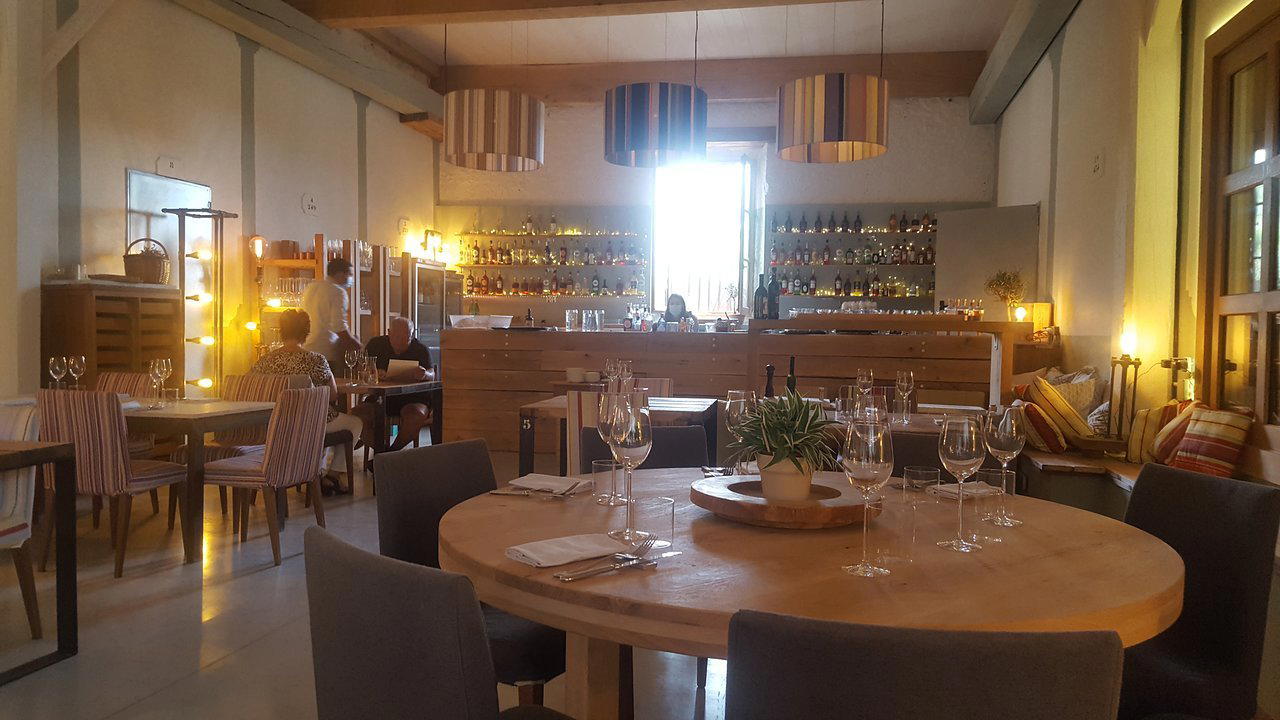
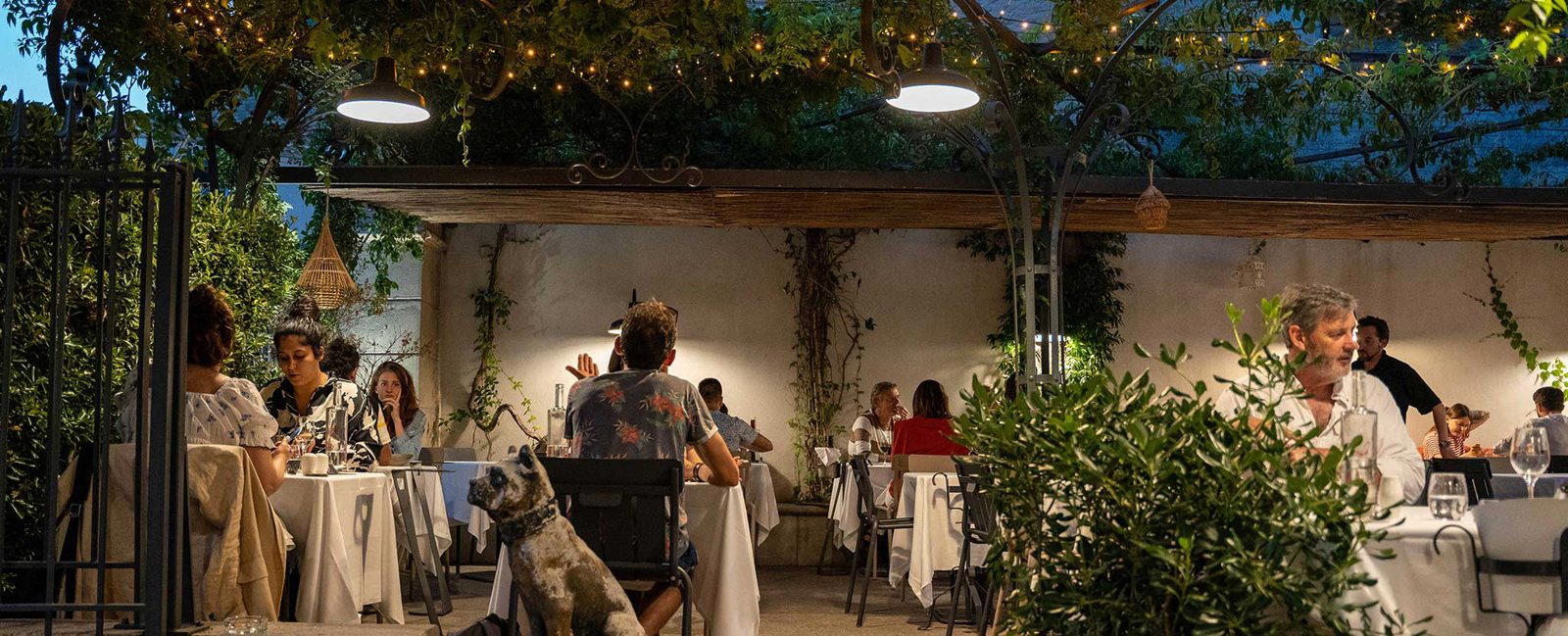
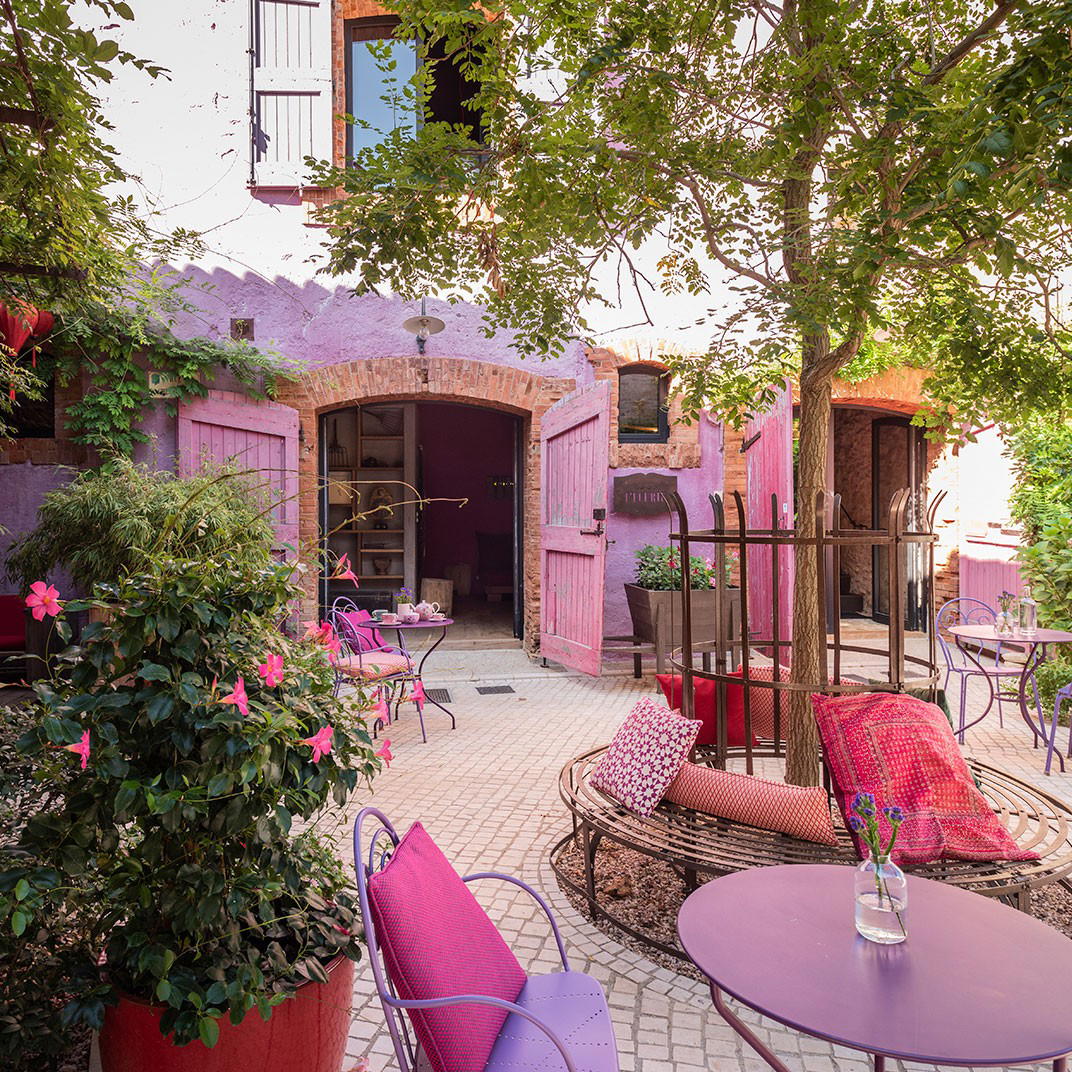
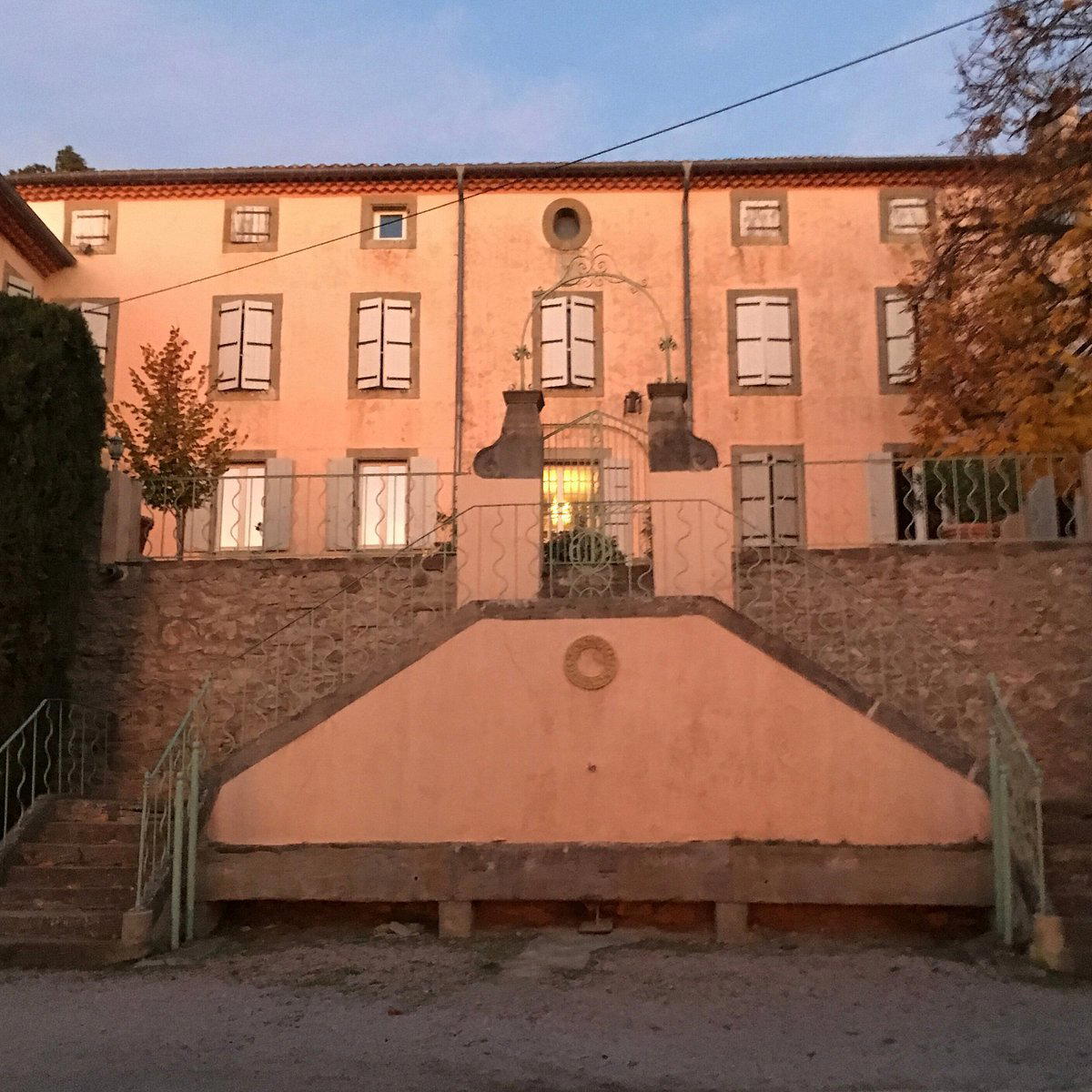
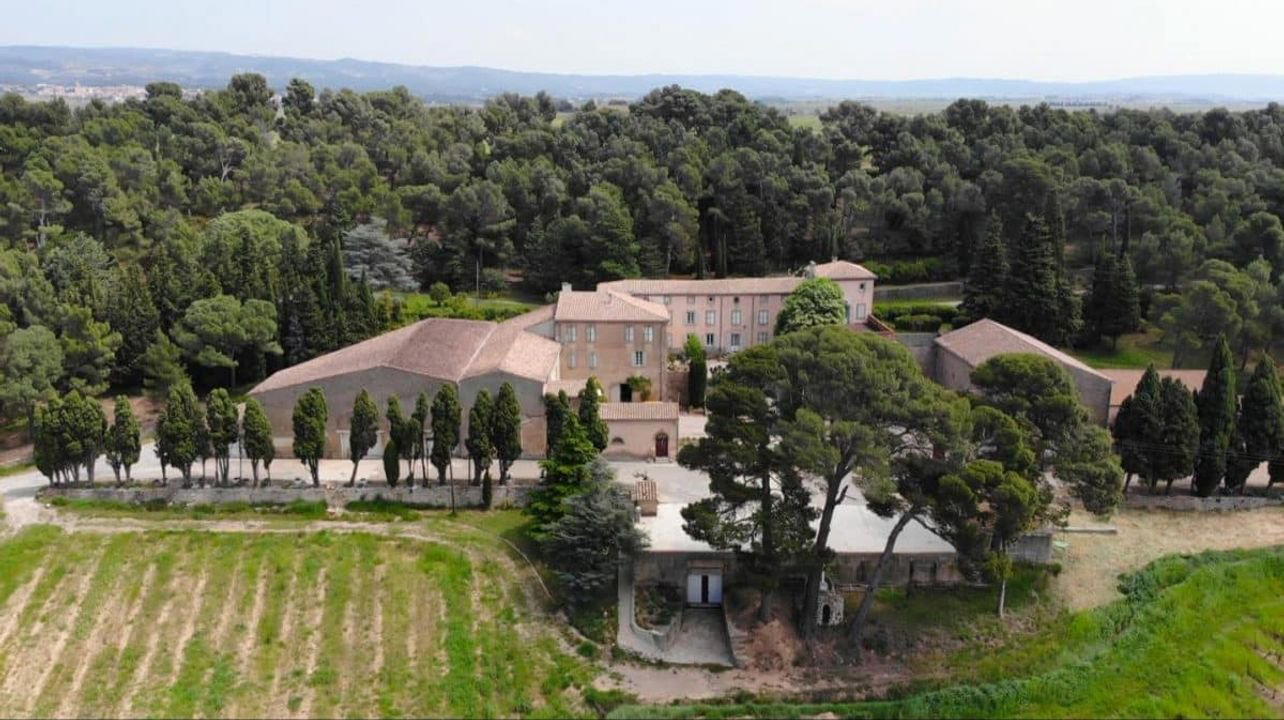
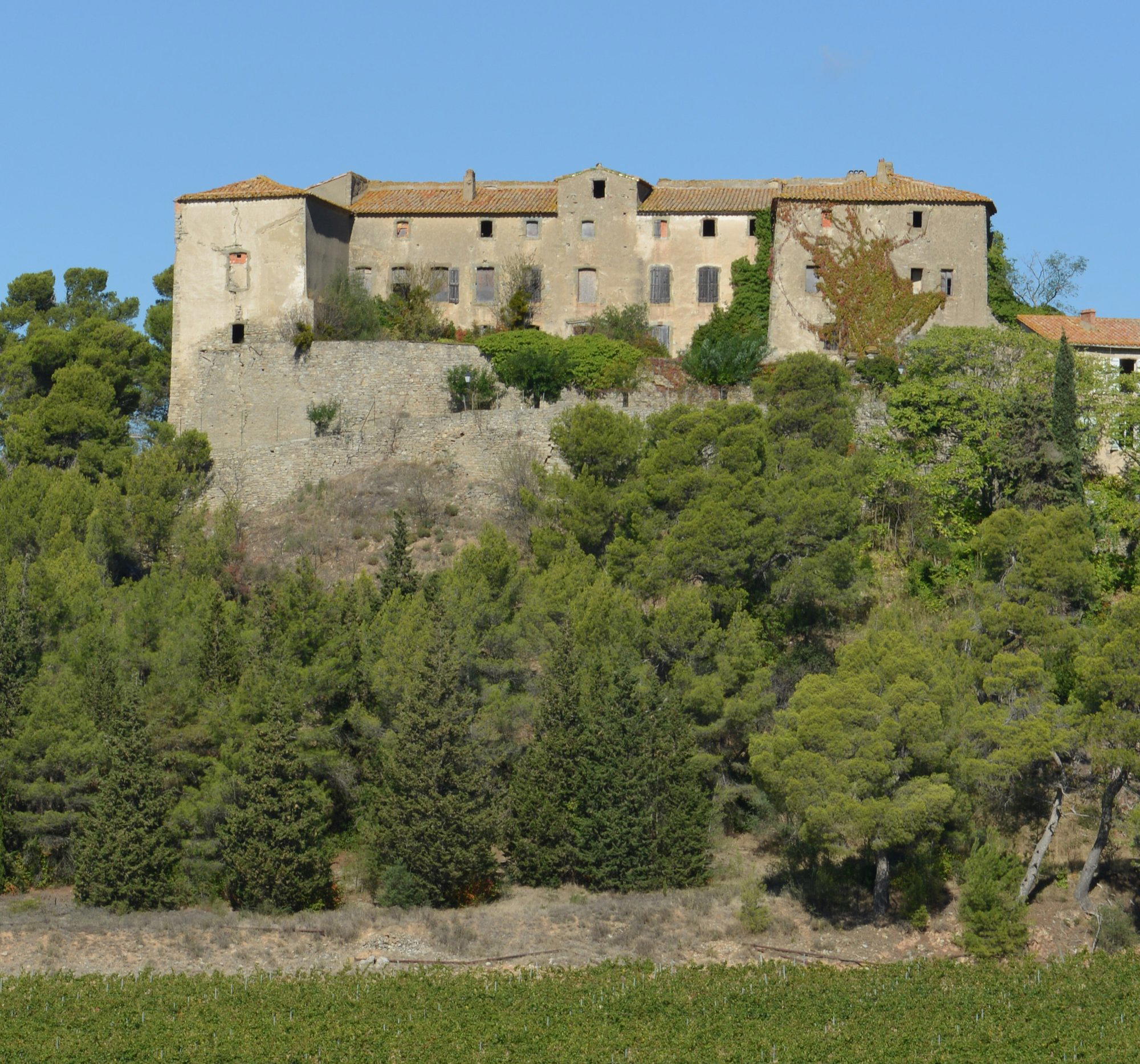
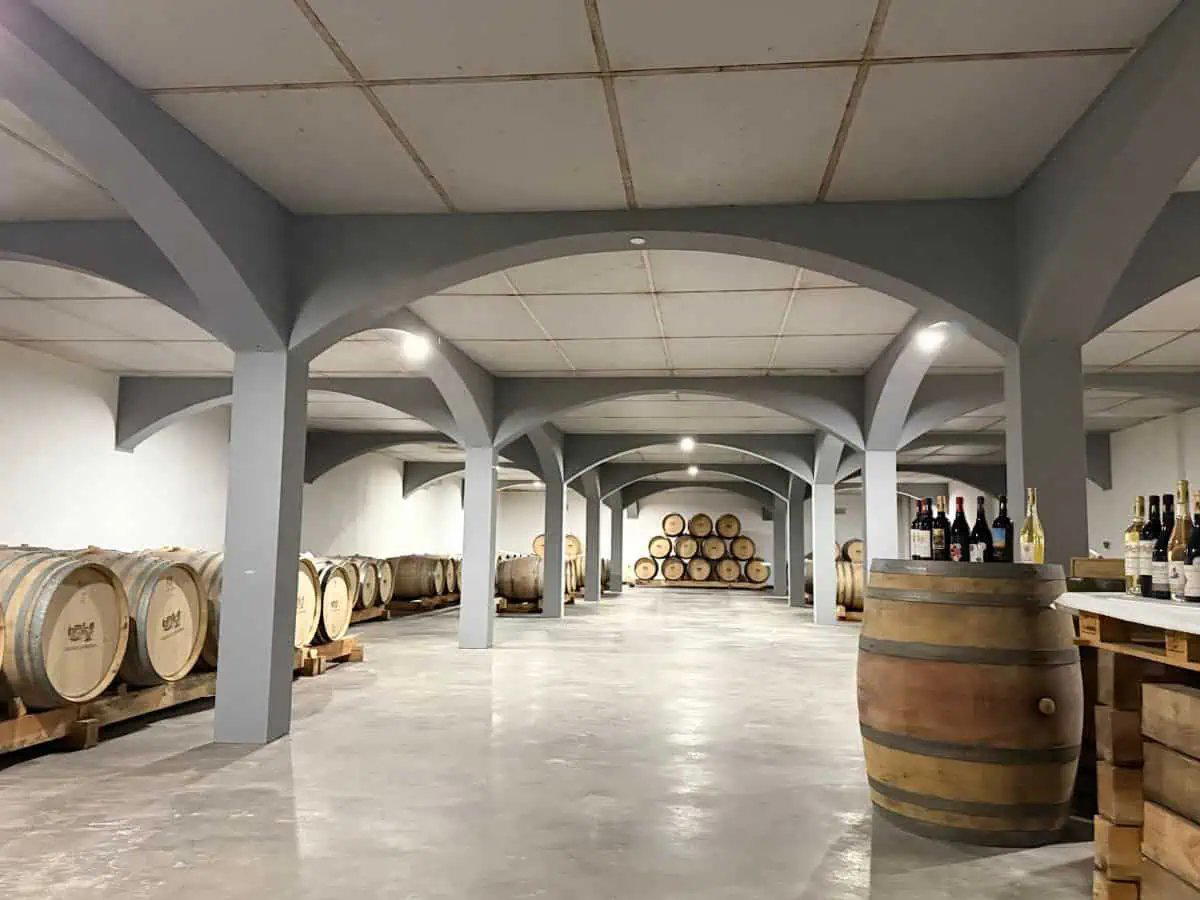
Relaxed old-school interior with patinated furniture and a large shaded terrace under trees and reed canopies in a peaceful vineyard setting.