
Tabelog 100 #54
Our verdict
La Sera gives Matsuyama’s Italian dining scene a produce-led counterpoint to the city’s stronger associations with udon, seafood, and ryokan cooking. Its 2025 Tabelog Italian WEST 100 selection and focus on Italian, pasta, and pizza place it in a small regional tier where everyday formats can carry serious local credibility without resorting to hotel-restaurant formality.

Pearl is the En Primeur Club membership app — saves, bookings, and concierge access live there. Same editors, same standards.
- Address
- Japan, 〒790-0011 Ehime, Matsuyama, Chifunemachi, 3 Chome−2−4 鴻池ビル 2F
- Phone
- +81 89-934-6008
- Hours
- Mon–Tue 11 AM–3 PM, 6–9 PMWed ClosedThu–Sun 11 AM–3 PM, 6–9 PM
- Website
- lasera808.wixsite.com
- Directions
- Get directions
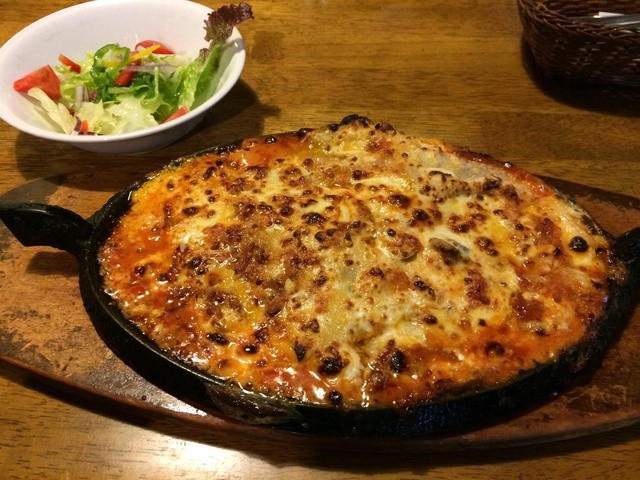
Matsuyama is not theatrical only in the obvious ways. The approach is urban, practical, and central: shopping streets, office rhythms, and the low-rise density of a city that eats early when needed and lingers when the table is right. That setting matters for Italian cooking. In Matsuyama, imported culinary formats work when they absorb the city’s pace rather than announce themselves as foreign occasion dining.
La Sera belongs to that quieter category: Italian cooking through pasta and pizza, with a local audience that can treat weekday lunch and evening meals as different needs, not different identities. Its 2025 Tabelog recognition gives it a credential beyond neighbourhood approval, but the more interesting point is what the listing says about regional Italian dining in western Japan. Recognition in this category rarely rewards spectacle alone. It tends to favour restaurants that make Italian grammar feel settled in Japanese daily life, with portioning, service tempo, and everyday usefulness calibrated to the surrounding city.
Italian cooking in Matsuyama works when the ingredients lead
Matsuyama gives Italian kitchens a useful setting: a dining public accustomed to seasonality, practical value, and meals that do not need to be over-explained. The strongest Italian restaurants in regional Japan work less like replicas of a distant template than interpreters of local appetite. Pasta carries the mood of the meal; pizza becomes less about imported performance than dough, heat, and the balance of topping to base.
La Sera’s listed categories, Italian, pasta, and pizza, place it in a format where the basics must show through ordinary decisions. A more formal restaurant can hide behind pacing and ceremony; a pasta-and-pizza room has fewer ways to disguise weak execution or heavy seasoning. That is why this cooking can be a sharper test than it first appears. In Matsuyama, a good Italian meal is not just a break from Japanese food. It reads the same city through a different structure.
The city comparison is useful. Nabeyaki Udon Asahi and Kotori point toward Matsuyama dining through familiar local habits and repeat use. Sumishin and Namae no Nai Italia Ryori Ten show that the city’s restaurant map has more than one register and more than one way to hold attention. La Sera sits within that field: accessible in format, serious enough in recognition, and better understood as part of Matsuyama’s expanding everyday dining vocabulary than as a special-occasion import.
Recognition without the luxury-restaurant script
The 2025 Tabelog recognition is the principal external signal. For travelers, it matters because Matsuyama can be difficult to read from outside. The city’s food reputation often sends visitors toward local traditions or Japanese meals, while Italian restaurants receive less international attention. A regional award listing helps separate a credible local table from the competent, anonymous rooms found in any Japanese city.
That does not make the experience formal. The useful distinction is between recognition and ceremony. La Sera’s public category identity points to Italian cooking, pasta, and pizza, with dinner and lunch budgets listed separately. Those details describe a restaurant embedded in local life, not a room only for destination diners. In regional Japan, that practical clarity often matters more than a long chef biography. It suggests repeat use: friends, families, and regulars who know when pasta is enough and when the evening should stretch.
For a wider Matsuyama itinerary, the contrast is productive. A stay, meal, or walk through the city can carry its own historic rhythm, while other Matsuyama dining rooms map local eating beyond one cuisine type. La Sera adds the Italian line, showing how Matsuyama diners fold non-Japanese formats into normal city life without needing the meal to become a grand declaration.
How to place it in a Matsuyama food day
The smartest use of La Sera is not to force it into a grand dining slot. Matsuyama rewards pacing: a relaxed morning, a city lunch, an afternoon around shopping streets, then dinner chosen by appetite rather than checklist logic. Italian cooking works especially well when the day has already included other regional eating. Pasta can reset the palate without removing Matsuyama from the frame.
Travelers building a broader plan should use the city, not one reservation, as the frame. A full Matsuyama restaurants guide is the cleanest starting point for dining context, while Matsuyama hotel planning can distinguish traditional stays from central-city convenience. Drinking and post-dinner planning are better handled through local bar research; regional producers and cellar-led side trips can sit under winery planning; cultural scheduling belongs in a broader Matsuyama experiences guide.
For readers comparing how regional Japanese cities handle non-local cuisines, the national spread is instructive. Across Japan, casual specialists, everyday dining rooms, cafes, counters, seafood restaurants, and single-dish shops all show how format, not cuisine label alone, shapes the meal. Abroad, Japanese categories can travel in the opposite direction, adapting to local dining habits outside Japan. La Sera belongs to that same broader conversation, but with Matsuyama as the frame.
La Sera’s value is clearest in that larger pattern. It is not trying to replace Matsuyama’s local canon; it shows how a city with strong food traditions makes room for Italian cooking that can be casual, ingredient-aware, and credible at once. The award signal gives travelers confidence, but the reason to pay attention is simpler: in a city often read through regional Japanese staples, this is part of the Italian strand locals have already made their own.
Frequently asked questions
Where is La Sera located?
La Sera is located in Matsuyama.
How much does it cost to eat at La Sera?
Pricing at La Sera is listed as Dinner: JPY 3,000 - JPY 3,999; Lunch: JPY 1,000 - JPY 1,999.
What's the defining dish or idea at La Sera?
La Sera’s core idea is clear from the public record: Italian cooking in Matsuyama, with pasta and pizza listed as its main categories. Its 2025 Tabelog recognition gives it external weight beyond a standard neighbourhood trattoria. Check the venue's official channels for the latest details.
What if I have allergies at La Sera?
For allergies, phone La Sera at +81-89-934-6008 before ordering. La Sera is in Matsuyama. Check the venue's official channels for the latest details.
Side-by-Side Snapshot
Comparable venues by cuisine and price in the same metro.
| Venue | Cuisine | Price | Awards | Notes |
|---|---|---|---|---|
| La SeraThis venue — the venue you are viewing | Cozy Italian trattoria | $10–20 | Tabelog 100 #54 | Not listed |
| Yoshokuya Shii | Japanese-style Western Cuisine (Yoshoku) | $10–20 | Tabelog 100 #58 | Sambancho |
| Sushi Kawanaka | Edomae Sushi Omakase | $100–150 | Tabelog 100 #44 | Okaido |
| Teuchi Soba Maro | Handmade soba (buckwheat noodles) | $10–20 | Tabelog 100 #64 | Okaido |
| Hinode | Matsuyama-style okonomiyaki & teppan counter | $10–20 | Tabelog 100 #56 | /null |
| Ino | Edomae-Style Sushi | $100–150 | Tabelog Bronze #135 | Nibancho |
Recognition history
Dated appearances from independent guides and award organizations, with the underlying list record or original source where available.
Tabelog 100 #54 · No. 54
Tabelog · Tabelog 100 - Italian - WEST - 2025
Continue exploring
More in Matsuyama
Restaurants in Matsuyama
Browse all →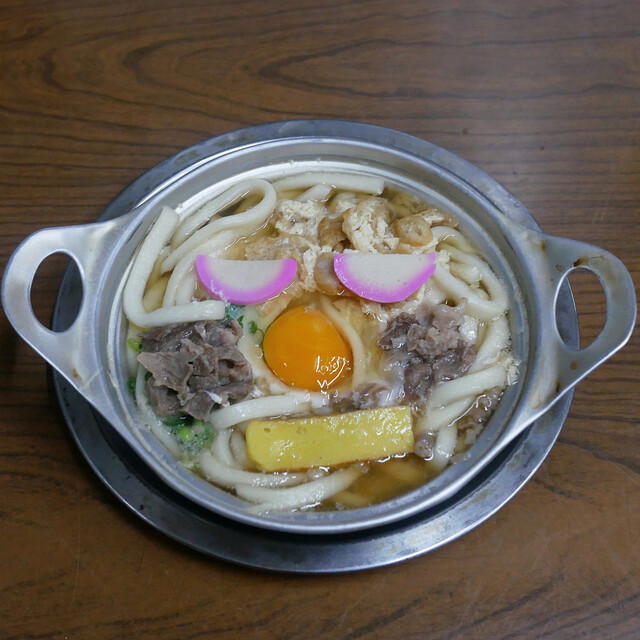
Details
- Cozy
- Classic
- Intimate
- Date Night
- Casual Hangout
- Family
- Group Dining
- Standalone
- A La Carte
- Wine
Current opening hours
- Monday
- 11 AM–3 PM, 6–9 PM
- Tuesday
- 11 AM–3 PM, 6–9 PM
- Wednesday
- Closed
- Thursday
- 11 AM–3 PM, 6–9 PM
- Friday
- 11 AM–3 PM, 6–9 PM
- Saturday
- 11 AM–3 PM, 6–9 PM
- Sunday
- 11 AM–3 PM, 6–9 PM
Hours can change for holidays and private events. Last verified .
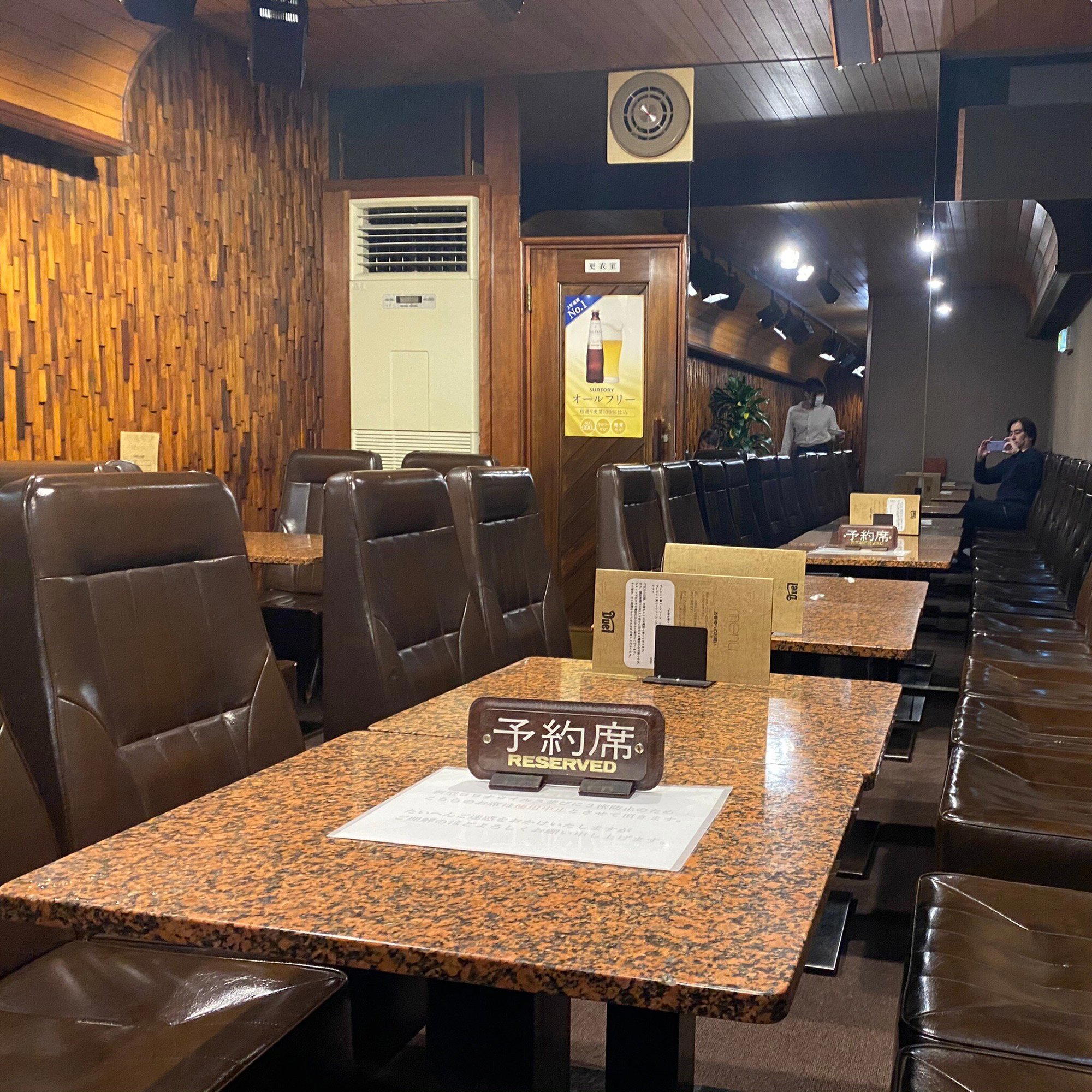
Warm, homely Italian taverna atmosphere with a small, non‑smoking dining room, relaxed service, and a quiet to conversational noise level suited to lingering over pasta and wine.