
Tabelog 100 #44
Our verdict
Matsuyama’s serious sushi tier is shaped by Seto Inland Sea access, small counters, and the city’s preference for measured hospitality over spectacle. Sushi Kawanaka belongs in that conversation through an Edomae format, an eight-seat counter, private rooms, and selection for Tabelog Sushi WEST 100 in 2025.

Pearl is the En Primeur Club membership app, where members save venues, book tables and use the concierge.
The menu
What to order
- Omakase sushi course
- Seasonal sashimi selection
Matsuyama is the relevant frame here: compact streets, office dinners, quiet doorways, and the practical rhythm of a regional city. That setting matters for sushi. In Ehime, the point is not simply big-city mimicry, but a local dining culture where fish, rice, and restraint can carry the meal more than decoration. Sushi Kawanaka sits in that serious lane: sushi, Japanese cuisine, and seafood, with the understatement expected at a focused restaurant where sourcing and handling matter.
Seto Inland Sea logic, sushi discipline
Matsuyama’s sushi scene differs from the marquee counters of Japan’s largest restaurant districts. The city has less international noise, fewer trophy reservations, and a stronger relationship with local dining habits: business meals, regulars, and compact rooms where the meal itself remains the stage. The useful comparison is not Matsuyama versus Tokyo at equal scale, but restaurants that treat seafood as a regional advantage versus those using sushi as a luxury costume.
The restaurant’s public positioning is clear: sushi, Japanese cuisine, and seafood, with emphasis on fish-led dining. That is enough to set expectations without overexplaining the kitchen. At a serious sushi restaurant, diners are usually watching rice, temperature, cut, seasoning, and timing as much as the headline ingredient. Around Matsuyama, that grammar becomes more interesting when it does not erase locality. The question is how far the kitchen uses technique to clarify fish rather than smother it.
Selection for Tabelog Sushi WEST 100 in 2025 gives Sushi Kawanaka a useful external marker. Tabelog’s regional sushi lists are not Michelin in format or language, but in Japan they are a serious signal for diners comparing small restaurants across western Japan. A 3.86 Tabelog score places it in a competitive bracket where the audience notices rice temperature, knife work, pacing, and drink choices rather than simply ordering sushi as celebration.
The broader appeal also frames the meal: this is not an anonymous stop for generic sushi, but a Matsuyama restaurant whose listing places it squarely in sushi, Japanese cuisine, and seafood. That combination is common at ambitious Japanese restaurants, but outside the metropolitan circuit it means something different. In Matsuyama, it suggests a restaurant speaking to local regulars and destination diners at once, not relying on a single orthodox script.
A focused sushi format changes the decision
Format is not decorative. A focused sushi restaurant creates a different contract between diner and kitchen than a larger Japanese restaurant with a broad à la carte rhythm. The meal is exposed: pacing, silence, conversation, and each piece’s handling become part of the experience. For travelers, that makes Sushi Kawanaka less of a casual drop-in idea and more of a planned Matsuyama meal.
That kind of positioning is common in regional Japan, where restaurants often serve both serious food travelers and local occasions. A very casual restaurant can feel too loose for a special sushi meal; a more general Japanese restaurant can dilute the seafood focus. Sushi Kawanaka lands closer to the concentrated end of that spectrum, suiting diners who want the city’s fish culture expressed through sushi and related Japanese cooking.
The city comparison sharpens the choice. Kurumasushi and Ino belong to Matsuyama’s sushi conversation, while Sumishin occupies a similarly premium dining band by price. Teuchi Soba Maro and Kiri no Mori Kashi Kobo Matsuyama ten show the opposite end of local eating: casual, lower-spend, and easy to fold into sightseeing. Sushi Kawanaka is not where to understand Matsuyama through everyday noodles or sweets; it is where the city’s seafood seriousness becomes a planned meal.
For a wider read on the city’s dining map, Our full Matsuyama restaurants guide gives useful context alongside nearby references such as Ino and other Matsuyama dining rooms. Matsuyama planning also benefits from separating restaurants from stay, drink, and activity choices; see the city’s hotel, bar, winery, and experience guides for the broader trip context.
Who should choose this counter
This is a strong fit for diners who care about fish, sushi structure, and the social texture of a serious focused meal. It is less suited to a casual first-night meal after travel, or anyone needing a broad menu for sharply different appetites. The best reason to book is not novelty, but focus: Sushi Kawanaka’s public identity is built around sushi, Japanese cuisine, and seafood.
The Matsuyama location is practical for travelers staying or moving around the city, but the restaurant’s value is not mere convenience. The appeal is a Matsuyama sushi restaurant with regional credibility, measured positioning, and a price band aligned with a serious meal rather than a casual neighborhood sushi stop. Dinner is listed at JPY 15,000 - JPY 19,999, while lunch is listed at JPY 10,000 - JPY 14,999, making timing part of the decision.
For readers mapping Japan beyond Shikoku, the contrast with other kinds of dining is instructive. A beef-focused meal, a tuna-and-charcoal format, a specialist curry shop, a noodle counter, or a cafe each tells a different story about how tightly Japanese dining categories can specialize. Sushi Kawanaka belongs to the fish-and-rice side of that map. Its usefulness for a Matsuyama itinerary is that it gives the city’s seafood identity a more deliberate restaurant setting.
The editorial read is simple: choose Sushi Kawanaka when the Matsuyama meal should be anchored in fish, rice, and focused sushi discipline rather than variety. Its Tabelog Sushi WEST 100 selection, 3.86 score, listed price band, and seafood focus give objective shape to the decision. The stronger reason is geographic. In Ehime, sushi has more to say when it listens to the region around it.
Frequently asked questions
Does Sushi Kawanaka work for a family meal?
Sushi Kawanaka can work for diners who are comfortable with a focused sushi, Japanese cuisine, and seafood meal in Matsuyama.
How would you describe the vibe at Sushi Kawanaka?
It is a serious sushi restaurant in Matsuyama. The Tabelog Sushi WEST 2025 selection points to a venue that is known for fish-led dining and a measured, focused style rather than spectacle.
How much does it cost to eat at Sushi Kawanaka?
Dinner at Sushi Kawanaka is listed at JPY 15,000 - JPY 19,999, and lunch is listed at JPY 10,000 - JPY 14,999.
What is Sushi Kawanaka known for?
Sushi Kawanaka is known for sushi, Japanese cuisine, and seafood in Matsuyama, with recognition in Tabelog Sushi WEST 100 in 2025.
Comparable Spots, Quickly
Comparable venues by cuisine and price in the same metro.
| Venue | Cuisine | Price | Awards | Notes |
|---|---|---|---|---|
| Sushi KawanakaThis venue (the venue you are viewing) | Edomae Sushi Omakase | $100–150 | Tabelog 100 #44 | Not listed |
| Oborozukiyo (別邸 朧月夜) | Traditional Japanese Kaiseki Ryokan Dining | Not listed | Not listed | Dogo |
| Nabeyaki Udon Asahi | Traditional Matsuyama nabeyaki udon shop | $1–10 | Tabelog 100 #40 | Okaido / Gintengai area |
| Kotori | Japanese Udon | $1–10 | Tabelog 100 #42 | Minatomachi |
| Kiri no Mori Kashi Kobo Matsuyama ten | Japanese Traditional Sweets | $1–10 | Tabelog 100 #51 | Okaido |
| Ino | Edomae-Style Sushi | $100–150 | Tabelog Bronze #135 | Nibancho |
Recognition history
Dated appearances from independent guides and award organizations, with the underlying list record or original source where available.
Tabelog 100 #44 · No. 44
Tabelog · Tabelog 100 - Sushi - WEST - 2025
Continue exploring
More in Matsuyama
Details
- Elegant
- Cozy
- Intimate
- Sophisticated
- Business Dinner
- Date Night
- Celebration
- Solo
- Private Event
- Chefs Counter
- Private Dining
- Standalone
- Sake Program
- Extensive Wine List
- Local Sourcing
- Sustainable Seafood
- Omakase
- Tasting Menu
- Counter Dining
- Set Menu
- Sake
- Wine
- Pescatarian Friendly
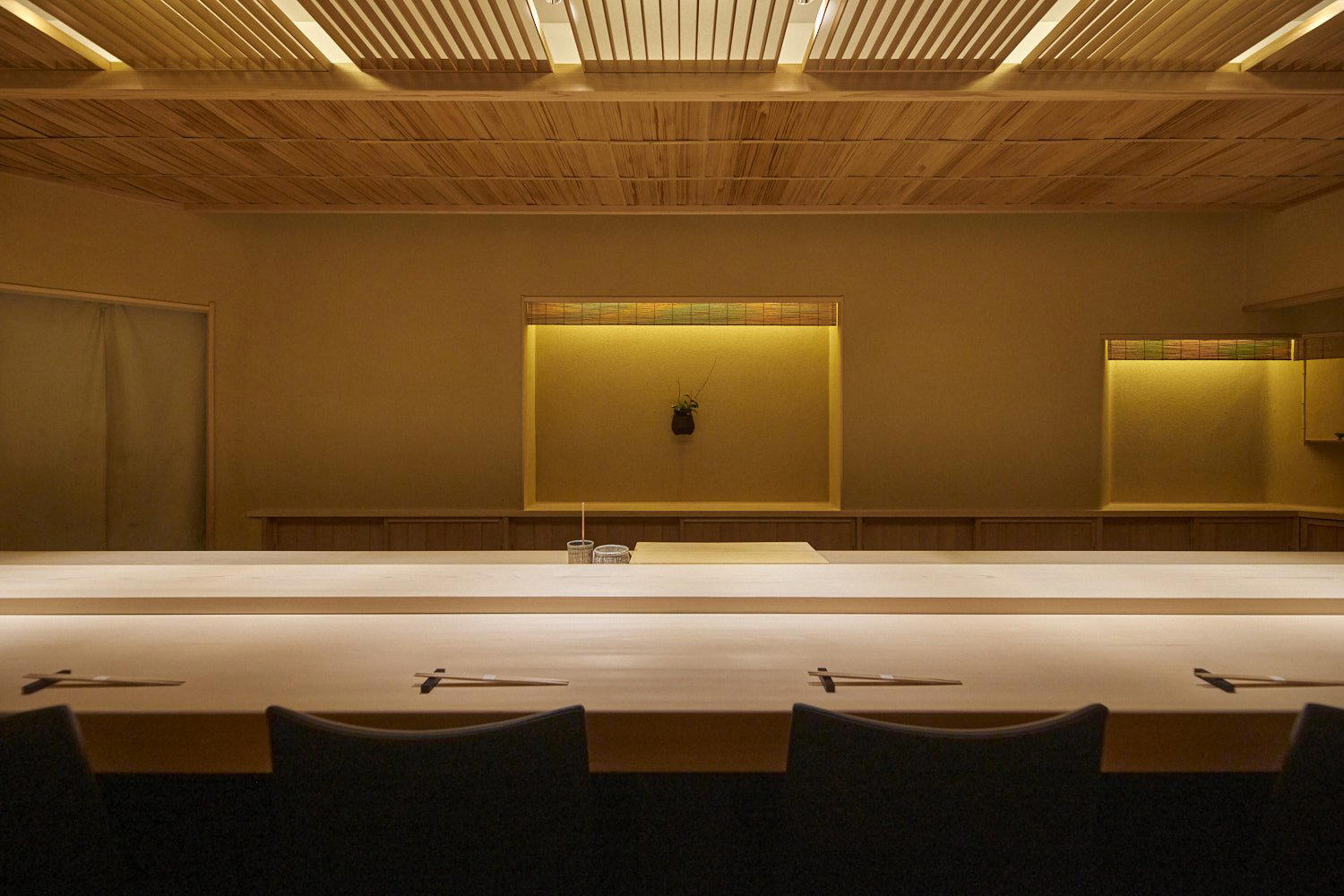
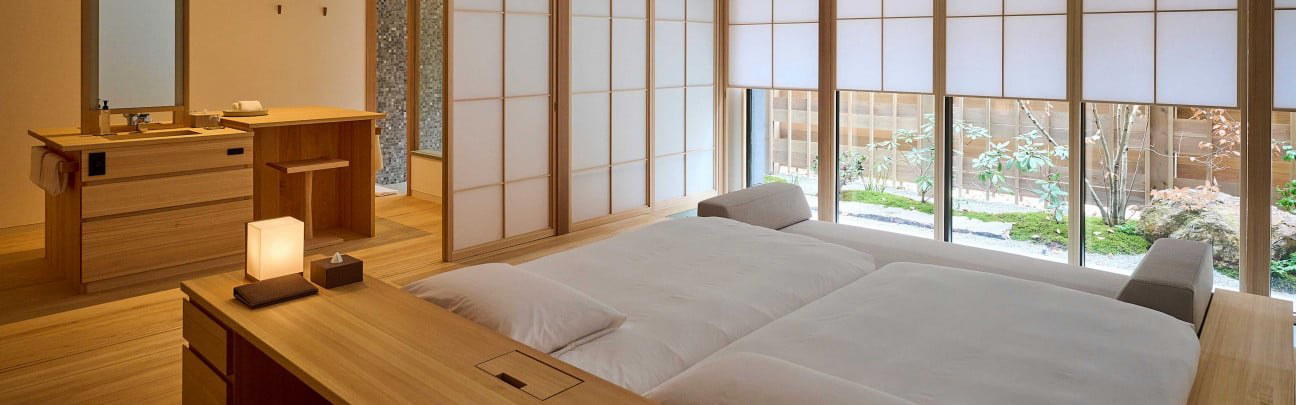
A small hideaway, house-like restaurant with stylish yet relaxed design, spacious counter seating for only eight guests, and a calm, intimate atmosphere suited to business dinners and special occasions rather than casual family visits.