On Rue Saint-Honoré, one of Paris's most historically loaded addresses, La Renommée operates within a first arrondissement dining corridor where classical French tradition and contemporary ambition sit in unusually close proximity. The address alone positions it inside a competitive tier defined by L'Ambroisie, Kei, and Alléno Paris, where menu architecture and service precision carry as much weight as the food itself.
Pearl is the En Primeur Club membership app — saves, bookings, and concierge access live there. Same editors, same standards.
- Address
- 95 Rue Saint-Honoré, 75001 Paris, France
- Phone
- +33140399370
- Website
- larenommeeparis.com
- Directions
- Get directions
 Saves & bookings on Pearl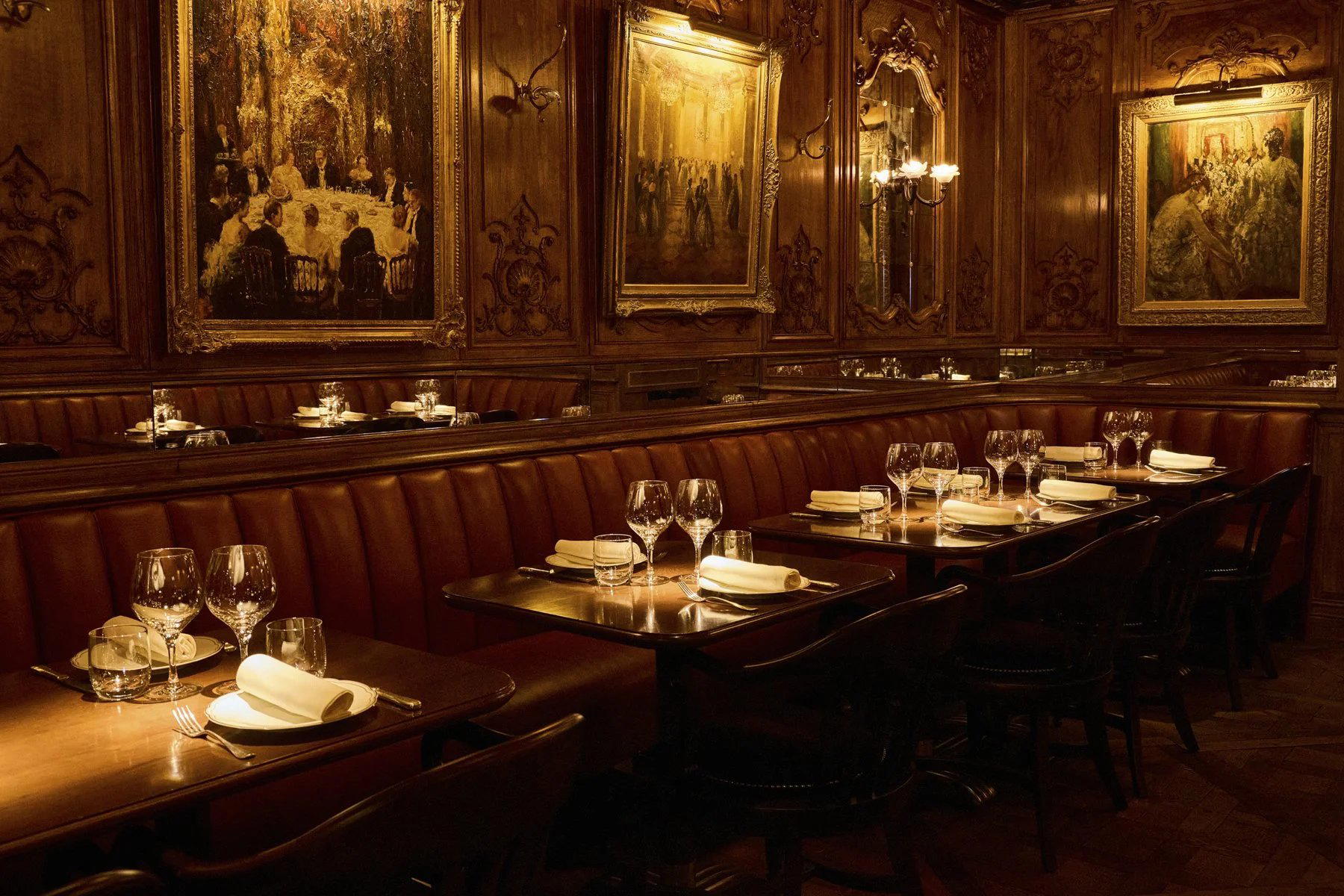
Rue Saint-Honoré and the Weight of a Paris Address
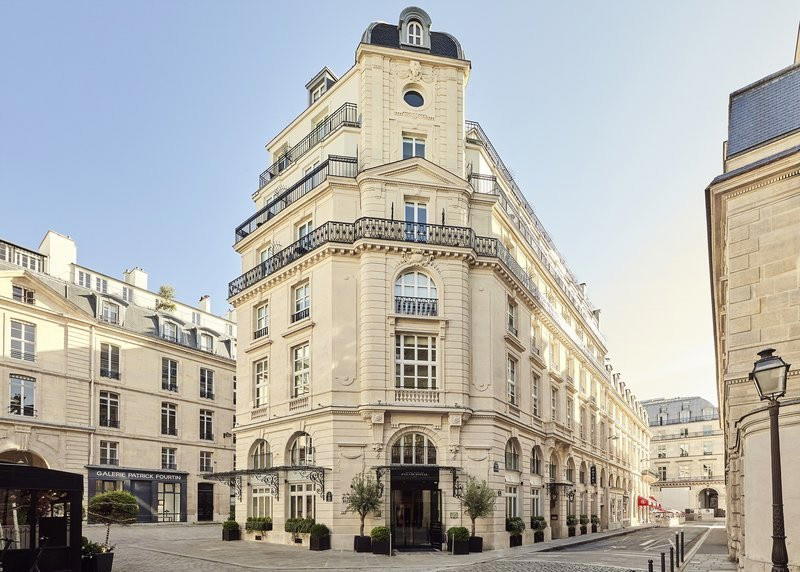
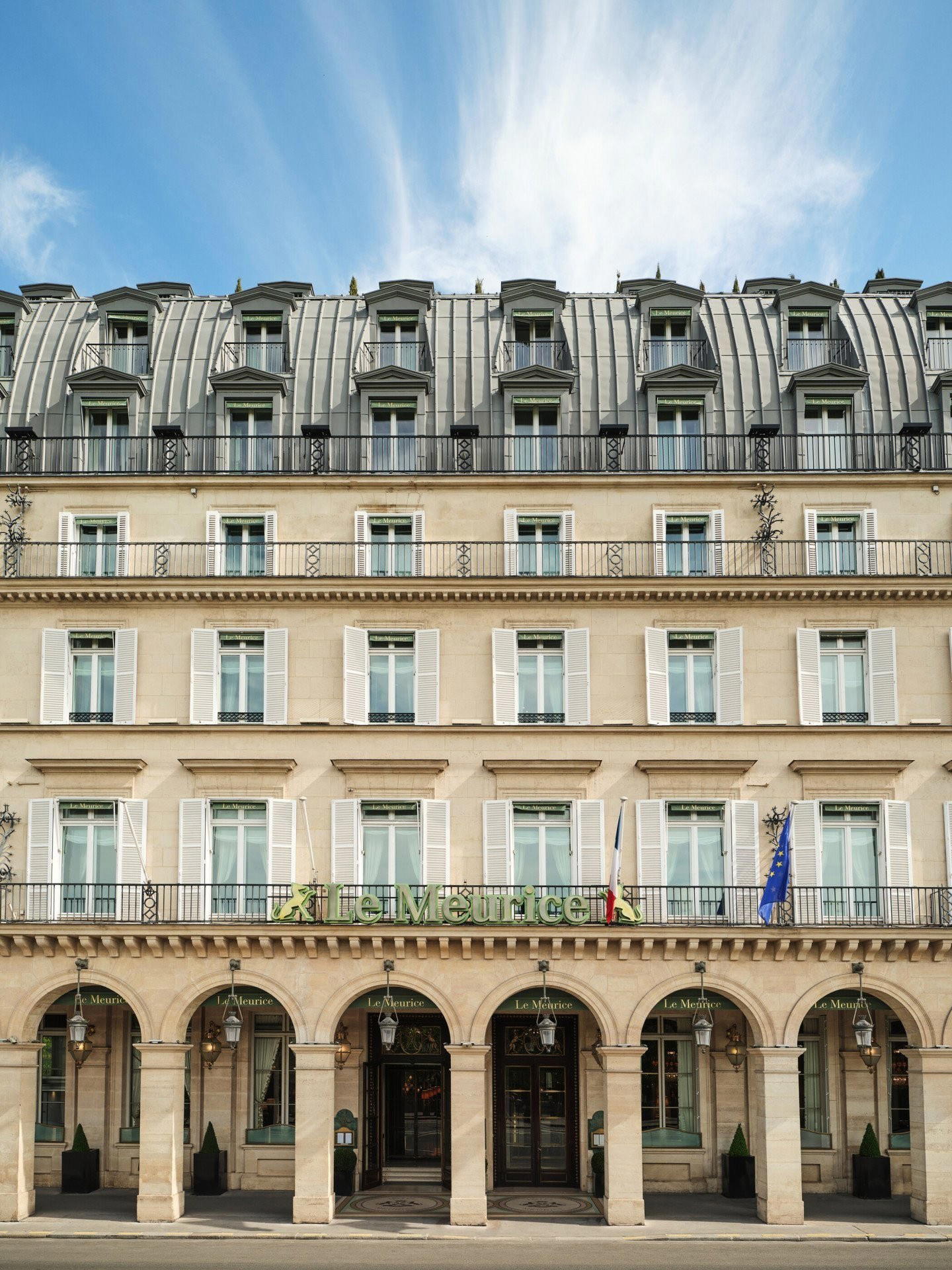
Few streets in Paris carry the accumulated pressure of Rue Saint-Honoré. Running from the eastern edge of the first arrondissement toward the Place Vendôme axis, it has been a corridor of commerce, power, and taste since the seventeenth century. Restaurants on this stretch do not exist in isolation, they inherit the expectations of the neighbourhood, and those expectations run high. The first arrondissement concentrates some of the city's most formally ambitious dining, from the Place des Vosges-adjacent gravity of L'Ambroisie (French, Classic Cuisine) to the architectural grandeur that frames Le Cinq at the Four Seasons Hôtel George V. La Renommée is a restaurant in Paris, serving refined French brasserie cuisine with New York influences. It is located at 95 Rue Saint-Honoré, 75001 Paris, France, and is priced at about $75 per person.
That context matters for understanding how Paris dining operates at this tier. Unlike Tokyo, where omakase counters signal their register through seat count and booking lead time, or New York, where Atomix and Le Bernardin declare their ambition through publicised tasting formats, Paris first-arrondissement restaurants often communicate through restraint. The room, the address, the silence of a well-managed floor, these carry the signal.
Menu Architecture as the Primary Argument
In Paris's leading dining tier, how a menu is structured tells you almost as much as what is on it. The question of whether a restaurant organises around a chef's tasting sequence, a la carte choice, or some hybrid of both is not merely logistical, it reflects a position on what dining should be. Kitchens that offer long, single-path tasting menus are making an argument for authorial control. Those that retain strong a la carte options are implicitly respecting the guest's role in assembling the meal. The tension between these two philosophies has defined Paris fine dining for decades, and it remains live.
Among La Renommée's immediate geographic neighbours on the Rue Saint-Honoré axis, the comparison is instructive. Kei operates a contemporary French format shaped by Japanese technique, its menu a structured dialogue between two culinary traditions. Alléno Paris au Pavillon Ledoyen pushes into creative territory, with a menu architecture that foregrounds sauce work and fermentation as structural elements rather than flourishes. These are not arbitrary aesthetic choices, they position each restaurant within a competitive set and communicate a distinct intellectual stance on what French cuisine is doing now.
What the address does establish is the peer group against which any such architecture will be read. On Rue Saint-Honoré, the comparison set is exacting.
The Classical French Register and Its Regional Counterweights
To understand the first arrondissement's dining character, it helps to map it against what is happening beyond Paris. French haute cuisine is not monolithic, it fractures across regions in ways that the capital sometimes obscures. Mirazur in Menton operates from a coastal garden logic that would be impossible to replicate on Rue Saint-Honoré. Bras in Laguiole draws its menu from the volcanic plateau of the Aubrac, a terroir argument that is intrinsically place-specific. Flocons de Sel in Megève operates within an Alpine register that gives its menu a seasonal and altitudinal specificity Paris cannot replicate.
Paris restaurants, by contrast, tend to argue through technique, lineage, and curation rather than through a single dominant terroir. The city's great classical houses, including the multigenerational institution of Paul Bocuse - L'Auberge du Pont de Collonges, established a formal grammar that first-arrondissement dining continues to negotiate. Even restaurants working in more contemporary registers, such as Arpège with its vegetable-centred kitchen, are in dialogue with that classical inheritance. The pressure on a Paris address is partly the pressure of that history.
Further afield, the Alsatian tradition represented by Auberge de l'Ill in Illhaeusern and Au Crocodile in Strasbourg, or the Champagne-region ambition of Assiette Champenoise in Reims, each represent a French fine dining grammar shaped by specific geography. The contrast with Paris is useful: capital restaurants earn their position through accumulation and precision rather than singularity of place. And within that capital logic, Rue Saint-Honoré sits in the accumulation-heavy end of the spectrum.
Restaurants working outside these well-documented regional anchors, such as AM par Alexandre Mazzia in Marseille or Auberge du Vieux Puits in Fontjoncouse, demonstrate that French haute cuisine continues to generate new grammar in places the capital does not control. That makes the Paris question more interesting, not less: what does a Rue Saint-Honoré address argue for in 2024, and does a restaurant here choose to defend the classical register or complicate it?
For a fuller map of where La Renommée sits within the broader Paris dining picture, see our full Paris restaurants guide. For comparison with ambitious French kitchens working in different regional grammars, Troisgros - Le Bois sans Feuilles in Ouches provides a useful reference point for how multi-generational French restaurants evolve their menus over time.
Planning Your Visit
The restaurant is located at 95 Rue Saint-Honoré, 75001 Paris, in the first arrondissement. The address is walkable from the Louvre-Rivoli metro stop and sits within the dense dining corridor that runs between Les Halles and the Place Vendôme. Reservations are recommended. The restaurant is typically open Monday through Thursday from 5:30 to 10:30 PM, Friday and Saturday from 12 to 2 PM and 5:30 to 10:30 PM, and Sunday from 5:30 to 10:30 PM.
Recognition, Side-by-Side
Comparable venues nearby, for context on price, style, and recognition.
| Venue | Cuisine | Price | Notes |
|---|---|---|---|
| La RenomméeThis venue — the venue you are viewing | Refined French Brasserie with New York Influences | $$$ | Not listed |
| Clémentine | Classic French Bistro | $$$ | Quartier Vivienne |
| Le Hibou | French Brasserie | $$$ | Odéon |
| Café Pierre Hermé | French Patisserie Café | $$$ | 7th arrondissement |
| L'Auberge du Roi Gradlon | Breton French Bistro | $$$ | Gobelins |
| La Traversée | Modern French Bistro | $$$ | 18th Arrondissement |
Continue exploring
More in Paris
Restaurants in Paris
Browse all →
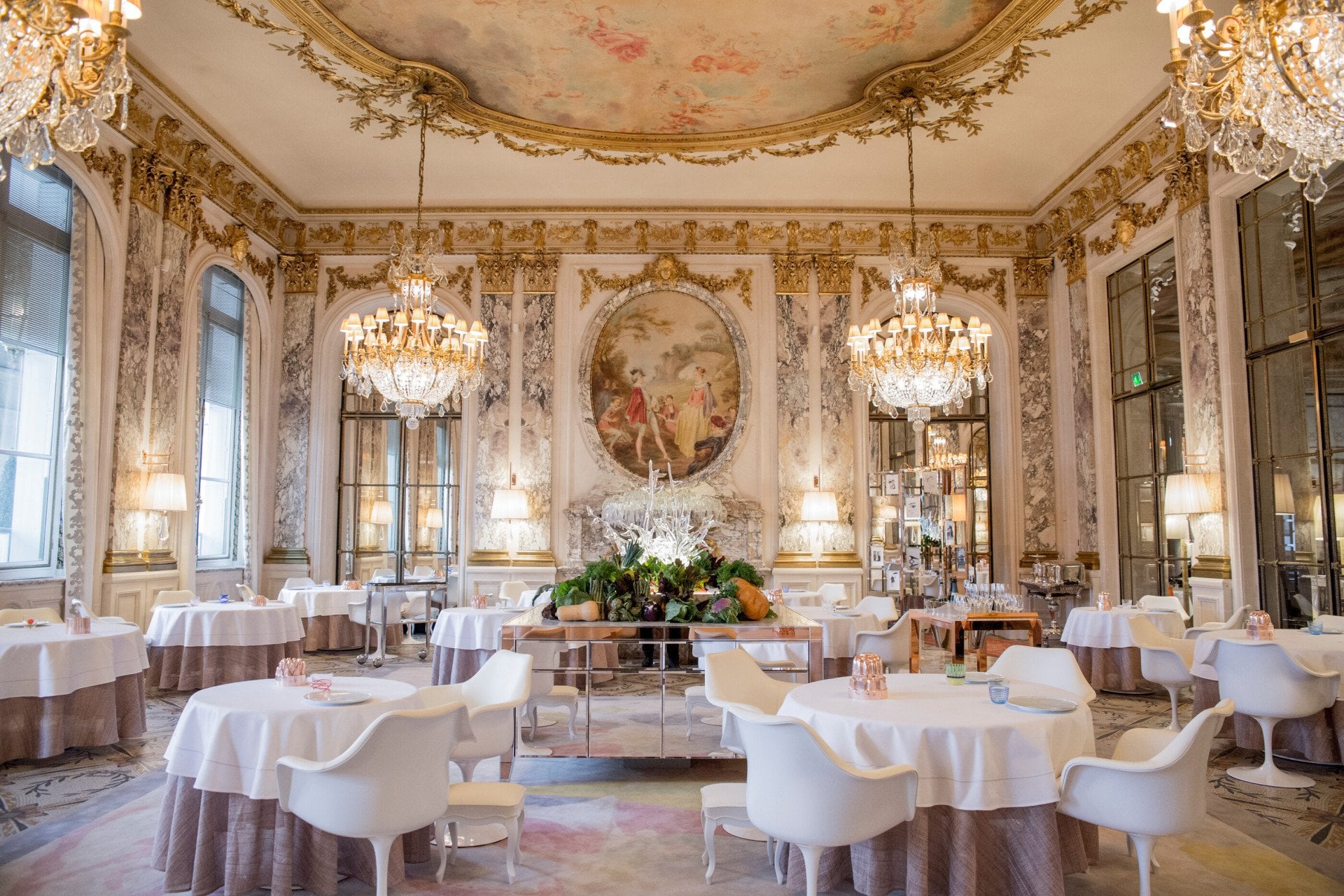
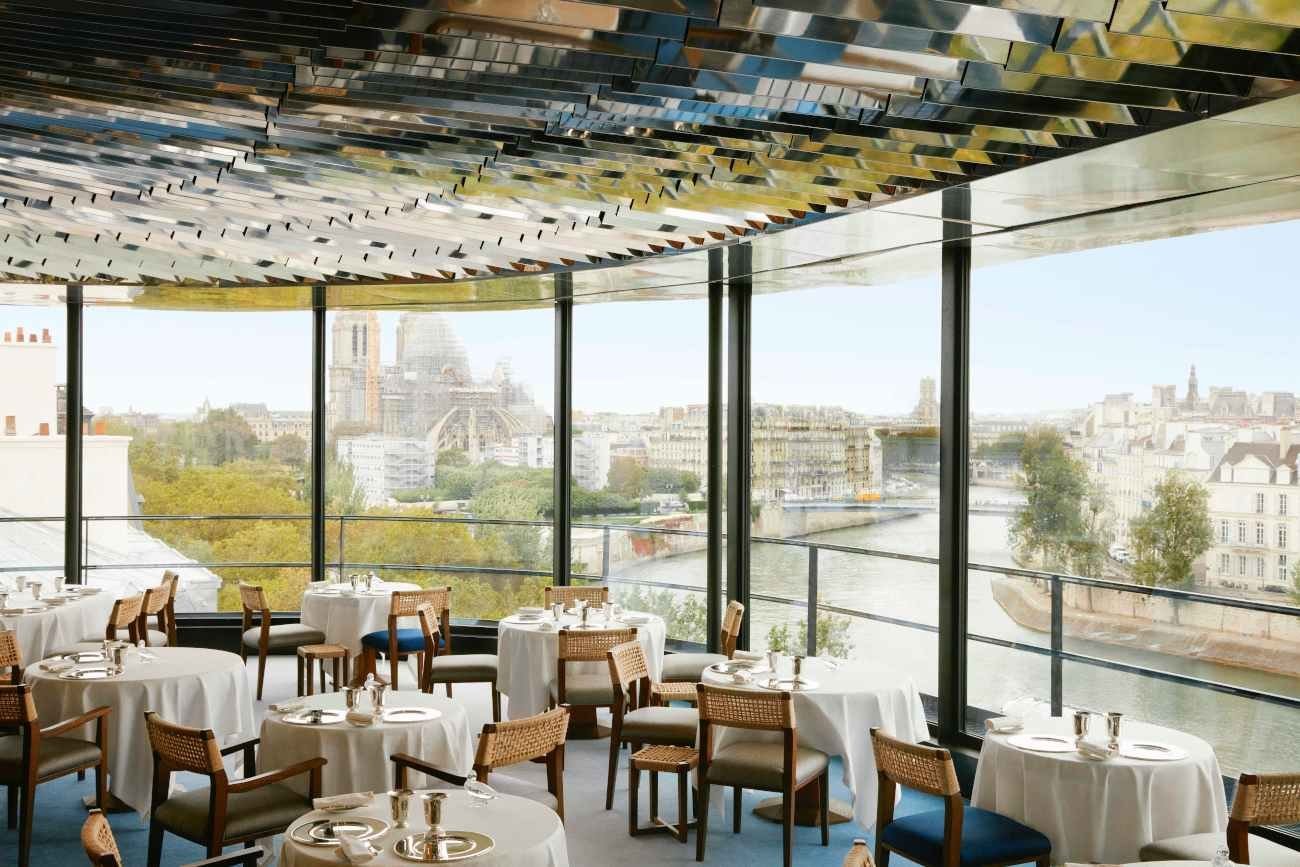
Bars in Paris
Browse all →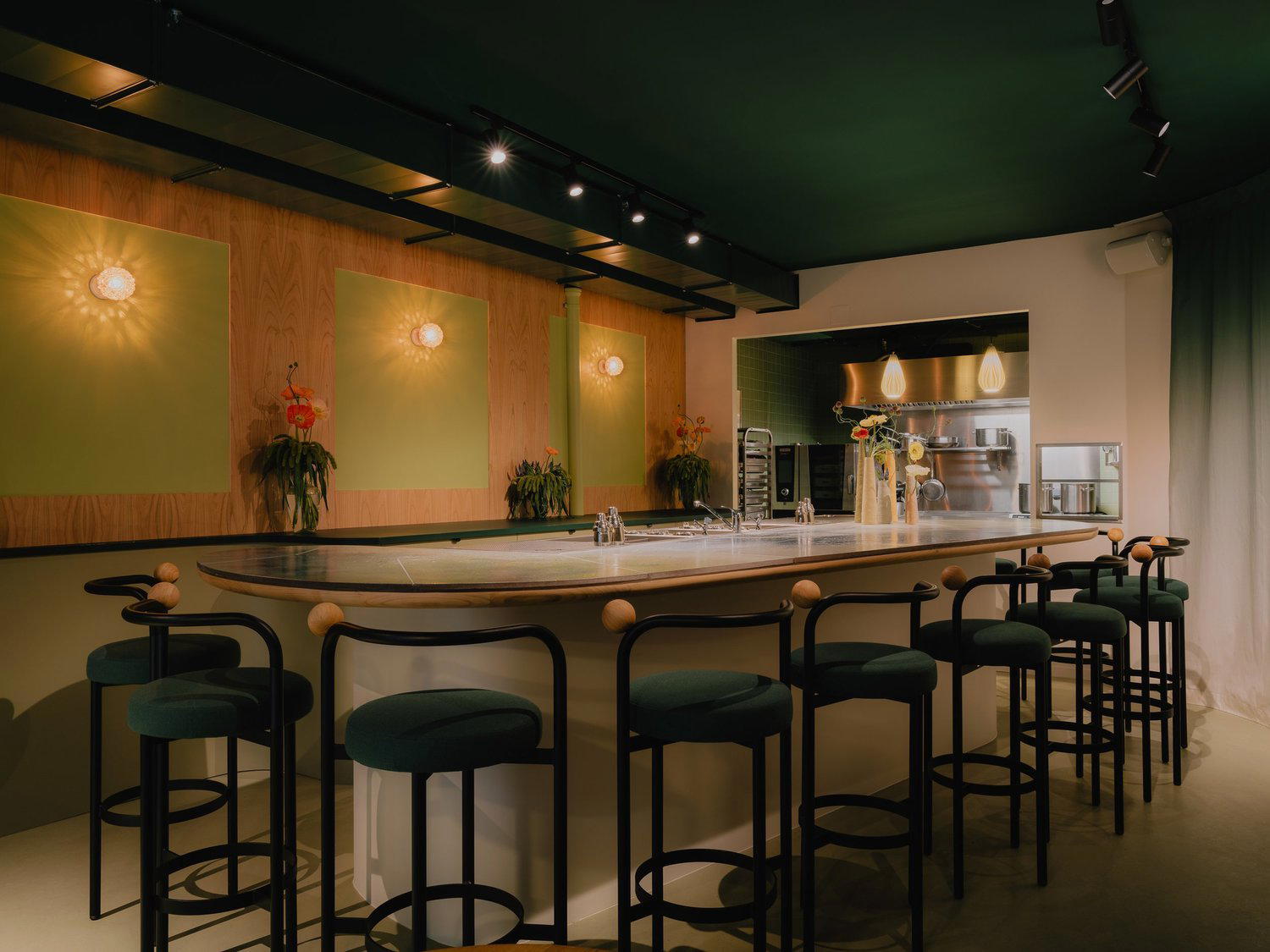
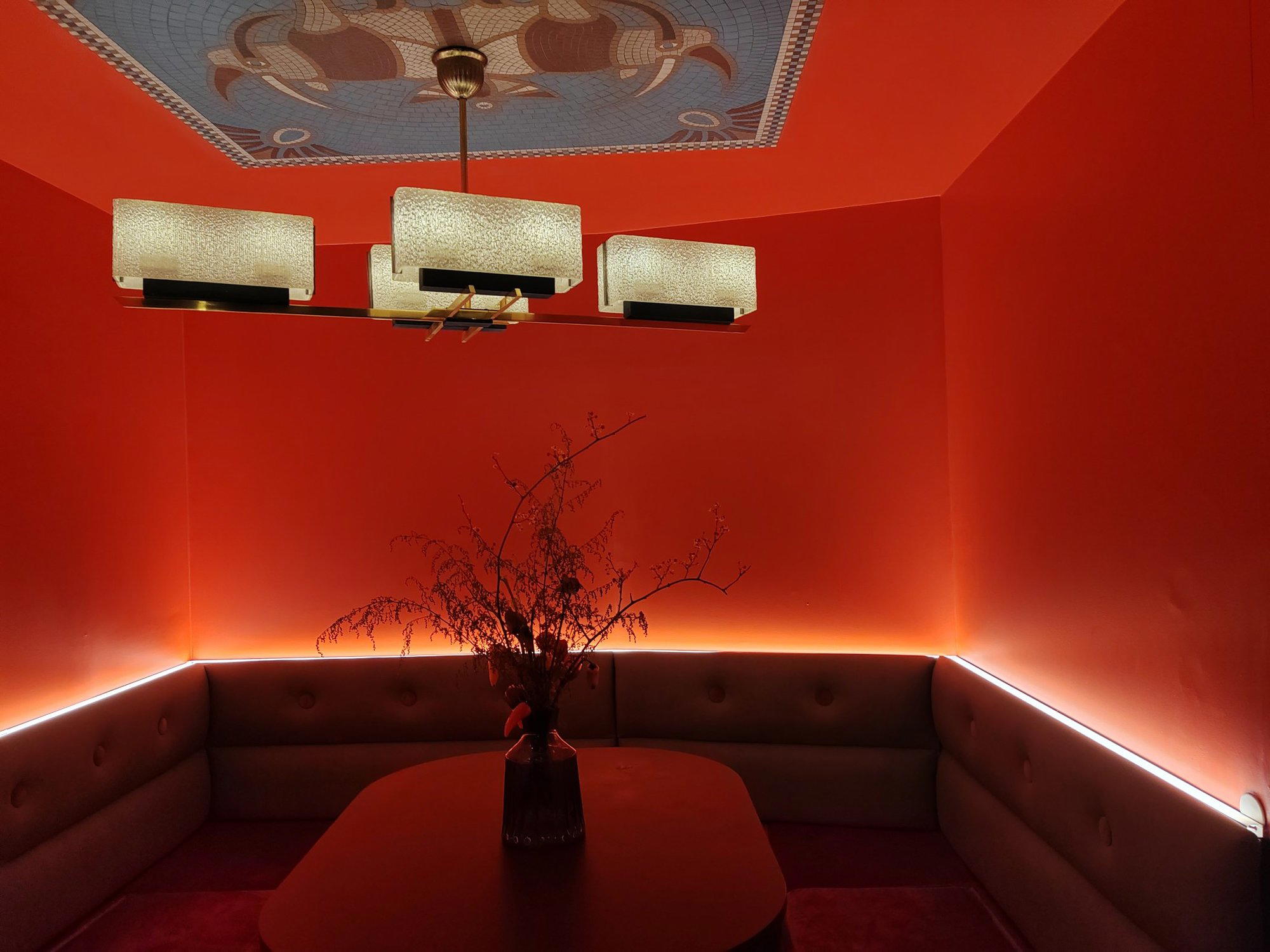
Hotels in Paris
Browse all →

At a Glance
- Elegant
- Classic
- Sophisticated
- Historic
- Cozy
- Date Night
- Business Dinner
- Special Occasion
- Historic Building
- Extensive Wine List
- Craft Cocktails
- Local Sourcing
Current opening hours
- Monday
- 5:30–10:30 PM
- Tuesday
- 5:30–10:30 PM
- Wednesday
- 5:30–10:30 PM
- Thursday
- 5:30–10:30 PM
- Friday
- 12–2 PM, 5:30–10:30 PM
- Saturday
- 12–2 PM, 5:30–10:30 PM
- Sunday
- 5:30–10:30 PM
Hours can change for holidays and private events. Last verified .
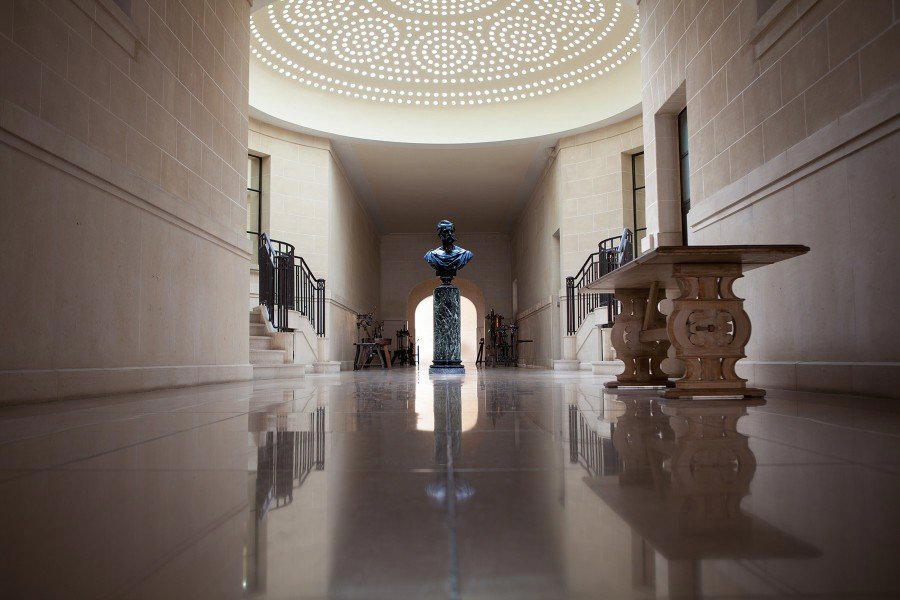
Elegant museum-like setting with wood interiors, paintings, and a sophisticated yet welcoming atmosphere evoking Parisian heritage.