Port de Javel Haut places La Plage Parisienne at the western edge of the 15th arrondissement, where the Seine broadens and the city exhales. The address alone signals a different register from the formal dining rooms of the 8th, trading ceremony for something more coastal in temperament. For Paris, that positioning is genuinely unusual.
Pearl is the En Primeur Club membership app — saves, bookings, and concierge access live there. Same editors, same standards.
- Address
- Port de Javel Haut, 75015 Paris, France
- Phone
- +33182820089
- Website
- laplageparisienne.fr
- Directions
- Get directions
 Saves & bookings on Pearl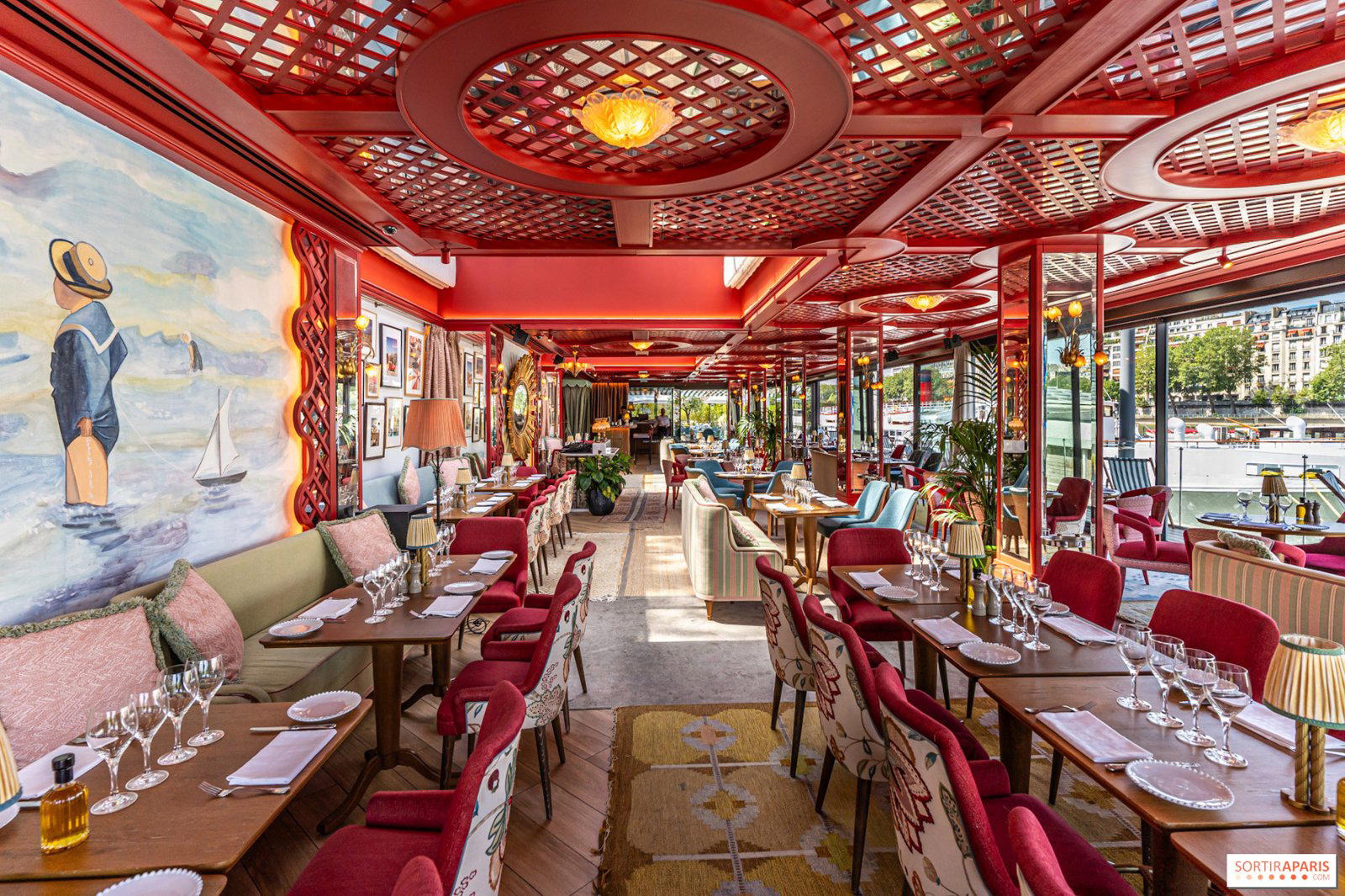
Where the Seine Earns Its Waterfront
The stretch of riverbank at Port de Javel Haut sits well beyond the tourist circuits of the Marais and Saint-Germain. By the time the 15th arrondissement gives way to the water's edge here, Paris feels less like a monument to itself and more like a working city that occasionally remembers it has a river. La Plage Parisienne occupies that mood. The name, which translates literally as the Parisian Beach, is less whimsy than accurate description: this is a riverfront venue in a city that has historically underused its waterways for anything resembling leisure dining.
The broader context matters. Paris has seen intermittent attempts to activate its river edges, from the seasonal Paris Plages programme along the Right Bank to the Berges de Seine promenades on the Left. La Plage Parisienne at Port de Javel Haut belongs to that longer civic conversation about what a Seine-facing address can actually mean for a dining experience, as opposed to what a restaurant merely positioned near the water tends to offer.
A 15th Arrondissement Address in the Context of Paris Dining
15th is the most populous arrondissement in Paris and among the least covered by international food press. The neighbourhood's dining culture runs toward neighbourhood permanence rather than destination spectacle: addresses that fill on Tuesday nights because locals return, not because a reservations algorithm flagged an opening. That register is distinct from the formal grandeur of L'Ambroisie on the Place des Vosges or the technical ambition of Alléno Paris au Pavillon Ledoyen, which operate in an entirely different economic and symbolic register.
Where the 8th arrondissement concentrates €€€€ tasting menus at addresses like Le Cinq and draws international clientele on the strength of hotel infrastructure and Michelin recognition, the 15th trades on locality. A Seine-facing venue here is genuinely positioned differently from those peers. The waterfront itself provides the symbolic anchor that in other arrondissements a historic building or a famous square might supply.
The Local-Ingredient, Imported-Technique Tradition Along French Waterways
French riverside dining has a long tradition of making the water visible in the food, drawing on whatever the local watershed produces and framing it through the dominant culinary technique of the moment. At its most sophisticated, this tradition produced addresses like Auberge de l'Ill in Illhaeusern, where Alsatian river ingredients were held to classical French standards for decades. At its most contemporary, it produced the terrain-obsessed approach of Bras in Laguiole, where the landscape itself becomes the sourcing brief.
The intersection of local product and imported technique is not unique to France, but France has codified it most precisely. When Kei brought Japanese precision to classical French form in Paris, or when Mirazur in Menton mapped Mediterranean coastal produce onto a global modernist vocabulary, both represented versions of the same editorial question: what happens when technique from one tradition meets ingredients rooted in a specific place? A Seine-adjacent address in Paris sits within that conversation, even if its own position within the French dining hierarchy is at a different scale than those reference points.
The broader French regional tradition offers useful comparators. Troisgros in Ouches and Flocons de Sel in Megève both demonstrate how place-specific sourcing can anchor a dining identity even when the technique applied is internationally derived. AM par Alexandre Mazzia in Marseille applies global reference points to deeply Mediterranean produce. These are the structural models against which any French waterfront venue is, implicitly, read.
What a Parisian Beach Address Signals
In a city where dining addresses carry enormous symbolic weight, Port de Javel Haut is deliberate in its informality. The name Plage, beach, signals that the register here is not the white-tablecloth ceremony of Arpège or the architectural theatre of Paul Bocuse's Auberge du Pont de Collonges. It signals outdoor light, water proximity, and a seasonal logic: this is a venue that changes character with the Paris calendar more dramatically than an interior dining room would.
That seasonal dimension is worth taking seriously. Spring and early summer bring the longest, most usable evenings along the Seine, when the sun sits low over the western river bend and the water reflects enough light to make the 15th arrondissement feel, briefly, Mediterranean. Late September shifts the light again and narrows the outdoor window considerably. Planning around those seasonal rhythms is more consequential for a riverfront address than for a fixed interior.
The broader French dining network provides context for what this kind of address can aspire to. Assiette Champenoise in Reims and Au Crocodile in Strasbourg demonstrate how regional specificity and formal ambition can coexist. Auberge du Vieux Puits in Fontjoncouse shows how remote positioning can become its own credential. La Plage Parisienne operates with different ambitions and a different competitive set, but the same underlying question applies: does the address reinforce or complicate what the kitchen is trying to do?
Planning Your Visit
Port de Javel Haut is accessible from the Javel-André Citroën RER C stop, which brings the address within practical reach of central Paris without requiring a taxi. The riverfront location means exposure to wind and weather in a way that an interior address does not, so visits during the shoulder seasons of April through June and September reward more reliably than mid-August, when the Seine embankments can feel either pleasantly animated or simply overheated depending on the year. Our full Paris restaurants guide provides broader context for planning a dining itinerary across the city's arrondissements.
For international reference, the model of technically ambitious cooking applied to local coastal produce has equivalents beyond France: Le Bernardin in New York City represents the French-technique-meets-American-seafood tradition at its most refined, while Atomix in New York demonstrates how Korean precision can be applied to a globally sourced ingredient set. Those comparisons illuminate the structural question that any venue working the local-ingredient, imported-technique intersection has to answer, regardless of geography.
- Ceviche de daurade au yuzu
- Tartare de bœuf
- Tiradito
- Huîtres
- Carpaccio de thon rouge au sésame
- Suprême de poulet aux morilles
How La Plage Parisienne Paris compares with similar nearby venues.
| Venue | Cuisine | Price |
|---|---|---|
| Le Cordon Bleu (Paris) | Culinary school (mentioned in chef training) | Not listed |
| Comice | Modern Cuisine | €€€€ |
Continue exploring
More in Paris
Restaurants in Paris
Browse all →
Bars in Paris
Browse all →
Hotels in Paris
Browse all →



At a Glance
- Romantic
- Scenic
- Elegant
- Lively
- Sophisticated
- Date Night
- Group Dining
- Family
- Celebration
- Brunch
- Special Occasion
- Waterfront
- Live Music
- Terrace
- Panoramic View
- Design Destination
- Extensive Wine List
- Sommelier Led
- Local Sourcing
- Waterfront
- Skyline
Current opening hours
- Monday
- Closed
- Tuesday
- Closed
- Wednesday
- 7 PM–2 AM
- Thursday
- 7 PM–2 AM
- Friday
- 7 PM–2 AM
- Saturday
- 7 PM–2 AM
- Sunday
- 12–4 PM
Hours can change for holidays and private events. Last verified .
Bright, lively atmosphere blending Roaring Twenties elegance with relaxed seaside charm; warm lighting enhanced by riverside setting and live music creates an enchanting, sophisticated yet approachable environment.
Know Before You Go
- Getting there
- Port de Javel Haut, 75015 Paris, France