Mattarello Cooking
Mattarello Cooking occupies a storefront on University Avenue in San Diego's Hillcrest neighborhood, operating at the intersection of hands-on culinary instruction and ingredient-conscious Italian tradition. The format sits closer to specialist cooking school than casual class, with a focus on technique and sourcing that places it in a different tier from recreational kitchen experiences found elsewhere in the city.
Pearl is the En Primeur Club membership app — saves, bookings, and concierge access live there. Same editors, same standards.
- Address
- 1295 University Ave, San Diego, CA 92103
- Phone
- +18587170173
- Website
- mattarellocooking.com
- Directions
- Get directions
 Saves & bookings on Pearl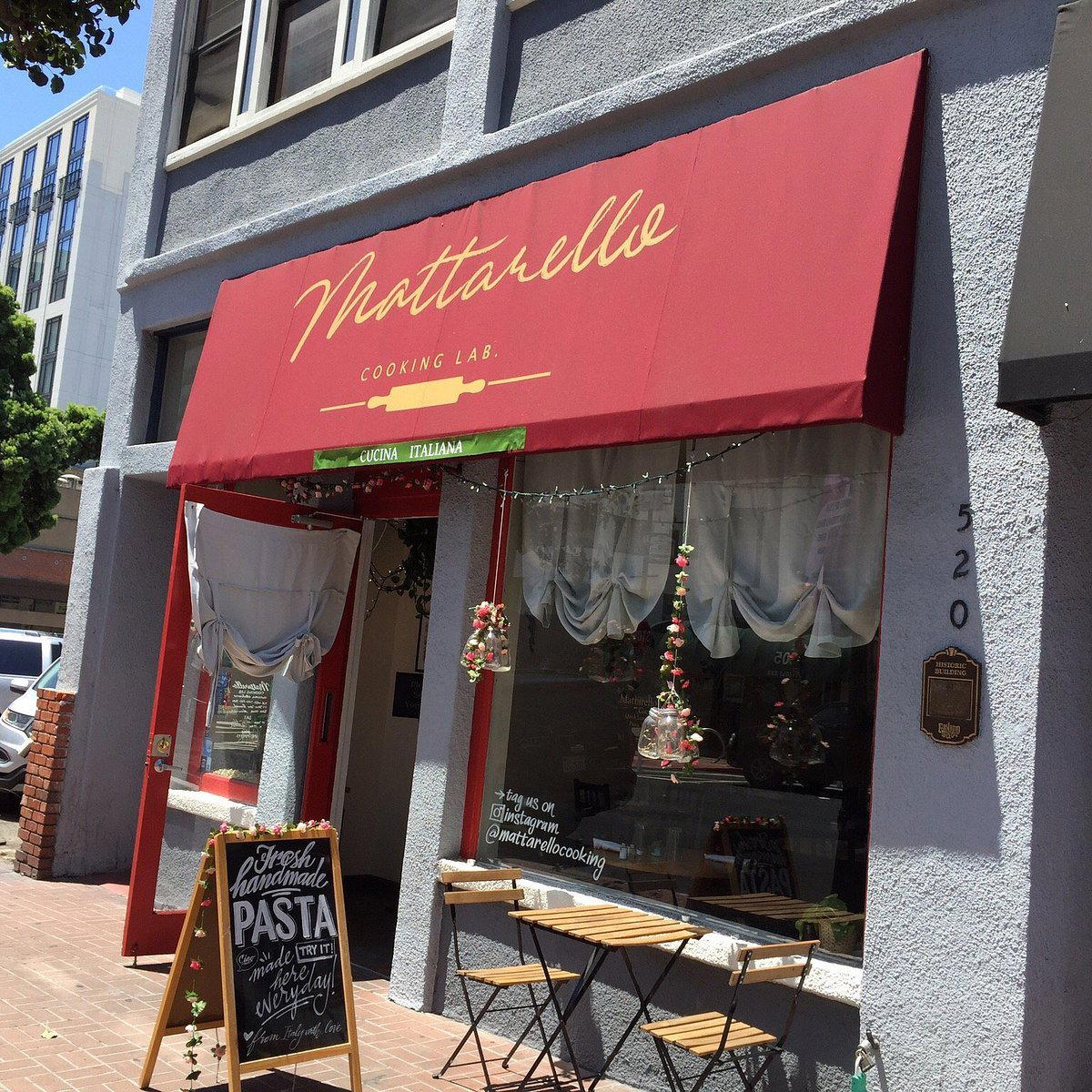
University Avenue and the Case for Learning to Cook Italian
Hillcrest's University Avenue carries a particular kind of commercial energy: independent operators, neighborhood regulars, and a demographic that takes food seriously enough to spend money on it. Mattarello Cooking, at 1295 University Ave, sits inside that character. The name itself is a signal: a mattarello is the long wooden rolling pin used in Emilian pasta-making, the tool that separates hand-rolled sfoglia from machine-extruded shortcuts. Choosing it as a brand name is an editorial statement about where the operation's priorities lie.
San Diego's culinary instruction scene has room to grow relative to the city's restaurant density. Where cities like San Francisco or Chicago sustain dedicated cooking schools alongside a deep restaurant culture, San Diego has leaned harder on the dining-out experience than the learn-to-cook format.
Sourcing as Method, Not Marketing
Coherent Italian cooking instruction programs use ingredient sourcing as a teaching framework rather than a backdrop. In the Emilian tradition that the mattarello references, the quality of a pasta dough depends on flour type, egg yolk ratio, and ambient humidity in ways that a good instructor can demonstrate in real time. Teaching someone to roll pasta by hand is, at its core, teaching them to read the dough, which means teaching them what good ingredients feel like before they're cooked.
This sourcing-forward approach to Italian instruction finds parallels at the highest levels of American dining. Operations like Single Thread Farm in Healdsburg and Blue Hill at Stone Barns in Tarrytown have made ingredient provenance central to how they communicate what they do, treating the sourcing chain as part of the guest experience rather than internal operational detail. A well-run cooking instruction program applies the same logic at a different scale: the ingredient becomes the first lesson.
Southern California's agricultural proximity is an advantage that Italian instruction programs in less temperate climates can't replicate. San Diego County sits within reach of some of California's most productive year-round farming land, and the region's citrus, stone fruit, and specialty produce seasons run longer than almost anywhere else in the continental United States. For a program emphasizing ingredient-driven Italian technique, that geography is a functional asset, not an incidental one.
Where Mattarello Fits in San Diego's Dining Context
San Diego's restaurant scene has matured considerably in the past decade. At the leading end, Addison operates as the city's flagship fine-dining address, holding Michelin recognition and running a French-contemporary tasting format that competes in a national comparable set. Further along the spectrum, Soichi runs at the $$$$ tier with a Japanese format that rewards committed regulars. 1450 El Prado anchors a different part of the city's dining geography, while 94th Aero Squadron and the 94th Aero Squadron San Diego location serve a more experience-oriented crowd.
Mattarello Cooking doesn't compete with any of these. It occupies a separate category: the culinary instruction format, where what you're purchasing is skill transfer and technique, not a plated experience. In this sense, it competes more with recreational cooking classes at kitchen supply stores or hotel demonstration formats than with the city's restaurants. The distinction matters because the value proposition is different. A meal at Addison is consumed once; a pasta-rolling technique, learned properly, stays with you.
For visitors who want to understand San Diego's broader dining range before or after a class, our full San Diego restaurants guide covers the city's major dining neighborhoods and price tiers in detail.
The Italian Instruction Format Nationally
Italian cooking instruction has found a durable niche in American culinary culture partly because Italian technique is learnable at home, unlike, say, the kaiseki disciplines that underpin places like Atomix in New York City, or the classical French rigor that defines kitchens at Le Bernardin in New York City or the ambition behind The French Laundry in Napa. Fresh pasta, hand-formed gnocchi, simple braises built on soffritto and patience: these are techniques that translate directly from a class kitchen to a home kitchen, which makes the instruction format commercially coherent in a way that, for example, a class in molecular gastronomy typically isn't.
The broader American market for ingredient-focused Italian instruction has also benefited from a cultural moment: the post-pandemic period accelerated home cooking interest across income brackets, and the premium end of that trend skewed toward artisanal technique rather than convenience. Programs that could teach participants to make something genuinely time-intensive, hand-rolled pasta being the archetype, found audiences willing to pay for that specific kind of education. Cooking schools in cities like New Orleans (near Emeril's in New Orleans territory) and Atlanta (where Bacchanalia in Atlanta anchors a serious dining culture) have documented this shift in enrollment patterns.
San Diego's version of that trend is still developing relative to larger coastal markets. A specialist Italian instruction operation on University Avenue is positioned to capture the upper end of that local demand, particularly if its sourcing commitments and format discipline are maintained over time.
Planning a Visit
Mattarello Cooking is located at 1295 University Ave in Hillcrest, a walkable neighborhood with direct access from central San Diego and reasonable parking density by California standards. The area is well-served by transit connections along the University Ave corridor. Given the instruction-format model, advance booking is the default assumption for most programs of this type, Prospective participants should verify current session availability, pricing, and class formats directly with the operation before planning around a specific date. For visitors combining a class with broader San Diego dining, Hillcrest's restaurant density means same-day dining options are available within walking distance, and the city's wider dining scene is accessible within a short drive.
Credentials Lens
Comparable venues nearby, for context on price, style, and recognition.
| Venue | Cuisine | Price | Notes |
|---|---|---|---|
| Mattarello CookingThis venue — the venue you are viewing | Handmade Italian Pasta | $$ | Not listed |
| Gelato Vero Caffe | Authentic Italian Gelato & Cafe | $$ | Uptown |
| Vittorio's Italian Trattoria | Casual Italian Trattoria | $$ | Torrey Highlands |
| Baci Coffee | Authentic Italian Coffee and Pastries | $$ | Mission Valley |
| Officine Buona Forchetta | Authentic Italian Pizza and Pasta | $$ | Peninsula |
| Elvira | Roman Osteria | $$ | Mission Bay Park |
Continue exploring
More in San Diego
Restaurants in San Diego
Browse all →
Bars in San Diego
Browse all →

At a Glance
- Cozy
- Intimate
- Rustic
- Date Night
- Special Occasion
- Open Kitchen
- Local Sourcing
- Organic
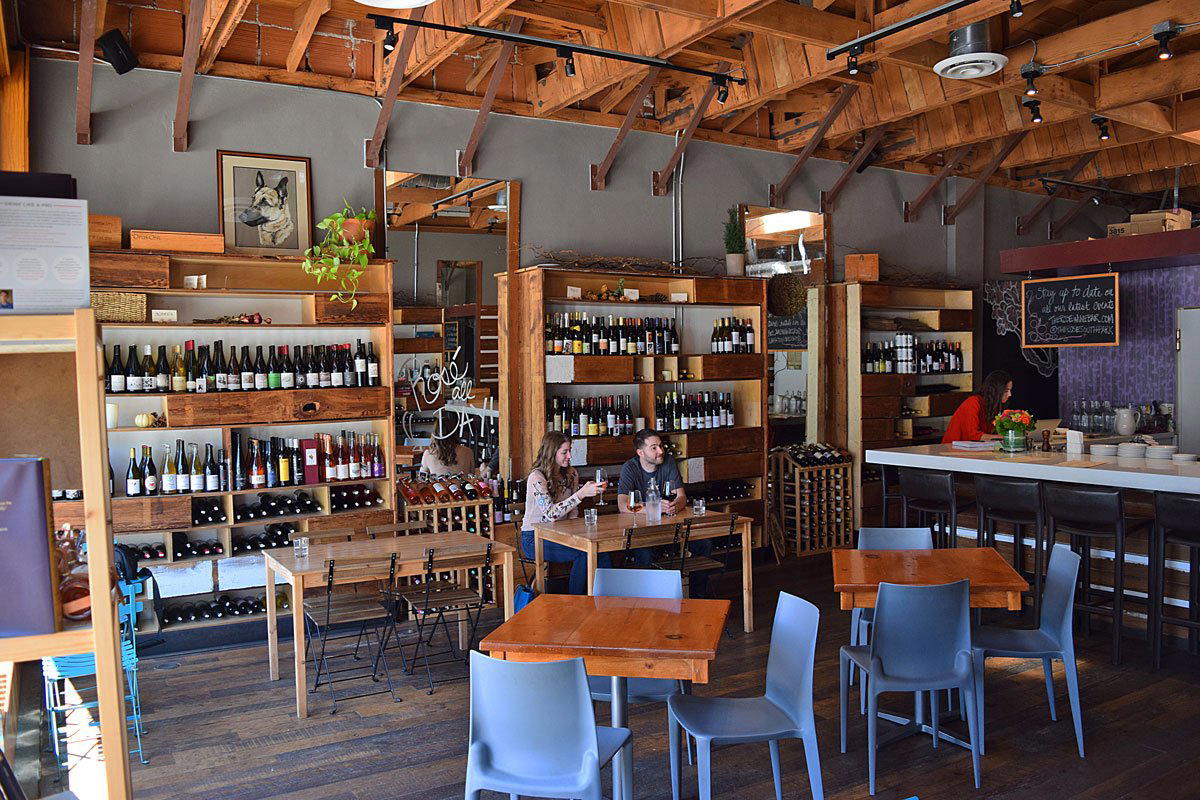
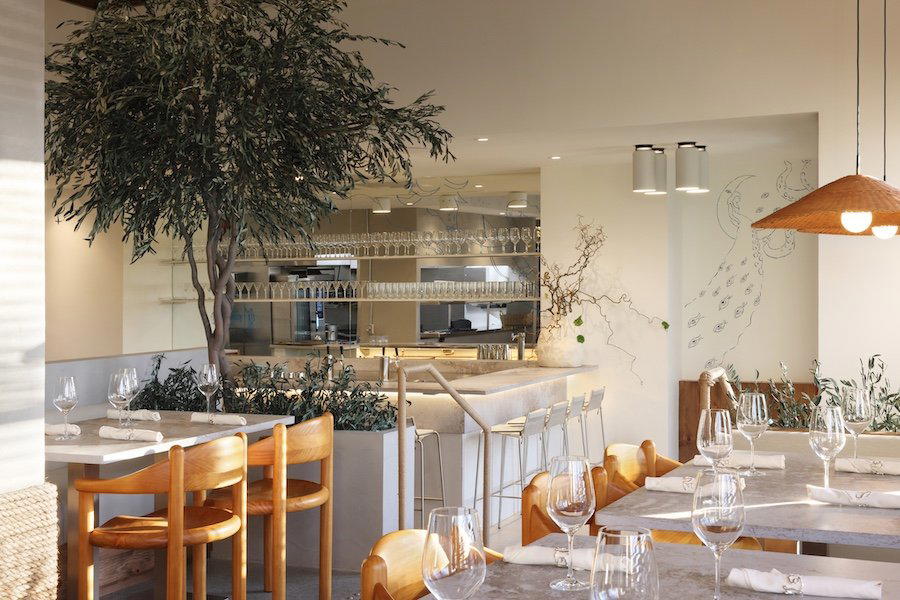
Small, clean, and nicely decorated with a cozy, intimate family atmosphere.