Pizzeria Luigi
On a quiet block in Golden Hill, Pizzeria Luigi is the kind of neighborhood pizza counter that San Diego's dense urban corridors have historically lacked. The kitchen draws on Italian-American technique applied to California's year-round ingredient calendar, placing it in a comparable set defined less by price tier than by intent. Address: 1137 25th St, San Diego, CA 92102.
 Discover on Pearl
Pearl is the En Primeur Club membership app — saves, bookings, and concierge access live there. Same editors, same standards.
- Address
- 1137 25th St, San Diego, CA 92102
- Phone
- +1 619 233 3309
- Website
- pizzerialuigi.com
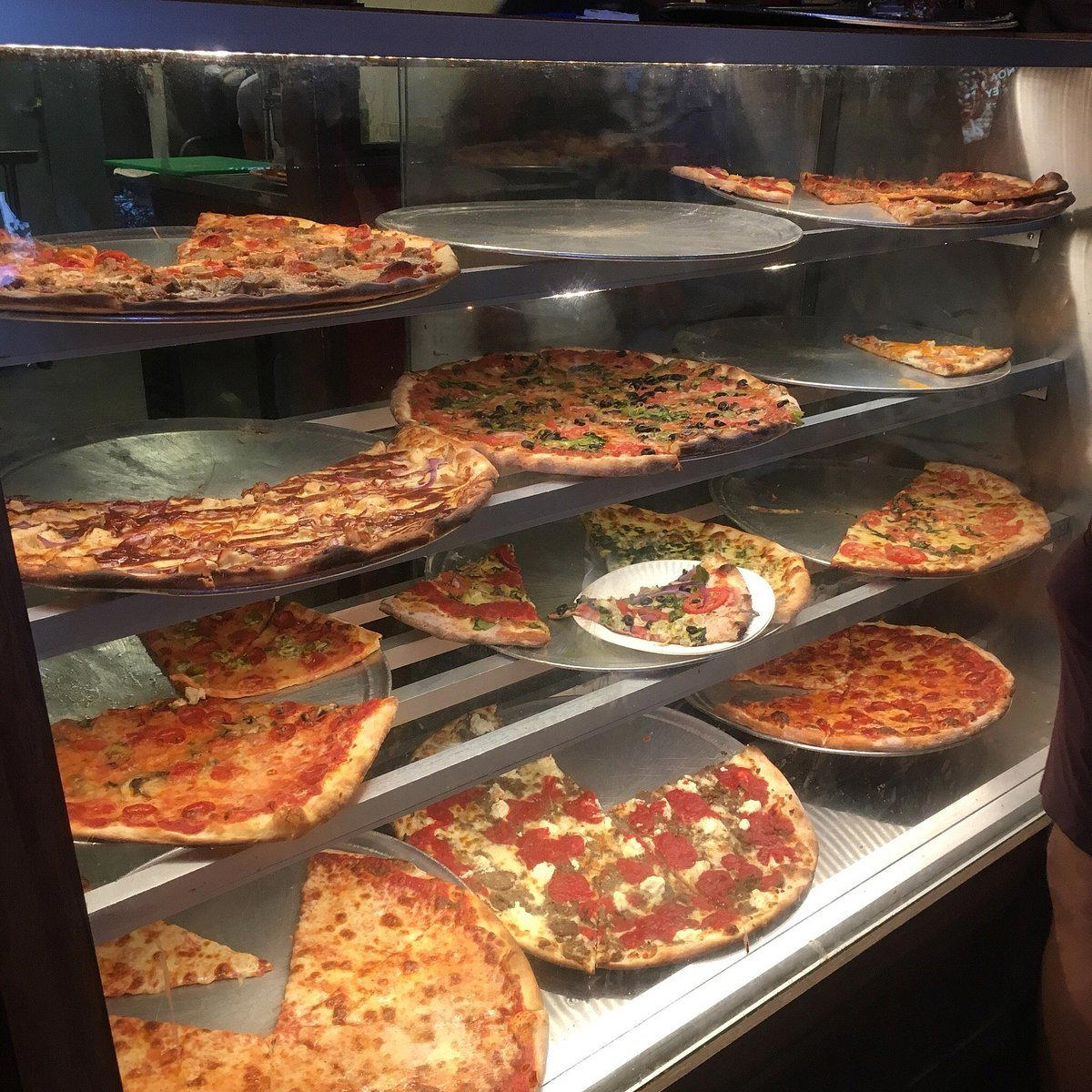
Golden Hill and the Case for Neighborhood Pizza
San Diego's dining conversation tends to cluster around the Gaslamp Quarter, Little Italy, and North Park, leaving the quieter residential grid of Golden Hill underrepresented in most editorial accounts. That gap matters, because neighborhoods like Golden Hill, older, denser, with a working-class history and a slow-building creative class, are exactly where the kind of low-ceremony, high-commitment pizza counter tends to take root. Pizzeria Luigi, on 25th Street, is a casual New York-Style Pizza restaurant in San Diego's Golden Hill neighborhood, with a Google rating of 4.6 and average pricing around $20 per person. It is not a destination restaurant in the way that Addison (French, Contemporary) or Soichi (Japanese) function, places that draw people across the city or from out of town specifically for a tasting experience. It is instead the kind of place that defines a neighborhood's daily rhythm, the standard against which locals measure their own block.
That distinction matters editorially. San Diego has developed a credible fine-dining tier, with counters and tasting rooms that now measure themselves against peers nationally. What the city has been slower to develop is a dense, reliable middle layer of category-specific specialists: places doing one thing with real discipline. Pizza, in particular, has been an area where the city's options have historically leaned either toward casual chains or toward novelty-driven gastropub pies. A direct neighborhood pizzeria, committed to the craft without theater, fills a different slot in the city's dining structure.
Italian-American Craft in a California Context
The broader American pizza conversation has spent the last fifteen years sorting itself into camps: Neapolitan purists with wood-fired ovens, New York slice traditionalists, Detroit-pan revivalists, and the California hybrid school that treats pizza as a vehicle for whatever the farmers' market produced this week. The most coherent operators in each camp tend to share a common trait: they import a specific technical tradition and apply it to whatever ingredients their immediate geography gives them access to.
California's ingredient calendar is, by most measures, the most favorable in the country for this kind of work. Year-round growing seasons in the Central Valley and coastal growing regions mean that the produce arriving at kitchens in San Diego in January is closer in quality to August peak-season produce in the Midwest than most outsiders expect. For a pizza kitchen, that means the gap between a good tomato and a great one, between a sauce that reads flat and one that reads alive, is navigable without importing everything. The intersection of imported Italian-American technique and California's indigenous produce supply is where Pizzeria Luigi operates, on 25th Street in a neighborhood that doesn't announce itself.
This is the same structural logic that applies at much higher price points elsewhere in the American dining system. Single Thread Farm in Healdsburg and Blue Hill at Stone Barns in Tarrytown have built national reputations on the same premise: an imported culinary framework applied to what grows nearby. The premise doesn't require a tasting menu format or a three-figure price point to be meaningful. A pizza kitchen that takes the same approach, disciplined technique, regional product, is working from the same intellectual foundation, at a fraction of the overhead.
Where Pizzeria Luigi Sits in San Diego's Dining Tier
San Diego's dining scene has matured considerably in the last decade. The city now has representation at the highest tier of American fine dining, with Addison holding Michelin recognition and Soichi drawing serious attention from the Japanese cuisine community nationally. The mid-tier has grown as well, with places like 1450 El Prado and 777 G St anchoring different parts of the city's food geography. And the legacy tier, places like 94th Aero Squadron, which operate as much on atmosphere and memory as on any current culinary ambition, remains part of how many San Diego residents relate to dining out.
Pizzeria Luigi doesn't slot neatly into any of those tiers. It belongs to a category that doesn't get enough editorial attention: the specialist neighborhood operator that isn't trying to compete upward in price or prestige, but is executing a specific format with enough care to make it a genuine local institution. Across the United States, the leading versions of this category, whether it's a ramen counter in Seattle, a taqueria in Houston, or a slice shop in Brooklyn, earn loyalty not through awards or press but through consistency and a clear sense of purpose.
The Wider Frame: Local Ingredients, Imported Method
The most coherent cooking in America right now tends to sit at the intersection of a specific technical tradition and a specific geography. That pattern holds across formats and price points. Le Bernardin in New York City applies classical French seafood technique to Atlantic product. Lazy Bear in San Francisco runs a collaborative tasting format grounded in Northern California's producers. Smyth in Chicago connects a Michelin-recognized kitchen to a farm in Vermont. Frasca Food & Wine in Boulder imports the Friulian dining sensibility to Colorado. Atomix in New York City reframes Korean culinary tradition through a fine-dining lens. Even at the most ambitious end of European cooking, Atelier Moessmer Norbert Niederkofler in Brunico builds a Michelin-starred program around Alpine ingredients and regional identity.
The point is not that Pizzeria Luigi belongs in that company by prestige. It is that the underlying logic, import a method, apply it to what grows here, is the same. Italian-American pizza technique, applied to California produce in a Golden Hill neighborhood setting, is a coherent and defensible culinary position. The format may be casual and the address residential, but the premise is serious. That seriousness is what separates the neighborhood specialists worth tracking from those that are simply convenient.
Across the country, the cities with the most coherent dining ecosystems, New York, Chicago, Los Angeles, San Francisco, are the ones where the specialist neighborhood operator class is as developed as the fine-dining tier. Emeril's in New Orleans, Providence in Los Angeles, and The Inn at Little Washington in Washington anchor their respective city's prestige end. But those cities' real dining depth comes from the layer beneath: the operators who have settled into a neighborhood, committed to a format, and built something durable. Pizzeria Luigi, at 1137 25th Street, is part of how that layer develops in San Diego.
Planning a Visit
Pizzeria Luigi is located at 1137 25th St in Golden Hill, a few blocks south of the neighborhood's main commercial strip on 25th. The address is residential in character, this is not a restaurant row situation, so arriving with a clear destination in mind is advisable. Pizzeria Luigi is open Mon to Thu and Sun from 11 AM to 11 PM, Fri and Sat from 11 AM to 12 AM. Golden Hill is accessible from downtown San Diego in under ten minutes by car, and the neighborhood is walkable from several adjacent residential areas including South Park and Barrio Logan.
Recognition Snapshot
Comparable venues nearby, for context on price, style, and recognition.
| Venue | Cuisine | Price | Awards | Notes |
|---|---|---|---|---|
| Pizzeria LuigiThis venue — the venue you are viewing | New York-Style Pizza | $$ | , | |
| Arrivederci | Authentic Italian Trattoria | $$ | , | Uptown |
| Farmer's Bottega | Farm-to-Table Italian | $$ | , | Uptown |
| Lorna's Italian Kitchen | Classic Homemade Italian | $$ | , | University |
| Civico 1845 | Southern Italian with Vegan Calabrian Specialties | $$ | , | Downtown |
| Tribute Pizza | Modern Wood-Fired Pizza | $$ | 1 recognition | North Park |
Continue exploring
More in San Diego
Restaurants in San Diego
Browse all →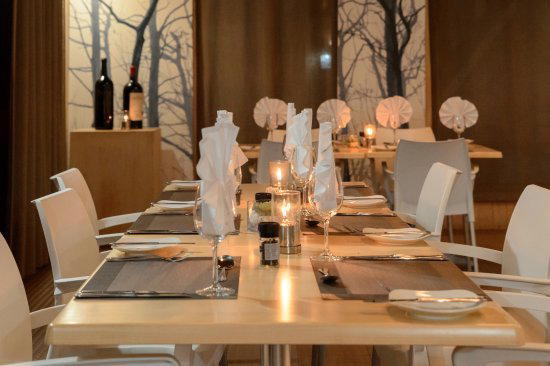
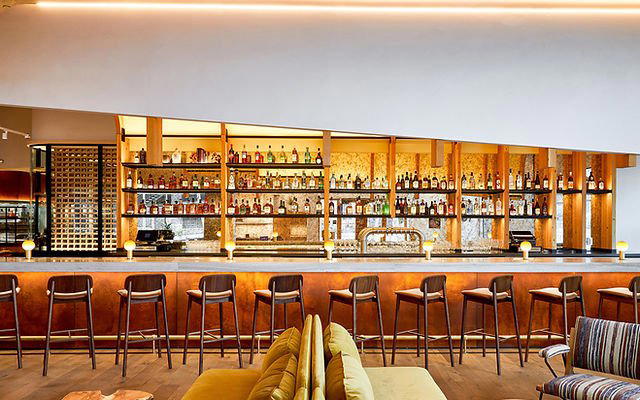
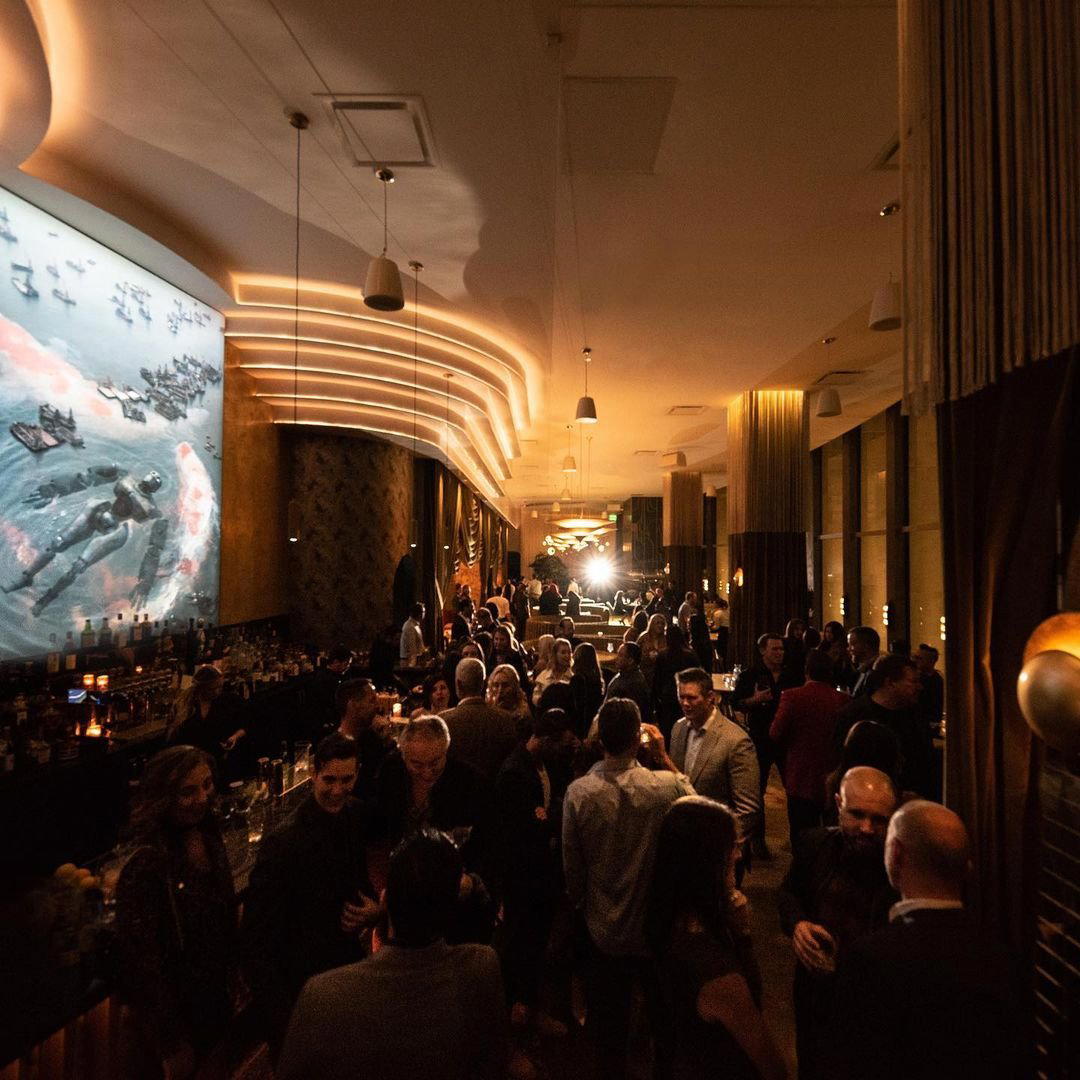
Bars in San Diego
Browse all →


At a Glance
- Cozy
- Rustic
- Hidden Gem
- Casual Hangout
- Family
- Late Night
- Standalone
- Skyline
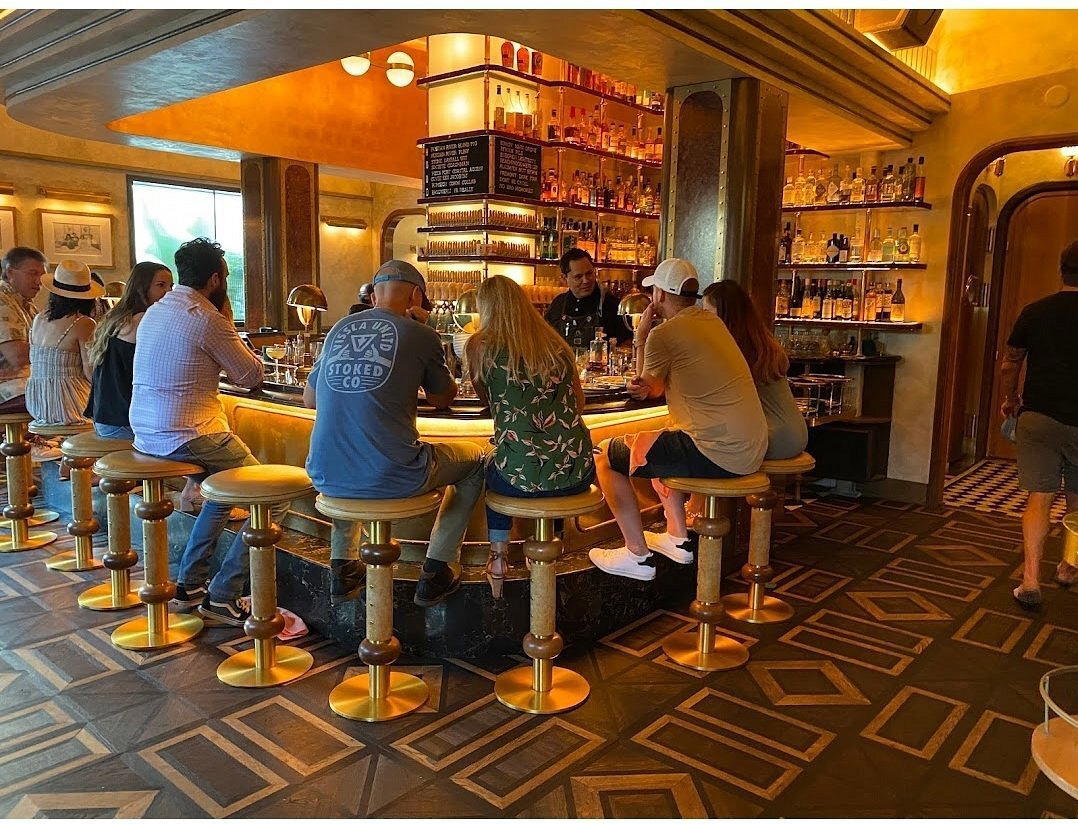
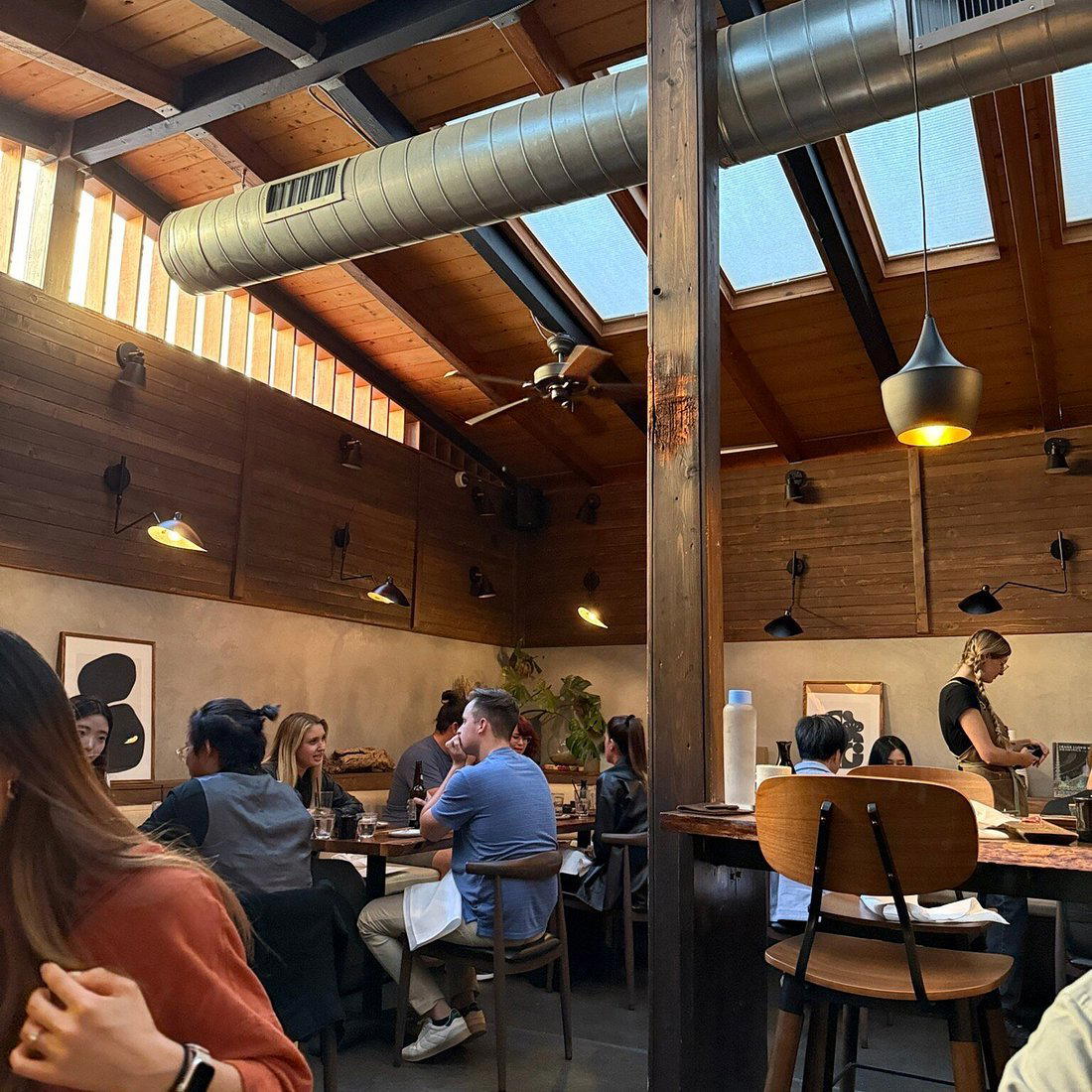
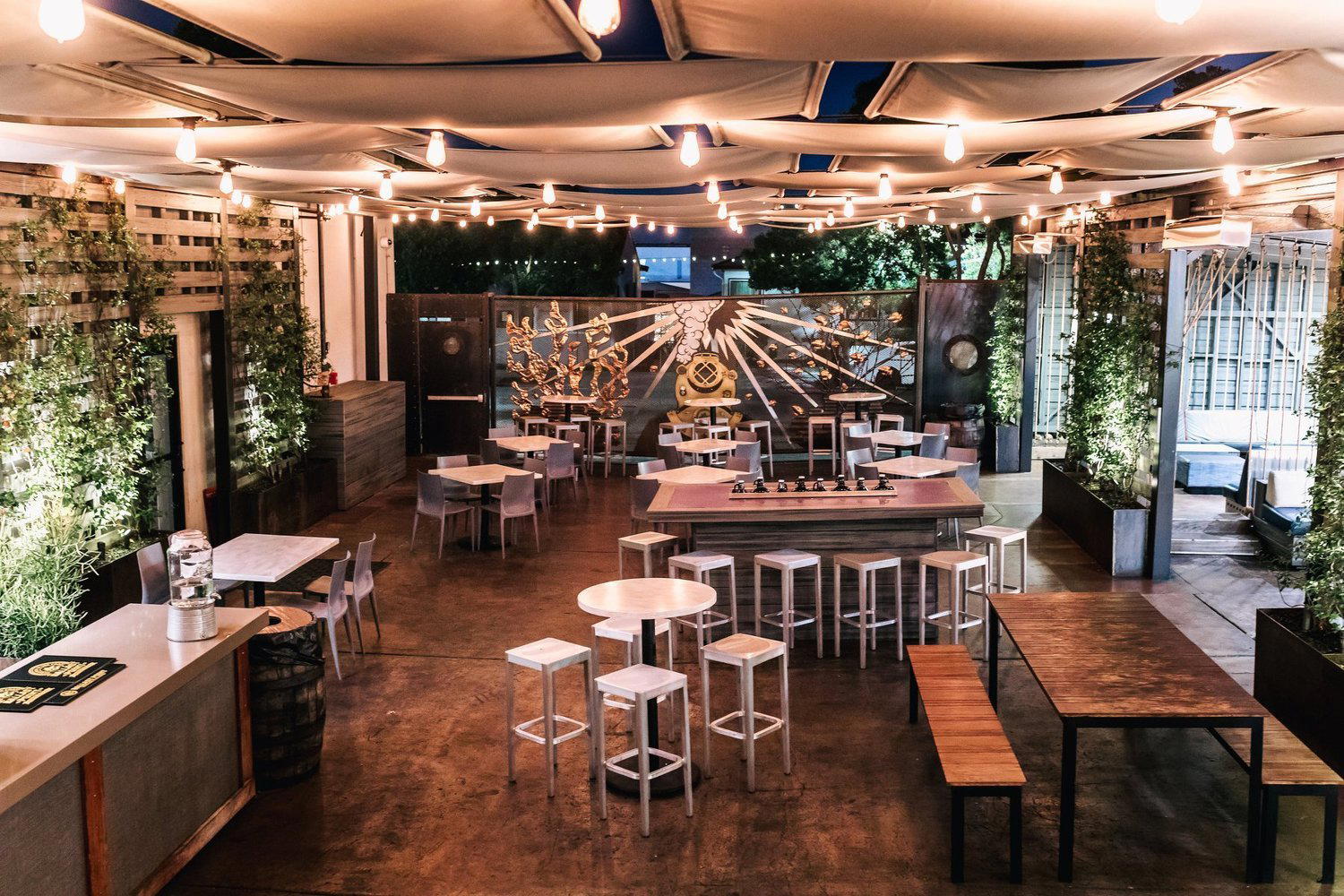
Divey, chill, and welcoming hole-in-the-wall atmosphere with fun kicked-back residential neighborhood feel.