La Piazzetta sits on Schlehenstraße in Eckental, a small Franconian town north of Nuremberg where the dining scene rewards those who look past the obvious. The name signals Italian roots in a region more commonly associated with Bavarian and Frankish cooking, placing it at an interesting crossroads of local tradition and Mediterranean sourcing sensibility.
Pearl is the En Primeur Club membership app — saves, bookings, and concierge access live there. Same editors, same standards.
- Address
- Schlehenstraße 24, 90542 Eckental, Germany
- Phone
- +499126266310
- Website
- lapiazzetta-feinkost.de
- Directions
- Get directions
 Saves & bookings on Pearl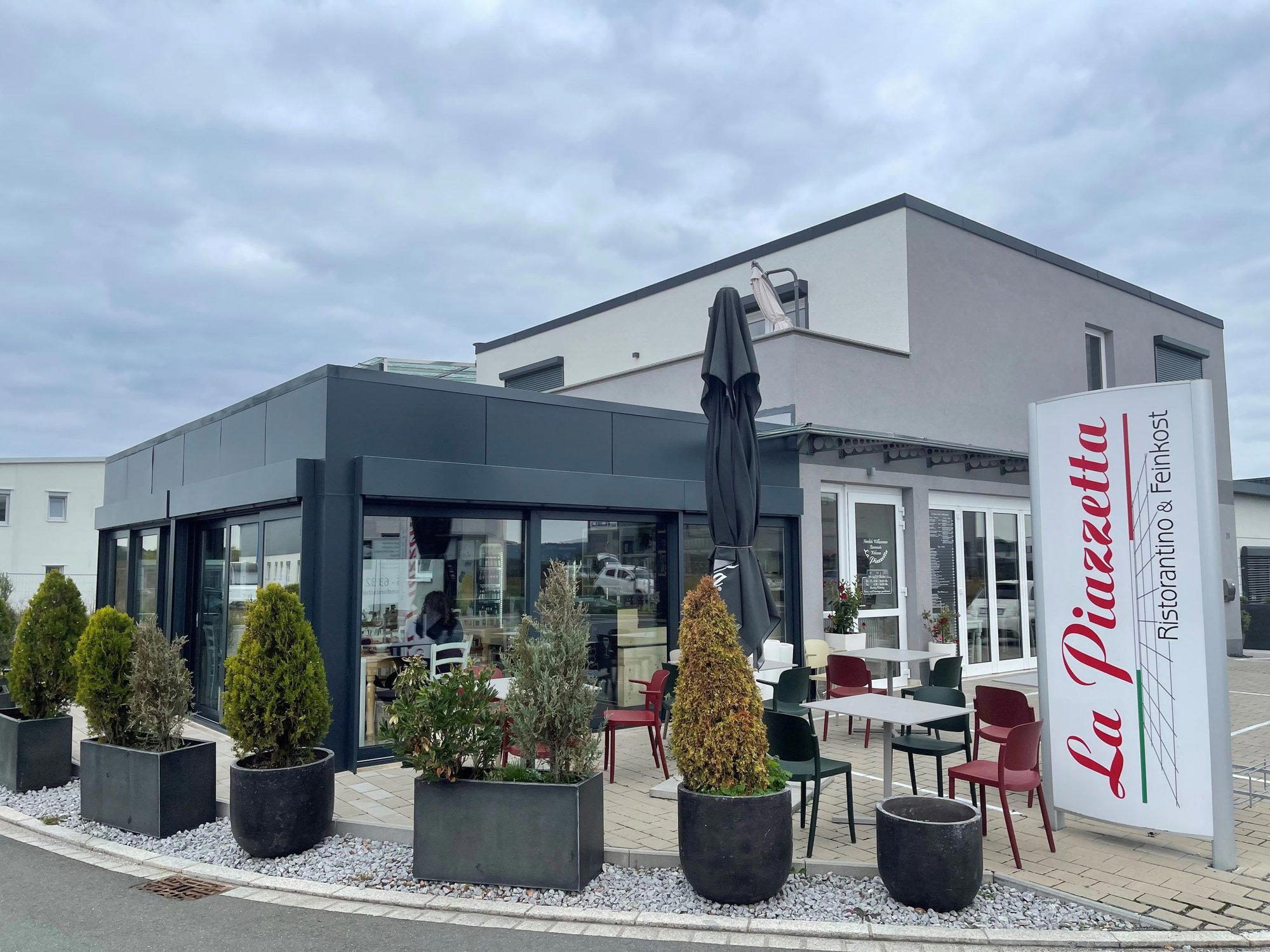
Where Franconian Ground Meets Italian Sourcing Logic
Eckental is not a dining destination in the way that Nuremberg, thirty minutes south, occasionally presents itself as one. It is a quiet residential municipality in the Middle Franconian district, the kind of place where restaurants survive on repeat local custom rather than tourist throughput. That context matters when reading La Piazzetta. An Italian-inflected restaurant in this setting is not competing with the dense urban trattoria market; it is operating as the kind of neighbourhood anchor that a small German town relies on, and the standards it must meet are set by regulars, not by passing reviewers.
The address on Schlehenstraße places La Piazzetta within the residential fabric of the town rather than on any commercial strip. Arriving here, the surrounding streets are residential and calm, the kind of approach that filters out the casual walk-in in favour of the deliberate visit.
Italian Cooking Outside Its Natural Habitat
Italian restaurants in provincial Germany occupy a specific cultural position. They arrived in force during the postwar decades, often run by families from southern Italy who shaped German popular taste around pasta, pizza, and tiramisu long before fine dining entered the conversation. Over time, the category split: the red-checked tablecloth trattoria on one end, and a smaller tier of more serious Italian cooking on the other, where sourcing, seasonal rhythm, and regional Italian identity began to matter.
La Piazzetta, with its Italian name and Eckental address, sits within that broader tradition. The name itself, meaning a small square or piazza, signals an intention toward the convivial and accessible rather than the formal. Italian neighbourhood dining at its most functional is organised around the piazza as social space, and that register tends to translate into a dining room that prioritises comfort and familiarity over ceremony. In a German small-town context, that register often travels well.
The sourcing question is the one that separates Italian restaurants operating at a serious level from those coasting on category recognition. Italian cooking, more than most European traditions, derives its authority from where ingredients originate: the DOP-designated olive oils, the specific regional cheeses, the cured meats tied to particular valleys and microclimates. Restaurants in Germany that take this seriously must either maintain import relationships with Italian producers or make deliberate substitutions using German equivalents with comparable provenance integrity. Either approach, when executed with consistency, produces a different result than simply using generic commercial ingredients dressed in Italian names.
For comparison, consider how Italian-influenced sourcing logic has shaped some of Germany's most discussed kitchens. Aqua in Wolfsburg operates with Italian and Japanese influences at the summit of the German fine dining tier, where provenance documentation is part of the menu conversation. JAN in Munich brings a Mediterranean sourcing sensibility to a Bavarian urban context. Neither represents the neighbourhood trattoria model, but they illustrate how Italian culinary references translate across different formats and price tiers within Germany.
The Franconian Setting and What It Demands
Franconia has its own strong food identity: Schäufele, braised pork dishes, local carp from the pond farms around the region, and a wine culture built around Silvaner and Müller-Thurgau from the nearby Steigerwald and further afield in the Franconian wine region proper. An Italian restaurant operating here is in dialogue with that local identity whether it intends to be or not. One coherent version of this conversation involves acknowledging local Franconian produce while maintaining Italian structural logic in the cooking: using regional vegetables, local fish or meat, within Italian frameworks rather than importing the entire supply chain.
This is the sourcing angle that gives a neighbourhood Italian restaurant in provincial Germany its most defensible identity. It is a model that has worked for other European traditions transplanted to new geographies. Schwarzwaldstube in Baiersbronn built a French fine dining case on Black Forest context. ES:SENZ in Grassau draws on Bavarian alpine sourcing in a contemporary format. The principle of rooting a foreign culinary tradition in local ingredient reality is not a compromise; it is often what gives a restaurant its clearest point of distinction.
Understanding the Wider German Fine Dining Context
Germany's serious restaurant scene operates at multiple scales simultaneously. At the leading end, tables like Vendôme in Bergisch Gladbach, Victor's Fine Dining by Christian Bau in Perl, and Waldhotel Sonnora in Dreis compete at the level of international fine dining benchmarks. Further down the tier, creative formats like CODA Dessert Dining in Berlin and Restaurant Haerlin in Hamburg anchor major city markets. Then there is the broad middle and neighbourhood tier, where most Germans actually eat most of the time, and where Italian cooking in particular has embedded itself across decades. The restaurant operates in that last category, in one of the quieter corners of the Franconian map.
For reference across Franconia and Bavaria specifically, AUGUST in Augsburg and AURA by Alexander Herrmann and Tobias Bätz in Wirsberg represent the regional high end in the broader area. Internationally, the sourcing-led ethos in fine dining finds its clearest expression at places like Le Bernardin in New York City and Atomix in New York City, where ingredient origin is embedded in the menu narrative itself.
Planning Your Visit
The restaurant is located at Schlehenstraße 24, 90542 Eckental. The town is accessible from Nuremberg by regional rail or road, making it a practical evening option for visitors based in the city. Given the residential setting and local character of the restaurant, it functions primarily as a neighbourhood destination; those coming from further afield should verify current hours and availability before travelling, as precise booking details are not publicly consolidated at this time. The venue's format and price positioning are consistent with the neighbourhood Italian category in provincial Germany, which generally sits at a moderate price point.
A Quick Peer Check
Comparable venues nearby, for context on price, style, and recognition.
| Venue | Cuisine | Price | Notes |
|---|---|---|---|
| La PiazzettaThis venue — the venue you are viewing | Italian Ristorantino & Feinkost | $$ | Not listed |
| Vulcani Del Sud Erlangen | Southern Italian | $$ | Eltersdorf |
| Emporio Italiano | Authentic Italian Trattoria | $$ | Neuhausen |
| BONO | Italian | $$ | Schwabing |
| Trattoria Seitz | Classic Italian Trattoria | $$ | Lehel |
| Vino e Gusto | Modern Italian Enoteca | $$ | Lehel |
At a Glance
- Classic
- Cozy
- Family
- Casual Hangout
Current opening hours
- Monday
- Closed
- Tuesday
- 9:30 AM–7 PM
- Wednesday
- 9:30 AM–7 PM
- Thursday
- 9:30 AM–7 PM
- Friday
- 9:30 AM–7 PM
- Saturday
- 9:30 AM–4 PM
- Sunday
- Closed
Hours can change for holidays and private events. Last verified .
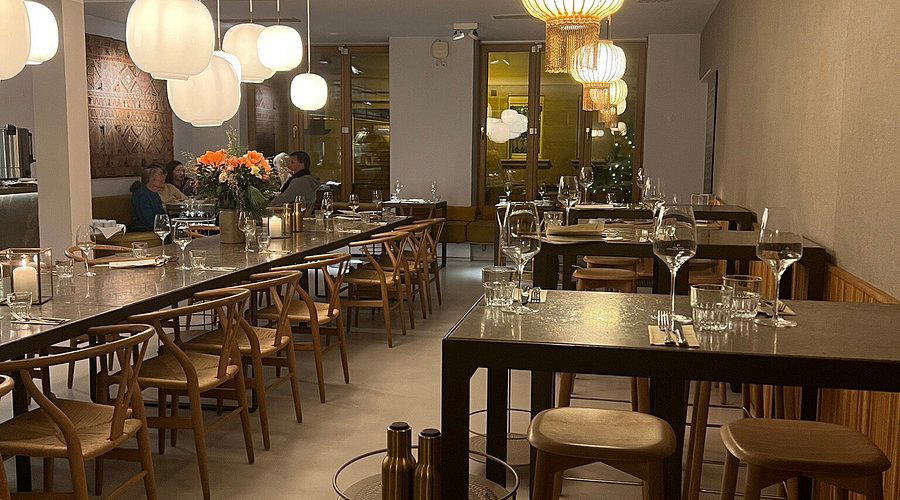
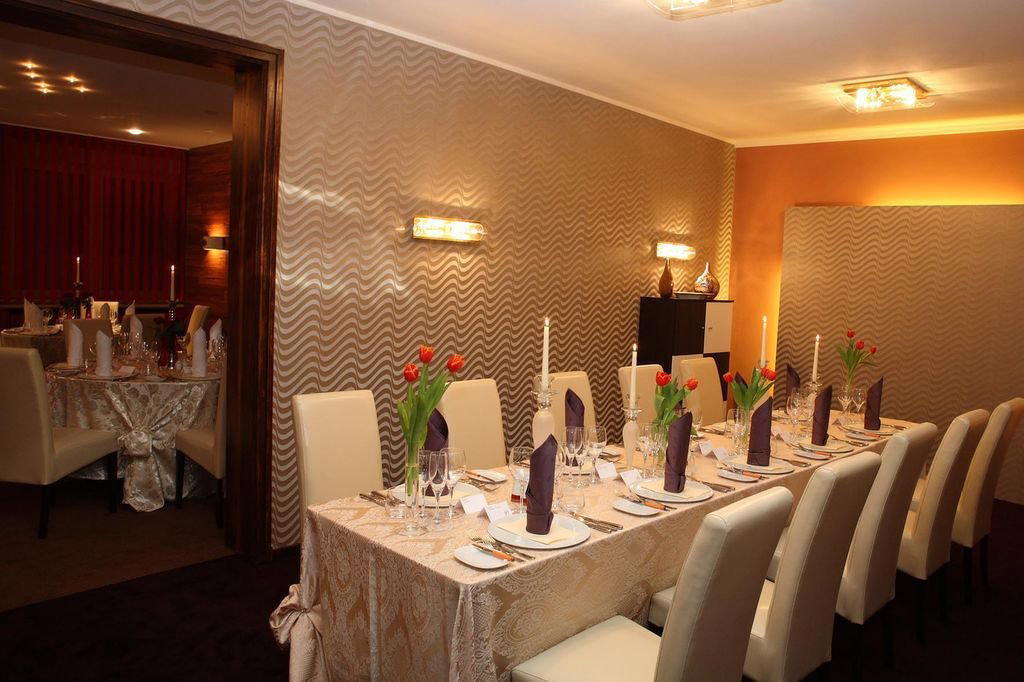
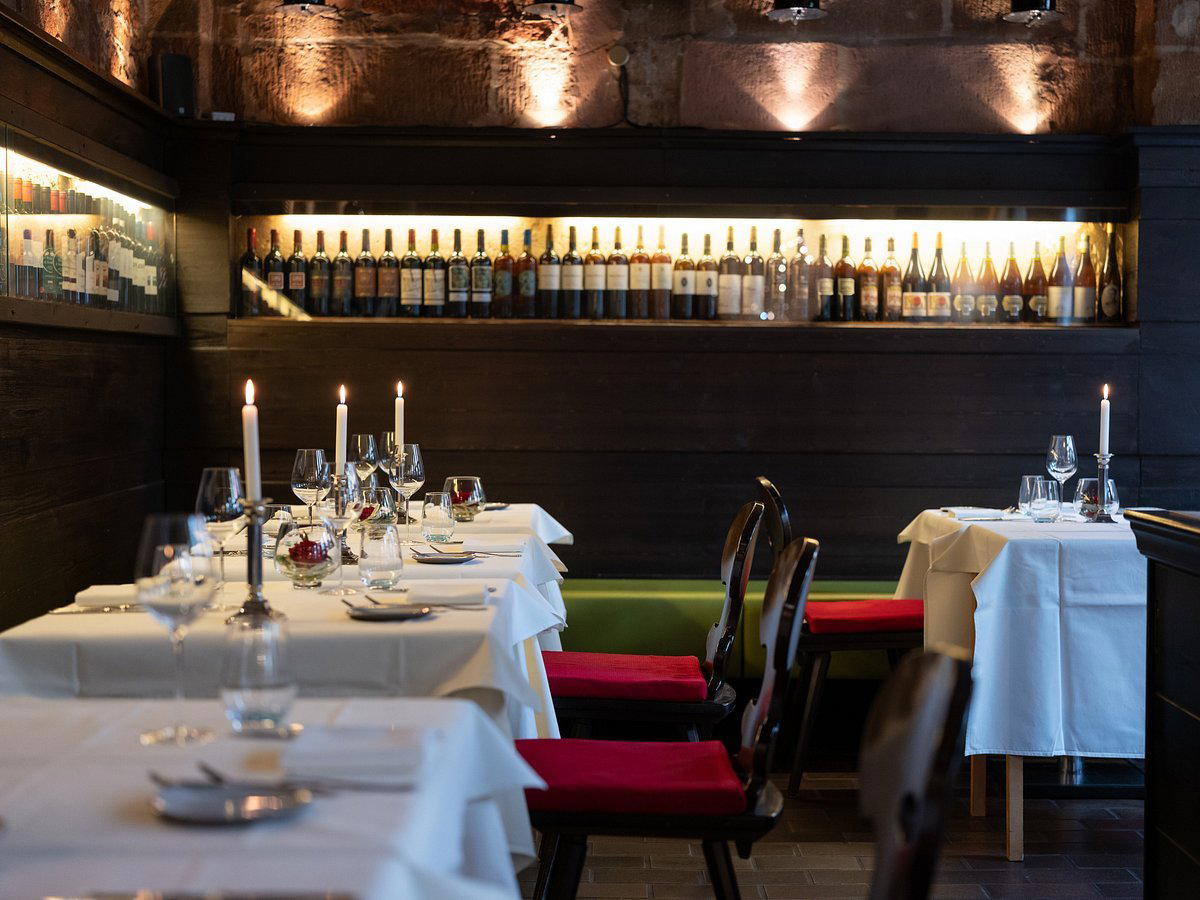
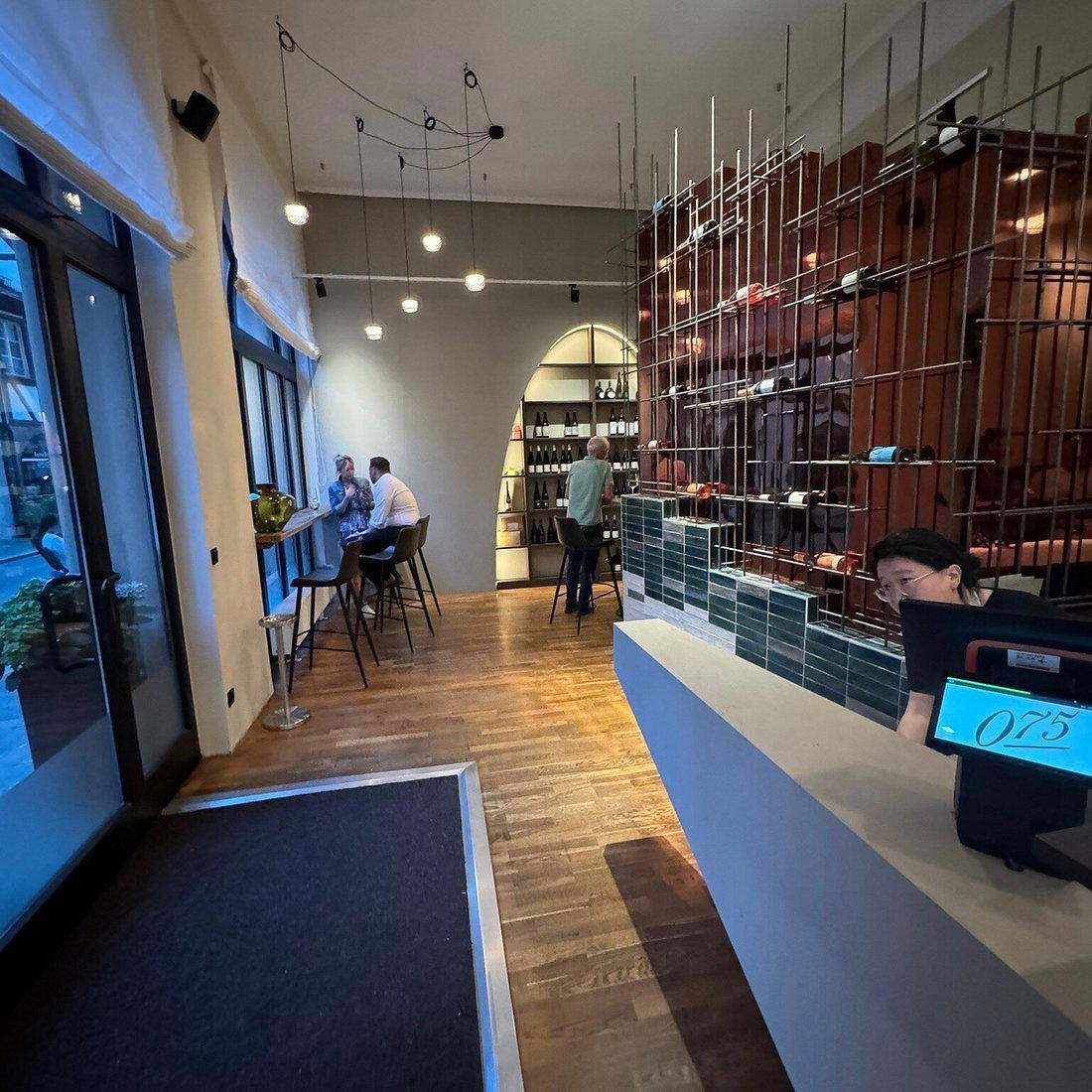
Welcoming neighborhood spot with classic Italian charm, good wine selection, and friendly owners creating a cozy dolce vita atmosphere.