La Petite Maison

La Petite Maison brings a Provençal lens to Miami dining, placing Riviera ingredients and French-Mediterranean habits in a city better known for Latin, Caribbean, and high-gloss coastal rooms. The useful frame is not formality for its own sake, but provenance: olive oil, tomatoes, herbs, seafood, and the restraint that defines cooking from Nice to the Côte d’Azur.

Pearl is the En Primeur Club membership app — saves, bookings, and concierge access live there. Same editors, same standards.
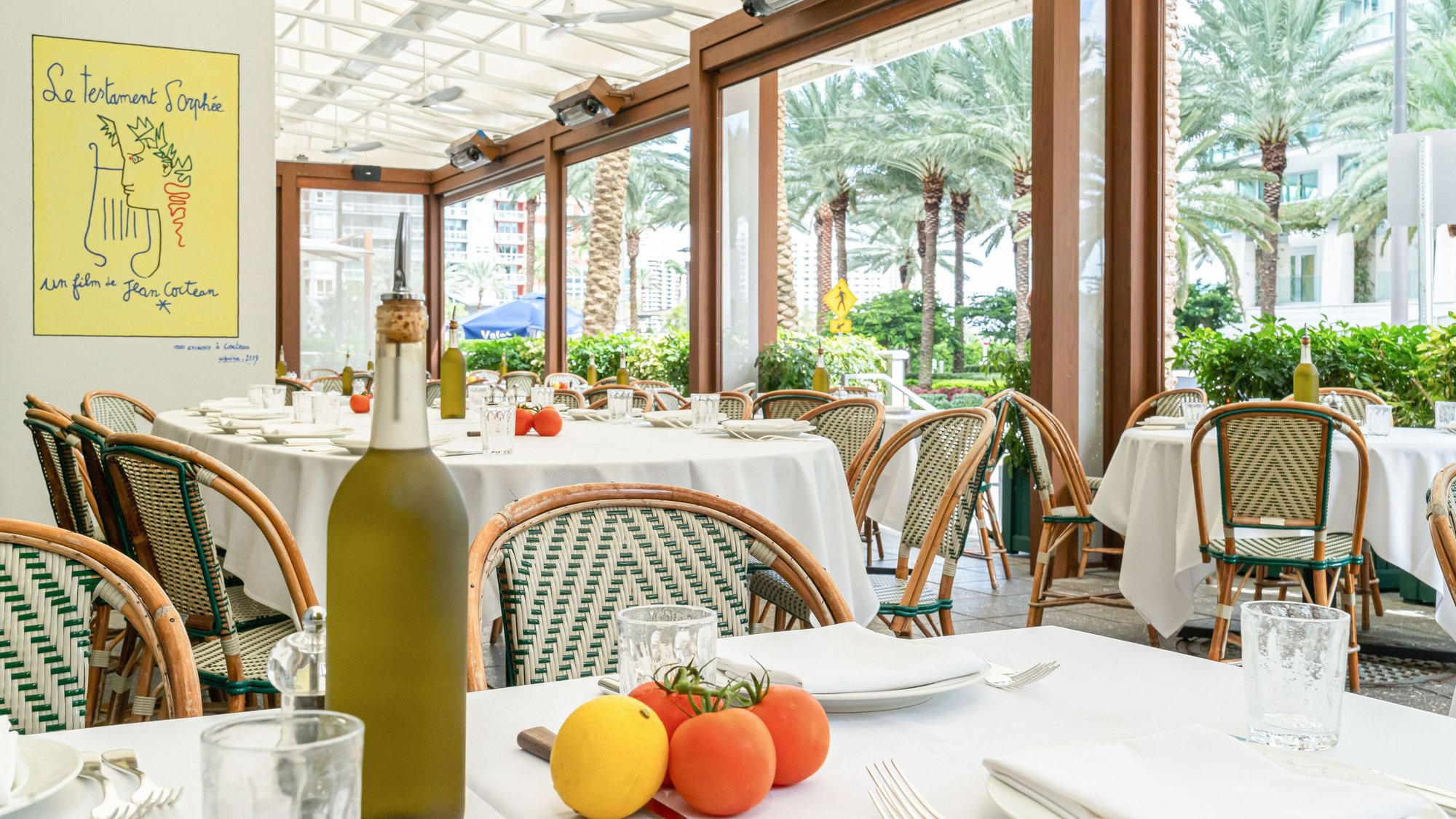
Miami dining often announces itself before the first plate: valet lights, polished rooms, music drifting across hotel lobbies and street corners, the social theatre of a city that rarely treats dinner as a quiet transaction. In that context, La Petite Maison reads through a different Mediterranean code. Provençal cooking is built less on spectacle than on sun, salt, oil, herbs, tomatoes, and the disciplined use of seafood and vegetables. The room matters, but the deeper story is regional identity: how a Riviera grammar lands in a city whose own palate is shaped by heat, citrus, late nights, and coastal appetite.
That makes the address more interesting than a simple French restaurant label suggests. Miami has plenty of European references, from Italian rooms and Spanish counters to steakhouse glamour and pan-Asian hybrids, but Provençal cuisine occupies a narrower lane. It is neither Parisian grand dining nor bistro nostalgia. It belongs to the south: Niçoise habits, market vegetables, olive oil as structure rather than garnish, fish and shellfish treated with relative clarity, and herbs that carry the plate without burying it. The question is how much of that regional logic survives inside a city that likes scale and sheen.
Provençal cooking in Miami works when restraint beats theatre
The strongest case for La Petite Maison is the specificity of its culinary reference point. Provence is often misread as generic Mediterranean comfort, but the tradition has its own boundaries: garlic used with purpose, tomatoes that carry acidity, artichokes and courgettes when the season allows, anchovy and olive for salinity, and seafood that depends on freshness rather than elaborate saucing. In Miami, where coastal dining can lean either tropical or maximalist, that restraint gives the cuisine a sharper identity.
Chef Allan Esterhuizen is the named kitchen lead, but the useful editorial point is broader than biography. A Provençal kitchen in Miami has to translate terroir across an ocean. The ingredients may not come from the same markets as Nice, yet the cooking still depends on the same hierarchy: vegetables first, seafood treated cleanly, olive oil as a primary flavor, and plates that make sense in warm weather. When that balance holds, the experience feels aligned with both the French Riviera and South Florida’s climate rather than imported intact for effect.
For readers mapping the city by cuisine rather than neighborhood alone, this sits apart from the casual European spectrum represented by 100 Montaditos, the Italian comfort register at O Munaciello Coral Way, the slice-and-counter culture of 11th Street Pizza (Pizzeria), and the meat-driven Argentine format at 1986 Steak House (Argentine steakhouse). Those links sketch how broad Miami’s European and Latin-Atlantic dining range has become; Provençal cooking occupies a quieter, more ingredient-led corner of that map.
The Riviera reference point is about provenance, not nostalgia
Provence travels well only when the cooking resists costume. A Riviera dining room outside France can easily reduce the region to blue-and-white signals and holiday shorthand. The better reading is agricultural and maritime: the land supplies herbs, olive oil, vegetables, and stone fruit; the coast supplies fish and shellfish; the table favors sharing without turning loose or careless. That framework suits Miami because the city understands outdoor appetite and seafood, but it also challenges Miami’s tendency toward oversize gestures.
La Petite Maison’s relevance, then, lies in how it positions French-Mediterranean dining within a city crowded with louder formats. The absence of a tasting-menu frame matters. Provençal food is not naturally built for procession; it is built for assembling a table around produce, fish, bright acidity, and wine-friendly pacing. That makes it a better fit for guests who want a composed dinner without the pressure of a long culinary itinerary.
Miami travelers planning around food should treat this as one stop in a wider city pattern rather than a standalone trophy booking. The broader restaurant field is covered in Our full Miami restaurants guide, while the surrounding trip architecture sits in Our full Miami hotels guide, Our full Miami bars guide, Our full Miami wineries guide, and Our full Miami experiences guide. Used that way, the restaurant becomes part of a city itinerary built around contrast: Riviera discipline one night, Miami’s looser multicultural rhythm the next.
How to read the table: coastal, social, and ingredient-led
The right expectation is a polished Provençal meal rather than experimental French cooking. That distinction matters. Diners looking for technical surprise may be better served by a different format; diners interested in Riviera flavors, produce-led plates, and a social table will understand the appeal faster. The cuisine rewards ordering across categories rather than chasing a single defining dish, especially because Provençal meals often make sense through accumulation: oil, herbs, vegetables, seafood, bread, and wine moving together.
For broader context outside Miami, EP Club’s restaurant archive shows how regional identity changes across markets: Japanese drinking food at Jōdo Saké Bar in Los Angeles, rice-focused casual dining at Onigiri Time in Pasadena, Mexican regional comfort at ¿Por Qué No? in Portland, plant-led Hawaiian cooking at 'Ai Love Nalo in Waimanalo Beach, island-Californian cooking at 'āina in San Francisco, coastal resort dining at 'Ama 'Ama in Kapolei, and Provençal reference points in France such as Alain Llorca, Provençal in La Colle-sur-Loup and Allegria!, Provençal in Paradou. That wider lens clarifies the Miami case: regional cooking is strongest when it keeps its native logic while adapting to local appetite.
The editorial verdict is simple: the restaurant is for diners who want Miami polish filtered through the south of France, with ingredient provenance and coastal ease carrying more weight than culinary theatrics. It makes sense for a dinner built around conversation, shared plates, and a Riviera register that suits the city’s climate without surrendering to its louder habits.
Comparable venues nearby, for context on price, style, and recognition.
| Venue | Cuisine | Price | Notes |
|---|---|---|---|
| La Petite MaisonThis venue — the venue you are viewing | French Mediterranean & Niçoise Fine Dining | $$$$ | Not listed |
| La Mar Miami by Gastón Acurio | Authentic Peruvian Cevicheria | $$$$ | Brickell Key |
| Pastis | Classic French Bistro | $$$ | Miami Fashion District |
| Gekko | Japanese-Inspired Steakhouse | $$$$ | Miami Riverwalk |
| Il Gabbiano | Classic Italian Fine Dining | $$$$ | Port of Miami |
| Zoko Collective | Argentine Asado Grill | $$$$ | Wynwood |
Recognition history
Dated appearances from independent guides and award organizations, with the underlying list record or original source where available.
Opinionated About Dining Top Restaurants in North America Recommended
Opinionated About Dining

At a Glance
- Elegant
- Lively
- Romantic
- Sophisticated
- Trendy
- Date Night
- Business Dinner
- Celebration
- Special Occasion
- After Work
- Group Dining
- Terrace
- Private Dining
- Design Destination
- Standalone
- Craft Cocktails
- Extensive Wine List
- Street Scene
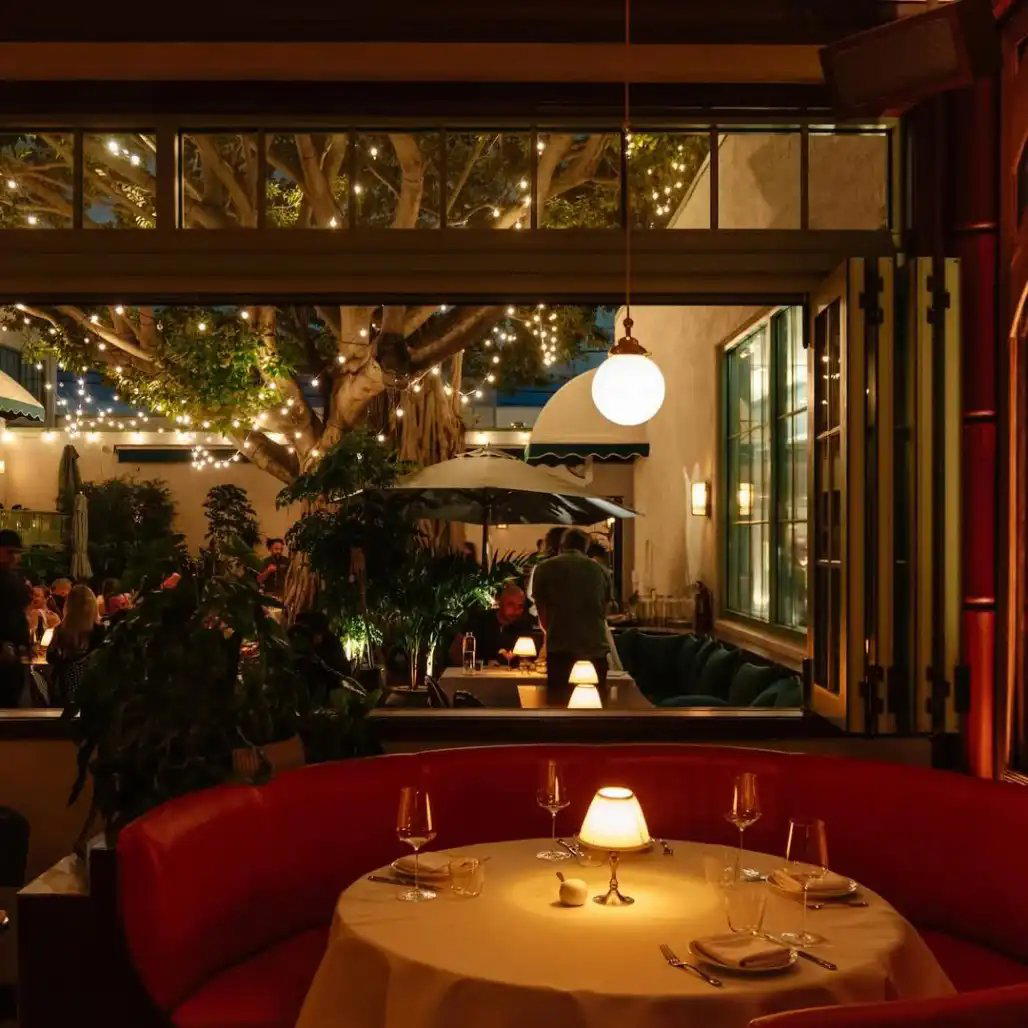
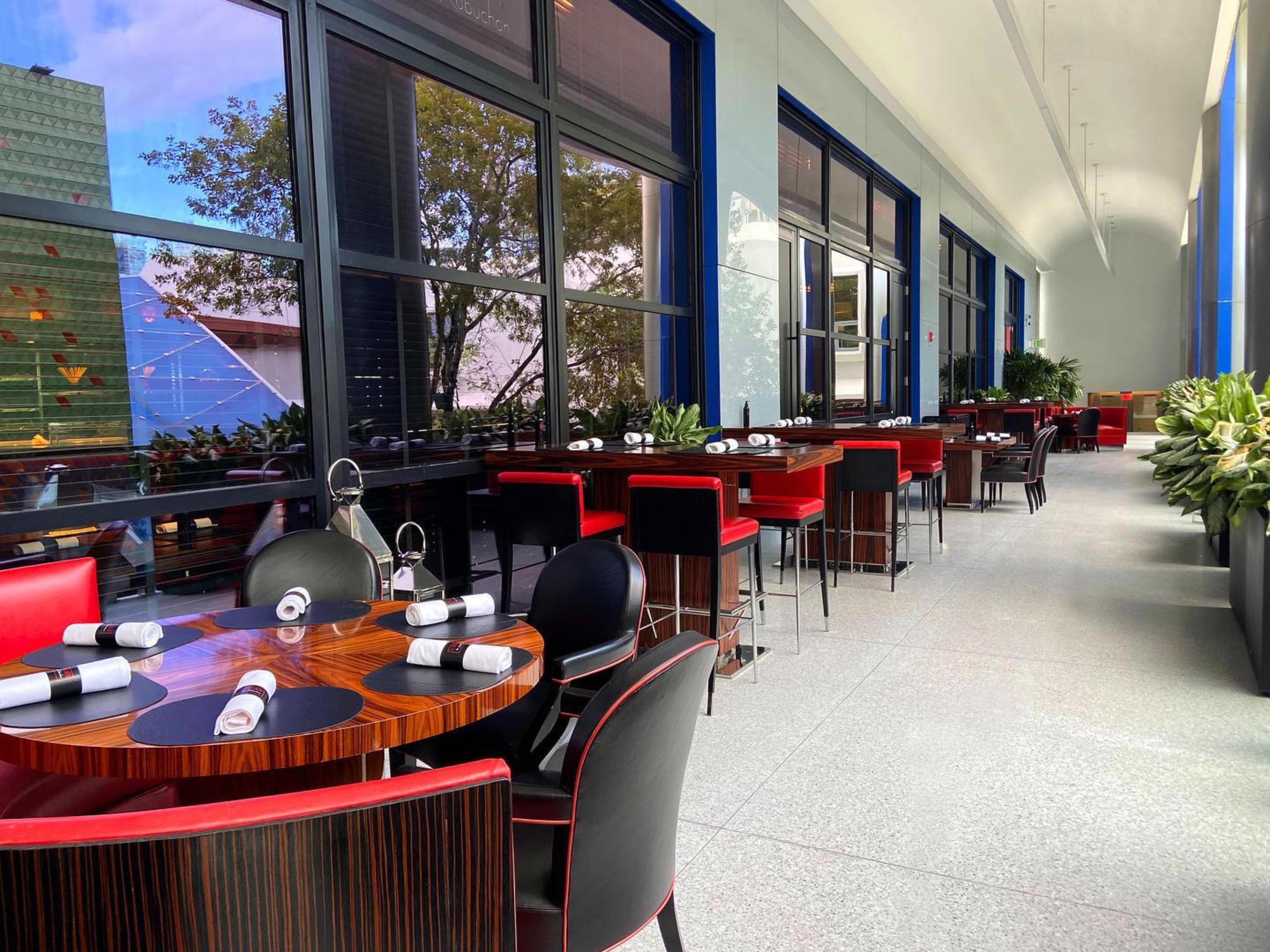
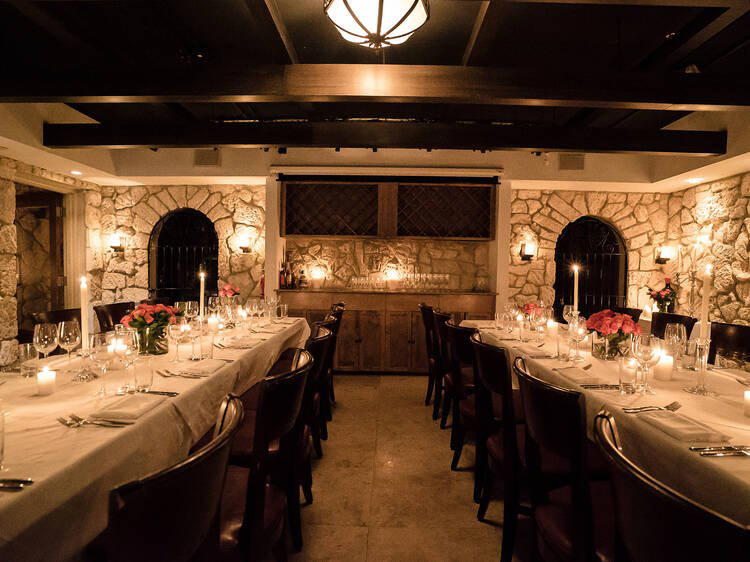
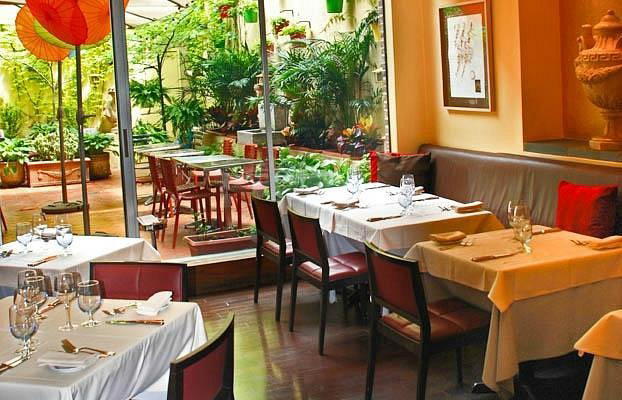
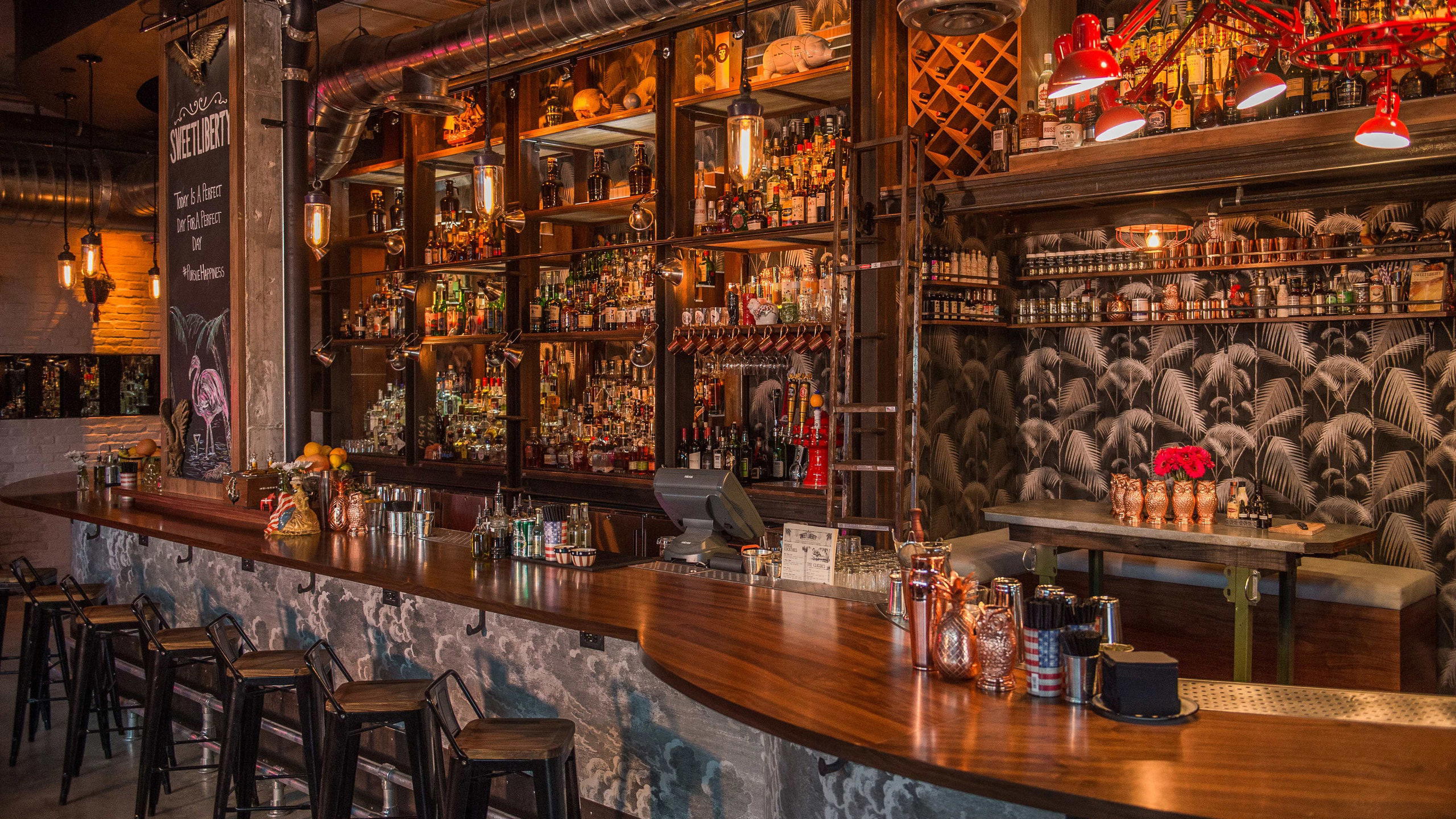
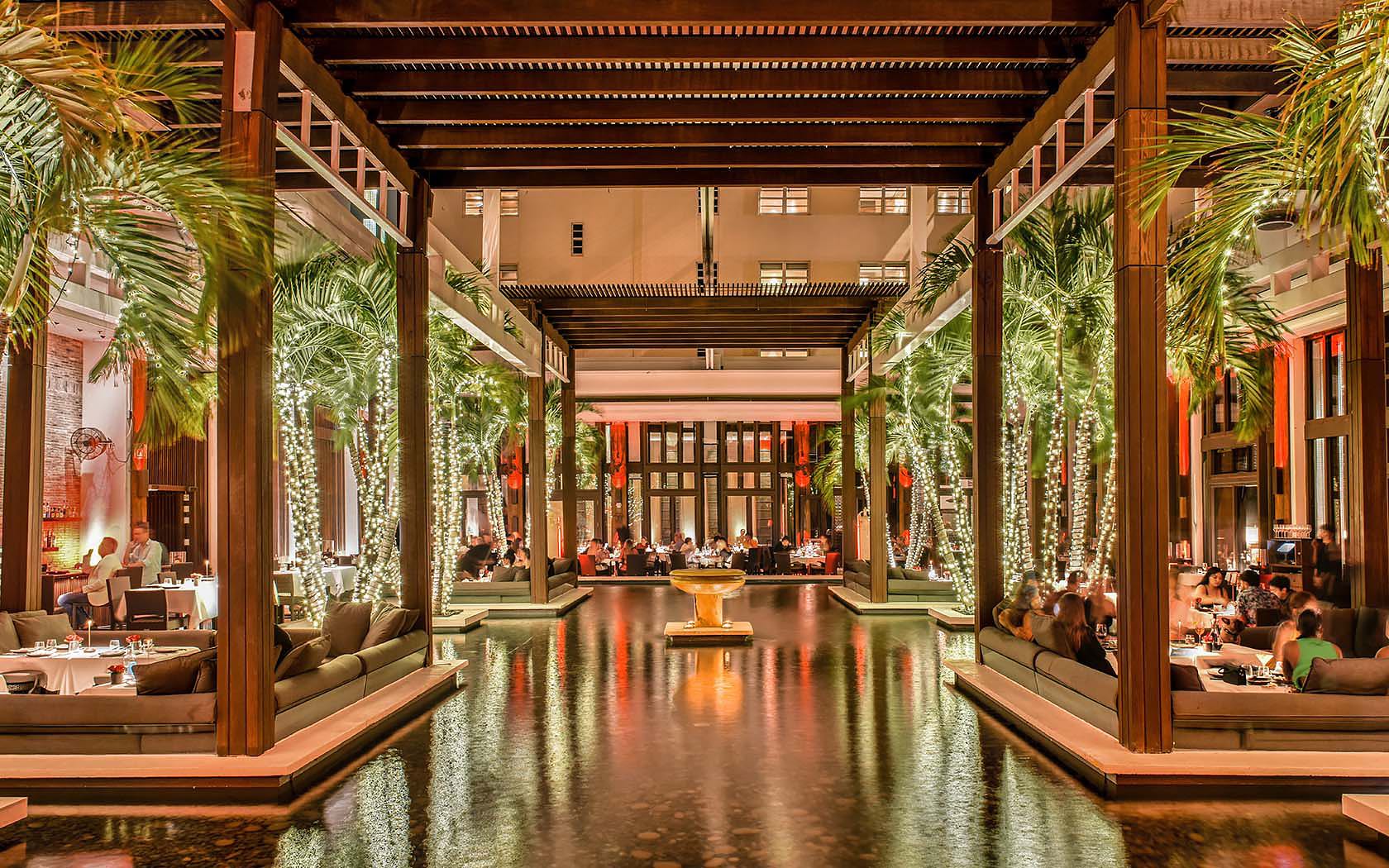
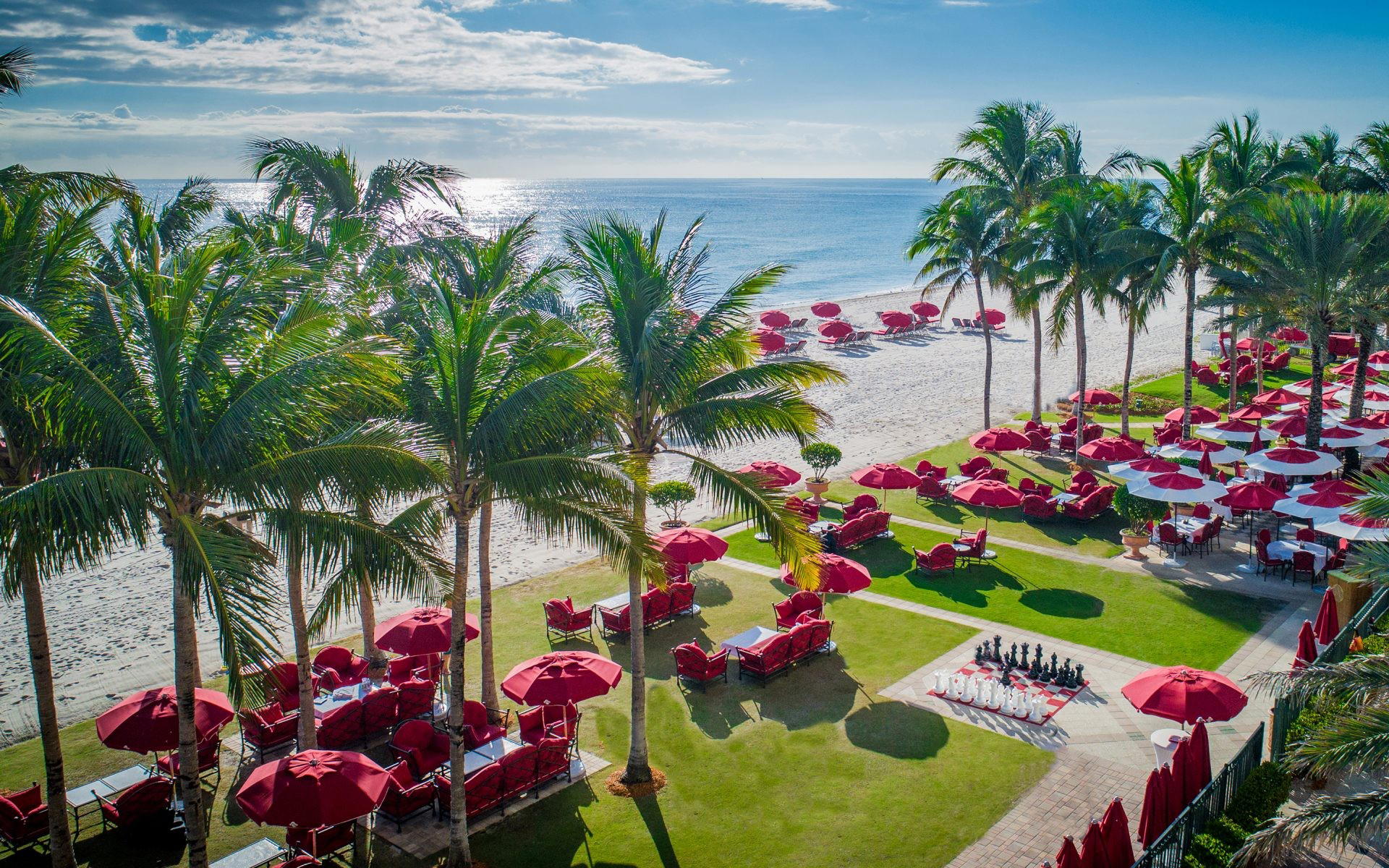
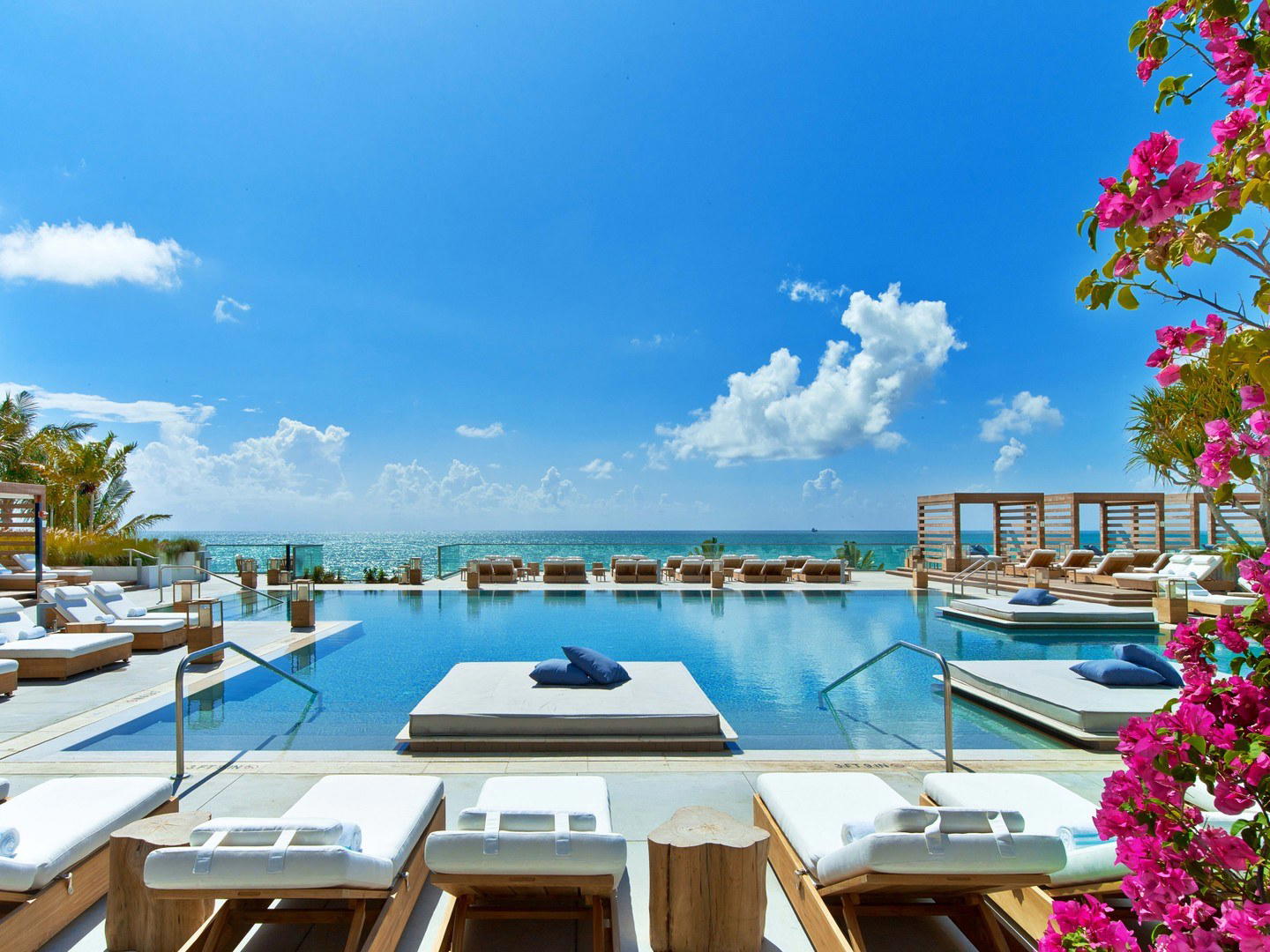
A lively, upscale room with white shutters, art-covered walls, and warm lighting that creates a romantic, Belle Époque Côte d’Azur feel, complemented by a lively bar and shaded terrace for an effortlessly elegant French Riviera atmosphere.