La Mar Miami by Gastón Acurio
Our verdict
La Mar Miami by Gastón Acurio brings the Lima-born ceviche bar tradition to Brickell Key, translating Peru's coastal cooking canon into a waterfront setting on Biscayne Bay. The format follows the same logic as Acurio's flagship Lima location: a broad menu anchored by ceviches, tiraditos, and anticuchos, pitched at a crowd that treats Peruvian as a serious dining category rather than a novelty. For Miami's Brickell dining circuit, it occupies a clear position in the upper-casual tier.
The menu
What to order
- Fideos machos
- Cebiche sampler
- Lomo saltado
- Plancha anticuchera
Water, Light, and the Architecture of the Peruvian Table
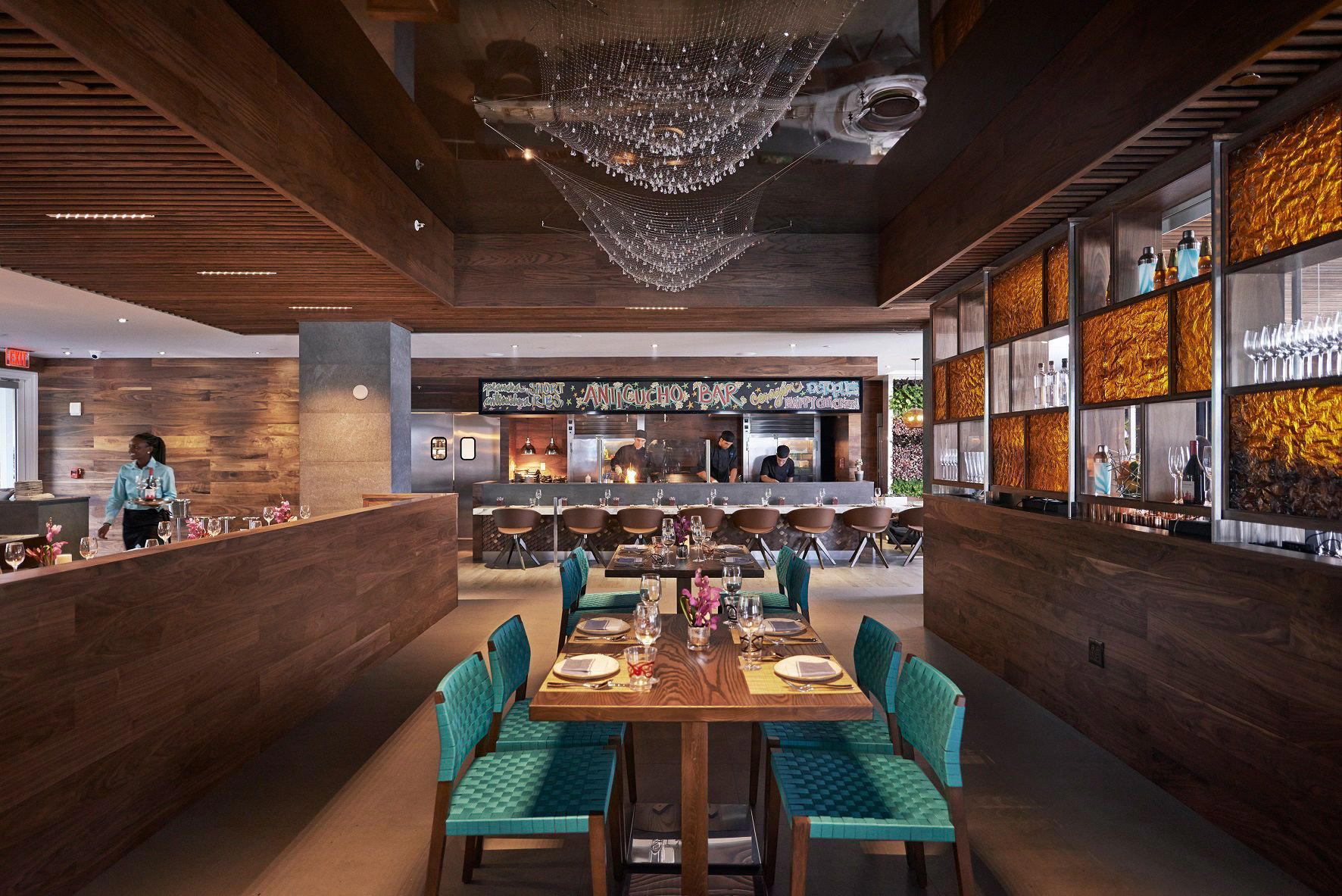
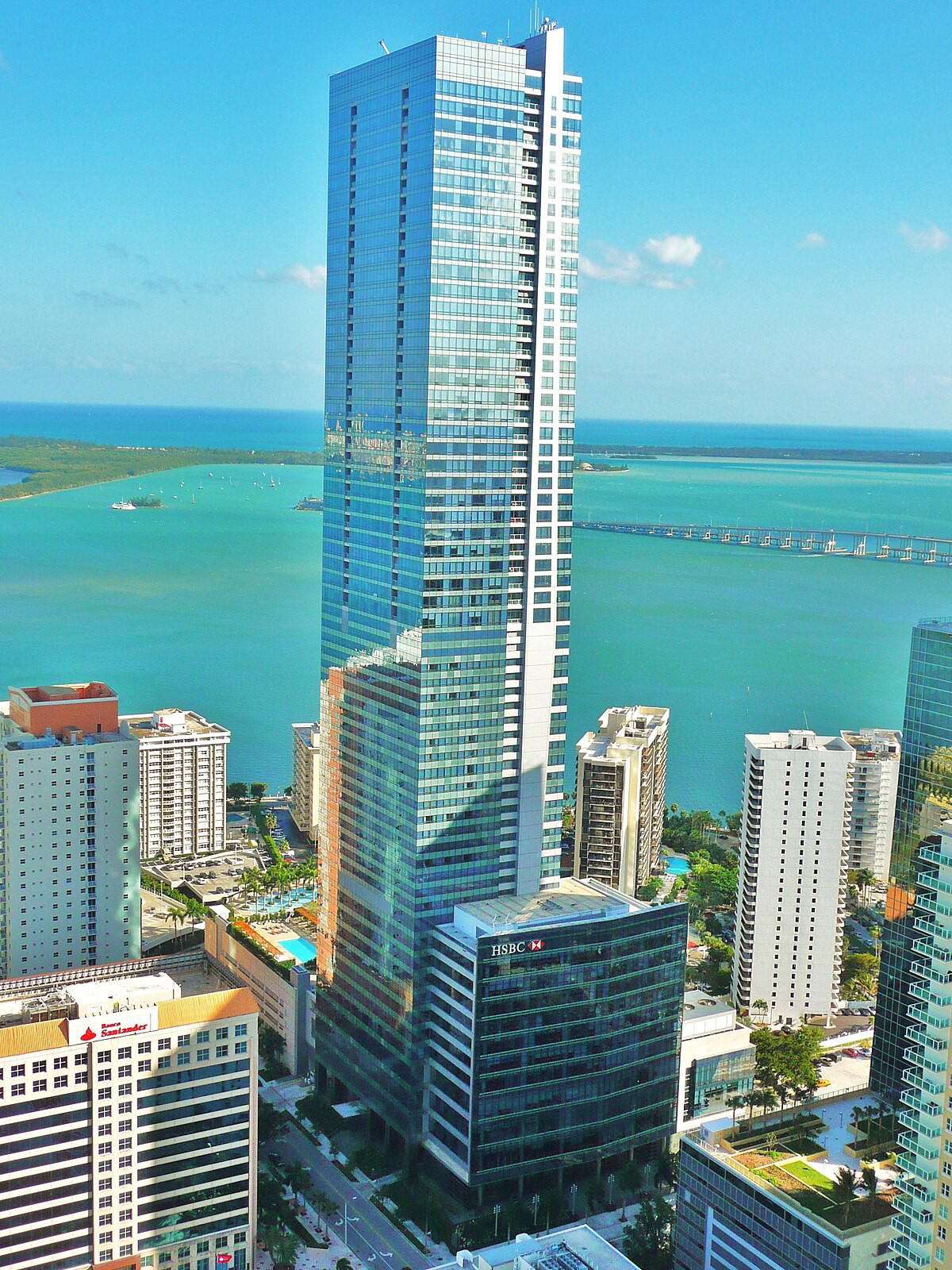
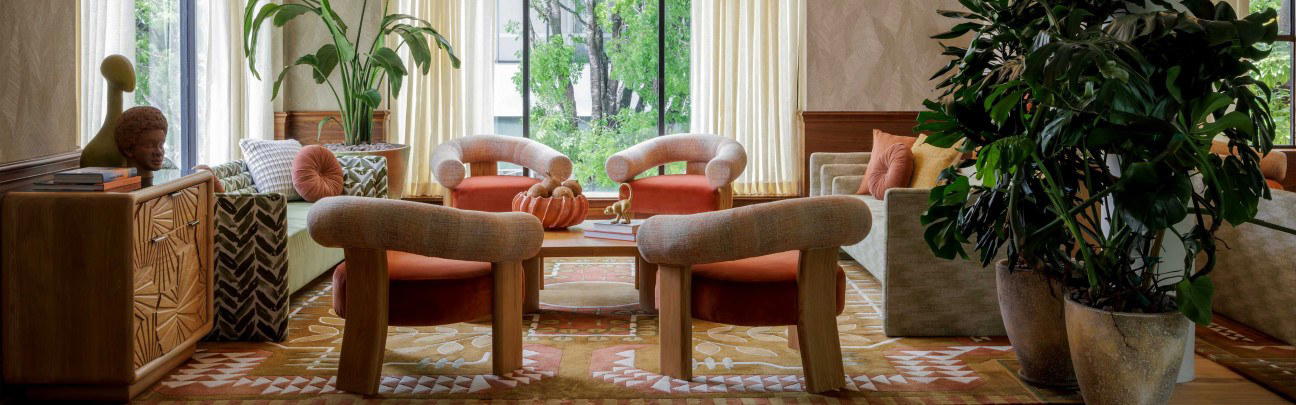
Brickell Key sits on a small island just east of Miami's financial district, connected to the mainland by a single causeway. The address alone shapes the experience before a single dish arrives: the dining room at La Mar faces Biscayne Bay, and the interplay between the open terrace, the interior's warm timber and woven textures, and the water beyond creates a physical setting that does serious work for the room's atmosphere. Miami's waterfront restaurant category is crowded, but most of it trades on generic nautical aesthetics. La Mar's design draws instead on Peruvian coastal reference points, materials, and color registers that situate it closer to a Lima cebichería than to the generic bayside formats that dominate South Florida.
The interior follows a logic common to Acurio's group properties globally: generous spacing between tables, a bar program positioned as a destination in itself, and a visual grammar that references the Pacific coast without reaching for kitsch. In a city where restaurant design often defaults to maximalist Miami-modern, the relative restraint here is a deliberate category signal. You are not meant to forget where the food comes from.
Peruvian Cooking in the Miami Context
Miami's dining scene has absorbed Latin American cuisines selectively. Cuban and Venezuelan cooking have deep roots; high-end Mexican and Colombian formats have expanded considerably over the past decade. Peruvian, however, has occupied a more specialized position, with the category divided between neighborhood spots serving the local Peruvian community and a small number of upmarket venues making a case for Lima-style cooking as fine dining. La Mar sits in the latter cohort, alongside ITAMAE, which approaches Peruvian-Japanese fusion from a more intimate counter format.
The broader category argument matters here. Peruvian cuisine has earned serious critical attention globally over the past fifteen years, driven in part by Lima's appearance on the World's 50 Best Restaurants list repeatedly and by the international expansion of chefs associated with that movement. The Acurio network is the most visible expression of that expansion, with outposts across Latin America, North America, and Europe. Miami's version inherits that positioning: it is not a local interpretation of Peruvian cooking but an extension of a kitchen tradition with a documented international footprint.
For diners using Miami as a reference point for comparison, it is worth noting the distance between La Mar's format and the ceviches available at more casual Peruvian spots across the metro. The distinction is not merely price. It is about sourcing specificity, the breadth of the tiradito and anticucho program, and the cocktail list's engagement with pisco as a serious base spirit rather than an afterthought.
The Menu's Architecture
Peruvian menus at this level are structured around a logic that differs from European fine dining's tasting-menu orthodoxy. Rather than a fixed sequence, the Peruvian cebichería tradition is built for sharing and lateral ordering: cold preparations like ceviches and tiraditos anchor one column, hot dishes including anticuchos and rice-based preparations anchor another, with causas and other room-temperature plates bridging the two. La Mar Miami follows this structure, which means the experience is shaped heavily by how a table orders rather than by a kitchen-dictated sequence.
That format rewards tables who understand it and can feel loose to those who approach it like a conventional three-course dinner. For diners accustomed to the omakase formats at places like Atomix in New York City or the tightly structured progression at Smyth in Chicago, the open ordering model here is a different kind of discipline. The kitchen's job is consistency across a wide menu; the diner's job is curation.
The cocktail program leans on pisco sours and their variations, with chicha morada-based drinks appearing alongside more contemporary low-ABV options. Miami's cocktail culture has matured considerably over the past decade, and the bar at La Mar is calibrated accordingly: it is a full program, not a service counter.
Situating La Mar in Miami's Upper-Casual Tier
Miami's restaurant market has several distinct price tiers. At the leading, you have chef-driven tasting menu formats like L'Atelier de Joël Robuchon Miami. Below that sits a well-populated upper-casual band where La Mar competes alongside Cote Miami, Ariete, and Boia De. Each of those venues has a defined identity: Cote is a Korean steakhouse operating in a very specific format; Ariete is Coconut Grove's most credentialed neighborhood restaurant; Boia De is a small-production Italian bottle-list focused space in Little Haiti.
The Acurio brand carries weight in this context. For diners who have eaten at a sister property in Lima, São Paulo, or New York, Miami's version functions as a reference point rather than a discovery. For those approaching it fresh, the brand's track record across markets provides a useful trust signal. This is not a local operator's first restaurant; it is an extension of one of the more documented culinary networks in Latin America.
For broader context on how La Mar fits within Miami's full dining circuit, EP Club's full Miami restaurants guide maps the city's key neighborhoods and dining tiers. Those seeking comparison with Peruvian-adjacent formats elsewhere in the US can look at Providence in Los Angeles for Pacific seafood at the fine dining level, or Le Bernardin in New York City for the benchmark of how a seafood-forward menu operates at the top of the American market.
Planning Your Visit
La Mar occupies the ground floor of the Mandarin Oriental Miami on Brickell Key Drive, which means it benefits from hotel-standard service infrastructure while remaining accessible to non-hotel guests. The terrace is the most sought-after section, particularly at sunset when the bay light is at its finest; arriving early or booking specifically for outdoor seating is the practical move for first-time visitors. Brickell Key's island geography means the nearest parking and transit options are on the mainland side of the causeway, so factoring in a few extra minutes of travel time from downtown Miami or the Brickell Metro station is sensible. Reservations are available through standard online booking platforms, and weekend evenings in particular warrant advance planning given the venue's visibility among both Miami residents and hotel guests.
Frequently asked questions
What is the signature dish at La Mar Miami by Gastón Acurio?
La Mar's menus across its global locations are anchored by ceviche and tiradito preparations, which represent the core of Lima's coastal cooking tradition. While specific dish availability in Miami should be confirmed directly with the venue, the broader format prioritizes cold acid-cured fish preparations alongside anticuchos and causa as structural pillars. For verified current menu details, checking the restaurant directly is the reliable approach.
Should I book La Mar Miami by Gastón Acurio in advance?
Given La Mar's position as one of the more prominent Latin American dining addresses in Miami, and its dual draw from hotel guests and the broader Brickell dining crowd, advance booking is the practical approach, particularly for weekend dinners or terrace seating. Miami's upper-casual tier fills quickly on Friday and Saturday evenings, and a venue with this level of brand recognition and waterfront positioning sees consistent demand. Booking several days ahead for weekdays and a week or more for weekends is a reasonable baseline.
What do critics highlight about La Mar Miami by Gastón Acurio?
Critical attention to La Mar Miami consistently references the Acurio network's credibility as a marker of quality, the waterfront setting as one of the more considered in Brickell, and the breadth of the Peruvian menu as a differentiator in a market where the cuisine has historically been underrepresented at this price level. The pisco cocktail program also receives attention as a more serious engagement with Peru's national spirit than is typical in comparable Miami venues.
How does La Mar Miami compare to other Peruvian restaurants in the city?
Miami's Peruvian dining options split between community-facing neighborhood spots and a small number of upmarket venues. La Mar and ITAMAE represent the upper end of that range, though they approach the cuisine differently: ITAMAE operates as a more intimate counter with a Nikkei-focused lens, while La Mar delivers a broader cebichería format at larger scale with a full bar program and waterfront setting. For diners interested in how Peruvian cooking fits into the wider American fine dining conversation, properties like The French Laundry in Napa, Blue Hill at Stone Barns in Tarrytown, and Addison in San Diego provide useful reference points for how regional identity and sourcing philosophy intersect at the top of the American market, even if the cuisine and format differ considerably from La Mar's approach.
Price and Recognition
| Venue | Cuisine | Price | Awards | Notes |
|---|---|---|---|---|
| La Mar Miami by Gastón AcurioThis venue (the venue you are viewing) | Authentic Peruvian Cevicheria | Not listed | Not listed | Not listed |
| Cote Miami | Modern Korean Steakhouse with Table-Side BBQ | $150–200 | 1 Michelin Star · La Liste Top Restaurants | Korean Steakhouse, Korean |
| Ariete | Modern Cuban-American Fine Dining | $150–200 | 1 Michelin Star · Star Wine List | Modern American, Contemporary |
| Boia De | Modern Italian-Inspired | $50–100 | 1 Michelin Star · Star Wine List | Italian, Contemporary |
| Stubborn Seed | Modern American Fine Dining | $200–300 | 1 Michelin Star | Progressive American, Contemporary |
| Los Fuegos by Francis Mallmann | Argentinian Open-Fire Asado Steakhouse | $200–300 | Michelin Plate · Forbes 4-Star | Not listed |
Continue exploring
More in Miami
Restaurants in Miami
All restaurants in Miami →

Bars in Miami
All bars in Miami →

Details
- Lively
- Elegant
- Sophisticated
- Date Night
- Special Occasion
- Group Dining
- Celebration
- Waterfront
- Open Kitchen
- Hotel Restaurant
- Terrace
- Craft Cocktails
- Local Sourcing
- Sustainable Seafood
- Waterfront
- Skyline
- A La Carte
- Small Plates
- Craft Cocktails
- Vegetarian Friendly
- Vegan Options
- Gluten Free Options
Lively atmosphere with bistro lights, live music on select nights, and dramatic waterfront skyline views from indoor and outdoor seating.