La Mulata
La Mulata sits on Washington Avenue in the heart of Miami Beach's South Beach corridor, where Cuban-rooted cooking meets a neighborhood shaped by decades of Caribbean migration and Latin cultural exchange. The address places it within walking distance of the Art Deco district's most active dining strip, making it a reference point for understanding how Afro-Cuban culinary traditions have taken hold in one of America's most culturally layered coastal cities.
Pearl is the En Primeur Club membership app — saves, bookings, and concierge access live there. Same editors, same standards.
- Address
- 1443 Washington Ave, Miami Beach, FL 33139
- Phone
- +17867457854
- Website
- lamulatasouthbeach.com
- Directions
- Get directions
 Saves & bookings on Pearl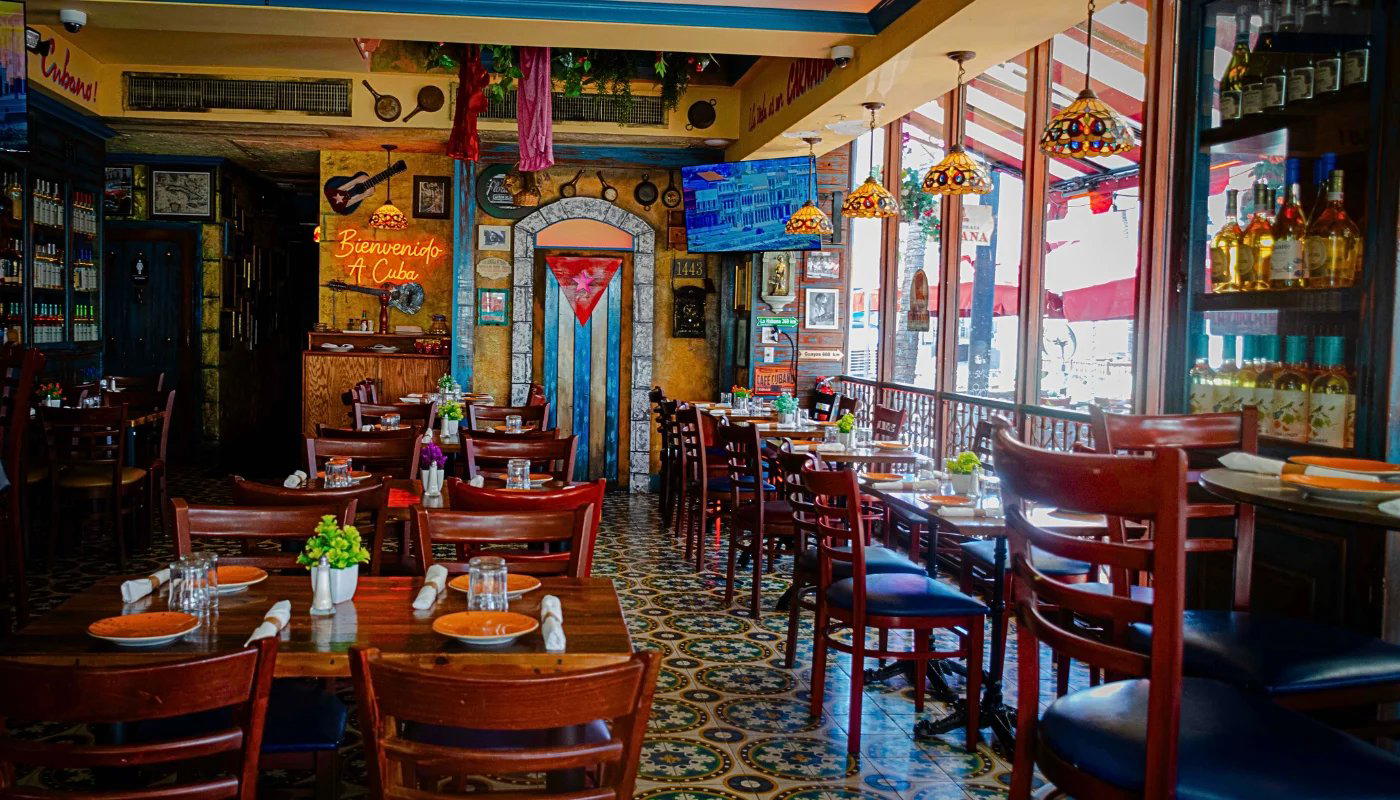
Washington Avenue and the Cuban Culinary Thread Running Through Miami Beach
Washington Avenue in South Beach does not announce itself as a dining destination the way Ocean Drive does, but it has long functioned as a more grounded, less performative corridor for the neighborhood's working food culture. The stretch around 1443, where La Mulata occupies its address, sits between the tourist-facing spectacle of the beachfront strip and the residential texture of the blocks heading north toward Mid-Beach. That positioning matters: it places the restaurant in a zone where the clientele tends to be more local, more repeat, and more attuned to what is actually on the plate rather than what the room looks like in a photograph.
Cuban cooking in Miami is not a novelty or a trend. It is a structural fact of the city's food culture, rooted in successive waves of Cuban migration that began in the 1960s and have continued to shape South Florida's demographics, language, and table habits in ways that have no direct equivalent in any other American city. Miami Beach, specifically, has absorbed that influence through its restaurant scene for decades, producing a range of expressions from the utilitarian Cuban lunch counters of Little Havana's satellite outposts to more composed, sit-down formats where the Afro-Cuban element, the cocina criolla tradition that blends African, Spanish, and indigenous Taíno technique, gets fuller attention. La Mulata's name itself is a direct reference to this Afro-Cuban heritage, pointing toward the mixed cultural lineage that defines Cuban identity and, by extension, much of what makes Cuban food in Miami different from the sanitized approximations found elsewhere in the United States.
What Afro-Cuban Cooking Actually Means on the Plate
The cocina criolla tradition that Cuban cooking draws from is built on a logic of transformation: tough cuts made yielding through long braises, beans cooked down to a density that carries a meal, rice as a structural base rather than an afterthought, and seasoning profiles that lean on sofrito, cumin, and sour orange in combinations that read as simultaneously simple and deeply layered. Dishes like ropa vieja, shredded beef slow-cooked with tomatoes and peppers, or lechón asado, citrus-marinated roasted pork, represent the core of this tradition. So do black beans prepared with the patience that shortcuts cannot replicate, and fried plantains at two stages of ripeness: the starchy, savory tostones and the sweet, caramelized maduros that function almost as a counterpoint dessert alongside a main.
Afro-Cuban influence adds further dimension through dishes and techniques that trace directly to West African culinary traditions brought to Cuba through the slave trade. The use of root vegetables like yuca and malanga, the emphasis on stewing as a primary cooking method, and the structural role of beans in every meal all reflect that lineage. In Miami Beach's competitive dining context, where venues tend to fall into either the fine-dining or the fast-casual bracket, a restaurant that takes this tradition seriously occupies a specific and not-overcrowded position. The comparison set is not A Fish Called Avalon or a'Riva, both of which operate in different culinary registers entirely. It is closer to Alma Cubana, which addresses Cuban heritage from its own angle, or to the broader cluster of Latin-rooted dining that gives Miami Beach its regional identity.
Miami Beach's Latin Dining Spectrum and Where Cuban Fits
Miami Beach's restaurant scene is sometimes discussed as though it were defined entirely by its celebrity-chef outposts and hotel dining rooms, but the more durable character of its food culture comes from its Latin American and Caribbean foundations. The city's population is majority Hispanic, and Cuban-Americans remain the largest single group within that majority. That demographic fact has practical consequences: the audience for Cuban food here is not an adventurous minority seeking the unfamiliar; it is a local constituency with precise expectations and long memories for what the cooking should taste like.
That context raises the stakes for any venue working in this register. A Cuban restaurant on Washington Avenue is not being evaluated against the abstracted idea of Cuban food that might satisfy a tourist; it is being evaluated against the version that exists in people's family kitchens and in the lunch counters they have been going to for twenty years. Venues like Amalia operate in adjacent Latin culinary territory, and the diner making a choice across this part of the neighborhood is often deciding between closely related but distinct cultural expressions of the broader Caribbean and Latin American table.
For context on how American regional cooking with deep cultural roots is being handled at the highest levels nationally, the reference points are ambitious: Emeril's in New Orleans built a career on elevating Southern Louisiana vernacular cooking into a fine-dining register; Blue Hill at Stone Barns in Tarrytown made hyper-local sourcing the organizing principle of its editorial identity. Cuban cooking in Miami has not yet produced its equivalent national flagship in the way that New Orleans or the Napa Valley have produced theirs, which is part of what makes the territory interesting. The field at venues like 11th Street Diner tends toward the classic American diner format rather than the Cuban tradition, which further marks the distinctive lane that a Cuban-focused address on Washington occupies.
Planning a Visit: What to Know Before You Go
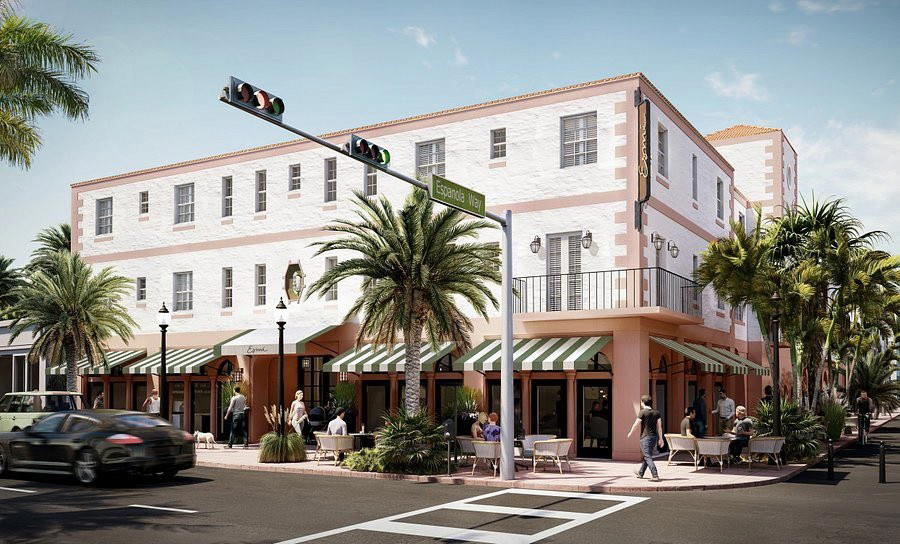
La Mulata sits at 1443 Washington Ave, Miami Beach, FL 33139, in a part of South Beach that is walkable from the main hotel corridor and accessible by the South Beach local bus routes. Washington Avenue parking is metered and fills quickly on weekend evenings; arriving by rideshare avoids that friction entirely.
Booking and Cost Snapshot
Comparable venues nearby, for context on price, style, and recognition.
| Venue | Cuisine | Price | Notes |
|---|---|---|---|
| La MulataThis venue — the venue you are viewing | South Beach, Modern Cuban | $$ | Not listed |
| Little Havana | Little Havana, Authentic Cuban | $$ | Not listed |
| El Nogal | South Beach, Colombian Latin | $$ | Not listed |
| Alma Cubana | Ocean Drive, Modern Cuban | $$$ | Not listed |
| Bella Cuba | City Center, Traditional Cuban | $$ | Not listed |
| Puerto Sagua Restaurant | Not listed | $ | Flamingo / Lummus, Classic Cuban Diner |
Continue exploring
More in Miami Beach
Restaurants in Miami Beach
Browse all →
Bars in Miami Beach
Browse all →
At a Glance
- Lively
- Charming
- Trendy
- Casual Hangout
- Group Dining
- Celebration
- Craft Cocktails
Current opening hours
- Monday
- 9 AM–11:30 PM
- Tuesday
- 9 AM–11:30 PM
- Wednesday
- 9 AM–11:30 PM
- Thursday
- 9 AM–11:30 PM
- Friday
- 9 AM–1 AM
- Saturday
- 9 AM–1 AM
- Sunday
- 9 AM–12 AM
Hours can change for holidays and private events. Last verified .
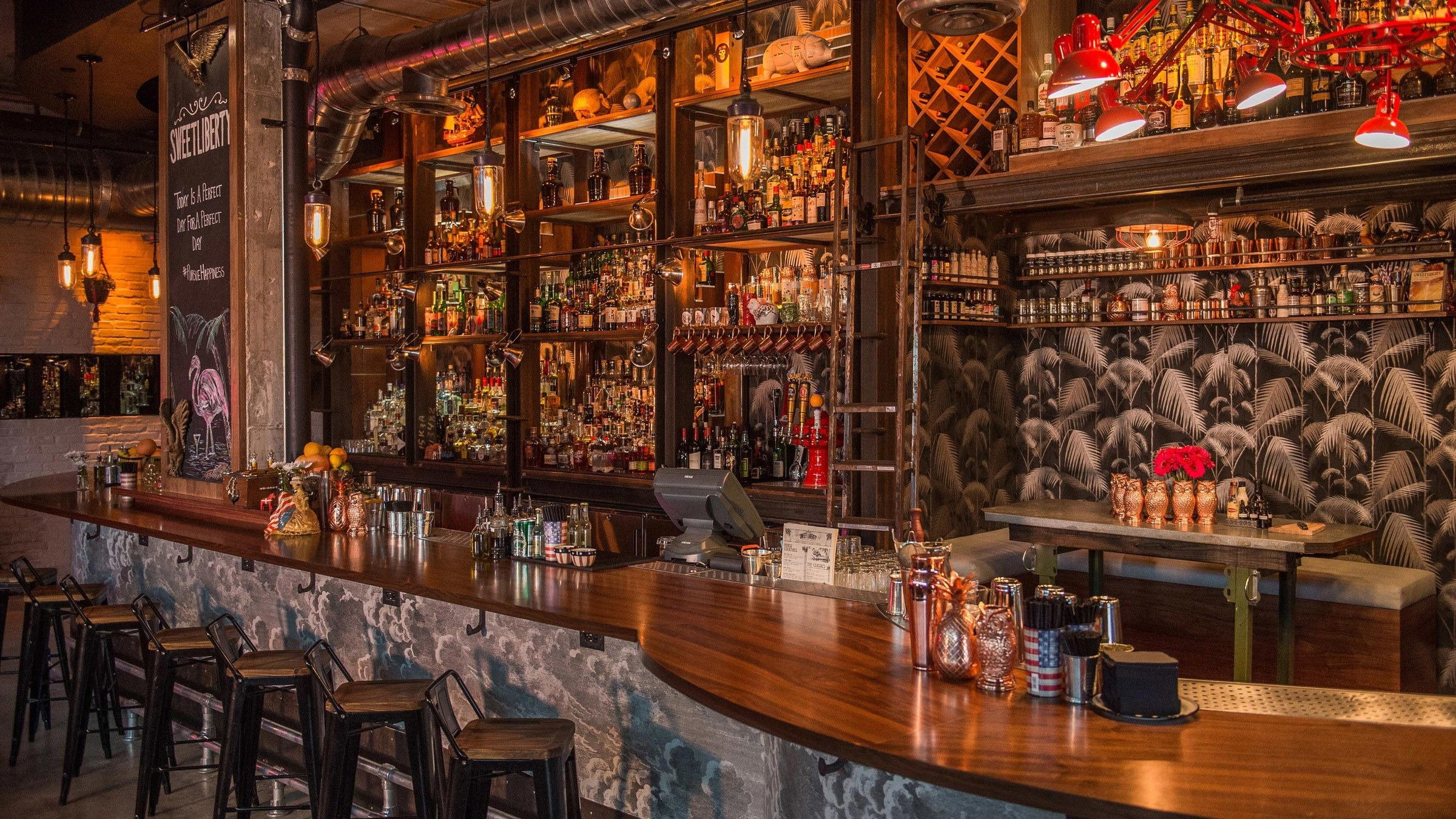
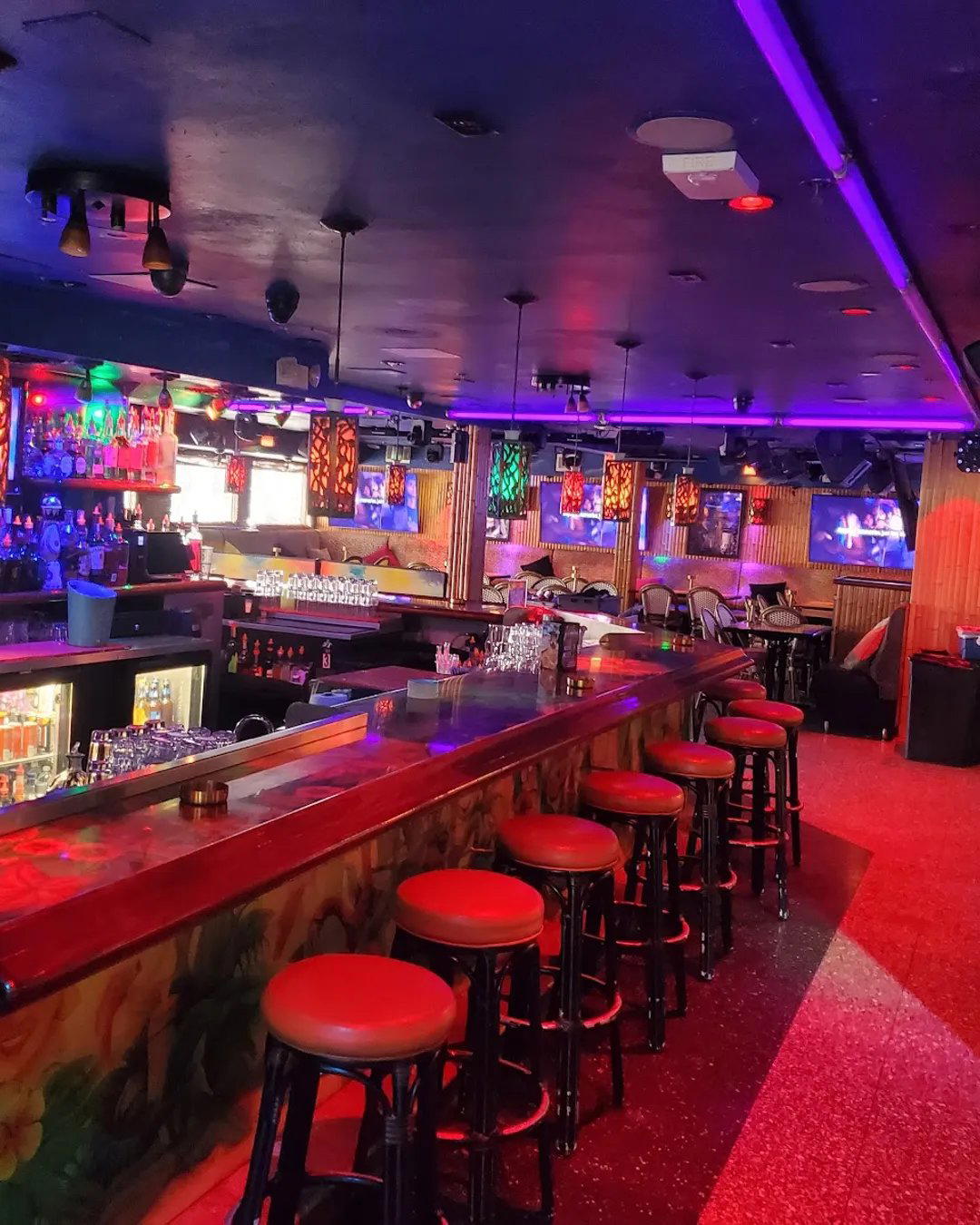
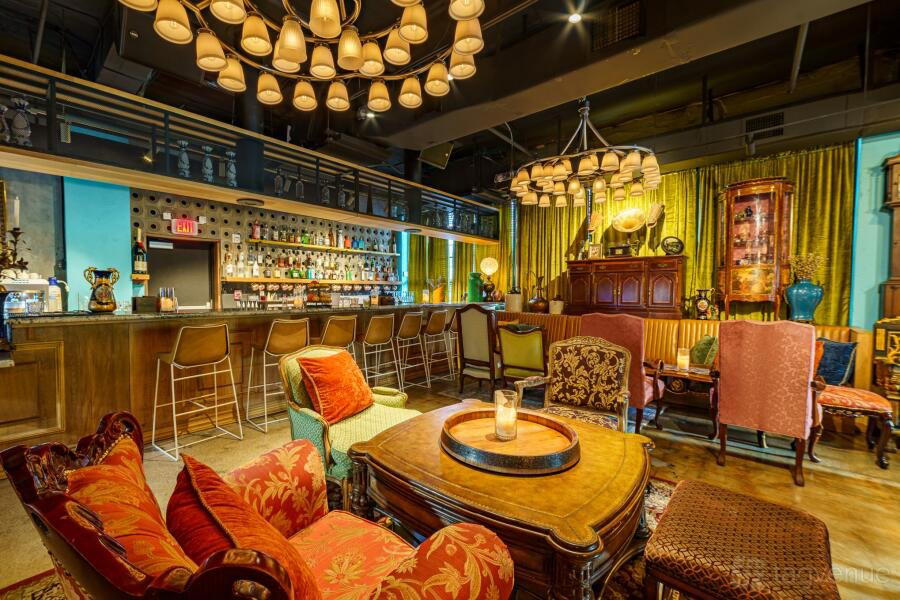
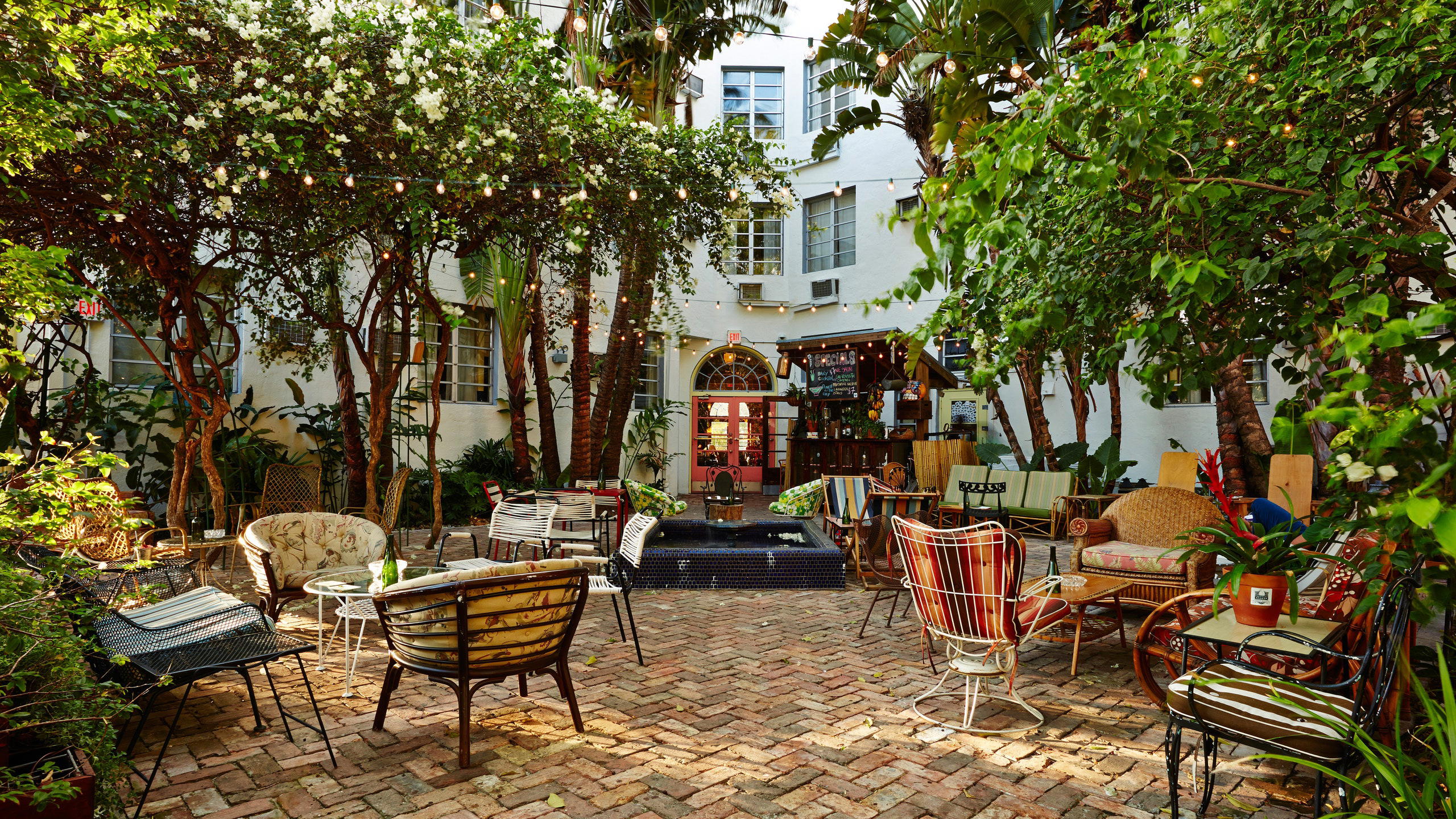
Warm, lively, and inviting atmosphere blending nostalgic Cuban charm with elegant, lively energy.