Puerto Sagua Restaurant
Puerto Sagua Restaurant has anchored the Cuban dining tradition on Collins Avenue since 1962, making it one of Miami Beach's longest-running dining institutions. The kitchen turns out the kind of ropa vieja, black beans, and Cuban sandwiches that reflect the island's culinary heritage without revision or reinvention. For a city that rebuilds itself every decade, Puerto Sagua's consistency is its most telling credential.
Pearl is the En Primeur Club membership app — saves, bookings, and concierge access live there. Same editors, same standards.
- Address
- 700 Collins Ave, Miami Beach, FL 33139
- Phone
- (305) 673-1115
- Website
- puertosaguarestaurant.site
- Directions
- Get directions
 Saves & bookings on Pearl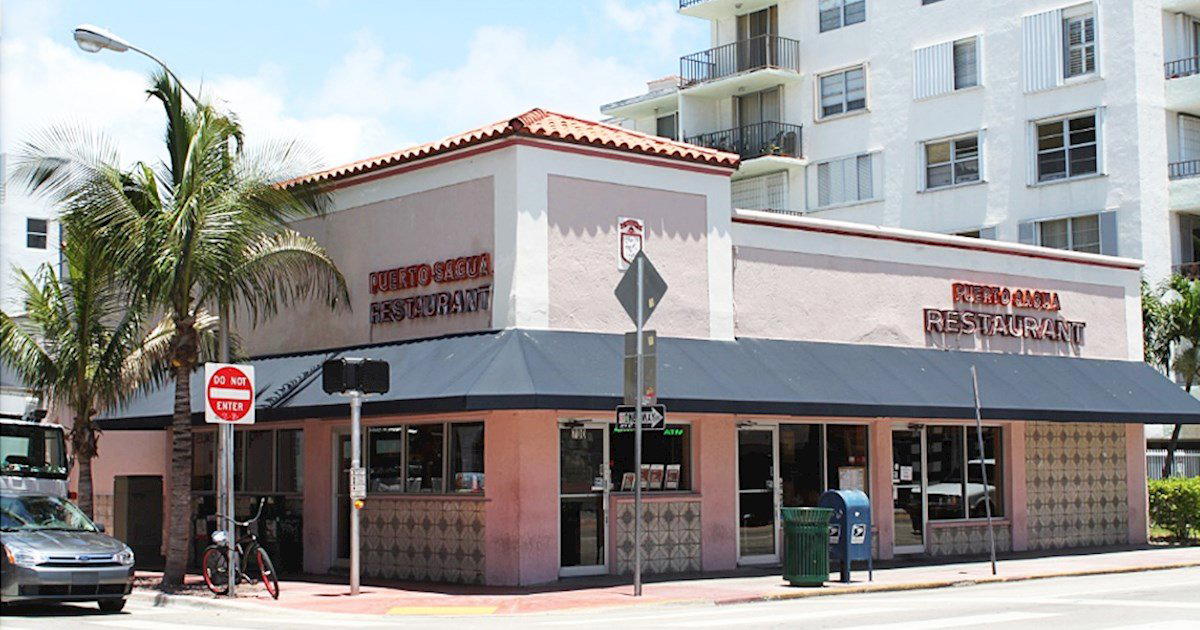
Collins Avenue and the Cuban Diaspora at the Table
Collins Avenue in Miami Beach runs through several decades simultaneously. Art Deco facades from the 1930s sit beside mid-century storefronts and contemporary hotel lobbies, and the dining options shift register every few blocks. At 700 Collins Ave, Puerto Sagua Restaurant occupies a position that most of its neighbors cannot claim: it has been here since 1962. That kind of tenure in a city with Miami Beach's appetite for reinvention is not a footnote. It is the primary editorial fact about the place.
Cuban cooking in South Florida is not a single tradition but a layered archive. The first wave of Cuban emigration following 1959 brought cooking that was domestic, economical, and deeply rooted in the island's Spanish and African inheritance. Dishes like ropa vieja, picadillo, and arroz con pollo were not restaurant food in Cuba so much as household food, and that distinction shaped how Cuban-American communities chose to eat. Diners did not expect tasting menus or architectural plating. They expected the cooking to taste like home, or at least like a credible memory of it. Puerto Sagua entered the Miami Beach dining fabric at exactly that historical moment, and its persistence across more than six decades is inseparable from that context.
Miami Beach's dining scene has stratified significantly since then. The South Beach corridor now runs from informal counter-service spots to Michelin-recognized programs. Reference points at the high end include restaurants operating under the same competitive logic as Le Bernardin in New York City or Providence in Los Angeles, where tasting formats and sourcing credentials define the comparable set. Puerto Sagua operates in a different category entirely, one where longevity, recognizability, and fidelity to a culinary tradition carry more weight than wine programs or seasonal menu revisions.
The Cuban Kitchen: What the Tradition Asks Of a Restaurant
Cuban cuisine arrives on the plate as the product of several intersecting histories. The Spanish colonial kitchen supplied the sofrito base, the slow-braised meats, and the rice-and-legume pairings that structure most Cuban meals. West African culinary traditions, brought through the slave trade, contributed cooking techniques and flavor dispositions that are embedded in dishes like black beans prepared with cumin and bay, or plantain preparations that appear across the Caribbean but carry distinct Cuban inflections. The result is a cuisine that reads as unified and coherent at the table while carrying significant historical complexity beneath the surface.
In the Miami context, Cuban cooking has split between modernized interpretations, which tend to appear in the Design District and Wynwood, and older formats that remain committed to the original register. Spots like Alma Cubana in Miami Beach work within a more contemporary framing of Cuban flavors. Puerto Sagua belongs to a different tier of that conversation, one where the dishes are not reinterpreted so much as maintained. That is both its proposition and its limitation, depending on what a given diner is seeking.
The Cuban sandwich, for its part, carries its own contested genealogy. Tampa's Ybor City Cuban community claims the original version, with its Genoa salami layer; Miami's version typically omits the salami and presses the bread harder against a more intensely seasoned pork filling. Puerto Sagua's position on Collins Avenue places it squarely within the Miami camp of that ongoing argument, and for visitors arriving from outside Florida, it is a useful point of contact with what the local tradition actually tastes like without the glossing that comes with trendier interpretations.
Miami Beach as a Context for Longevity
Durability in the Miami Beach restaurant market is not common. The city's tourism cycle, high rents, and culturally shifting demographics have replaced entire dining generations in the time Puerto Sagua has been operating. Venues that opened in the South Beach boom of the early 1990s have largely cycled out. Even well-regarded spots from the 2000s and 2010s have closed or relocated. The restaurants that remain from earlier eras tend to share a few characteristics: a loyal local following that predates the tourist trade, a format simple enough to survive staffing and supply volatility, and a price point that does not depend on peak-season capture alone.
For comparison, 11th Street Diner occupies a similar position in Miami Beach's institutional dining fabric, operating in an Airliner diner car relocated from Pennsylvania and sustained by both local regulars and visitors seeking something with actual history. A Fish Called Avalon and a'Riva address a more recent, higher-price visitor segment. Amalia represents the Mediterranean-inflected dining that has expanded its footprint in South Beach over the past decade. Puerto Sagua does not compete directly with any of these. It sits in its own category, sustained by a specific cultural constituency and by the kind of repeat business that decades of consistent cooking builds.
The broader U.S. dining scene has increasingly valued this kind of institutional anchor. Destination restaurants in the model of The French Laundry in Napa, Alinea in Chicago, or Blue Hill at Stone Barns in Tarrytown receive disproportionate critical attention, but the restaurants that document a city's immigrant food heritage, operated without modification across multiple generations, fill a different and more irreplaceable function. Puerto Sagua is that kind of place for Miami Beach's Cuban community and for visitors who understand the distinction.
Planning Your Visit
Know Before You Go
- Address: 700 Collins Ave, Miami Beach, FL 33139
- Neighbourhood: South Beach, Miami Beach
- Cuisine: Cuban-American, traditional
- Context: Operating on Collins Avenue since 1962, making it one of the longest-running Cuban restaurants in Miami Beach
- Nearby: Located within walking distance of the Art Deco Historic District and Lincoln Road
- Tip: For a broader look at the Miami Beach dining scene across categories and price tiers, see our full Miami Beach restaurants guide
Standing Among Peers
Comparable venues nearby, for context on price, style, and recognition.
| Venue | Cuisine | Price | Notes |
|---|---|---|---|
| Puerto Sagua RestaurantThis venue — the venue you are viewing | Classic Cuban Diner | $ | Not listed |
| Little Havana | Authentic Cuban | $$ | Little Havana |
| La Ventana Miami Beach | Authentic Colombian | $$ | South Beach |
| TAP TAP RESTAURANT | Authentic Haitian Caribbean | $$ | South Beach |
| Alma Cubana | Modern Cuban | $$$ | Ocean Drive |
| El Nogal | Colombian Latin | $$ | South Beach |
Continue exploring
More in Miami Beach
Restaurants in Miami Beach
Browse all →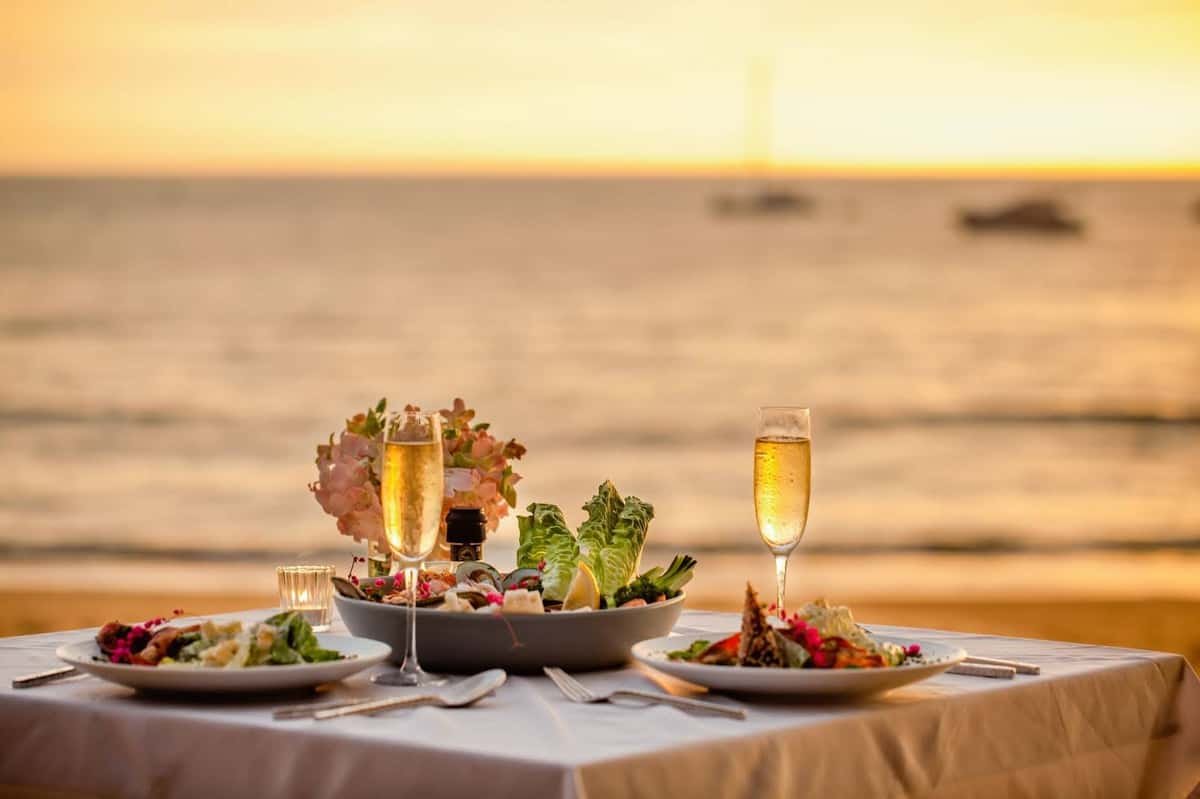
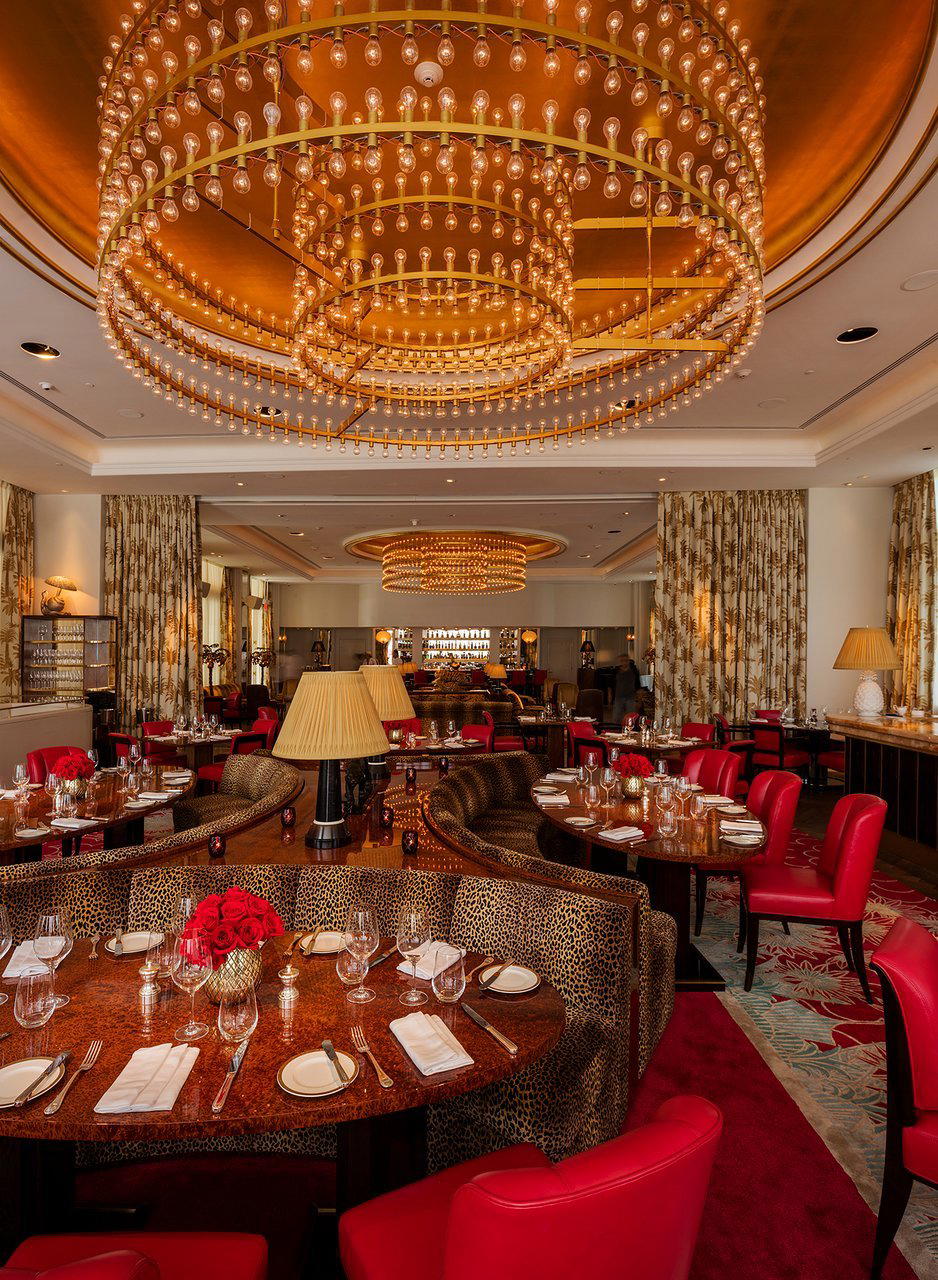
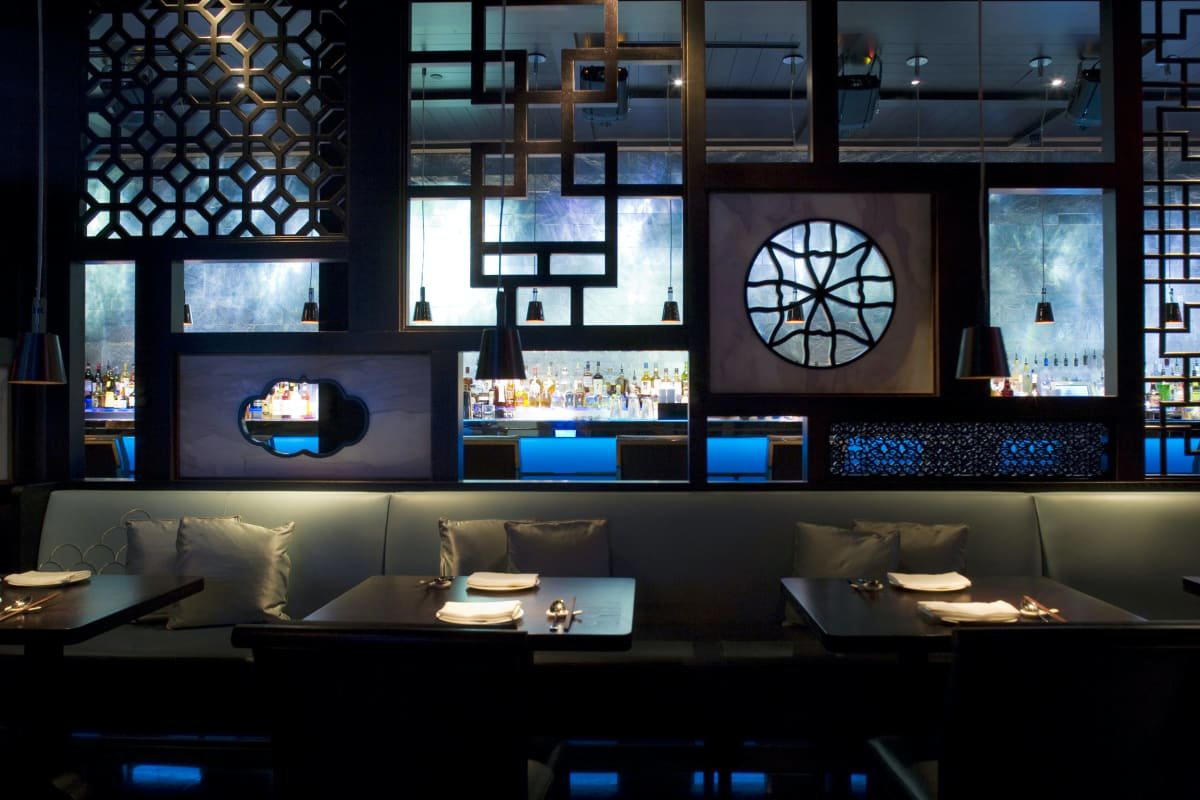
Bars in Miami Beach
Browse all →


At a Glance
- Classic
- Well Known
- Cozy
- Casual Hangout
- Family
- Brunch
- Late Night
- Historic Building
- Street Scene
Current opening hours
- Monday
- 7 AM–11 PM
- Tuesday
- 7 AM–11 PM
- Wednesday
- 7 AM–11 PM
- Thursday
- 7 AM–11 PM
- Friday
- 7 AM–11 PM
- Saturday
- 7 AM–11 PM
- Sunday
- 7 AM–11 PM
Hours can change for holidays and private events. Last verified .
Classic diner atmosphere with polished paneled walls, vintage furnishings, warm and inviting like a family-run spot.