La Muña
La Muña sits on Route du Petit Signal in Crans-Montana, a resort town where the dining scene has diversified well beyond the classic alpine formula. In a village where ingredient sourcing defines the upper tier of the restaurant offer, La Muña positions itself within that conversation. The address places it within reach of the ski infrastructure while maintaining a character shaped by the valley's own produce traditions.
Pearl is the En Primeur Club membership app — saves, bookings, and concierge access live there. Same editors, same standards.
- Address
- Rte du Petit Signal 3, 3963 Crans-Montana, Switzerland
- Phone
- +41274854848
- Website
- cransambassador.ch
- Directions
- Get directions
 Saves & bookings on Pearl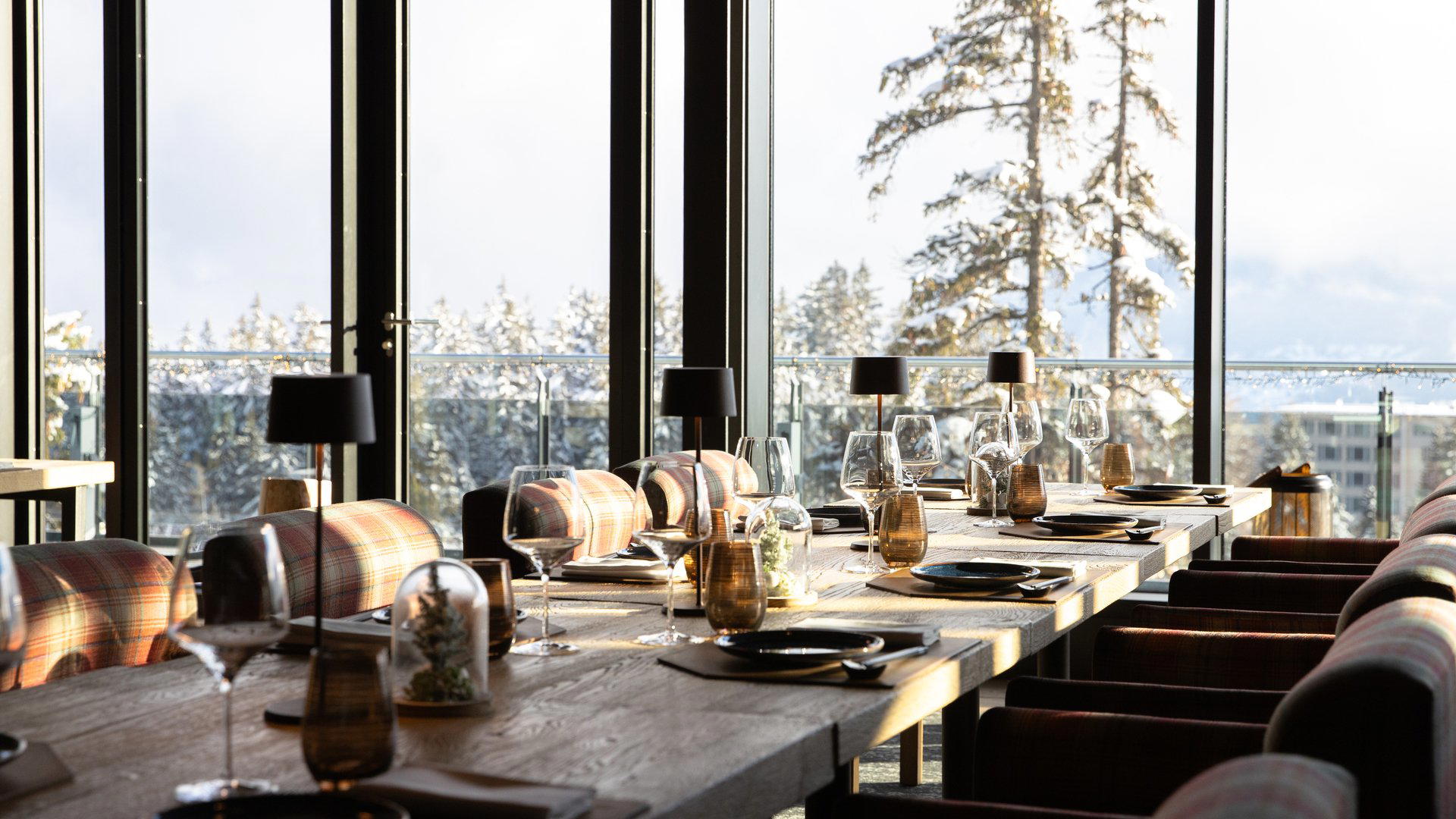
Above the Snowline, the Supply Chain Changes
Crans-Montana occupies a shelf of the Valais Alps at roughly 1,500 metres, a position that concentrates the season, the clientele, and the food supply into a particular rhythm unlike lower-altitude Swiss resort towns. At that elevation, sourcing decisions are a practical constraint that the better restaurants in the village have learned to frame as part of the dining experience. La Muña, at Route du Petit Signal 3, sits within this context: a Crans-Montana address where the ingredient story begins before a plate is set down, shaped by what the Valais floor and its surrounding farms are actually capable of delivering across a season.
The Valais canton is Switzerland's largest wine-producing region and one of its most varied agricultural zones, running from the Rhône floodplain up through terraced vineyards and high pastures. That geography translates into a supply chain that serious kitchens in the region draw from with some specificity: Anniviers valley saffron, Bagnes raclette cheese, air-dried beef from Graubünden's adjacent valleys, and orchard fruit from the lower Valais terraces. The more revealing question is how directly a restaurant connects to those supply lines.
The Setting at Route du Petit Signal
Approaching La Muña along the Petit Signal route, the register is immediately alpine residential rather than high-street commercial. The road runs at the quieter northern edge of the Crans plateau, away from the main promenade's concentrated retail and après-ski traffic. That positioning suggests a restaurant that is not oriented around walk-in volume from pedestrian flow. It occupies a calmer position, which in a resort town of this size tends to correlate with a more deliberate reservation culture and a guest profile that has already decided where it is going rather than deciding at the door.
Crans-Montana's dining scene has expanded meaningfully over the past decade, with addresses like L'OURS (Modern Cuisine) and LeMontBlanc (Modern French) pushing the upper price bracket toward €€€€ territory and drawing comparisons to urban Swiss fine dining. More casual formats, including CaSy, Edo (Japanese), and FIVE (Lebanese), have broadened the village offer for guests who want alternatives to the alpine-French default. La Muña reads as a distinct position within this spread, shaped by its address and the quieter orientation of its immediate neighbourhood.
What Sourcing at Altitude Actually Means
Swiss alpine kitchens at resort altitude operate under a set of supply conditions that distinguish them sharply from their urban counterparts. The peak dining window aligns with the ski season (roughly December through March) and the summer hiking season, with shoulder months that can be sparse in both produce availability and guest numbers. Kitchens that take ingredient sourcing seriously in this context tend to work with preserved, cured, and aged products alongside fresh deliveries, because the logistics of getting pristine produce to 1,500 metres mid-winter requires either strong supplier relationships or compromise.
The Valais has historically resolved this through its own preservation traditions: the air-dried beef known as viande séchée, aged hard cheeses, walnut oils, and the intense dried apricots grown on the canton's south-facing terraces. These are not novelty ingredients for a tourist audience; they are functional staples of Valaisan food culture that translate directly into a kitchen's sourcing story when a restaurant chooses to engage with them. For context on how Swiss fine dining at large engages with these regional traditions, the full range runs from benchmark institutions like Hotel de Ville Crissier in Crissier and Schloss Schauenstein in Fürstenau to mountain-adjacent addresses like 7132 Silver in Vals, each representing a different register of the same regional sourcing argument.
The Crans-Montana Dining Tier in Perspective
Placing a Crans-Montana restaurant in the broader Swiss dining conversation requires some geographic honesty. The village is not producing the multi-Michelin-starred density of Basel, where Cheval Blanc by Peter Knogl anchors the upper tier, or of Bad Ragaz, where Memories operates at three-star level. Lucerne's Colonnade, Einstein Gourmet in Sankt Gallen, and focus ATELIER in Vitznau represent the mid-altitude Swiss restaurant benchmark with documented accolades. IGNIV Zürich by Andreas Caminada and the alpine luxury of Da Vittorio - St. Moritz demonstrate what happens when serious culinary infrastructure is deployed in a resort context. Crans-Montana sits below all of these in award-recognition terms, which is not a critique so much as a calibration: the village offers good-to-strong cooking against an alpine backdrop, with the quality ceiling set by seasonal guest expectations and the economics of a resort market.
For international reference points at stronger examples from the sourcing-led dining argument, kitchens like Le Bernardin in New York City and Atomix in New York City demonstrate how supply chain specificity becomes a primary editorial frame in fine dining. The Crans-Montana equivalents work at a different scale, but the underlying logic, that where ingredients come from shapes what a kitchen can honestly claim, holds across price tiers and geographies.
Planning a Visit
The restaurant is at Route du Petit Signal 3, 3963 Crans-Montana. The address sits within the Crans plateau, accessible on foot from the central village or by the road network that connects the Crans and Montana poles of the resort. Given the resort's two distinct peak seasons, reservations made well in advance of the January-February high-ski window and the July-August hiking peak will give the leading options. Crans-Montana is accessible via Sierre in the Rhône valley below, connected by funicular and road, with Sierre served by direct rail from Geneva (approximately 90 minutes) and Zürich (approximately two hours).
Side-by-Side Snapshot
Comparable venues nearby, for context on price, style, and recognition.
| Venue | Cuisine | Price | Awards | Notes |
|---|---|---|---|---|
| La MuñaThis venue — the venue you are viewing | Japanese-Peruvian Nikkei Fusion | $$$$ | Not listed | Not listed |
| CaSy | French-Swiss Fusion Bistro | $$$ | Not listed | Crans-Montana |
| Restaurant Gastronomique l'Ours | Michelin‑starred French Alpine fine dining | $$$$ | Not listed | / Crans-Montana |
| Le Bistrot des Ours | French-Swiss Alpine Bistro | $$$ | Michelin Plate | Crans-Montana |
| Le Partage | Modern European Fine Dining | $$$$ | Michelin Plate | Crans-Montana |
| Edo | Authentic Japanese | $$$ | Bib Gourmand | Crans-Montana |
Continue exploring
More in Crans-Montana
Restaurants in Crans-Montana
Browse all →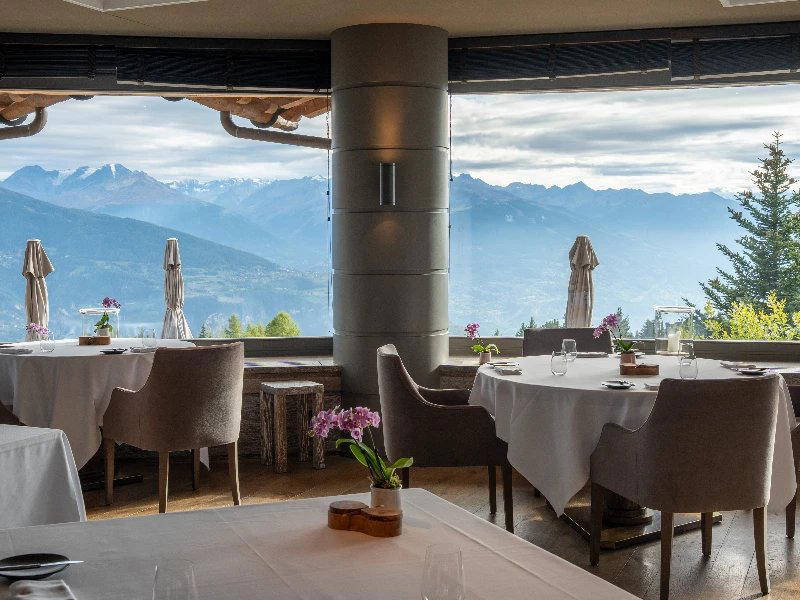
Bars in Crans-Montana
Browse all →
At a Glance
- Elegant
- Intimate
- Sophisticated
- Modern
- Date Night
- Special Occasion
- Celebration
- Open Kitchen
- Terrace
- Panoramic View
- Hotel Restaurant
- Extensive Wine List
- Local Sourcing
- Mountain
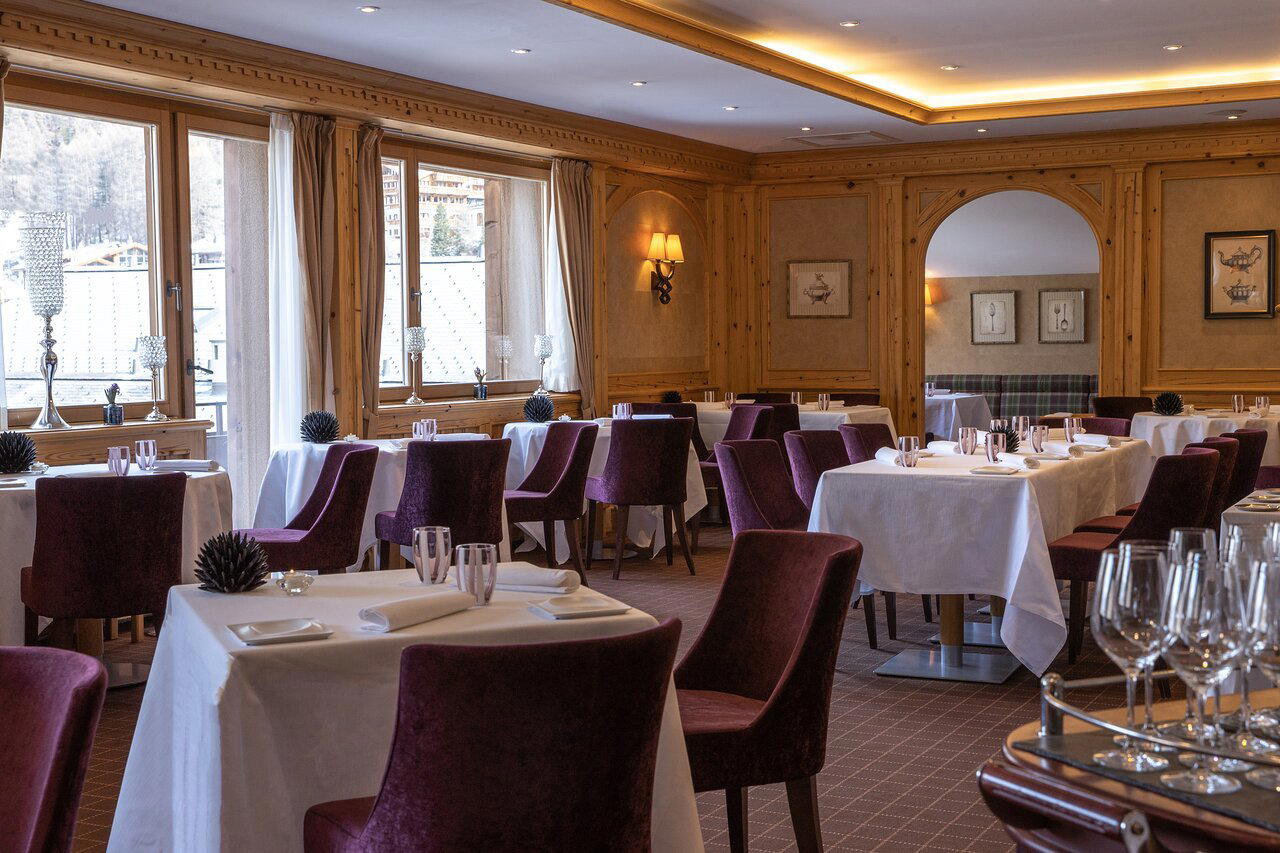
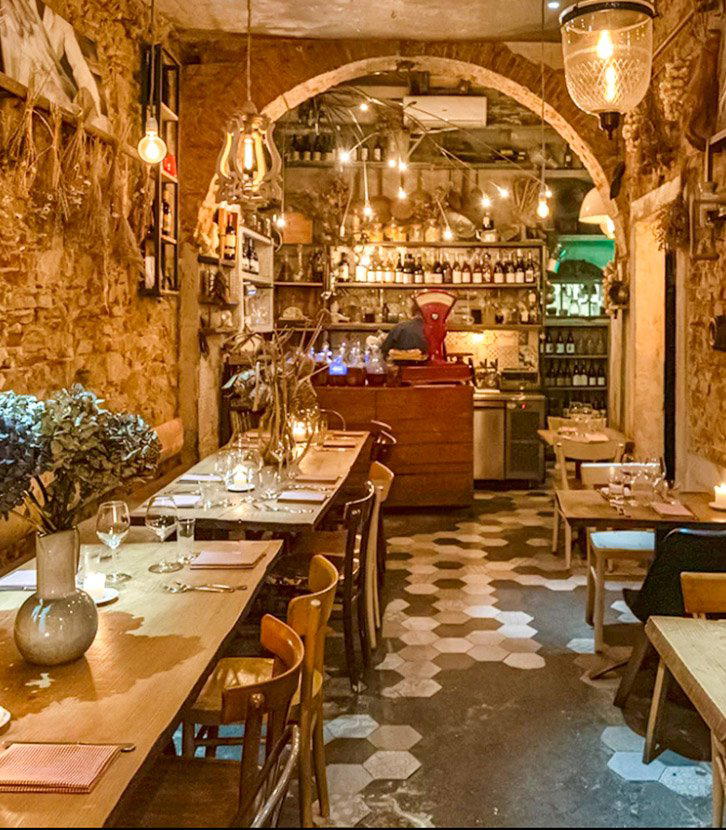
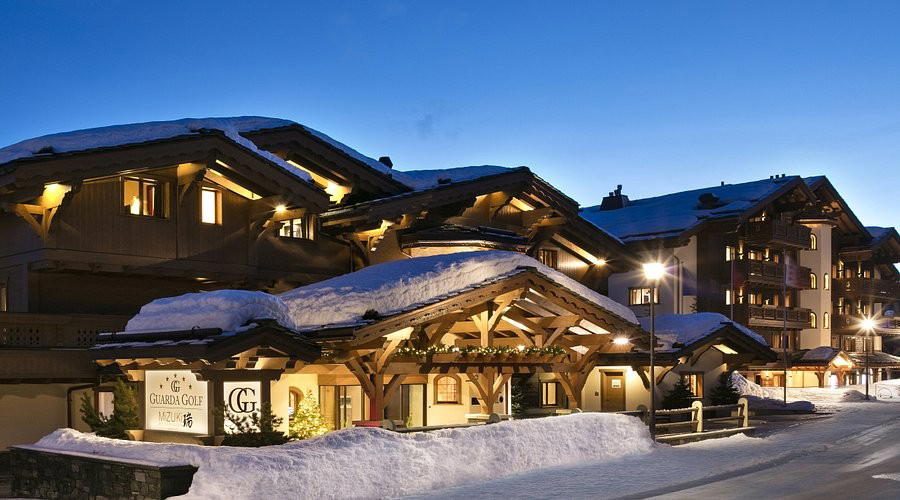
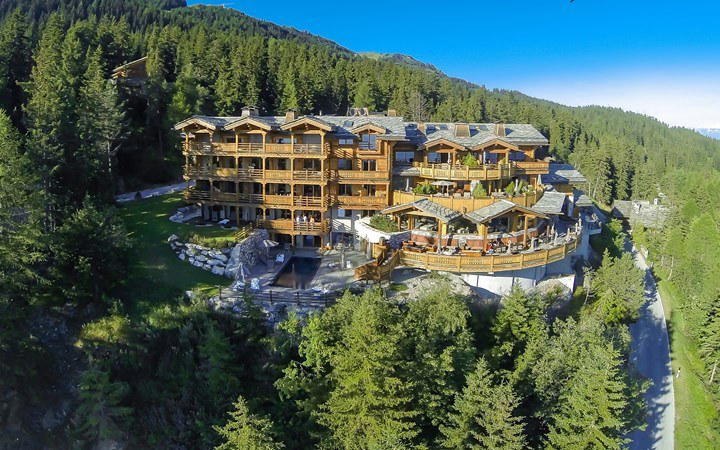
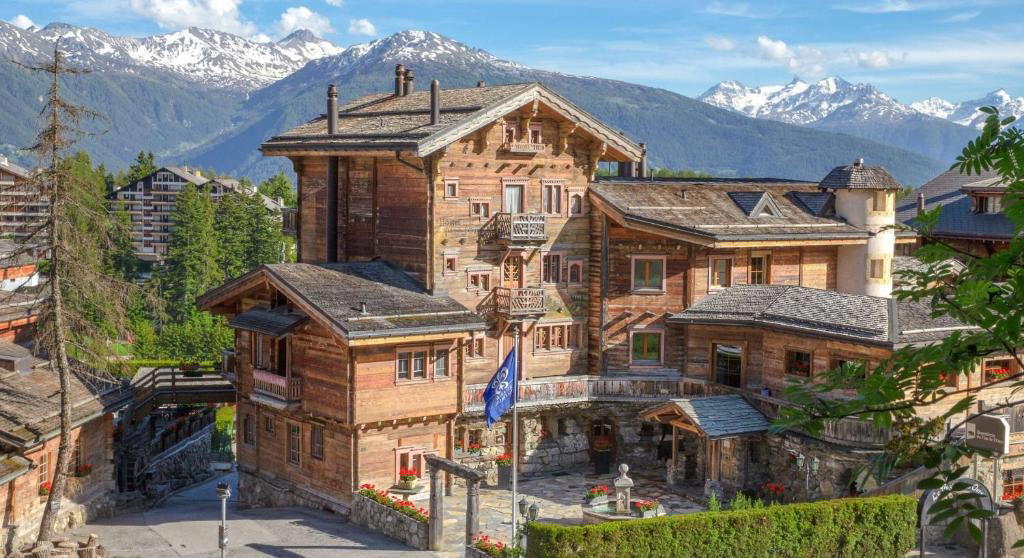
Elegant and intimate dining room with stylish mountain decor, warm contemporary wooden elements, and panoramic vistas of the Swiss Alps.