La Mère Poulard
La Mère Poulard occupies one of France's most visited pilgrimage sites, the Grande Rue of Le Mont-Saint-Michel, where its wood-fired ovens and the tradition of the hand-beaten omelette have drawn visitors since 1888. The restaurant sits at the centre of a Norman coastal cooking tradition shaped by tidal geography and centuries of religious tourism. Reserve well ahead, particularly for spring and summer visits when the causeway crowds are at their densest.
Pearl is the En Primeur Club membership app — saves, bookings, and concierge access live there. Same editors, same standards.
- Address
- Grande Rue, 50170 Le Mont-Saint-Michel, France
- Phone
- +33233896868
- Website
- lamerepoulard.com
- Directions
- Get directions
 Saves & bookings on Pearl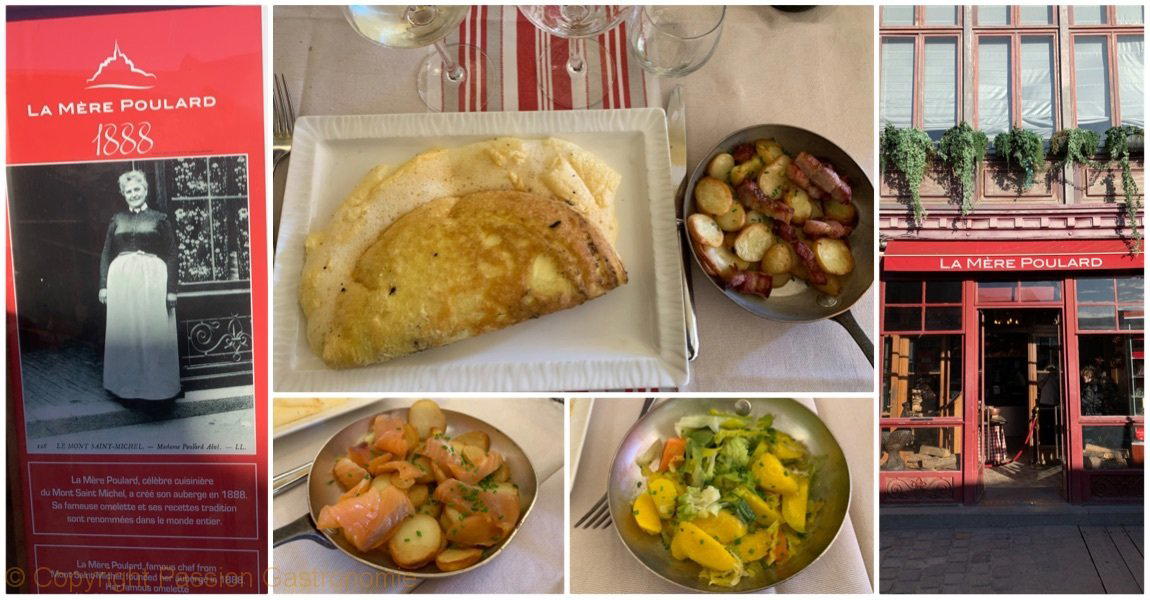
Arriving at the Edge of the Tide
The approach to Le Mont-Saint-Michel is unlike the approach to any other restaurant address in France. You cross a causeway above tidal flats that twice daily swallow the surrounding bay, the abbey rising above the granite island before you have cleared the car park. By the time you reach the Grande Rue, you are already inside among the more condensed tourist corridors in Western Europe, a single cobbled street threading between medieval walls, with La Mère Poulard positioned as both a practical stopping point and a cultural landmark.
That longevity matters as context. Most restaurants at major pilgrimage or tourism sites survive on volume and convenience. La Mère Poulard has instead accumulated the kind of institutional recognition that draws people who could eat elsewhere but choose not to. The wood-fired copper pan and the hand-beaten omelette became the shorthand for Norman coastal cooking at a moment when French regional cuisine was consolidating its identity around a handful of signature gestures. The omelette here was one of those gestures.
The Norman Coastal Tradition This Restaurant Sits Within
Norman cooking along the Atlantic-facing coast has always been shaped by two forces: the productivity of its dairy farms and the unpredictability of its tidal geography. The pre-salé lamb of the bay, grazed on salt marsh grasses between tidal cycles, is among the more geographically specific ingredients in French cuisine, its flavour traceable directly to the mineral-rich terrain around the Mont. Le Pré Salé represents the other side of that same regional story, with a tighter focus on the lamb that the bay's ecology produces.
The omelette tradition at La Mère Poulard belongs to a different register: not the refined tasting-menu expression of terroir, but the kind of emblematic regional preparation that acquires symbolic weight through repetition and association. French cuisine has several of these: the bouillabaisse of Marseille, the choucroute of Alsace, the pot-au-feu of Burgundian auberge culture. The Mont-Saint-Michel omelette is Norman cuisine's equivalent, and the restaurant is its institutional address. For a wider view of where this fits within France's broader dining geography, see the dining options across the bay.
What to Eat Here
The hand-beaten omelette is the reason most people come, and it remains the centerpiece of the menu. Beaten vigorously by hand before going into a long-handled copper pan over a wood fire, the resulting texture sits somewhere between a soufflé and a traditional French omelette, lighter and more aerated than either. It is a preparation that requires specific technique and specific equipment, and the visible theatre of the cooking, performed in view of the dining room, is part of the experience rather than a distraction from it.
Beyond the omelette, the menu draws on the wider Norman repertoire: seafood from the bay, local dairy, and the pre-salé lamb that is the region's most distinctive ingredient. The appropriate comparison for those assessing value isn't the kind of high-technique creative cooking found at Mirazur in Menton or Alléno Paris au Pavillon Ledoyen in Paris, nor the multigenerational grandeur of Troisgros - Le Bois sans Feuilles in Ouches or Auberge de l'Ill in Illhaeusern. The frame is regional auberge cooking at a site of notable cultural weight, not destination fine dining.
How La Mère Poulard Sits Within French Dining Tradition
France's most celebrated regional tables, places like Bras in Laguiole, Georges Blanc in Vonnas, or L'Oustau de Baumanière in Les Baux, earned their reputations through kitchen creativity operating inside a regional framework. The restaurant occupies a different position: its authority derives less from kitchen innovation and more from the weight of place, history, and the specific preparation it made internationally legible.
That distinction is worth stating clearly. Diners comparing it to Paul Bocuse - L'Auberge du Pont de Collonges in Collonges-au-Mont-d'Or or Auberge du Vieux Puits in Fontjoncouse on technical ambition will find a different kind of place. Comparing it to AM par Alexandre Mazzia in Marseille, Assiette Champenoise in Reims, or Au Crocodile in Strasbourg is to ask the wrong question entirely. The right frame is: which restaurants have become institutional repositories of a regional tradition? That is the category the restaurant occupies, and it has few peers in France at that specific intersection of site, history, and recognisable preparation. The coastal seafood axis it shares with Christopher Coutanceau in La Rochelle and Flocons de Sel in Megève is real, but the register is entirely different.
Planning Your Visit
Le Mont-Saint-Michel draws around three million visitors annually, making it among the more-visited sites in France. The peak period runs from May through September, when the causeway and the Grande Rue are busiest through midday and afternoon. Visiting outside those hours, or outside peak season in autumn or early spring, produces a materially different experience of both the site and the restaurant. The tidal schedule also affects access: during the highest coefficient tides, the causeway can be temporarily impassable, and crossing times merit checking in advance through the local tidal authority.
The restaurant's position on the Grande Rue means it is effectively impossible to visit the Mont without passing it. Reservation practice aligns with that reality: walk-ins are possible but unreliable in peak season. Booking ahead, particularly for lunch during school holiday periods, avoids the risk of a long wait at the threshold of a place you came specifically to visit.
Le Bernardin in New York City for reference on what French seafood technique looks like at a formal level, or Atomix in New York City for comparison on how cultural culinary identity gets expressed through a modern tasting format. The restaurant is a restaurant that has remained the primary address for a specific regional preparation for over a century, at a site where the dining experience and the pilgrimage are inseparable.
Booking and Cost Snapshot
Comparable venues nearby, for context on price, style, and recognition.
| Venue | Cuisine | Price | Notes |
|---|---|---|---|
| La Mère PoulardThis venue — the venue you are viewing | Not listed | $$$$ | Not listed |
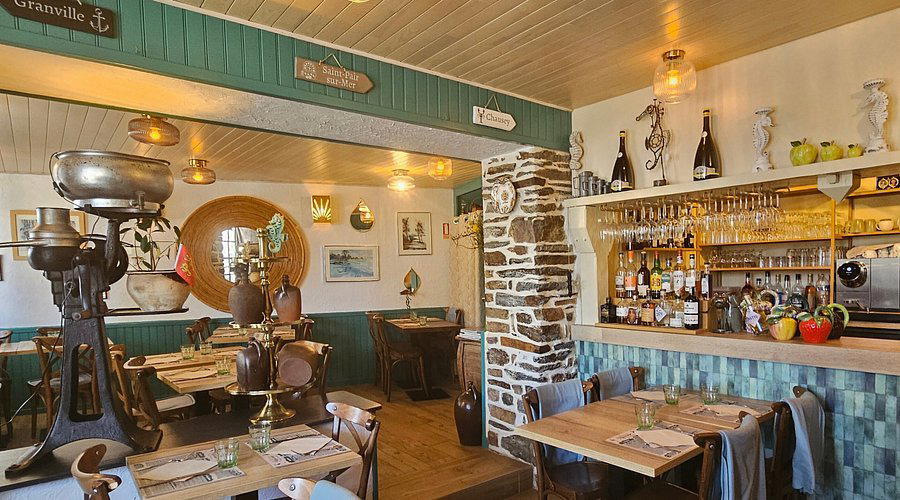
| Le Pré Salé | Not listed | $$ | Le Mont Saint-Michel, Traditional French Pré-Salé Lamb |
| Alain Ducasse Baccarat | Not listed | $$$$ | 16th arrondissement, Avant-garde French fine dining in a crystal-clad Maison Baccarat setting |
| Fleur d'Aubépine | La Vraie-Croix, French Bistronomic | $$$$ | Not listed |
| Restaurant Mosaic at Château des Tesnières | Not listed | $$$$ | Torcé, Modern Botanical French Fine Dining |
| Restaurant Le 5 - Vue sur Mer | Not listed | $$$ | Intra Muros, Refined French Seasonal Seafood |
Continue exploring
More in Le Mont Saint Michel
Restaurants in Le Mont Saint Michel
Browse all →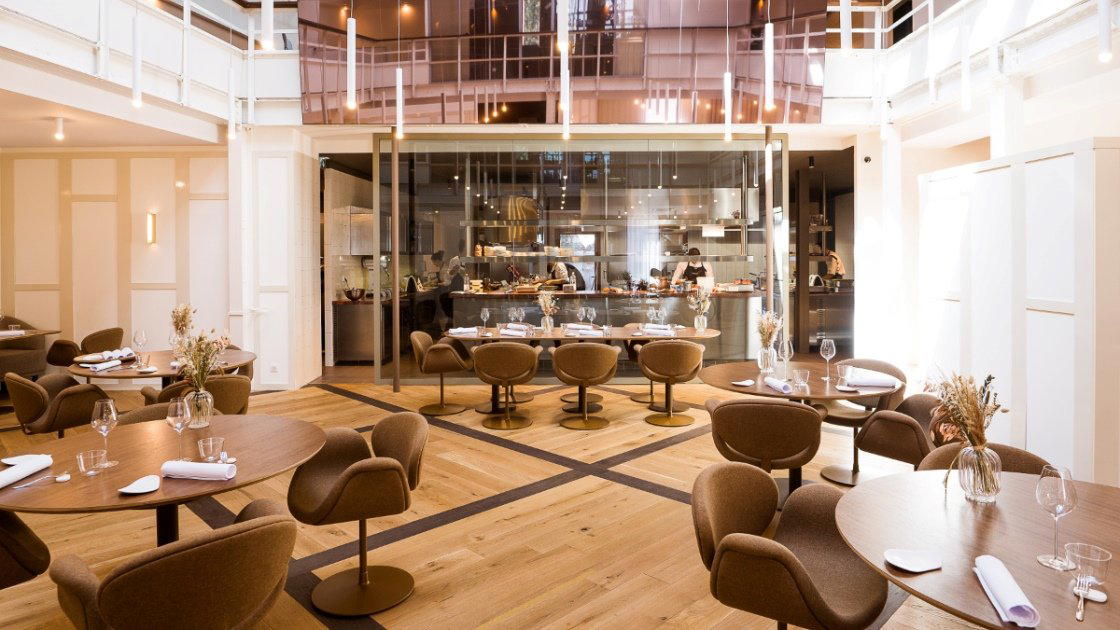
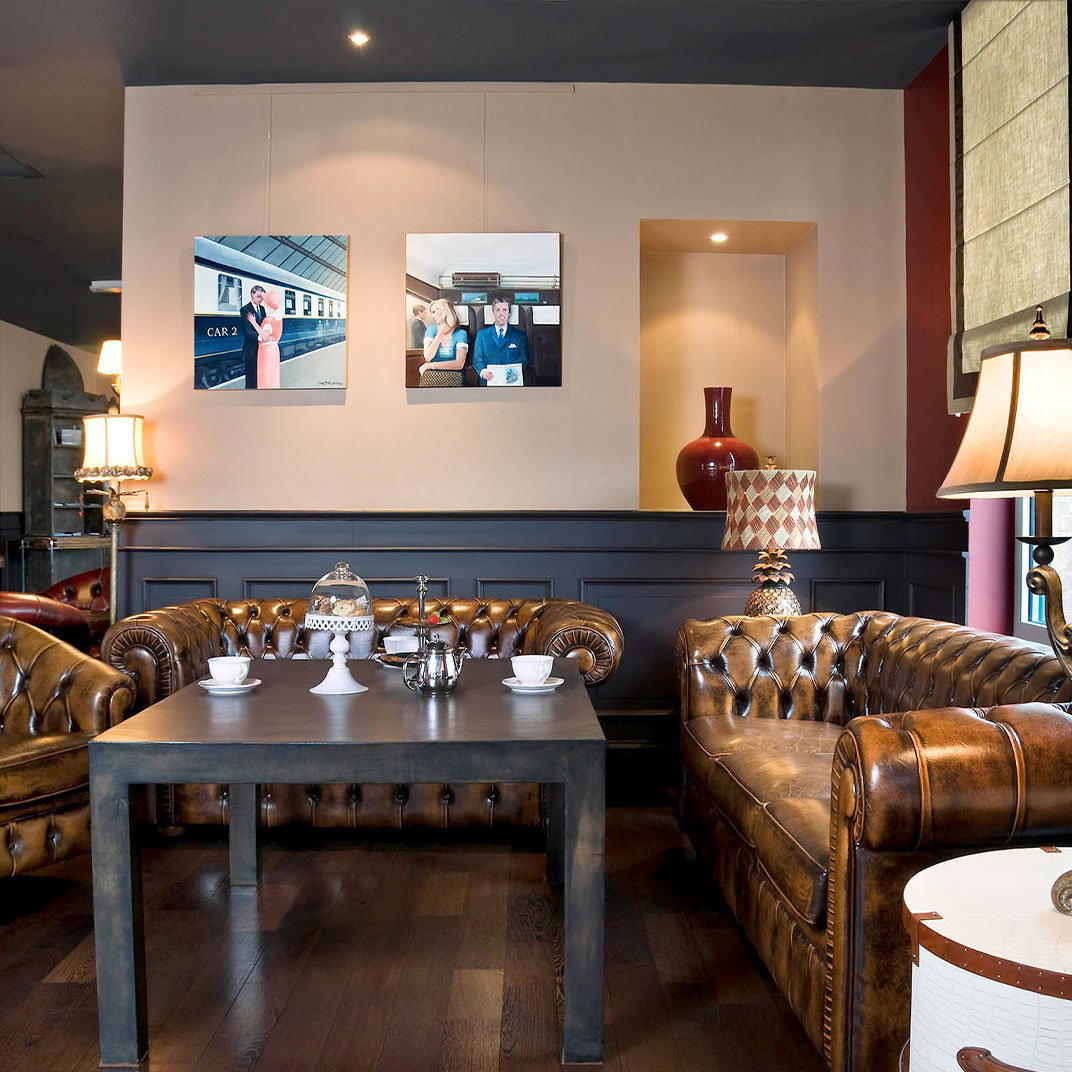
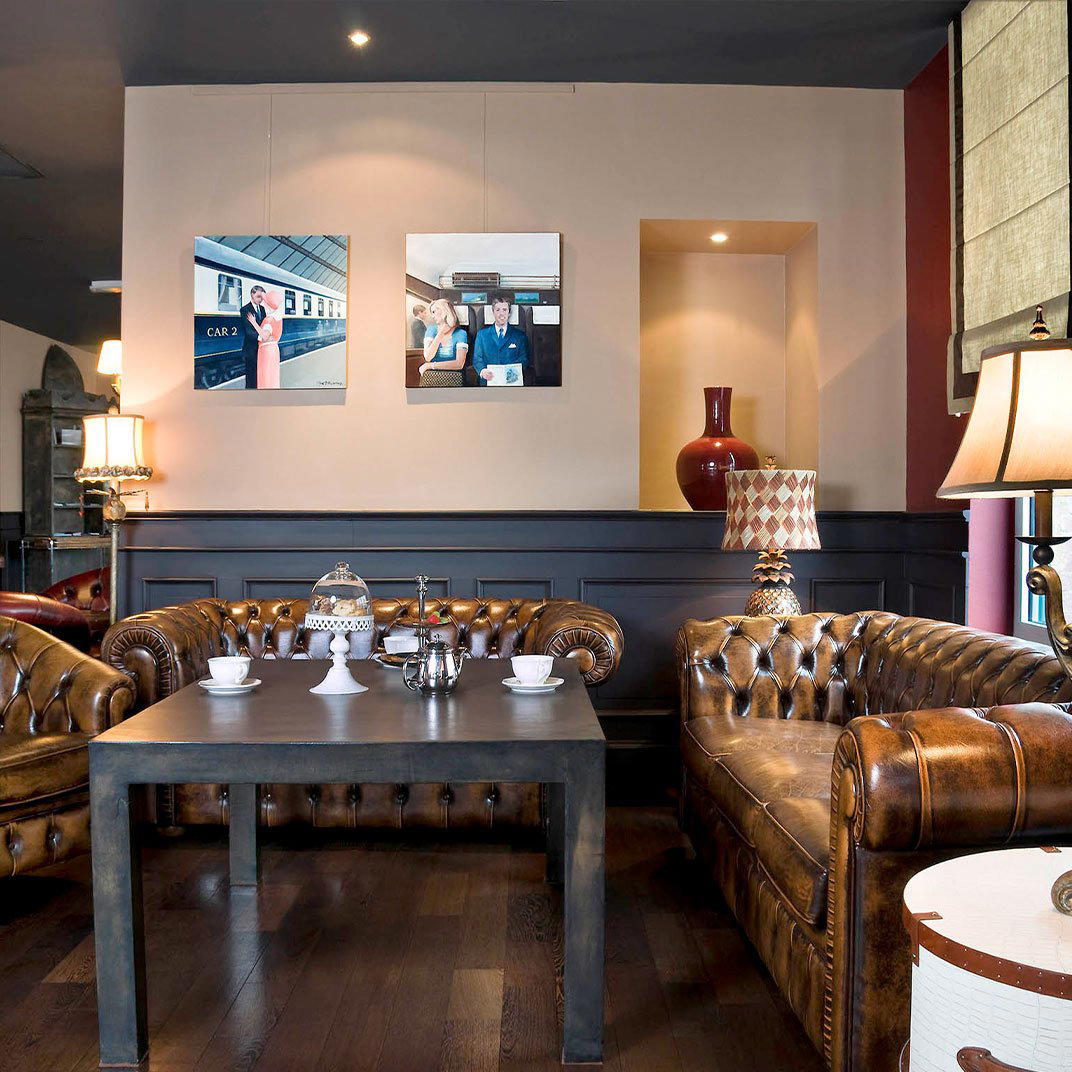
Bars in Le Mont Saint Michel
Browse all →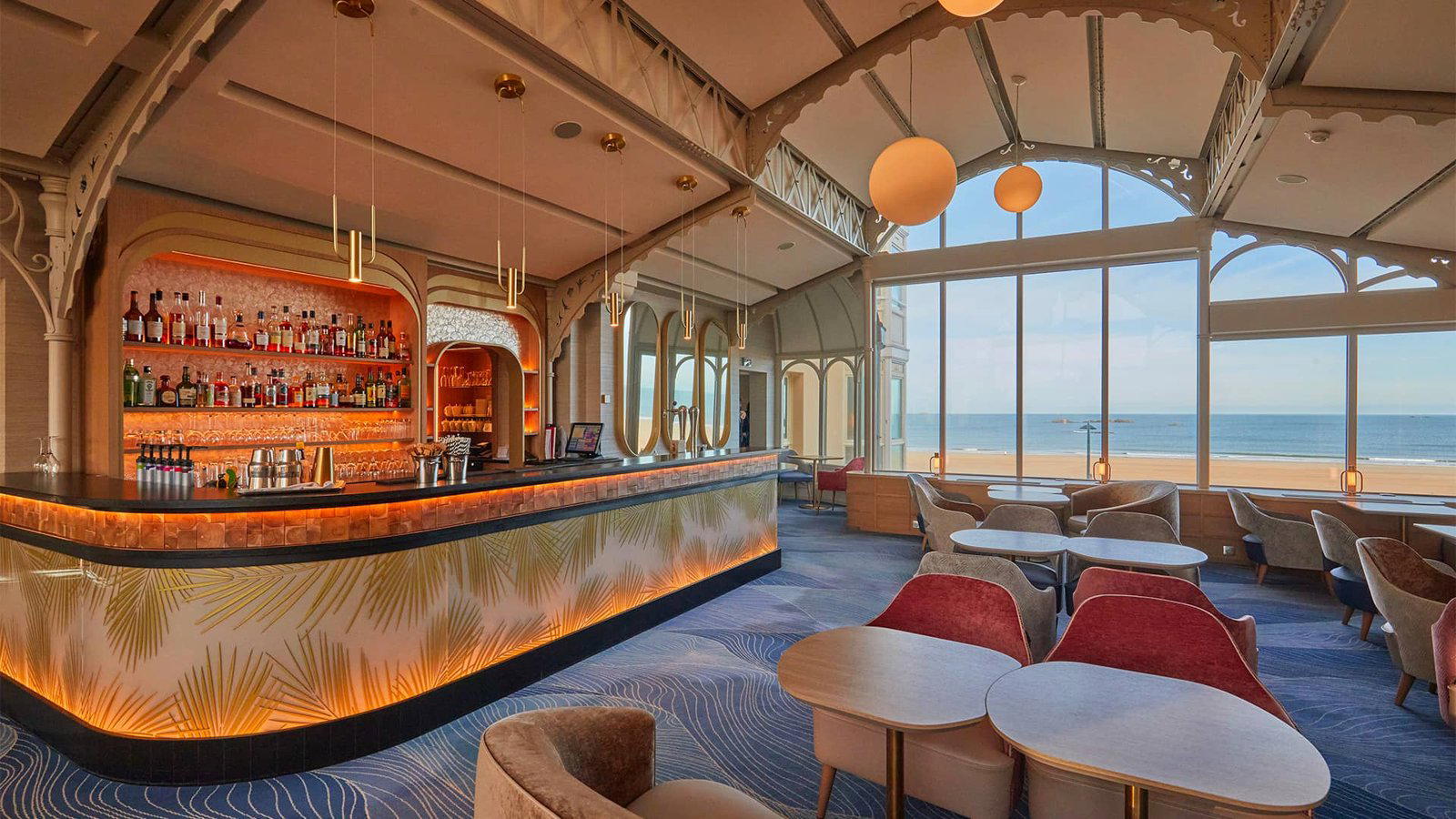
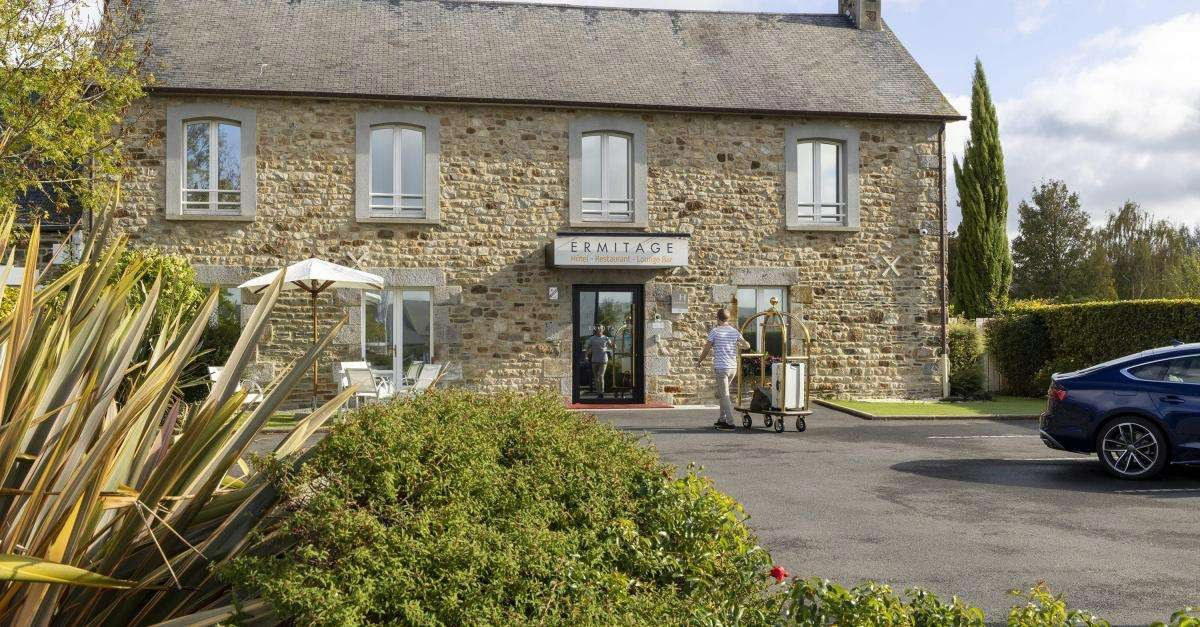
At a Glance
- Classic
- Well Known
- Historic
- Rustic
- Special Occasion
- Celebration
- Historic Building
- Open Kitchen
Current opening hours
- Monday
- 11:30 AM–3 PM, 6:30–9 PM
- Tuesday
- 11:30 AM–3 PM, 6:30–9 PM
- Wednesday
- 11:30 AM–3 PM, 6:30–9 PM
- Thursday
- 11:30 AM–3 PM, 6:30–9 PM
- Friday
- 11:30 AM–3 PM, 6:30–9 PM
- Saturday
- 11:30 AM–3 PM, 6:30–9 PM
- Sunday
- 11:30 AM–3 PM, 6:30–9 PM
Hours can change for holidays and private events. Last verified .
Charming medieval atmosphere in a historic setting with wood-fired cooking visible to guests.